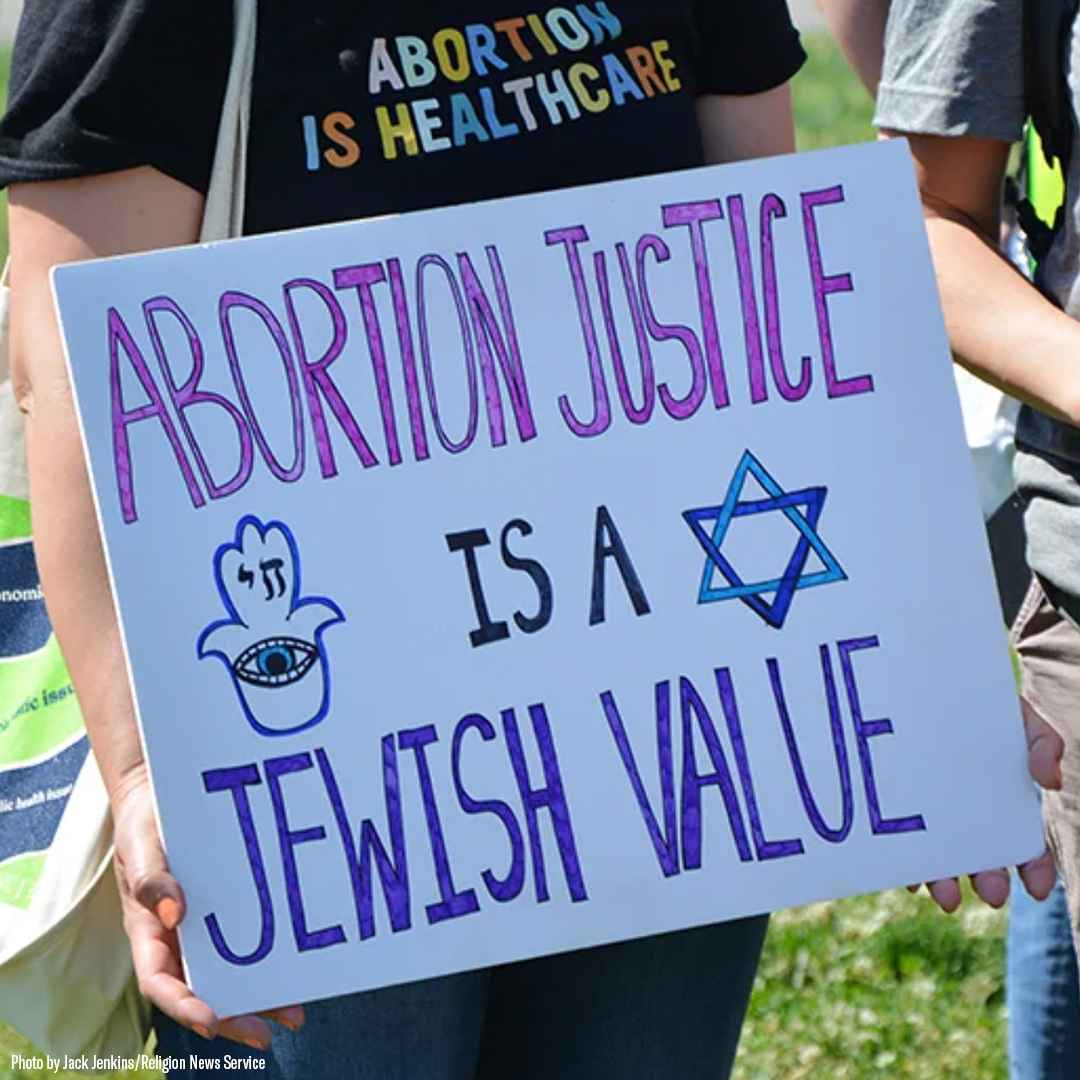
Jewish Perspectives on Abortion and Religious Rights
Jewish Perspectives on Abortion and Religious Rights Jewish texts and legal traditions have multiple views on abortion, often rooted in the interpretation o...
Explore event →History does not happen in isolation. Explore world events across time, follow the connections between them, and investigate the threads that reveal how one event can lead to another.
TheTimeMap currently follows events across 95 countries and 268 years of history — building a connected archive designed for people who want to look beyond the headline.
We oppose antisemitism, racism, and dehumanization — everywhere.
When people stop feeling, injustice becomes easy.
Jewish Perspectives on Abortion and Religious Rights Jewish texts and legal traditions have multiple views on abortion, often rooted in the interpretation o...
Explore event →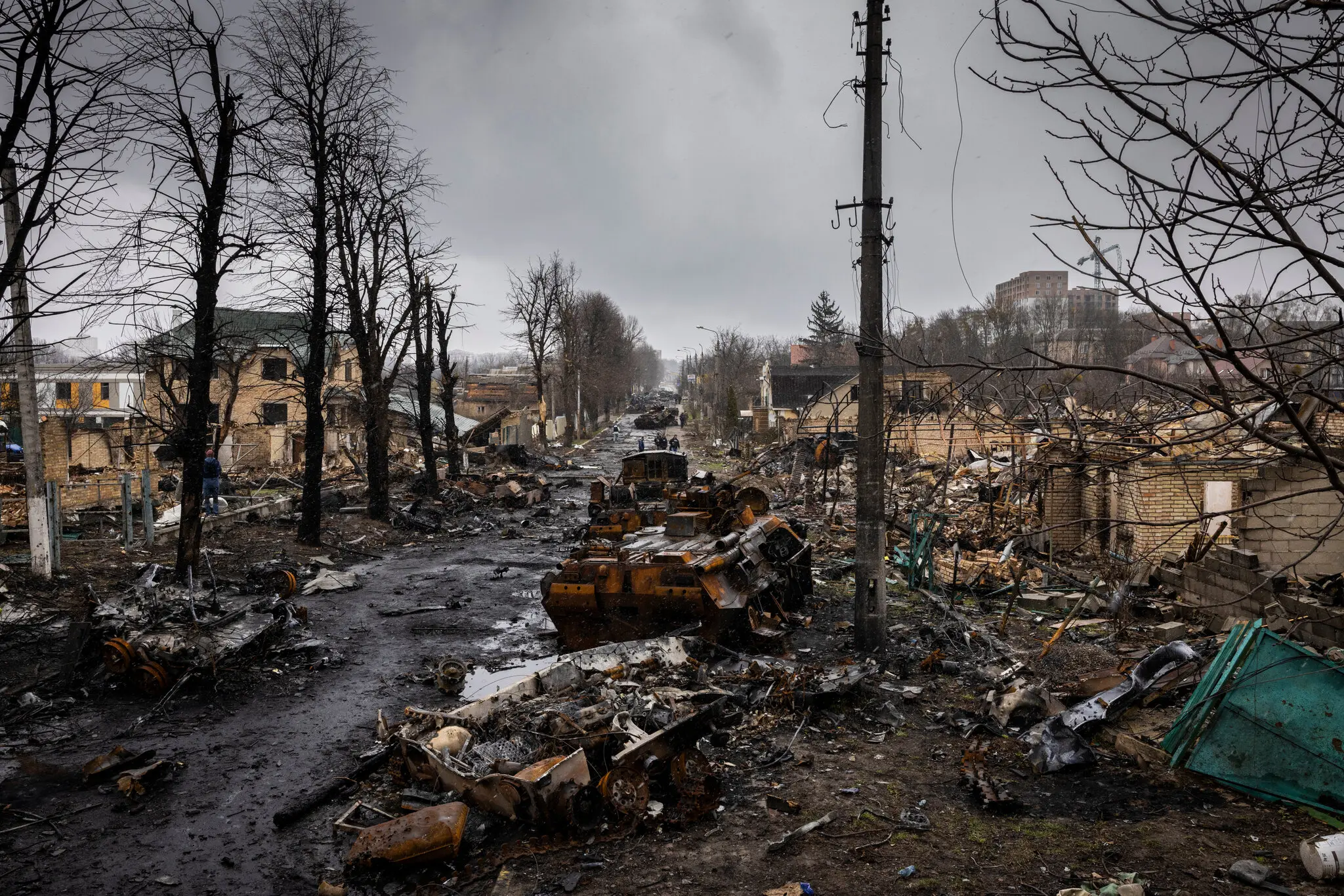
Russia launched a large-scale military invasion of Ukraine on February 24, 2022. Russian President Vladimir Putin announced what he called a special military operation...
Explore event →
U.S. Drone Strike in Kabul That Killed Civilians Including Children On 29 August 2021, a drone strike conducted by the United States Central Command in Kabu...
Explore event →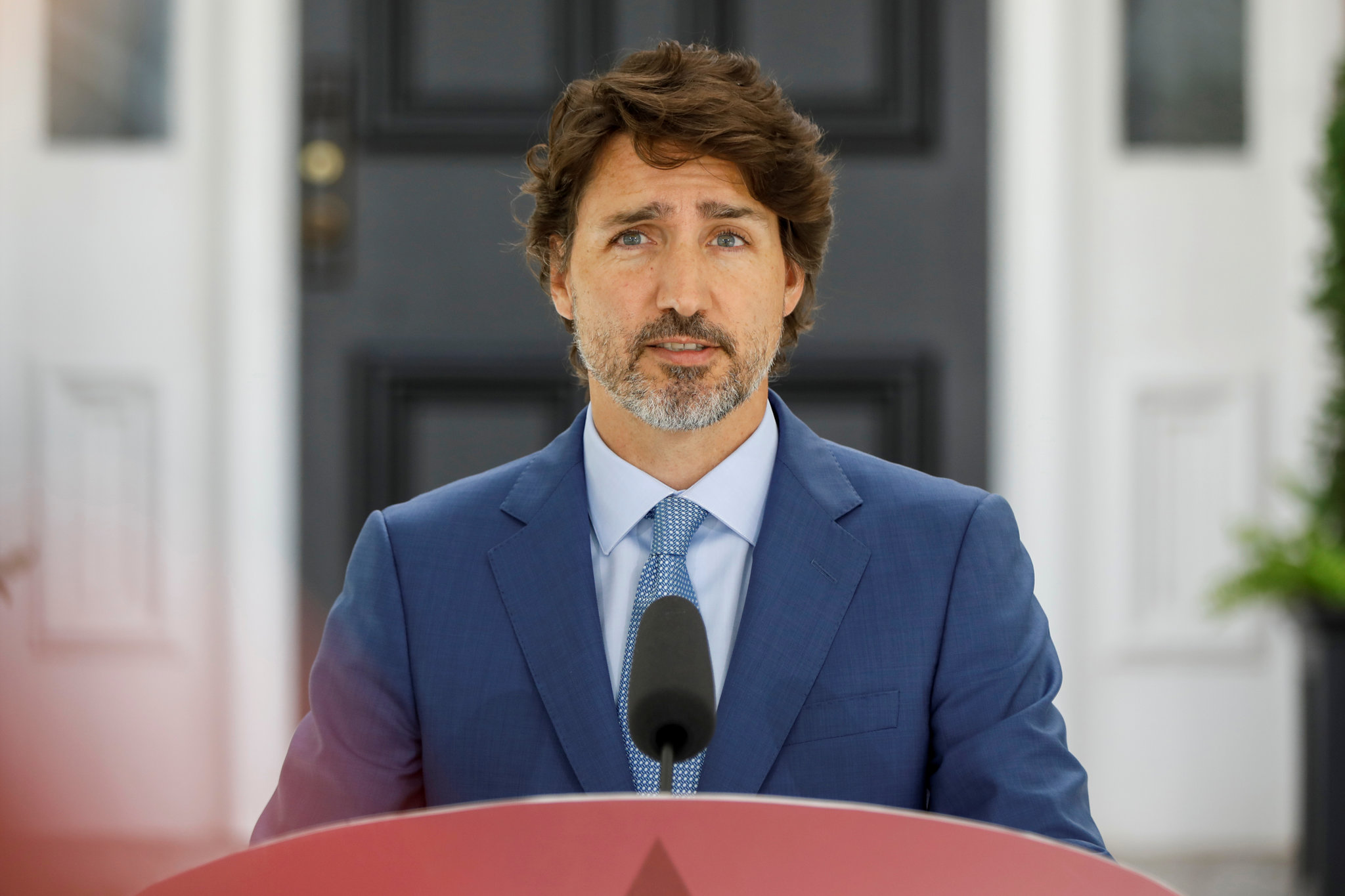
On July 10, 2020, Canadian Prime Minister Justin Trudeau came under intense scrutiny regarding the federal government’s decision to award a $912 million student volunt...
Explore event →
WE Charity, which was involved in a major Canadian federal grant program, faced scrutiny over conflicts of interest involving members of the Trudeau family and the awa...
Explore event →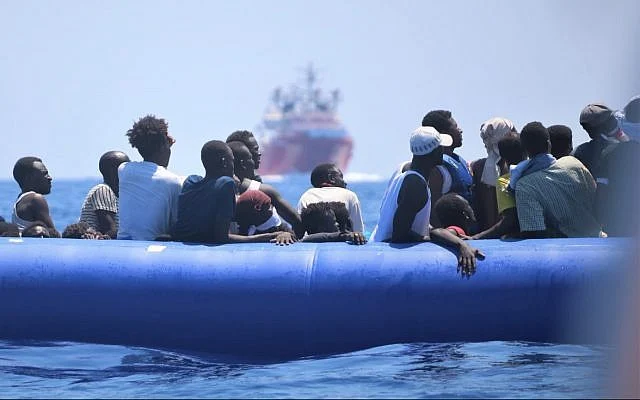
Israeli and Jewish aid groups support migrant and refugee assistance in Europe On September 5, 2015, IsraAID, an Israeli non-governmental organization founded in 2001...
Explore event →
On July 16, 2014, during the Gaza conflict between Israel and Hamas, four Palestinian children from the Bakr family were killed in a strike near the fishing harbor of ...
Explore event →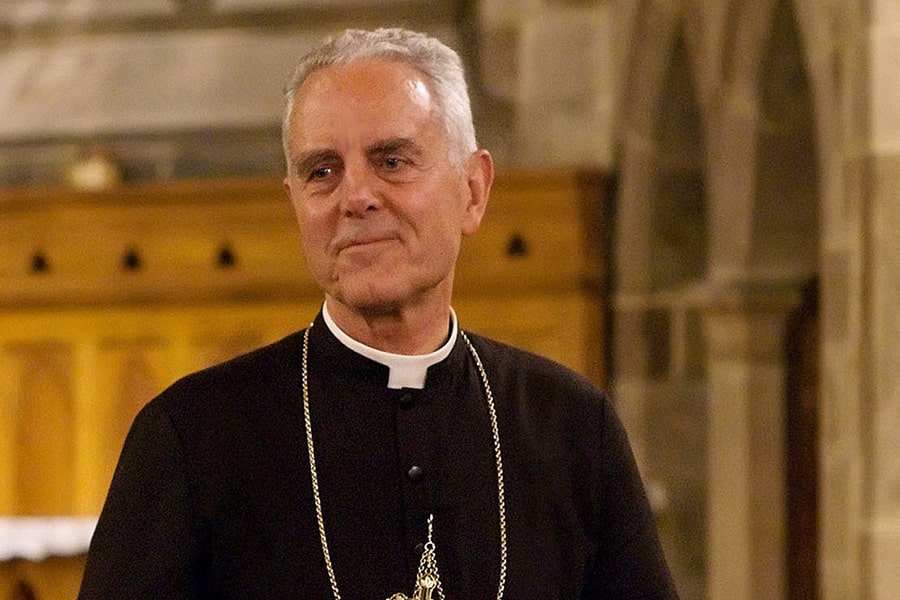
Richard Williamson was a British traditionalist Catholic bishop who became widely known for his involvement in controversies related to the Catholic Church and his pub...
Explore event →
Gilgamesh narratives resurface amid 2003 Iraq war and Euphrates region focus In April 2003, during the early phase of the U.S.-led invasion of Iraq, interna...
Explore event →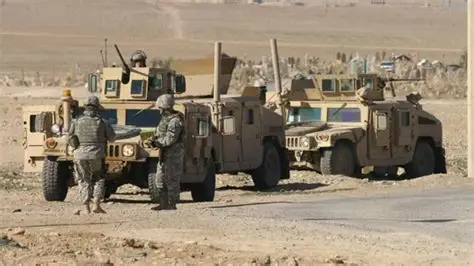
Background and Decision-Makers On March 20, 2003, the United States, the United Kingdom, and coalition allies launched a military invasion of Iraq. The primary jus...
Explore event →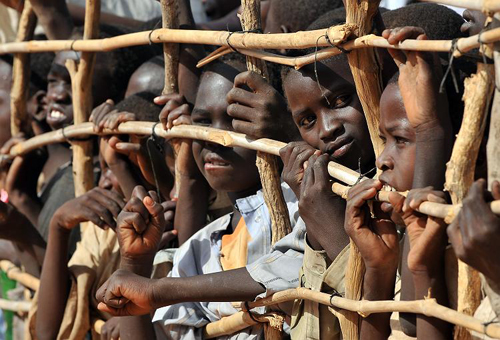
Darfur Genocide On February 26, 2003, rebel groups in Darfur, Sudan, including the Sudan Liberation Army and Justice and Equality Movement, launched attacks against g...
Explore event →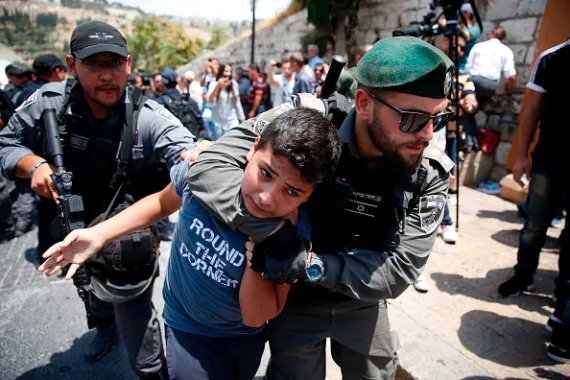
Palestinian children are regularly arrested and detained by Israeli authorities, primarily for security-related offenses, but there is no separate prison exclusively f...
Explore event →
During the Bosnian War from 1992 to 1995, reports and court filings alleged that weapons of Israeli origin were transferred to Serbian forces. In 2016, Israeli huma...
Explore event →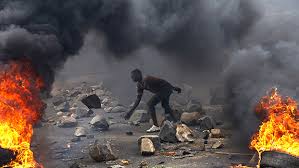
In 1993, Burundi experienced a brutal ethnic conflict that resulted in a genocide primarily targeting the Hutu population. The violence erupted after the assassination...
Explore event →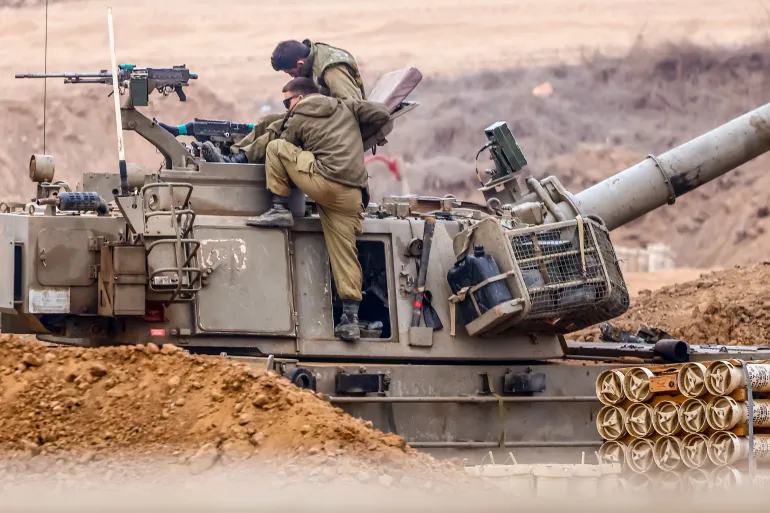
Hannibal Directive. Israeli military procedure and revocation The Hannibal Directive was a reported operational procedure of the Israel Defense Forces...
Explore event →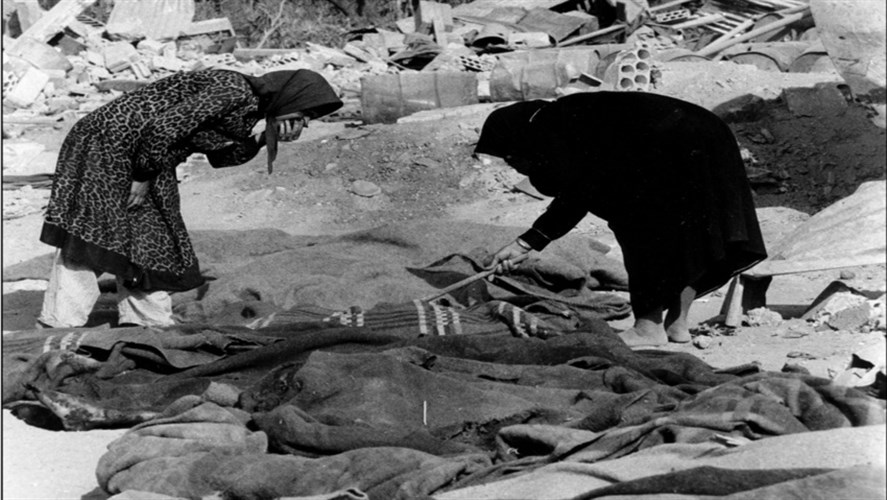
The Sabra and Shatila massacre took place between September 16 and 18, 1982, in the Sabra neighborhood and the adjacent Shatila refugee camp in Beirut, Lebanon. The ma...
Explore event →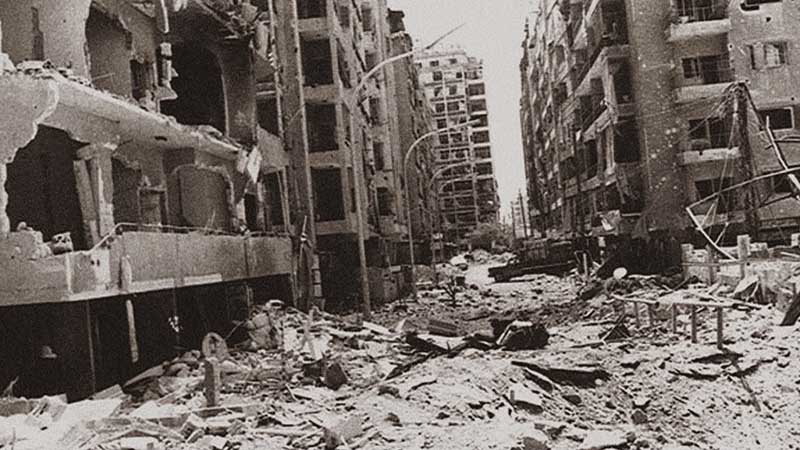
The Hama Massacre occurred in February 1982 when Syrian government forces launched a military assault on the city of Hama to suppress an uprising by the Muslim Brother...
Explore event →
The Zebra murders were a series of killings and shootings committed in San Francisco between October 1973 and April 1974. The attacks resulted in 14 deaths and seven o...
Explore event →
The Burundi Genocide of 1972 was a mass killing event targeting primarily the Hutu ethnic group by the Tutsi-dominated government.The violence began in April 1972 foll...
Explore event →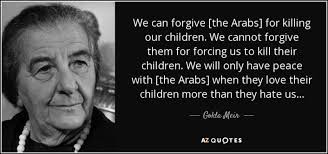
Attribution History of Golda Meir Quote on Children and Conflict Golda Meir served as Prime Minister of Israel from 1969 to 1974. A statement widely attribu...
Explore event →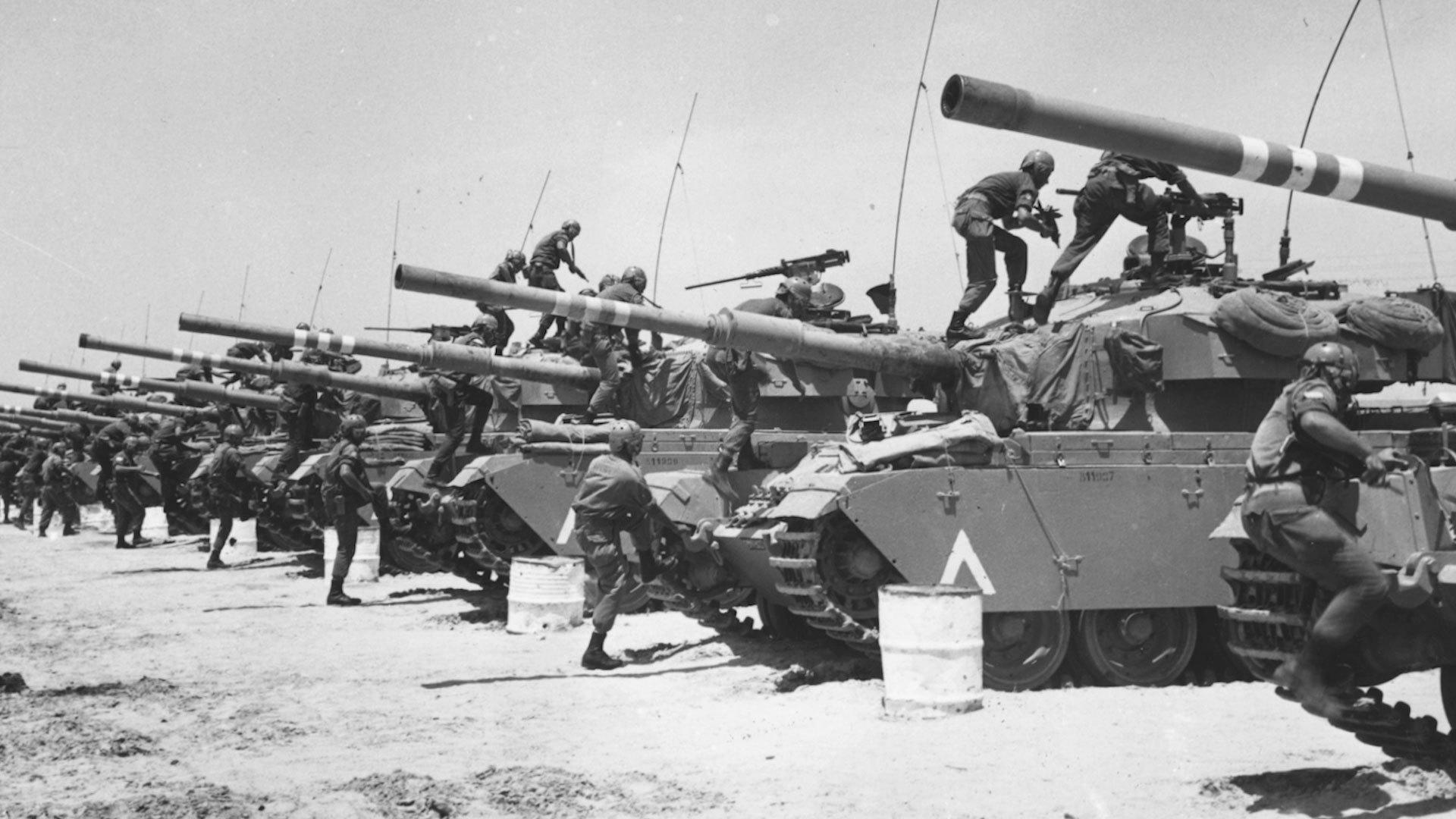
Event Overview On June 5, 1967, the Israel Defense Forces (IDF) launched coordinated air strikes against Egypt, Jordan, and Syria, marking the beginning of the Six-Da...
Explore event →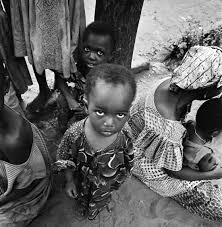
The Biafran mass killings occurred during the Nigerian Civil War, which lasted from 1967 to 1970. Following the secession of the southeastern provinces of Nigeria and ...
Explore event →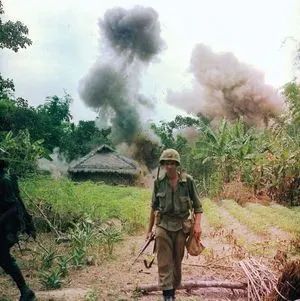
The Vietnam War was a prolonged armed conflict fought primarily between North Vietnam, led by the Communist Party under Ho Chi Minh, and South Vietnam, supported by th...
Explore event →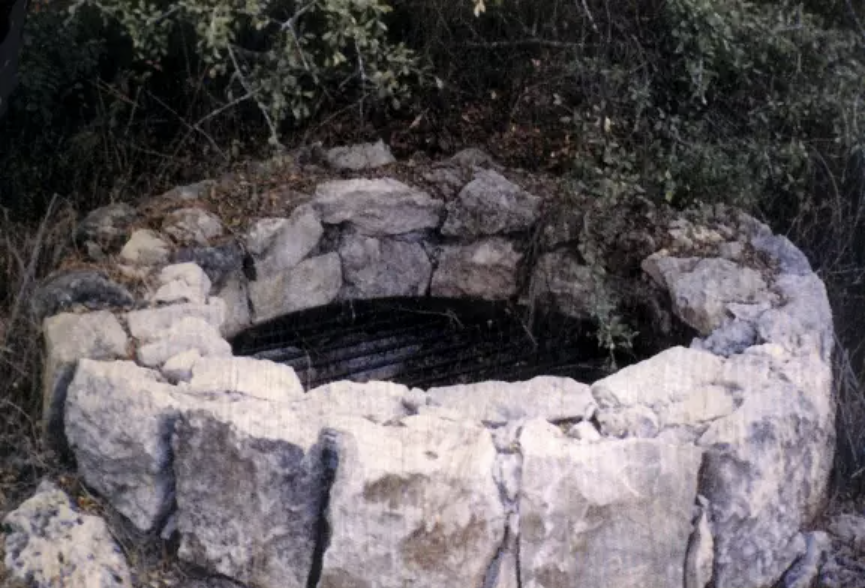
Operation Cast Thy Bread: Poisoning of Palestinian Wells In April 1948, during the Arab–Israeli War following the end of the British Mandate for Palestine, personnel ...
Explore event →
30 June 2012 — Mohamed Morsi, associated with the Muslim Brotherhood's political movement, becomes Egypt's first president elected after the 2011 uprising. His governm...
Explore research
2011–2014 — Mubarak's fall opens competitive elections and unprecedented political participation, but the transition rapidly produces institutional conflict, polarizat...
Explore research
1998–1999 — War in neighboring Kosovo becomes a major national and humanitarian issue for Albania. Hundreds of thousands of Kosovo Albanian refugees cross into Albania...
Explore research
6–25 October 1973 — Egyptian and Syrian forces launch a surprise attack against Israeli positions. Egyptian troops successfully cross the Suez Canal and penetrate the ...
Explore research
1942–1944 — Communist-led partisans, Balli Kombëtar and other nationalist forces resist Italian and later German occupation. Rival resistance movements also fight one ...
Explore research
June–September 1920 — Albanian fighters challenge Italian forces occupying the Vlorë region. The conflict contributes to an agreement under which Italy withdraws from ...
Explore research
January–June 1919 — France prioritizes security and compensation for destruction. Britain wants Germany constrained without permanently destroying European economic st...
Explore research
January–June 1919 — Allied leaders negotiate borders, reparations, military restrictions, mandates and a new international organization. Wilson's language of self-dete...
Explore research
3 November 1918 — Sailors at Kiel revolt after naval leaders attempt to send the fleet into a final battle. The mutiny spreads into a wider revolutionary movement as w...
Explore research
8 August 1918 — Allied armies attack near Amiens and begin the sustained offensive sequence known as the Hundred Days. Improved coordination of artillery, infantry, ta...
Explore research
August–November 1918 — Germany and its allies face military retreat, shortages, exhaustion and growing political instability. Bulgaria, the Ottoman Empire and Austria-...
Explore research
July–November 1918 — Allied forces increasingly coordinate artillery, infantry, tanks, aircraft, communications and logistics. Strategic coordination also improves und...
Explore research
21 March 1918 — Germany launches Operation Michael, the first of several major offensives designed to win the war in the west before American manpower becomes overwhel...
Explore research
January–March 1918 — Russia's withdrawal gives Germany a temporary manpower advantage in the west, but American troops are arriving rapidly. Hindenburg and Ludendorff ...
Explore research
November 1917–March 1918 — Lenin argues that the revolutionary government cannot survive while Russia remains in the war. Other Bolsheviks object to Germany's extreme ...
Explore research
6 April 1917–11 November 1918 — The United States begins converting its enormous economy and population into military power. Millions of men enter the draft system whi...
Explore research
8 March 1917 — Demonstrations, strikes and bread shortages in Petrograd begin the revolutionary crisis that destroys the imperial government. Soldiers increasingly ref...
Explore research
1 February 1917–11 November 1918 — German submarines attack merchant shipping in an attempt to reduce British imports below sustainable levels. Early shipping losses a...
Explore research
1917–1918 — German forces develop increasingly sophisticated methods based on short intense bombardments, assault detachments and infiltration around strongpoints. The...
Explore research
Late 1917–March 1918 — The collapse of Russian resistance allows Germany to move divisions from the Eastern Front toward France and Belgium. German commanders understa...
Explore research
1917–1918 — Woodrow Wilson increasingly presents American participation as part of a larger project to restructure international relations. His Fourteen Points call fo...
Explore research
December 1916–January 1917 — German naval and military leaders conclude that unrestricted submarine warfare may force Britain out of the war. They understand that the ...
Explore research
August 1916–October 1918 — Paul von Hindenburg and Erich Ludendorff become the dominant figures in Germany's Supreme Army Command. Their influence extends far beyond b...
Explore research
1 July 1916 — British and French forces open the Somme offensive after an enormous artillery preparation. The first day becomes the bloodiest single day in British mil...
Explore research