.jpg)
Nakba (Palestinian Catastrophe)
The Nakba refers to the mass displacement and dispossession of Palestinians that occurred between 1947 and 1949 during the collapse of the British Mandate for Palestin...
Explore event →History does not happen in isolation. Explore world events across time, follow the connections between them, and investigate the threads that reveal how one event can lead to another.
TheTimeMap currently follows events across 95 countries and 268 years of history — building a connected archive designed for people who want to look beyond the headline.
We oppose antisemitism, racism, and dehumanization — everywhere.
When people stop feeling, injustice becomes easy.
The Nakba refers to the mass displacement and dispossession of Palestinians that occurred between 1947 and 1949 during the collapse of the British Mandate for Palestin...
Explore event →.webp)
Victory over Japan (VJ) Day marked Japan's formal surrender aboard the USS Missouri, ending World War II entirely. This day is remembered for the conclusion of one of ...
Explore event →.webp)
Victory in Europe (VE) Day marked the official surrender of Nazi Germany to the Allies, ending the war in Europe. Celebrations erupted across Europe and the United Sta...
Explore event →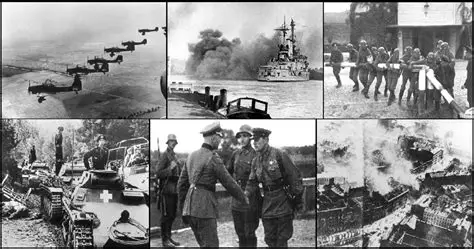
World War II Begins body { font-family: Arial, Helvetica, sans-serif; line-height: 1.6; margin: 40px; ...
Explore event →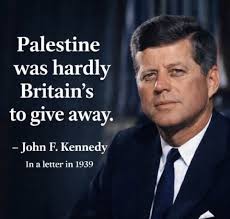
JFK Wrote in 1939 That Palestine Was Hardly Britain's to Give Away In July 1939, John F. Kennedy, then a 22-year-old Harvard student, visited Palestine duri...
Explore event →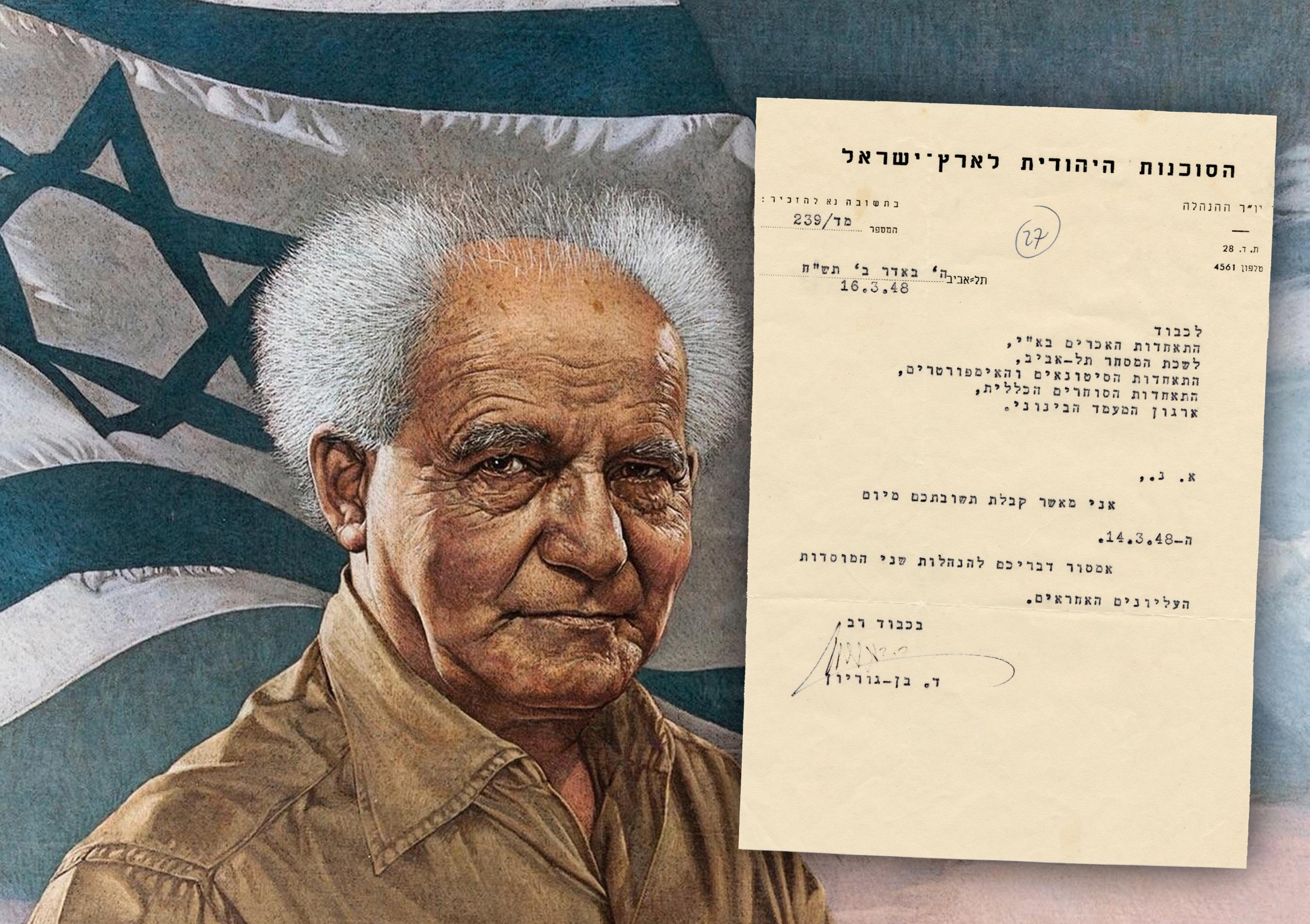
David Ben-Gurion Controversial Statements Record On October 5, 1937, David Ben-Gurion wrote a letter to his son Amos following the Peel Commission’s proposal to parti...
Explore event →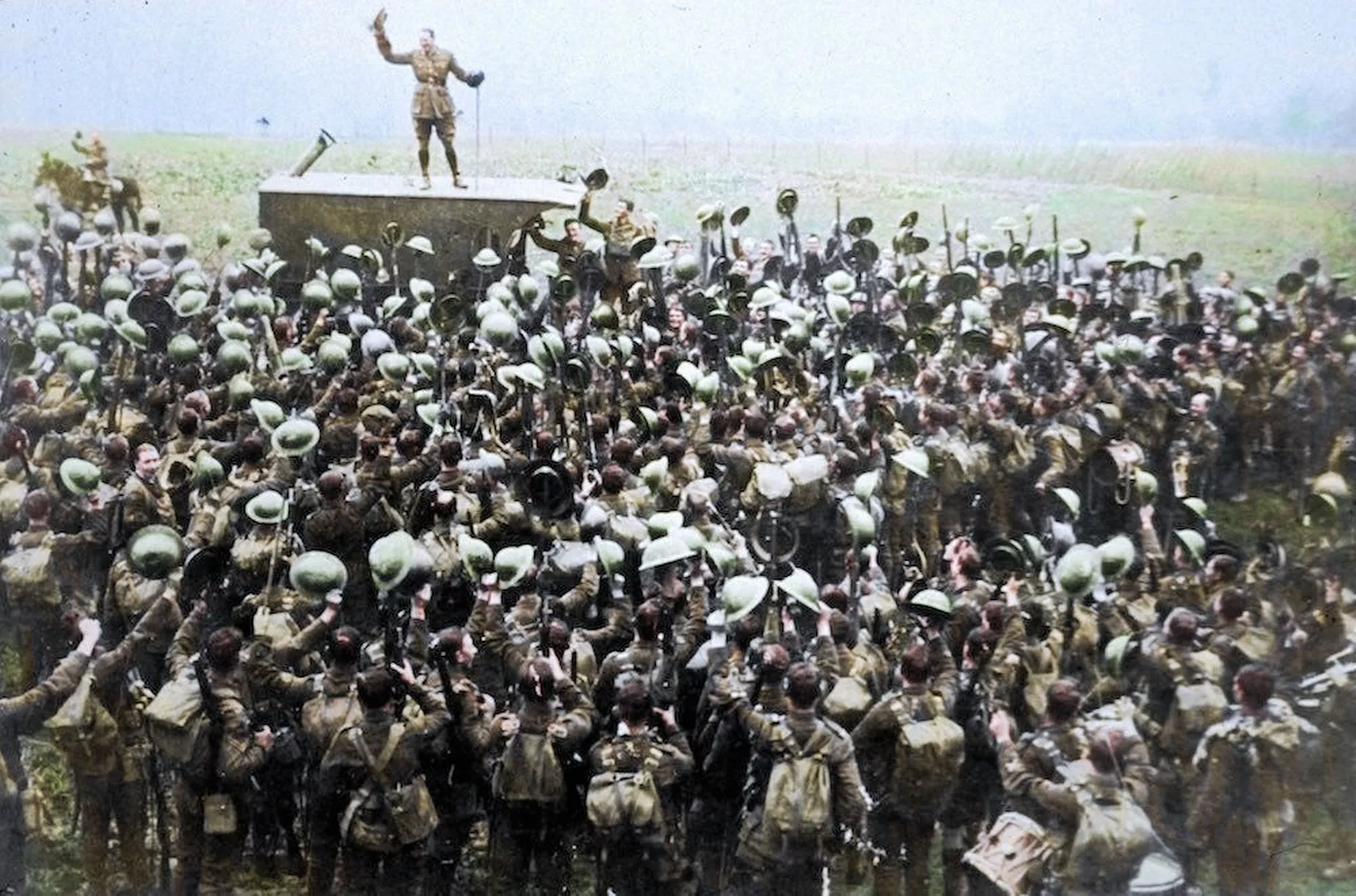
The armistice of November 11, 1918, marked the end of World War I. Germany agreed to cease hostilities with the Allies, bringing four years of devastating conflict to ...
Explore event →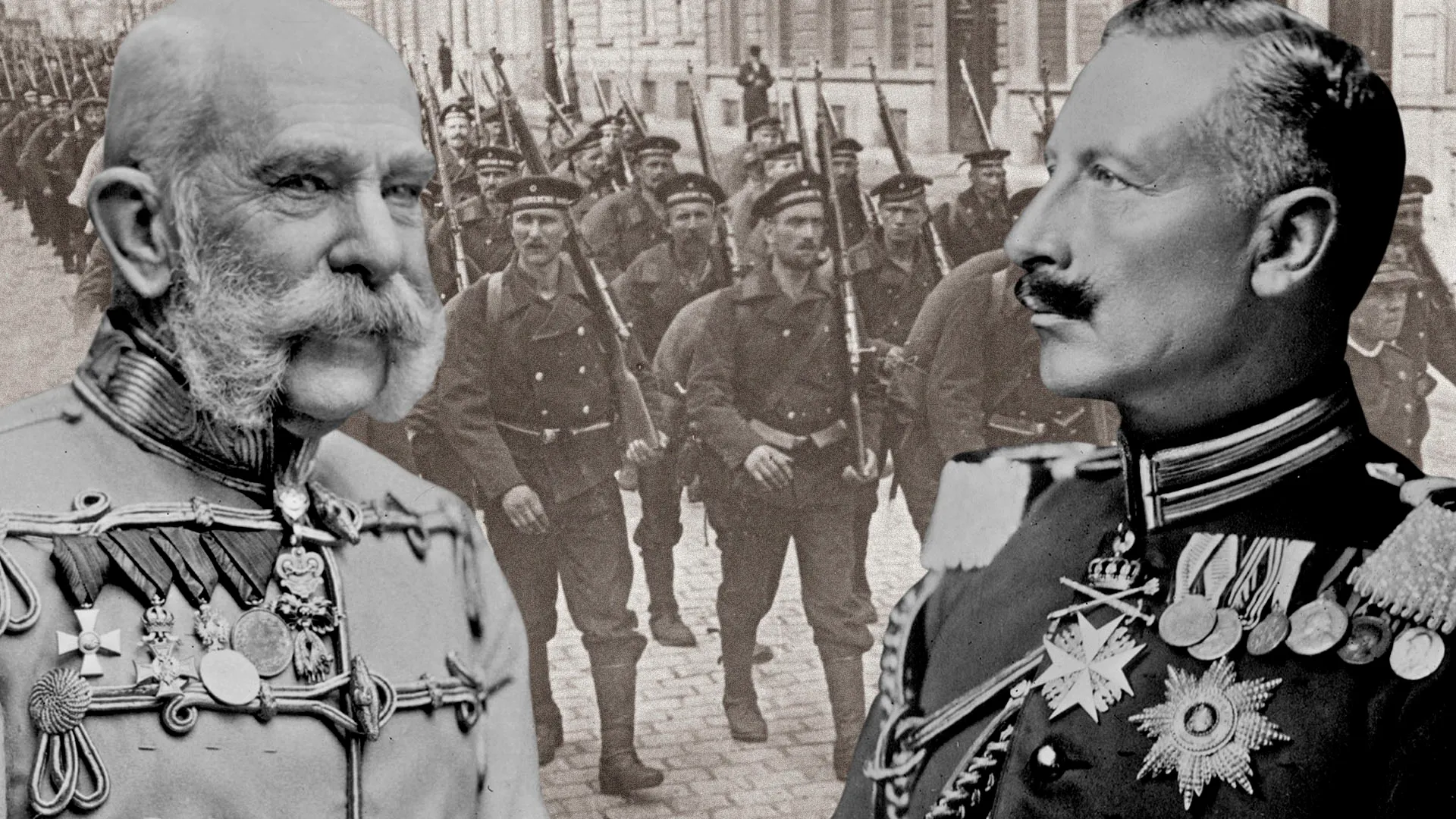
World War I, also known as the Great War, began when Austria-Hungary declared war on Serbia following the assassination of Archduke Franz Ferdinand. The conflict quick...
Explore event →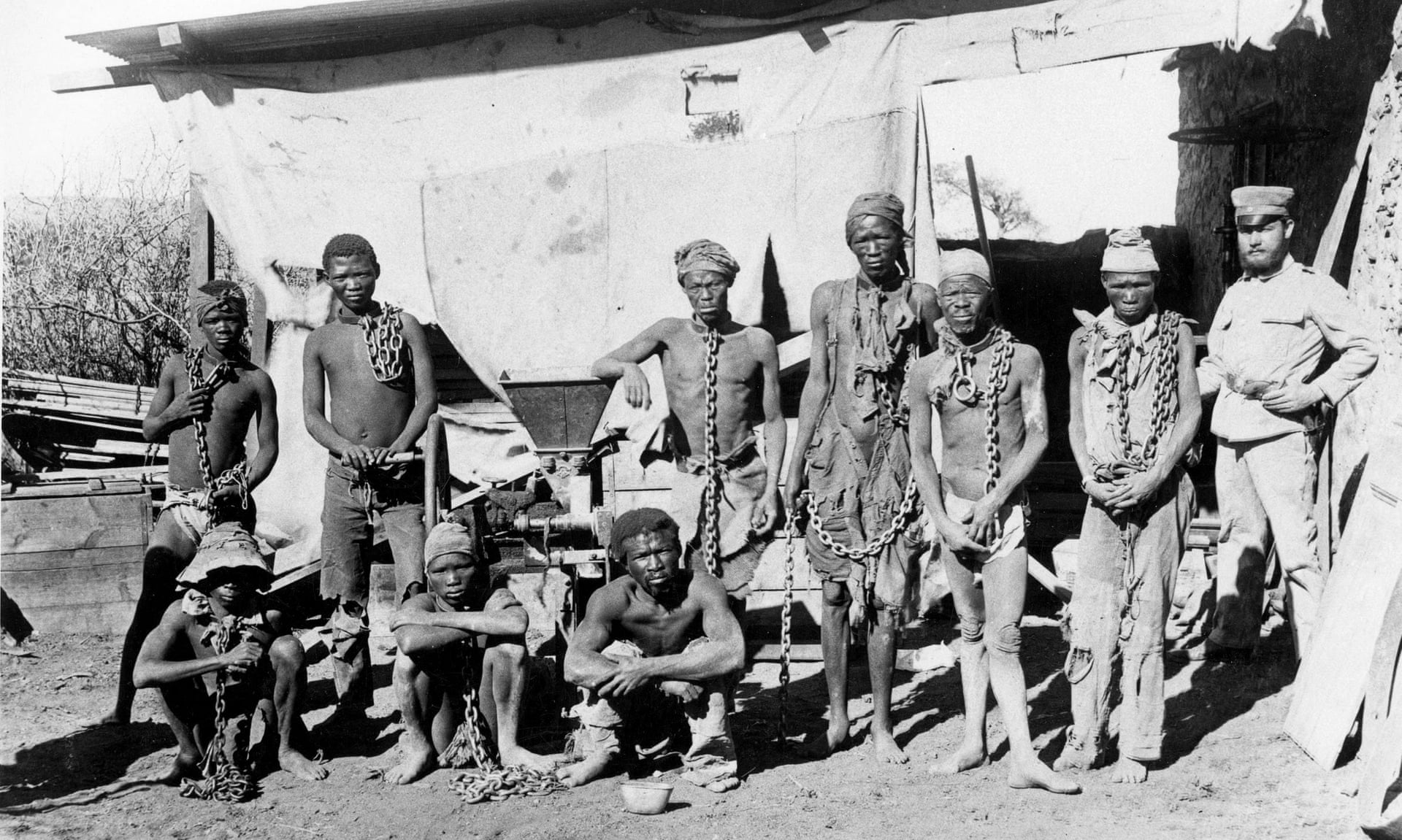
Herero And Nama Genocide On January 12, 1904, members of the Herero community initiated an armed uprising against German colonial authorities in German South West Afr...
Explore event →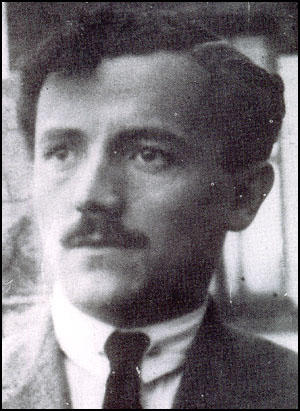
Alexander Orlov, born Lev Lazarevich Feldbin on 21 August 1895 in Bobruisk, was a Soviet NKVD officer from an Orthodox Jewish family. He later operated under several a...
Explore event →
Circassian Genocide On May 21, 1864, the Russian Empire declared the end of the Caucasian War following the defeat of Circassian resistance in the northwest Caucasus....
Explore event →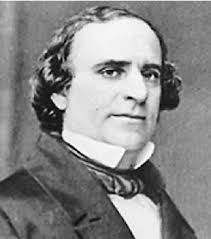
On December 1, 1845, David Levy Yulee was sworn in as one of the first two United States senators from the newly admitted State of Florida, marking a notable moment in...
Explore event →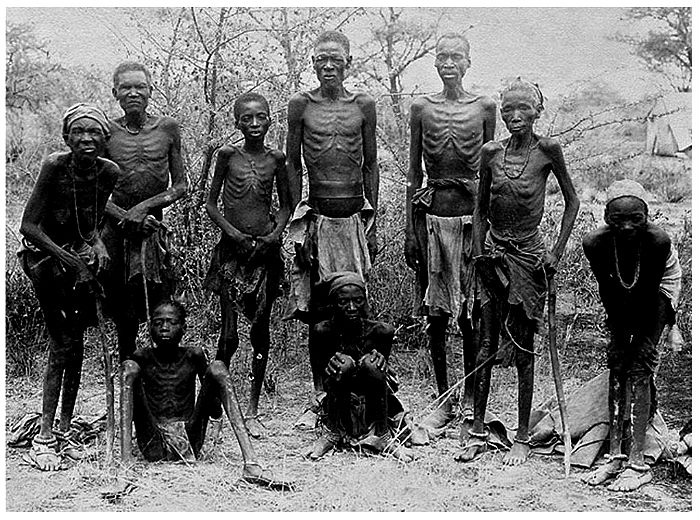
The Khoisan genocide refers to the systematic killings and displacement of the indigenous Khoisan peoples of Southern Africa during the 18th and 19th centuries. This g...
Explore event →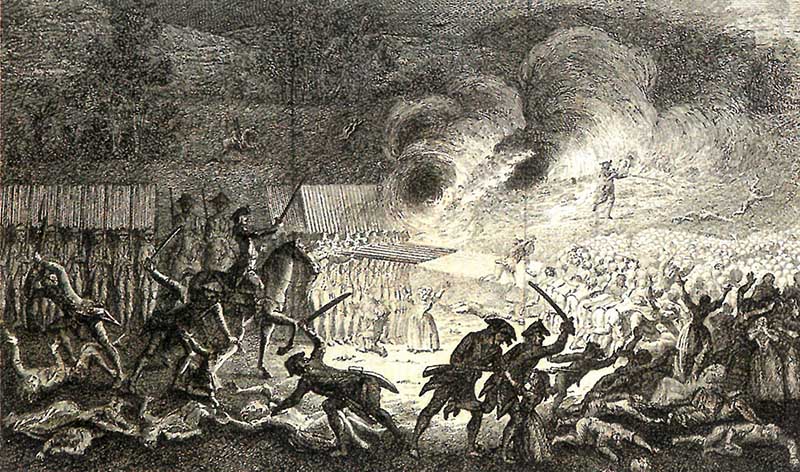
The Vendée Massacres occurred during the War in the Vendée, a counter-revolutionary uprising in western France from 1793 to 1796. The conflict was marked by violent cl...
Explore event →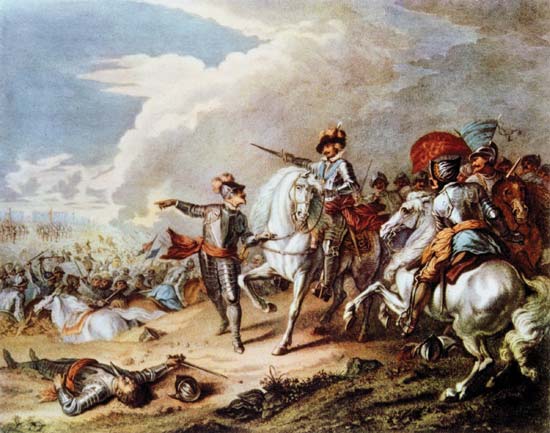
The English Civil War began between Royalists and Parliamentarians, reflecting conflicts over monarchy, parliamentary power, and religious freedom.
Explore event →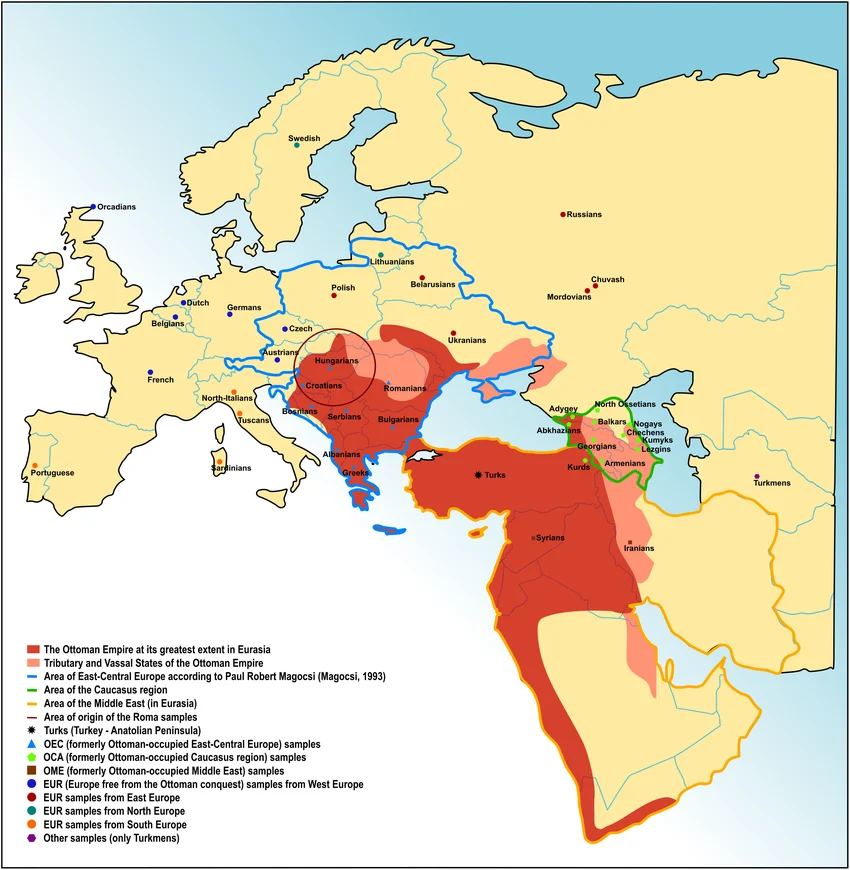
The Ottoman Empire expanded from a small Anatolian principality into one of the largest empires in history. Between the fourteenth and early twentieth centuries, Ottom...
Explore event →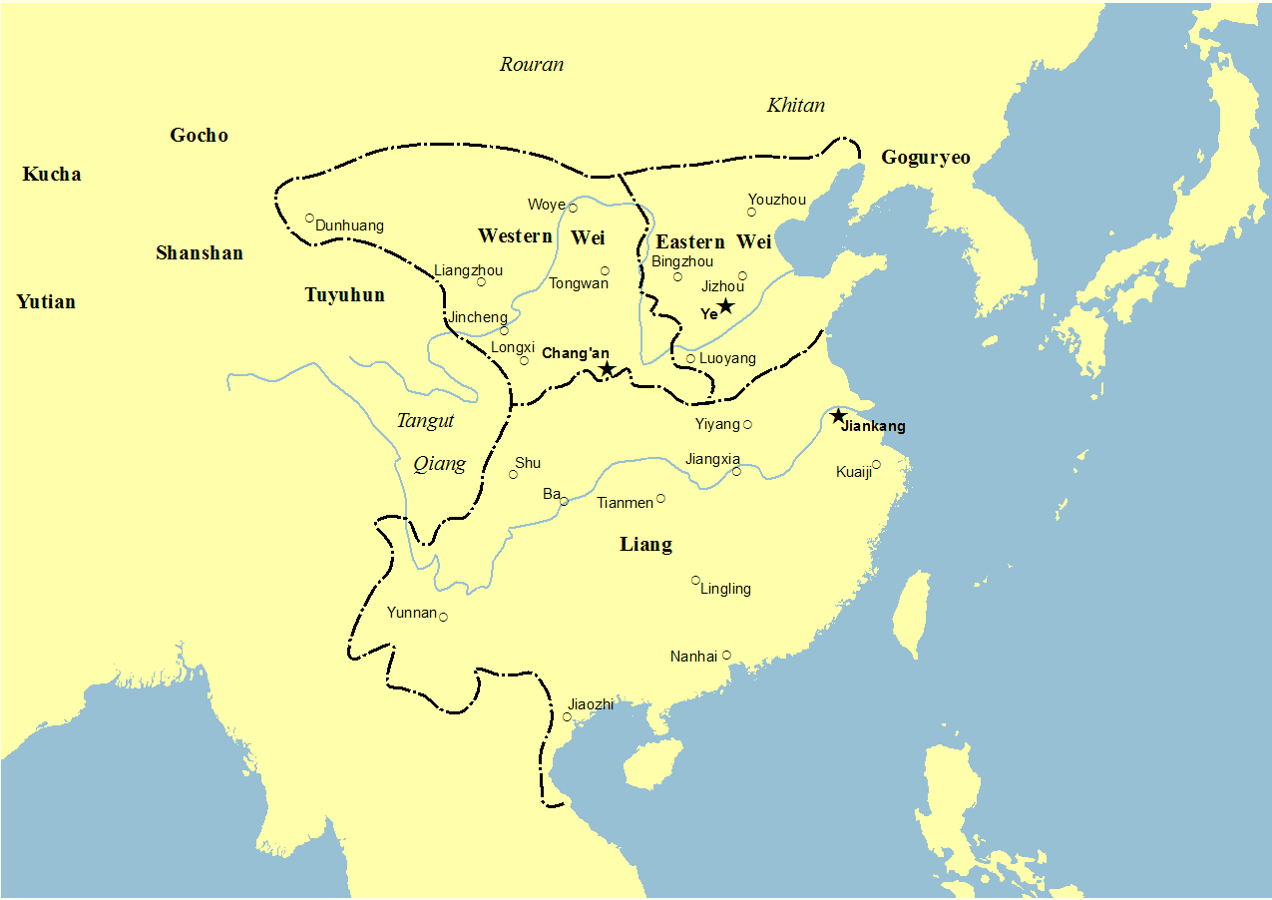
In early March 1371, Cham forces launched a significant raid on the Jiaozhi region of northern Vietnam. The attack targeted local settlements and disrupted the regiona...
Explore event →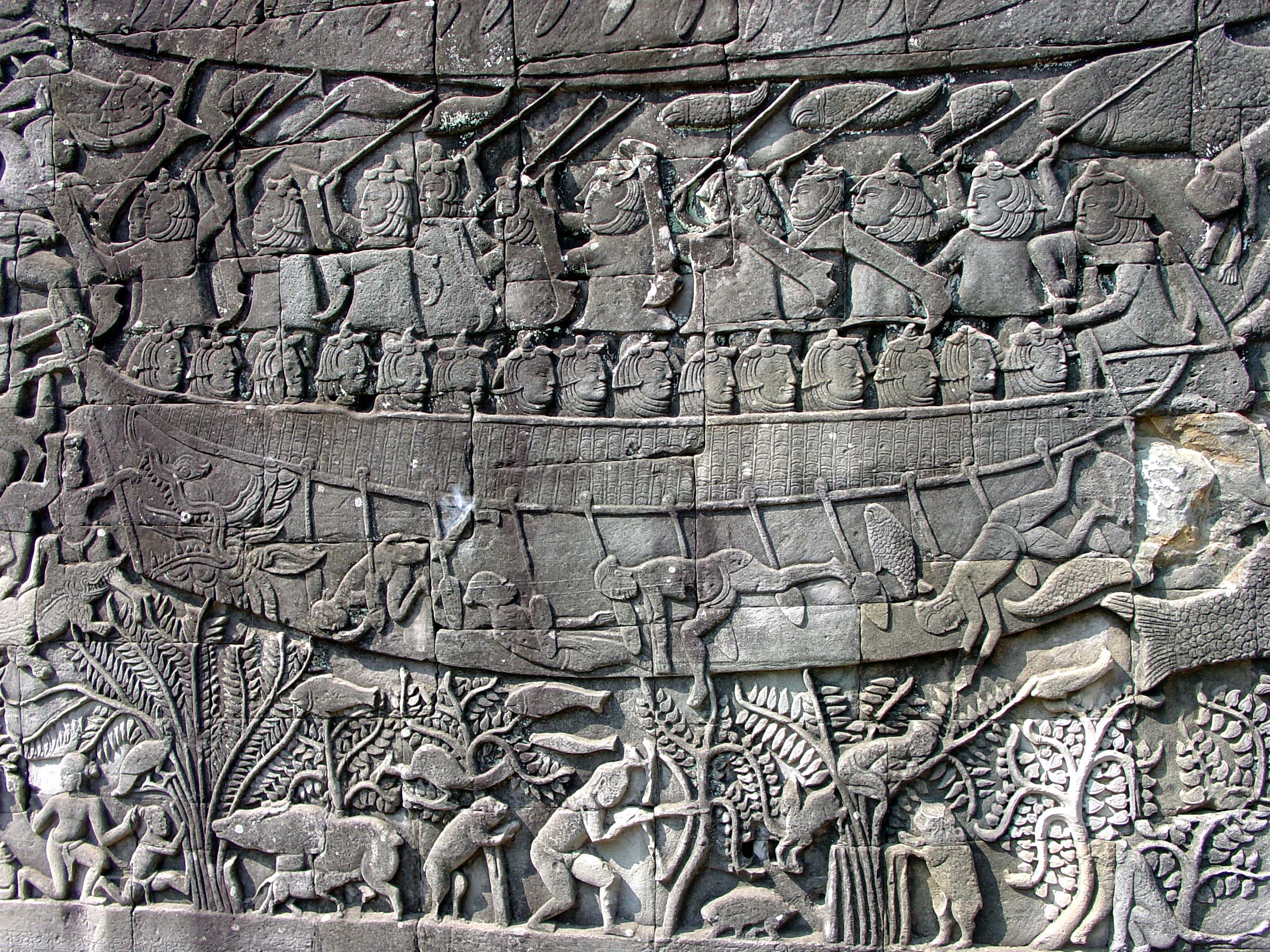
Cham forces launched a large-scale raid against the northern Vietnamese territory of Jiaozhi, resulting in the sacking of the city and widespread destruction. The atta...
Explore event →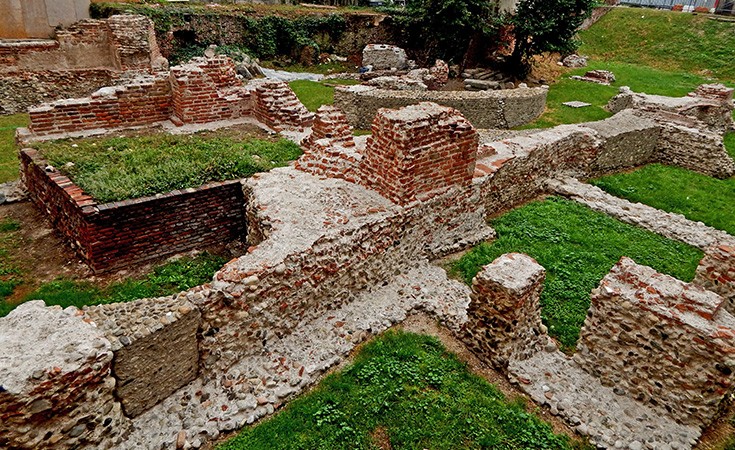
The imperial court transferred its seat to Milan, marking a significant shift in political power within the region. This relocation allowed closer control over norther...
Explore event →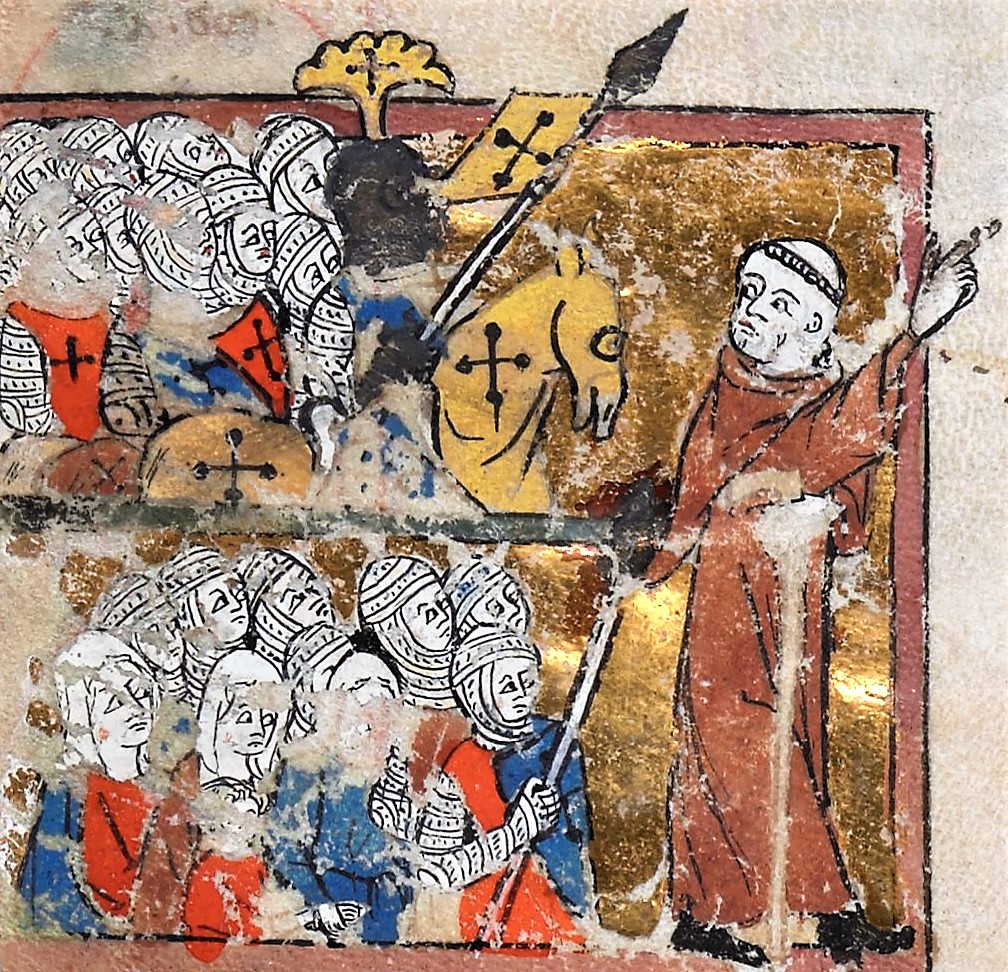
Origins And Objectives Of The Crusades The Crusades were a series of military campaigns initiated between 1095 and 1291, primarily aimed at capturing or def...
Explore event →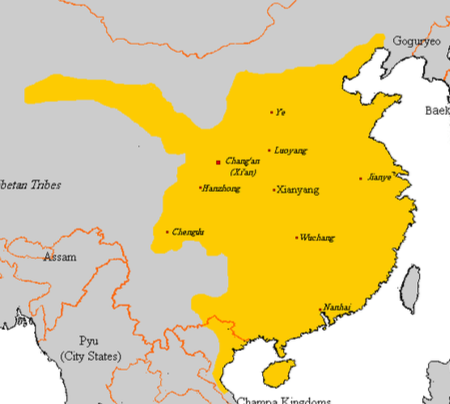
The Sui dynasty, which had temporarily unified China after a period of fragmentation, was facing collapse by early 618. Internal rebellions and external pressures mark...
Explore event →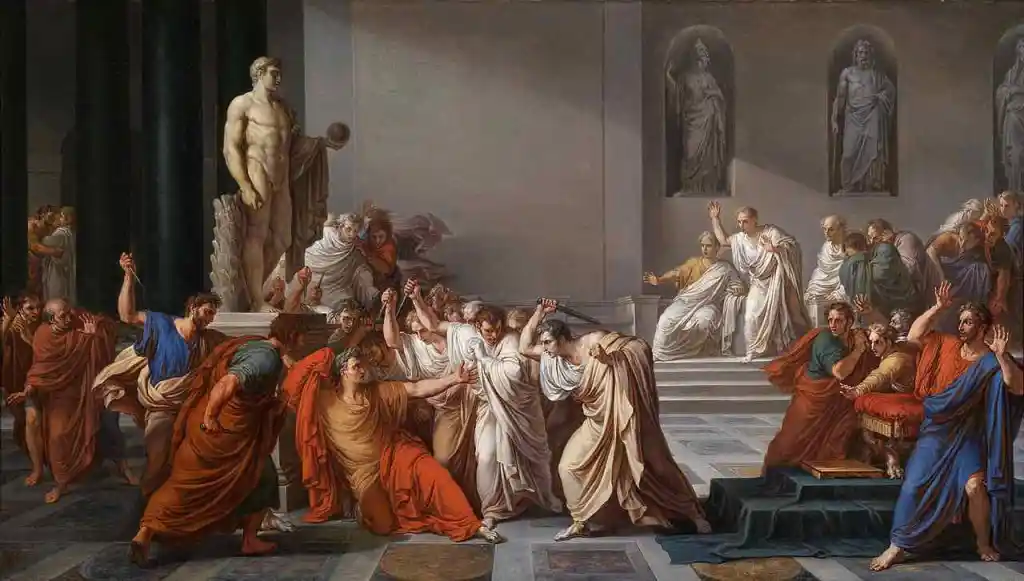
Jerome, a prominent Byzantine official during the Gothic War, was assassinated in the Imperial Palace at Ravenna. His death marked a significant turning point in the c...
Explore event →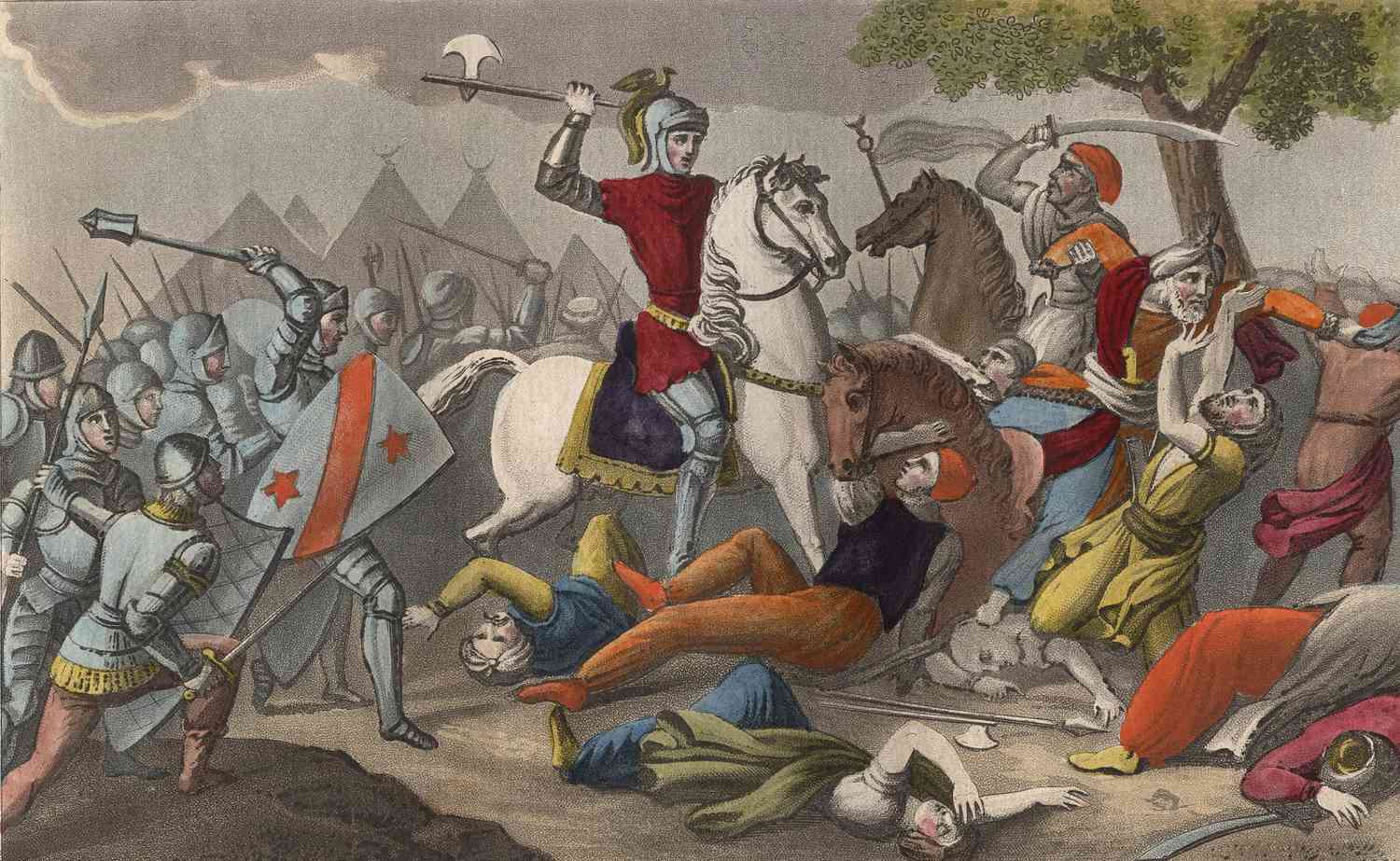
The Frankish conquest of Aquitaine began as the Franks expanded their territory into the southwestern region of present-day France. Under the leadership of Clovis I an...
Explore event →
The Jin dynasty court experienced severe internal divisions fueled by rival factions vying for control after a series of military defeats. These conflicts weakened cen...
Explore event →
30 June 2012 — Mohamed Morsi, associated with the Muslim Brotherhood's political movement, becomes Egypt's first president elected after the 2011 uprising. His governm...
Explore research
2011–2014 — Mubarak's fall opens competitive elections and unprecedented political participation, but the transition rapidly produces institutional conflict, polarizat...
Explore research
1998–1999 — War in neighboring Kosovo becomes a major national and humanitarian issue for Albania. Hundreds of thousands of Kosovo Albanian refugees cross into Albania...
Explore research
6–25 October 1973 — Egyptian and Syrian forces launch a surprise attack against Israeli positions. Egyptian troops successfully cross the Suez Canal and penetrate the ...
Explore research
1942–1944 — Communist-led partisans, Balli Kombëtar and other nationalist forces resist Italian and later German occupation. Rival resistance movements also fight one ...
Explore research
June–September 1920 — Albanian fighters challenge Italian forces occupying the Vlorë region. The conflict contributes to an agreement under which Italy withdraws from ...
Explore research
January–June 1919 — France prioritizes security and compensation for destruction. Britain wants Germany constrained without permanently destroying European economic st...
Explore research
January–June 1919 — Allied leaders negotiate borders, reparations, military restrictions, mandates and a new international organization. Wilson's language of self-dete...
Explore research
3 November 1918 — Sailors at Kiel revolt after naval leaders attempt to send the fleet into a final battle. The mutiny spreads into a wider revolutionary movement as w...
Explore research
8 August 1918 — Allied armies attack near Amiens and begin the sustained offensive sequence known as the Hundred Days. Improved coordination of artillery, infantry, ta...
Explore research
August–November 1918 — Germany and its allies face military retreat, shortages, exhaustion and growing political instability. Bulgaria, the Ottoman Empire and Austria-...
Explore research
July–November 1918 — Allied forces increasingly coordinate artillery, infantry, tanks, aircraft, communications and logistics. Strategic coordination also improves und...
Explore research
21 March 1918 — Germany launches Operation Michael, the first of several major offensives designed to win the war in the west before American manpower becomes overwhel...
Explore research
January–March 1918 — Russia's withdrawal gives Germany a temporary manpower advantage in the west, but American troops are arriving rapidly. Hindenburg and Ludendorff ...
Explore research
November 1917–March 1918 — Lenin argues that the revolutionary government cannot survive while Russia remains in the war. Other Bolsheviks object to Germany's extreme ...
Explore research
6 April 1917–11 November 1918 — The United States begins converting its enormous economy and population into military power. Millions of men enter the draft system whi...
Explore research
8 March 1917 — Demonstrations, strikes and bread shortages in Petrograd begin the revolutionary crisis that destroys the imperial government. Soldiers increasingly ref...
Explore research
1 February 1917–11 November 1918 — German submarines attack merchant shipping in an attempt to reduce British imports below sustainable levels. Early shipping losses a...
Explore research
1917–1918 — German forces develop increasingly sophisticated methods based on short intense bombardments, assault detachments and infiltration around strongpoints. The...
Explore research
Late 1917–March 1918 — The collapse of Russian resistance allows Germany to move divisions from the Eastern Front toward France and Belgium. German commanders understa...
Explore research
1917–1918 — Woodrow Wilson increasingly presents American participation as part of a larger project to restructure international relations. His Fourteen Points call fo...
Explore research
December 1916–January 1917 — German naval and military leaders conclude that unrestricted submarine warfare may force Britain out of the war. They understand that the ...
Explore research
August 1916–October 1918 — Paul von Hindenburg and Erich Ludendorff become the dominant figures in Germany's Supreme Army Command. Their influence extends far beyond b...
Explore research
1 July 1916 — British and French forces open the Somme offensive after an enormous artillery preparation. The first day becomes the bloodiest single day in British mil...
Explore research