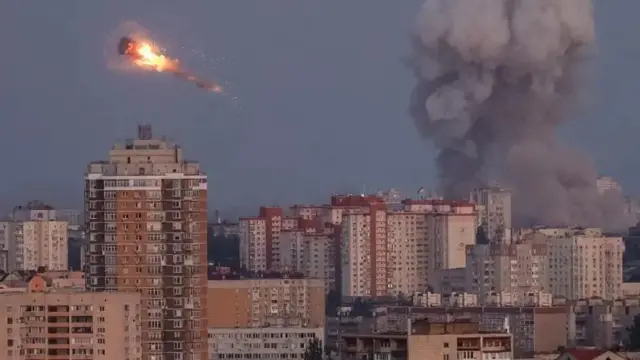
Russia strikes Kyiv again
Russian drones struck Kyiv on September 2, 2026, during a seventh consecutive day of major attacks against the Ukrainian capital. Ukrainian authorities reported that a...
Explore event →History does not happen in isolation. Explore world events across time, follow the connections between them, and investigate the threads that reveal how one event can lead to another.
TheTimeMap currently follows events across 95 countries and 268 years of history — building a connected archive designed for people who want to look beyond the headline.
We oppose antisemitism, racism, and dehumanization — everywhere.
When people stop feeling, injustice becomes easy.
Russian drones struck Kyiv on September 2, 2026, during a seventh consecutive day of major attacks against the Ukrainian capital. Ukrainian authorities reported that a...
Explore event →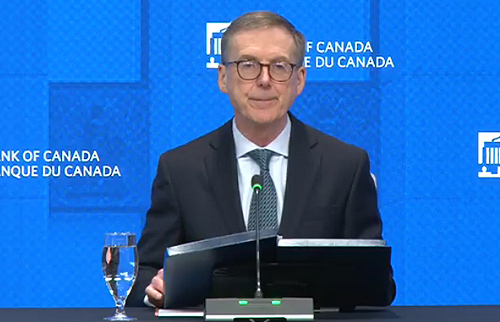
The Bank of Canada left its benchmark interest rate unchanged at 2.25 percent on September 2, 2026, while indicating that additional interest-rate increases could beco...
Explore event →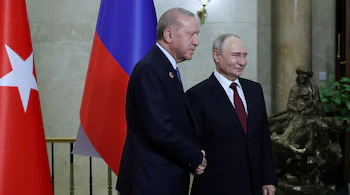
Turkish President Recep Tayyip Erdogan said on September 2, 2026, that Turkey could consider becoming a full member of the Shanghai Cooperation Organisation, a regiona...
Explore event →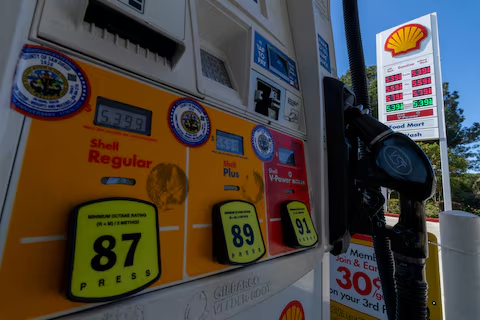
Oil prices rose by more than four dollars per barrel on September 1, 2026, after renewed military exchanges between the United States and Iran increased concerns about...
Explore event →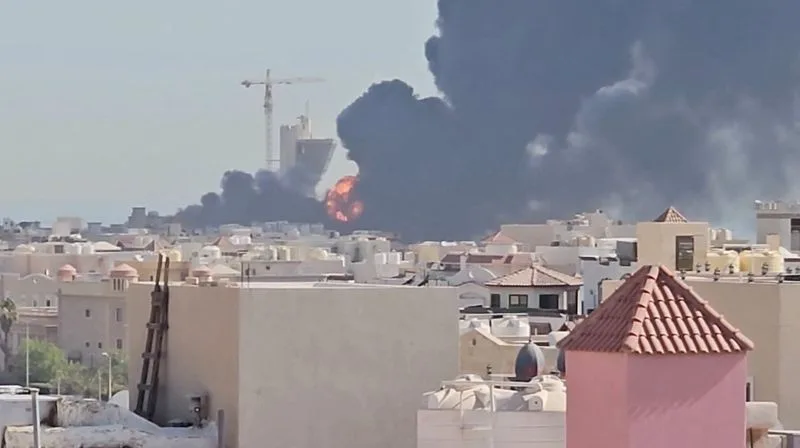
The United States launched a new series of military strikes against Iran on September 1, 2026, marking a major escalation after several weeks of reduced direct fightin...
Explore event →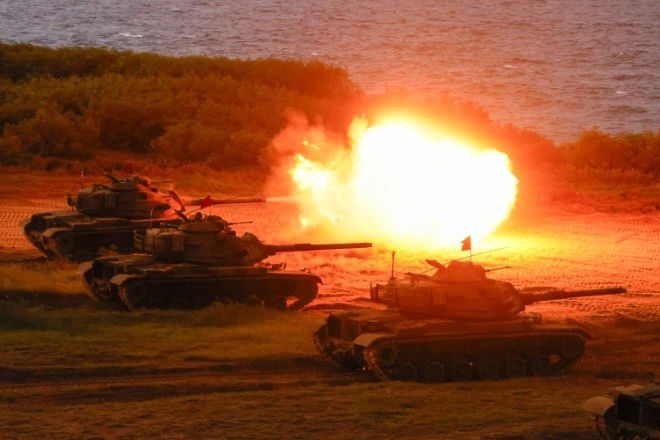
Taiwanese forces conducted a large-scale military exercise on the Penghu Islands on August 10, 2026, simulating the defense of the islands against an amphibious assaul...
Explore event →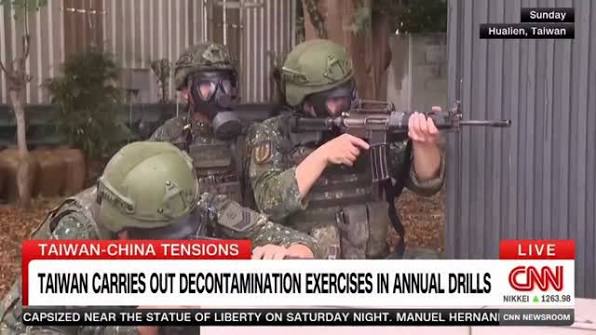
Taiwan deliberately reduced mobile internet speeds across a large part of central Taiwan on August 10, 2026, as part of its annual Han Kuang military exercises. The te...
Explore event →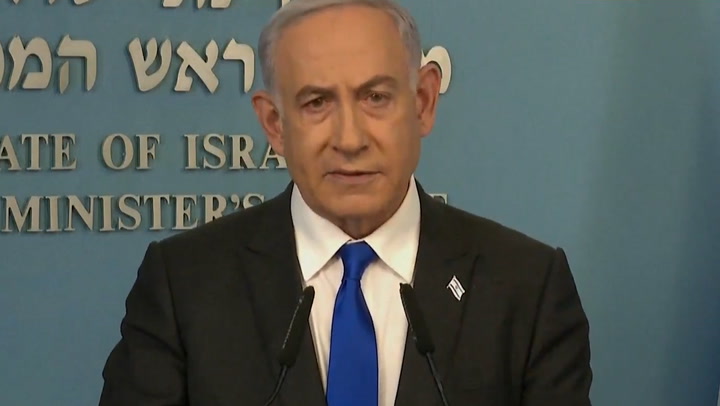
Israeli Prime Minister Benjamin Netanyahu said on August 9, 2026, that Israel would not withdraw its forces from the Gaza Strip until Hamas had been fully disarmed. Hi...
Explore event →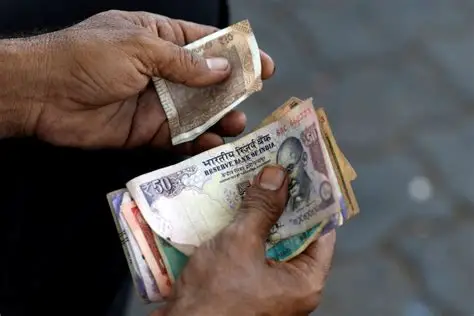
The Reserve Bank of India was believed to have intervened in the foreign exchange market on August 7, 2026, as the Indian rupee faced renewed pressure from rising glob...
Explore event →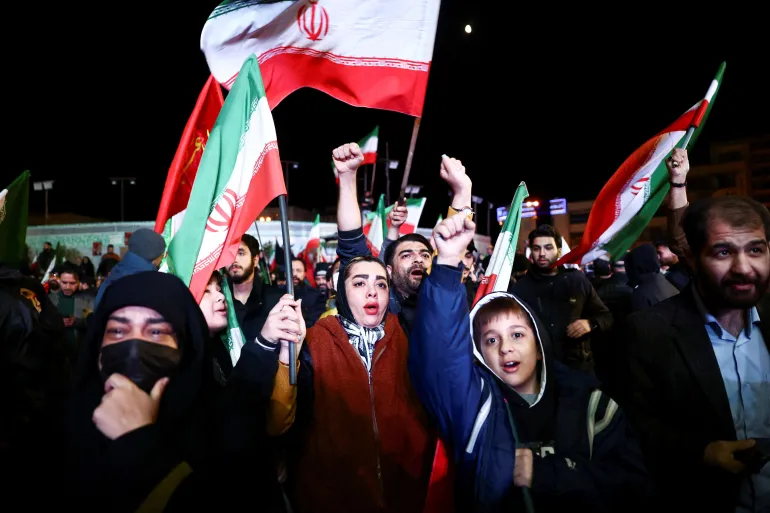
The United States and Iran entered a two-week ceasefire on April 8, 2026, following more than five weeks of military conflict. U.S. President Donald Trump announced th...
Explore event →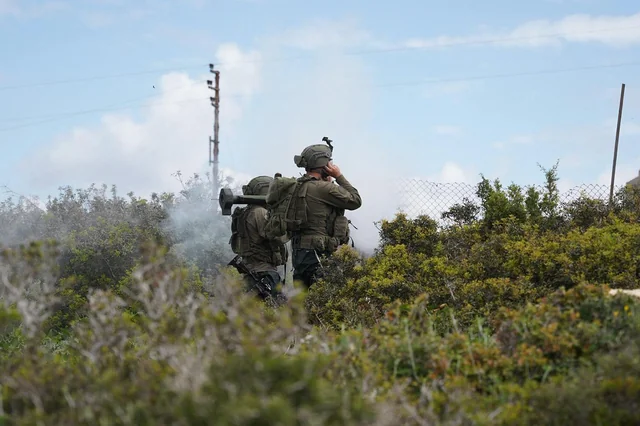
The Israel Defense Forces stated that fully disarming Hezbollah in Lebanon is not considered achievable under current military operations, according to reports publish...
Explore event →
A Palestinian child was reported killed and several others injured by Israeli gunfire in the Gaza Strip on March 24, 2026, according to the Palestinian news agency WAF...
Explore event →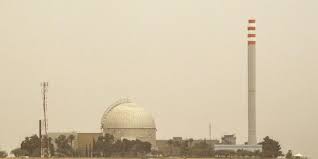
Israel loses operational access to Dimona nuclear facility On March 9, 2026, Israeli authorities confirmed the temporary loss of operational access to the Dimona nucl...
Explore event →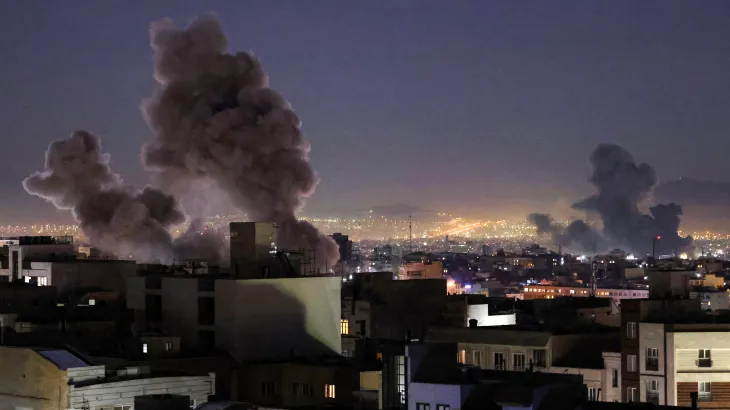
The United States and Israel launched coordinated military strikes against Iran on February 28, 2026. The operation targeted Iranian military facilities, missile capab...
Explore event →
North Korea displays 50 new large‑calibre rocket systems ahead of party meeting On February 18, 2026, the government of the Democratic People’s Republic of Korea pres...
Explore event →
On February 10, 2026, United States Commerce Secretary Howard Lutnick faced questioning before the Senate Appropriations Subcommittee after the release of documents co...
Explore event →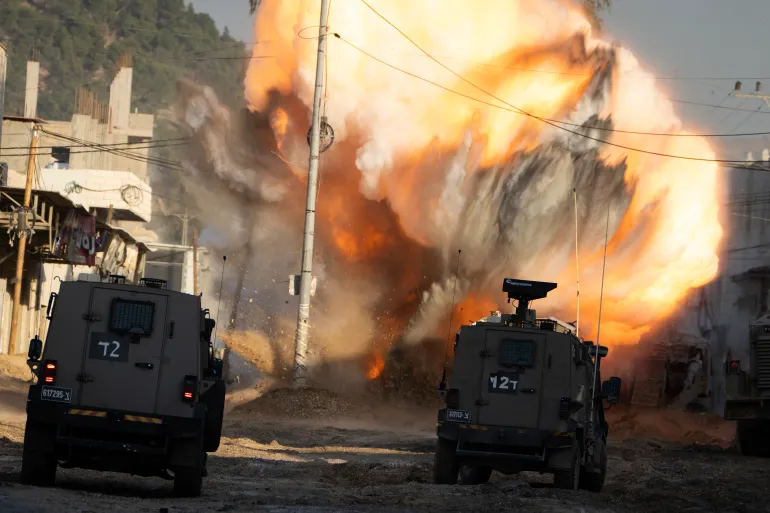
Israeli military drones strike bicyclists in Gaza killing two Palestinians On February 10, 2026, two Palestinian men riding bicycles in eastern Deir al‑Bala...
Explore event →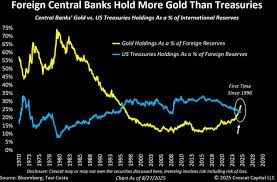
Central banks increase gold reserves at fastest pace in decades On February 22, 2026, the World Gold Council reported that central banks globally added gold...
Explore event →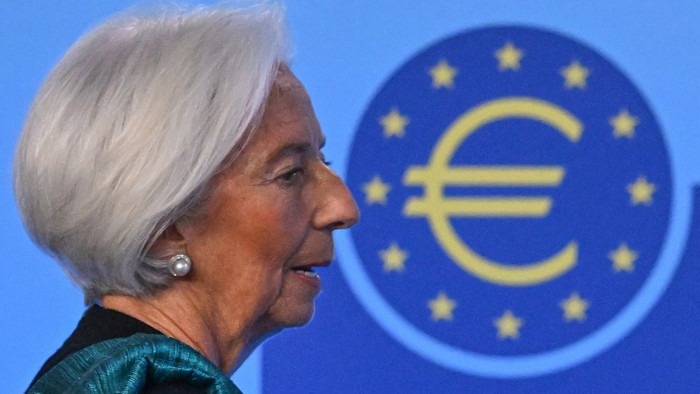
European Markets Decline After ECB Holds Interest Rates On February 5, 2026, European financial markets experienced a notable decline following the European Central B...
Explore event →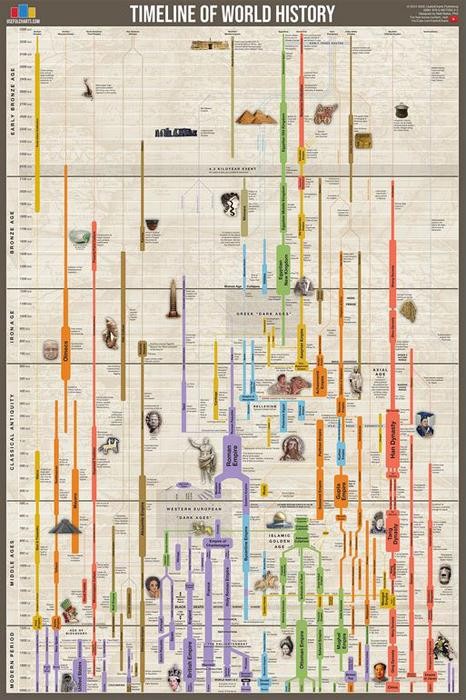
Event Timeline body { font-family: Arial, sans-serif; background-color: #f4f4f9; margin: 0; padding: 0; } .timeline-container { max-width: 900px; ...
Explore event →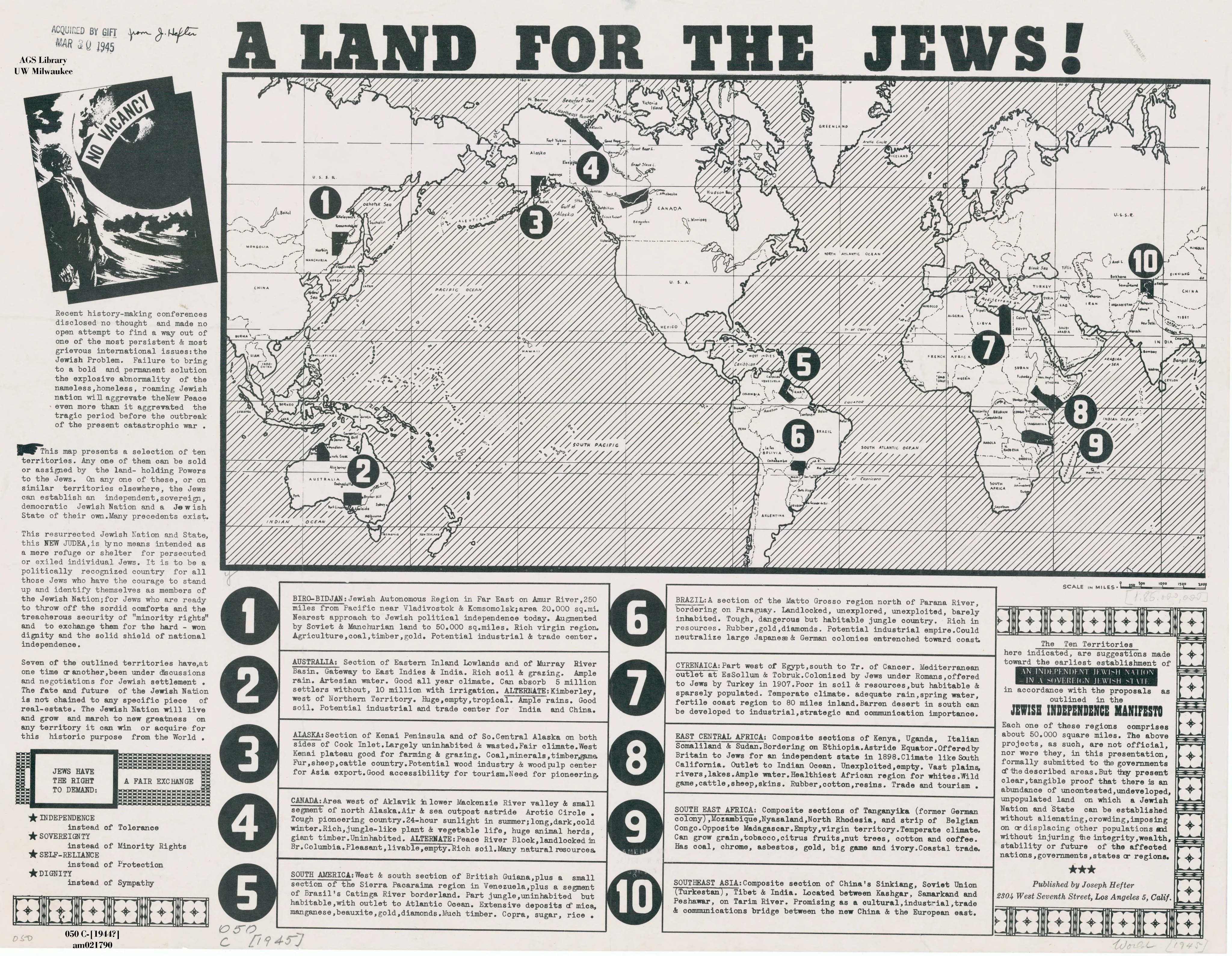
Proposed Jewish Settlements and Local Creation Myths body { font-family: Arial, sans-serif; background-color: #f4f4f9; margin: 0; padding: 0; } .timeline...
Explore event →
Iran Announces Live‑Fire Naval Drills Near U.S. Warships in Strait of Hormuz Iran’s Islamic Revolutionary Guard Corps (IRGC) announced a two‑day live‑fire n...
Explore event →
Growing Concerns Over Digital ID Programs Worldwide Digital identification programs, also known as digital IDs, are being implemented in countries around th...
Explore event →
Starmer Urges Prince Andrew to Testify Before U.S. Congress on Epstein Case UK Labour Party leader Sir Keir Starmer called for former Prince Andrew to testi...
Explore event →
27 June 2014 — Albania receives candidate status for membership in the European Union. Judicial reform, corruption, organized crime, public administration and rule of ...
Explore research
2014–2026 — Former defense minister Abdel Fattah el-Sisi becomes president after playing the central military role in Morsi's removal. His government emphasizes securi...
Explore research
1958–1961 — Egypt and Syria unite as the United Arab Republic under Nasser. The union represents the high point of pan-Arab political enthusiasm. Syrian dissatisfactio...
Explore research
1954–1970 — Nasser becomes the dominant leader of revolutionary Egypt and formally assumes the presidency in 1956. His government promotes Arab nationalism, land refor...
Explore research
1952–1970 — The Free Officers end the monarchy, reduce British influence, redistribute land and create a powerful developmental state. At the same time, political part...
Explore research
31 January 1925 — Albania formally becomes a republic with Ahmet Zogu as president. Zogu uses the presidency to consolidate central authority after years of political ...
Explore research
1915–1917 — Commanders increasingly seek to exhaust enemy manpower, artillery and industrial capacity faster than their own side is depleted. Verdun and the Somme beco...
Explore research
August–September 1914 — Germany concentrates major forces against France and advances through Belgium. The operational scheme derives from years of German planning ass...
Explore research
1914–1918 — Austro-Hungarian, Italian, French, Serbian and other forces occupy different parts of Albania. The country largely loses unified central government during ...
Explore research
1914–1919 — The Royal Navy progressively restricts German access to food, fertilizer, metals, chemicals and overseas trade. Neutral shipping is increasingly subjected ...
Explore research
1914–1919 wartime role — Britain's navy protects imperial shipping routes, contains the German High Seas Fleet and implements the maritime blockade of the Central Powe...
Explore research
1882 — British forces intervene during the Urabi Revolt and occupy Egypt. The country formally remains connected to the Ottoman Empire for decades, but British officia...
Explore research
1517–1798 CE — Egypt remains formally part of the Ottoman Empire for centuries while powerful local military households gain substantial autonomy. Agricultural taxes a...
Explore research
17 January 1468 — Gjergj Kastrioti Skanderbeg dies at Lezhë after more than two decades as the central figure of Albanian resistance to Ottoman expansion. His leadersh...
Explore research
c. 1190–1255 — Arbanon emerges as the earliest known autonomous Albanian principality. Centered in north-central Albania, it operates between Byzantine, Serbian, Venet...
Explore research
c. 1000–500 BCE — Iron Age communities later identified by Greek and Roman writers as Illyrian become visible across much of the western Balkans. Illyrians were not on...
Explore research
c. 1070 BCE — Central royal authority weakens while powerful priestly institutions and regional rulers gain influence. Egypt loses much of its empire in the Levant and...
Explore research
c. 2200–2181 BCE — Central royal authority weakens as powerful provincial elites gain greater independence. Low Nile floods and climatic instability may have intensifi...
Explore research
c. 2686–2181 BCE — The Old Kingdom becomes the classic age of pyramid construction and highly centralized kingship. The royal court controls extensive agricultural res...
Explore research
Over time Greek becomes dominant in the Byzantine state while Orthodox Christianity becomes central to identity.
Explore research
30 January 1933–30 April 1945 — Hitler rules Germany as dictator and becomes the central political authority behind Nazi expansion, racial policy and the decision to l...
Explore research
30 January 1933–30 April 1945 — Hitler rules Germany as dictator and becomes the central political authority behind Nazi expansion, racial policy and the decision to l...
Explore research
30 January 1933–30 April 1945 — Hitler rules Germany as dictator and becomes the central political authority behind Nazi expansion, racial policy and the decision to l...
Explore research
19 November 1942 — Vasilevsky plays a central role in Soviet strategic planning for Operation Uranus and later major offensives. His work illustrates the increasingly ...
Explore research