North Korea deploys missile unit
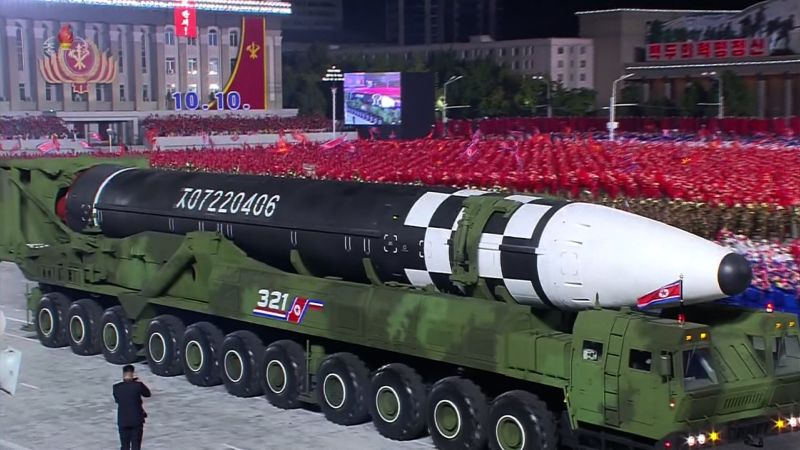
Ukraine's military intelligence reported on August 5, 2026, that North Korea had deployed a missile unit to Russia's Voronezh region to support Russian military operations against Ukraine...
Event Timeline body { font-family: Arial, sans-serif; background-color: #f4f4f9; margin: 0; padding: 0; } .timeline-container { max-width: 900px; margin: 50px auto; p...
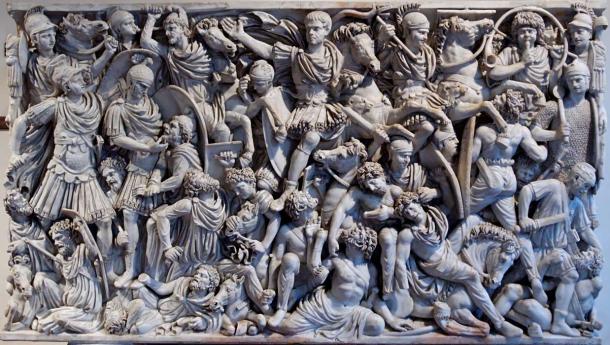
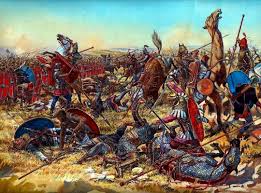
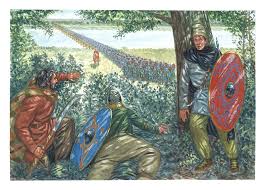
Germanicus led several military campaigns into Germania to avenge the Roman defeat in the Teutoburg Forest. His forces engaged in battles against various Germanic tribes in the region wes...
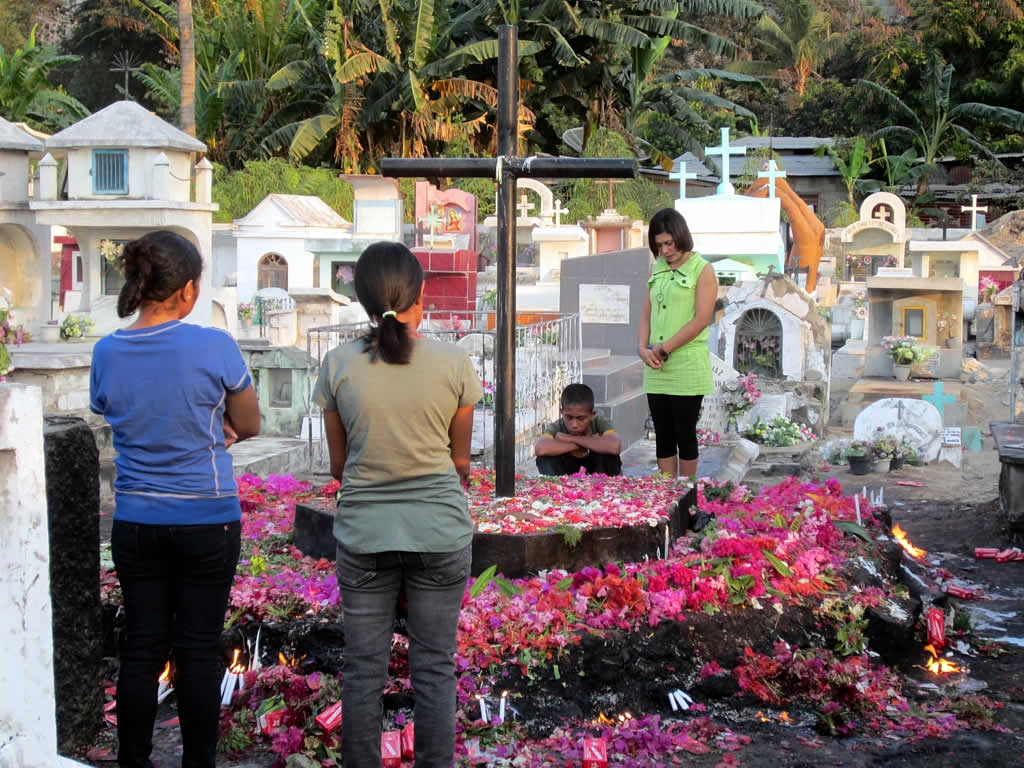
East Timor Genocide On December 7, 1975, Indonesia launched a military invasion of East Timor following its declaration of independence from Portugal. The Indonesian military conducted s...
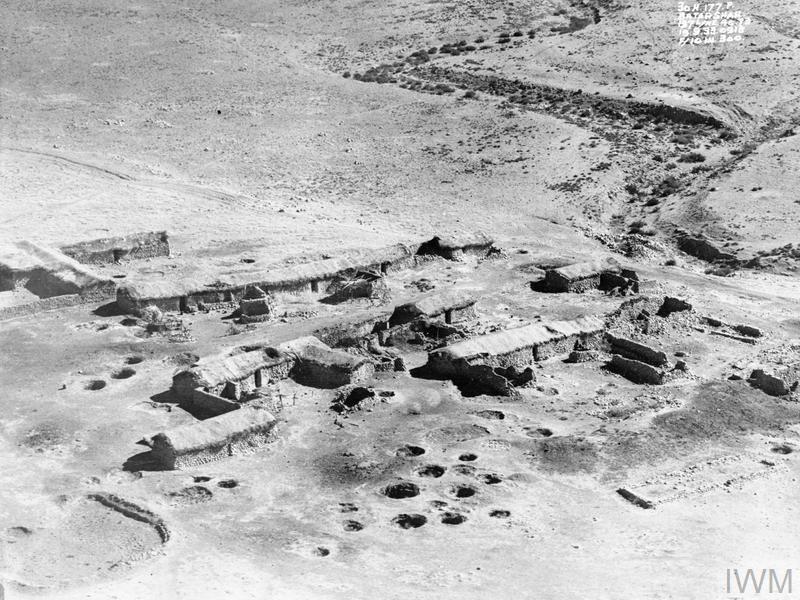
Simele Massacre On August 7, 1933, units of the Iraqi Army entered the town of Simele in northern Iraq during a military campaign targeting Assyrian communities. Tensions had escalated f...
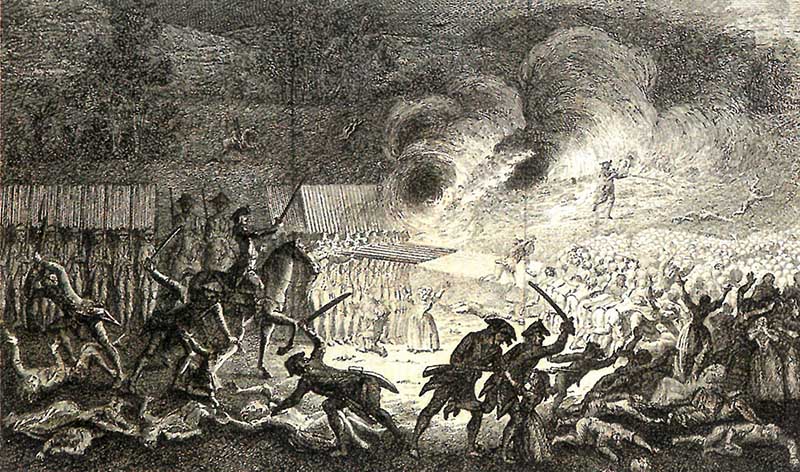
The Vendée Massacres occurred during the War in the Vendée, a counter-revolutionary uprising in western France from 1793 to 1796. The conflict was marked by violent clashes between Royali...
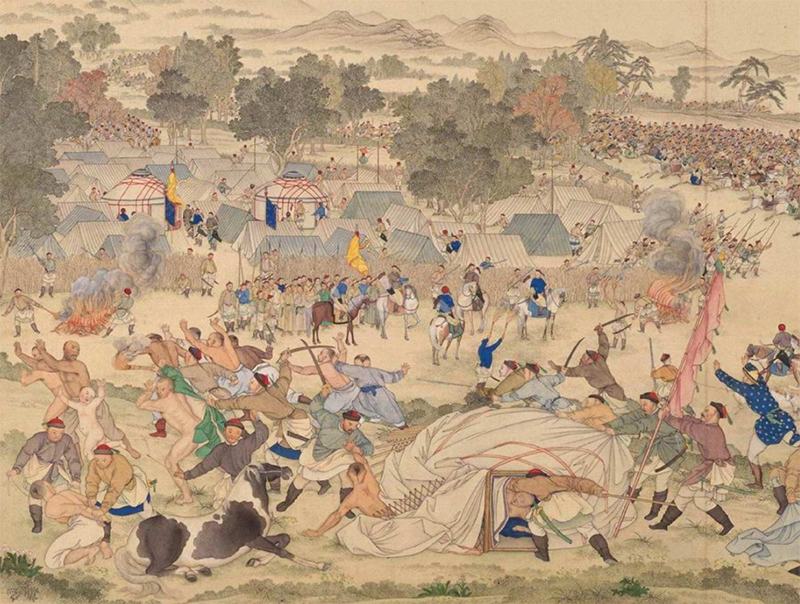
The Dzungar Genocide refers to the systematic destruction of the Dzungar people by the Qing dynasty during the mid-18th century.Between 1755 and 1758, the Qing government, led by the Qian...
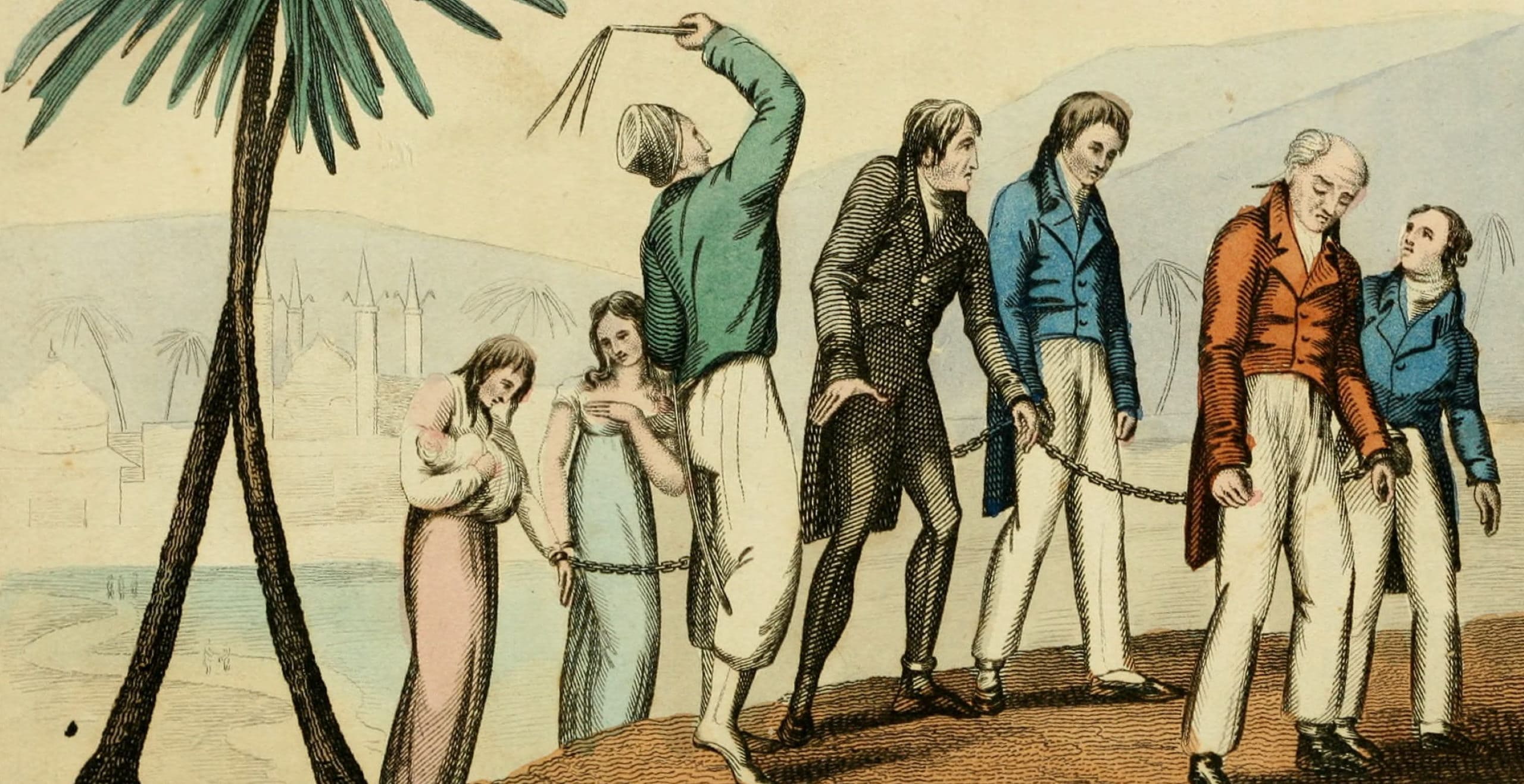
European Captives Sold Into Slavery By Barbary Pirates From the 16th to the 19th centuries, Barbary pirates operating from North Africa — including present-day Morocco, Algeria, ...
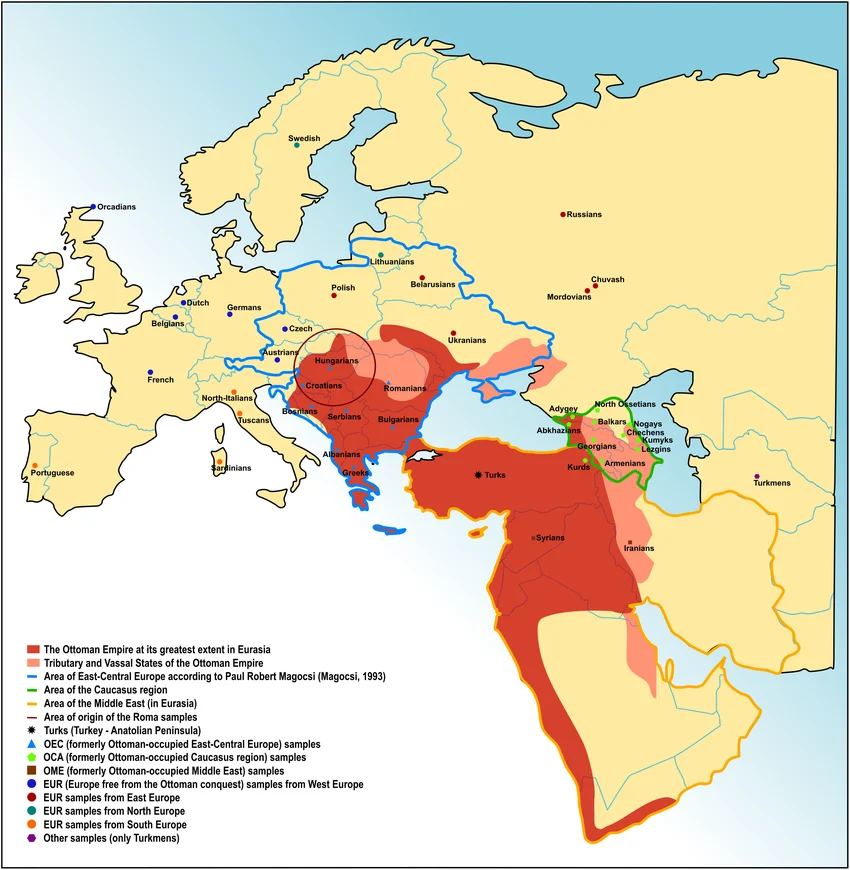
The Ottoman Empire expanded from a small Anatolian principality into one of the largest empires in history. Between the fourteenth and early twentieth centuries, Ottoman forces conquered ...
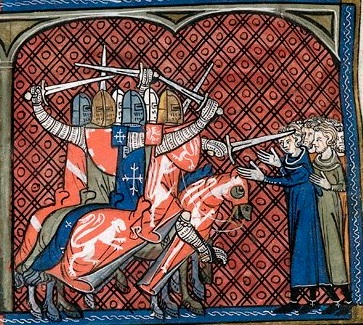
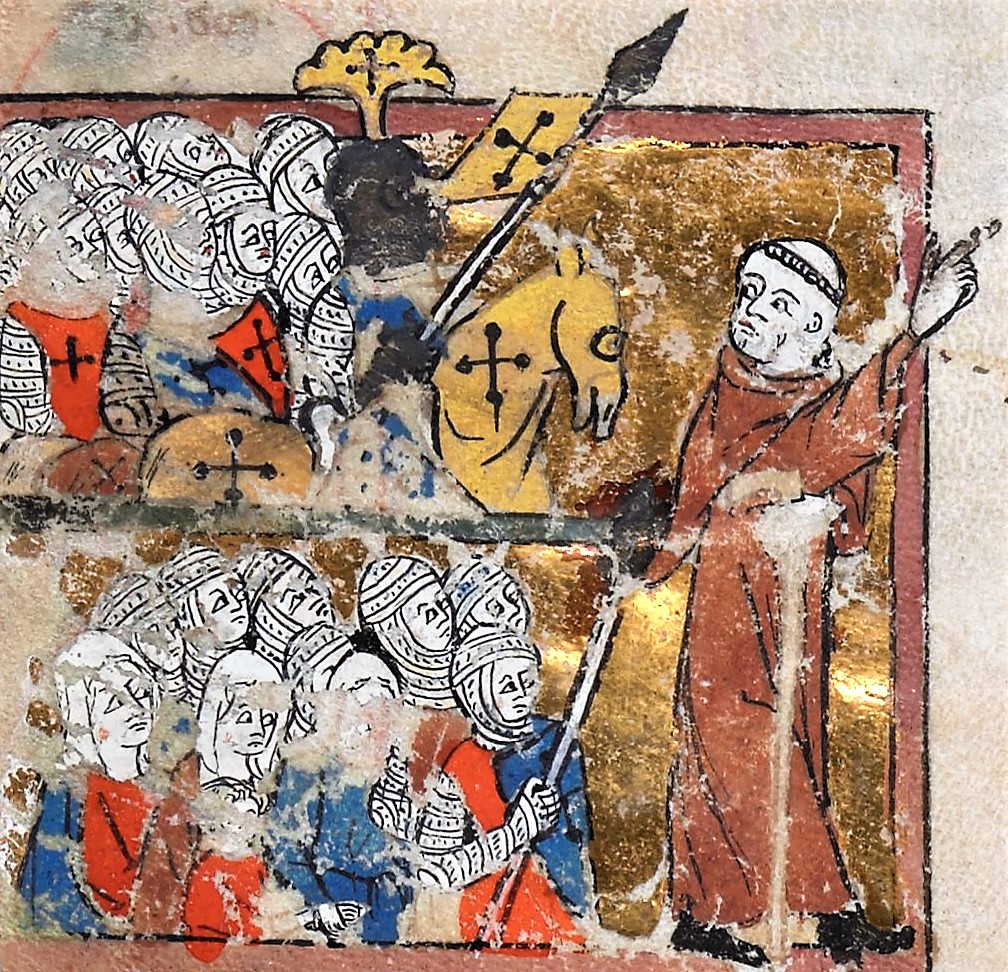
The Albigensian Crusade was a 20-year military campaign initiated by the Catholic Church to eliminate Catharism in the Languedoc region of southern France. It began in 1209 under Pope Inn...
Origins And Objectives Of The Crusades The Crusades were a series of military campaigns initiated between 1095 and 1291, primarily aimed at capturing or defending territories i...
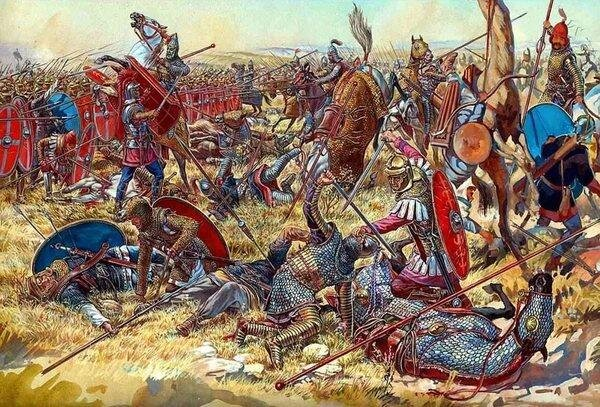
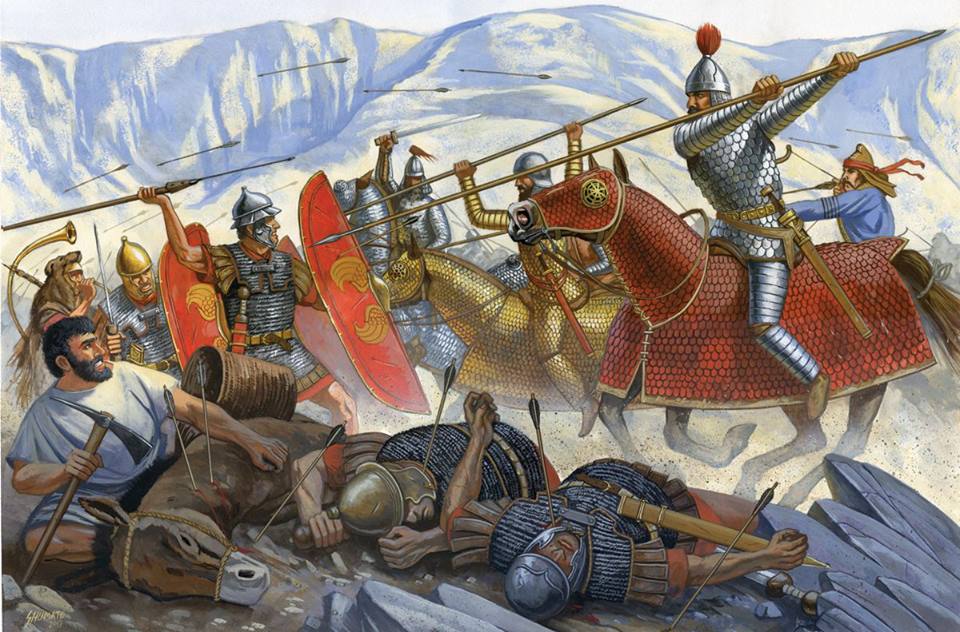
Emperor Carus, ruler of the Roman Empire, died during a military campaign in Mesopotamia. His death occurred while leading troops against the Sassanian Empire in a conflict over control o...
The Roman Emperor Carus launched a military campaign against the Sasanian Empire, targeting their capital, Ctesiphon. The campaign sought to counter Persian influence in the region and as...
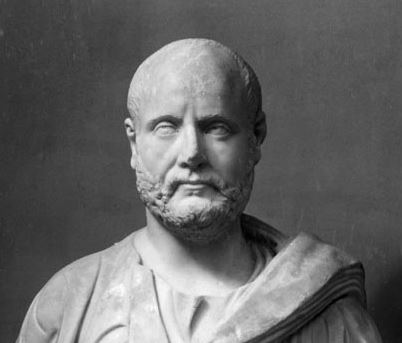
Emperor Probus was assassinated by his own soldiers after numerous military campaigns to secure the Roman Empire's borders. His leadership was challenged internally despite his successes ...
Emperor Probus led the Roman legions to repel multiple Germanic invasions along the Danube frontier. These incursions threatened the stability of the northern borders of the Roman Empire ...
Emperor Aurelian successfully reunified the Roman Empire after a period of fragmentation and civil war. His military campaigns defeated breakaway states such as the Gallic Empire and the ...
Emperor Aurelian implemented a major monetary reform aimed at stabilizing the Roman currency system after years of debasement. The reform introduced new silver coins with improved purity ...
Roman Emperor Valerian launched a military campaign against the Sasanian Empire, aiming to assert Roman dominance over Persian territories. This campaign marks a significant conflict betw...
Valerian was proclaimed Roman Emperor following the death of his predecessor Aemilianus. His accession marked a significant change in leadership during a period fraught with external thre...
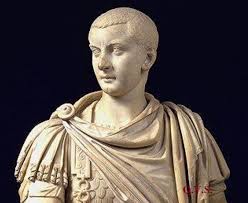
Gordian III ascended to the Roman imperial throne following a period of political instability known as the Year of the Six Emperors. At the age of thirteen, he was declared emperor by the...
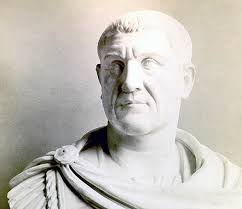
Maximinus Thrax, a Roman soldier of humble origins, was proclaimed emperor by his troops following the assassination of Severus Alexander. His accession marked the beginning of the Crisis...
Emperor Severus Alexander launched a military campaign against the Sasanian Empire to counter their expansion in Mesopotamia. The Roman forces sought to reclaim lost territory and secure ...
The Battle of Nisibis took place between the Roman forces led by Emperor Macrinus and the Parthian army. It was fought near the strategic city of Nisibis, a key stronghold controlling acc...
Caracalla, Roman Emperor and son of Septimius Severus, was assassinated amid a military campaign in Moesia. While traveling through the province, he was murdered by a soldier in his own g...
Roman Emperor Caracalla launched multiple military campaigns against the Alemanni tribes during his rule. These campaigns aimed to secure the empire’s northern frontiers amidst growing pr...
Septimius Severus, Roman Emperor, died on February 4th while in the city of Lugdunum, in the Roman province of Gallia Lugdunensis. His death marked the end of his two-decade reign, during...
The Roman Empire undertook administrative changes in the province of Mesopotamia following its establishment as a distinct entity. These reforms aimed to consolidate control over the regi...
Roman Emperor Septimius Severus led a military campaign against the Parthian Empire, culminating in the siege and sack of Ctesiphon, the Parthian capital. This marked a significant assert...
The Severan campaign into Parthia marked a major Roman military effort in the East following the rise of Emperor Septimius Severus. The campaign began with a series of coordinated attacks...
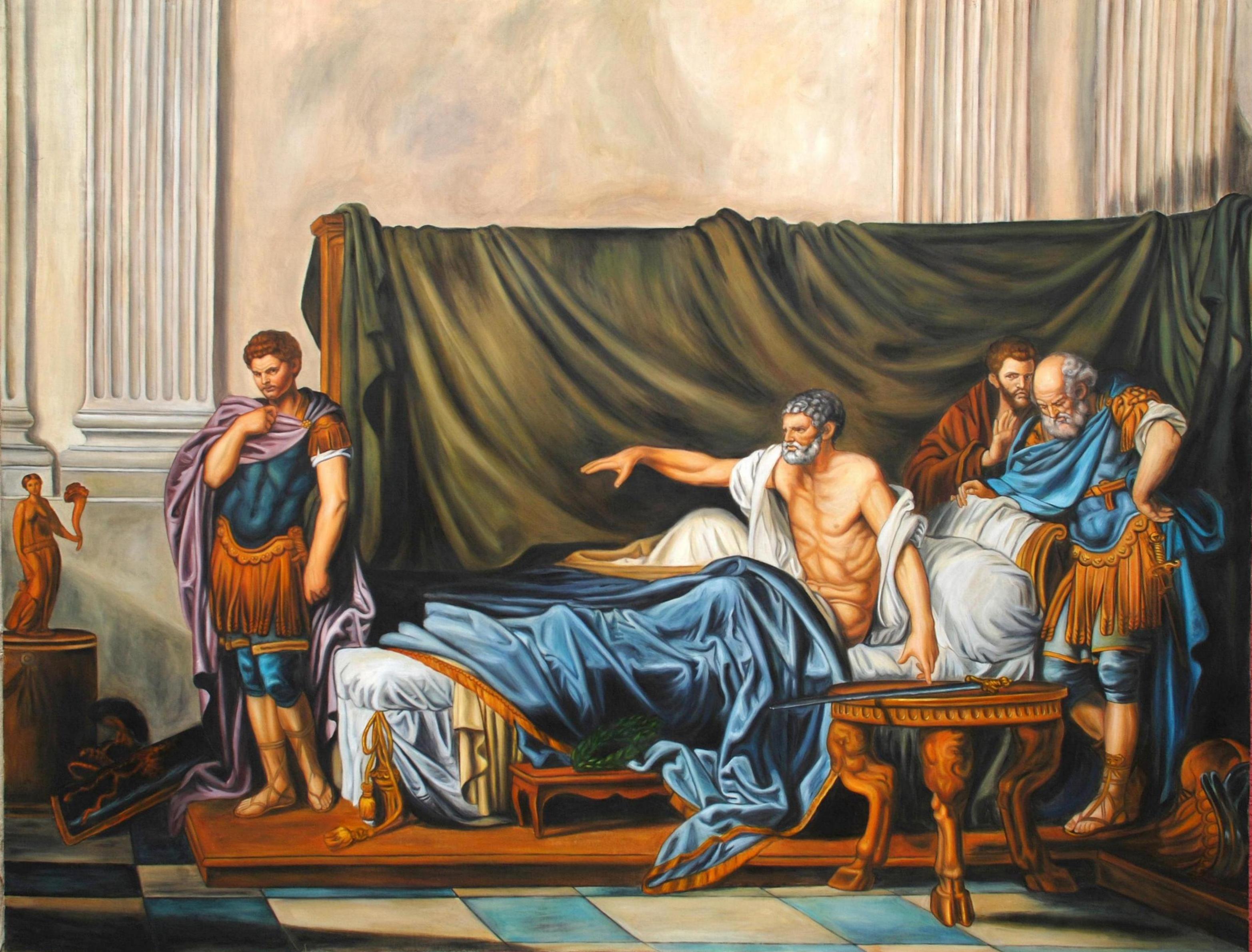
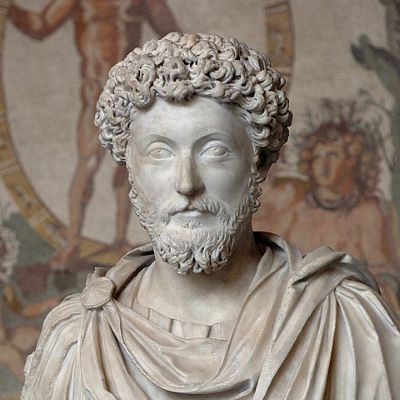
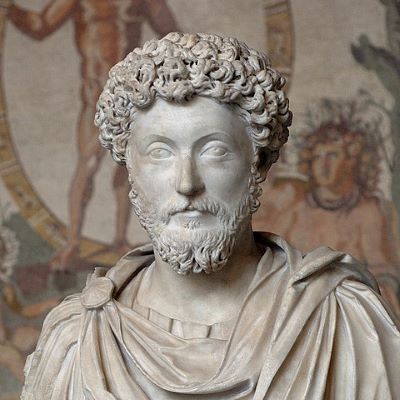
Marcus Aurelius, Roman Emperor and Stoic philosopher, died at the military camp in Vindobona on March 17th. His death marked the end of the Pax Romana, a period of relative peace and stab...
Roman Emperor Marcus Aurelius officially declared his son Commodus as co-emperor, sharing imperial authority.This political move marked the first time a biological son was directly elevat...
The Roman Empire conducted a series of military campaigns across the Danube River to expand territorial control into regions inhabited by Dacian and Germanic tribes. These operations aime...
Lucius Verus, co-emperor of Rome alongside Marcus Aurelius, died in Rome under circumstances believed to be related to a devastating plague. His death marked a significant point in Roman ...
The Roman forces under the command of Lucius Verus launched a major campaign against the Parthian Empire, culminating in the capture of their capital city, Ctesiphon. This marked a signif...
The Parthian War under Roman Emperor Lucius Verus began as tensions escalated between the Roman Empire and the Parthian Empire. This conflict was marked by Roman military campaigns aimed ...
Marcus Aurelius officially became Roman Emperor following the death of Antoninus Pius. His accession marked the continuation of the Nerva-Antonine dynasty through adoptive succession.The ...
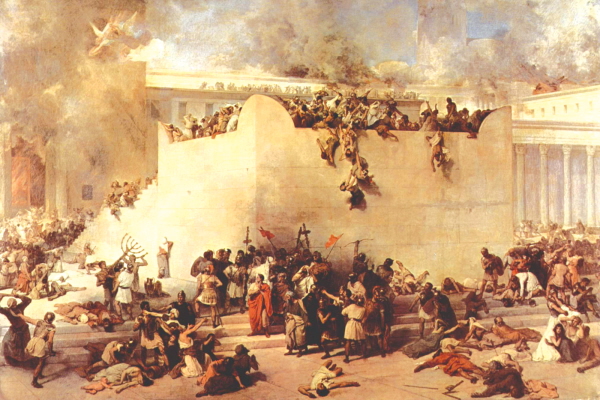
The Bar Kokhba revolt was a major Jewish uprising against the Roman Empire in the province of Judaea. The rebellion started under the leadership of Simon Bar Kokhba who was proclaimed the...
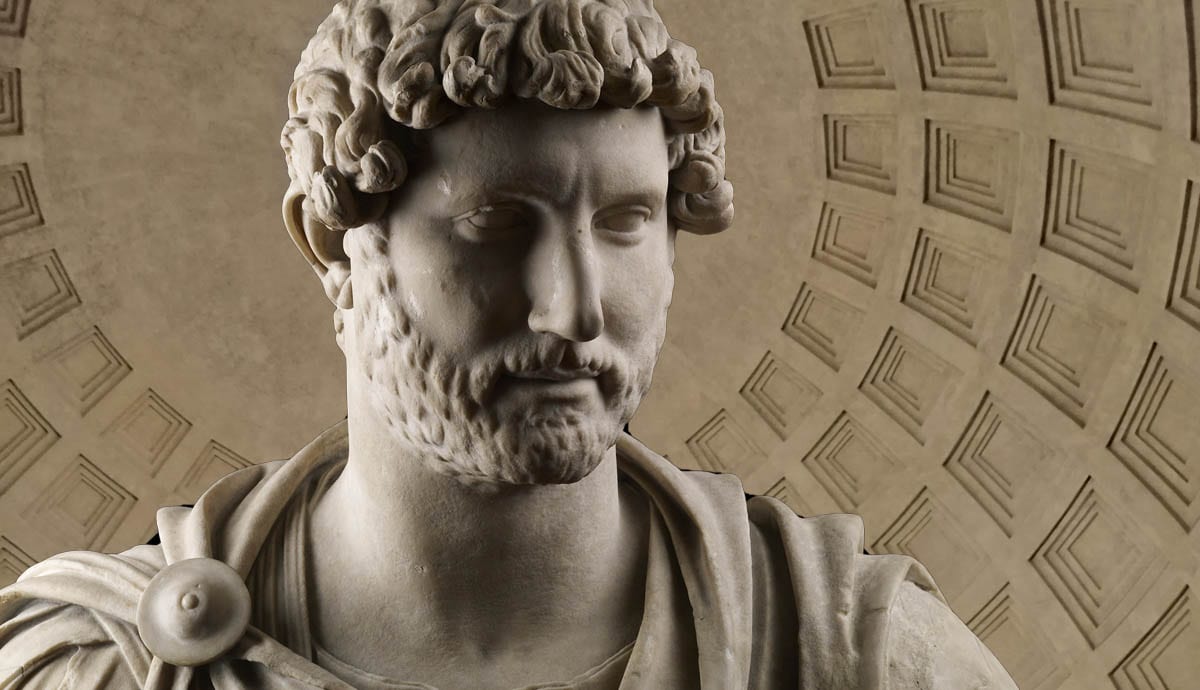
Hadrian was officially declared emperor following the death of his predecessor, Trajan, marking a significant transition in Roman imperial leadership. His accession was confirmed by the R...
The Roman forces led by Emperor Trajan launched a military campaign across Mesopotamia, culminating in the siege and capture of Seleucia. This event marked a significant point in Roman-Pe...
Roman Emperor Trajan launched a military campaign into the Parthian Empire, aiming to expand Roman territory eastward. The campaign marked a major escalation of conflict between Rome and ...
The Roman Empire completed the conquest and annexation of the kingdom of Dacia after a series of military campaigns led by Emperor Trajan. This marked the end of the Dacian Wars, culminat...
The Second Dacian War marks the renewed conflict between the Roman Empire and the Dacian Kingdom, led by King Decebalus. Roman Emperor Trajan launched a major military campaign aiming to ...
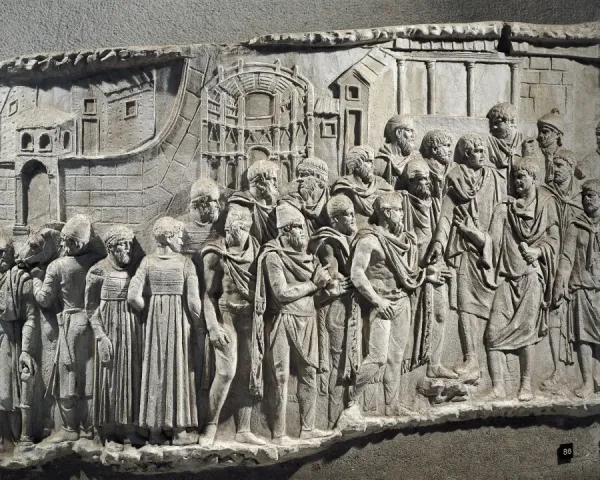
The Roman Emperor Trajan launched his first major military campaign against the Dacian Kingdom in early 101 CE. The war was initiated to subdue the powerful Dacian king Decebalus and to s...
Dou Xian, a general of the Eastern Han dynasty, led a decisive campaign against the Northern Xiongnu. In a series of battles, Han forces overcame the nomadic confederation, forcing them i...
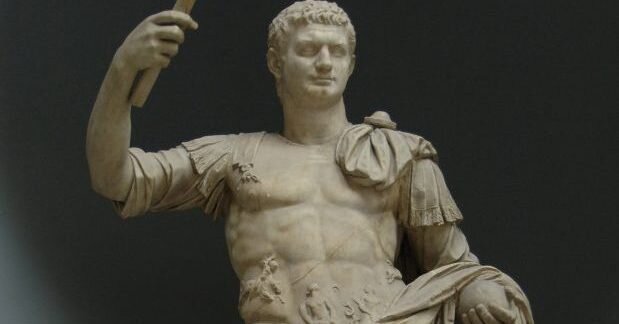
Following the death of Emperor Titus, Domitian, his younger brother, ascended to the throne of the Roman Empire. The accession occurred peacefully, marking the continuation of the Flavian...
Ban Chao, a general under the Han Dynasty, initiated a series of military campaigns to assert Chinese control over the Western Regions. These expeditions were aimed at securing trade rout...
The Year of the Four Emperors was a tumultuous period marking rapid succession of Roman emperors after the fall of Nero. It involved the rise and fall of Galba, Otho, Vitellius, and Vespa...
Roman military campaigns against the Parthian Empire resumed under the rule of Emperor Nero, seeking to assert control over the eastern frontier. These efforts aimed to counter Parthian i...
The Roman general Corbulo initiated a military campaign against the Armenian kingdom as part of Rome's efforts to expand influence in the East. This campaign marked the start of confronta...
Ma Yuan was a prominent Han dynasty general who led campaigns in the southern regions of China to consolidate Han authority over the Nanyue Kingdom. His military expeditions were aimed at...
1443–1479 — Investigate Skanderbeg's military campaigns, the League of Lezhë, European diplomacy and how later generations transformed him into a national symbol.
1279–1213 BCE — Ramesses II rules for more than six decades and becomes one of Egypt's most prolific builders. His monuments appear throughout Egypt and Nubia, including Abu Simbel and ma...
c. 1457 BCE — Thutmose III defeats a coalition of Levantine rulers near Megiddo. Egyptian inscriptions provide one of history's earliest detailed military campaign narratives. Victory str...