Roman Campaigns in Germania
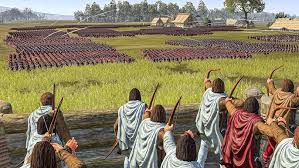
Germanicus led several military campaigns into Germania to avenge the Roman defeat in the Teutoburg Forest. His forces engaged in battles against various Germanic tribes in the region wes...
Gnaeus Julius Agricola was appointed governor of Roman Britain, replacing the previous administration. His governorship marked an era of military and administrative consolidation in the n...
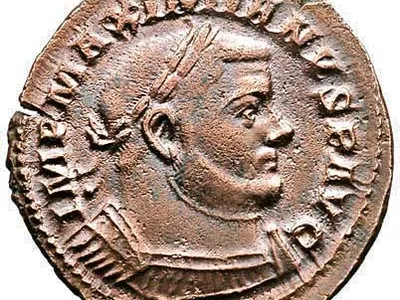
Maximian, co-emperor of the Roman Empire, formally abdicated his position alongside Diocletian. This marked a significant moment in the Tetrarchy system, a power-sharing arrangement invol...
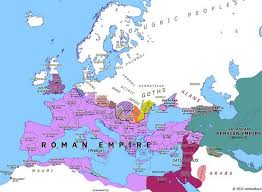
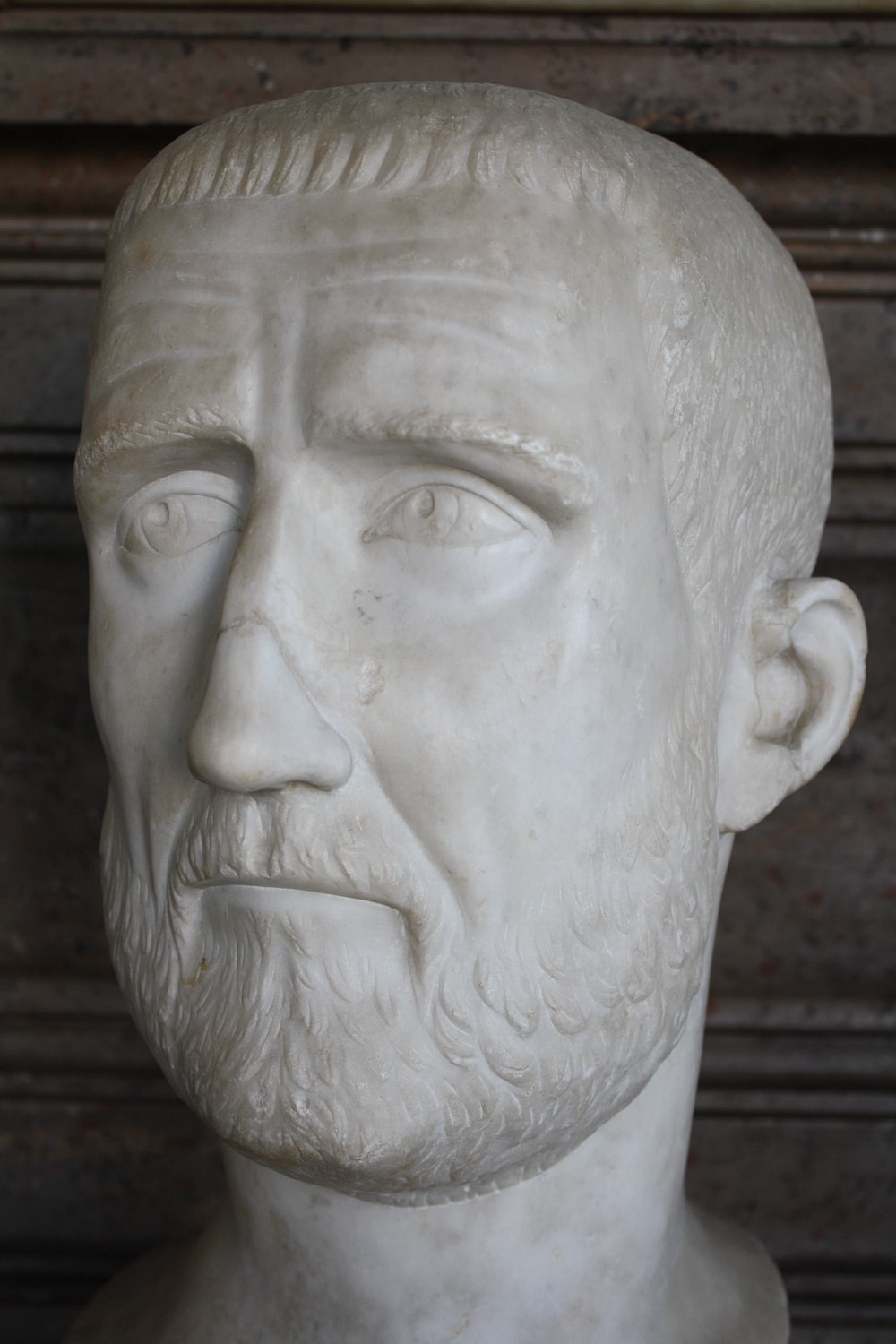
Emperor Probus was assassinated by his own soldiers after numerous military campaigns to secure the Roman Empire's borders. His leadership was challenged internally despite his successes ...
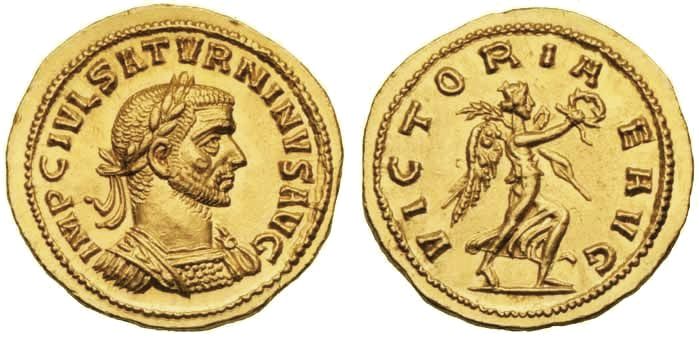
The revolt led by Lucius Antonius Saturninus was an important military uprising against Emperor Probus within the Roman Empire. It began in Moesia Superior, where Saturninus was stationed...
Emperor Probus led the Roman legions to repel multiple Germanic invasions along the Danube frontier. These incursions threatened the stability of the northern borders of the Roman Empire ...
Marcus Aurelius Probus was proclaimed Roman Emperor by his troops in September 276 after the death of Emperor Florianus. His accession marked a period of efforts to restore stability with...
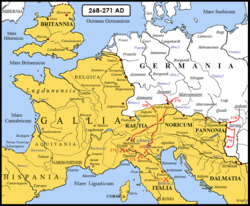
Roman Emperor Aurelian defeated the invading Juthungi tribe near the city of Placentia in northern Italy. This battle was a decisive moment in securing the Roman Empire's northern borders...
Emperor Gallienus initiated a series of military reforms to address ongoing threats to the Roman Empire. These reforms aimed to improve the mobility and responsiveness of the Roman legion...
The revolt led by Gordian II was part of a larger uprising against the reigning emperor Maximinus Thrax. Gordian II, alongside his father Gordian I, was proclaimed emperor by the Roman Se...
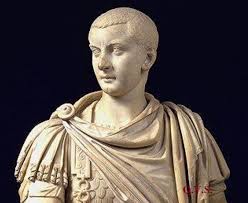
Gordian III ascended to the Roman imperial throne following a period of political instability known as the Year of the Six Emperors. At the age of thirteen, he was declared emperor by the...
Macrinus, formerly a praetorian prefect, became Roman Emperor following the assassination of Caracalla. This marked a significant shift in imperial authority as Macrinus was the first emp...
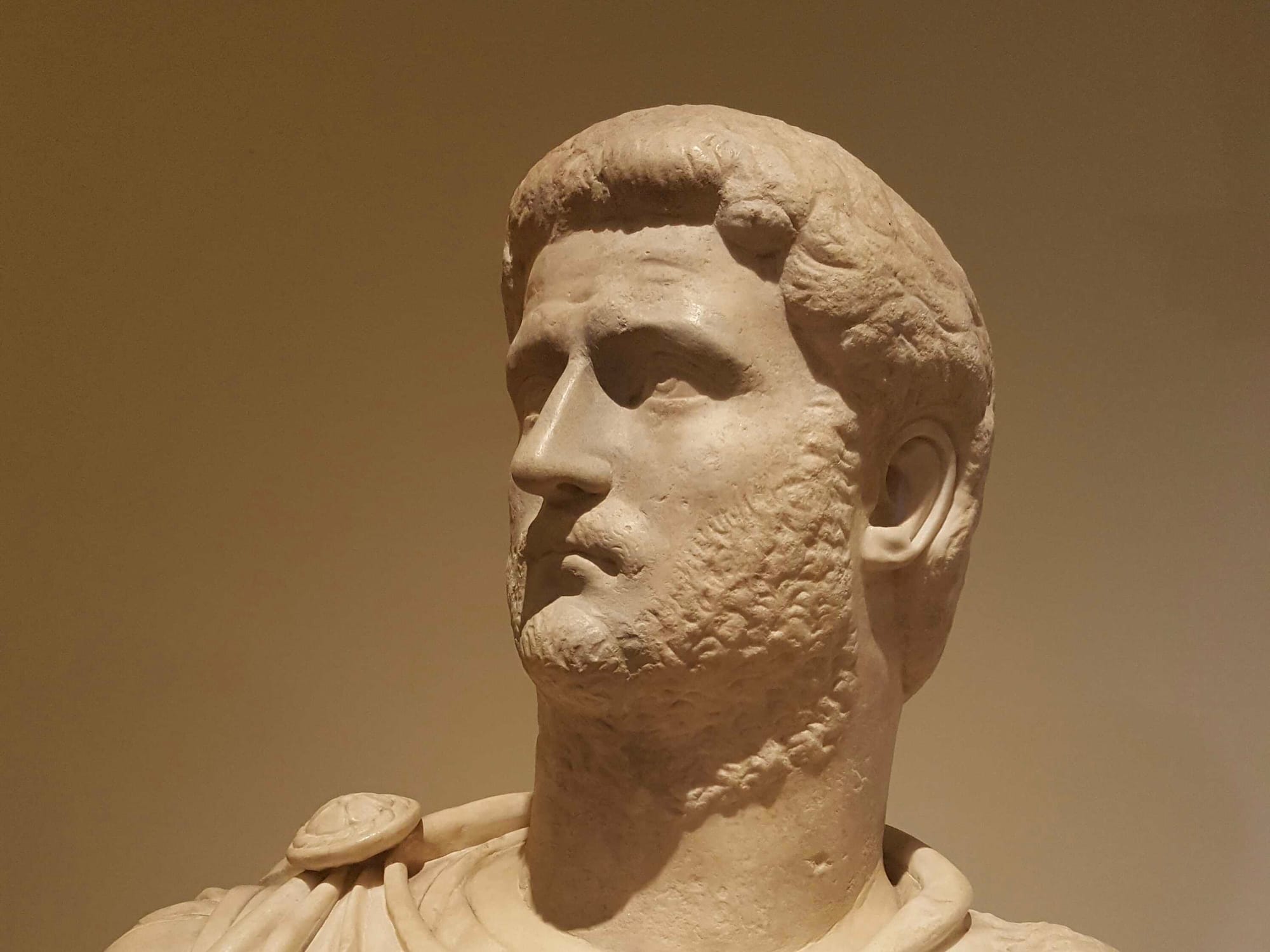
Roman Emperor Caracalla launched multiple military campaigns against the Alemanni tribes during his rule. These campaigns aimed to secure the empire’s northern frontiers amidst growing pr...
Roman Emperor Septimius Severus led a military campaign against the Parthian Empire, culminating in the siege and sack of Ctesiphon, the Parthian capital. This marked a significant assert...
The Severan campaign into Parthia marked a major Roman military effort in the East following the rise of Emperor Septimius Severus. The campaign began with a series of coordinated attacks...
The Battle of Lugdunum was a decisive confrontation between the forces of Septimius Severus and Clodius Albinus during the Roman civil war for control of the empire. The fighting took pla...
Clodius Albinus, governor of Britannia, declared himself Caesar in a bid to claim imperial power during the turbulent Year of the Five Emperors. His proclamation challenged the authority ...
The Battle of Issus was fought between the forces of the Roman Emperor Septimius Severus and his rival Pescennius Niger. It marked a defining moment during the Year of the Five Emperors a...
Septimius Severus was proclaimed emperor by his troops following the death of Emperor Pertinax. This marked the beginning of the Severan dynasty and significant changes in Roman imperial ...
The Roman Empire conducted a series of military campaigns across the Danube River to expand territorial control into regions inhabited by Dacian and Germanic tribes. These operations aime...
The Siege and Fall of Betar marked a decisive moment in the Bar Kokhba revolt against Roman rule in Judea. The fortress held out for months before falling to Roman forces after a prolonge...
The Bar Kokhba revolt was a major Jewish uprising against the Roman Empire in the province of Judaea. The rebellion started under the leadership of Simon Bar Kokhba who was proclaimed the...
Emperor Hadrian undertook a significant visit to the province of Britannia during his reign as Roman Emperor. This visit marked an important moment in consolidating Roman control and over...
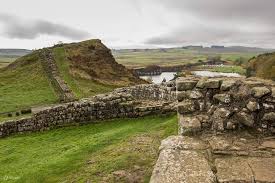
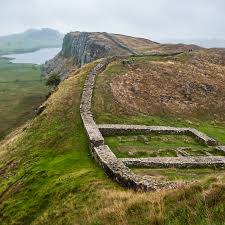
The Roman Empire initiated the construction of Hadrian's Wall to secure its northern boundary in Britannia. This extensive fortification marked the limit of Roman-controlled territory aga...
The Roman forces led by Emperor Trajan launched a military campaign across Mesopotamia, culminating in the siege and capture of Seleucia. This event marked a significant point in Roman-Pe...
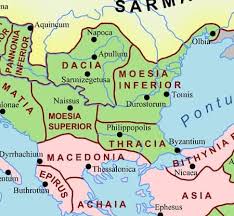
The Fall of Sarmizegetusa marked the decisive Roman victory over the Dacians led by King Decebalus. In early August, Roman legions under Emperor Trajan besieged the Dacian capital, a fort...
The Second Dacian War marks the renewed conflict between the Roman Empire and the Dacian Kingdom, led by King Decebalus. Roman Emperor Trajan launched a major military campaign aiming to ...
The Roman Emperor Trajan launched his first major military campaign against the Dacian Kingdom in early 101 CE. The war was initiated to subdue the powerful Dacian king Decebalus and to s...
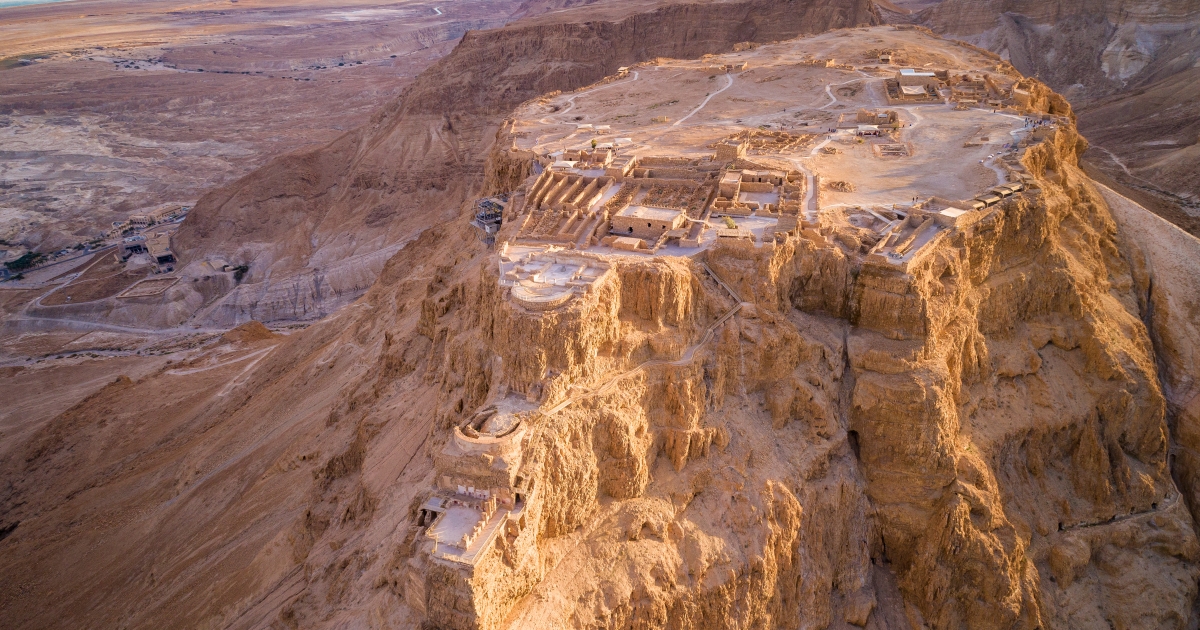
The Siege of Masada was the last stronghold of the Jewish rebels during the First Jewish–Roman War. Roman forces laid siege to the fortress located on a plateau near the Dead Sea after a ...
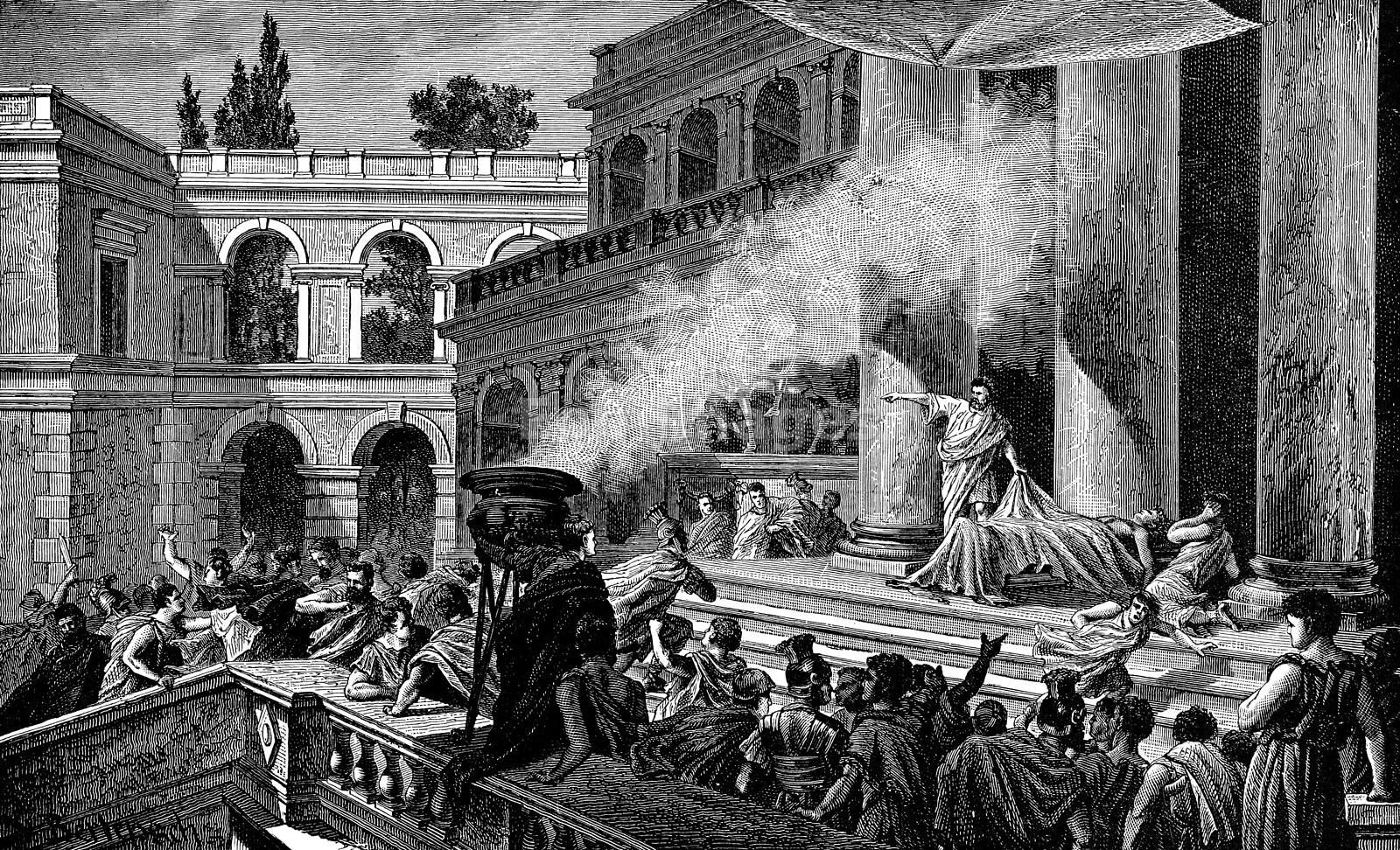
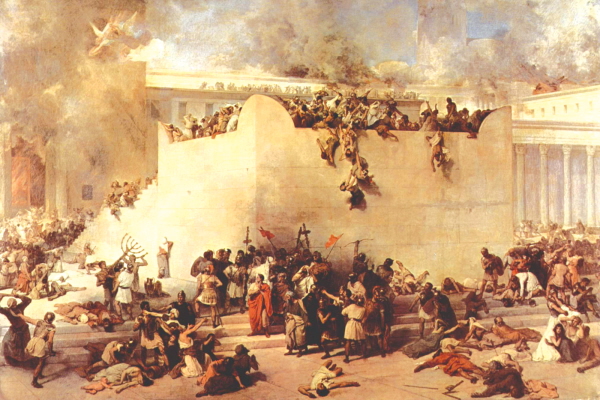
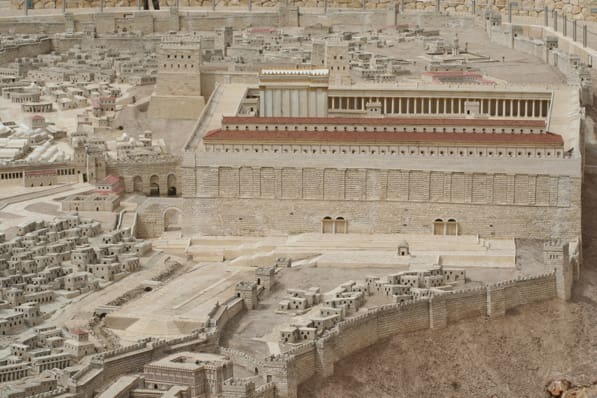
The Roman army, led by Titus, besieged Jerusalem during the First Jewish–Roman War, culminating in the destruction of the Second Temple.The Temple was set ablaze and razed, marking a sign...
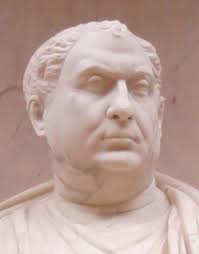
Vitellius was declared emperor by the legions of Germania during the chaotic Year of the Four Emperors. After the death of Emperor Otho, Vitellius marched to Rome where he was formally re...
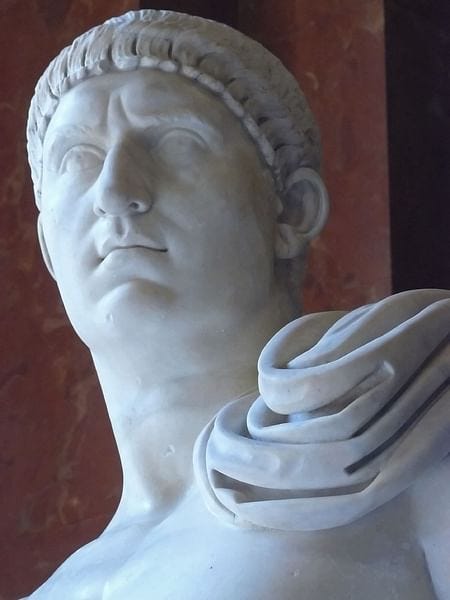
Following the death of Emperor Galba, Otho swiftly ascended to power in Rome, marking a critical juncture in the Year of the Four Emperors. His accession was characterized by rapid politi...
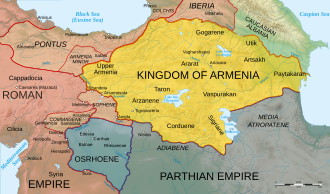
The Roman general Corbulo initiated a military campaign against the Armenian kingdom as part of Rome's efforts to expand influence in the East. This campaign marked the start of confronta...
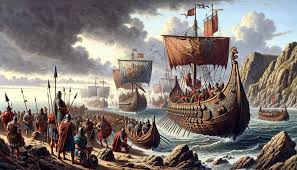
The Roman Emperor Claudius led the invasion of Britain, landing at the port near Richborough in southeastern England. This marked the beginning of the Roman conquest of the island, aiming...
The Roman conquest of Britain began under Emperor Claudius with the landing of Roman forces at Richborough in Kent. This marked the start of a prolonged campaign to bring the British Isle...
26 April 1937 — German Condor Legion aircraft and Italian forces attack the Basque town of Guernica during the Spanish Civil War. The raid kills civilians and destroys large sections of t...
29 July 1936 — Germany begins sending military aircraft and personnel to assist Franco's forces in Spain. The Condor Legion later conducts bombing operations, including the destruction of...