Cambodian Genocide
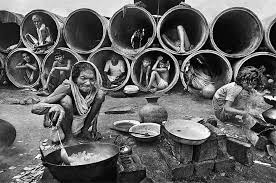
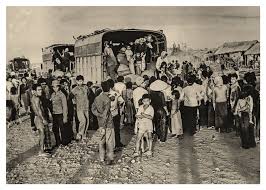
Cambodian Genocide On April 17, 1975, the Khmer Rouge seized Phnom Penh and established control over Cambodia, initiating a regime of social and political transformation. The regime, led...
Bangladesh Genocide On March 25, 1971, the Pakistan Army launched Operation Searchlight in Dhaka and other major cities of East Pakistan, targeting Bengali nationalists, intellectuals, s...
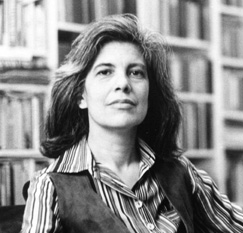
Susan Sontag. Critique of Western civilization and whiteness Susan Sontag Quote “The White race is the cancer of human history; it is the White race ...
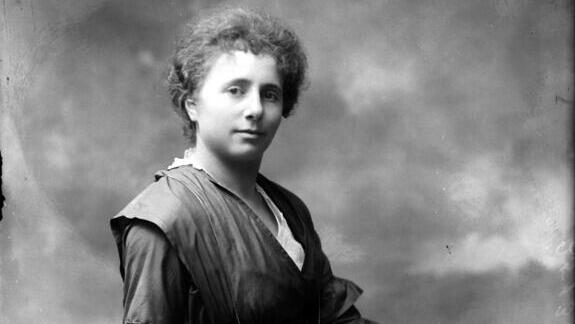
Margherita Sarfatti, an Italian Jewish art critic and writer, played a documented role in the early political and cultural development of Benito Mussolini during the rise of fascism in It...
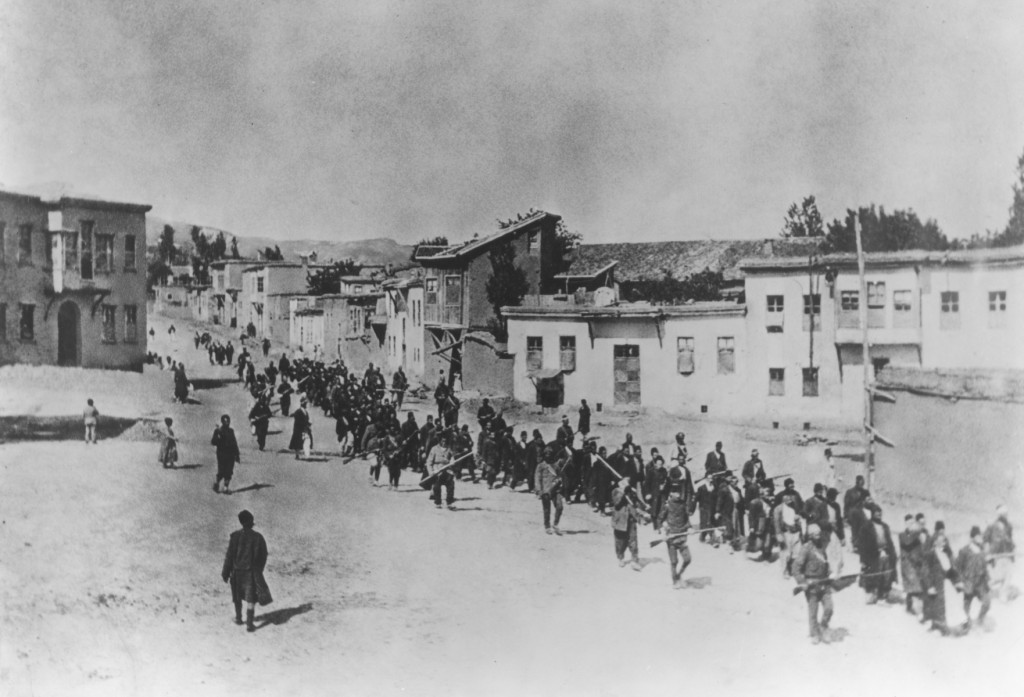
Armenian Genocide On April 24, 1915, Ottoman authorities arrested hundreds of Armenian intellectuals and community leaders in Constantinople. The arrests marked the beginning of a coordi...
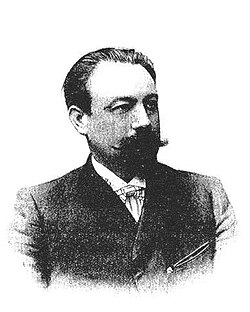
Gaston Méry (10 31 1866 – 6 17 1909), a French journalist and playwright, is among the first documented figures to use the term “racisme” in French nationalist and antisemitic political w...
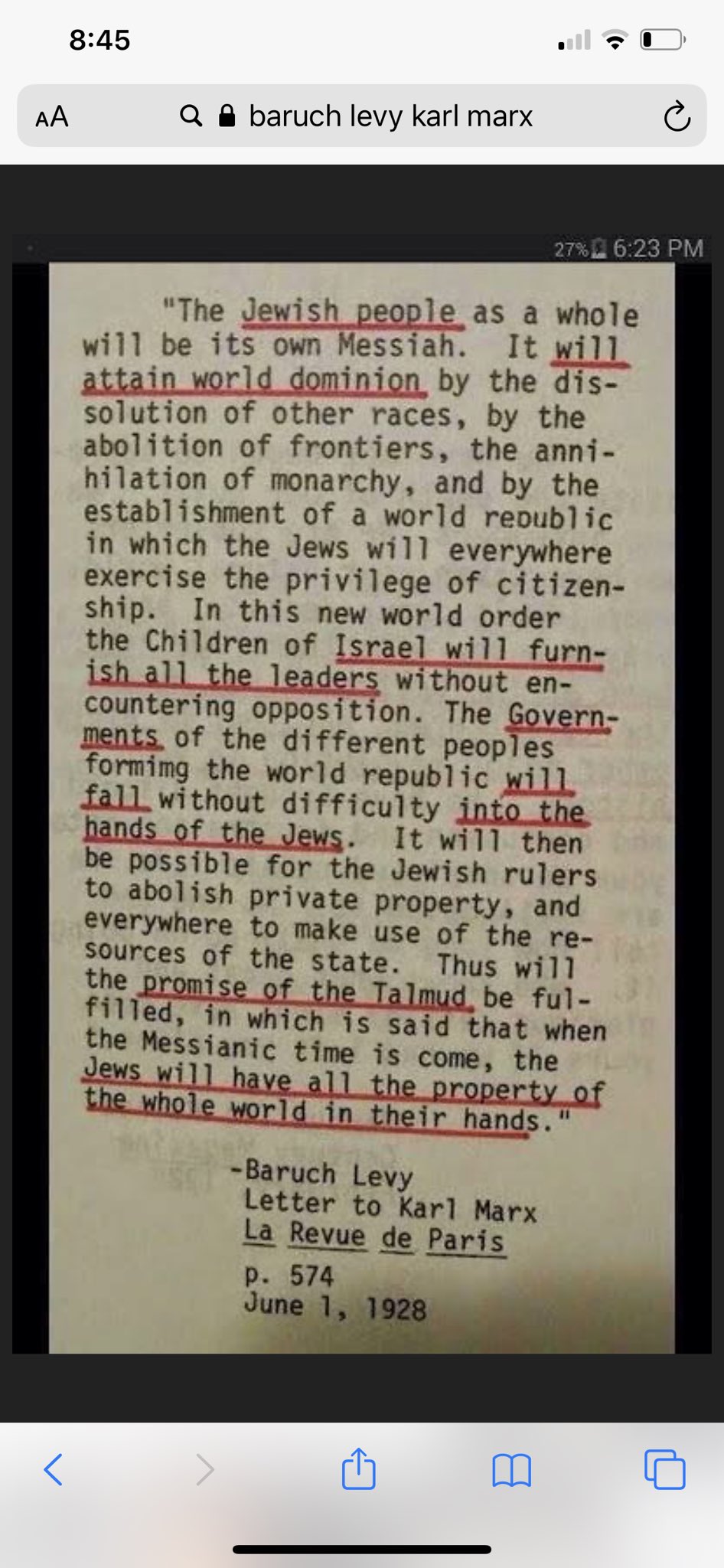
Baruch Levy letter to Karl Marx
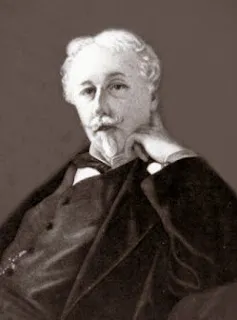
Joseph Arthur de Gobineau (7 14 1816 – 10 13 1882), a French diplomat and writer, published his four-volume work Essai sur l’inégalité des races humaines between 1853 and 1855. The essay ...
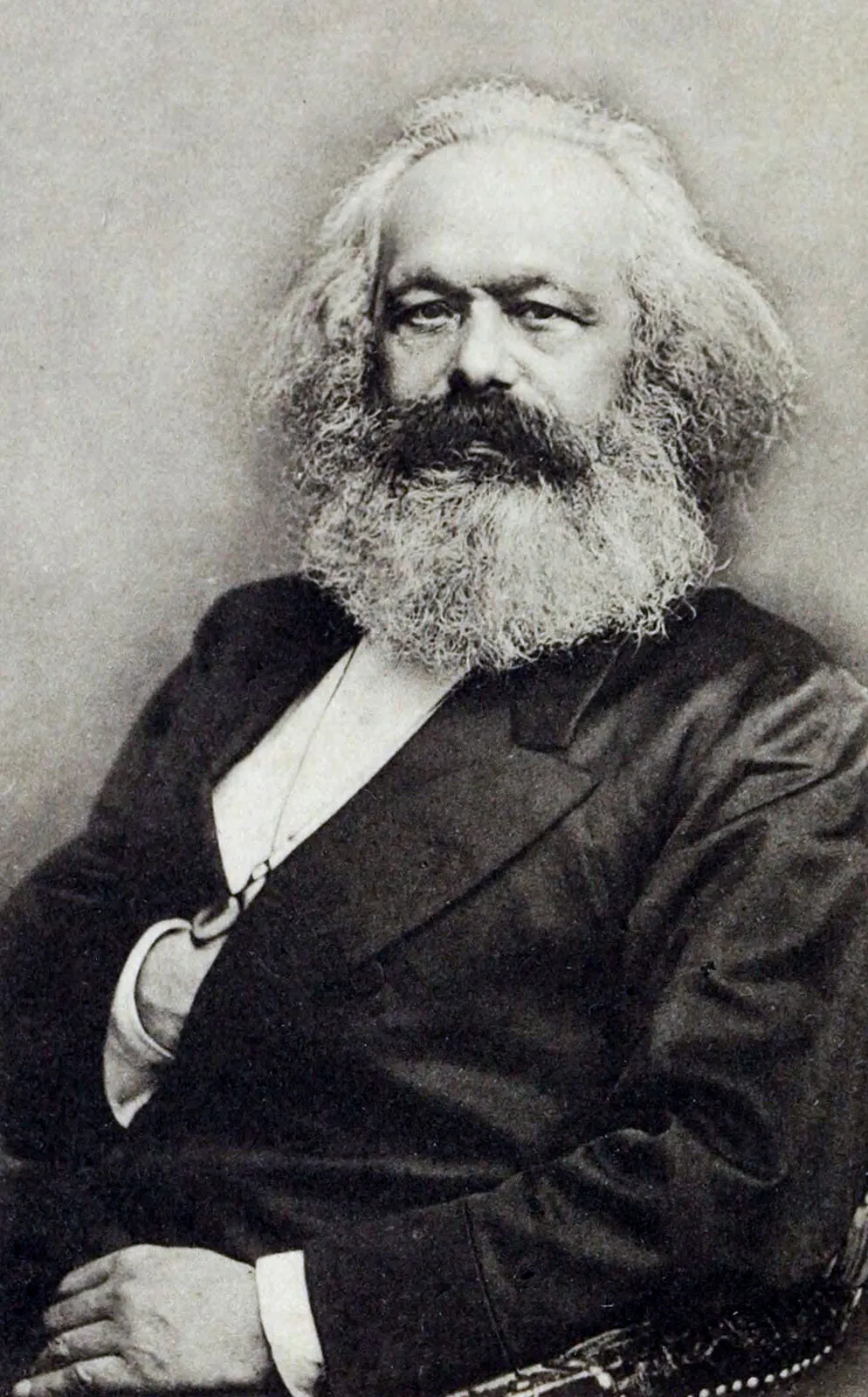
Karl Marx was a German philosopher, economist, and political theorist born in Trier, Prussia, in 1818. His work contributed to the development of socialist and communist political theory ...
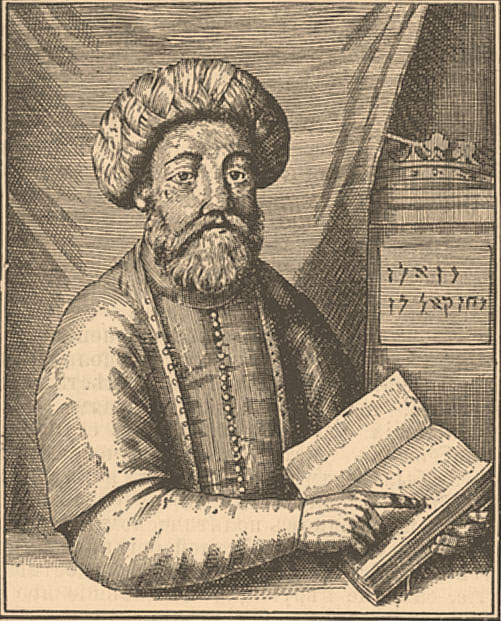
The Dönmeh were a religious community that emerged in the late 17th century within the Ottoman Empire, originating from followers of Sabbatai Zevi, a Jewish rabbi who declared himself the...
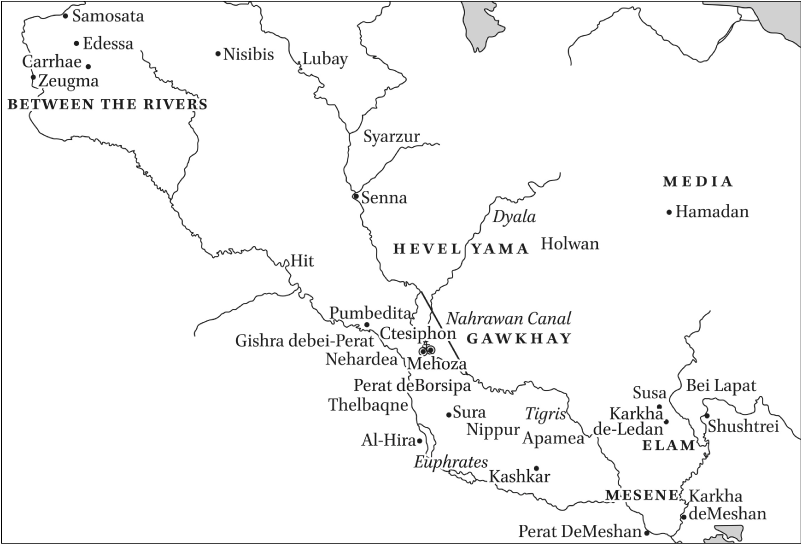
During the early centuries of the Common Era, Talmudic academies in Babylonia underwent significant expansion. These centers of Jewish learning became pivotal in the development and conso...
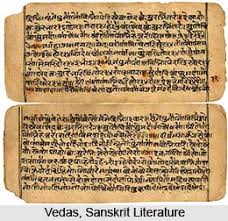
During the classical period of Indian history, Sanskrit literature experienced a remarkable flourishing, often under the patronage of royal courts such as that of Ujjain. This era saw the...
14–22 November 1908 — Albanian intellectuals and representatives gather at Manastir, modern Bitola, to address competing Albanian alphabets. The congress favors a Latin-based writing syst...
969 CE — Fatimid forces establish al-Qahira, Cairo, as a new royal and military city. The settlement grows beside older Fustat and eventually absorbs it into an enormous urban center. Cai...
395–641 CE — Egypt becomes part of the eastern Roman Empire centered on Constantinople, later called Byzantine. Alexandria remains one of Christianity's major intellectual centers. Intens...
30 BCE–395 CE — Egypt remains one of the Roman Empire's wealthiest provinces. Alexandria continues as a major commercial and intellectual center while traditional Egyptian temples functio...
305–30 BCE — The Macedonian Ptolemaic dynasty rules Egypt after the fragmentation of Alexander's empire. Its kings present themselves simultaneously as Hellenistic monarchs and Egyptian p...
c. 588 BCE — Greek settlers establish Apollonia near the lower Vjosa River. The city grows into an important commercial and intellectual center connecting the Adriatic coast with inland B...
Greek communities across the Ottoman Empire and Europe develop powerful commercial and educational networks.
Henry Kissinger's Nuclear Weapons and Foreign Policy was published in 1957 following his work with the Council on Foreign Relations study group. The book examined nuclear strategy and Ame...