Free Black Slaveowners in the United States During the 19th Century
Free Black Slaveowners in the United States During the 19th Century In 1830, around 3,775 free Black individuals in the United States owned enslaved people.
In late November 2021, the Toronto District School Board (TDSB) superintendent Helen Fisher informed the organizer of a book club event that students would not be permitted to participate...
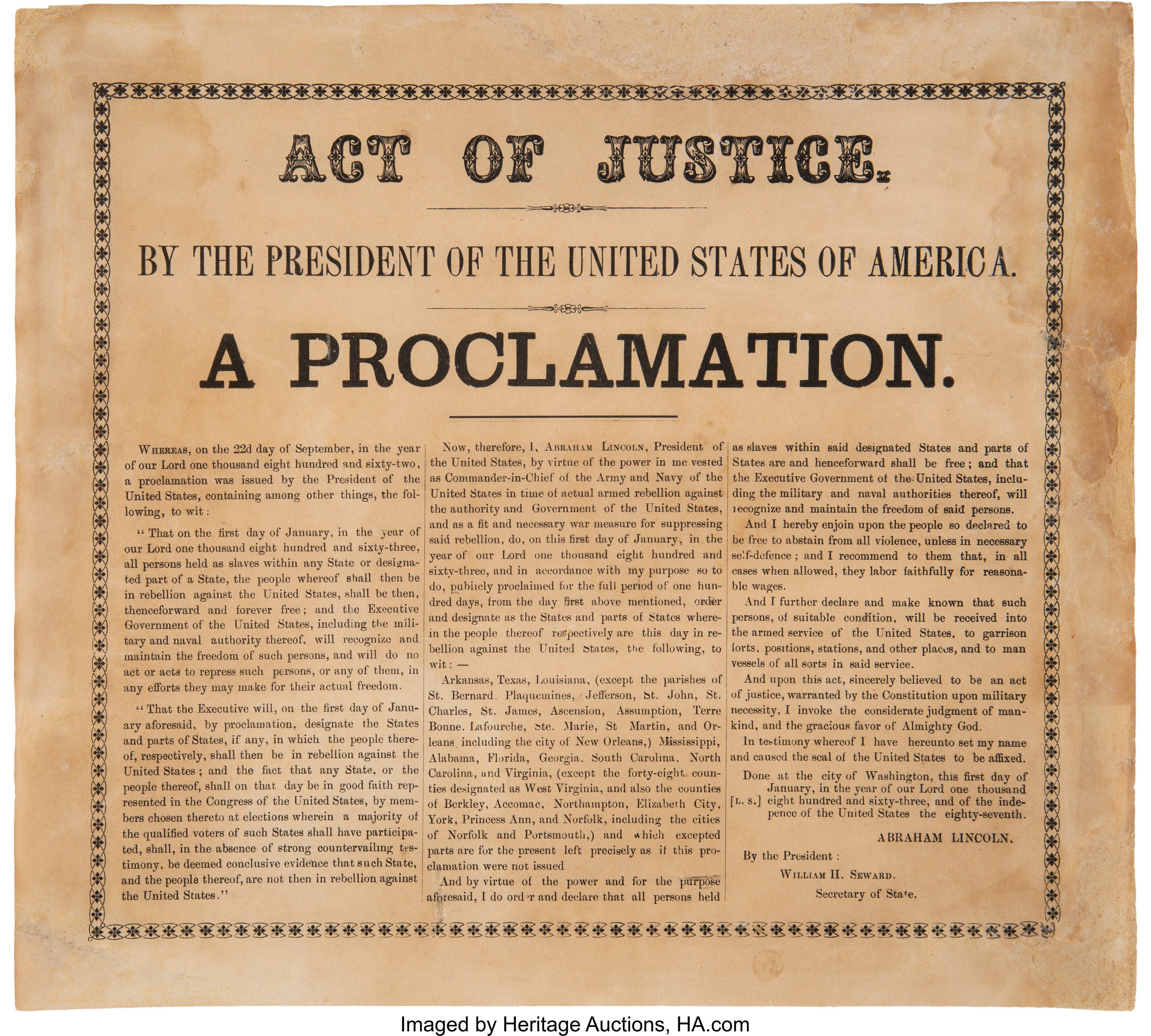
U.S. President Abraham Lincoln issued the Emancipation Proclamation, declaring freedom for enslaved people in Confederate states and redefining the Civil War as a struggle for human liberty.
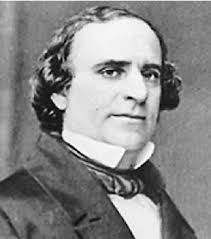
On December 1, 1845, David Levy Yulee was sworn in as one of the first two United States senators from the newly admitted State of Florida, marking a notable moment in U.S. political hist...
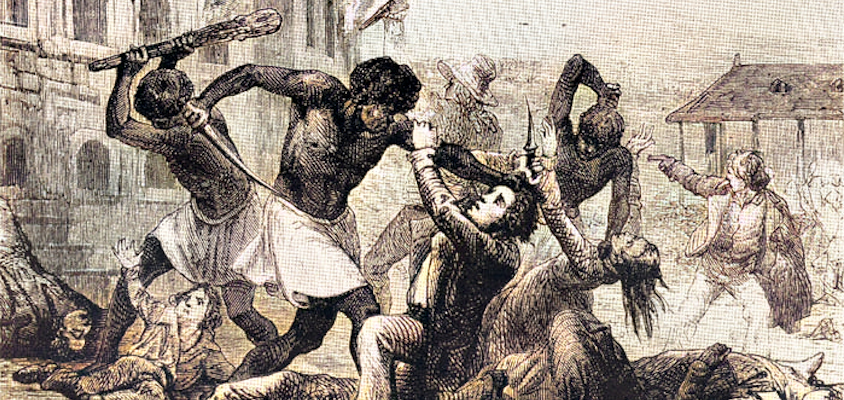
The Haitian Revolution began as enslaved Africans rose against French colonial rule, leading to the first successful abolition of slavery and creation of an independent Black republic.
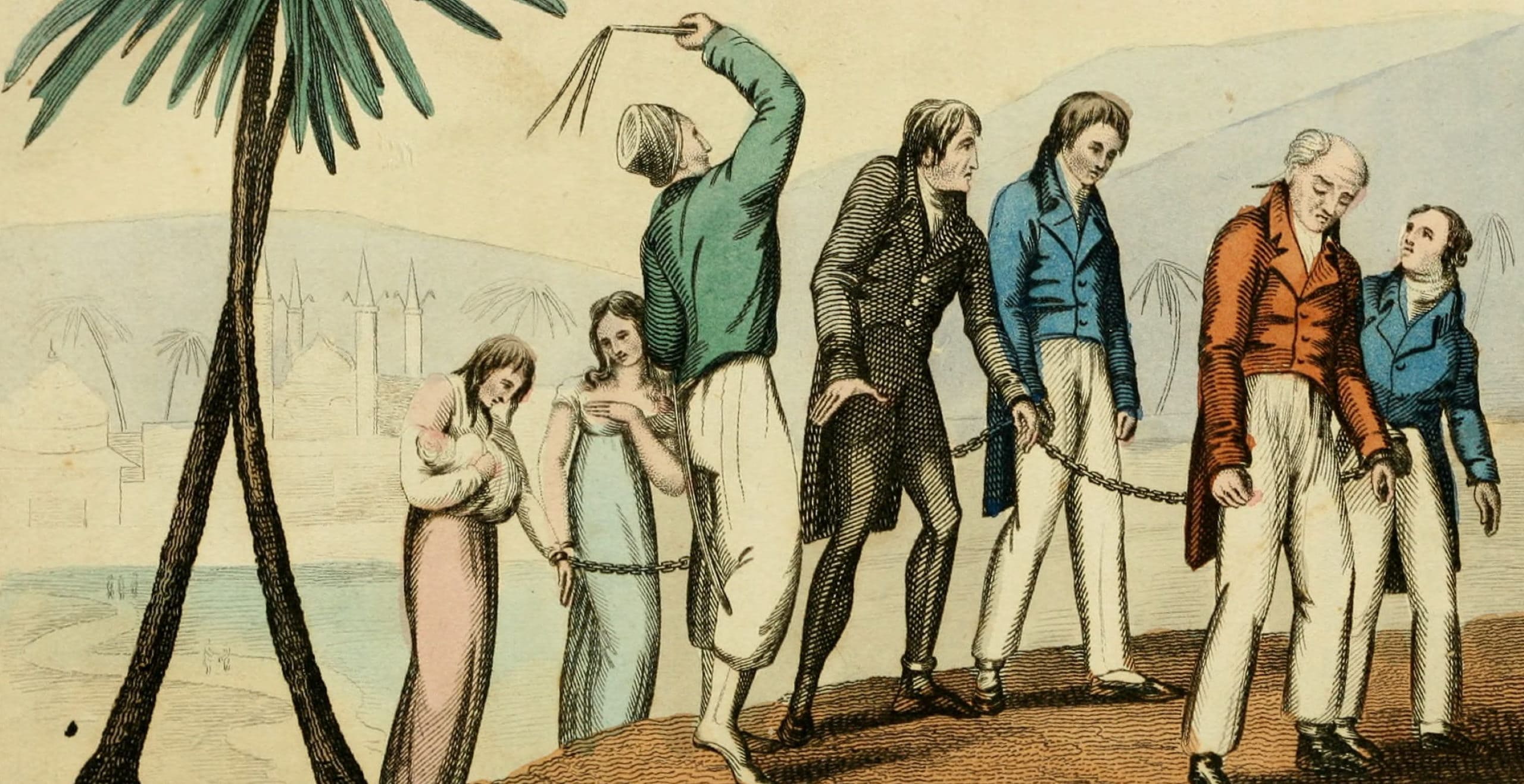
European Captives Sold Into Slavery By Barbary Pirates From the 16th to the 19th centuries, Barbary pirates operating from North Africa — including present-day Morocco, Algeria, ...
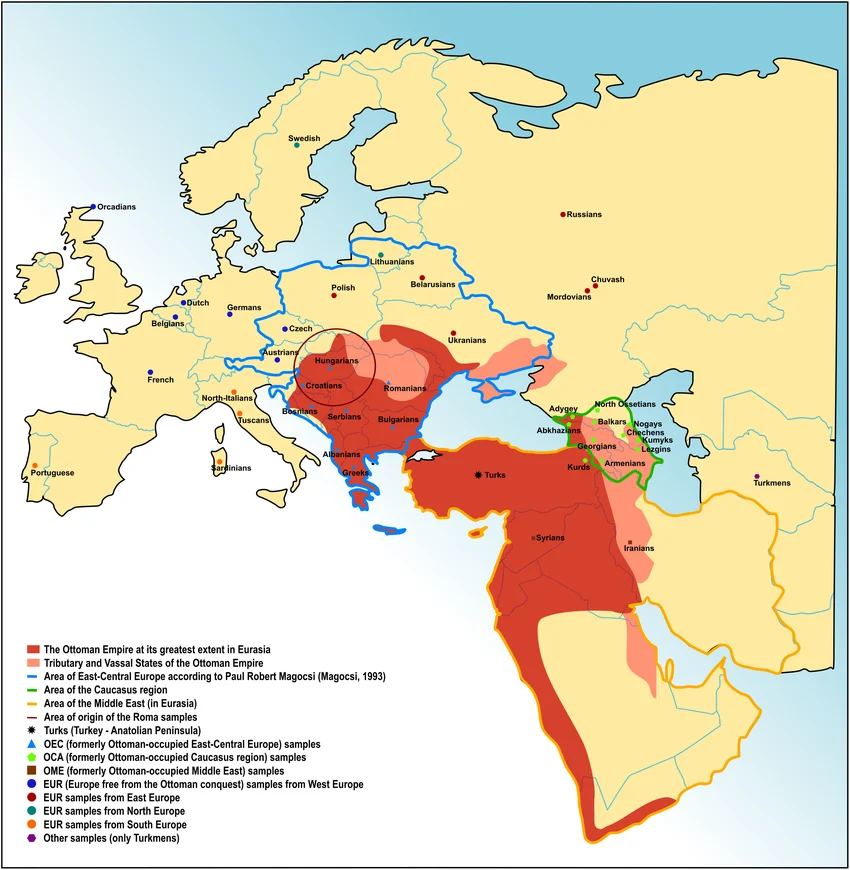
The Ottoman Empire expanded from a small Anatolian principality into one of the largest empires in history. Between the fourteenth and early twentieth centuries, Ottoman forces conquered ...
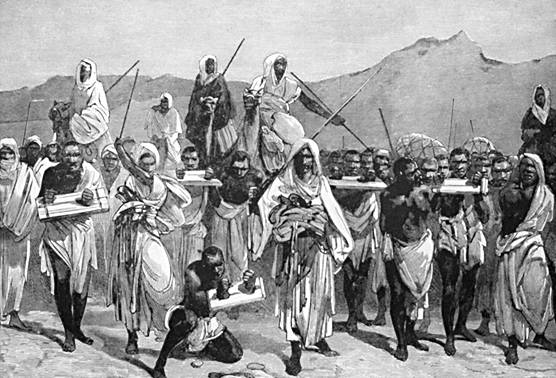
Trans‑Saharan Slave Trade The Trans‑Saharan slave trade began around the mid‑7th century following the Treaty of Baqt in 652 CE, which established formal relations between Arab r...
Political participation was limited mainly to adult male citizens; women, enslaved people and foreigners were excluded.