Saint-Simon church fire
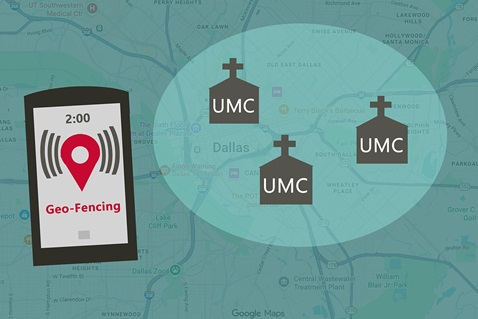
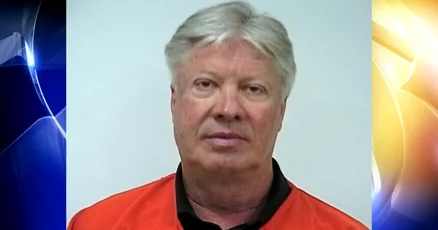
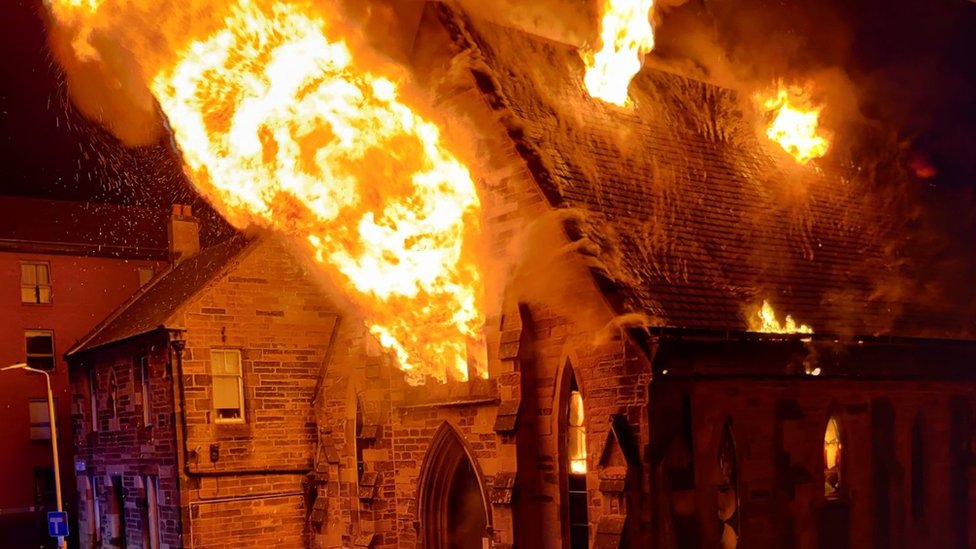
A 68-year-old man from Saint-Simon, New Brunswick, has been charged with arson in connection with a fire that destroyed the community's church on August 24, 2026, according to the Royal C...
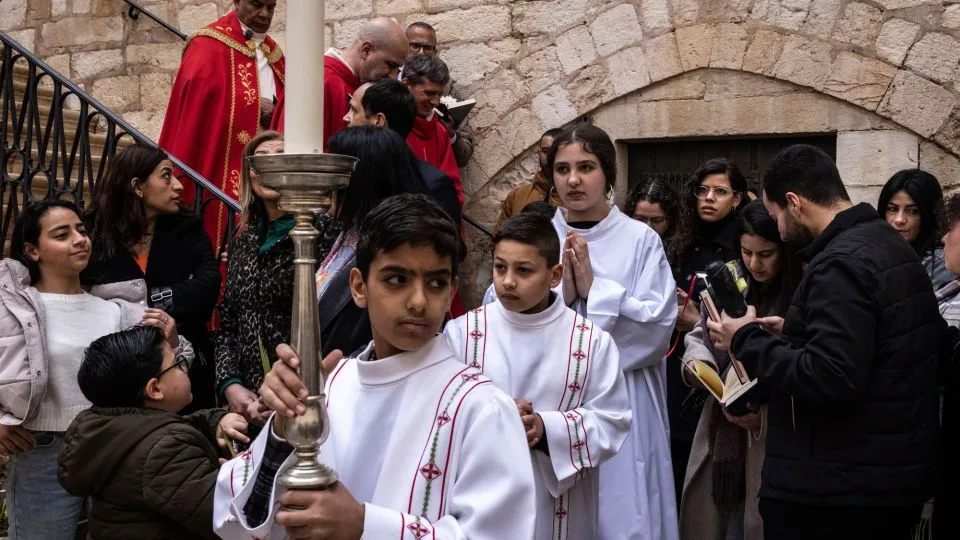
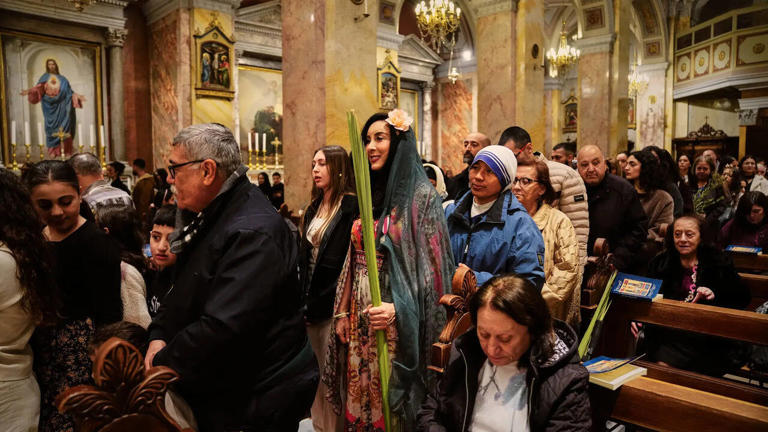
On March 29, 2026, Israeli police initially barred senior Catholic leaders, including Cardinal Pierbattista Pizzaballa, the Latin Patriarch of Jerusalem, from entering the Church of the H...
On March 29, 2026, Israeli police prevented senior Catholic leaders from entering the Church of the Holy Sepulchre in Jerusalem to celebrate Palm Sunday Mass. The Latin Patriarch of Jerus...
A Lebanese Maronite Catholic priest was killed after Israeli tank fire struck a home in the southern Lebanese village of Al-Qlayaa near the border with Israel. Father Pierre al-Rai died f...
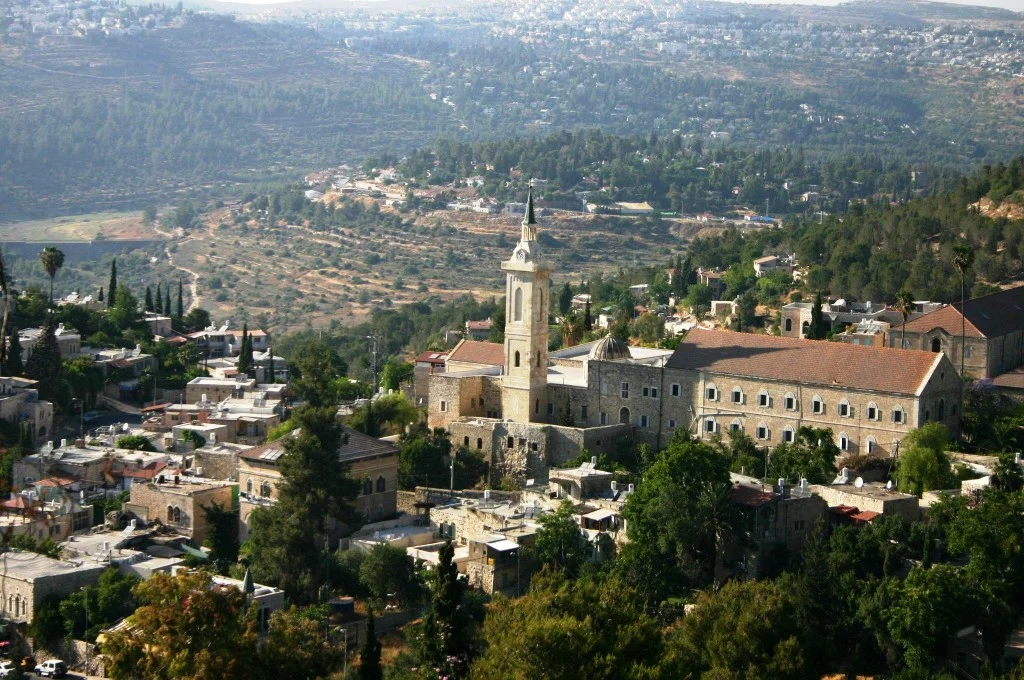
The birthplace of John the Baptist in Ein Karem, Jerusalem, was vandalized by extremist settlers, authorities and local sources reported. Settler extremists spray-painted messages in Heb...
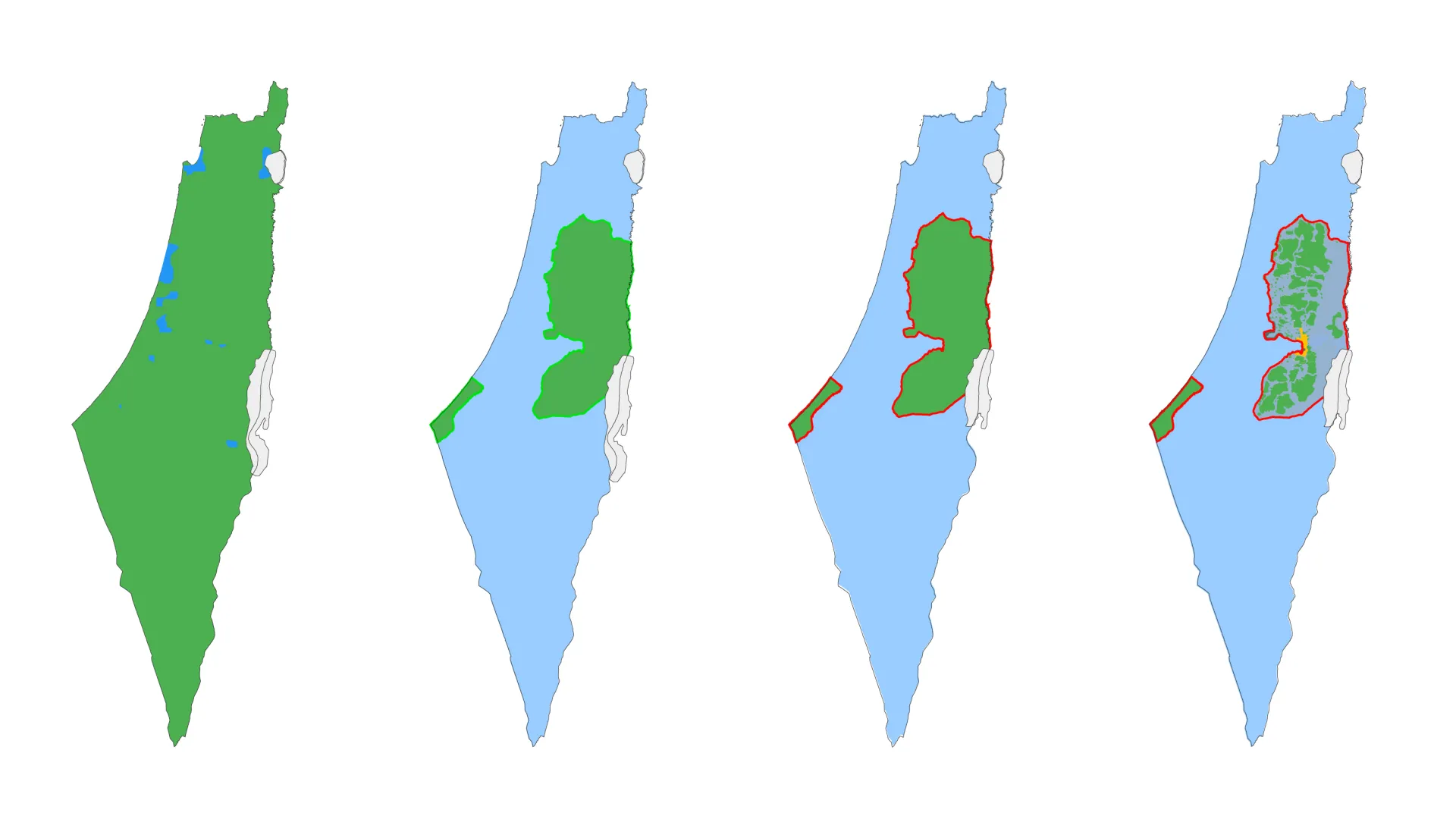
There have been multiple reported incidents involving Christians and Christian holy places in Israel and the Palestinian territories, including isolated acts of harassment as well as hist...
Christian Communities in the Middle East: Villages and Towns Timeline 523–2026 body { font-family: Arial, sans-serif; background-color: #f4f4f9; margin: 0; padding: 0; } .ti...
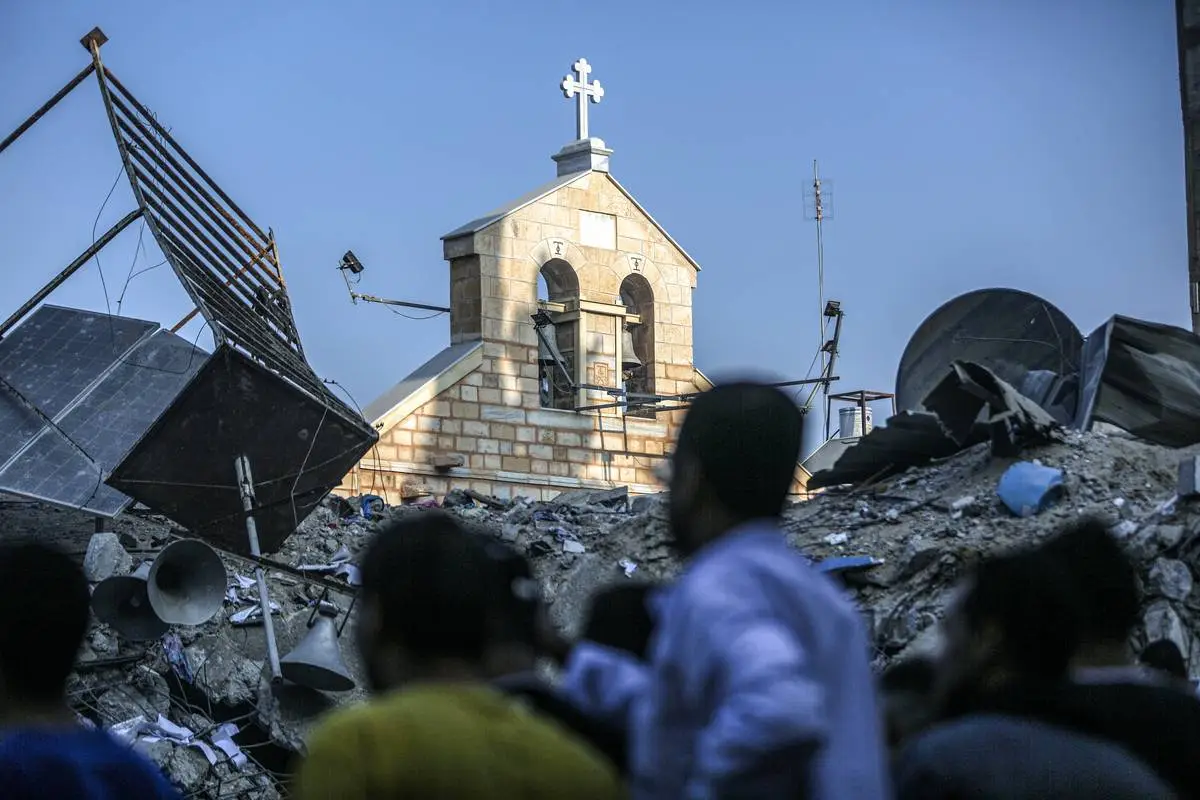
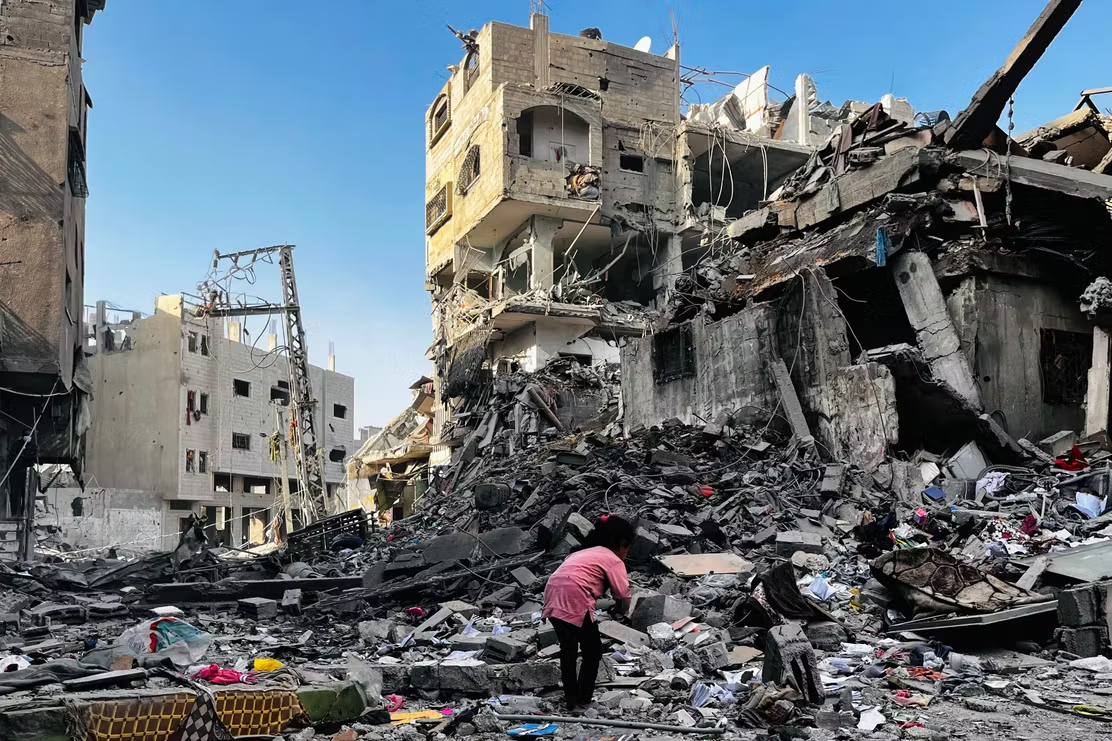
Recent Israeli military operations in Gaza have resulted in strikes on a wide range of civilian and non-military sites. Documented target types include mosques, churches, schools, kinderg...
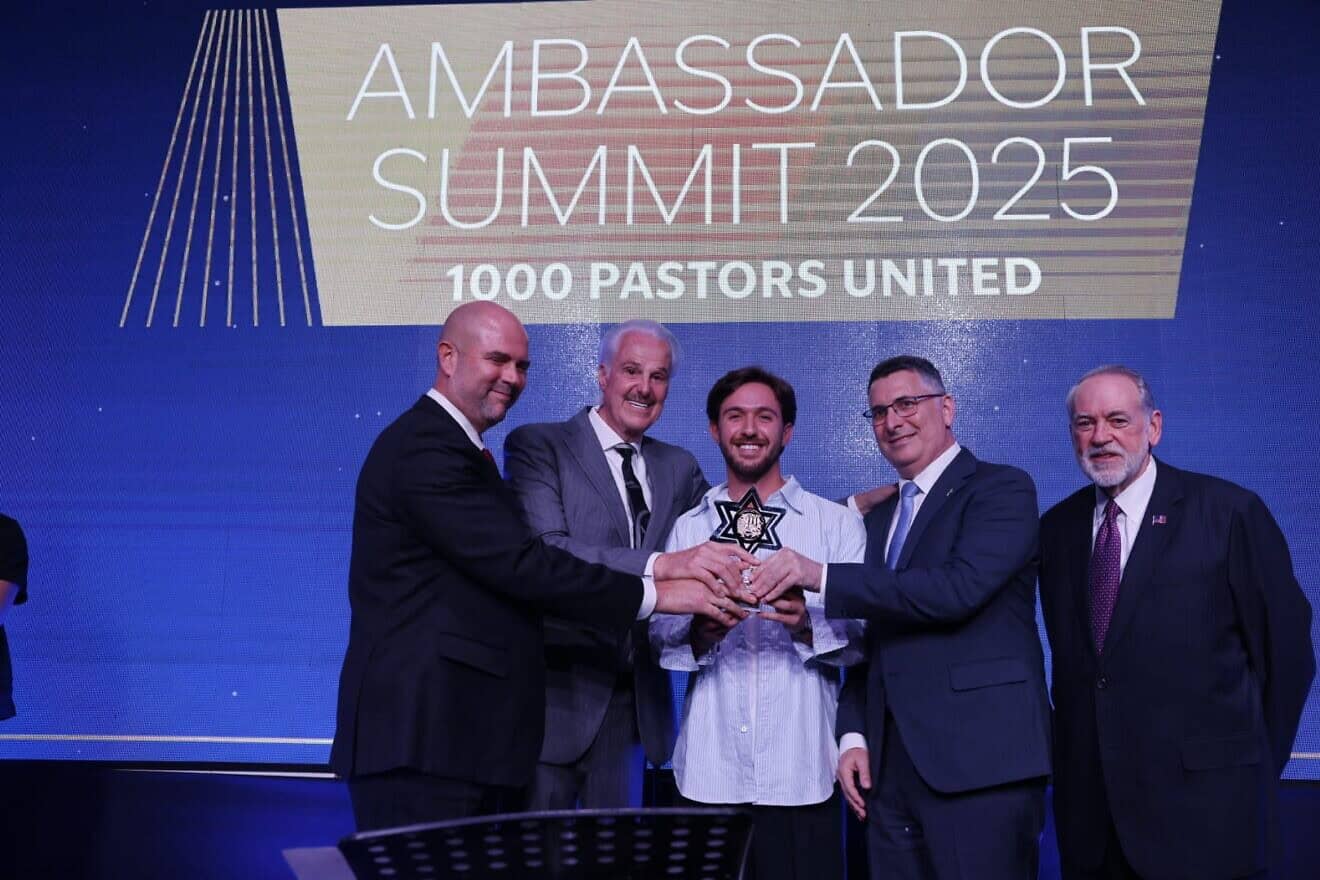
In December 2025, more than 1,000 evangelical Christian pastors and influencers from the United States made a coordinated visit to Israel, described by organizers as the largest delegatio...
A public relations campaign backed by Israel’s Ministry of Foreign Affairs was disclosed through filings under the U.S. Foreign Agents Registration Act. The campaign was conducted by Show...
Romanian Survivors File Lawsuits Against Harvest Christian Fellowship and Pastor Greg Laurie In September 2025, multiple Romanian men filed federal civil lawsuits in the United...
In the early hours of July 28, 2025, a group of Israeli settlers entered the predominantly Christian Palestinian village of Taybeh in the central West Bank and carried out a violent attac...
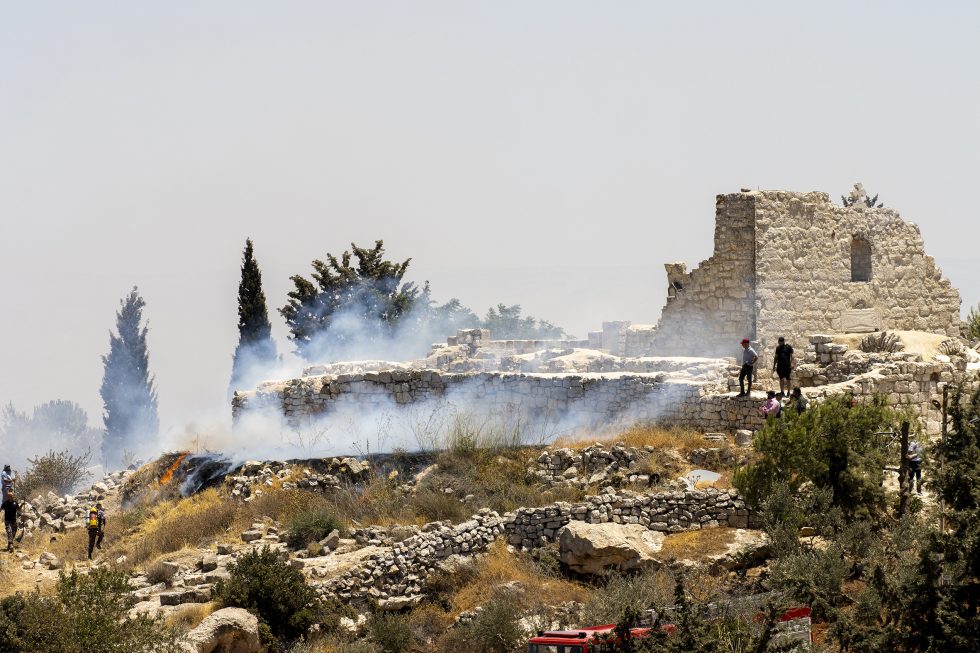
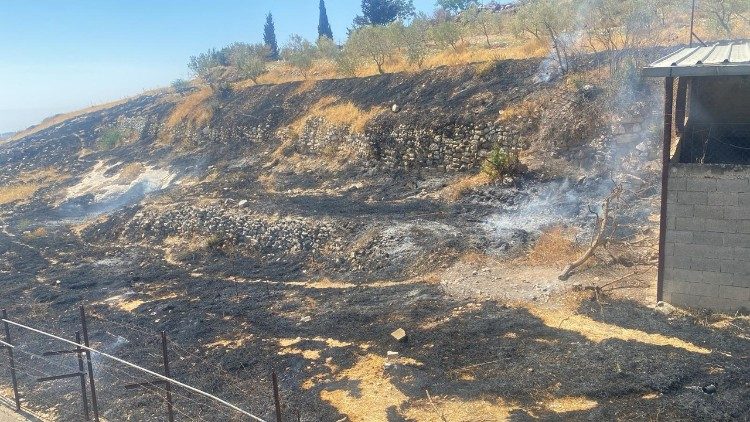
On July 7, 2025, Israeli settlers allegedly carried out an arson attack near the historic Church of St. George—one of the oldest Christian sites in the West Bank—and the adjacent cemetery...
Robert Morris, an American televangelist and founder of Gateway Church in Texas, pleaded guilty in 2025 to charges related to child sexual abuse, according to court records. Morris, who h...
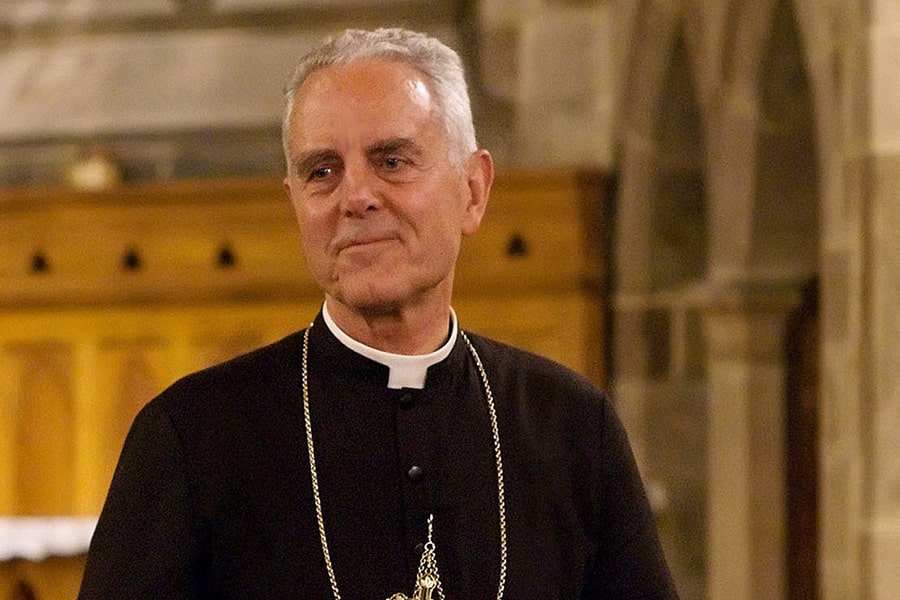
Richard Williamson was a British traditionalist Catholic bishop who became widely known for his involvement in controversies related to the Catholic Church and his public statements about...
Rwandan Genocide On April 7, 1994, following the assassination of Rwandan President Juvénal Habyarimana, widespread violence erupted against the Tutsi population in Rwanda. The genocide ...
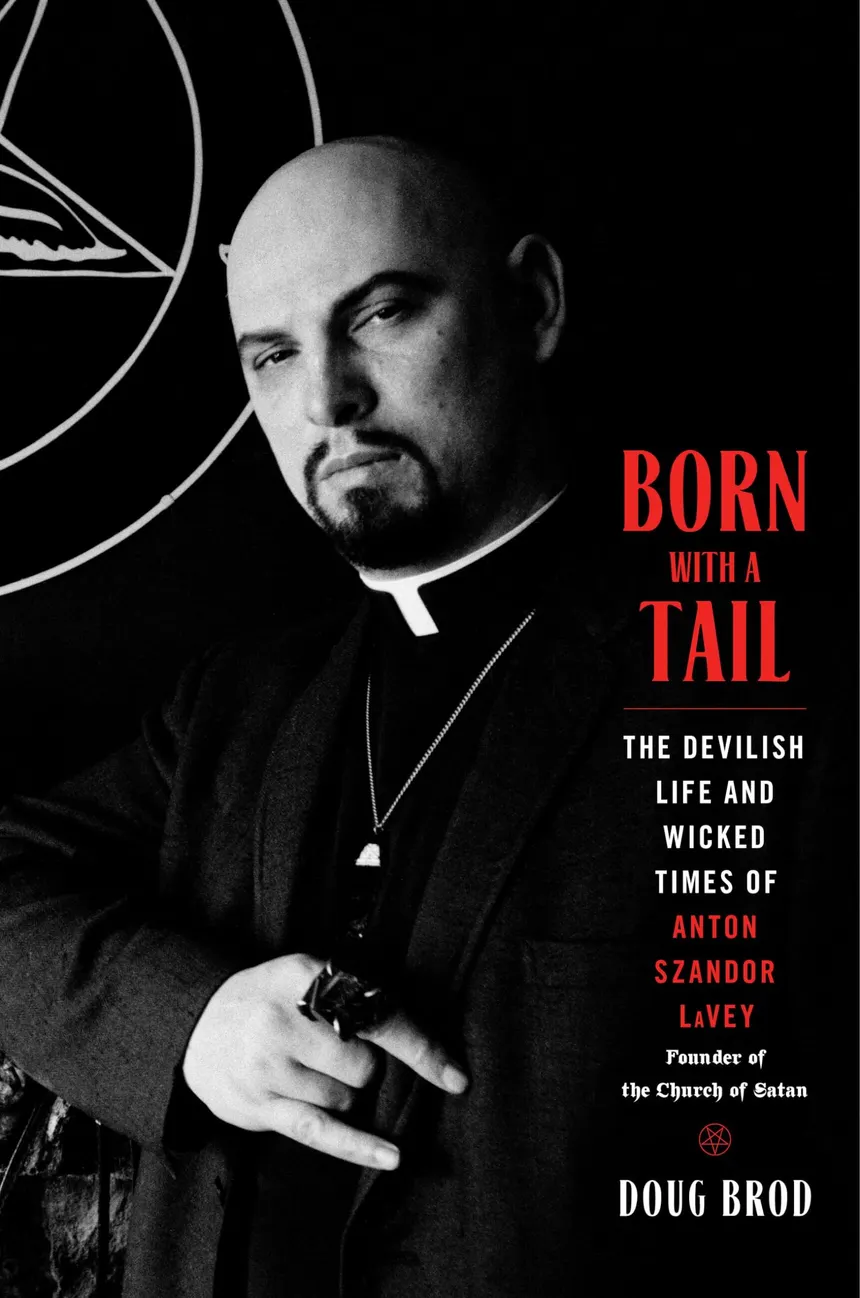
Anton Szandor LaVey was born Howard Stanton Levey on April 11, 1930, in Chicago, Illinois, to Jewish parents. His father, Michael Joseph Levey, was of French-American descent, and his mo...
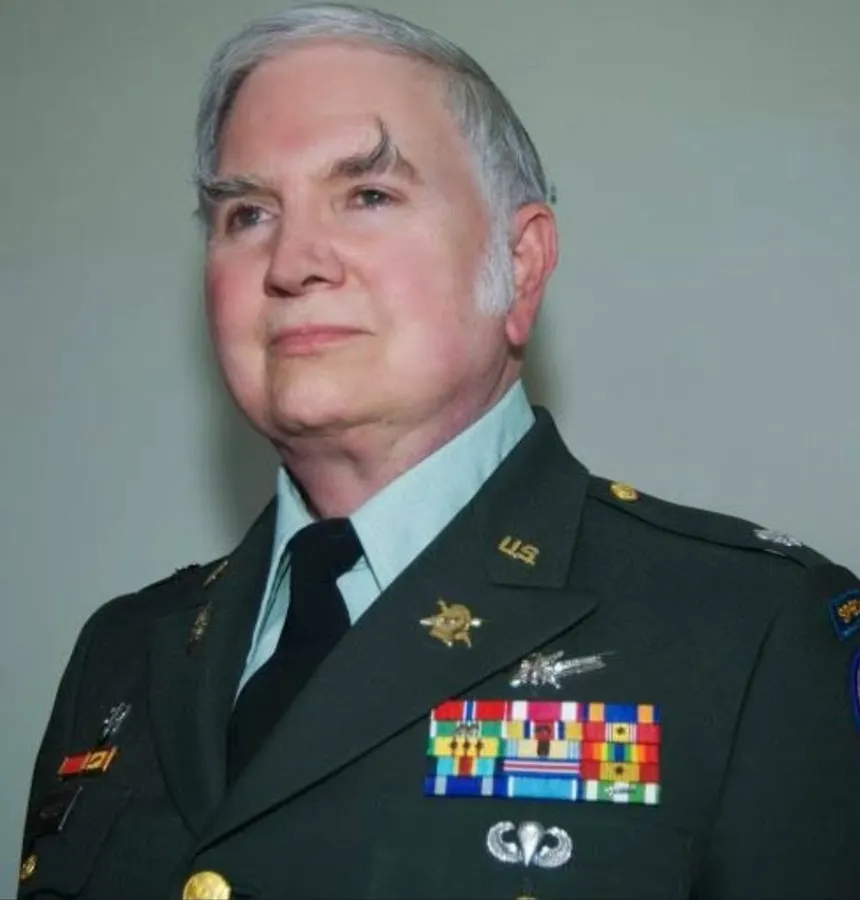
Michael A. Aquino Jr. (October 16, 1946 – September 1, 2019) was an American political scientist, military officer, and religious founder. He served as a specialist in psychological opera...
Assyrian Genocide On January 1, 1915, systematic attacks against Assyrian communities began in the eastern provinces of the Ottoman Empire during World War I. Assyrians, a Christian mino...
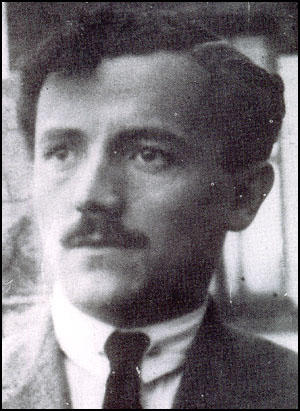
Alexander Orlov, born Lev Lazarevich Feldbin on 21 August 1895 in Bobruisk, was a Soviet NKVD officer from an Orthodox Jewish family. He later operated under several aliases, including Le...
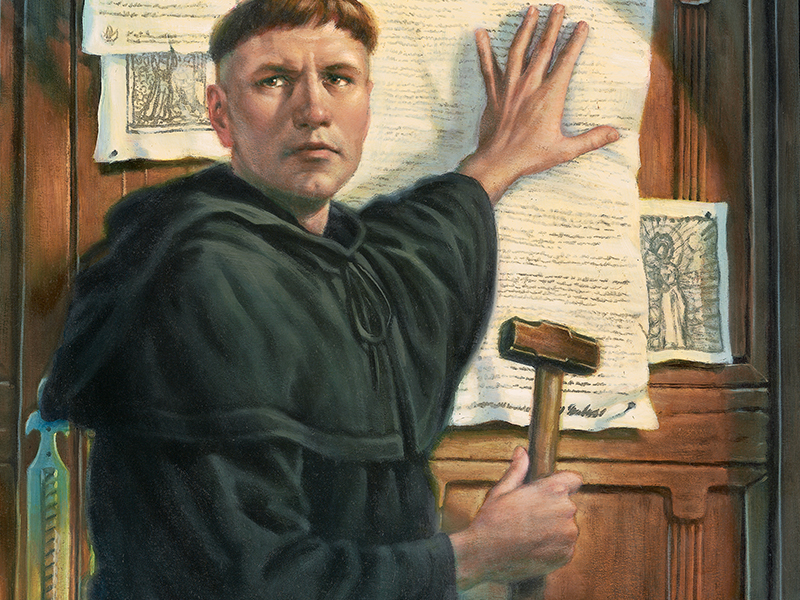
The Ninety-Five Theses body { font-family: Arial, Helvetica, sans-serif; line-height: 1.6; margin: 40px; background-colo...
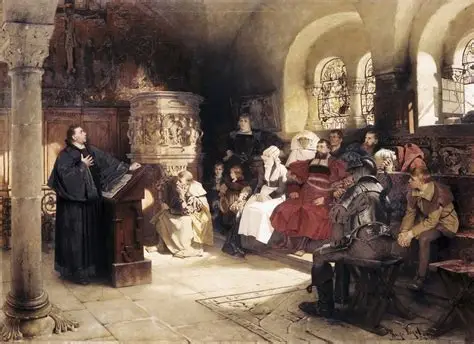
Martin Luther challenged Church practices by publishing his Ninety-Five Theses. The movement questioned papal authority and emphasized scripture and faith. This permanently altered Chri...
The Tome of Leo was issued as a formal declaration by Pope Leo I articulating the doctrinal position of the Church concerning the divine and human natures of Christ. This document was ins...
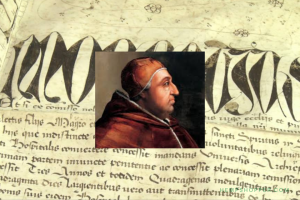
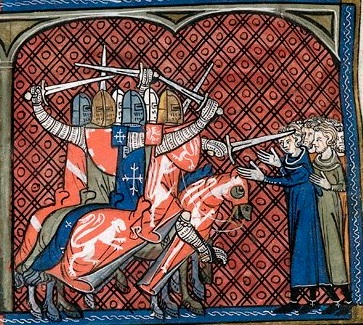
The Albigensian Crusade was a 20-year military campaign initiated by the Catholic Church to eliminate Catharism in the Languedoc region of southern France. It began in 1209 under Pope Inn...
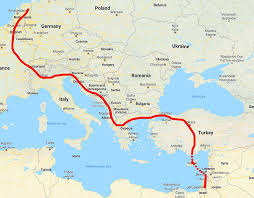
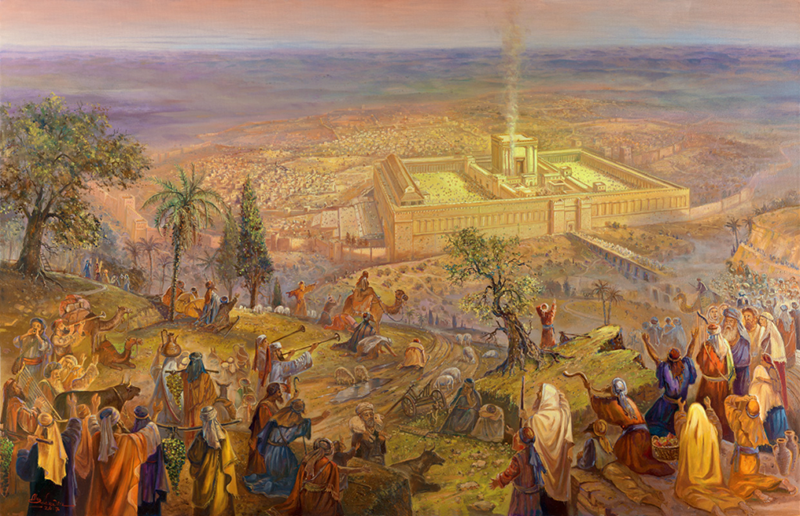
New pilgrimage routes to Jerusalem have been established, enhancing access for travelers and worshippers. These pathways enable smoother and safer journeys for pilgrims coming from variou...
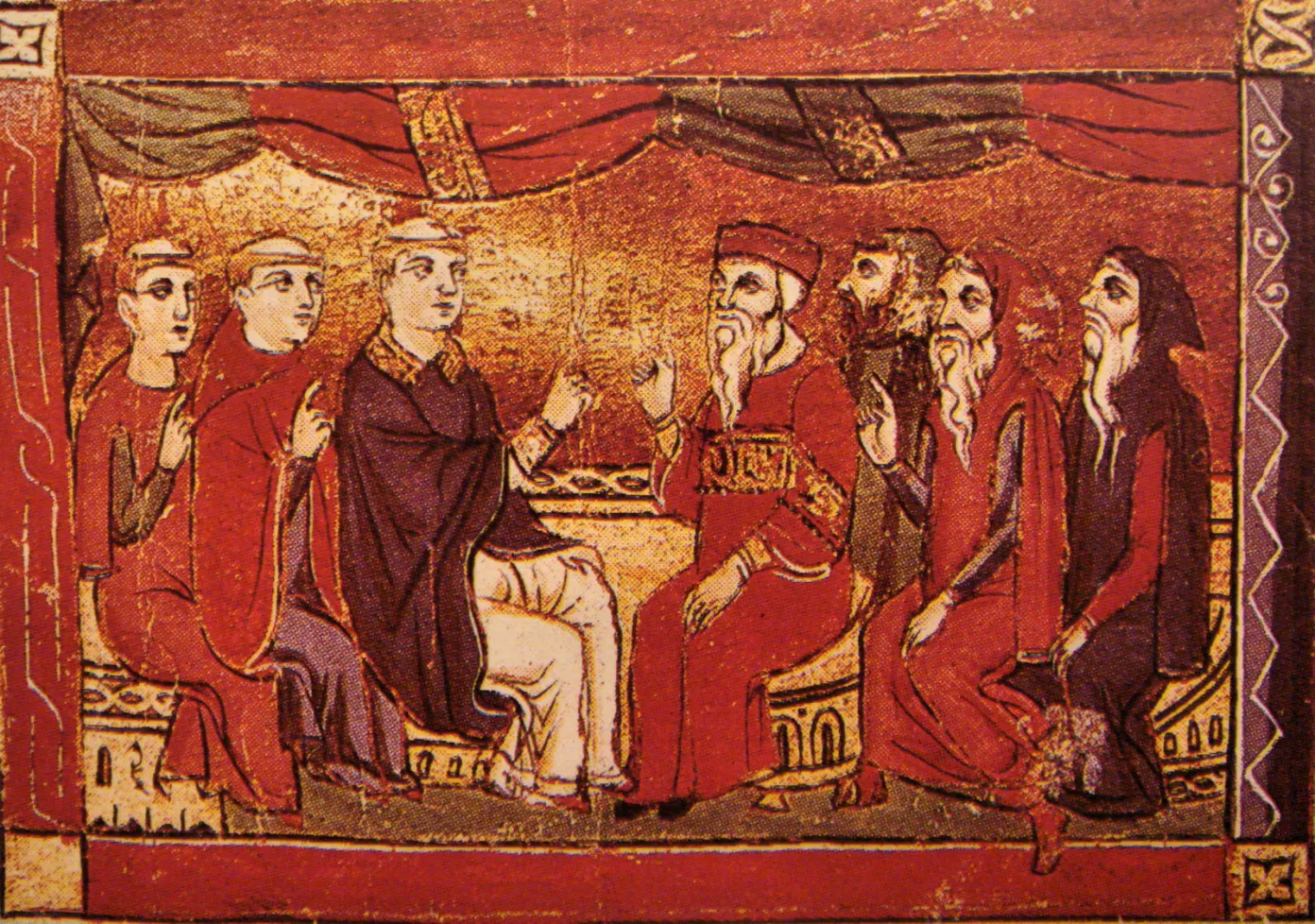
The Christian Church formally split into the Roman Catholic and Eastern Orthodox branches. Doctrinal, cultural, and political differences led to mutual excommunications. The division re...
The last Western Roman emperor, Romulus Augustulus, was deposed. This event traditionally marks the end of ancient Rome and the beginning of the Middle Ages. Christian institutions beca...
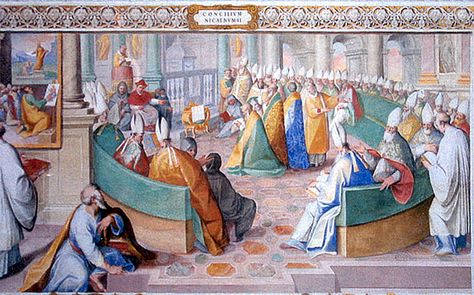
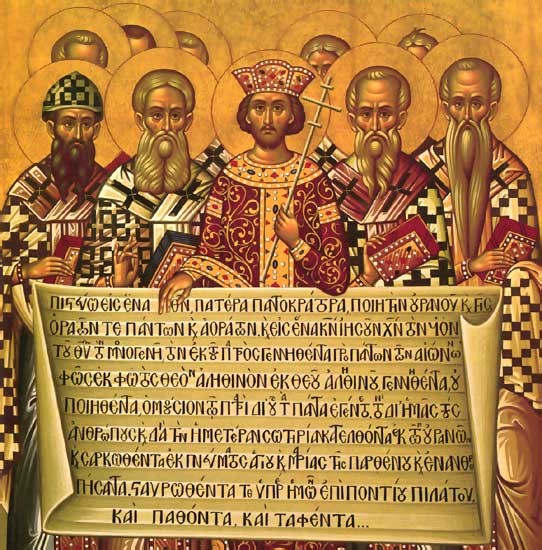
The Council of Nicaea was the first ecumenical council of the Christian Church. It established foundational doctrines, including the Nicene Creed. The council helped define orthodox Chr...
The Edict of Milan, issued in 313 CE by Roman emperors Constantine I and Licinius, granted religious tolerance throughout the Roman Empire. It ended the persecution of Christians and allo...
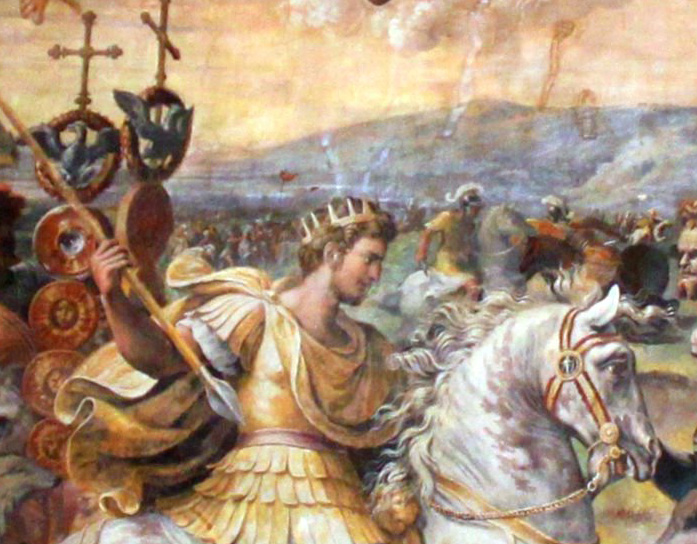
Emperor Constantine converted to Christianity after the Battle of the Milvian Bridge. His conversion led to the legalization of Christianity within the Roman Empire. This marked Christi...
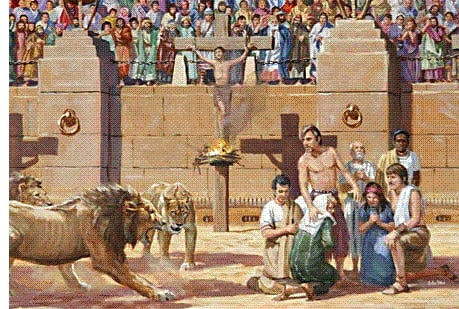
In the mid-first century, Emperor Nero initiated systematic persecution of Christians in Rome following the Great Fire of 64 AD. Christians were blamed for the disaster and subjected to b...
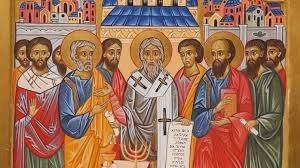
The Council of Jerusalem was a pivotal assembly of early Christian leaders who convened to discuss the integration of Gentile converts into the predominantly Jewish Christian community. T...
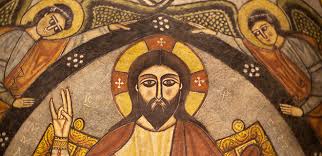
Coptic Christianity, one of the oldest Christian traditions, has seen notable growth within Egypt in recent years. Rooted deeply in Egyptian history, the Coptic community continues to exp...
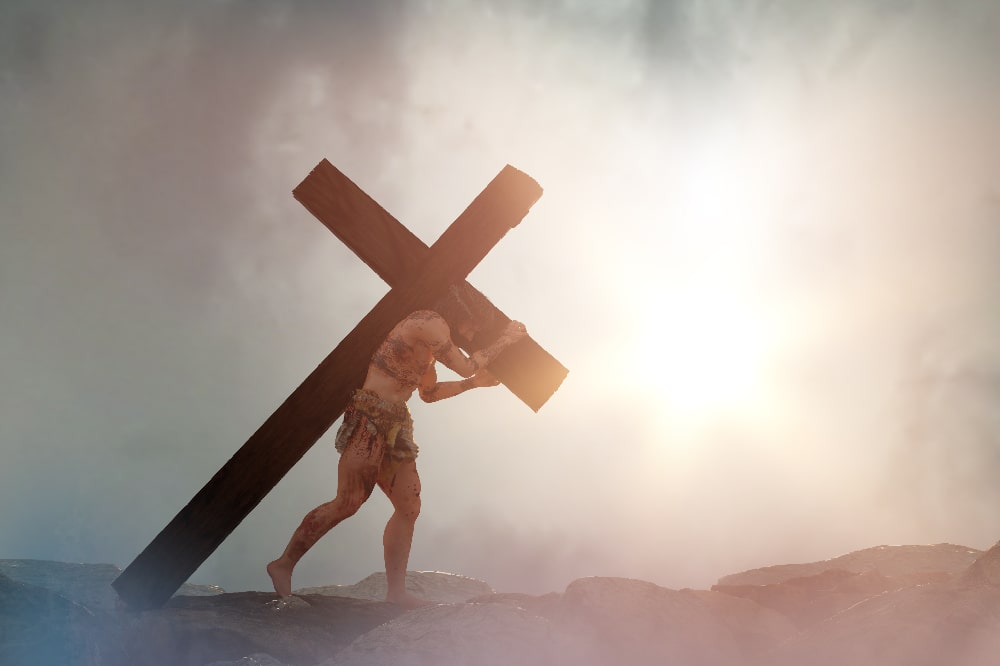
Jesus of Nazareth was executed by crucifixion under Roman governor Pontius Pilate in Jerusalem, during the period of Roman occupation of Judea. The event is documented in the canonical Go...
Pentecost in Jerusalem marks a significant event when the early followers of Jesus gathered to celebrate the Jewish festival of Shavuot, also known as Pentecost. This gathering led to a p...
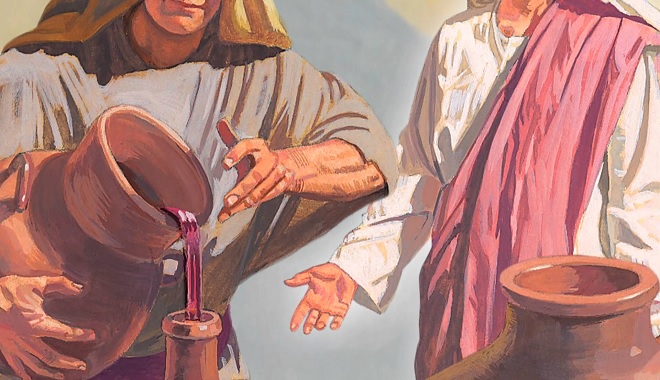
The town of Qana in southern Lebanon is traditionally identified by some Christian communities as the site of the biblical event where Jesus is said to have performed his first miracle, t...
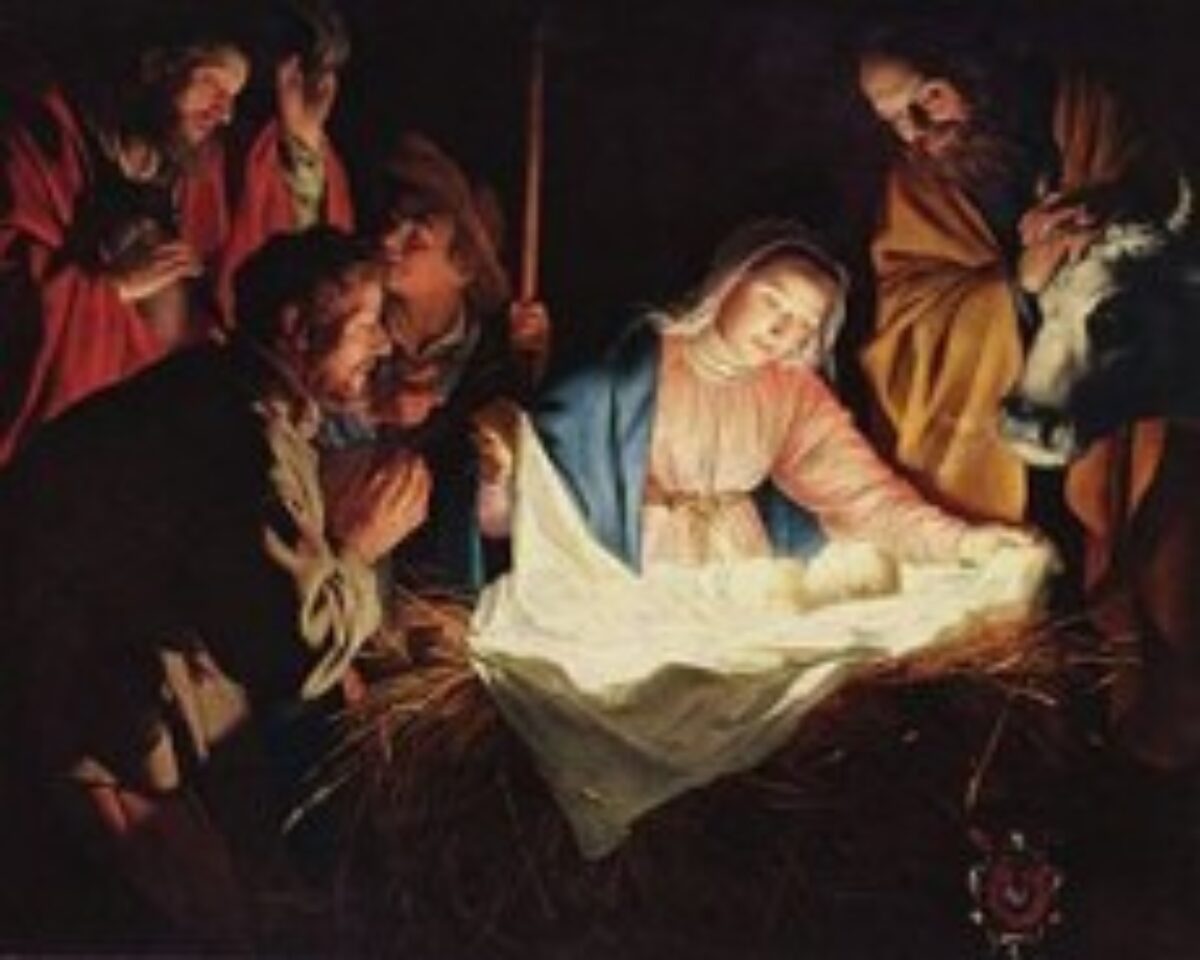
Jesus of Nazareth, the central figure of Christianity, is traditionally believed to have been born in Bethlehem during the final years of the reign of Herod the Great. According to Christ...
1967 — The communist government launches an aggressive campaign against organized religion. Mosques, churches and monasteries are closed or converted to other uses, and Albania is promote...
1st–4th centuries CE — Christianity spreads widely through Egypt and produces one of the ancient world's most important Christian traditions. Egyptian monasticism profoundly influences Ch...
22 December 1941 — Roosevelt and Churchill begin the Arcadia Conference in Washington shortly after American entry into the war. Despite Pearl Harbor, the United States and Britain confir...
14 August 1941 — Roosevelt and Churchill issue a statement of broad principles for the postwar world, including territorial restraint, economic cooperation and forms of self-government. T...
28 May 1940 — During the military crisis in France, Britain's War Cabinet continues debating whether Italian mediation might open negotiations with Germany. Winston Churchill argues stron...
The Orthodox Church becomes a major religious and cultural institution under Ottoman rule.
17 July 1945 — Truman, Stalin and initially Churchill meet near Berlin after Germany's defeat. They discuss occupation policy, borders, reparations and the war against Japan. Churchill is...
28 November 1943 — Roosevelt, Churchill and Stalin meet together for the first time. Stalin presses strongly for a second front in Western Europe, and the Western Allies confirm plans for...
28 November 1943 — Stalin, Roosevelt and Churchill meet together for the first time. Stalin presses for a Western invasion of France while the Soviet Union continues carrying the main lan...
10 May 1940–26 July 1945 — Churchill serves as British prime minister through nearly the entire European war. He strongly opposes negotiating a settlement with Hitler and becomes the publ...
4 February 1945 — Franklin Roosevelt, Winston Churchill and Joseph Stalin meet in Crimea as Germany approaches defeat. They discuss occupation zones, Poland, postwar Germany, Soviet parti...
4 February 1945 — Roosevelt, Churchill and Stalin debate Poland's borders and government at Yalta. The Soviet Union already occupies most Polish territory, giving Stalin overwhelming leve...