Democrats reassess stance on Israel ties
Political positioning on Israel has become a more prominent issue within the Democratic Party in the United States ahead of upcoming midterm and presidential election cycles. Party figure...
On March 5, 2026, several social media influencers filed legal actions against the Government of Israel and related agencies in Israeli courts, claiming they were not paid for contracts t...
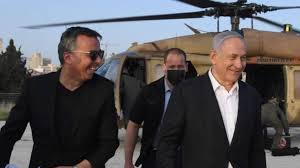
On February 27, 2026, it was reported that Asher Hayon, former chief of staff to Israeli Prime Minister Benjamin Netanyahu, has died at the age of 58. Hayon served as Netanyahu’s chief of...
WHO warns of declining childhood vaccination rates On February 14, 2026, the World Health Organization issued a global alert regarding declining childhood vaccination rates. WH...
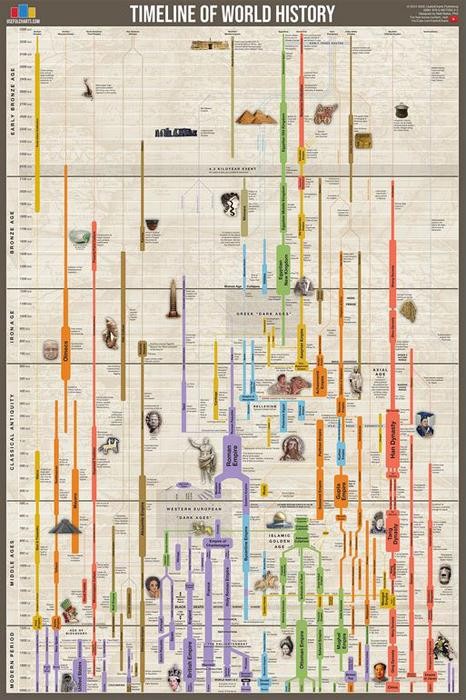
Event Timeline body { font-family: Arial, sans-serif; background-color: #f4f4f9; margin: 0; padding: 0; } .timeline-container { max-width: 900px; margin: 50px auto; p...
On January 16, 2026, analyses of the ongoing Russia-Ukraine war highlighted continued Russian military operations and resistance to alternate battlefield narratives promoted by Russian so...
Reports and warnings from humanitarian organizations, demining teams, and local authorities have highlighted the danger posed by explosive devices and unexploded ordnance found in conflic...
Time magazine named Swedish climate activist Greta Thunberg as its Person of the Year on December 11, 2019. She was recognized for her global environmental activism and influence on clima...
The COVID-19 pandemic is a global outbreak of the coronavirus SARS-CoV-2, first identified in Wuhan, China, in late 2019. The World Health Organization (WHO) was notified on December 31, ...
Investigations revealed that Monsanto, a multinational agrochemical corporation, operated coordinated intelligence and reputation-management strategies aimed at journalists, scientists, a...
Cambridge Analytica Facebook Data Scandal In March 2018 it was revealed that British political consulting firm Cambridge Analytica improperly obtained personal data from millions of Face...
Harvey Weinstein, an American film producer and co-founder of Miramax and The Weinstein Company, was arrested on October 10, 2017, in New York following numerous allegations of sexual har...
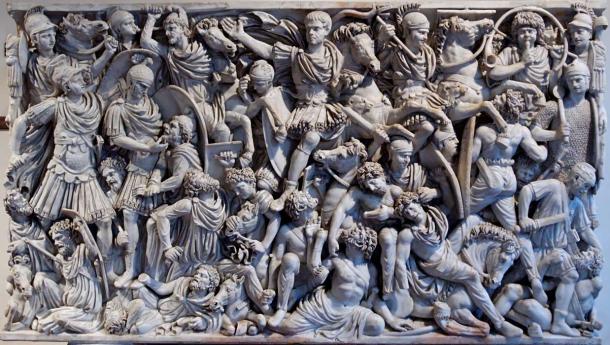
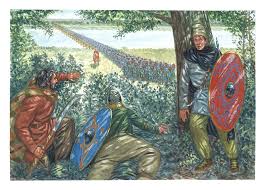
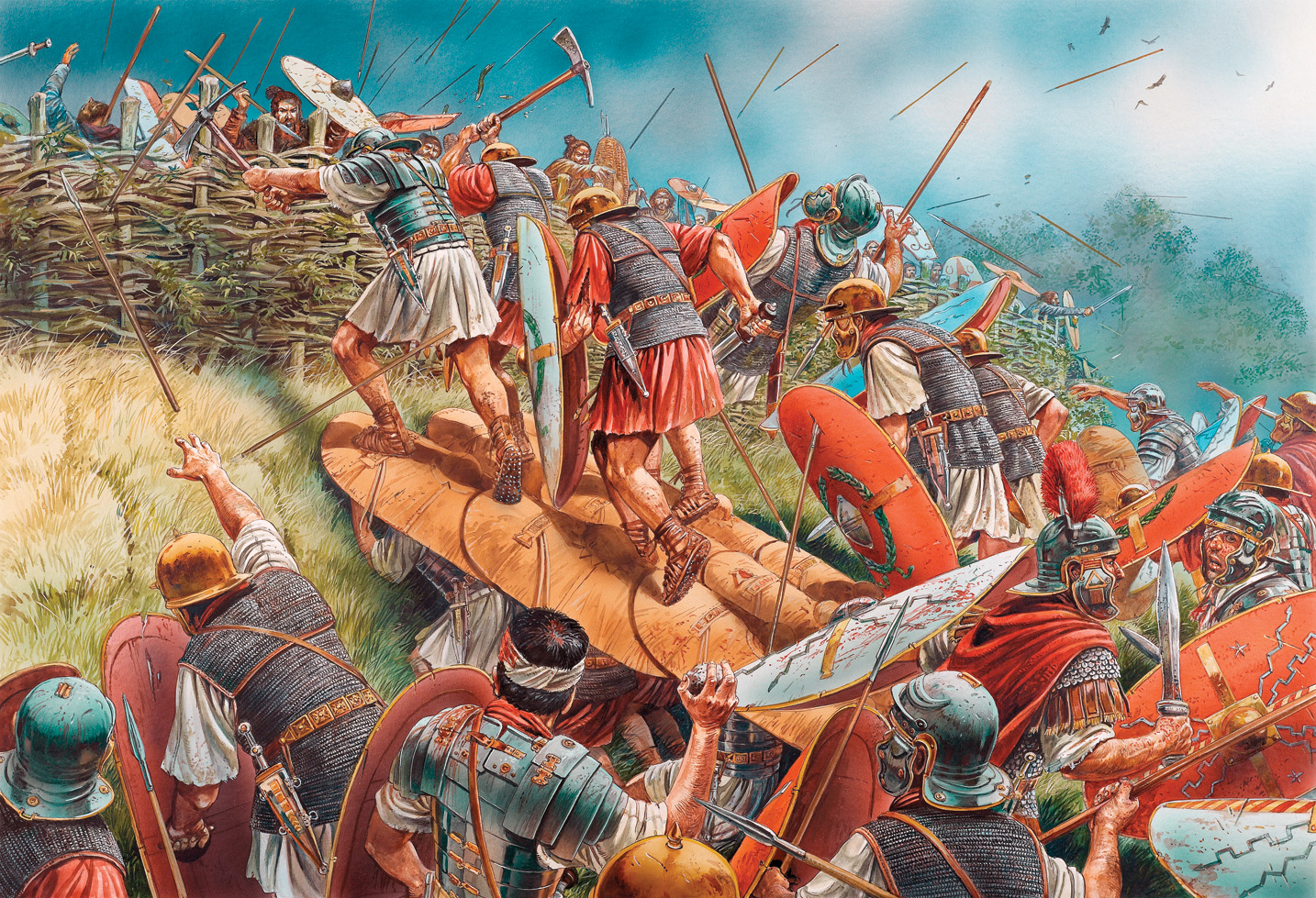
Germanicus led several military campaigns into Germania to avenge the Roman defeat in the Teutoburg Forest. His forces engaged in battles against various Germanic tribes in the region wes...
Amendment of the Smith–Mundt Act in the National Defense Authorization Act On 28 December 2012, President Barack Obama signed the National Defense Authorization Act for Fiscal ...
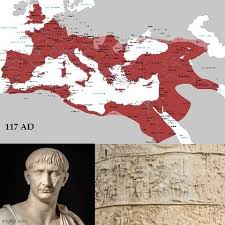
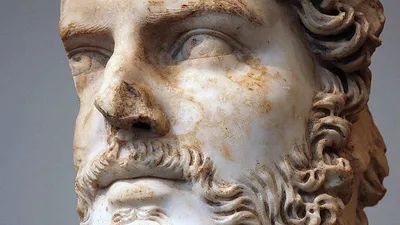
Trajan became Roman Emperor following the death of Domitian, marking a period of significant military expansion and administrative reform. His accession was recognized by the Senate, soli...
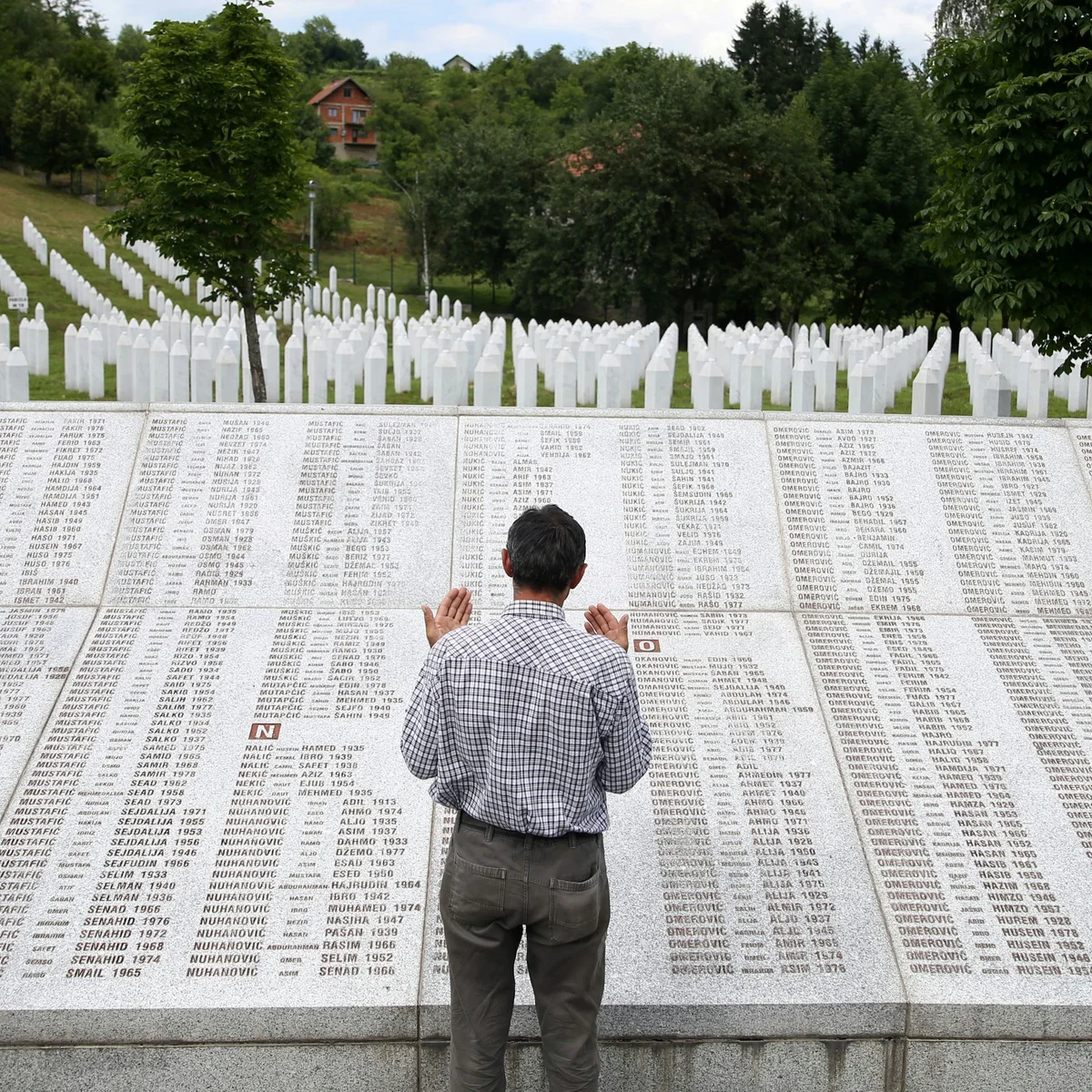
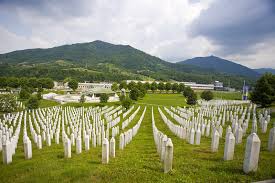
Srebrenica Genocide On July 11, 1995, Bosnian Serb forces captured the town of Srebrenica in eastern Bosnia, a United Nations-declared “safe area.” The town was predominantly inhabited b...
Bosnian Genocide On July 11, 1995, Bosnian Serb forces captured the town of Srebrenica in eastern Bosnia during the Bosnian War. The town had been declared a United Nations “safe area” f...
Guatemalan Maya Genocide On March 23, 1982, General Efraín Ríos Montt seized power in Guatemala through a military coup during the Guatemalan Civil War. His government intensified counte...
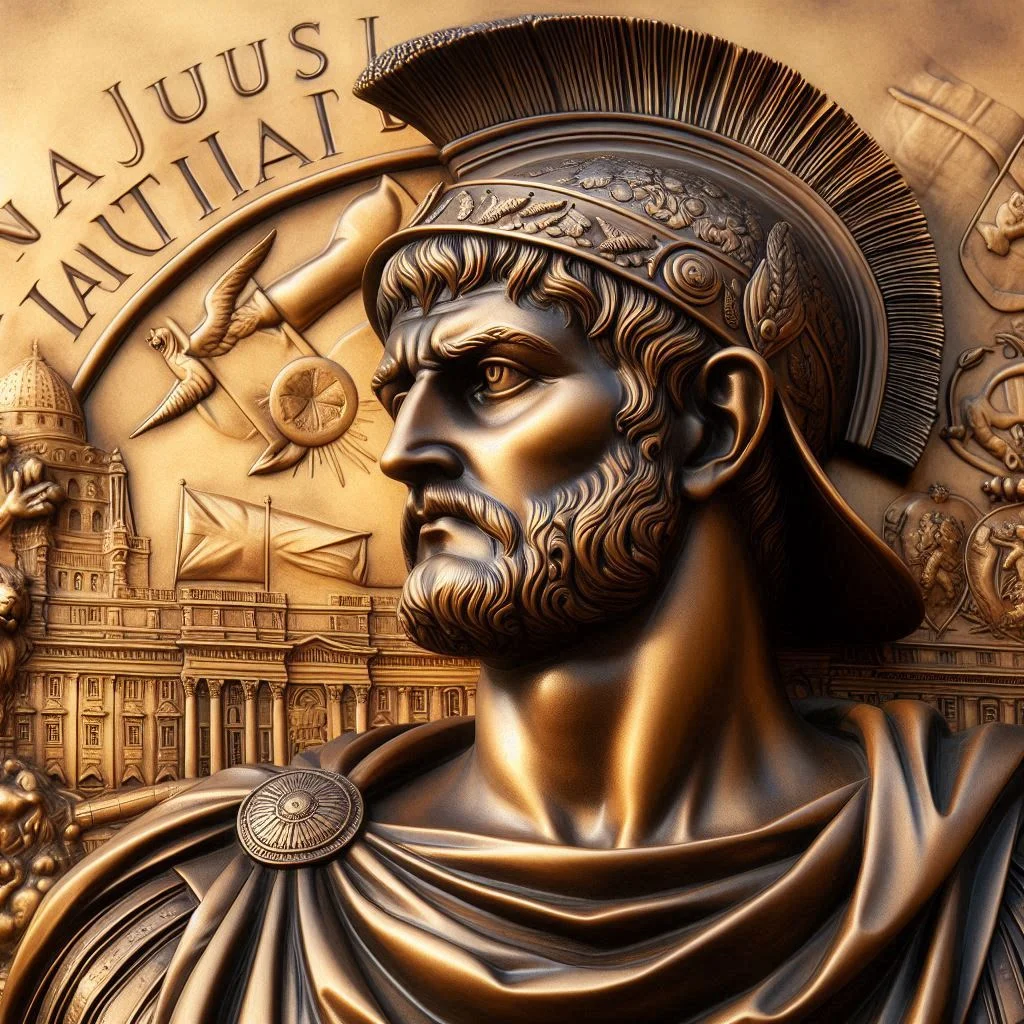
Gnaeus Julius Agricola was appointed governor of Roman Britain, replacing the previous administration. His governorship marked an era of military and administrative consolidation in the n...
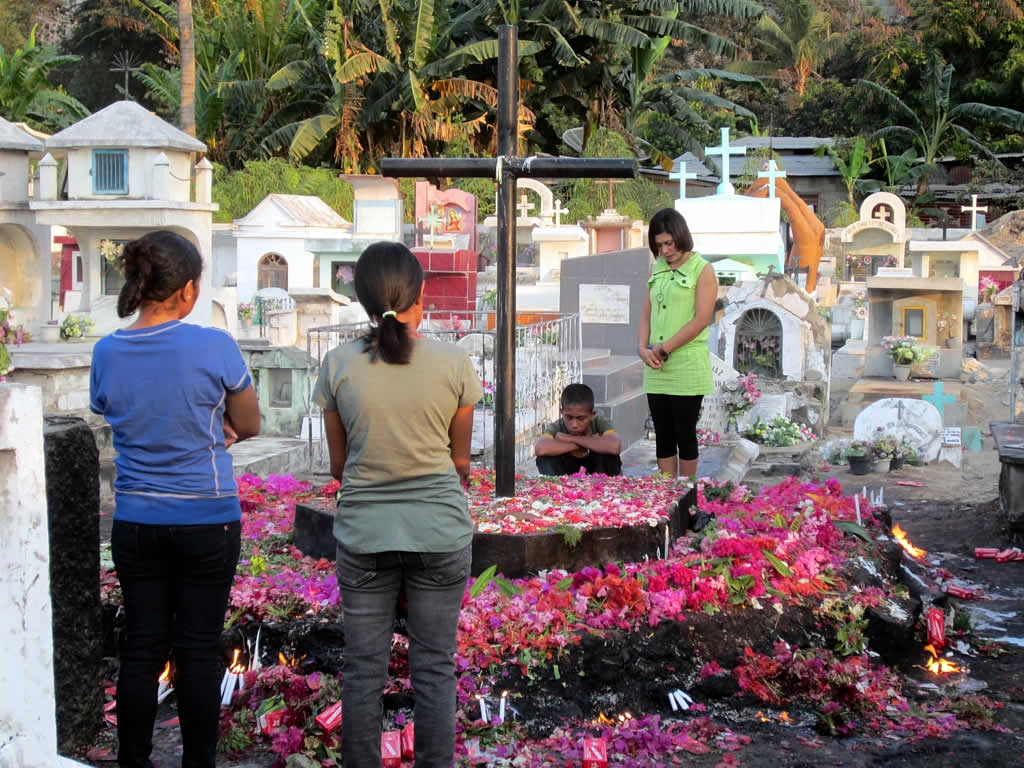
East Timor Genocide On December 7, 1975, Indonesia launched a military invasion of East Timor following its declaration of independence from Portugal. The Indonesian military conducted s...
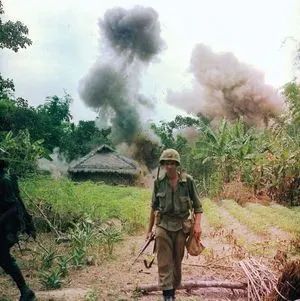
The Vietnam War was a prolonged armed conflict fought primarily between North Vietnam, led by the Communist Party under Ho Chi Minh, and South Vietnam, supported by the United States and ...
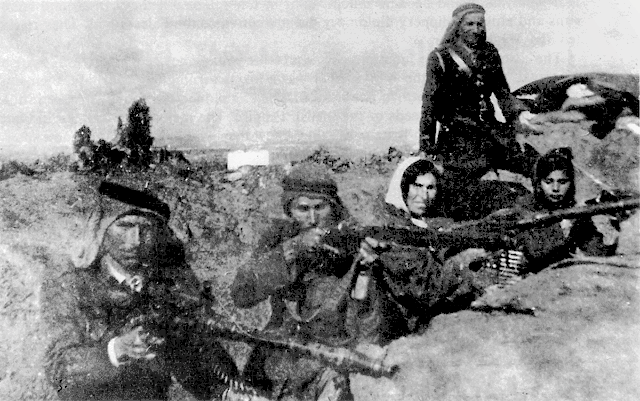
The Arab Revolt in Palestine was a nationalist uprising by Palestinian Arabs against British colonial rule and mass Jewish immigration under the British Mandate, which followed the 1917 B...
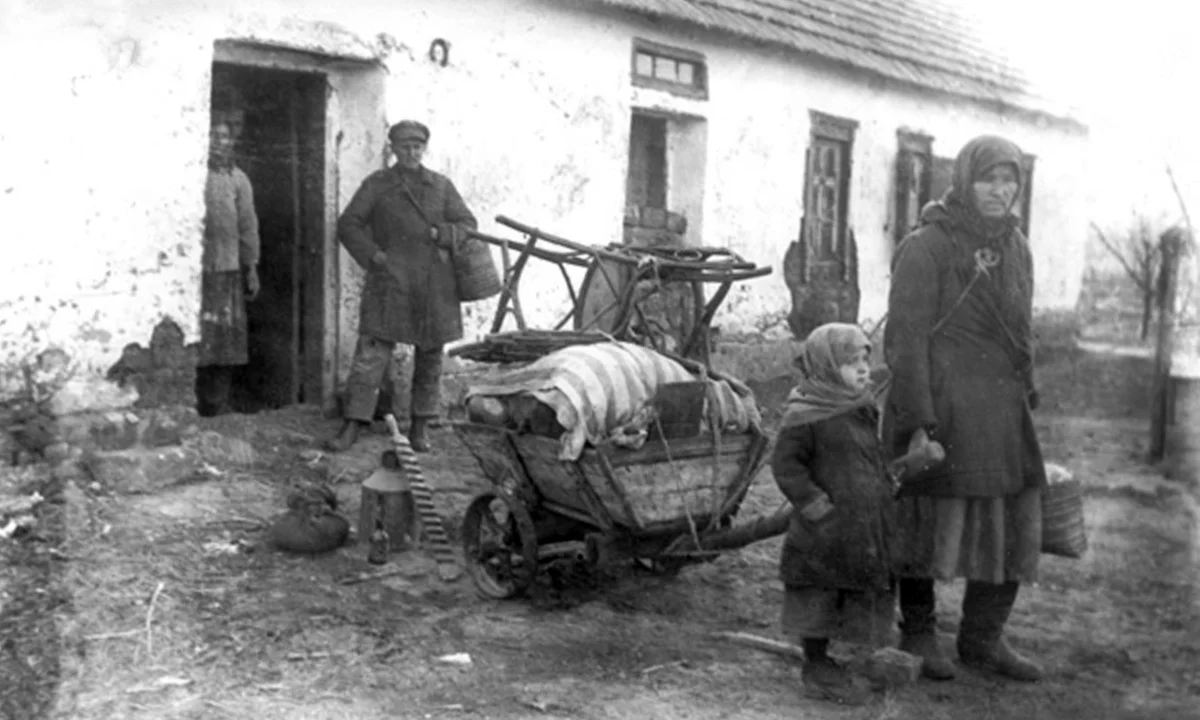
Soviet-Era Famines Under Bolshevik Rule Between 1930 and 1933, a series of mass famines occurred across the Soviet Union following Bolshevik policies of forced collectivization...
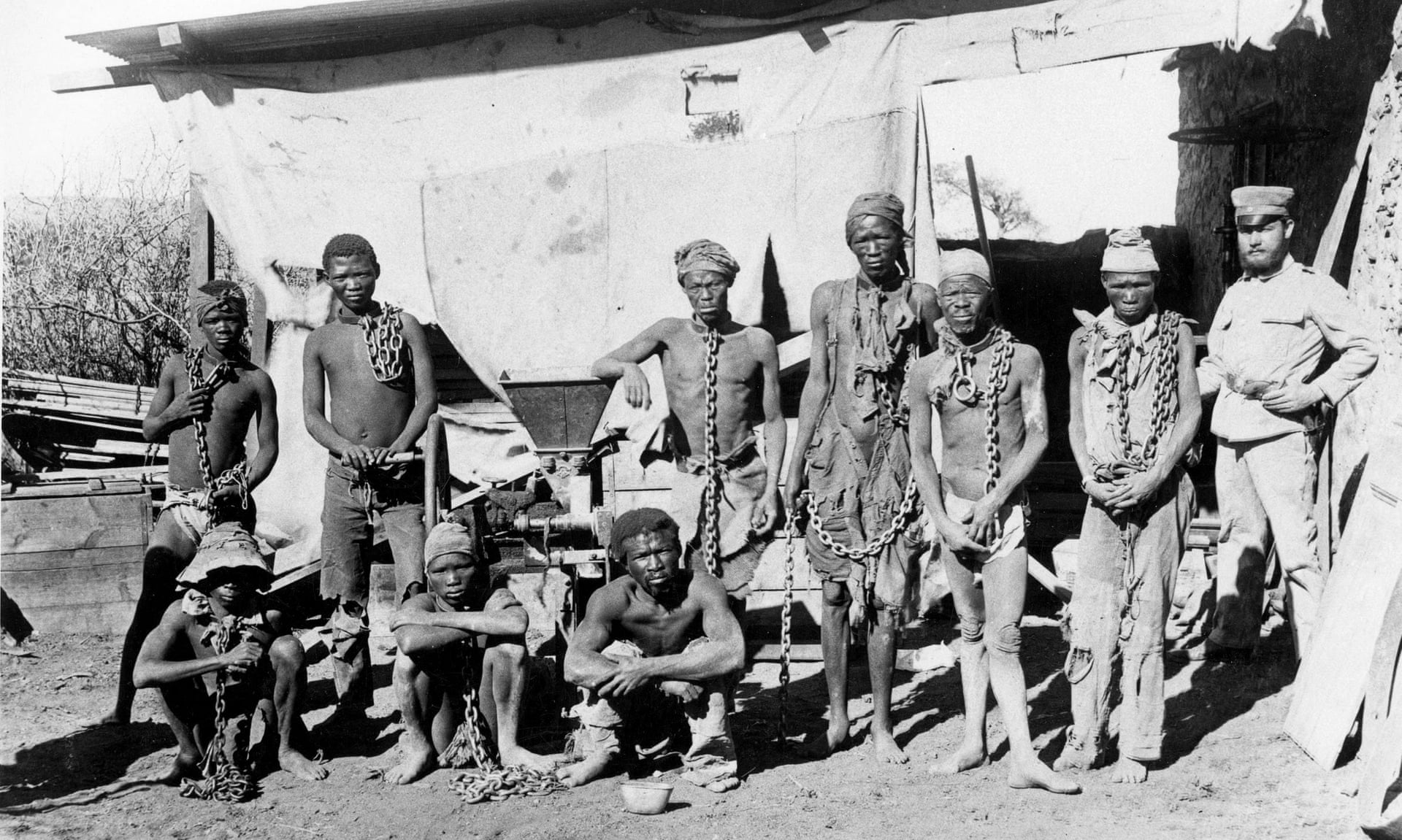
Herero And Nama Genocide On January 12, 1904, members of the Herero community initiated an armed uprising against German colonial authorities in German South West Africa, present-day Nam...
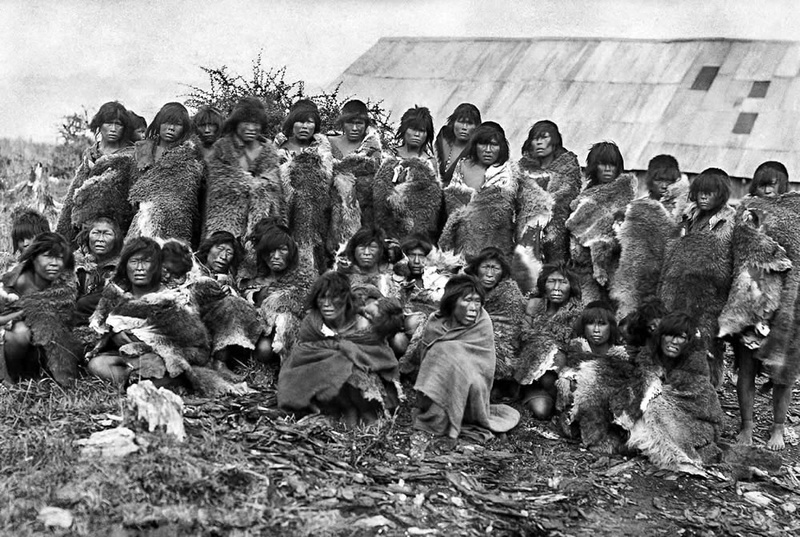
The Selk'nam genocide refers to the systematic extermination of the Selk'nam people, indigenous inhabitants of the Tierra del Fuego archipelago in Patagonia, during the late 19th and earl...
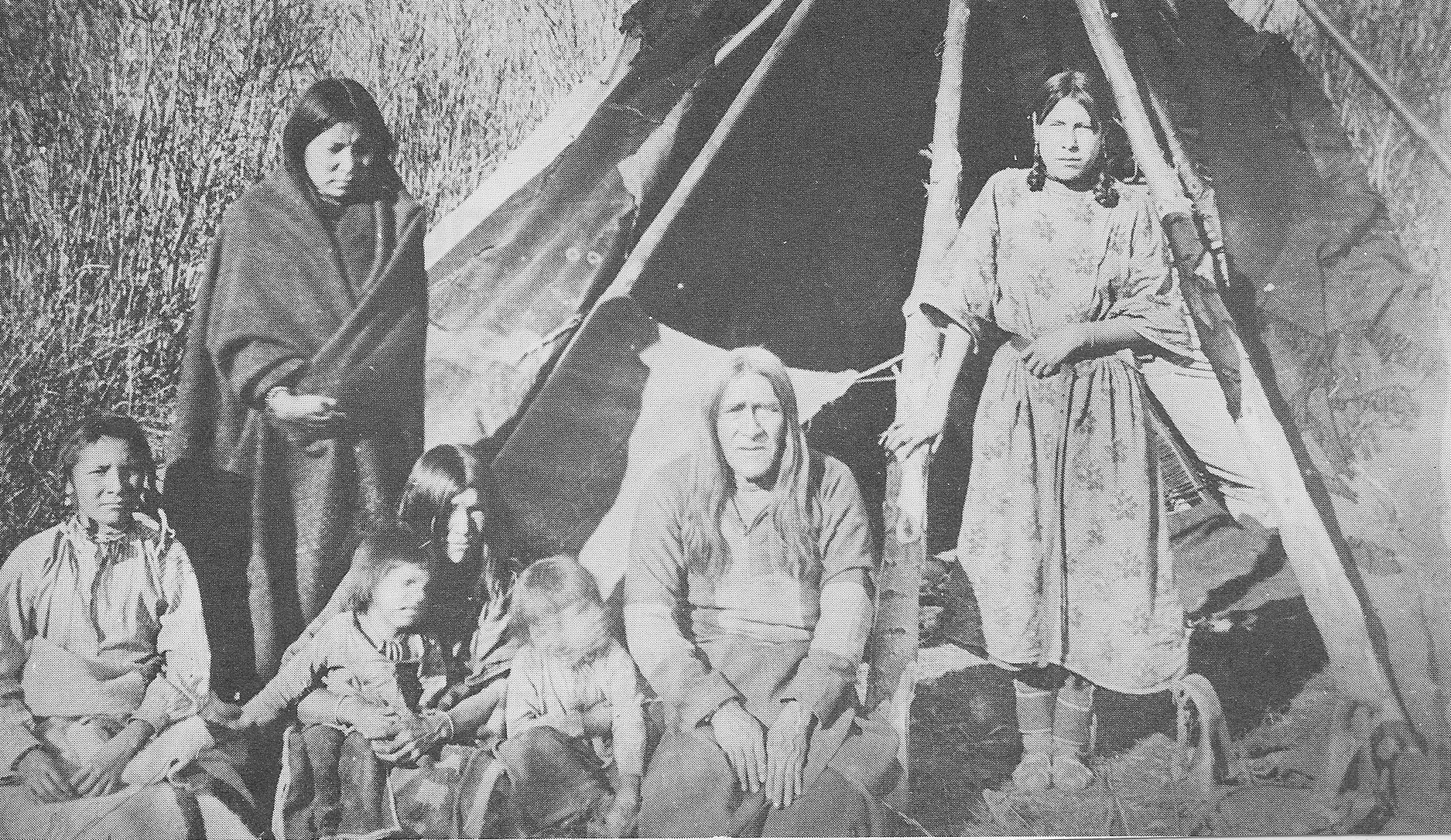
The California Native American genocide refers to the systematic destruction and mass killing of Indigenous peoples in California during the mid-19th century, primarily following the 1848...
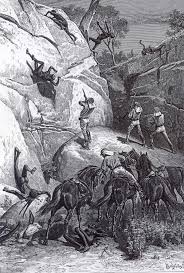
The Tasmanian Aboriginal Genocide refers to the systematic extermination and dispossession of the indigenous Tasmanian population by British colonists during the early 19th century. Follo...
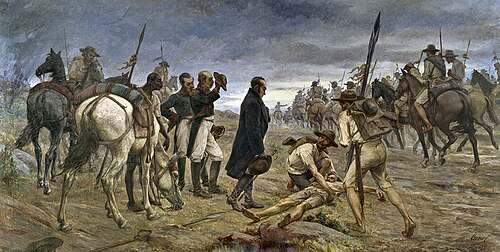
Simon Bolivar led liberation movements across South America, achieving independence for multiple countries and spreading republican ideals inspired by Enlightenment thought.
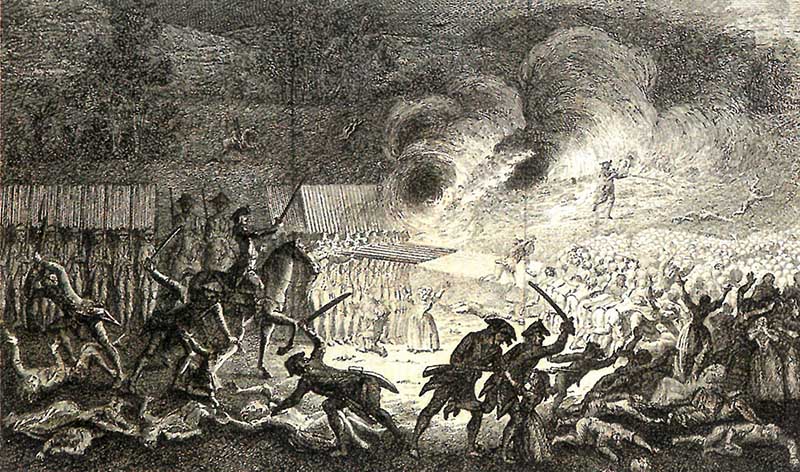
The Vendée Massacres occurred during the War in the Vendée, a counter-revolutionary uprising in western France from 1793 to 1796. The conflict was marked by violent clashes between Royali...
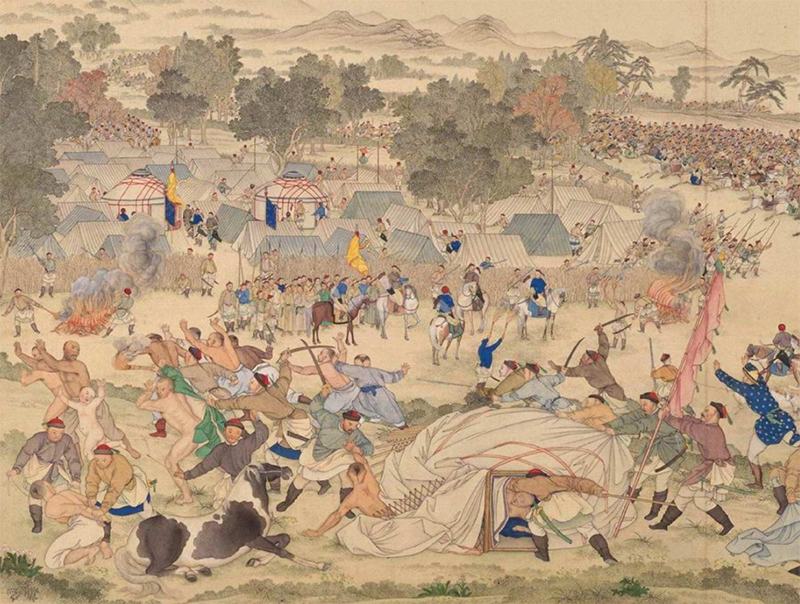
The Dzungar Genocide refers to the systematic destruction of the Dzungar people by the Qing dynasty during the mid-18th century.Between 1755 and 1758, the Qing government, led by the Qian...
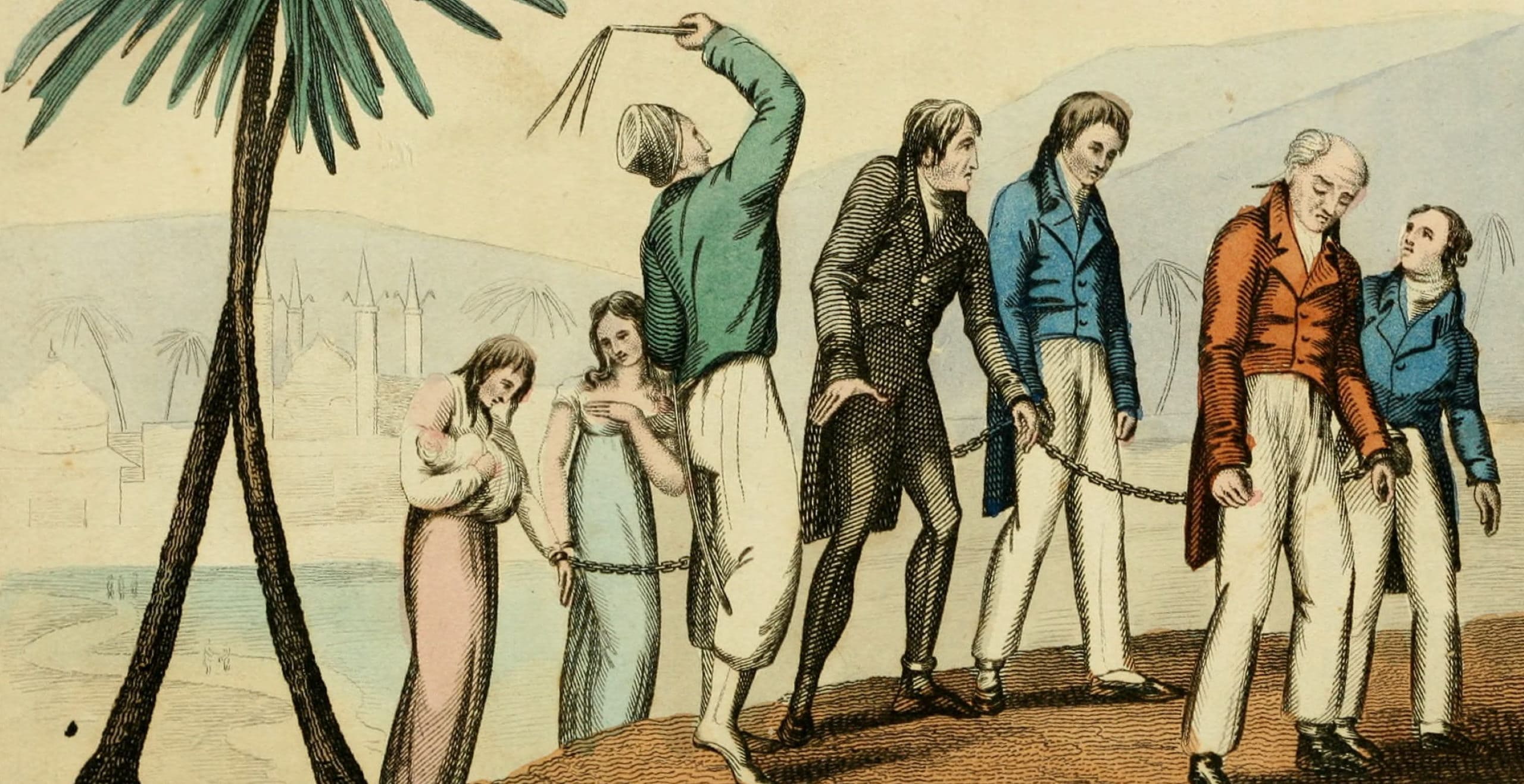
European Captives Sold Into Slavery By Barbary Pirates From the 16th to the 19th centuries, Barbary pirates operating from North Africa — including present-day Morocco, Algeria, ...
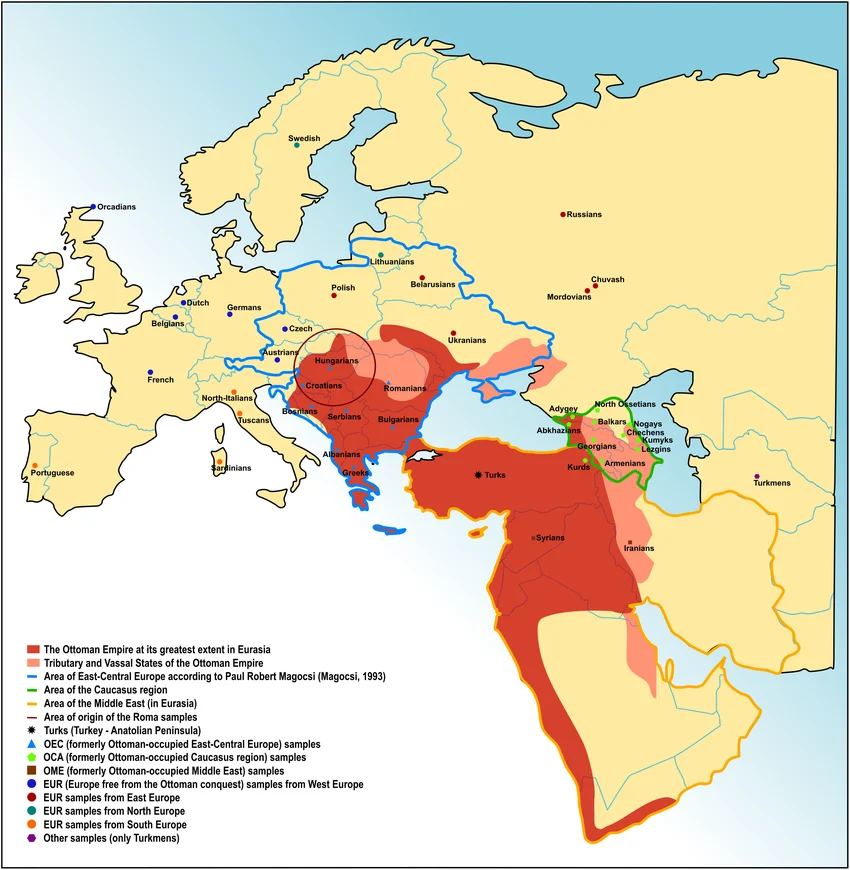
The Ottoman Empire expanded from a small Anatolian principality into one of the largest empires in history. Between the fourteenth and early twentieth centuries, Ottoman forces conquered ...
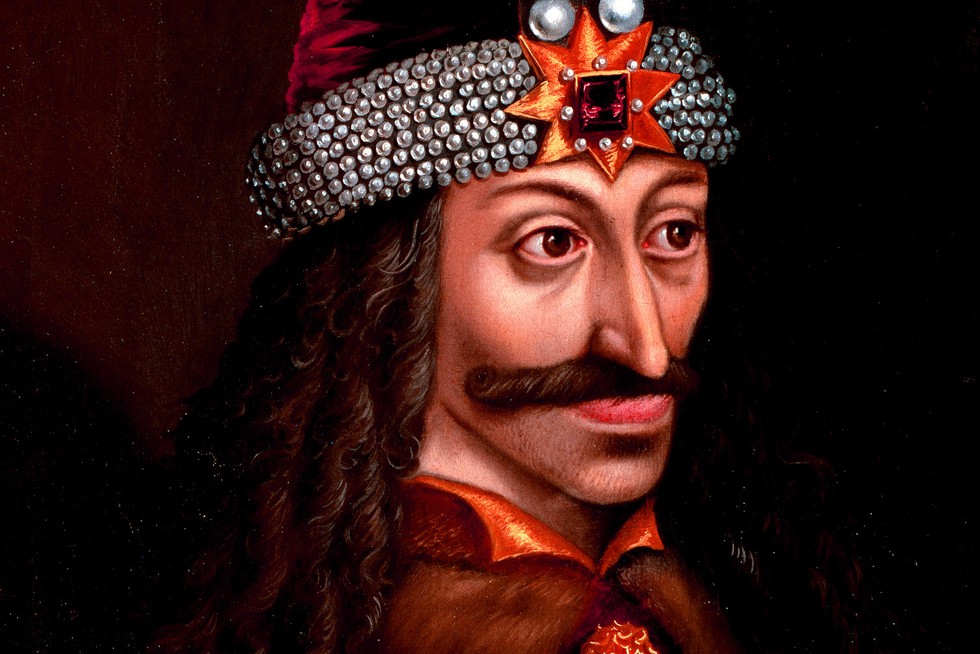
Vlad III Dracula, Prince of Wallachia Vlad III, also known as Vlad the Impaler or Dracula, was born in 1431 in Transylvania, part of the Kingdom of Hungary at the time. He beca...
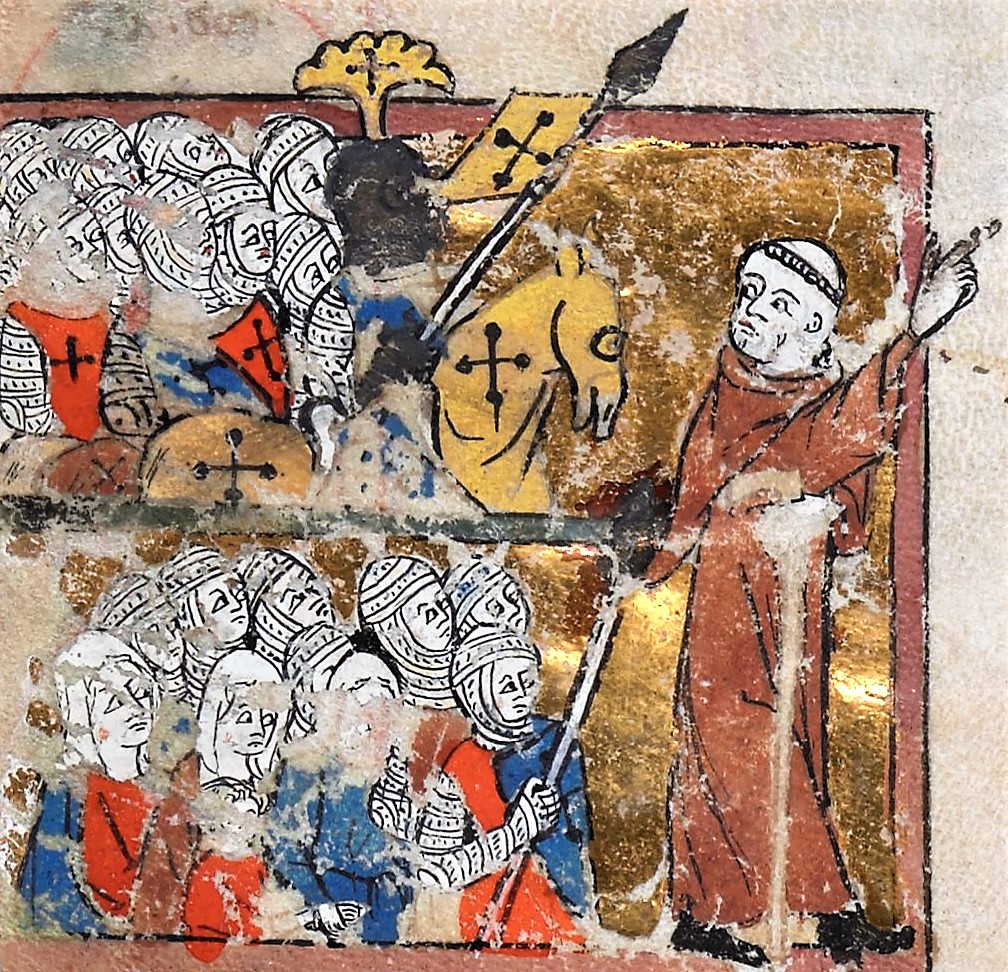
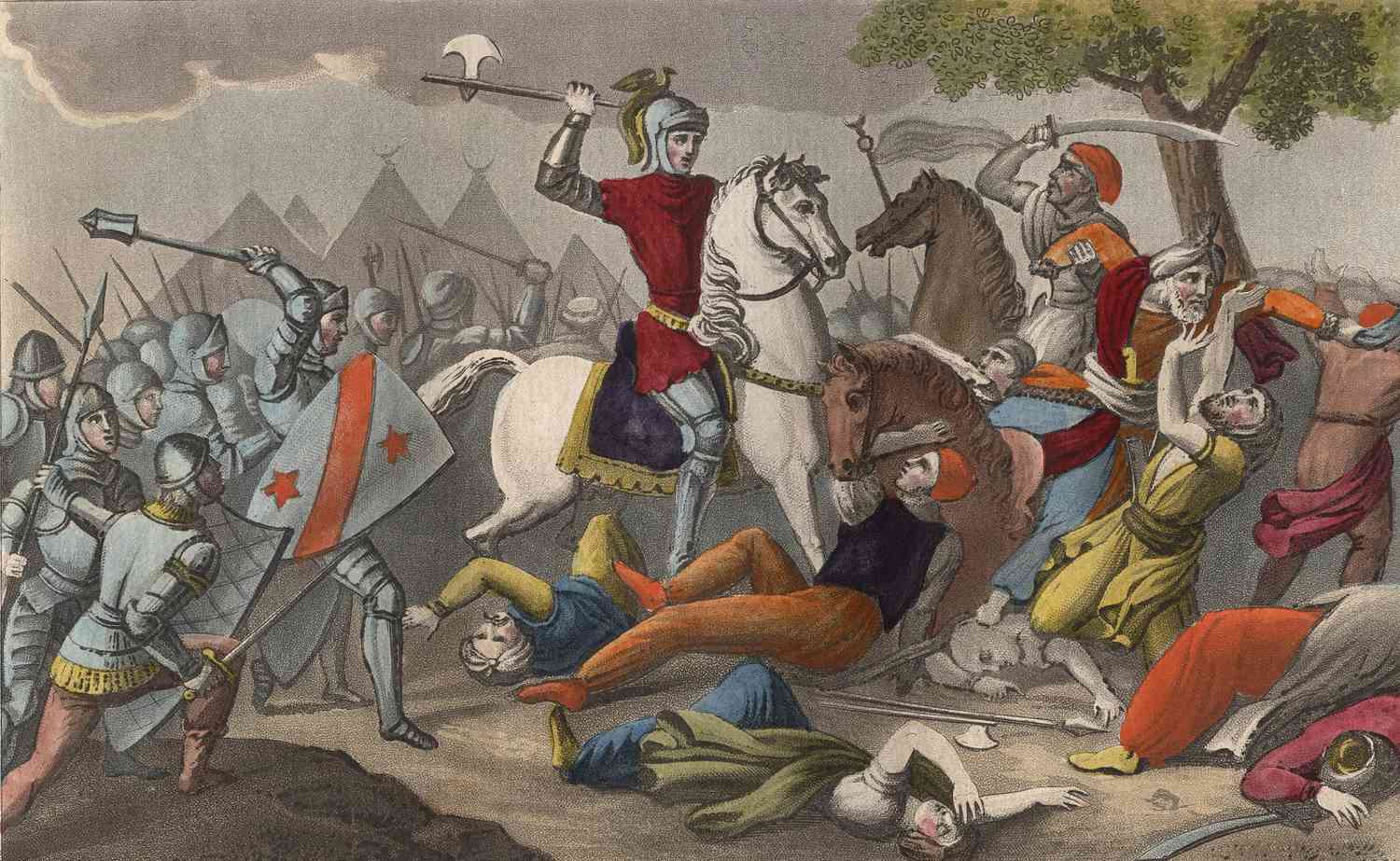
Origins And Objectives Of The Crusades The Crusades were a series of military campaigns initiated between 1095 and 1291, primarily aimed at capturing or defending territories i...
The Frankish conquest of Aquitaine began as the Franks expanded their territory into the southwestern region of present-day France. Under the leadership of Clovis I and his successors, th...
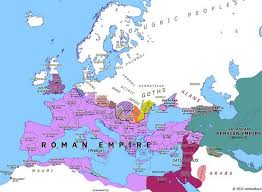
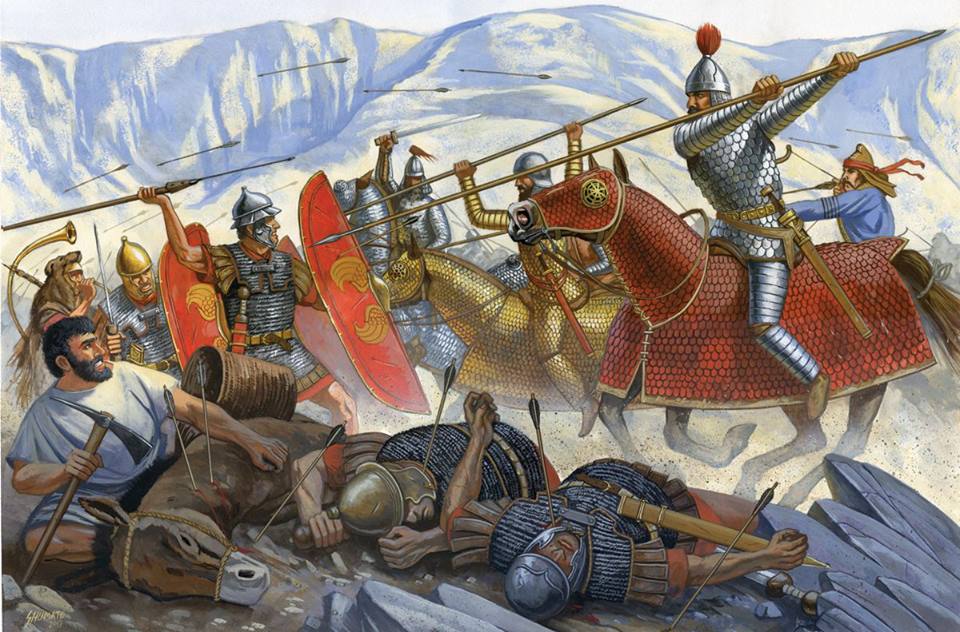
Emperor Carus, ruler of the Roman Empire, died during a military campaign in Mesopotamia. His death occurred while leading troops against the Sassanian Empire in a conflict over control o...
The Roman Emperor Carus launched a military campaign against the Sasanian Empire, targeting their capital, Ctesiphon. The campaign sought to counter Persian influence in the region and as...
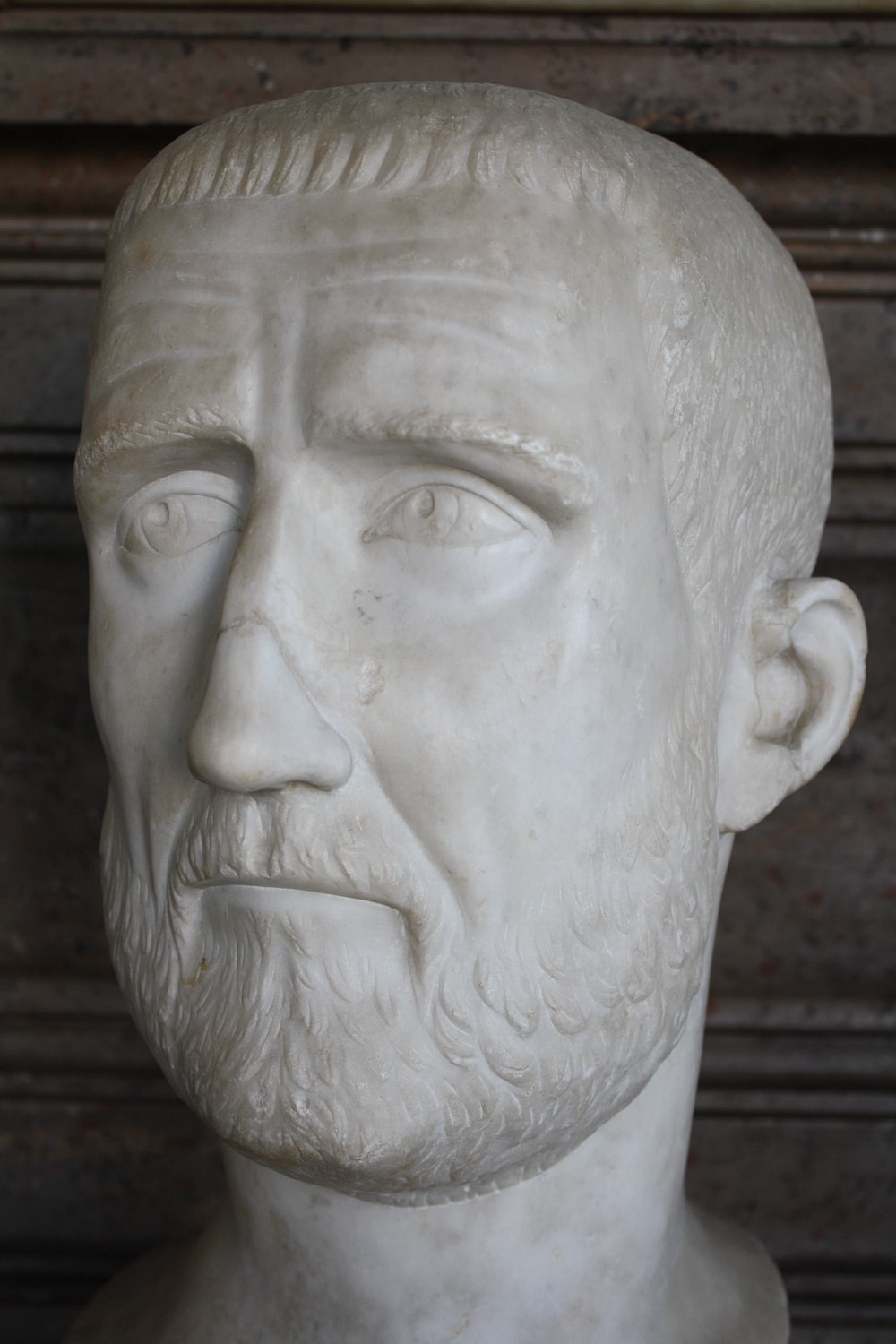
Emperor Probus was assassinated by his own soldiers after numerous military campaigns to secure the Roman Empire's borders. His leadership was challenged internally despite his successes ...
Carus was proclaimed emperor of the Roman Empire shortly after the death of Emperor Probus. His accession marked a shift in imperial policy as he sought to stabilize the empire's borders ...
Emperor Probus led the Roman legions to repel multiple Germanic invasions along the Danube frontier. These incursions threatened the stability of the northern borders of the Roman Empire ...
Marcus Aurelius Probus was proclaimed Roman Emperor by his troops in September 276 after the death of Emperor Florianus. His accession marked a period of efforts to restore stability with...
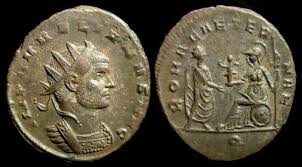
Emperor Aurelian successfully reunified the Roman Empire after a period of fragmentation and civil war. His military campaigns defeated breakaway states such as the Gallic Empire and the ...
Emperor Aurelian implemented a major monetary reform aimed at stabilizing the Roman currency system after years of debasement. The reform introduced new silver coins with improved purity ...
Emperor Aurelian mounted a decisive campaign against the breakaway Palmyrene Empire in 273, culminating in the defeat of Queen Zenobia's forces near Palmyra.This victory marked the reinte...
Aurelian was proclaimed emperor by his troops following the death of Emperor Claudius Gothicus. His accession marked a significant turning point during the Crisis of the Third Century.He ...
Claudius II Gothicus became Roman Emperor following the death of his predecessor. His accession marked a shift during a turbulent period of frequent leadership changes in the empire.Known...
Valerian was proclaimed Roman Emperor following the death of his predecessor Aemilianus. His accession marked a significant change in leadership during a period fraught with external thre...
The Sasanian king Shapur I captured Antioch following his victorious campaigns against the Roman Empire. The fall of this major city marked a significant moment in Roman-Persian conflicts...
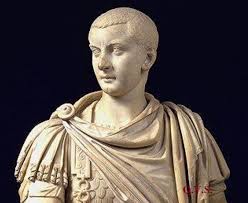
Gordian III ascended to the Roman imperial throne following a period of political instability known as the Year of the Six Emperors. At the age of thirteen, he was declared emperor by the...
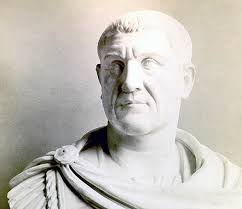
Maximinus Thrax, a Roman soldier of humble origins, was proclaimed emperor by his troops following the assassination of Severus Alexander. His accession marked the beginning of the Crisis...
The Battle of Nisibis was fought near the city of Nisibis, a strategic fortress in Mesopotamia. Roman forces under Emperor Macrinus clashed with the Parthian army, resulting in a critical...
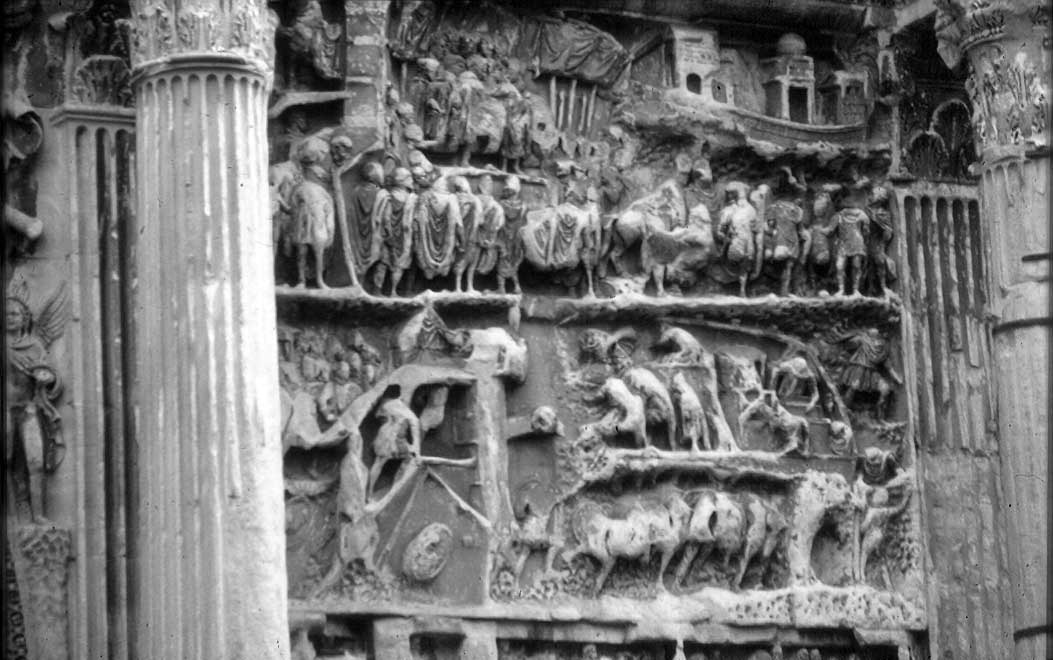
Roman Emperor Caracalla launched multiple military campaigns against the Alemanni tribes during his rule. These campaigns aimed to secure the empire’s northern frontiers amidst growing pr...
Septimius Severus, Roman Emperor, died on February 4th while in the city of Lugdunum, in the Roman province of Gallia Lugdunensis. His death marked the end of his two-decade reign, during...
The Roman Empire undertook administrative changes in the province of Mesopotamia following its establishment as a distinct entity. These reforms aimed to consolidate control over the regi...
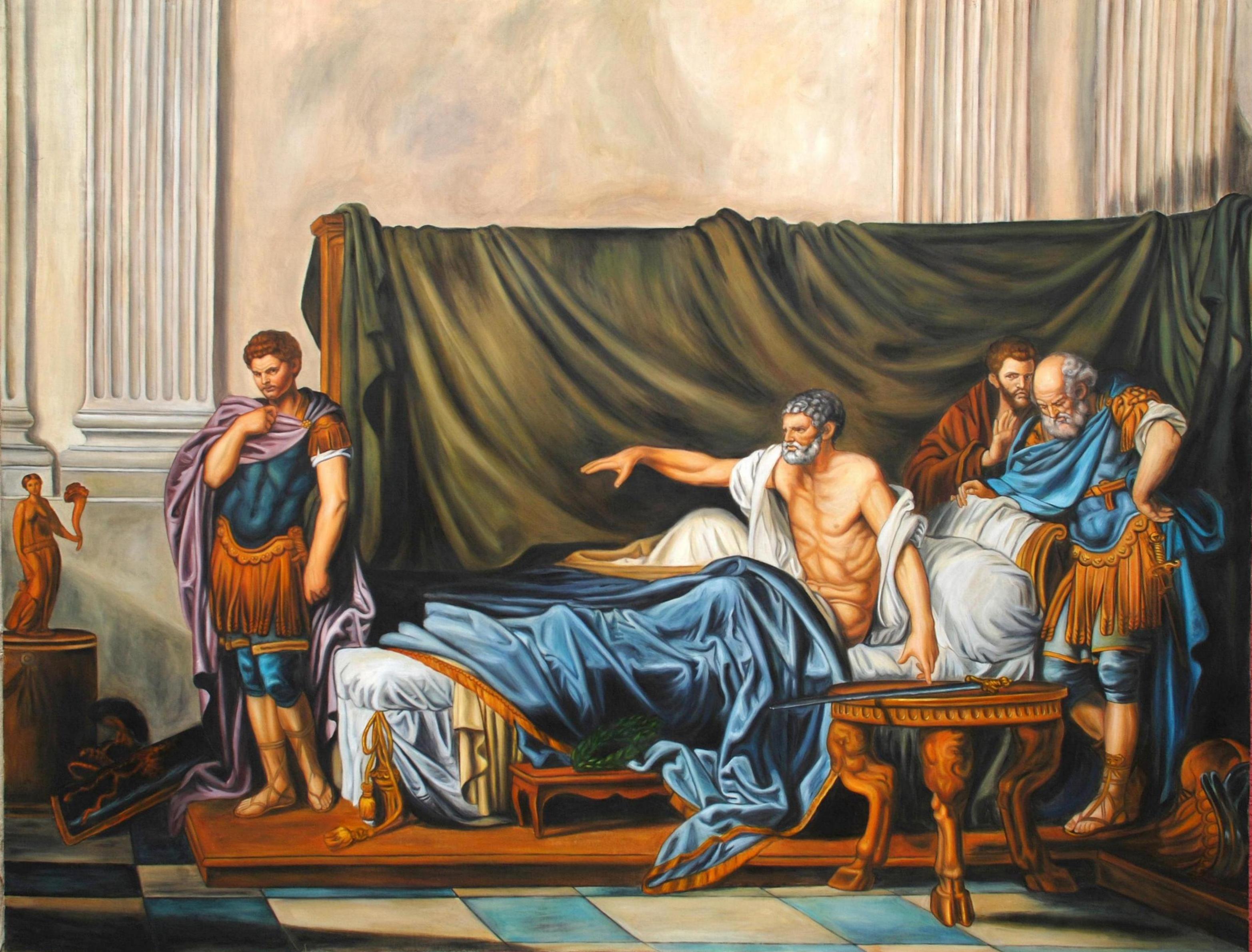
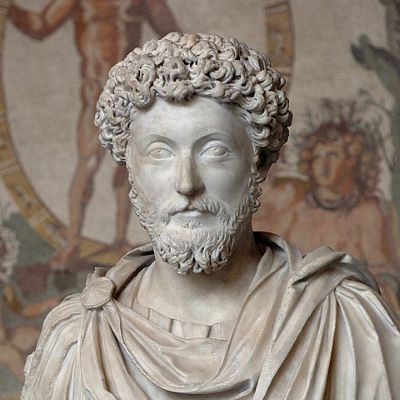
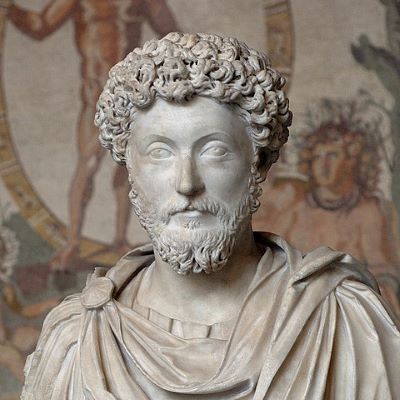
Marcus Aurelius, Roman Emperor and Stoic philosopher, died at the military camp in Vindobona on March 17th. His death marked the end of the Pax Romana, a period of relative peace and stab...
Roman Emperor Marcus Aurelius officially declared his son Commodus as co-emperor, sharing imperial authority.This political move marked the first time a biological son was directly elevat...
The Roman Empire conducted a series of military campaigns across the Danube River to expand territorial control into regions inhabited by Dacian and Germanic tribes. These operations aime...
Lucius Verus, co-emperor of Rome alongside Marcus Aurelius, died in Rome under circumstances believed to be related to a devastating plague. His death marked a significant point in Roman ...
The Marcomannic Wars began as a series of conflicts between the Roman Empire and various Germanic tribes, including the Marcomanni, along the Danube frontier. The wars marked a significan...
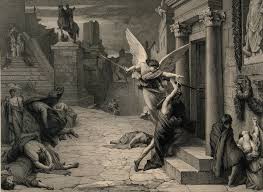
The Antonine Plague began in the Roman Empire during the reign of Emperor Marcus Aurelius. The pandemic emerged following troop movements from campaigns in the East, spreading rapidly acr...
The Parthian War under Roman Emperor Lucius Verus began as tensions escalated between the Roman Empire and the Parthian Empire. This conflict was marked by Roman military campaigns aimed ...
Marcus Aurelius officially became Roman Emperor following the death of Antoninus Pius. His accession marked the continuation of the Nerva-Antonine dynasty through adoptive succession.The ...
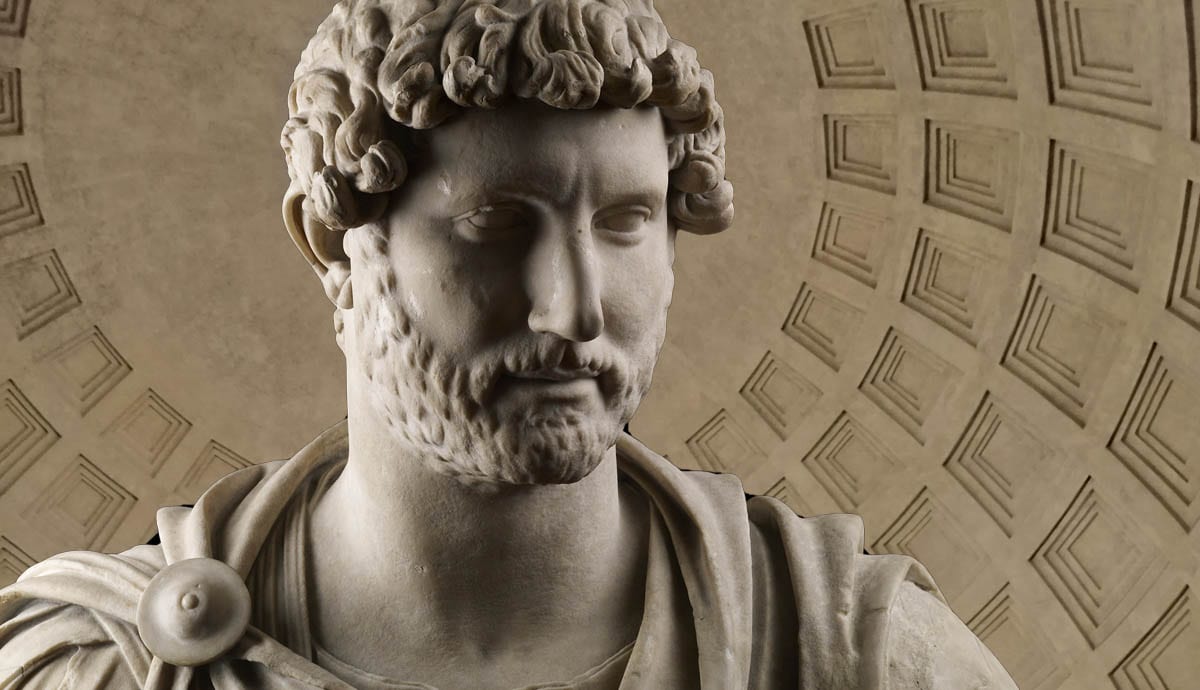
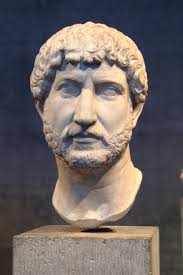
Hadrian was officially declared emperor following the death of his predecessor, Trajan, marking a significant transition in Roman imperial leadership. His accession was confirmed by the R...
Trajan, one of Rome's most respected emperors known for his military conquests and extensive public works, died in the summer months during a campaign in Mesopotamia. His death marked the...
Following the death of Emperor Trajan, Hadrian chose to abandon the eastern conquests achieved during Trajan's campaigns. This strategic withdrawal aimed to consolidate the Roman Empire's...
The Roman Empire, under Emperor Trajan, successfully captured the city of Ctesiphon during his campaign against the Parthian Empire. This marked a significant moment as the Romans briefly...
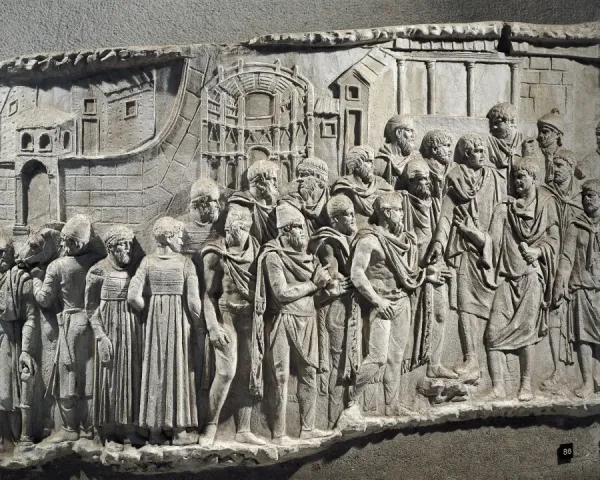
The Roman Empire completed the conquest and annexation of the kingdom of Dacia after a series of military campaigns led by Emperor Trajan. This marked the end of the Dacian Wars, culminat...
Decebalus, the last king of Dacia, died following the Roman conquest led by Emperor Trajan. His death marked the end of the Dacian Wars and the incorporation of Dacia into the Roman Empir...
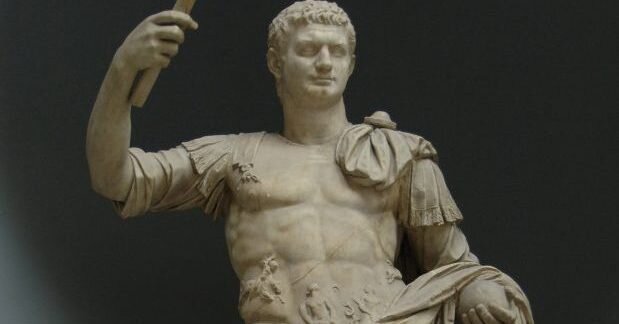
Following the death of Emperor Titus, Domitian, his younger brother, ascended to the throne of the Roman Empire. The accession occurred peacefully, marking the continuation of the Flavian...
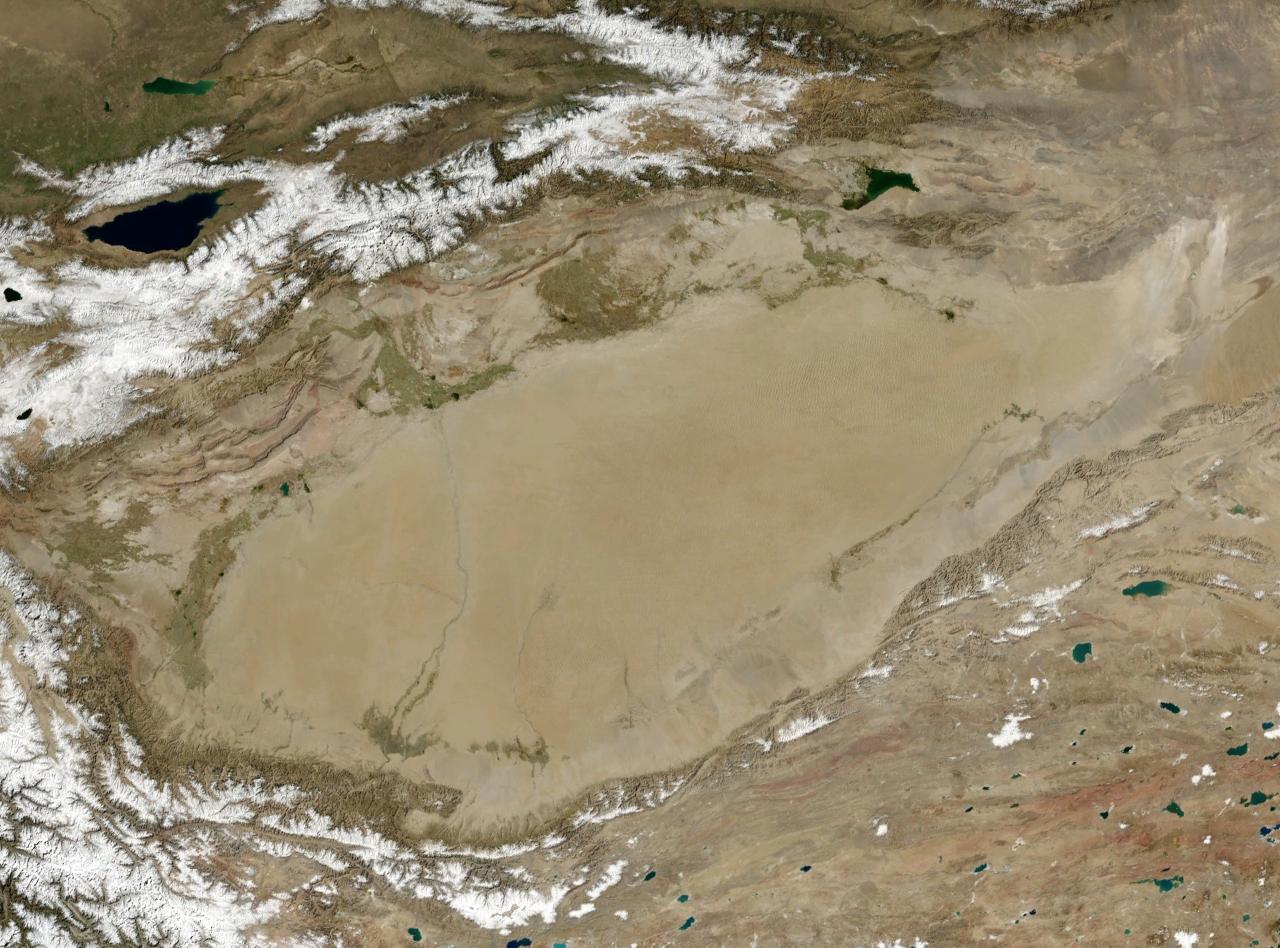
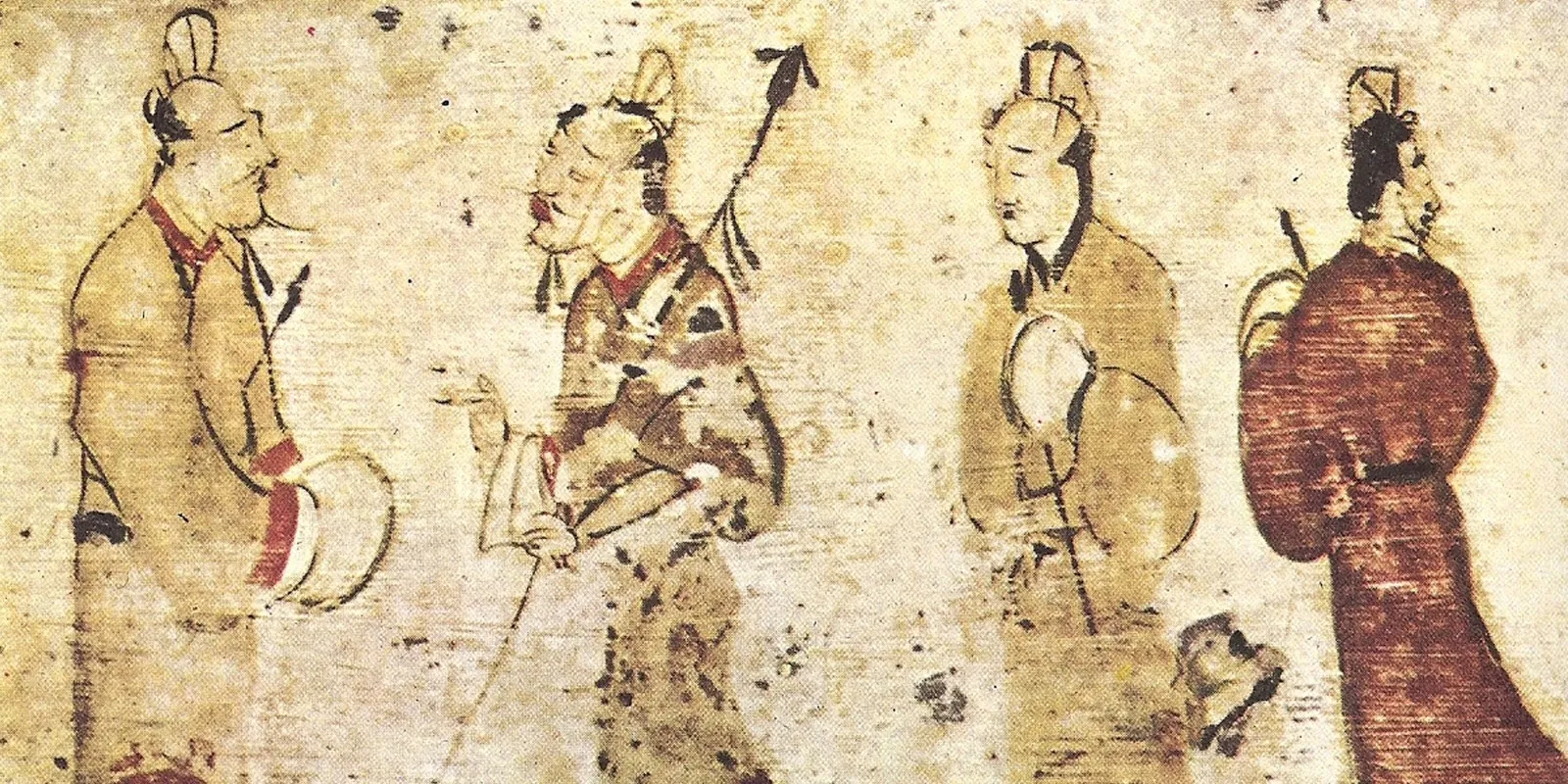
Ban Chao, a renowned Chinese general and explorer of the Eastern Han dynasty, led a significant military and diplomatic expedition to the Tarim Basin. His journey was instrumental in re-e...
Ban Chao, a general under the Han Dynasty, initiated a series of military campaigns to assert Chinese control over the Western Regions. These expeditions were aimed at securing trade rout...
The Year of the Four Emperors was a tumultuous period marking rapid succession of Roman emperors after the fall of Nero. It involved the rise and fall of Galba, Otho, Vitellius, and Vespa...
Roman military campaigns against the Parthian Empire resumed under the rule of Emperor Nero, seeking to assert control over the eastern frontier. These efforts aimed to counter Parthian i...
Ma Yuan was a prominent Han dynasty general who led campaigns in the southern regions of China to consolidate Han authority over the Nanyue Kingdom. His military expeditions were aimed at...
1443–1479 — Investigate Skanderbeg's military campaigns, the League of Lezhë, European diplomacy and how later generations transformed him into a national symbol.
334–323 BCE — Alexander destroys the Persian Empire and campaigns as far as northwestern India.
671 BCE — Assyrian king Esarhaddon invades Egypt and captures Memphis. Further campaigns follow as Assyria struggles against Kushite attempts to regain authority. Egypt becomes drawn into...
1279–1213 BCE — Ramesses II rules for more than six decades and becomes one of Egypt's most prolific builders. His monuments appear throughout Egypt and Nubia, including Abu Simbel and ma...
c. 1479–1425 BCE — Thutmose III initially shares the throne during Hatshepsut's rule and later becomes one of Egypt's most successful military pharaohs. Repeated campaigns extend Egyptian...
c. 1550–1525 BCE — Ahmose I completes the Theban war against the Hyksos and captures their capital at Avaris. His campaigns reunify Egypt and extend Egyptian power into Nubia and the sout...