Dzungar Genocide Historical Overview
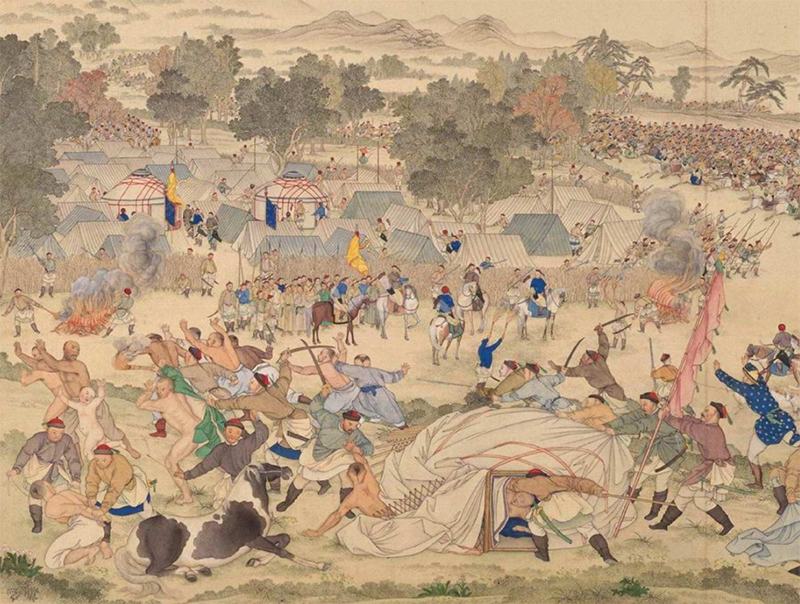
The Dzungar Genocide refers to the systematic destruction of the Dzungar people by the Qing dynasty during the mid-18th century.Between 1755 and 1758, the Qing government, led by the Qian...
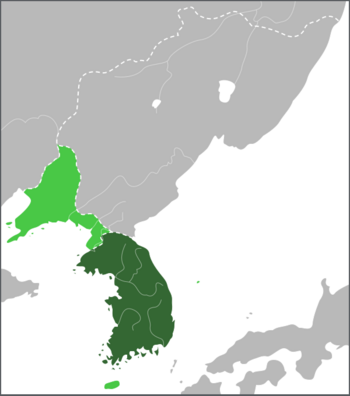
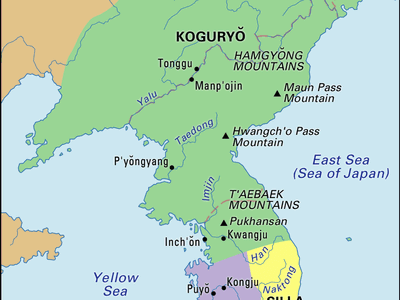
The Silla kingdom successfully unified the Korean Peninsula after defeating the Baekje and Goguryeo kingdoms. This consolidation marked the beginning of the Unified Silla period, which br...
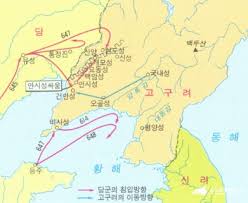
Goguryeo successfully repelled multiple invasions launched by the Tang dynasty of China during the 7th century. The capital fortress of Pyongyang became a critical defensive stronghold ag...
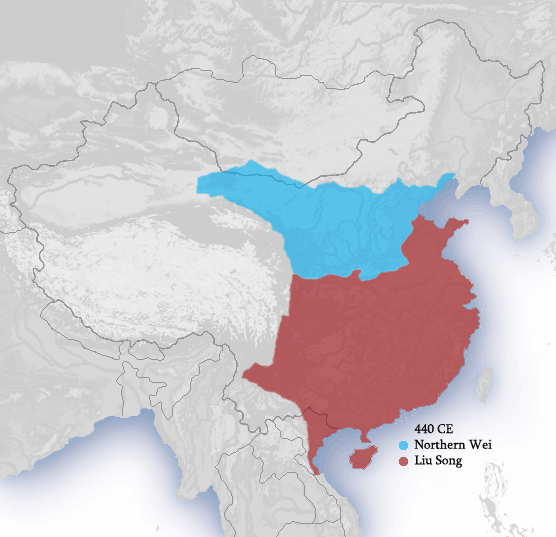
The Chen dynasty, ruling southern China, sought to stabilize its domain amid persistent threats from northern dynasties. Efforts to fortify its borders and consolidate power marked this p...
The Kingdom of Baekje experienced significant cultural and political growth during the mid-6th century. Its leadership established strong diplomatic ties with neighboring states, promotin...
Dou Xian, a general of the Eastern Han dynasty, led a decisive campaign against the Northern Xiongnu. In a series of battles, Han forces overcame the nomadic confederation, forcing them i...
The Battle of Ikh Bayan was a critical conflict between the Mongol Empire and the allied forces of the Southern Song dynasty and their allies. Fought in mid-July, the battle marked a majo...
The Xin dynasty's rule ended after widespread revolts erupted against Wang Mang's government. These uprisings were fueled by famine, flooding, and political unrest that plagued the realm....