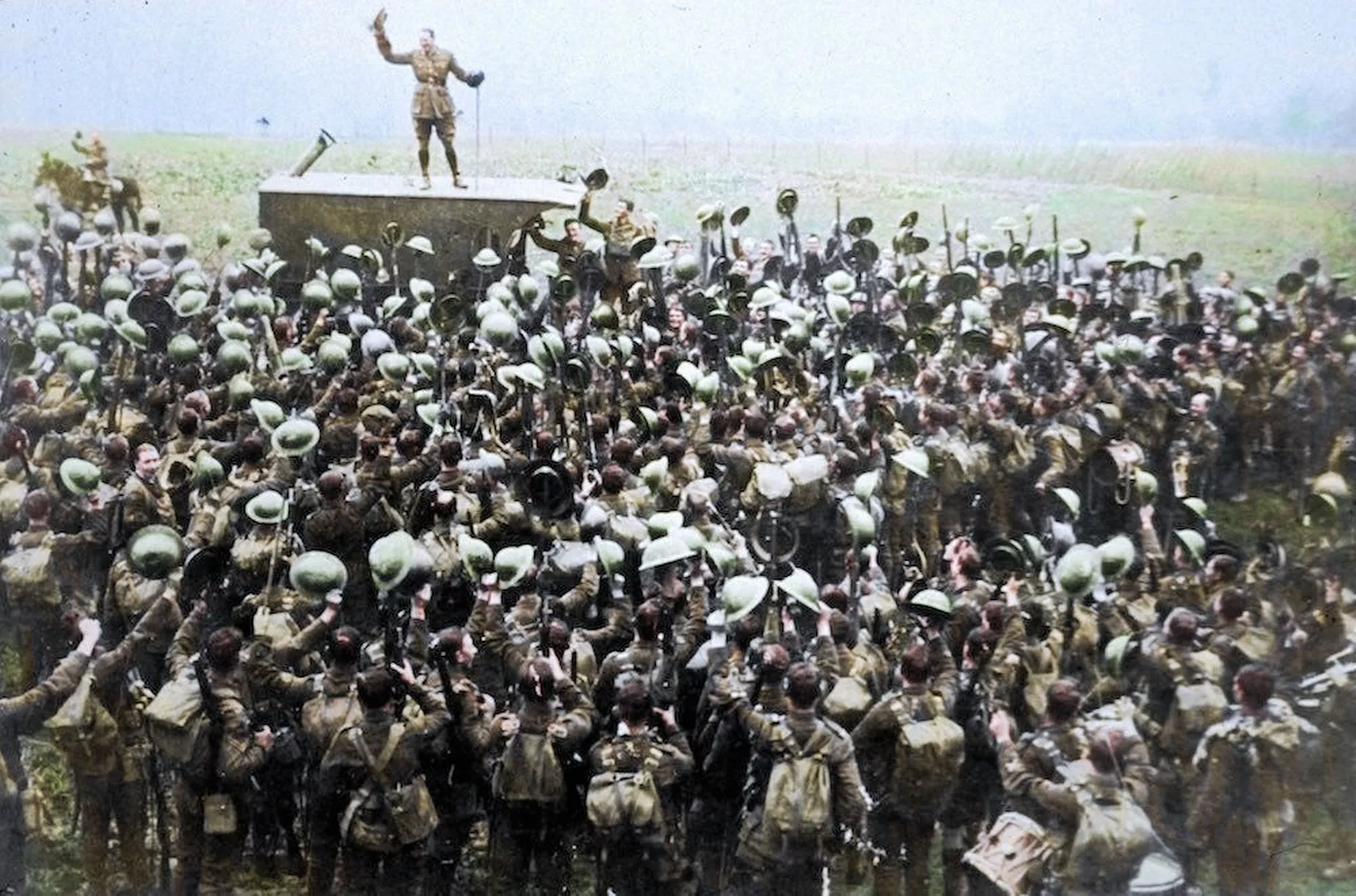
World War I Ends
The armistice of November 11, 1918, marked the end of World War I. Germany agreed to cease hostilities with the Allies, bringing four years of devastating conflict to ...
Explore event →History does not happen in isolation. Explore world events across time, follow the connections between them, and investigate the threads that reveal how one event can lead to another.
TheTimeMap currently follows events across 95 countries and 268 years of history — building a connected archive designed for people who want to look beyond the headline.
We oppose antisemitism, racism, and dehumanization — everywhere.
When people stop feeling, injustice becomes easy.
The armistice of November 11, 1918, marked the end of World War I. Germany agreed to cease hostilities with the Allies, bringing four years of devastating conflict to ...
Explore event →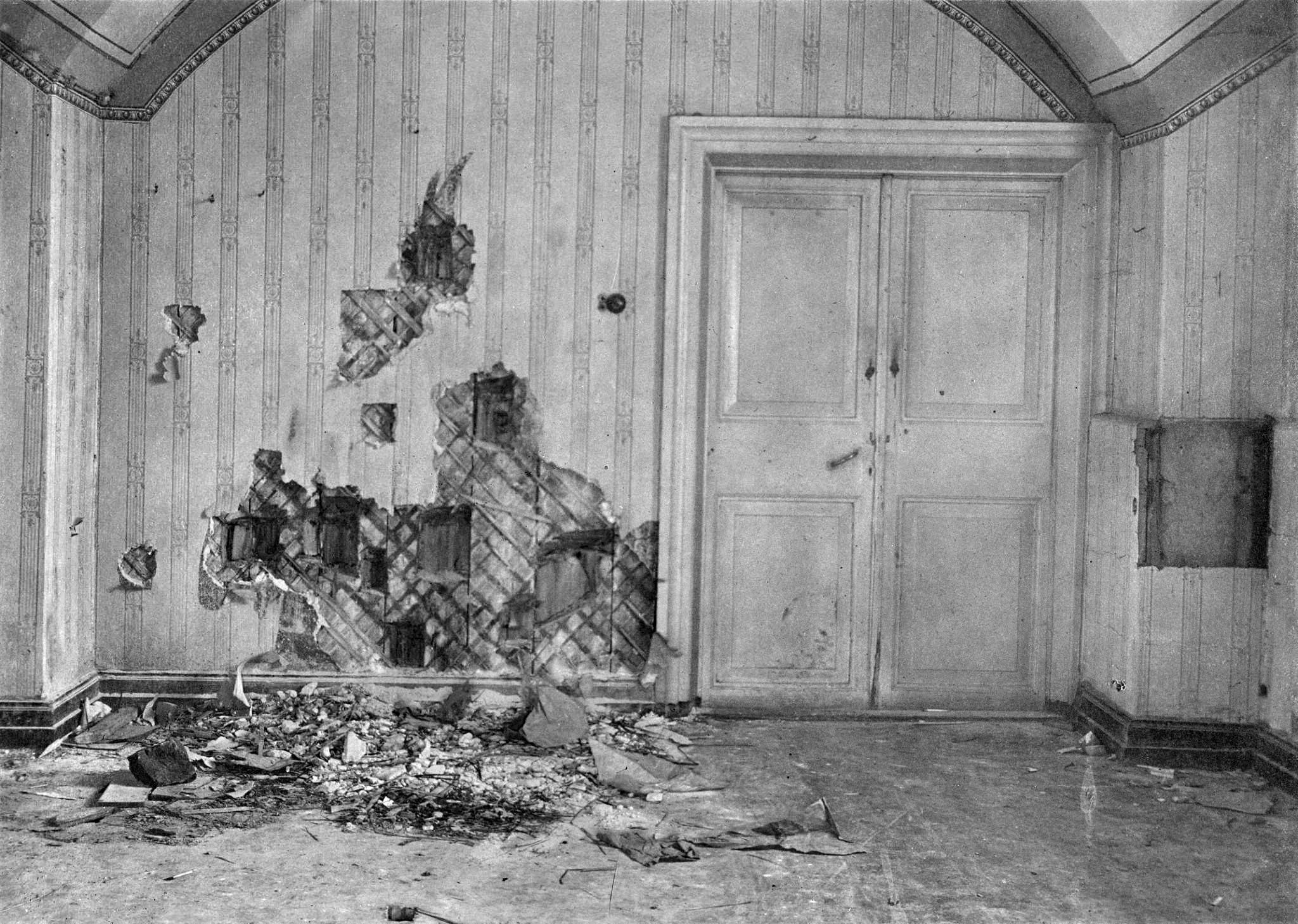
Murder of the Romanovs On July 17, 1918, the last Russian Emperor, Nicholas II, along with his wife Alexandra, their five children, and four loyal attendants, were ex...
Explore event →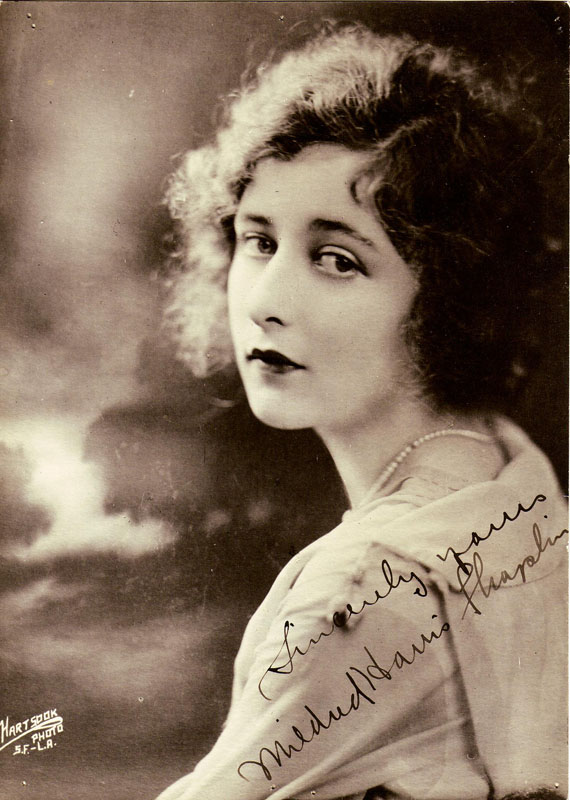
Charlie Chaplin married actress Mildred Harris on October 23, 1918, in Los Angeles. Chaplin was 29 years old and Harris was 16. Harris was already working as a film ac...
Explore event →
Assyrian Genocide On January 1, 1915, systematic attacks against Assyrian communities began in the eastern provinces of the Ottoman Empire during World War I. Assyria...
Explore event →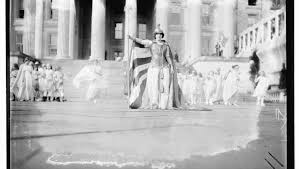
1913 – Foundations of the Modern World body { font-family: Arial, sans-serif; background-color: #f4f4f9; margin: 0; padding: 0; } .timeline-container { ...
Explore event →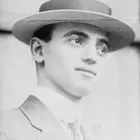
In August 1913, Leo Frank, a Jewish factory superintendent at the National Pencil Company in Atlanta, Georgia, was tried and convicted for the murder of 13-year-old Ma...
Explore event →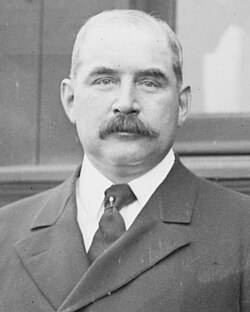
The Titanic sank on April 15, 1912, during its maiden voyage from Southampton to New York. Among the planned passengers was financier J.P. Morgan, head of the Internat...
Explore event →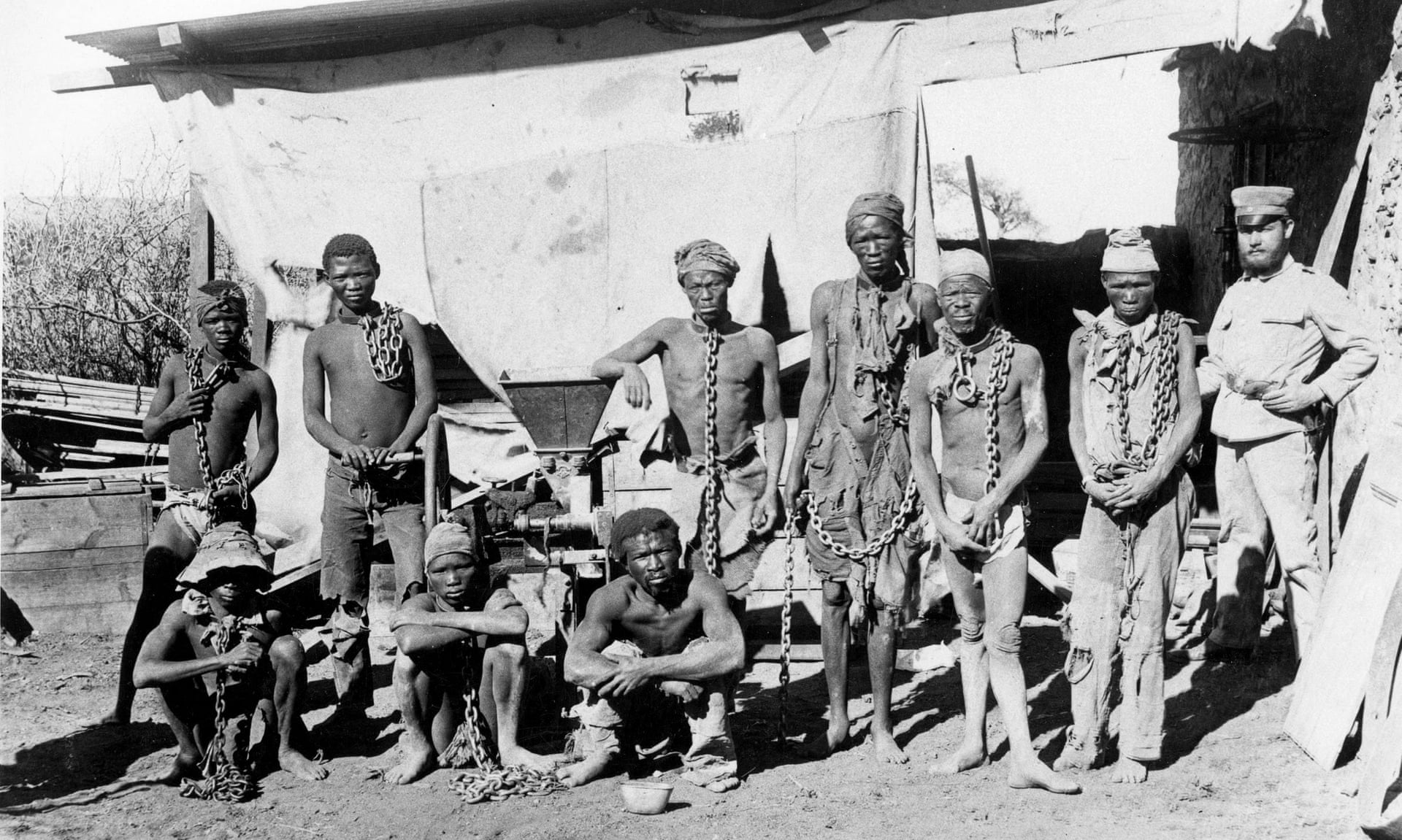
Herero And Nama Genocide On January 12, 1904, members of the Herero community initiated an armed uprising against German colonial authorities in German South West Afr...
Explore event →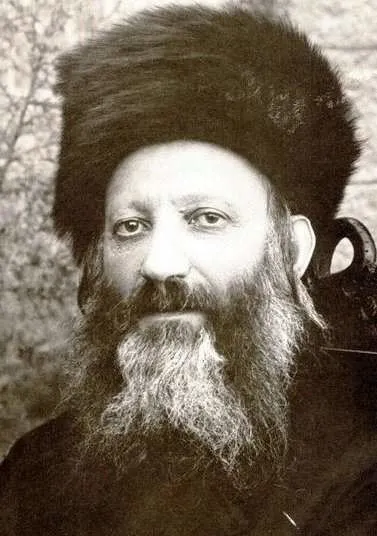
Abraham Isaac Kook (December 9, 1865 – September 1, 1935) was a Jewish religious thinker, rabbi, and the first Ashkenazi Chief Rabbi of British Mandate Palestine. He i...
Explore event →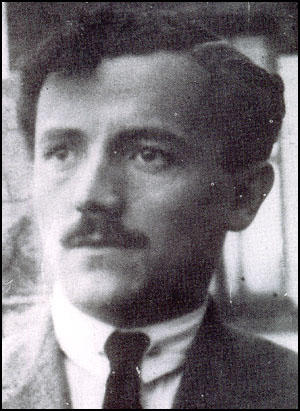
Alexander Orlov, born Lev Lazarevich Feldbin on 21 August 1895 in Bobruisk, was a Soviet NKVD officer from an Orthodox Jewish family. He later operated under several a...
Explore event →
Charlie Chaplin was an English actor, filmmaker, composer, and producer who became one of the most prominent figures of twentieth-century cinema. His career included s...
Explore event →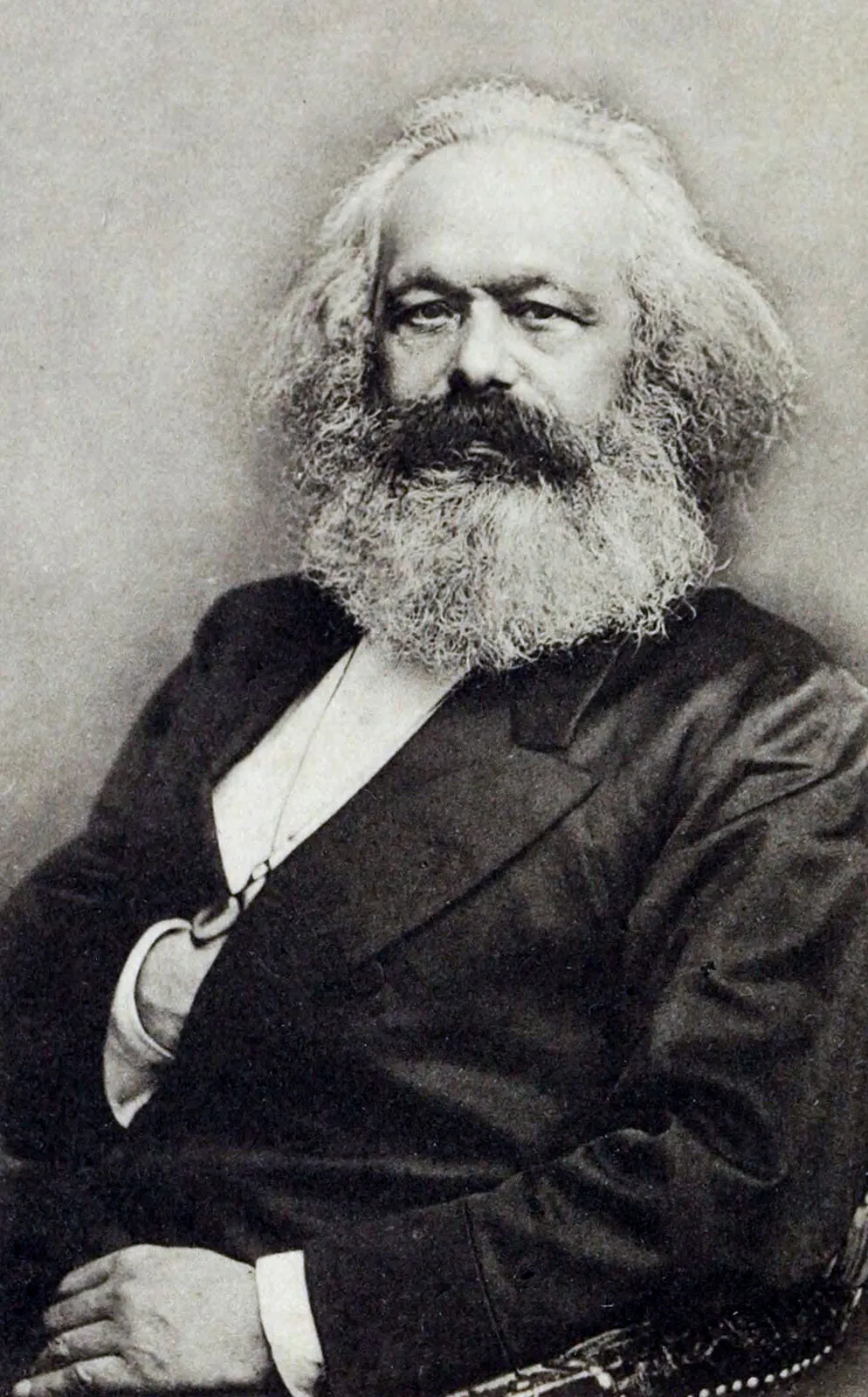
Karl Marx was a German philosopher, economist, and political theorist born in Trier, Prussia, in 1818. His work contributed to the development of socialist and communi...
Explore event →
The Tome of Leo was issued as a formal declaration by Pope Leo I articulating the doctrinal position of the Church concerning the divine and human natures of Christ. T...
Explore event →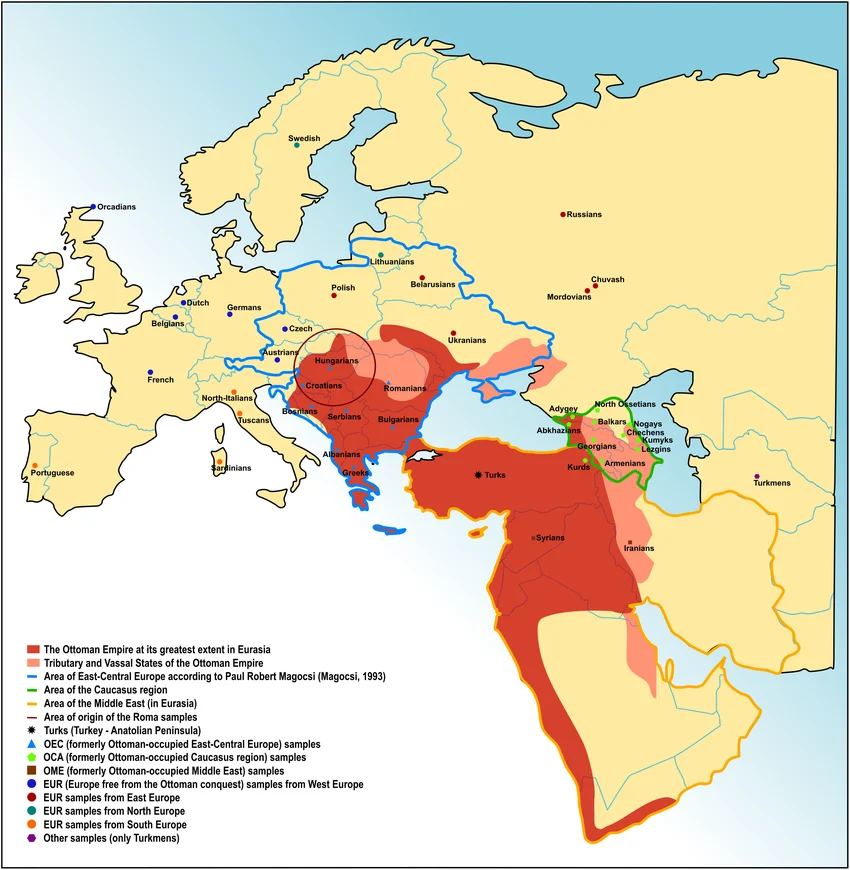
The Ottoman Empire expanded from a small Anatolian principality into one of the largest empires in history. Between the fourteenth and early twentieth centuries, Ottom...
Explore event →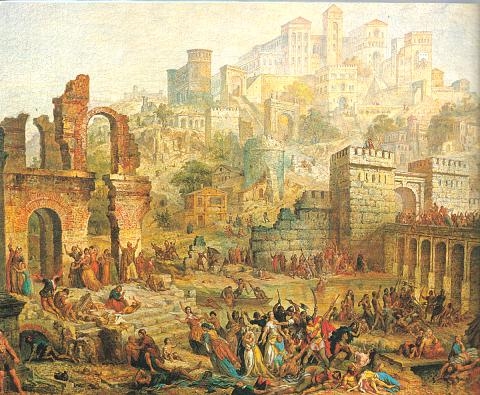
Expulsion of Jews from Speyer On October 15, 1435, the city council of Speyer, a city within the Holy Roman Empire, issued an expulsion order for all Jewish residents...
Explore event →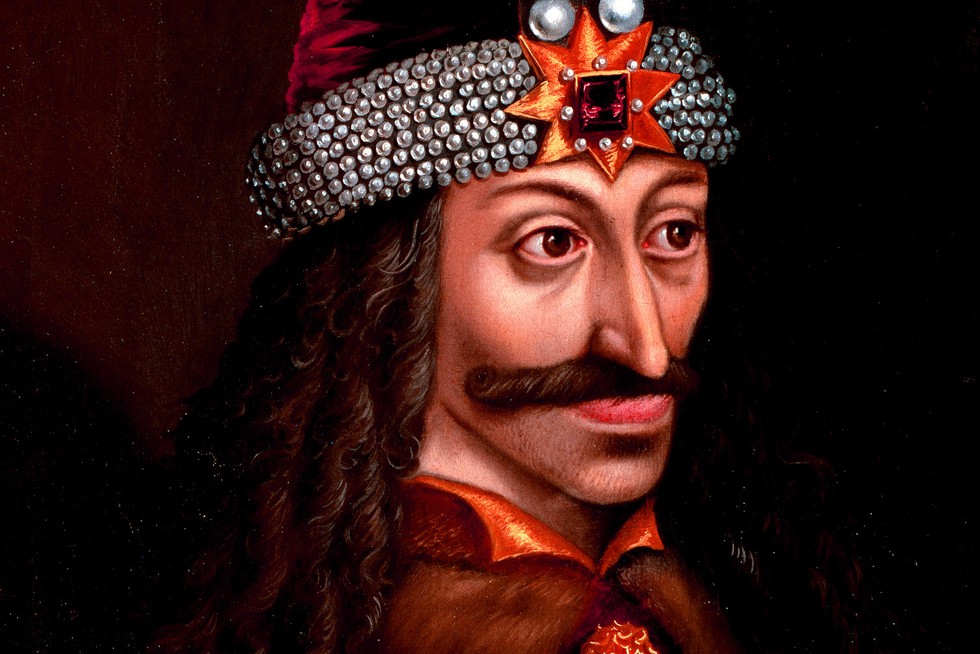
Vlad III Dracula, Prince of Wallachia Vlad III, also known as Vlad the Impaler or Dracula, was born in 1431 in Transylvania, part of the Kingdom of Hungary ...
Explore event →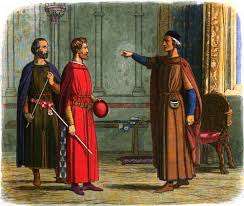
Expulsion of Jews from England On July 18, 1290, King Edward I issued the Edict of Expulsion, ordering all Jews to leave the Kingdom of England. The decree affected J...
Explore event →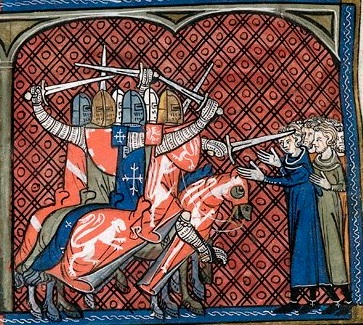
The Albigensian Crusade was a 20-year military campaign initiated by the Catholic Church to eliminate Catharism in the Languedoc region of southern France. It began in...
Explore event →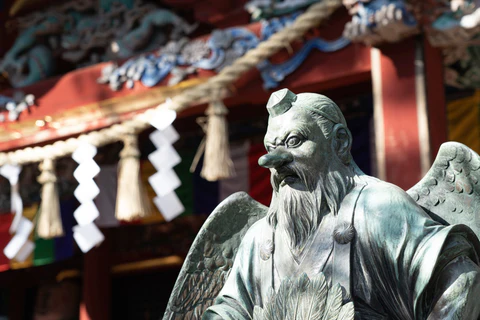
The Tengu are supernatural beings from Japanese mythology known for their association with mountains, forests, and spiritual power. They have been part of traditional ...
Explore event →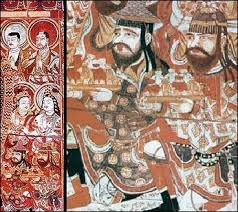
Sogdian merchants played a crucial role in expanding trade routes across Central Asia during the early medieval period. Centered in the city of Samarkand, they facilit...
Explore event →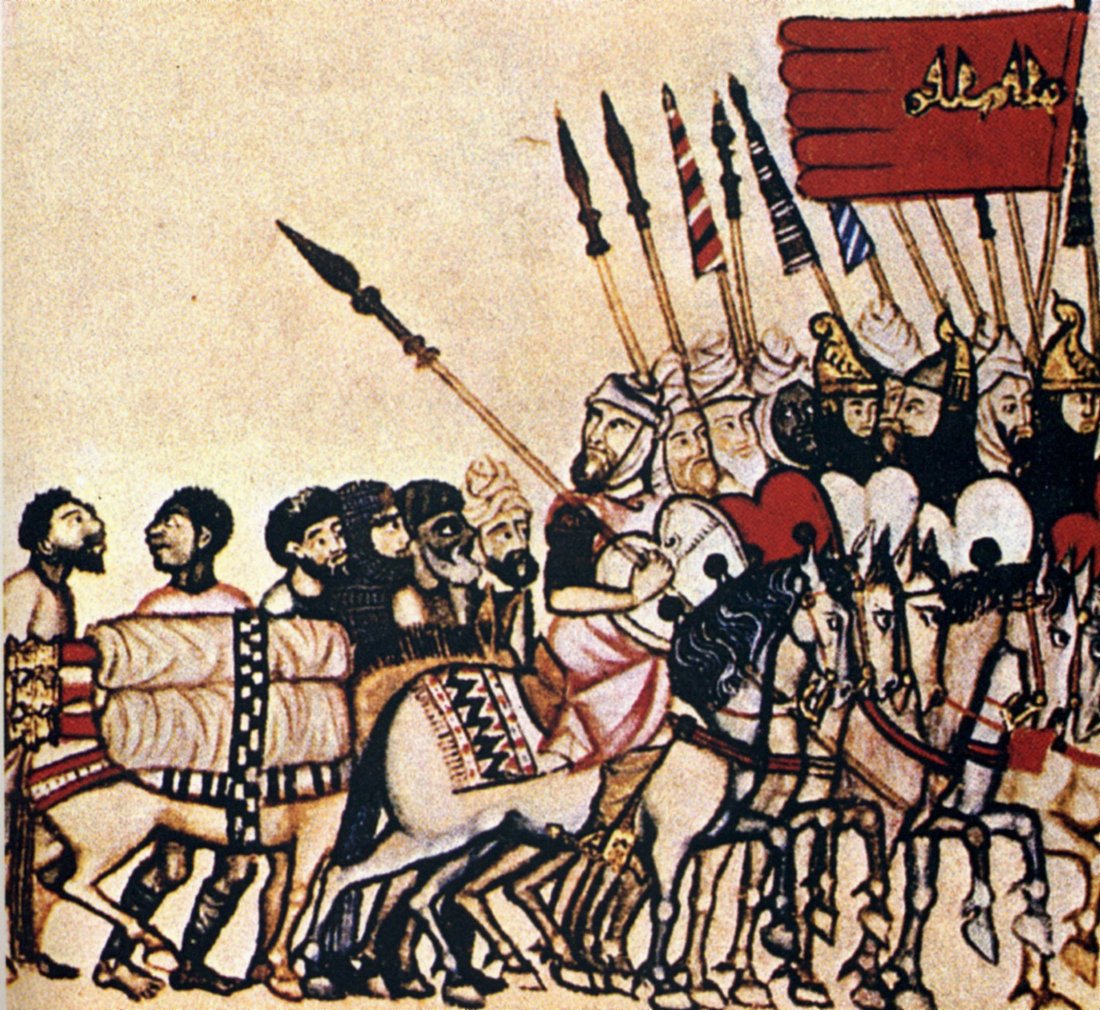
Moorish Invasion Of The Iberian Peninsula On April 30, 711, Umayyad forces led by the Berber commander Tariq ibn Ziyad crossed the Strait of Gibraltar from ...
Explore event →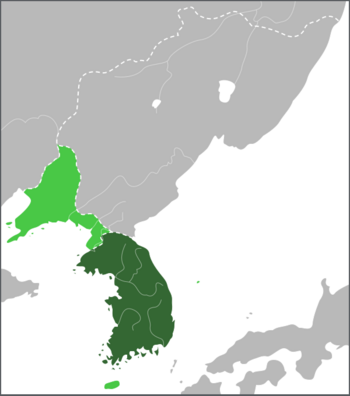
The Silla kingdom successfully unified the Korean Peninsula after defeating the Baekje and Goguryeo kingdoms. This consolidation marked the beginning of the Unified Si...
Explore event →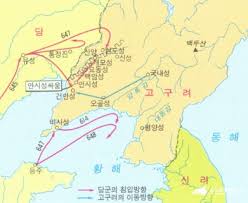
Goguryeo successfully repelled multiple invasions launched by the Tang dynasty of China during the 7th century. The capital fortress of Pyongyang became a critical def...
Explore event →
Najran Massacre 523 AD In 523 AD, the Himyarite king Yusuf Asar Dhu Nuwas, a Jewish ruler of the Himyarite Kingdom in present day Yemen, targeted the Christia...
Explore event →
11 February 2011 — Vice President Omar Suleiman announces that Hosni Mubarak has stepped down and transferred authority to the Supreme Council of the Armed Forces. Cel...
Explore research
1978 — Chinese economic and military assistance ends after years of growing ideological disagreement. Albania loses its final major communist ally and enters an extrao...
Explore research
Klaus Schwab later stated that he met Henry Kissinger while Schwab was at Harvard. The World Economic Forum described the meeting as occurring more than 50 years befor...
Explore research
31 January 1925 — Albania formally becomes a republic with Ahmet Zogu as president. Zogu uses the presidency to consolidate central authority after years of political ...
Explore research
21 February 1916 — Germany launches a major offensive against the fortified Verdun region. French forces commit enormous manpower and artillery to prevent the fortress...
Explore research
August–September 1914 — Germany concentrates major forces against France and advances through Belgium. The operational scheme derives from years of German planning ass...
Explore research
1 July 1798 — French forces under Napoleon Bonaparte land in Egypt. The invasion aims to weaken British access to India while expanding French influence in the eastern...
Explore research
30 BCE — Octavian captures Alexandria after the deaths of Antony and Cleopatra. Egypt becomes a Roman province under unusually close imperial supervision because of it...
Explore research
146 BCE — Corinth is destroyed and Roman domination of Greece becomes decisive.
Explore research
Around 1200 BCE — Major palace centers are destroyed or abandoned during the wider Bronze Age Collapse.
Explore research
c. 1332–1323 BCE — Tutankhamun becomes king while still a child during the political aftermath of Akhenaten's religious revolution. His government restores traditional...
Explore research
c. 3100 BCE–2026 CE — Egypt has been governed by native pharaohs, Nubian kings, Persians, Macedonians, Romans, Byzantines, Arab caliphates, Fatimids, Ayyubids, Mamluks...
Explore research
c. 3100 BCE–2026 CE — Modern Egyptians live in the same Nile landscape that supported pharaonic civilization, but language, religion, political institutions and popula...
Explore research
c. 6000–4400 BCE — Communities along the Nile increasingly depend on farming, fishing, animal husbandry and seasonal river resources. The Nile creates a narrow fertile...
Explore research
c. 6500 BCE–2026 CE — The territory and people of modern Albania were shaped by prehistoric Balkan societies, Illyrian political formations, Rome, Byzantium, medieval ...
Explore research
25 November 1936 — Germany and Japan sign an agreement publicly directed against the Communist International. Italy joins the following year. The pact reflects growing...
Explore research
11 November 1918 — German representatives sign the armistice at Compiègne. Fighting ends on the Western Front at 11:00 a.m. Germany accepts evacuation requirements and...
Explore research
28 July 1914 — Austria-Hungary declares war on Serbia exactly one month after the Sarajevo assassination. Artillery soon targets Belgrade. What Vienna hopes to treat a...
Explore research
26 August 1914 — German forces under Paul von Hindenburg and Erich Ludendorff begin the decisive phase of the Battle of Tannenberg against Russia's Second Army in East...
Explore research
8 January 1942 — Soviet offensives expand around the Rzhev-Vyazma salient west of Moscow. Fighting in the region becomes prolonged and extraordinarily costly. The sali...
Explore research
Farming villages existed in the Aegean world thousands of years before Greek-speaking states emerged.
Explore research
1916–1922 as British prime minister — Lloyd George leads Britain during the final two years of the war and the peace conference. His government intensifies national ec...
Explore research
16 August 1924 — The Dawes Plan restructures German reparations payments and facilitates large flows of American capital into Germany. The arrangement helps stabilize ...
Explore research
28 June 1919 — Versailles created genuine political grievances and became a powerful symbol in German nationalist politics. Yet there were many possible paths after 19...
Explore research