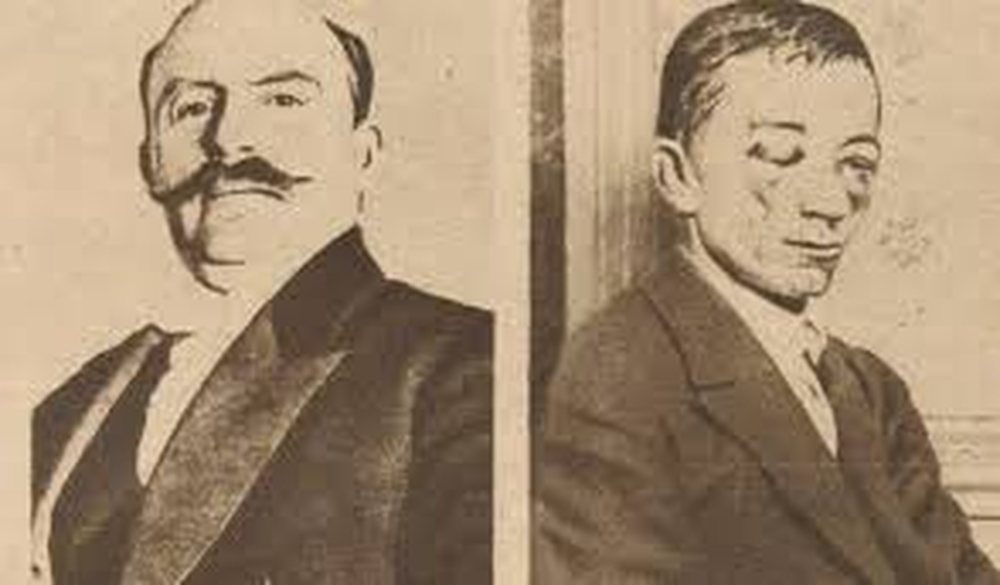
Avni Rustemi assassination Essad Pasha Toptani
On June 13, 1920, Albanian political activist Avni Rustemi shot and killed Essad Pasha Toptani in Paris, France. Essad Pasha was an Albanian Ottoman-era political and ...
Explore event →History does not happen in isolation. Explore world events across time, follow the connections between them, and investigate the threads that reveal how one event can lead to another.
TheTimeMap currently follows events across 95 countries and 268 years of history — building a connected archive designed for people who want to look beyond the headline.
We oppose antisemitism, racism, and dehumanization — everywhere.
When people stop feeling, injustice becomes easy.
On June 13, 1920, Albanian political activist Avni Rustemi shot and killed Essad Pasha Toptani in Paris, France. Essad Pasha was an Albanian Ottoman-era political and ...
Explore event →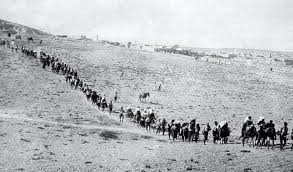
Pontic Greek Genocide On May 19, 1919, military operations intensified against Greek communities in the Pontus region along the Black Sea coast of the Ottoman Empire....
Explore event →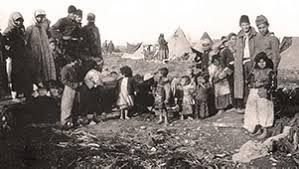
Greek Genocide On May 19, 1919, Greek communities in the Pontus region of the Ottoman Empire faced intensified military operations during the final phase of systemati...
Explore event →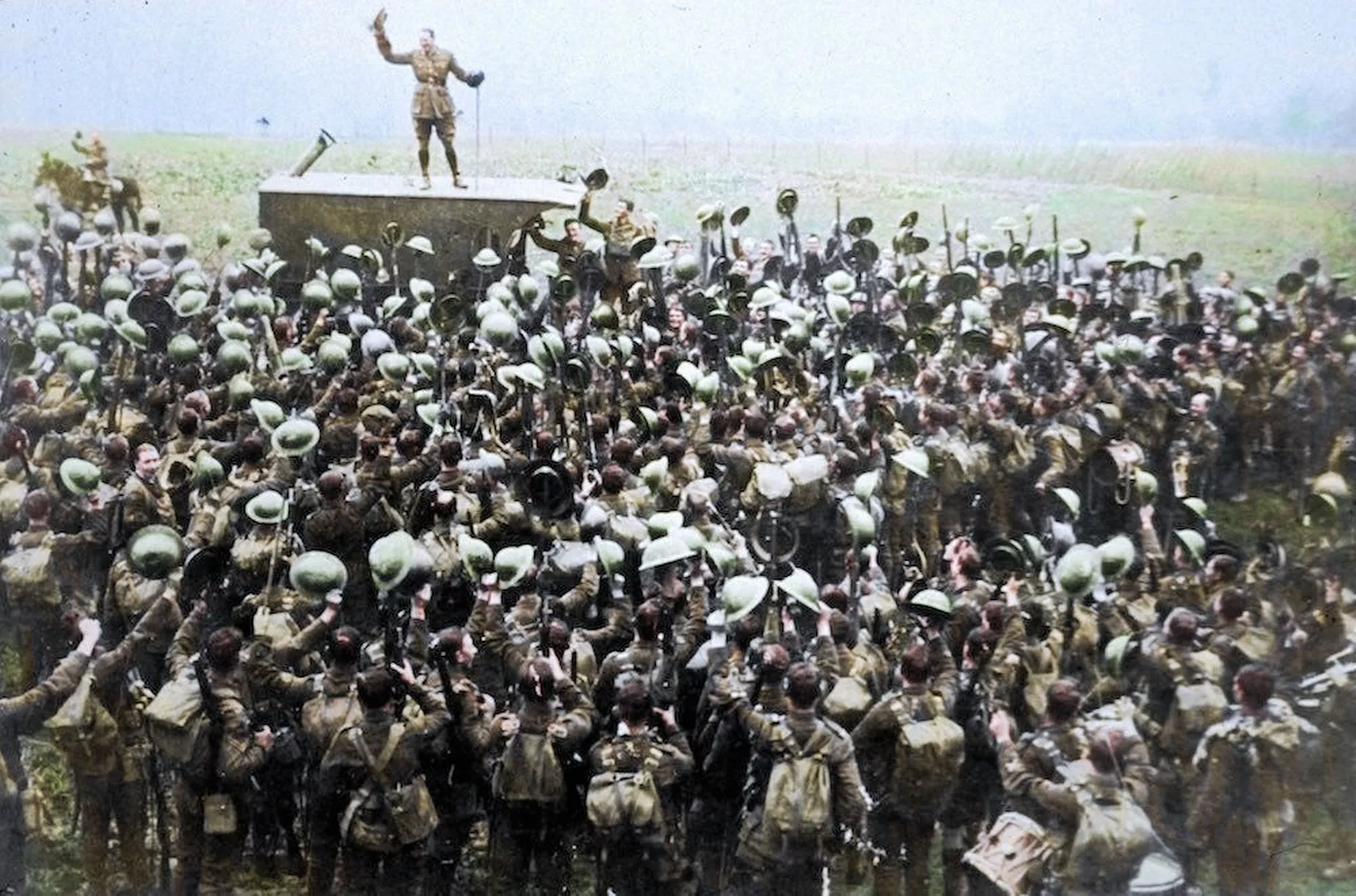
The armistice of November 11, 1918, marked the end of World War I. Germany agreed to cease hostilities with the Allies, bringing four years of devastating conflict to ...
Explore event →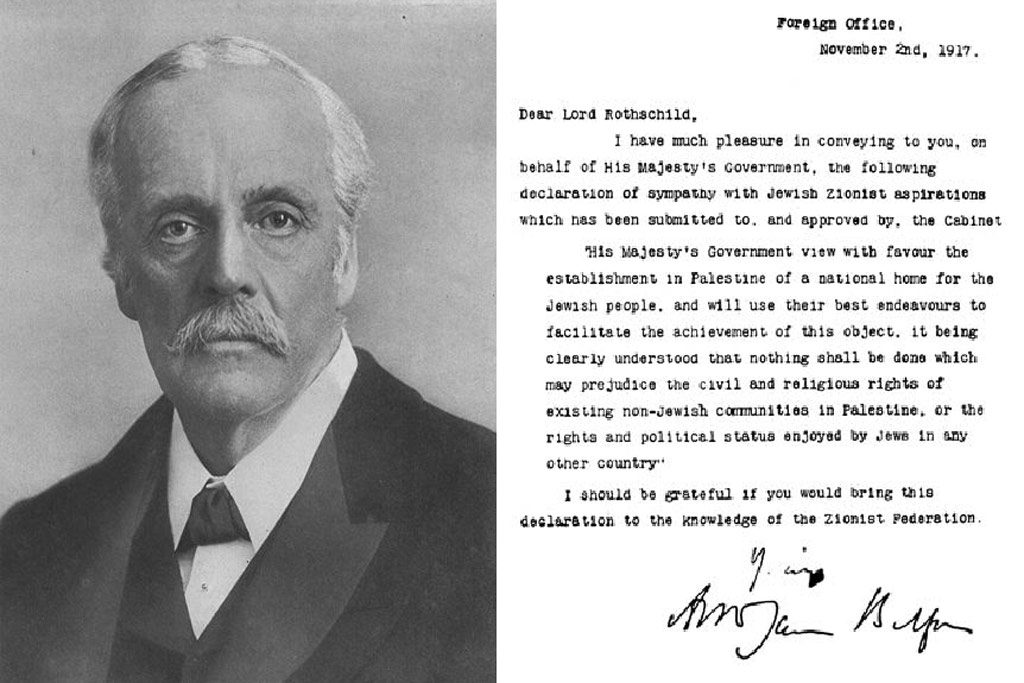
The Balfour Declaration was a public statement issued on November 2 1917 by the British government during World War I expressing support for the establishment of a nat...
Explore event →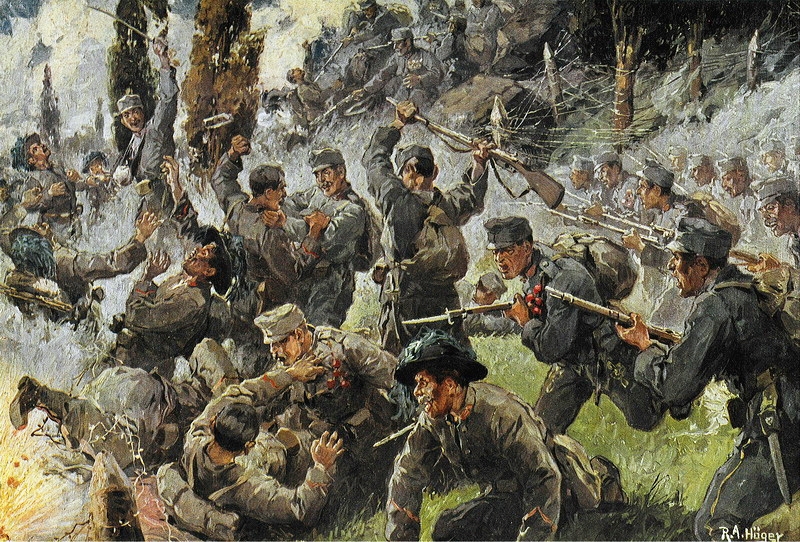
The Battles of the Isonzo were a series of twelve military engagements between the Kingdom of Italy and Austria-Hungary during World War I. They took place along the I...
Explore event →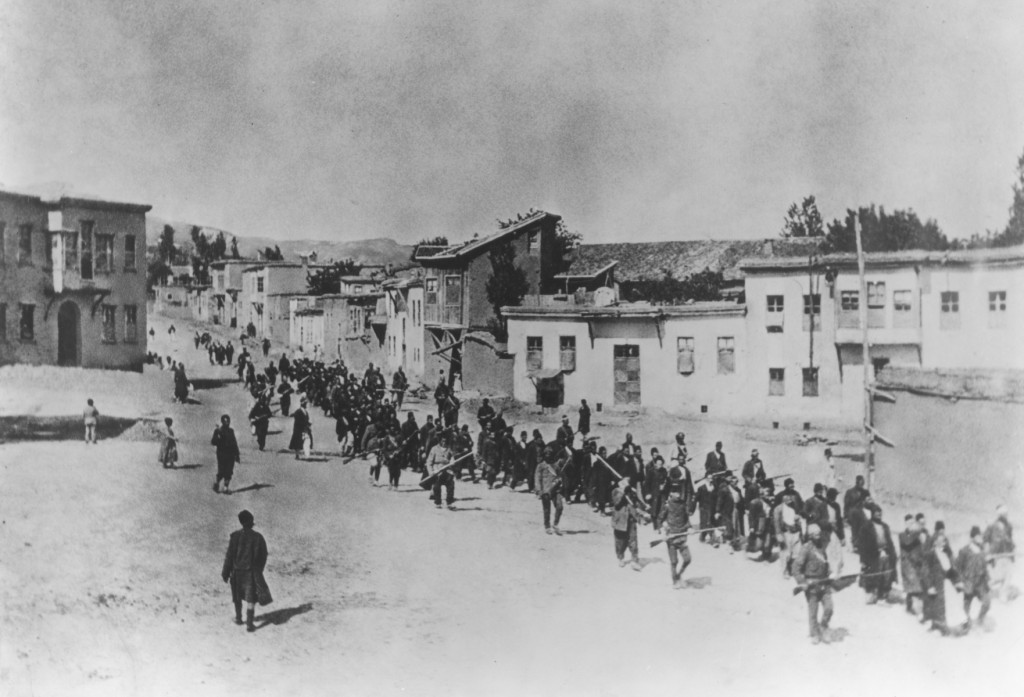
Armenian Genocide On April 24, 1915, Ottoman authorities arrested hundreds of Armenian intellectuals and community leaders in Constantinople. The arrests marked the b...
Explore event →
Assyrian Genocide On January 1, 1915, systematic attacks against Assyrian communities began in the eastern provinces of the Ottoman Empire during World War I. Assyria...
Explore event →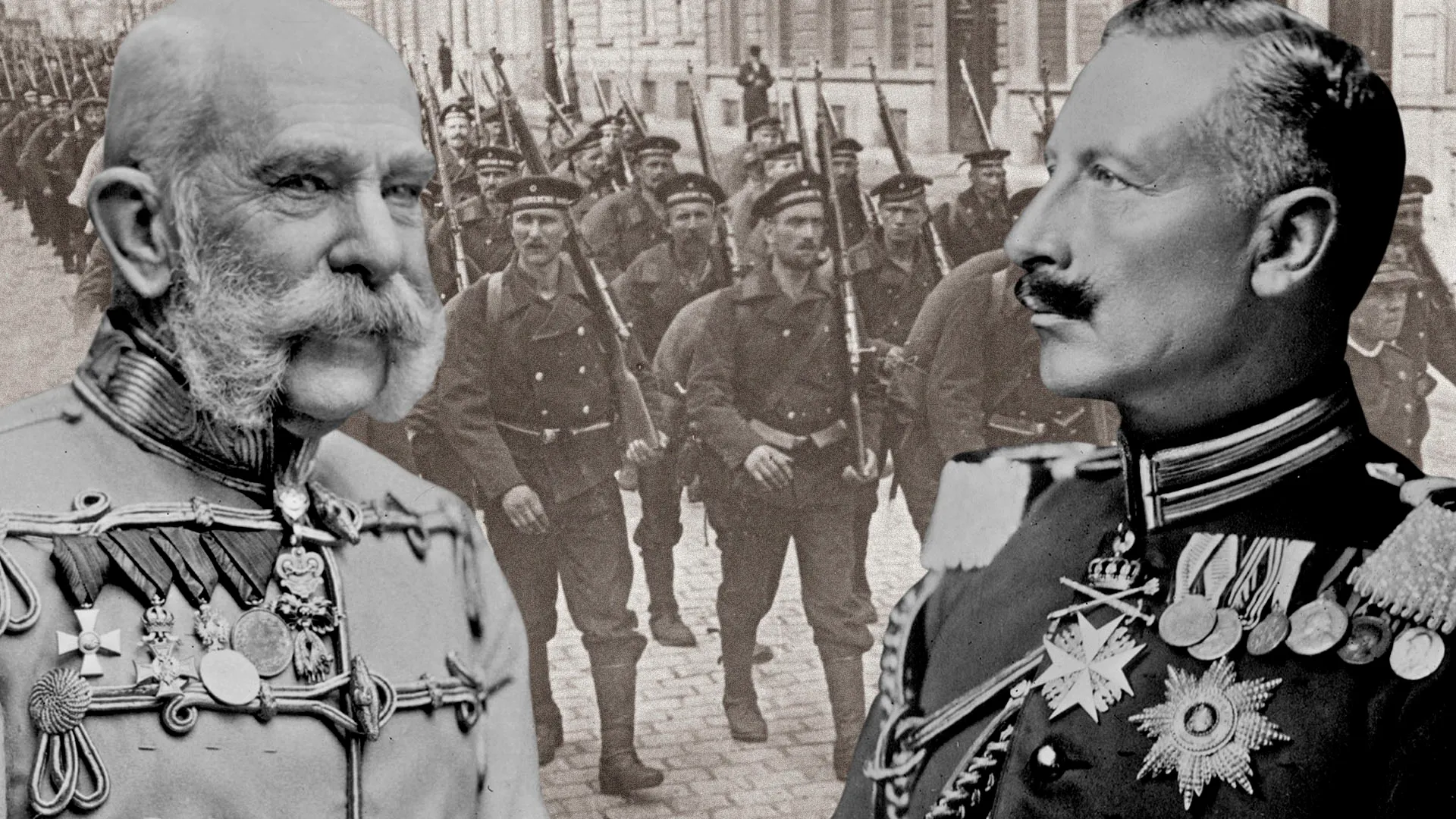
World War I, also known as the Great War, began when Austria-Hungary declared war on Serbia following the assassination of Archduke Franz Ferdinand. The conflict quick...
Explore event →
1913 – Foundations of the Modern World body { font-family: Arial, sans-serif; background-color: #f4f4f9; margin: 0; padding: 0; } .timeline-container { ...
Explore event →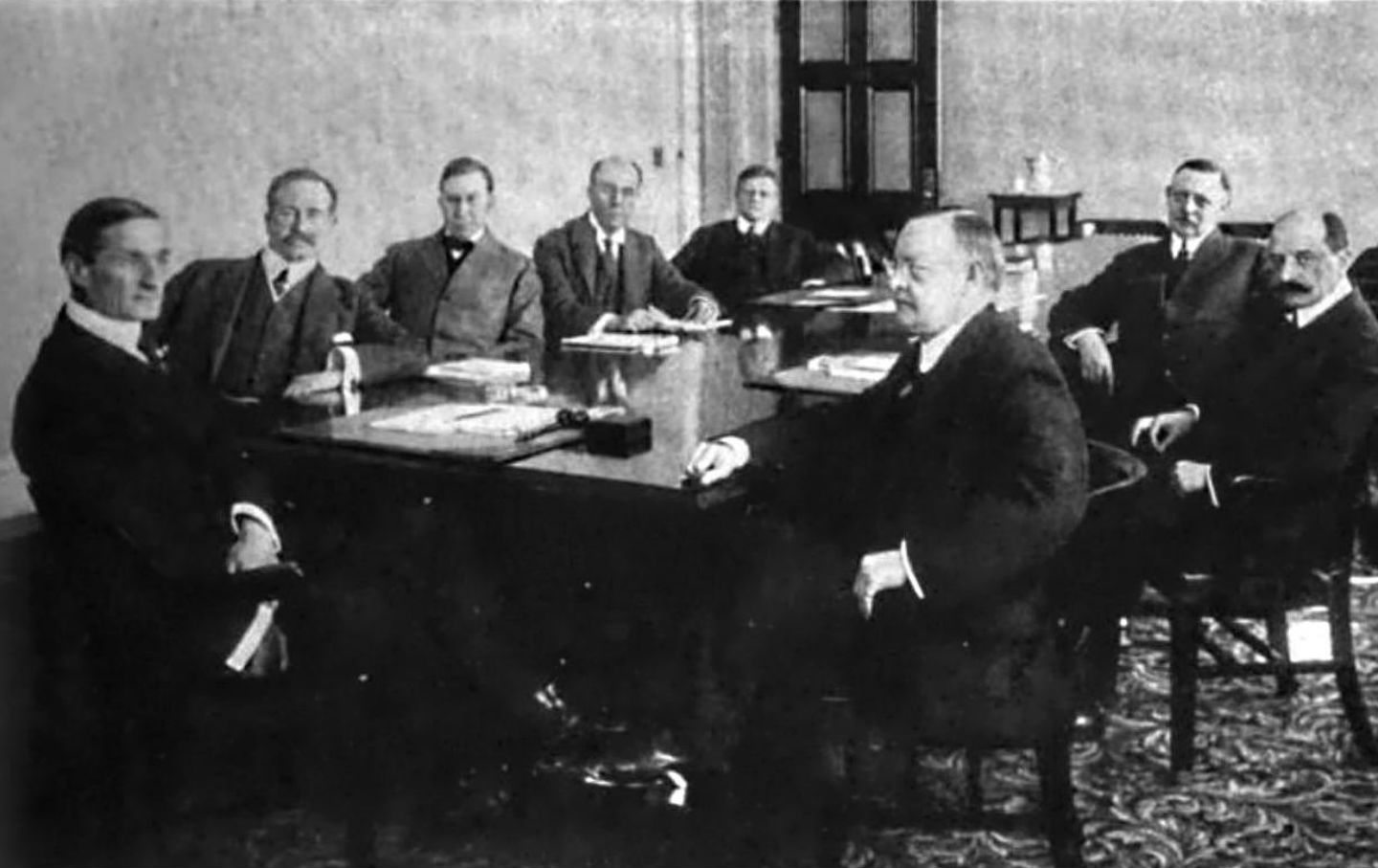
The creation of the Federal Reserve System on December 23, 1913, established the central banking authority of the United States. It was enacted through the Federal Res...
Explore event →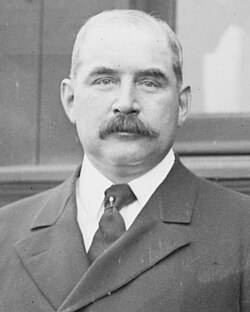
The Titanic sank on April 15, 1912, during its maiden voyage from Southampton to New York. Among the planned passengers was financier J.P. Morgan, head of the Internat...
Explore event →
Charlie Chaplin was an English actor, filmmaker, composer, and producer who became one of the most prominent figures of twentieth-century cinema. His career included s...
Explore event →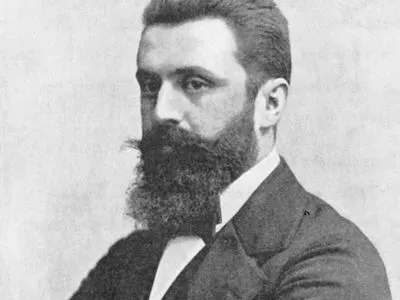
Theodor Herzl (May 2, 1860 – July 3, 1904) was an Austro‑Hungarian journalist, playwright, and writer who is considered a founder of modern political Zionism. Herzl pr...
Explore event →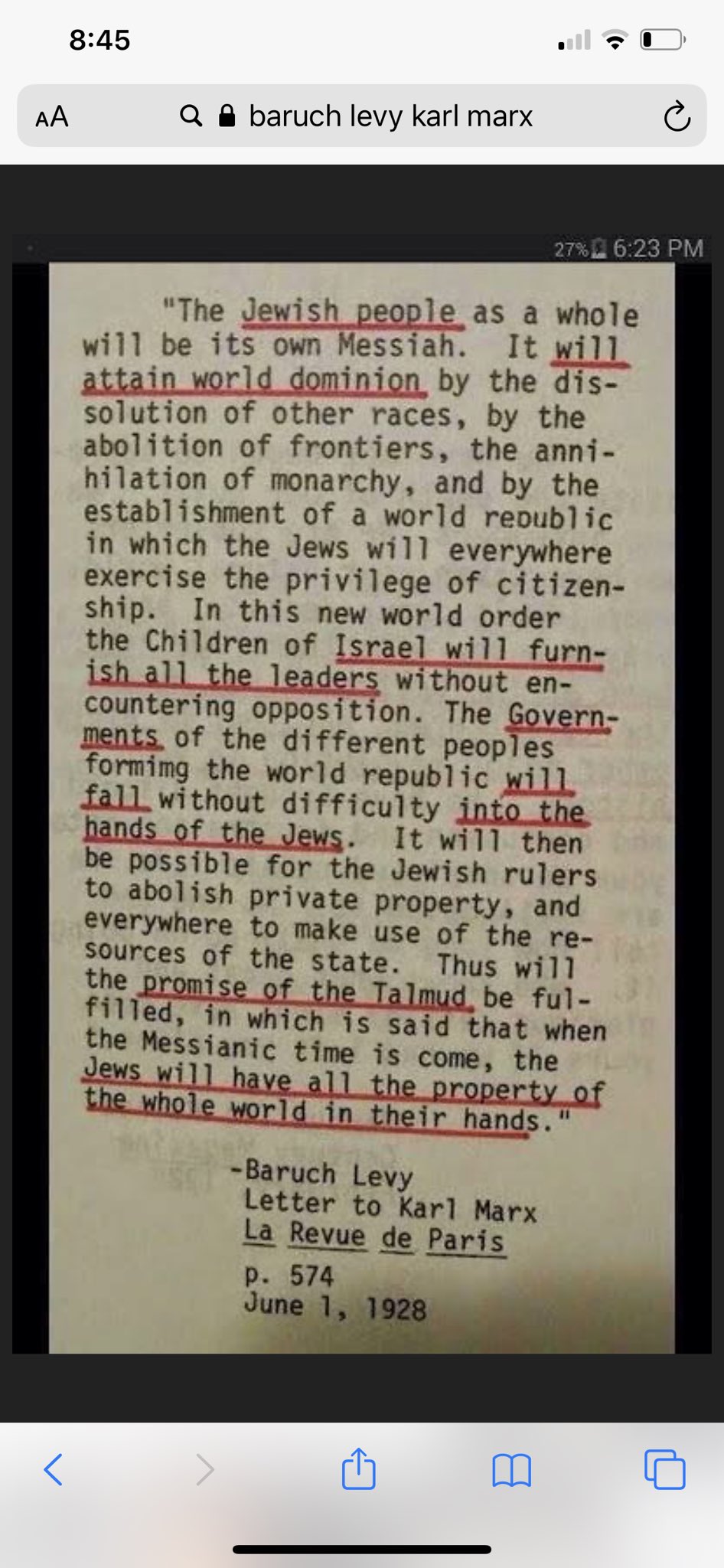
Baruch Levy letter to Karl Marx
Explore event →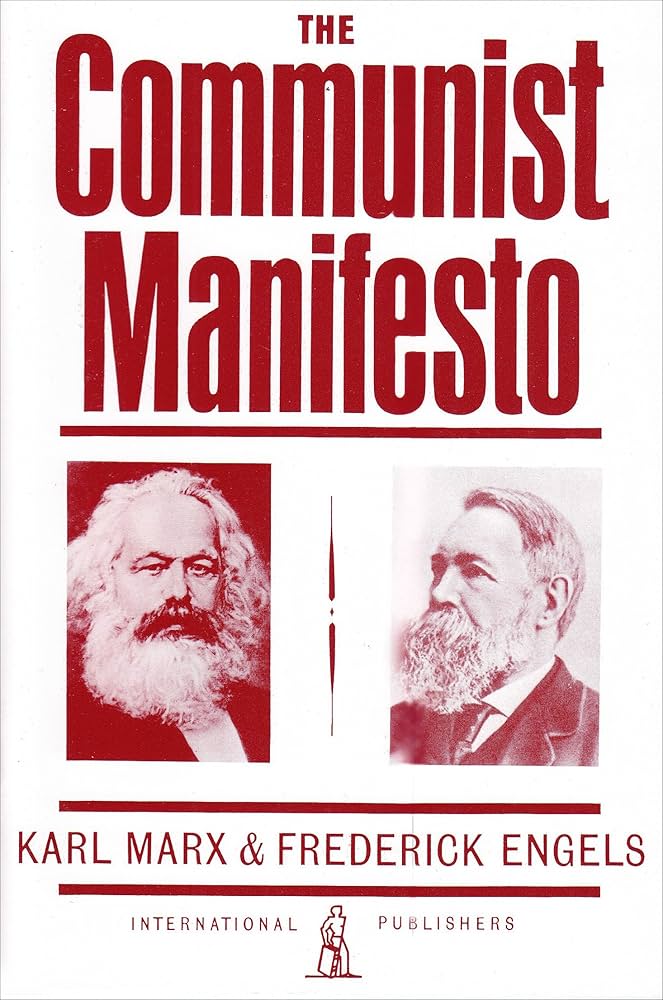
Karl Marx and Friedrich Engels published the Communist Manifesto, advocating for proletarian revolution and critiquing capitalist society, influencing socialist moveme...
Explore event →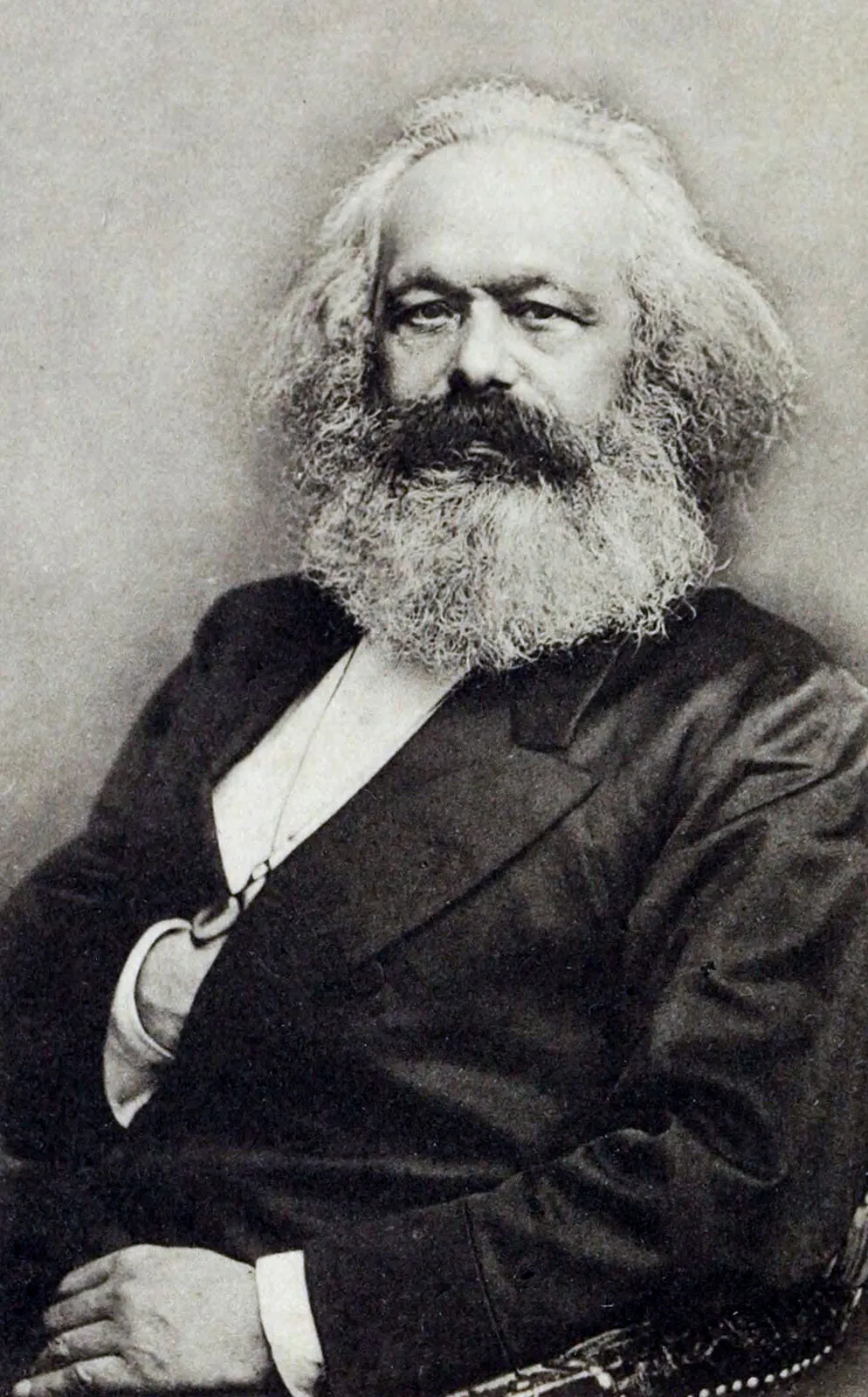
Karl Marx was a German philosopher, economist, and political theorist born in Trier, Prussia, in 1818. His work contributed to the development of socialist and communi...
Explore event →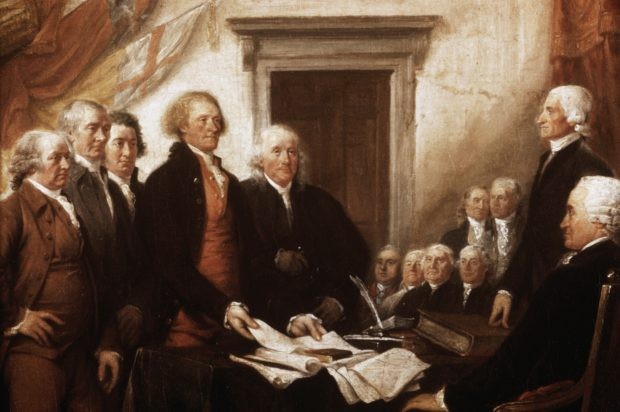
The thirteen American colonies declared independence from Britain, articulating principles of liberty, equality, and popular sovereignty, influencing democratic moveme...
Explore event →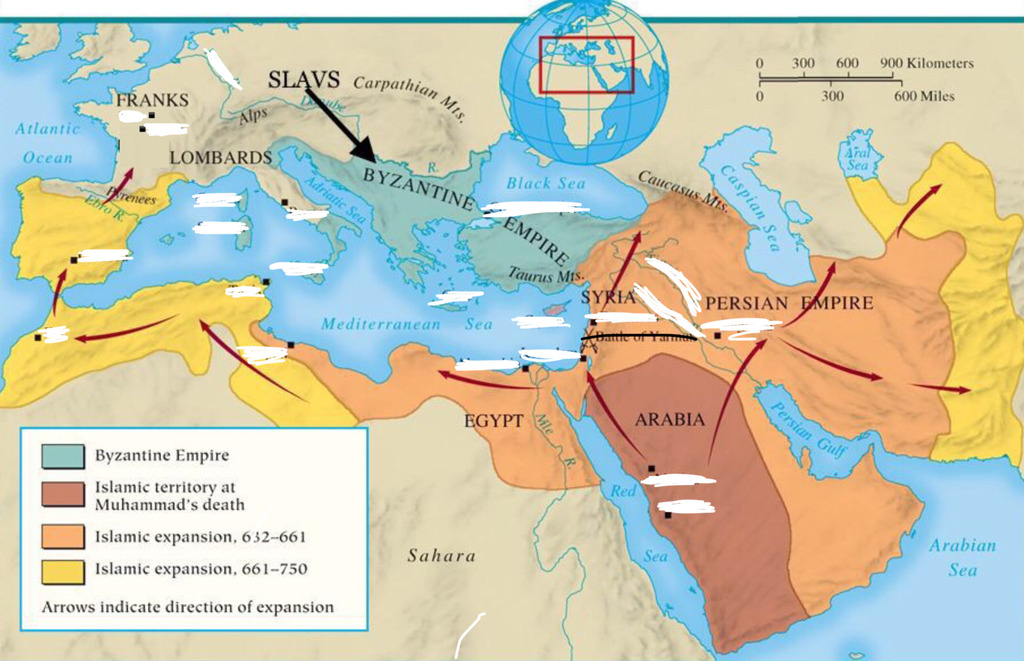
The Prophet Muhammad received the first revelation of the Quran. Islam rapidly spread across the Middle East, North Africa, and beyond. This reshaped religious, poli...
Explore event →
The resurrection of Jesus Christ marks a central event in Christian belief, symbolizing his victory over death. Following his crucifixion, accounts describe Jesus risi...
Explore event →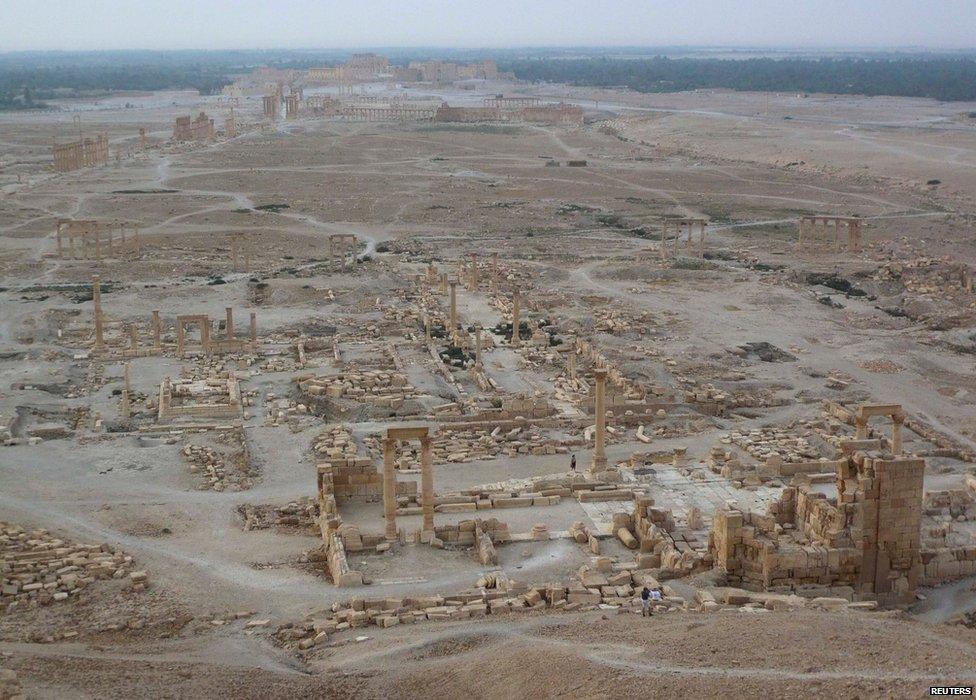
Palmyra, an ancient city in central Syria, was captured and severely damaged during military conflict. The site, known for its Greco-Roman architecture and cultural si...
Explore event →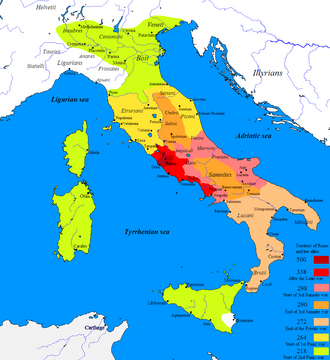
The Constitutio Antoniniana was an edict issued by Emperor Caracalla that granted Roman citizenship to nearly all free inhabitants of the Roman Empire. This decree mar...
Explore event →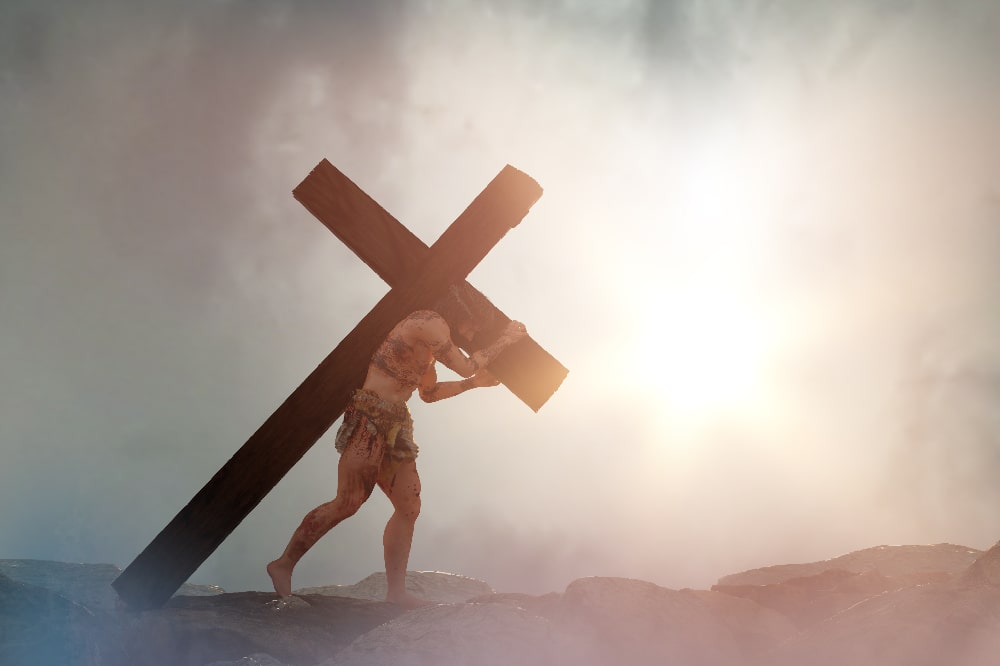
Jesus of Nazareth was executed by crucifixion under Roman governor Pontius Pilate in Jerusalem, during the period of Roman occupation of Judea. The event is documented...
Explore event →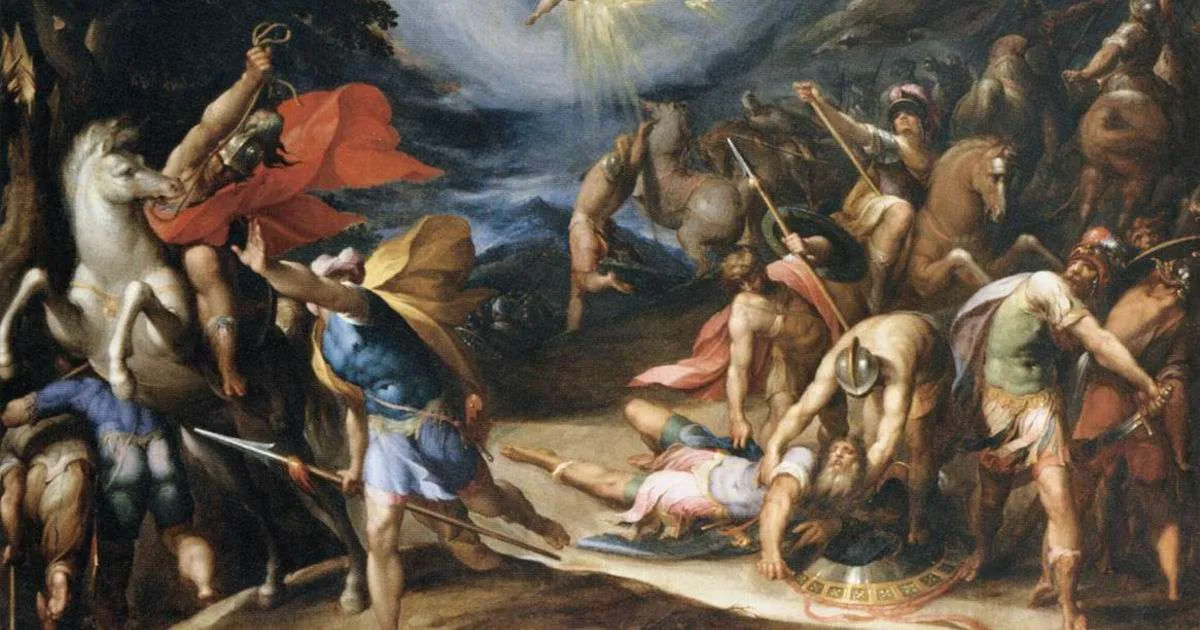
Paul the Apostle, formerly known as Saul of Tarsus, experienced a profound conversion while traveling to Damascus. Initially a vigorous persecutor of early Christians,...
Explore event →
Klaus Schwab hosted a conversation with Henry Kissinger at the World Economic Forum Annual Meeting in Davos in 2022. Schwab discussed his earlier meeting with Kissinge...
Explore research
2014–2026 — Egypt remains the most populous country in the Arab world and one of the principal political centers of the eastern Mediterranean and Middle East. Cairo do...
Explore research
11 December 1990 — Albania's communist leadership accepts the legalization of independent political parties. The decision effectively ends the political monopoly creat...
Explore research
Henry Kissinger delivered the opening address at the European Management Symposium in Davos in 1980. The World Economic Forum identifies this as his first appearance a...
Explore research
17 September 1978 — Sadat and Israeli Prime Minister Menachem Begin sign agreements negotiated under U.S. President Jimmy Carter. The accords establish the framework f...
Explore research
The completed National Security Study Memorandum 200 examined worldwide population growth, food supplies, minerals and fuel, economic development, population pressures...
Explore research
National Security Study Memorandum 200, issued April 24, 1974, directed a study of worldwide population growth and its implications for U.S. security and overseas inte...
Explore research
International organization founded by Klaus Schwab as the European Management Symposium in 1971. It later became the World Economic Forum and developed into a platform...
Explore research
1967 — The communist government launches an aggressive campaign against organized religion. Mosques, churches and monasteries are closed or converted to other uses, an...
Explore research
Klaus Schwab later stated that he met Henry Kissinger while Schwab was at Harvard. The World Economic Forum described the meeting as occurring more than 50 years befor...
Explore research
26 July–7 November 1956 — Nasser nationalizes the Suez Canal Company after Western governments withdraw support for the Aswan High Dam. Britain, France and Israel secr...
Explore research
German-born economist and engineer who founded the European Management Symposium, later known as the World Economic Forum, and served as its principal leader.
Explore research
January–June 1919 — France prioritizes security and compensation for destruction. Britain wants Germany constrained without permanently destroying European economic st...
Explore research
January–June 1919 — Allied leaders negotiate borders, reparations, military restrictions, mandates and a new international organization. Wilson's language of self-dete...
Explore research
3 November 1918 — Sailors at Kiel revolt after naval leaders attempt to send the fleet into a final battle. The mutiny spreads into a wider revolutionary movement as w...
Explore research
8 August 1918 — Allied armies attack near Amiens and begin the sustained offensive sequence known as the Hundred Days. Improved coordination of artillery, infantry, ta...
Explore research
August–November 1918 — Germany and its allies face military retreat, shortages, exhaustion and growing political instability. Bulgaria, the Ottoman Empire and Austria-...
Explore research
July–November 1918 — Allied forces increasingly coordinate artillery, infantry, tanks, aircraft, communications and logistics. Strategic coordination also improves und...
Explore research
21 March 1918 — Germany launches Operation Michael, the first of several major offensives designed to win the war in the west before American manpower becomes overwhel...
Explore research
January–March 1918 — Russia's withdrawal gives Germany a temporary manpower advantage in the west, but American troops are arriving rapidly. Hindenburg and Ludendorff ...
Explore research
November 1917–March 1918 — Lenin argues that the revolutionary government cannot survive while Russia remains in the war. Other Bolsheviks object to Germany's extreme ...
Explore research
6 April 1917–11 November 1918 — The United States begins converting its enormous economy and population into military power. Millions of men enter the draft system whi...
Explore research
8 March 1917 — Demonstrations, strikes and bread shortages in Petrograd begin the revolutionary crisis that destroys the imperial government. Soldiers increasingly ref...
Explore research
1 February 1917–11 November 1918 — German submarines attack merchant shipping in an attempt to reduce British imports below sustainable levels. Early shipping losses a...
Explore research