Turkey considers SCO membership
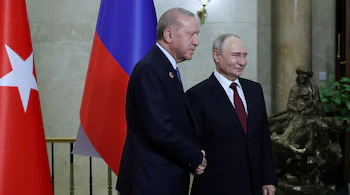
Turkish President Recep Tayyip Erdogan said on September 2, 2026, that Turkey could consider becoming a full member of the Shanghai Cooperation Organisation, a regional political and secu...
Explore event →History does not happen in isolation. Explore world events across time, follow the connections between them, and investigate the threads that reveal how one event can lead to another.
TheTimeMap currently follows events across 95 countries and 268 years of history — building a connected archive designed for people who want to look beyond the headline.
We oppose antisemitism, racism, and dehumanization — everywhere.
When people stop feeling, injustice becomes easy.
Turkish President Recep Tayyip Erdogan said on September 2, 2026, that Turkey could consider becoming a full member of the Shanghai Cooperation Organisation, a regional political and secu...
Explore event →
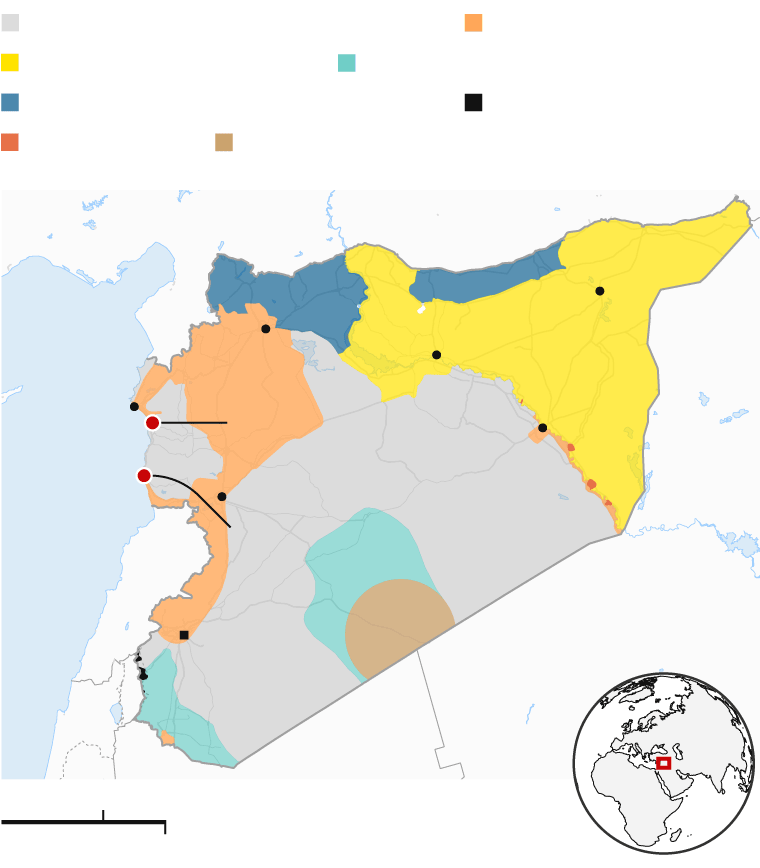
Syria and Russia reached an agreement on August 9, 2026, restructuring Russia's presence at the Hmeimim air base and Tartous naval facility. The memorandum followed approximately 18 month...
Explore event →
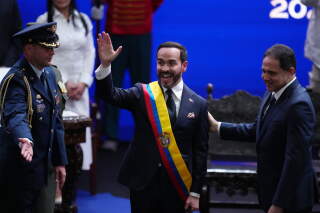
Abelardo De La Espriella was sworn in as president of Colombia on August 7, 2026, after defeating Senator Iván Cepeda in the June 21 presidential runoff election. De La Espriella succeede...
Explore event →
Rosanna Arquette has publicly questioned the reported circumstances of her friend Virginia Giuffre’s death, sparking online discussions. Giuffre, a prominent advocate for survivors of se...
Explore event →
Elon Musk’s grandfather Joshua Haldeman and the Technocracy movement On February 7, 2026, public records and historical sources show that Joshua N. Haldeman (1902–1974), the ma...
Explore event →
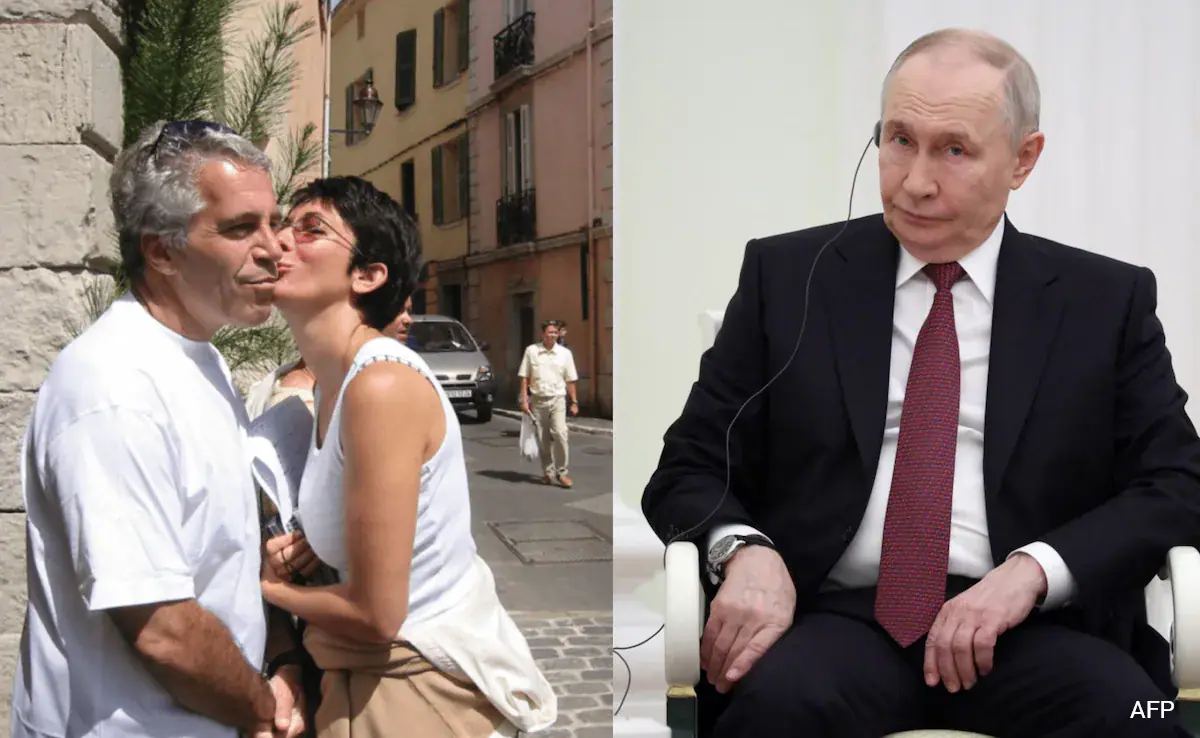
Kremlin dismisses claims Epstein was a Russian intelligence asset On February 5, 2026, the Kremlin publicly rejected claims by Western media and political figures suggesting th...
Explore event →
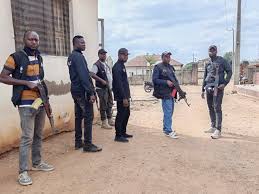
Massacre in Nigerian Kwara State After Militant Attack On February 5, 2026, Nigerian authorities and humanitarian organisations reported that at least 162 people were killed in...
Explore event →
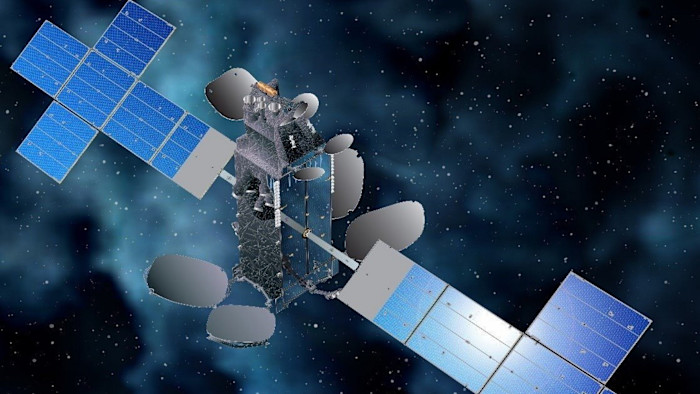
Interceptions of European Satellites by Russian Spacecraft On February 5, 2026, European security officials reported that at least a dozen key European satellites had been intercepted b...
Explore event →
U.S. President Signals Potential Retaliatory Measures Over Canada–China Trade Deal On February 3, 2026, U.S. President Donald Trump stated that the United States would implemen...
Explore event →
Event Timeline body { font-family: Arial, sans-serif; background-color: #f4f4f9; margin: 0; padding: 0; } .timeline-container { max-width: 900px; margin: 50px auto; p...
Explore event →
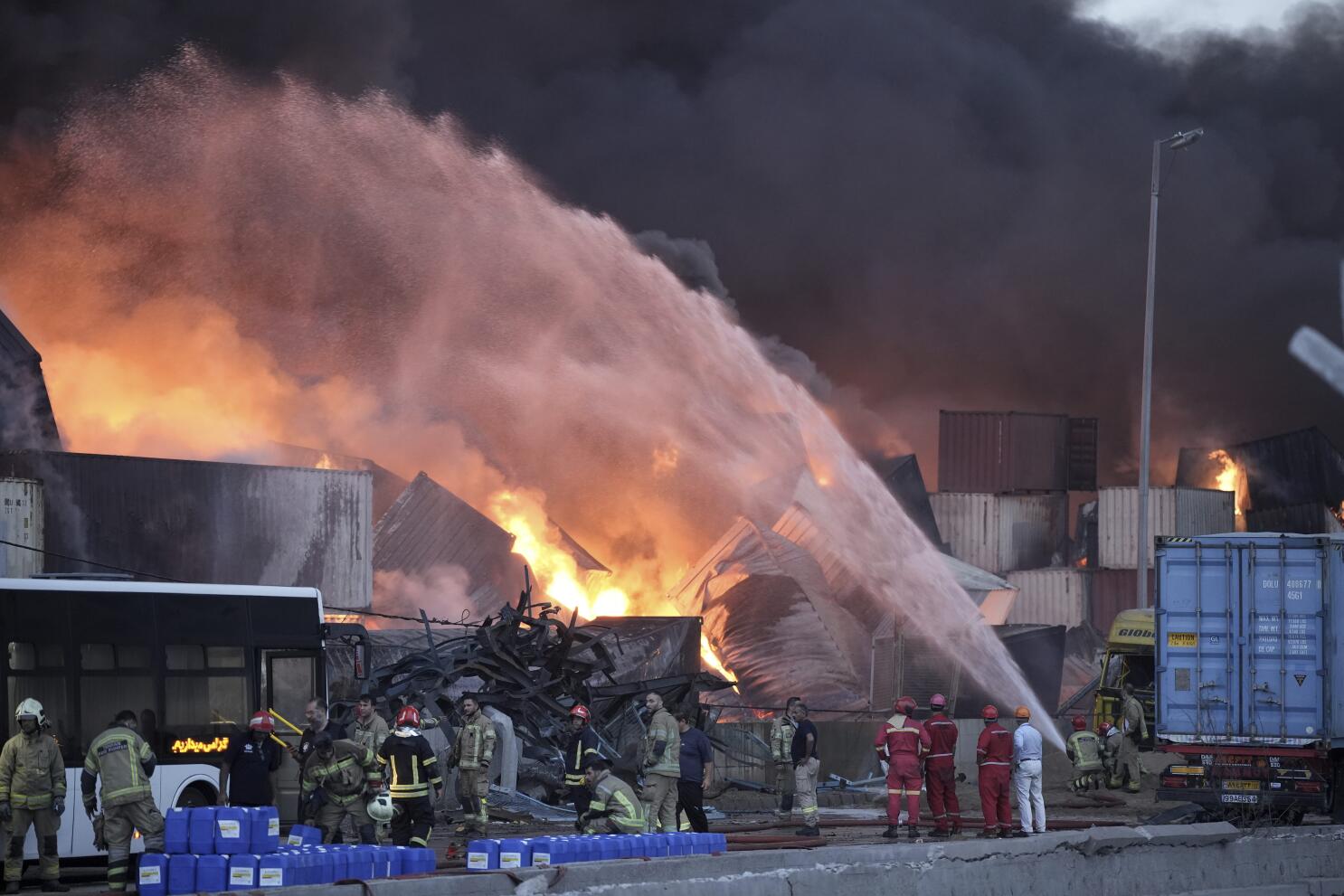
Explosions in Iran Leave Several Dead Amid Denials of Foreign Involvement On Saturday, explosions were reported in multiple locations in Iran, including the southern port city ...
Explore event →
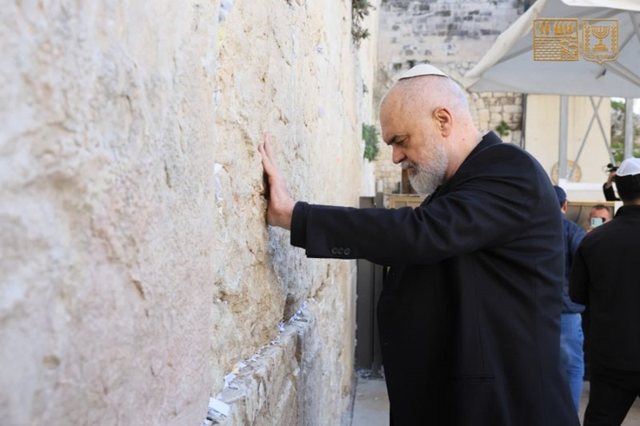
On January 26, 2026, Prime Minister Edi Rama of Albania visited the Western Wall in Jerusalem, Israel, during an official trip as part of efforts to support the fight against antisemitism...
Explore event →
U.S. President Donald Trump posted a series of messages on his Truth Social platform in which he shared private texts from French President Emmanuel Macron and the NATO Secretary‑General ...
Explore event →
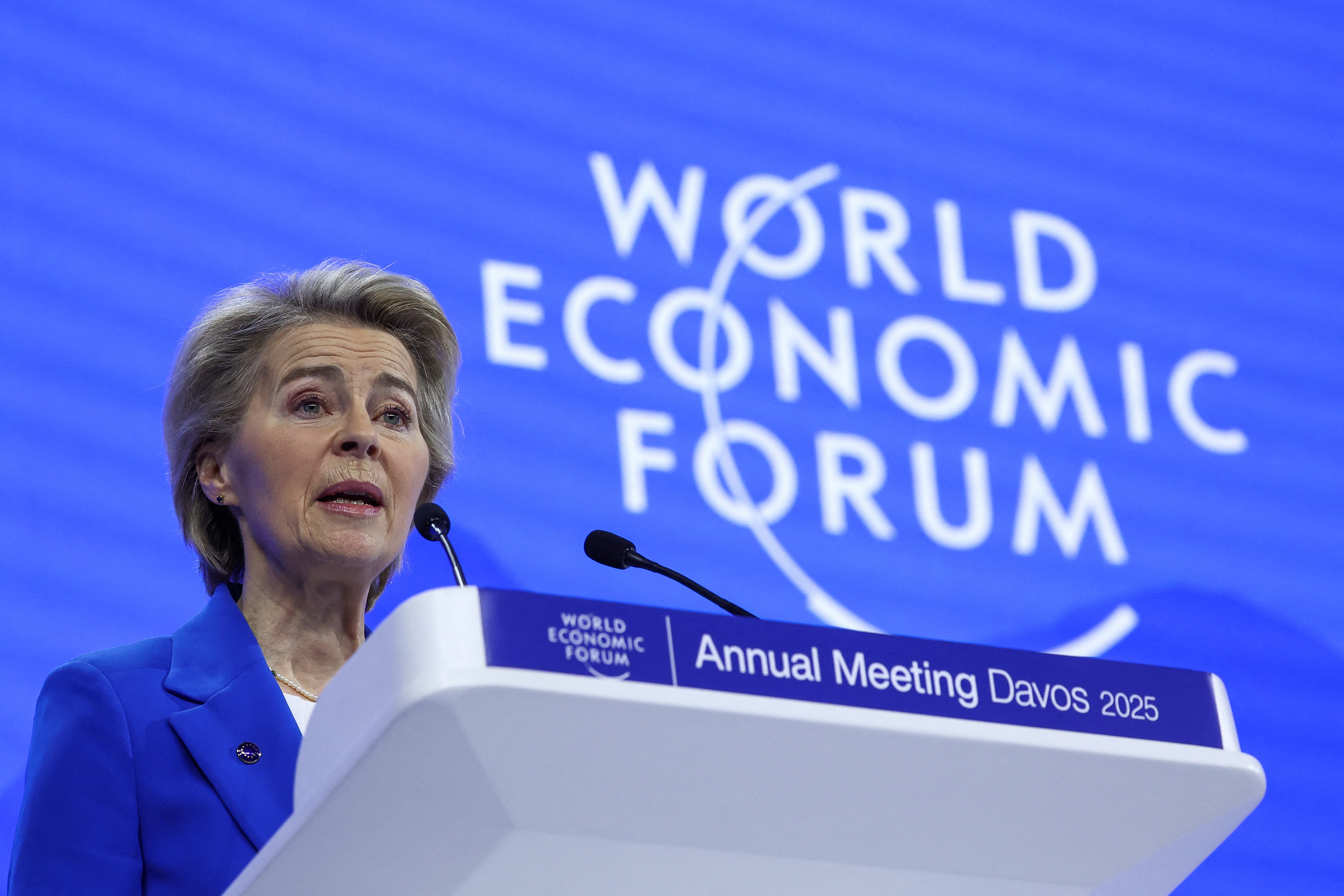
Political tensions intensified today at the World Economic Forum in Davos as disagreements between the United States and several European nations dominated discussions. Controversial stat...
Explore event →
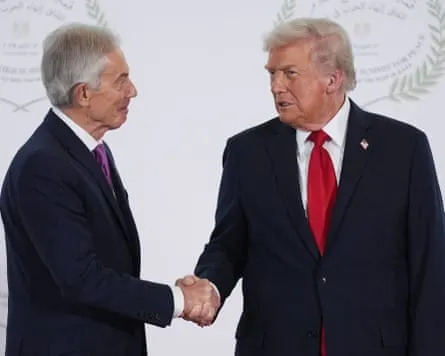
Board of Peace for Gaza Date: Ongoing as of January 2026 Description: The Board of Peace is a U.S.-led international body announced by President Donald Trump to oversee governance,...
Explore event →
In December 2025, more than 1,000 evangelical Christian pastors and influencers from the United States made a coordinated visit to Israel, described by organizers as the largest delegatio...
Explore event →
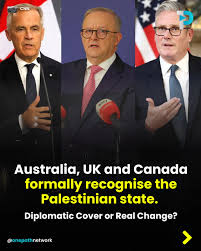
Recognition of Palestine as a Sovereign State The State of Palestine was proclaimed by the Palestine Liberation Organization on 15 November 1988. The State of Palestine is reco...
Explore event →
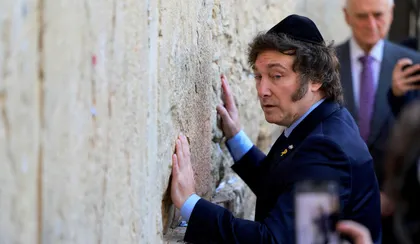
On June 9, 2025, President Javier Milei of Argentina visited the Western Wall in Jerusalem, Israel, during an official state visit. Upon arriving, he went directly to the Western Wall Pla...
Explore event →
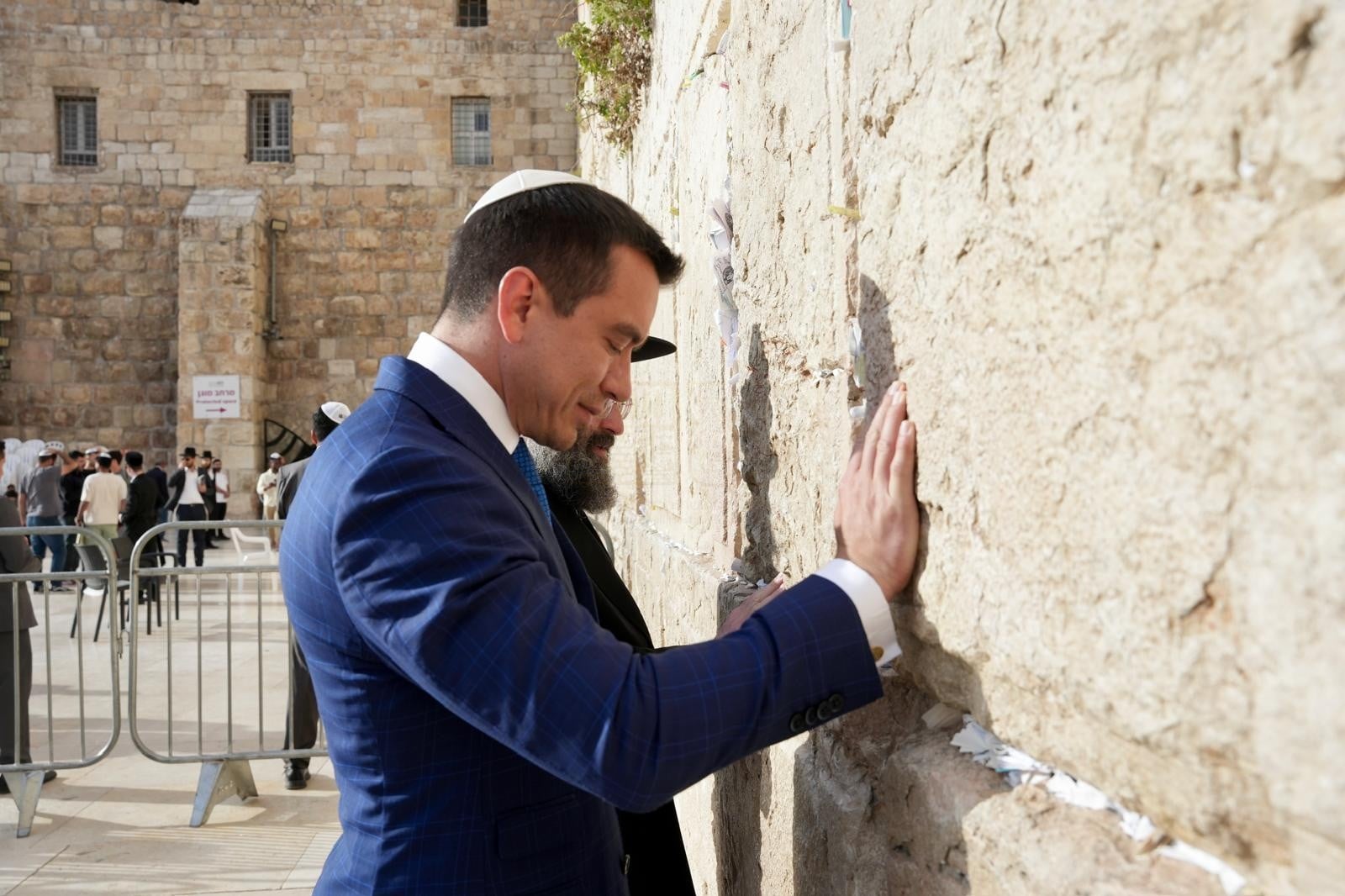
On May 5, 2025, President Daniel Noboa of Ecuador visited the Western Wall in Jerusalem during an official state visit. He prayed at the wall and placed a personal note between the stones...
Explore event →
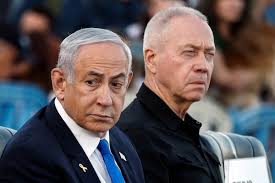
Netanyahu declared an ICC war crimes suspect On November 21, 2024, the International Criminal Court (ICC) in The Hague issued an arrest warrant for Israeli Prime Minister Benjamin Netany...
Explore event →
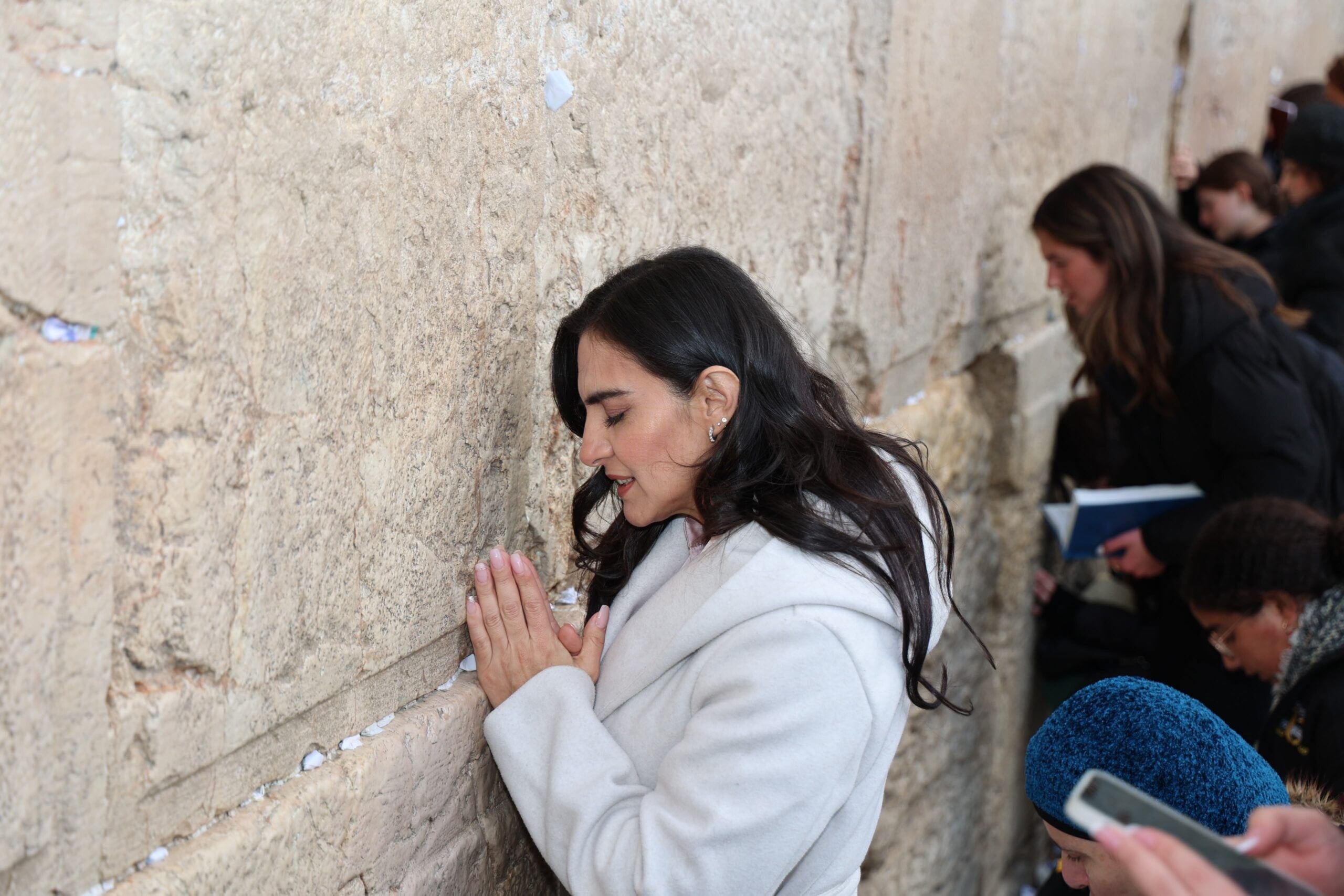
On February 7, 2024, Verónica Abad, Vice President of Ecuador, visited the Western Wall in Jerusalem. She prayed at the site and signed the visitors’ book, leaving a message during her vi...
Explore event →
On January 29, 2024, five-year-old Hind Rajab was trapped inside a civilian vehicle in the Tel al-Hawa neighborhood of Gaza City after Israeli tank fire struck the car, killing six member...
Explore event →
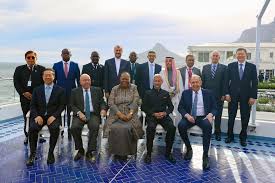
BRICS Bloc Expands as New Members Join Amid Push to Reshape Global Order The BRICS group of emerging economies formally expanded on January 1, admitting new member states as pa...
Explore event →
In January 2023, Ukrainian authorities announced a series of corruption investigations and dismissals involving senior government and military officials during the presidency of Volodymyr...
Explore event →
The Nord Stream pipelines are two major natural gas pipelines, Nord Stream 1 and Nord Stream 2, running under the Baltic Sea from Russia to Germany. The pipelines were designed to transpo...
Explore event →
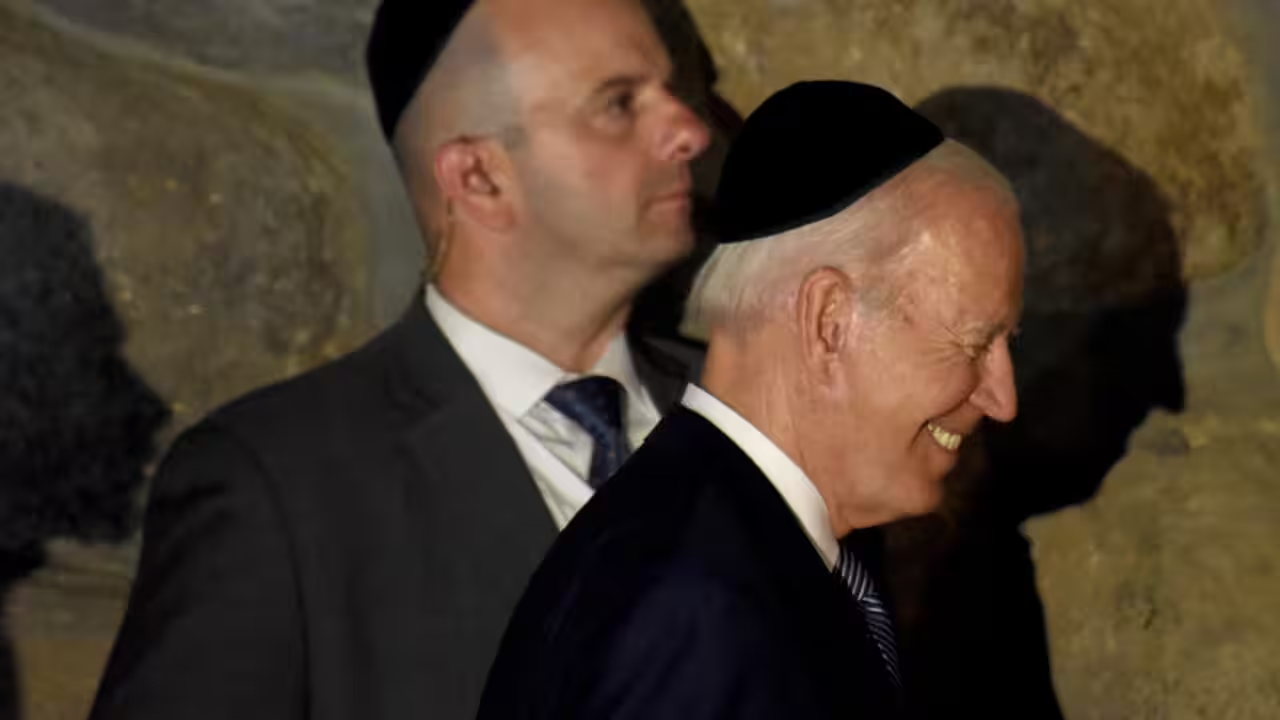
On July 14, 2022, President-elect Joe Biden visited the Western Wall in Jerusalem, Israel, before officially taking office. He participated in a brief public visit and gesture of prayer, ...
Explore event →
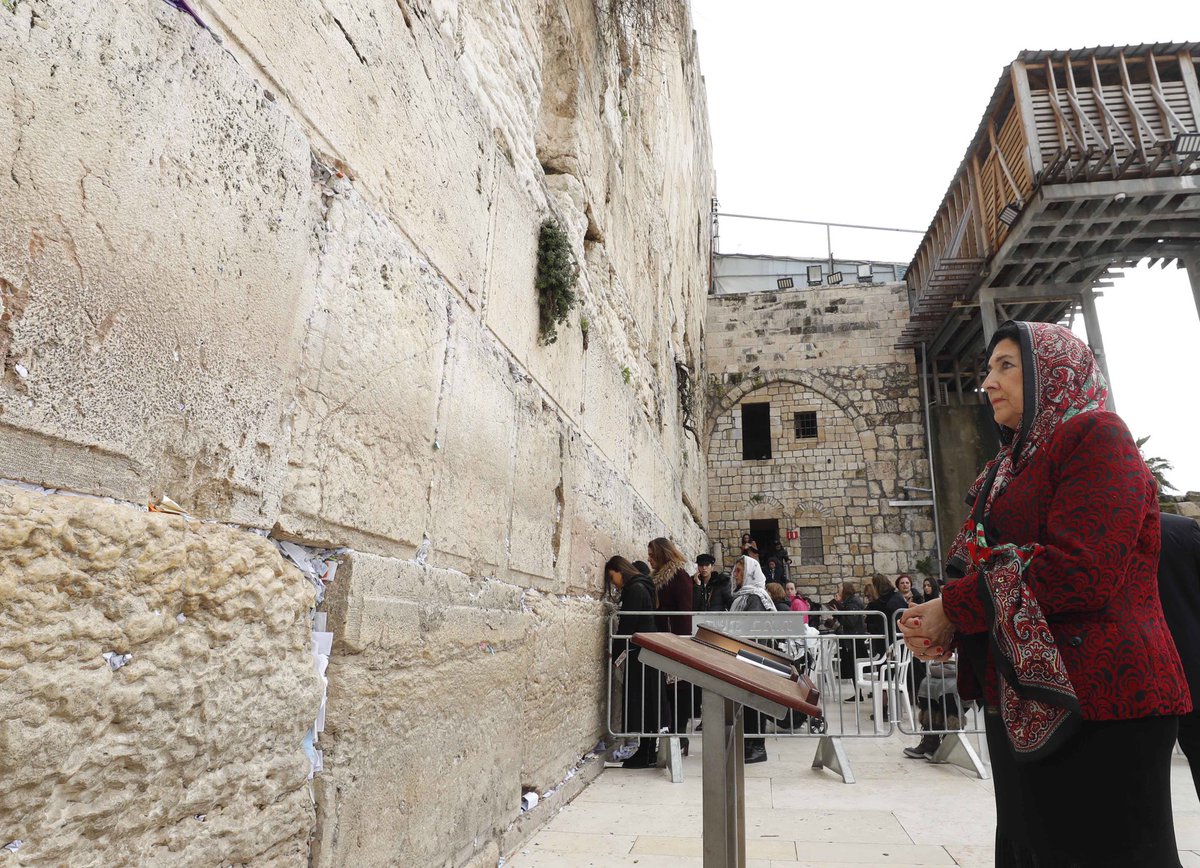
On June 17, 2020, President Salome Zourabichvili of Georgia visited the Western Wall in Jerusalem. Her visit was part of the World Holocaust Forum events commemorating the 75th anniversar...
Explore event →
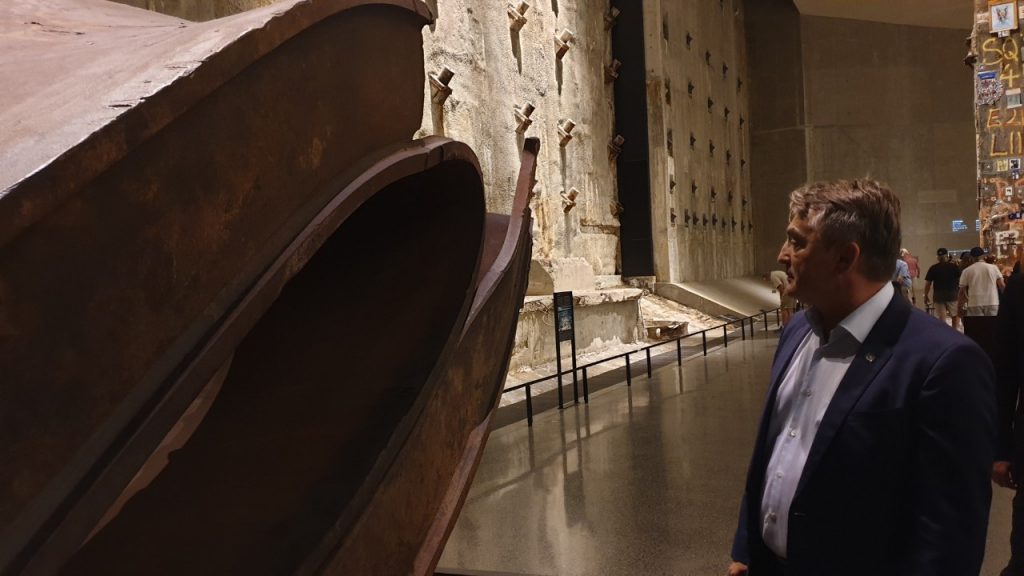
On June 17, 2020, President Željko Komšić of Bosnia and Herzegovina visited the Western Wall in Jerusalem. The visit took place during the World Holocaust Forum commemorating the 75th ann...
Explore event →
On June 17, 2020, President Guðni Th. Jóhannesson of Iceland visited the Western Wall in Jerusalem. The visit took place during an international gathering of heads of state attending the ...
Explore event →
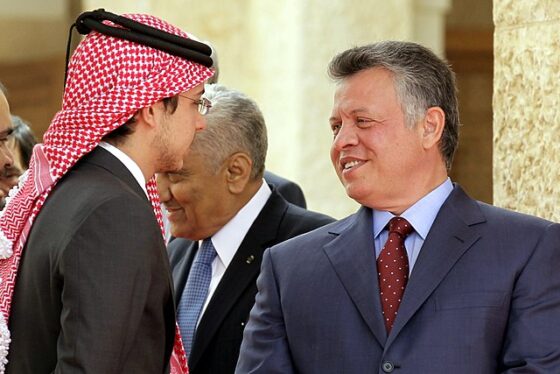
King Abdullah II of Jordan visited the Western Wall in Jerusalem during an official diplomatic visit. He followed local protocols, including wearing a skullcap and touching the stones in ...
Explore event →
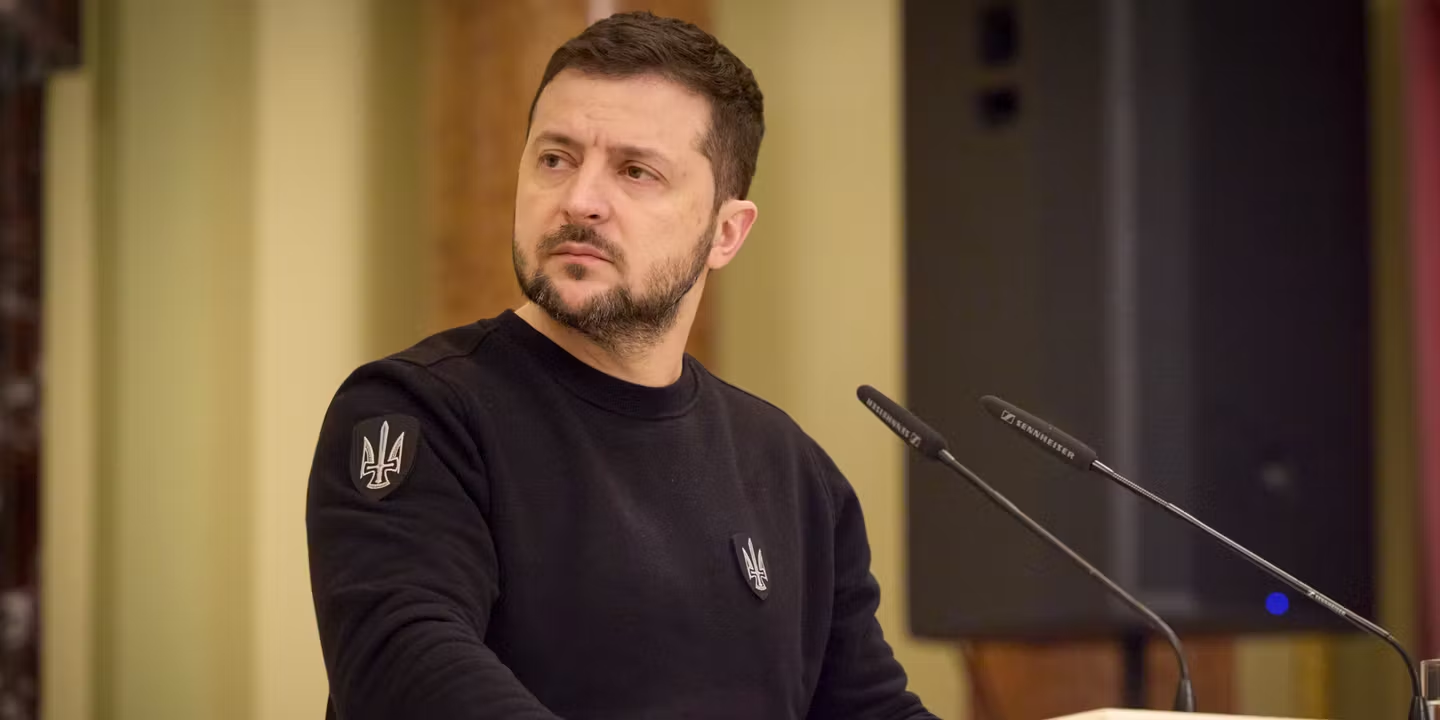
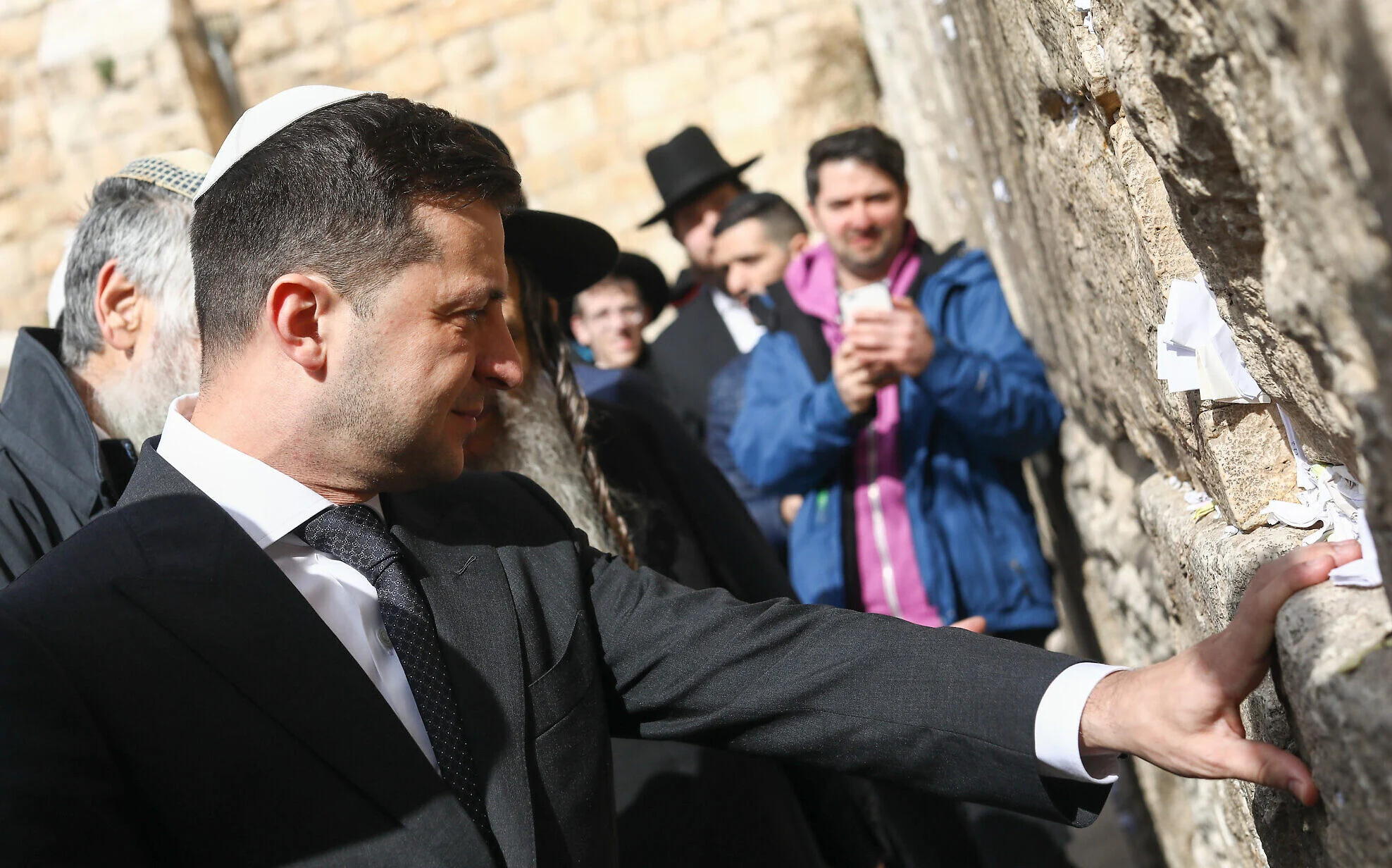
On January 23, 2020, President Volodymyr Zelenskyy of Ukraine visited the Western Wall in Jerusalem, Israel, and joined a prayer for peace. The visit occurred during an official trip to t...
Explore event →
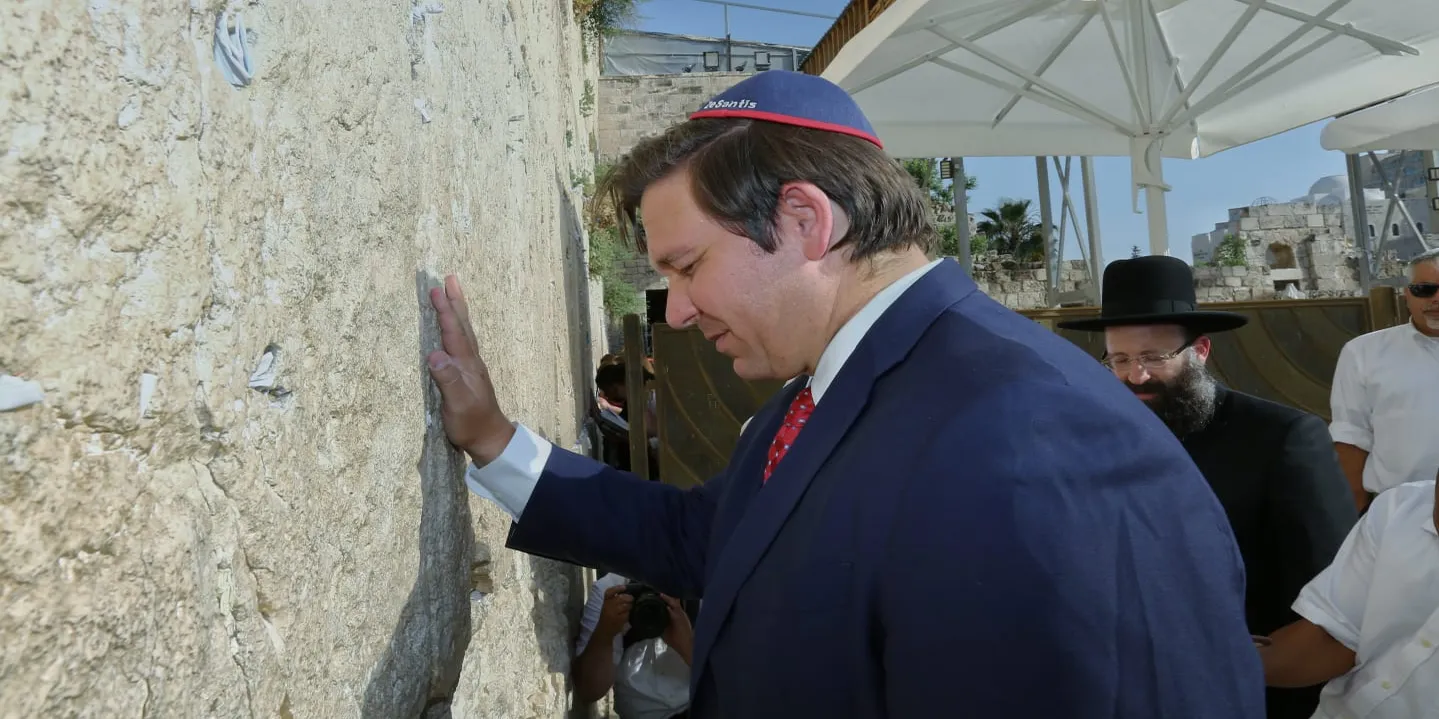
On May 30, 2019, Florida Governor Ron DeSantis visited the Western Wall in Jerusalem, Israel, during a business development and diplomatic mission with a Florida delegation. During his vi...
Explore event →
On April 1, 2019, President Jair Bolsonaro of Brazil visited the Western Wall in Jerusalem alongside Israeli Prime Minister Benjamin Netanyahu. During the visit, Bolsonaro and Netanyahu a...
Explore event →
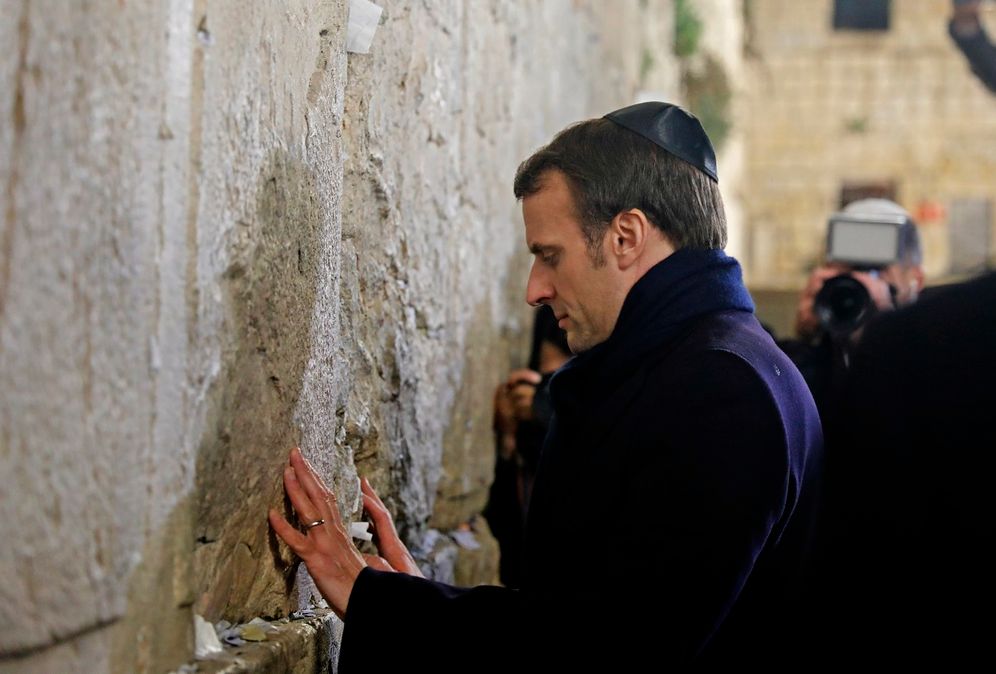
On May 24, 2018, French President Emmanuel Macron visited the Western Wall in Jerusalem during an official state visit to Israel. Macron placed his hands on the stones in a gesture of res...
Explore event →
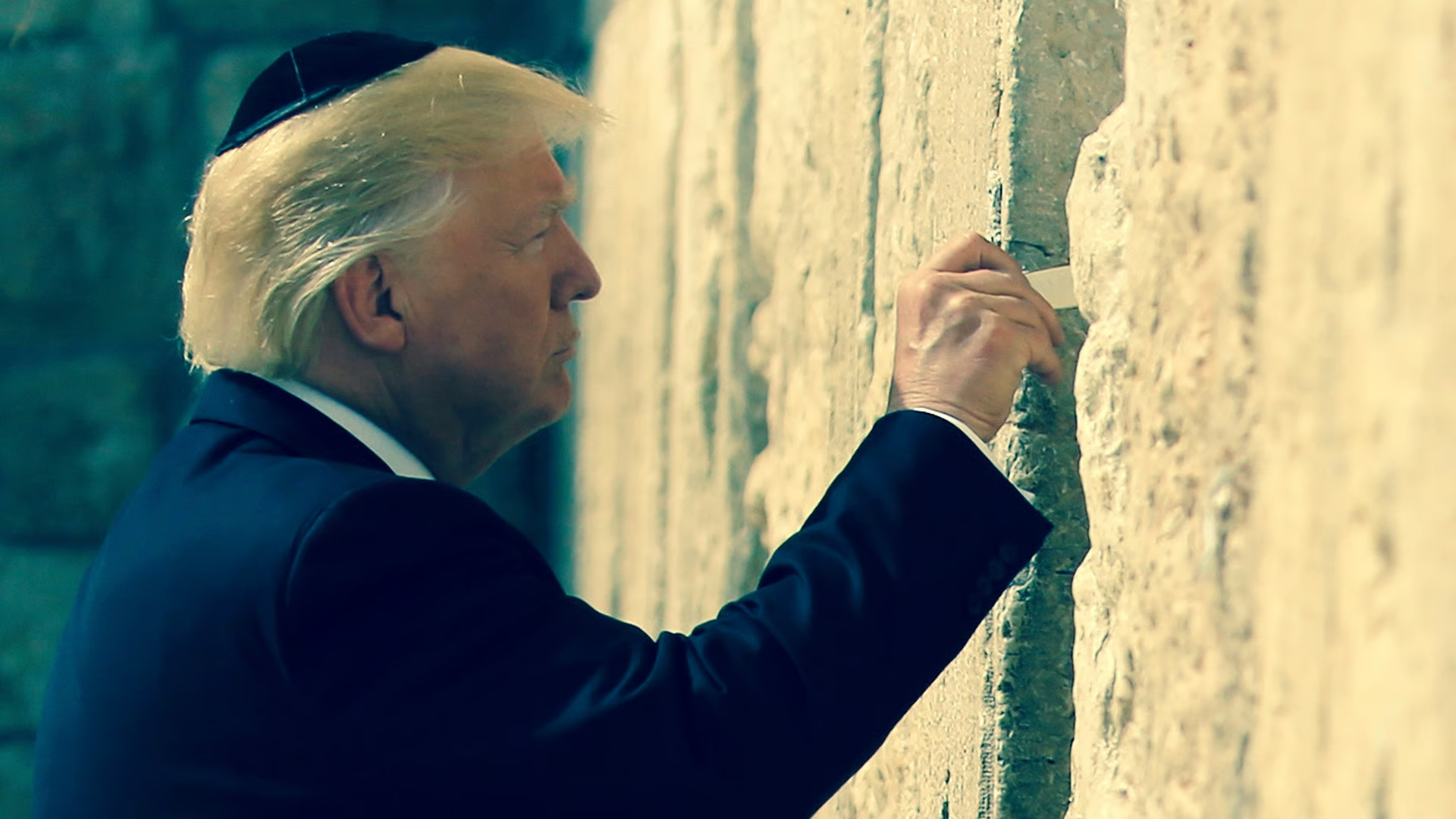
On May 22, 2017, President Donald Trump visited the Western Wall in Jerusalem, Israel, during his first foreign trip as president. He placed a written note into the cracks of the wall, fo...
Explore event →
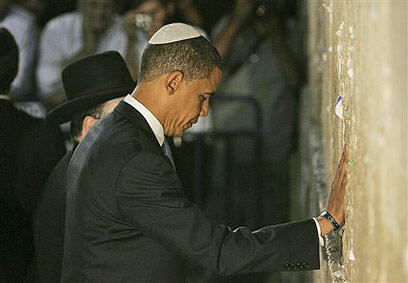
On March 21, 2013, President Barack Obama visited the Western Wall in Jerusalem, Israel, during an official trip. He placed his hands on the stones in a gesture of respect and reflection....
Explore event →
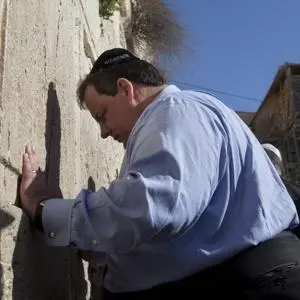
New Jersey Governor Chris Christie visited Israel’s Western Wall in February 2011 during his first official overseas trip as governor. He was given a personal tour of the site by the rabb...
Explore event →
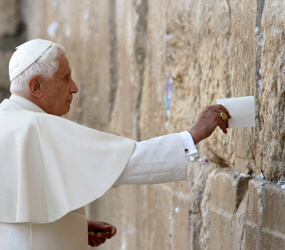
On May 11, 2009, Pope Benedict XVI visited the Western Wall in Jerusalem during a papal trip to the Holy Land. He touched the stones of the wall and offered prayers, following traditional...
Explore event →
1 April 2009 — Albania becomes a full member of NATO. Membership marks a major milestone in the country's post-communist integration with Western political and security institutions.
Explore published research →
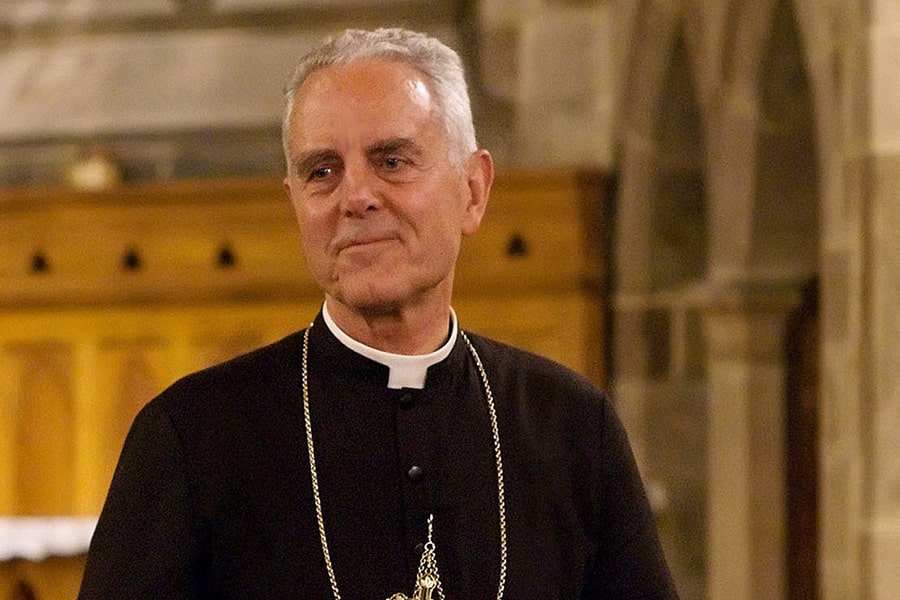
Richard Williamson was a British traditionalist Catholic bishop who became widely known for his involvement in controversies related to the Catholic Church and his public statements about...
Explore event →
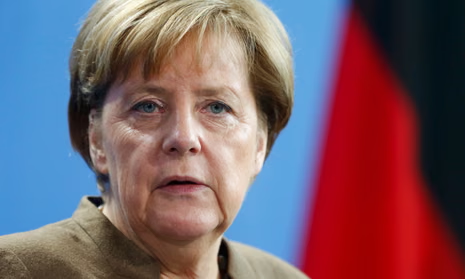
On March 31, 2008, German Chancellor Angela Merkel visited Jerusalem, Israel, during an official diplomatic trip. She went to the Western Wall, a significant religious and cultural site i...
Explore event →
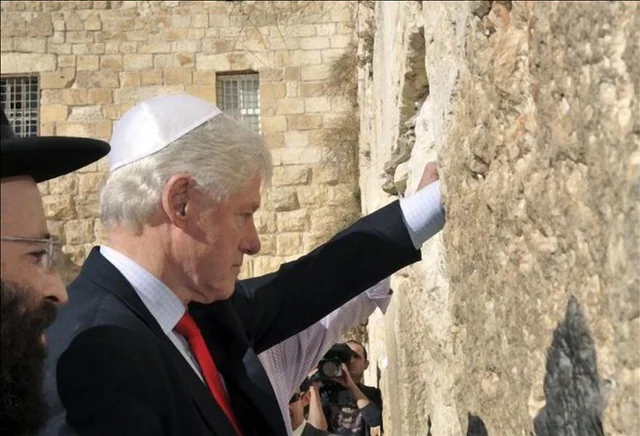
On July 23, 1994, President Bill Clinton visited Jerusalem, Israel, during an official presidential trip. As part of his visit, he went to the Western Wall, also known as the Wailing Wall...
Explore event →
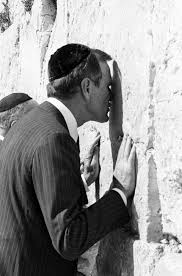
On July 27, 1986, Vice President George H. W. Bush visited Jerusalem, Israel, during an official trip to the Middle East. During the visit, Bush went to the Western Wall, also known as th...
Explore event →
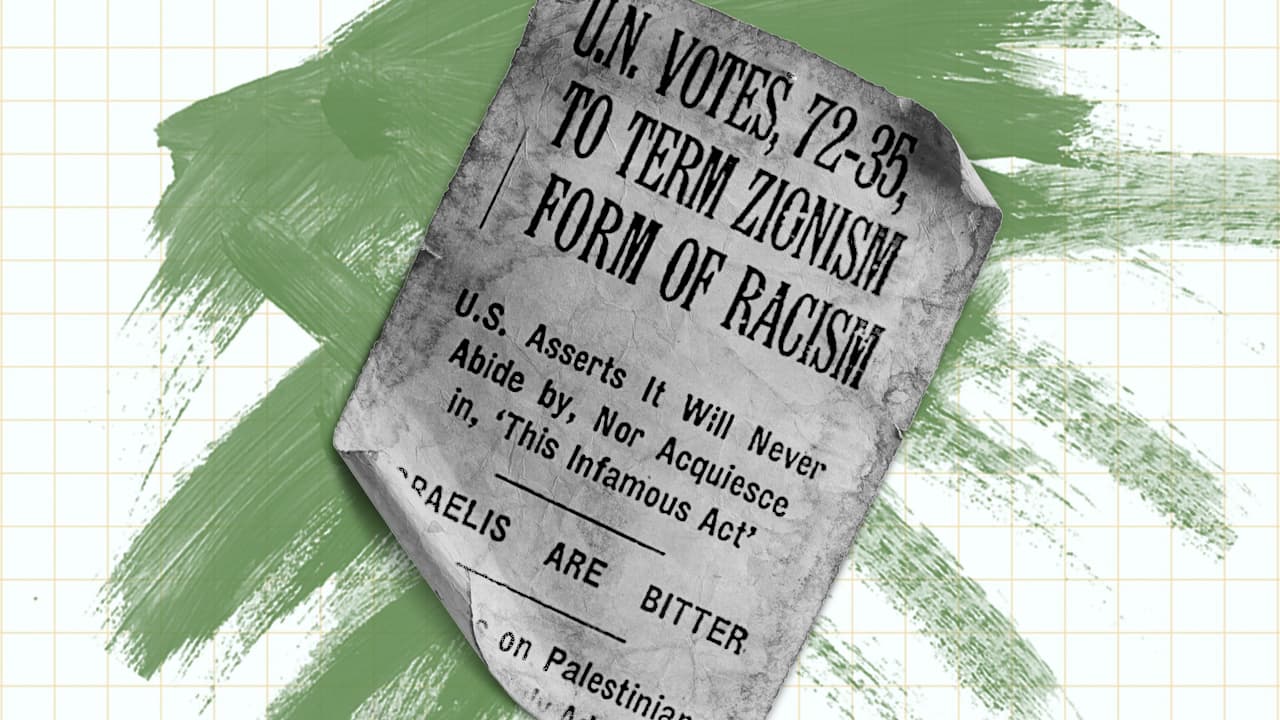
UN Resolution 3379 On Zionism And Racism On November 10, 1975, the United Nations General Assembly adopted **Resolution 3379**, titled "Elimination of All Forms of Racial Discr...
Explore event →
Susan Sontag. Critique of Western civilization and whiteness Susan Sontag Quote “The White race is the cancer of human history; it is the White race ...
Explore event →
26 July–7 November 1956 — Nasser nationalizes the Suez Canal Company after Western governments withdraw support for the Aswan High Dam. Britain, France and Israel secretly coordinate a mi...
Explore published research →
What it was The Lavon Affair, also known as Operation Susannah, was a failed Israeli covert operation in Egypt in 1954, carried out by Israeli military intelligence. ...
Explore event →
July–November 1918 — Allied forces increasingly coordinate artillery, infantry, tanks, aircraft, communications and logistics. Strategic coordination also improves under Ferdinand Foch. T...
Explore published research →
Late 1917–March 1918 — The collapse of Russian resistance allows Germany to move divisions from the Eastern Front toward France and Belgium. German commanders understand that the advantag...
Explore published research →
6 September 1914 — French and British forces begin the counteroffensive known as the First Battle of the Marne. The German advance toward Paris is halted and German armies withdraw toward...
Explore published research →
September–November 1914 — After the Marne, both sides repeatedly attempt to turn the other's flank. The maneuvering eventually reaches the North Sea and creates a largely continuous forti...
Explore published research →
August–September 1914 — Germany concentrates major forces against France and advances through Belgium. The operational scheme derives from years of German planning associated with Alfred ...
Explore published research →
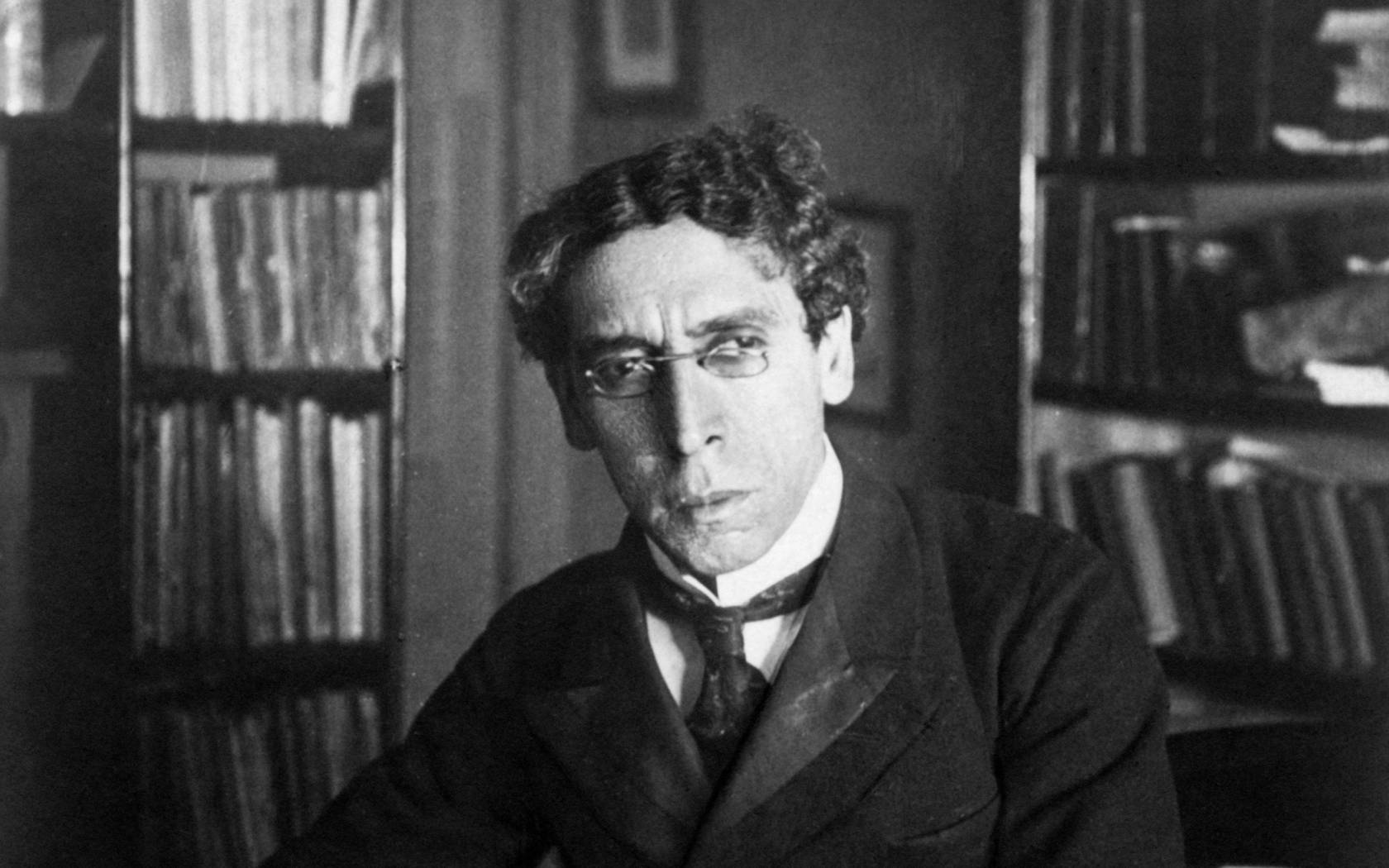
In 1908, British-born Jewish writer and playwright **Israel Zangwill** published his play **“The Melting Pot”**, which popularized the phrase as a metaphor for American society. The term ...
Explore event →
1904–1914 — Britain has no automatic obligation to enter every Franco-German conflict, but strategic cooperation with France has grown while German naval expansion generates anxiety. A Ge...
Explore published research →
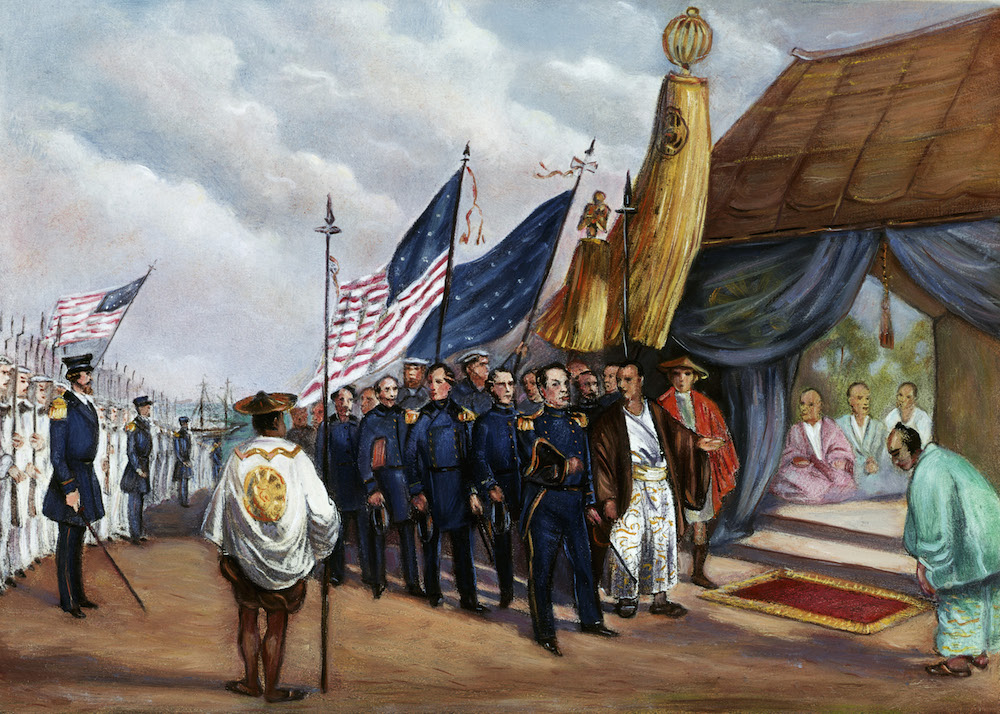
The Meiji Restoration transformed Japan by centralizing power under the emperor, modernizing the economy and military, and adopting Western political and industrial practices.
Explore event →
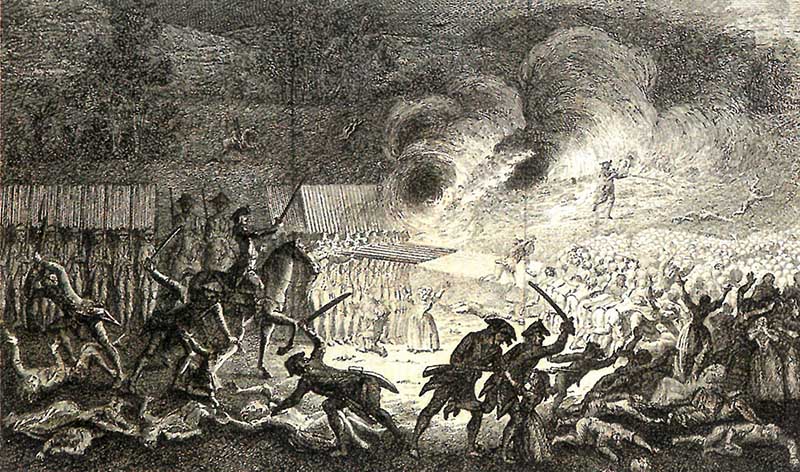
The Vendée Massacres occurred during the War in the Vendée, a counter-revolutionary uprising in western France from 1793 to 1796. The conflict was marked by violent clashes between Royali...
Explore event →
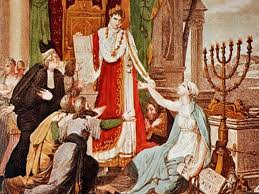
Emancipation of Jews in Russia under Catherine II In 1791, Empress Catherine II of Russia issued policies regulating the settlement and legal status of Jewish populations within the Russ...
Explore event →
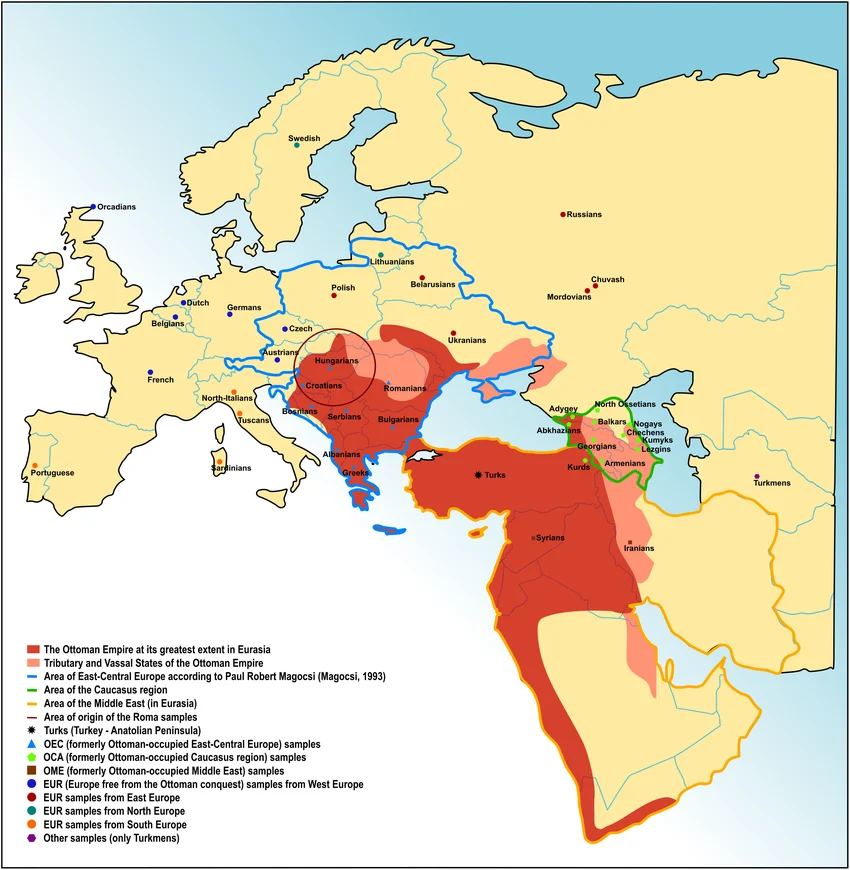
The Ottoman Empire expanded from a small Anatolian principality into one of the largest empires in history. Between the fourteenth and early twentieth centuries, Ottoman forces conquered ...
Explore event →
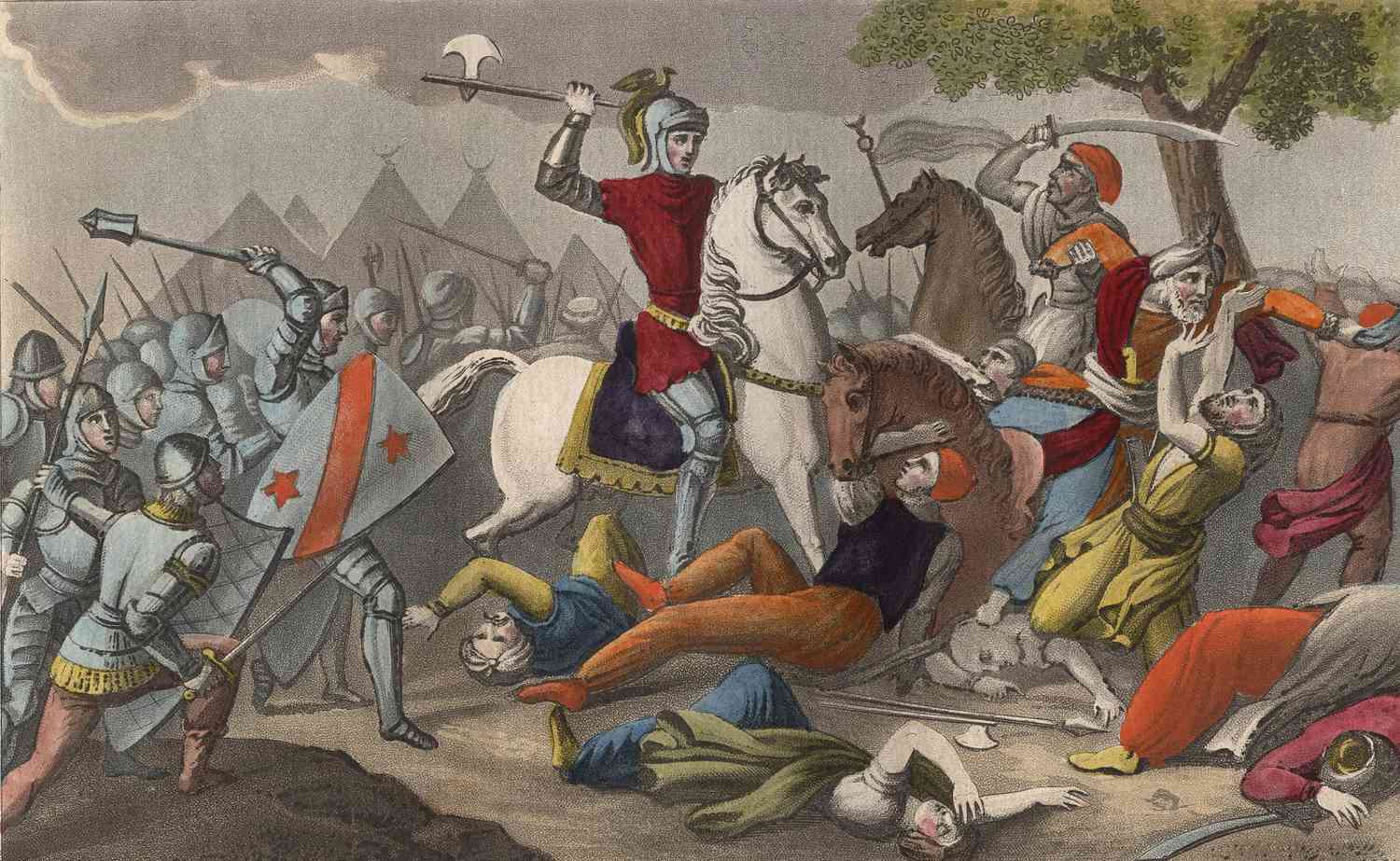
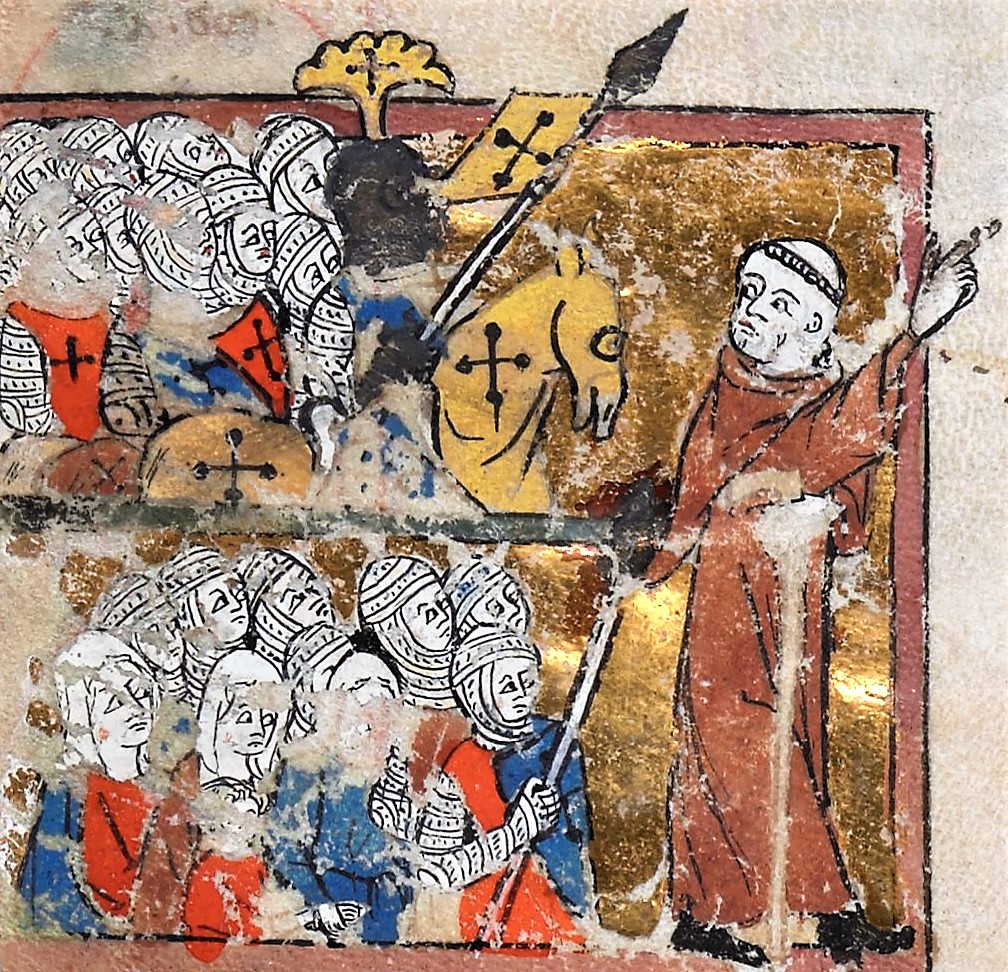
Origins And Objectives Of The Crusades The Crusades were a series of military campaigns initiated between 1095 and 1291, primarily aimed at capturing or defending territories i...
Explore event →
1079–1080 CE — Byzantine historian Michael Attaleiates uses terms generally interpreted as references to Albanians in the western Balkans. These medieval references are much closer lingui...
Explore published research →
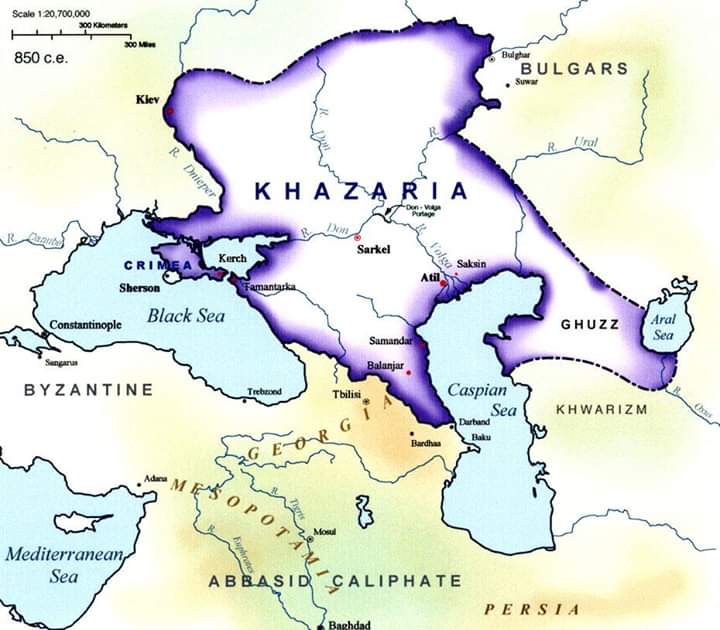
The Khazarian Empire: History, Territory, and Conversion to Judaism The Khazar Empire was a Turkic polity that emerged in the mid-seventh century and became a major regional po...
Explore event →
c. 550–650 CE — Slavic-speaking groups settle widely across the Balkans during a period of weakened Byzantine frontier control. Settlement patterns, languages and political structures cha...
Explore published research →
The Frankish conquest of Aquitaine began as the Franks expanded their territory into the southwestern region of present-day France. Under the leadership of Clovis I and his successors, th...
Explore event →
The last Western Roman emperor, Romulus Augustulus, was deposed. This event traditionally marks the end of ancient Rome and the beginning of the Middle Ages. Christian institutions beca...
Explore event →
395 CE — After the death of Theodosius I, administration of the Roman Empire is divided between eastern and western courts. The territories of modern Albania remain primarily within the e...
Explore published research →
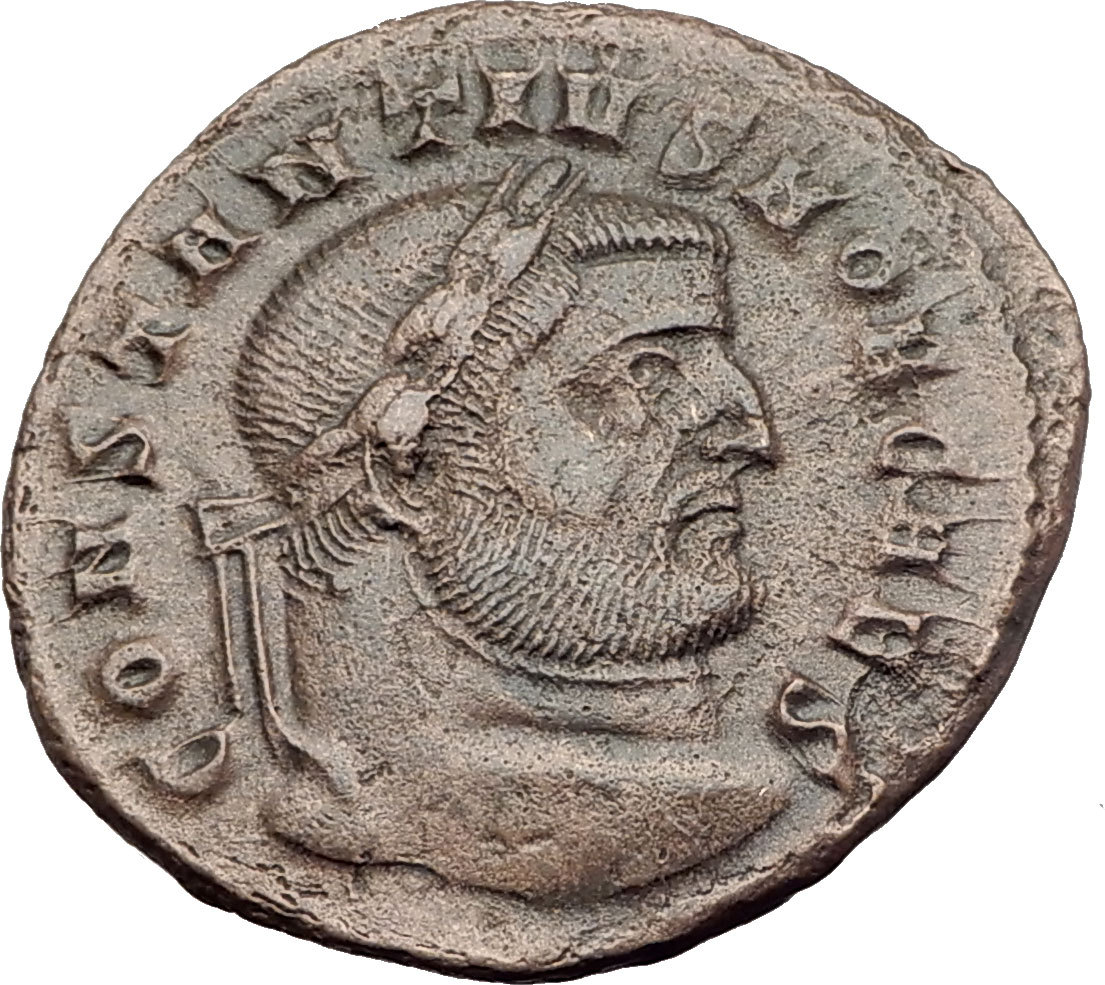
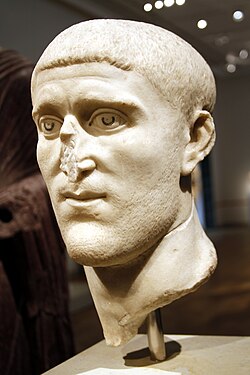
Constantius Chlorus was elevated to the rank of Augustus on May 1st, 305, following the abdication of the previous Tetrarchs, Diocletian and Maximian. This event marked a significant tran...
Explore event →
Constantius Chlorus was appointed Caesar by Emperor Diocletian as part of the Tetrarchy system to stabilize and govern the Roman Empire more effectively. This appointment marked the begin...
Explore event →
In April, the Roman Emperor Diocletian appointed Maximian as Augustus, elevating him to co-emperor status to help manage the vast Roman Empire. This move was part of a broader strategy to...
Explore event →
In April 286, the Roman Emperor Diocletian appointed Maximian as Caesar, marking a significant development in imperial governance. This act was meant to strengthen the administration and ...
Explore event →
Carinus became Roman Emperor following the death of his father, Emperor Carus, in late March. His accession marked a period of internal instability as the empire faced multiple external t...
Explore event →
In late September, Emperor Aurelian engaged and defeated the forces of the breakaway Gallic Empire near Châlons-en-Champagne. This victory effectively ended the secession of Gaul and rees...
Explore event →
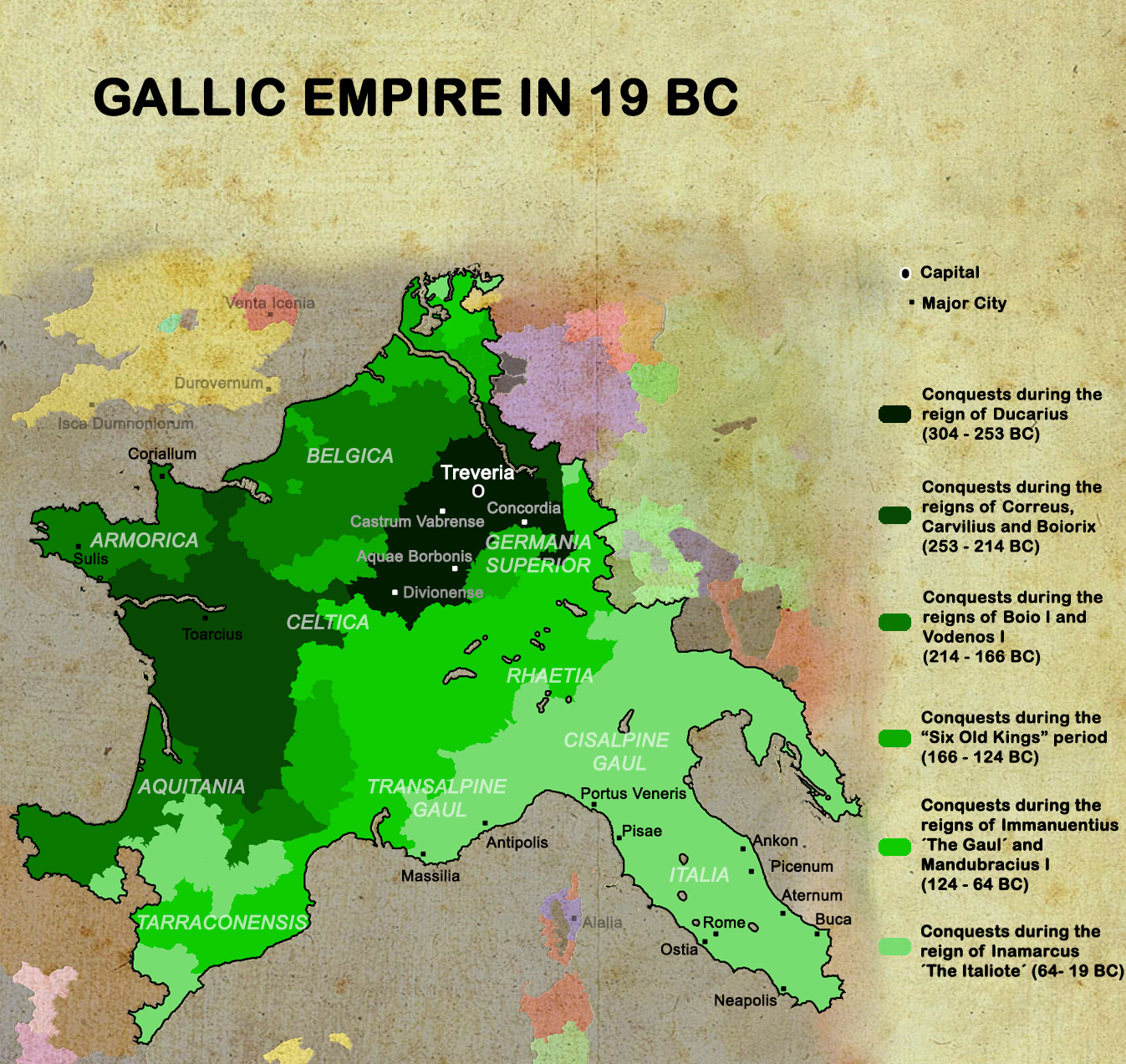
Postumus, a Roman commander, declared himself emperor of a breakaway realm in the western provinces known as the Gallic Empire. This realm comprised Gaul, Germania, Britannia, and Hispani...
Explore event →
Roman Emperor Caracalla launched multiple military campaigns against the Alemanni tribes during his rule. These campaigns aimed to secure the empire’s northern frontiers amidst growing pr...
Explore event →
The Roman Empire undertook administrative changes in the province of Mesopotamia following its establishment as a distinct entity. These reforms aimed to consolidate control over the regi...
Explore event →
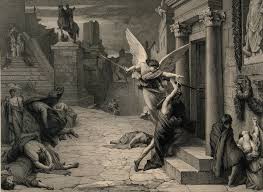
The Antonine Plague began in the Roman Empire during the reign of Emperor Marcus Aurelius. The pandemic emerged following troop movements from campaigns in the East, spreading rapidly acr...
Explore event →
c. 150 CE — The geographer Claudius Ptolemy records a people called Albanoi and a settlement named Albanopolis in the western Balkans. The similarity to later Albanian ethnonyms is striki...
Explore published research →
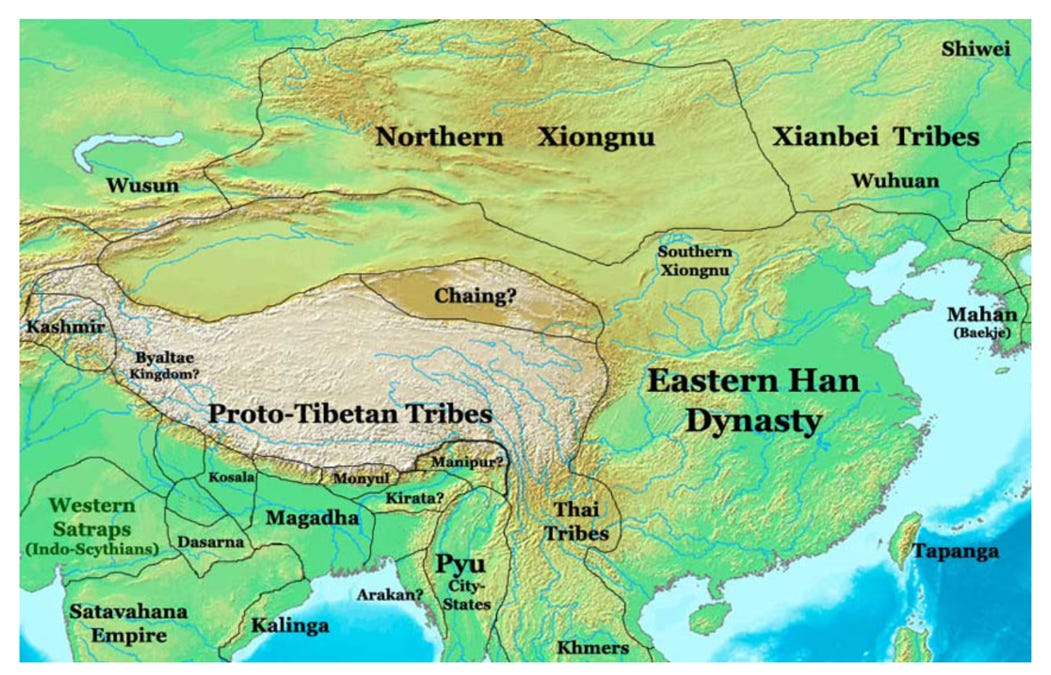
Ban Chao, a general under the Han Dynasty, initiated a series of military campaigns to assert Chinese control over the Western Regions. These expeditions were aimed at securing trade rout...
Explore event →
Ban Chao, a Chinese general and diplomat of the Eastern Han dynasty, is recorded as sending an envoy toward the western regions in an effort to establish contacts with the Roman Empire.Th...
Explore event →
After a prolonged period of civil war and the collapse of the Western Han, Liu Xiu successfully reestablished imperial authority, marking the beginning of the Eastern Han dynasty.He conso...
Explore event →
2 September 31 BCE — The fleet of Octavian defeats the forces of Mark Antony and Cleopatra near Actium in western Greece. Antony and Cleopatra retreat to Egypt. Their final defeat destroy...
Explore published research →
c. 146–120 BCE — Roman engineers develop the Via Egnatia from the Adriatic coast through Macedonia toward Byzantium. Dyrrachium becomes one of the principal western gateways of the route....
Explore published research →
168 BCE — Roman forces defeat King Gentius near Scodra after a short campaign. His capture effectively ends the last major independent Illyrian monarchy in the region. Roman influence now...
Explore published research →
334–323 BCE — Alexander destroys the Persian Empire and campaigns as far as northwestern India.
Explore published research →
4th–3rd centuries BCE — Several Illyrian dynasties consolidate larger kingdoms across the western Balkans. Their rulers compete with Macedonia, Epirus and Greek coastal cities while becom...
Explore published research →
c. 1000–500 BCE — Iron Age communities later identified by Greek and Roman writers as Illyrian become visible across much of the western Balkans. Illyrians were not one centralized nation...
Explore published research →
c. 1650–1550 BCE — A dynasty of rulers of largely western Asian origin controls much of northern Egypt from Avaris in the Nile Delta. Egyptian sources later portray them as foreign occupi...
Explore published research →
c. 3000–1100 BCE — Fortified settlements, metallurgy, regional trade and tumulus burial traditions develop across the western Balkans. Social differences become increasingly visible in gr...
Explore published research →