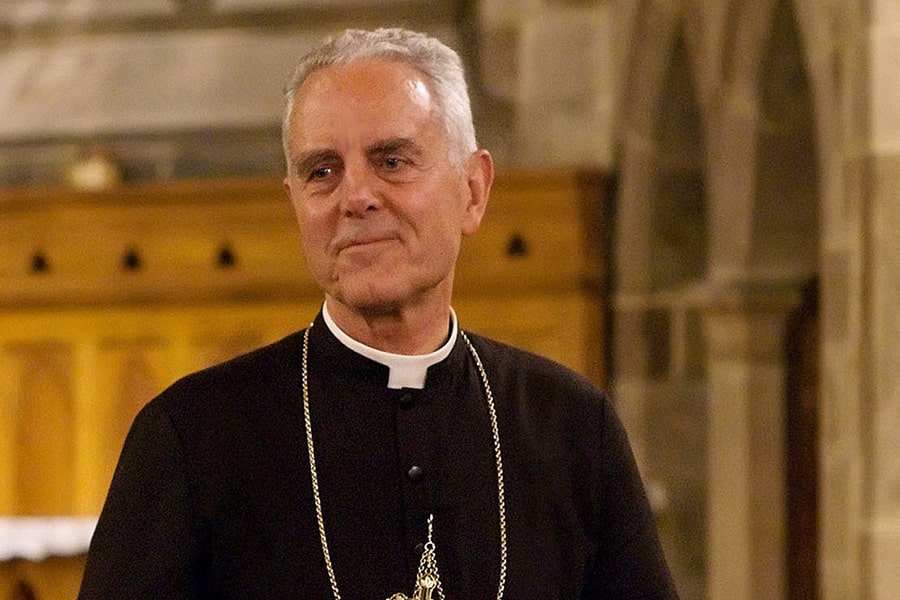
Bishop Richard Williamson controversy
Richard Williamson was a British traditionalist Catholic bishop who became widely known for his involvement in controversies related to the Catholic Church and his pub...
Explore event →History does not happen in isolation. Explore world events across time, follow the connections between them, and investigate the threads that reveal how one event can lead to another.
TheTimeMap currently follows events across 95 countries and 268 years of history — building a connected archive designed for people who want to look beyond the headline.
We oppose antisemitism, racism, and dehumanization — everywhere.
When people stop feeling, injustice becomes easy.
Richard Williamson was a British traditionalist Catholic bishop who became widely known for his involvement in controversies related to the Catholic Church and his pub...
Explore event →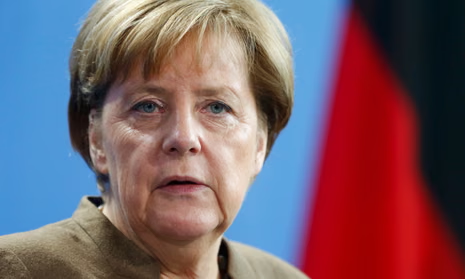
On March 31, 2008, German Chancellor Angela Merkel visited Jerusalem, Israel, during an official diplomatic trip. She went to the Western Wall, a significant religious...
Explore event →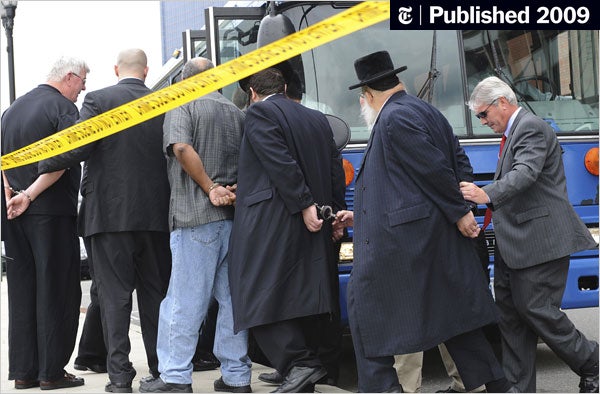
Operation Bid Rig was a federal investigation into public corruption and related criminal activity in New Jersey conducted by the Federal Bureau of Investigation, the ...
Explore event →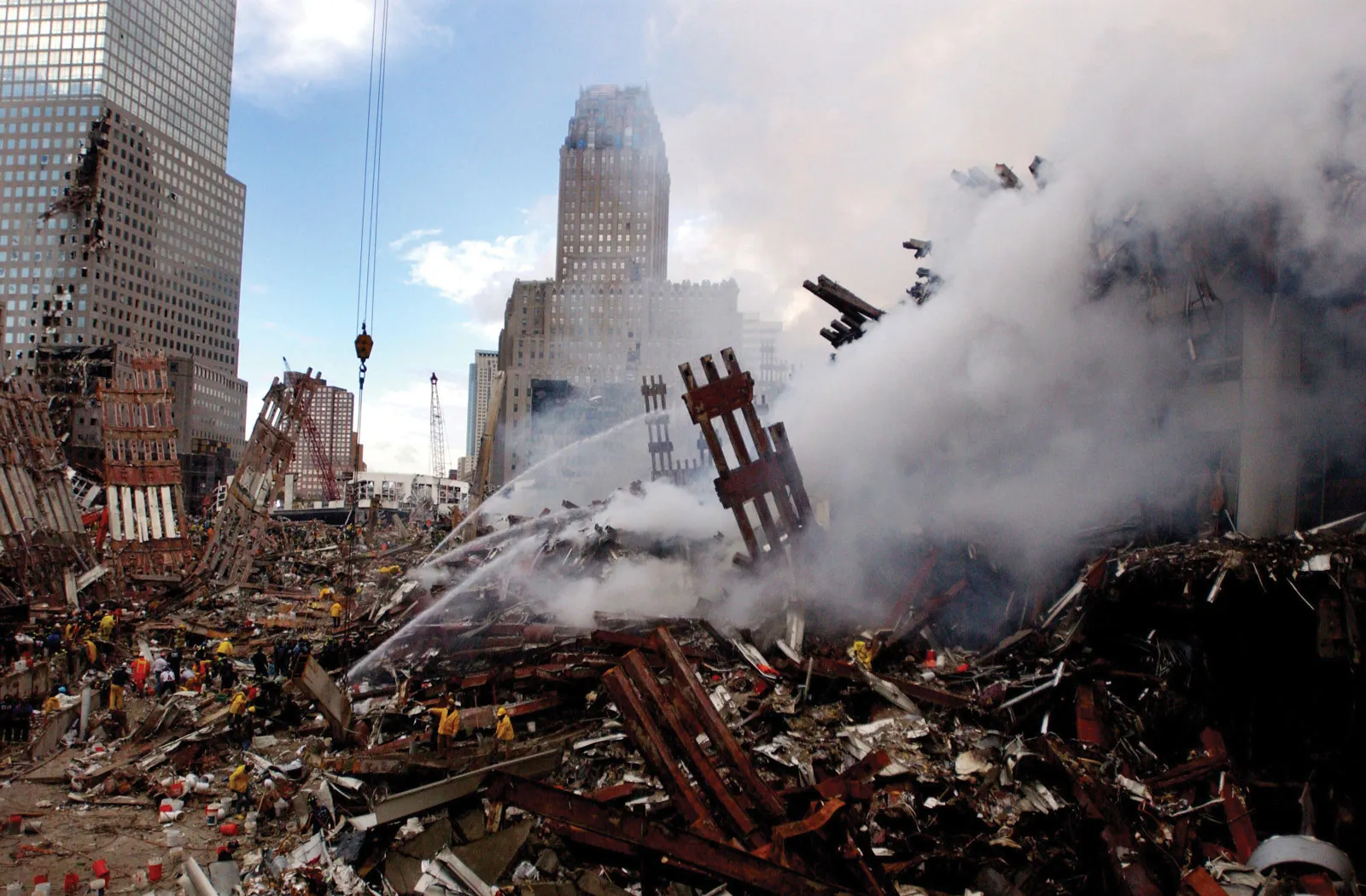
September 11 Attacks 2001 September 11 Attacks 2001 On September 11, 2001, nineteen militants associated with the Islamist extremist group al Qaeda hij...
Explore event →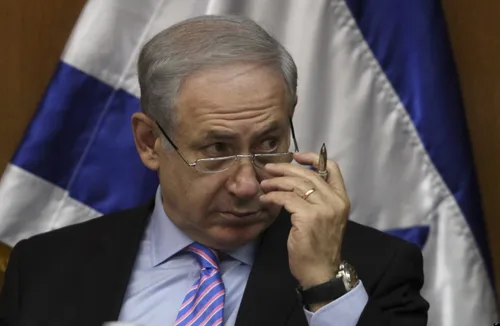
Netanyahu Comments On United States Influence In 2001 Recording In mid-2001, Benjamin Netanyahu was recorded speaking with a group of Israeli settlers in th...
Explore event →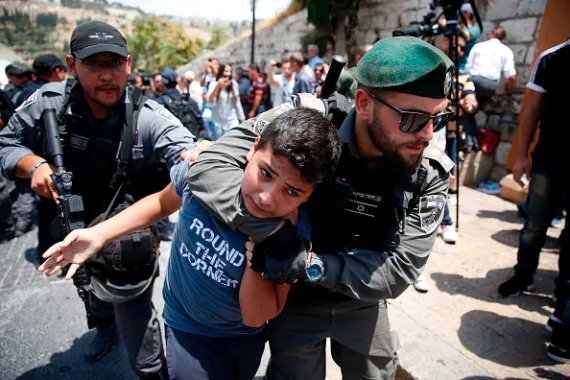
Palestinian children are regularly arrested and detained by Israeli authorities, primarily for security-related offenses, but there is no separate prison exclusively f...
Explore event →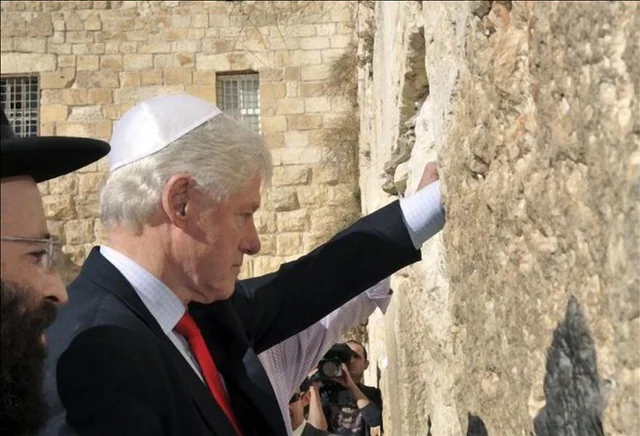
On July 23, 1994, President Bill Clinton visited Jerusalem, Israel, during an official presidential trip. As part of his visit, he went to the Western Wall, also known...
Explore event →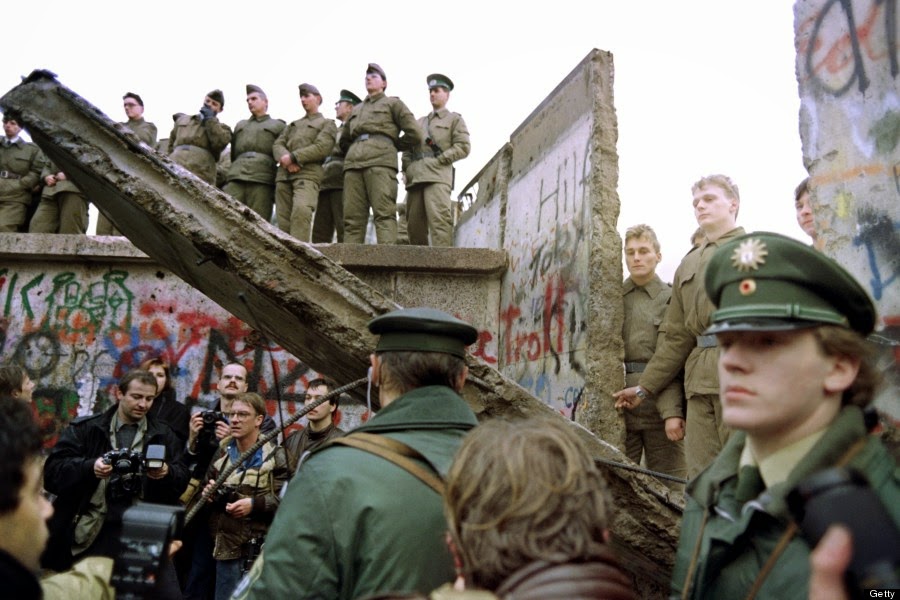
The Fall of the Berlin Wall on November 9, 1989, marked a pivotal moment in world history, symbolizing the collapse of the Cold War division between East and West Germ...
Explore event →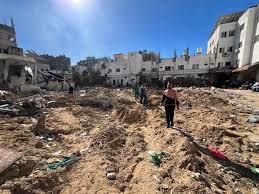
Two Israeli soldiers were arrested after allegedly ordering a bulldozer to bury four Palestinian youths in piles of dirt following a protest in the West Bank, accordin...
Explore event →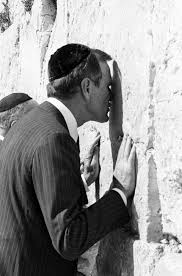
On July 27, 1986, Vice President George H. W. Bush visited Jerusalem, Israel, during an official trip to the Middle East. During the visit, Bush went to the Western Wa...
Explore event →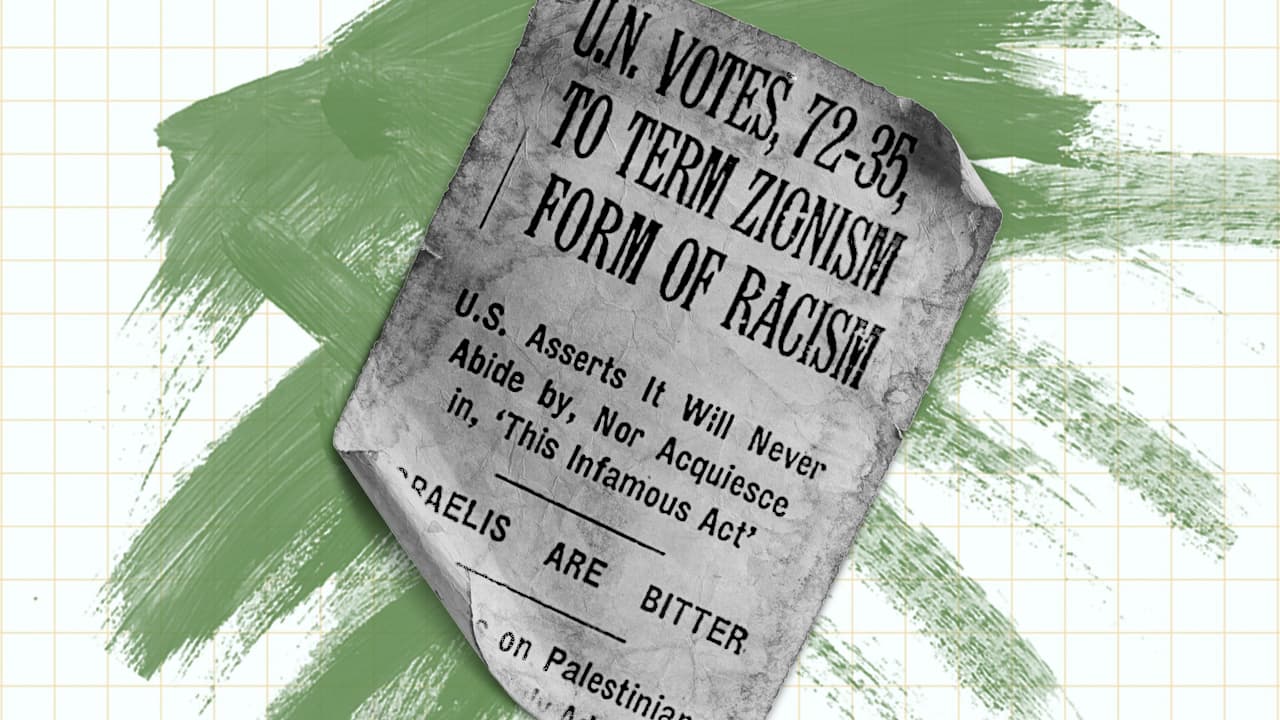
UN Resolution 3379 On Zionism And Racism On November 10, 1975, the United Nations General Assembly adopted **Resolution 3379**, titled "Elimination of All F...
Explore event →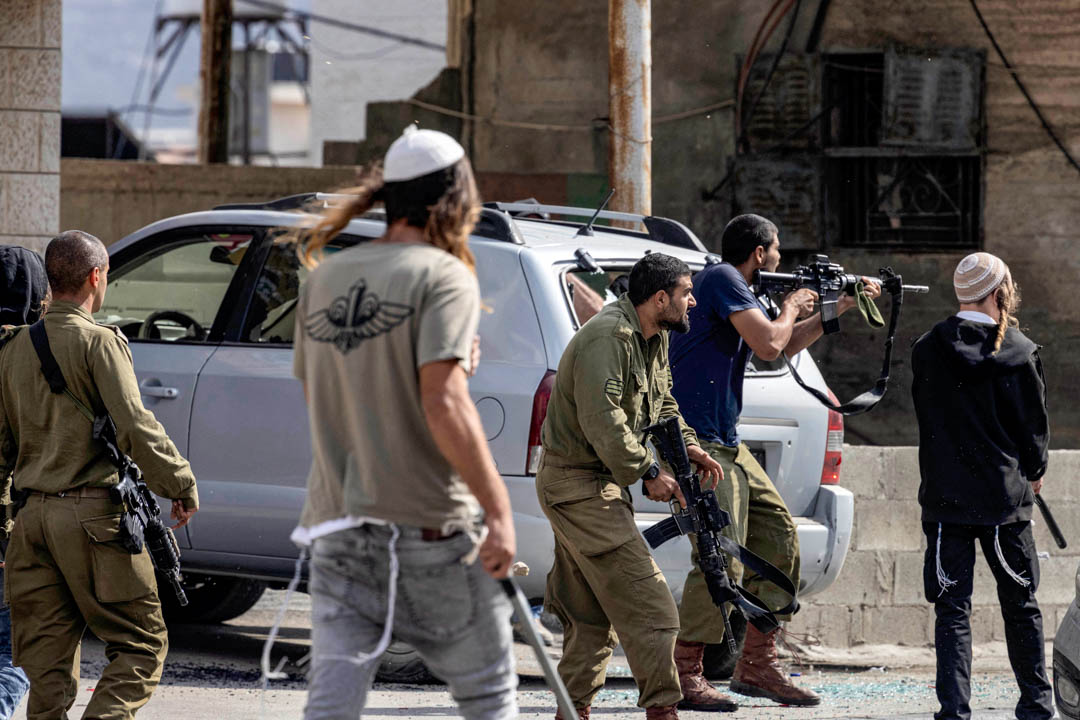
Background and Long‑Term Pattern Violence by Israeli settlers against Palestinian civilians in the occupied West Bank has been tracked since at least 2006, with thous...
Explore event →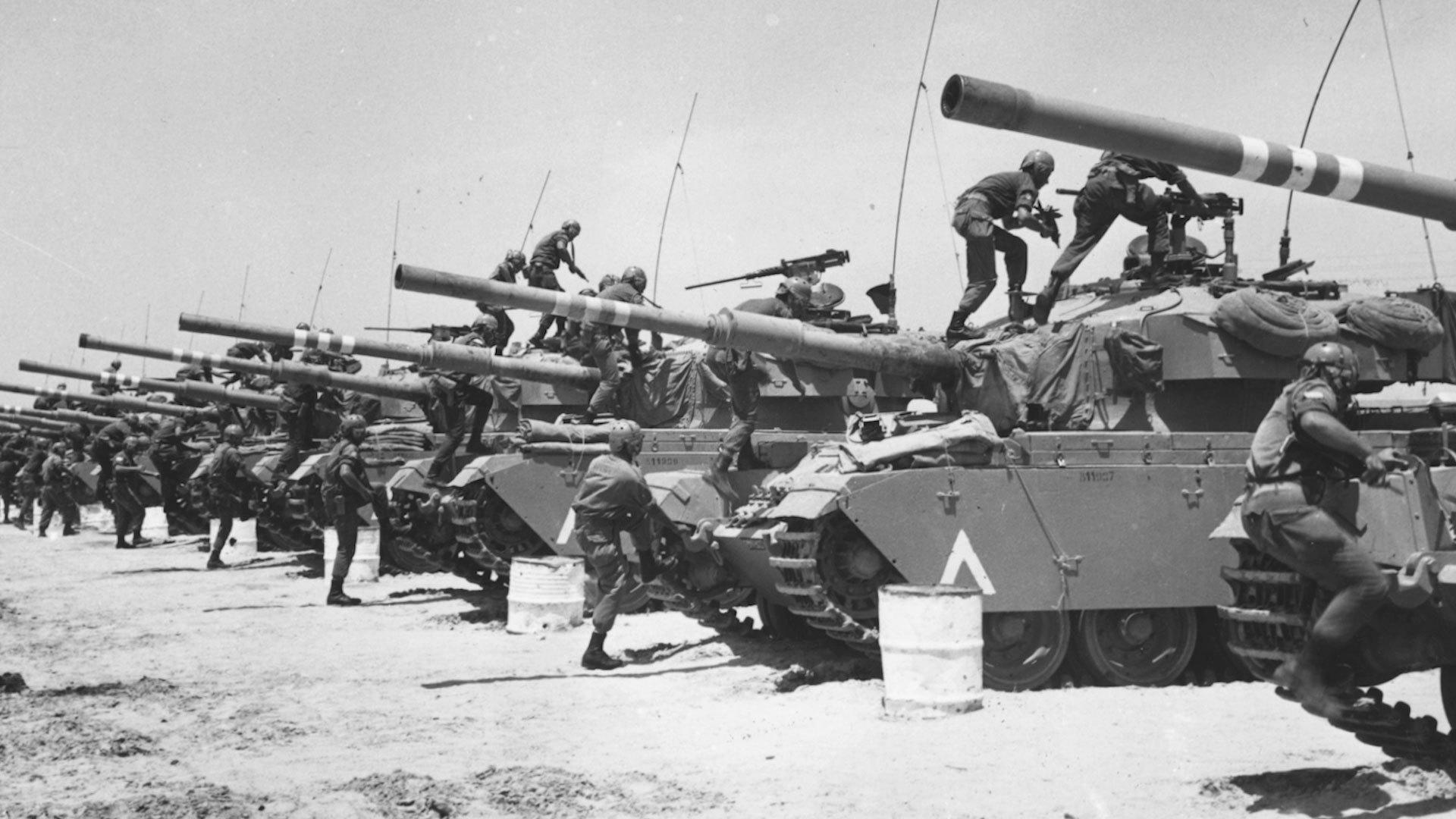
Event Overview On June 5, 1967, the Israel Defense Forces (IDF) launched coordinated air strikes against Egypt, Jordan, and Syria, marking the beginning of the Six-Da...
Explore event →
Susan Sontag. Critique of Western civilization and whiteness Susan Sontag Quote “The White race is the cancer of human history; i...
Explore event →
The birth control pill was developed in the mid-20th century as a result of combined efforts by scientists, doctors, activists, and funders. The idea of an oral contra...
Explore event →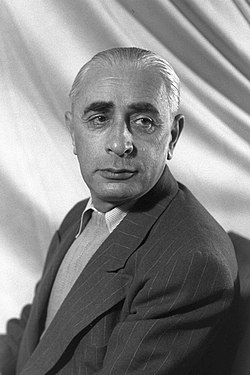
What it was The Lavon Affair, also known as Operation Susannah, was a failed Israeli covert operation in Egypt in 1954, carried out by Israeli military i...
Explore event →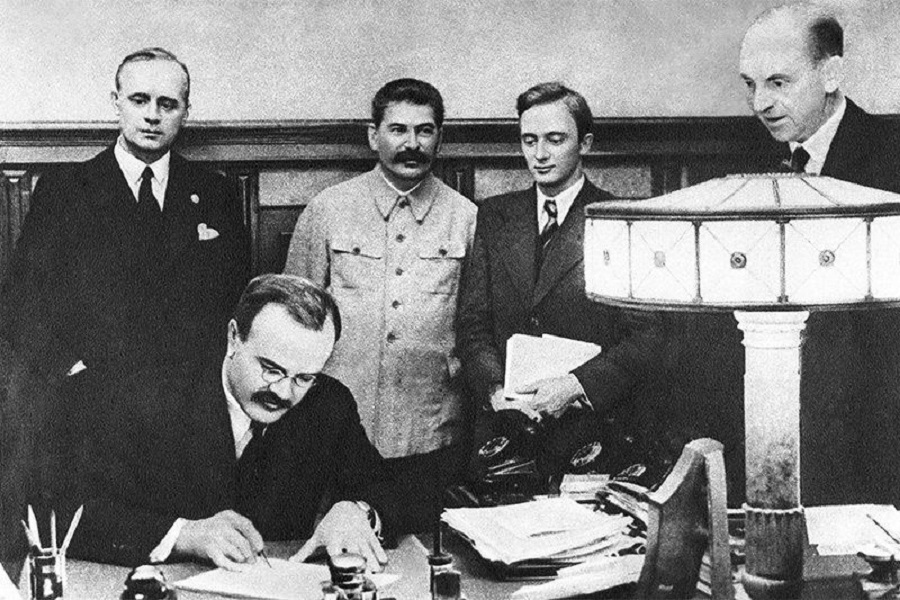
The German–Soviet Non-Aggression Pact And Its Secret Protocols On August 23, 1939, the governments of Germany and the Soviet Union signed a non-aggression t...
Explore event →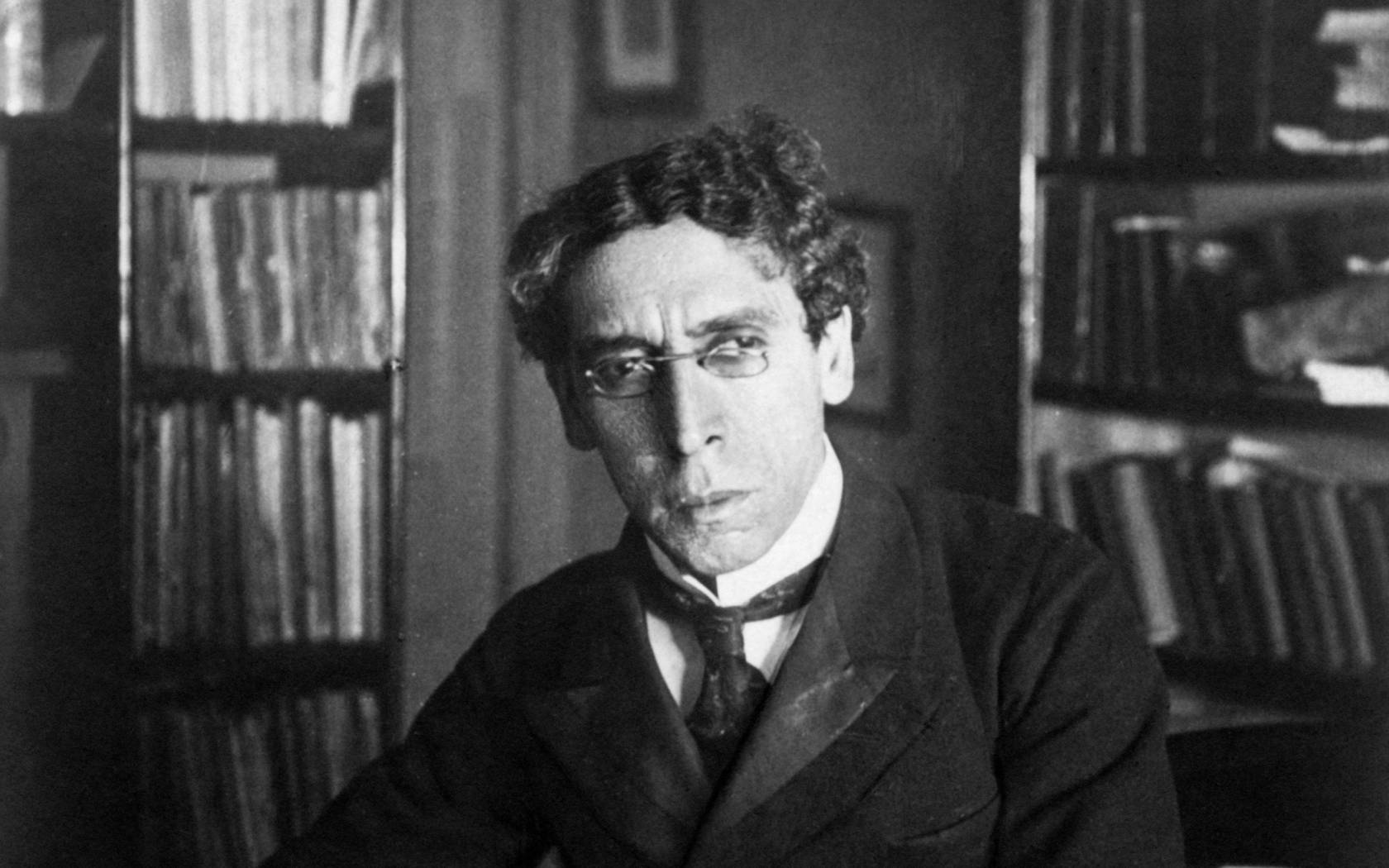
In 1908, British-born Jewish writer and playwright **Israel Zangwill** published his play **“The Melting Pot”**, which popularized the phrase as a metaphor for America...
Explore event →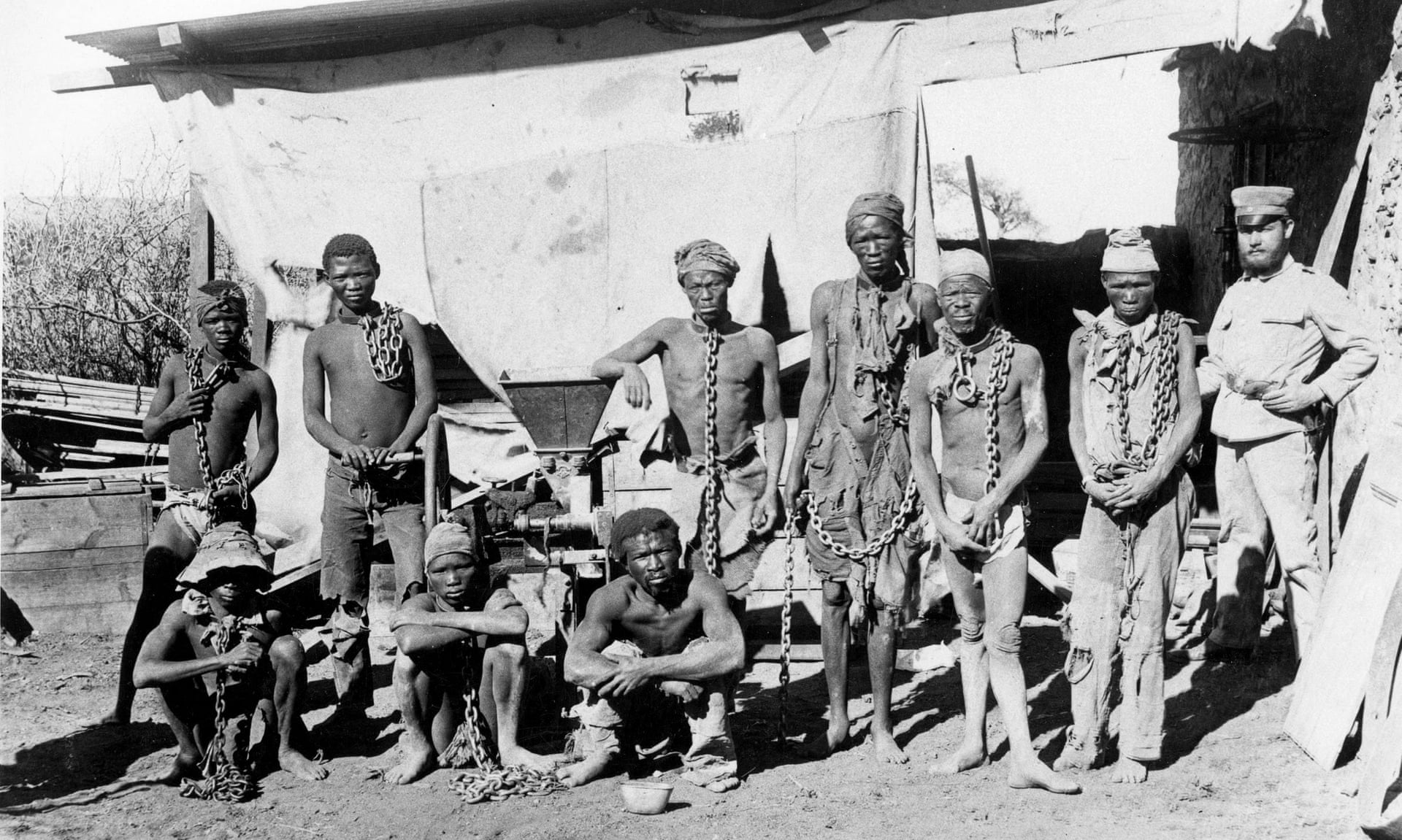
Herero And Nama Genocide On January 12, 1904, members of the Herero community initiated an armed uprising against German colonial authorities in German South West Afr...
Explore event →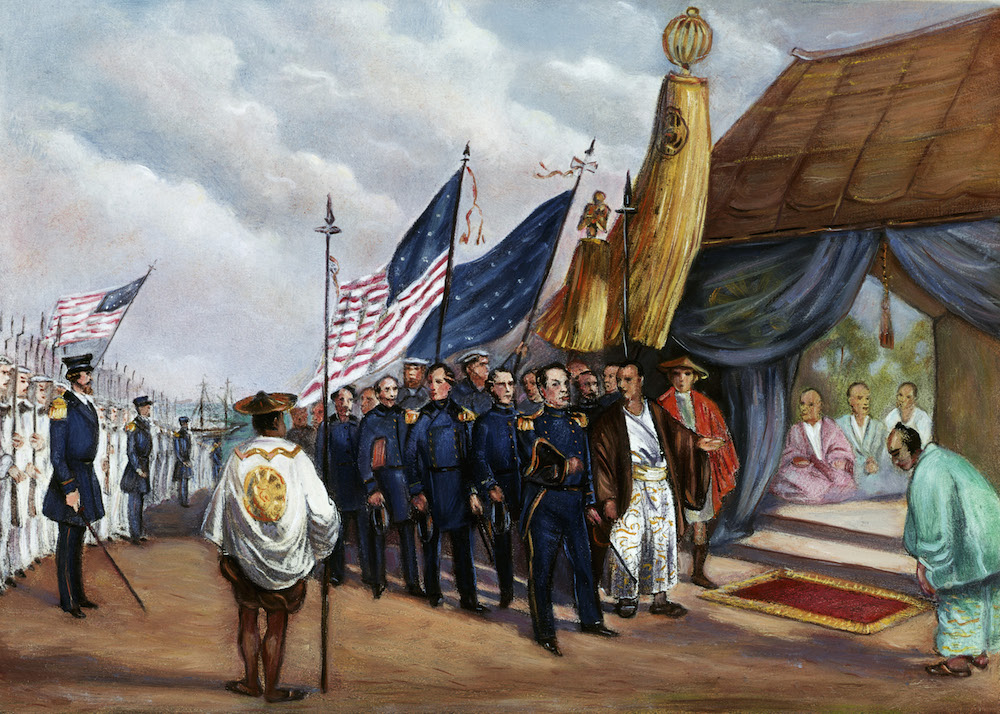
The Meiji Restoration transformed Japan by centralizing power under the emperor, modernizing the economy and military, and adopting Western political and industrial pr...
Explore event →
Circassian Genocide On May 21, 1864, the Russian Empire declared the end of the Caucasian War following the defeat of Circassian resistance in the northwest Caucasus....
Explore event →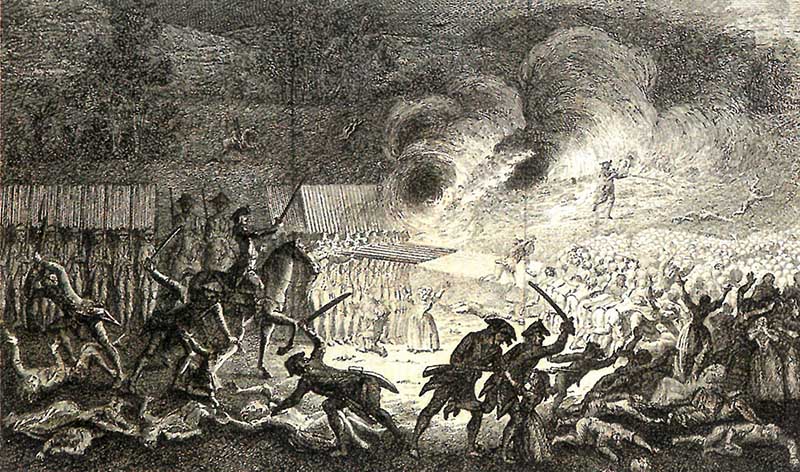
The Vendée Massacres occurred during the War in the Vendée, a counter-revolutionary uprising in western France from 1793 to 1796. The conflict was marked by violent cl...
Explore event →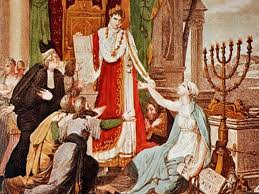
Emancipation of Jews in Russia under Catherine II In 1791, Empress Catherine II of Russia issued policies regulating the settlement and legal status of Jewish populat...
Explore event →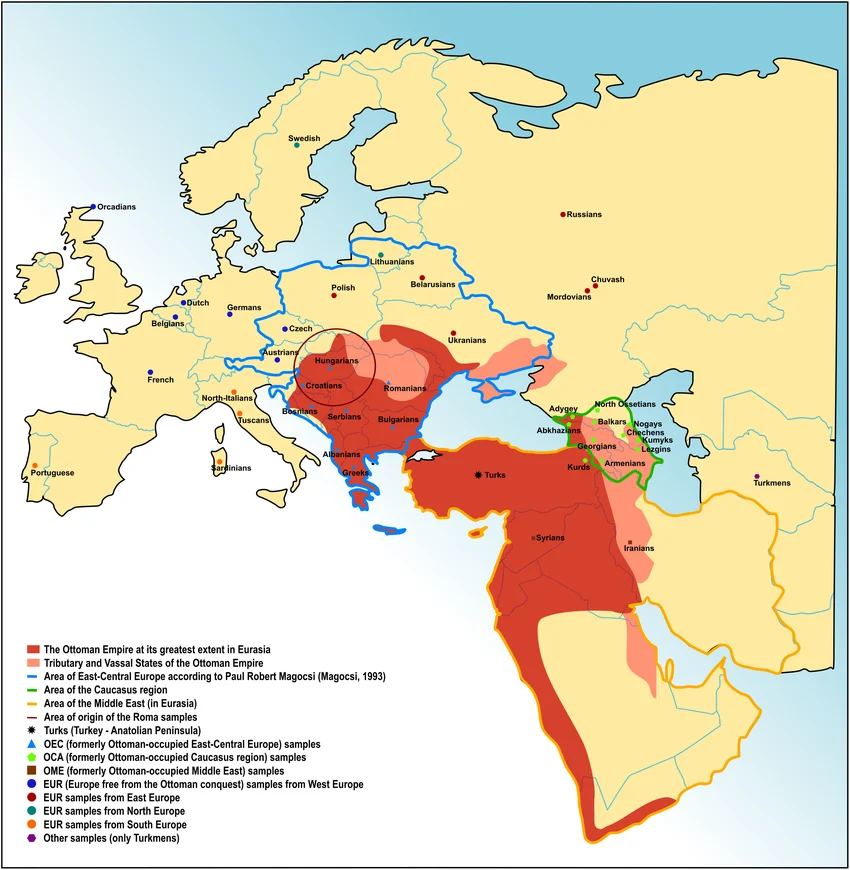
The Ottoman Empire expanded from a small Anatolian principality into one of the largest empires in history. Between the fourteenth and early twentieth centuries, Ottom...
Explore event →
1 April 2009 — Albania becomes a full member of NATO. Membership marks a major milestone in the country's post-communist integration with Western political and securit...
Explore research
26 July–7 November 1956 — Nasser nationalizes the Suez Canal Company after Western governments withdraw support for the Aswan High Dam. Britain, France and Israel secr...
Explore research
July–November 1918 — Allied forces increasingly coordinate artillery, infantry, tanks, aircraft, communications and logistics. Strategic coordination also improves und...
Explore research
21 March 1918 — Germany launches Operation Michael, the first of several major offensives designed to win the war in the west before American manpower becomes overwhel...
Explore research
January–March 1918 — Russia's withdrawal gives Germany a temporary manpower advantage in the west, but American troops are arriving rapidly. Hindenburg and Ludendorff ...
Explore research
Late 1917–March 1918 — The collapse of Russian resistance allows Germany to move divisions from the Eastern Front toward France and Belgium. German commanders understa...
Explore research
6 September 1914 — French and British forces begin the counteroffensive known as the First Battle of the Marne. The German advance toward Paris is halted and German ar...
Explore research
September–November 1914 — After the Marne, both sides repeatedly attempt to turn the other's flank. The maneuvering eventually reaches the North Sea and creates a larg...
Explore research
August–September 1914 — Germany concentrates major forces against France and advances through Belgium. The operational scheme derives from years of German planning ass...
Explore research
1904–1914 — Britain has no automatic obligation to enter every Franco-German conflict, but strategic cooperation with France has grown while German naval expansion gen...
Explore research
1079–1080 CE — Byzantine historian Michael Attaleiates uses terms generally interpreted as references to Albanians in the western Balkans. These medieval references ar...
Explore research
c. 550–650 CE — Slavic-speaking groups settle widely across the Balkans during a period of weakened Byzantine frontier control. Settlement patterns, languages and poli...
Explore research
395 CE — After the death of Theodosius I, administration of the Roman Empire is divided between eastern and western courts. The territories of modern Albania remain pr...
Explore research
c. 150 CE — The geographer Claudius Ptolemy records a people called Albanoi and a settlement named Albanopolis in the western Balkans. The similarity to later Albanian...
Explore research
2 September 31 BCE — The fleet of Octavian defeats the forces of Mark Antony and Cleopatra near Actium in western Greece. Antony and Cleopatra retreat to Egypt. Their ...
Explore research
c. 146–120 BCE — Roman engineers develop the Via Egnatia from the Adriatic coast through Macedonia toward Byzantium. Dyrrachium becomes one of the principal western ga...
Explore research
168 BCE — Roman forces defeat King Gentius near Scodra after a short campaign. His capture effectively ends the last major independent Illyrian monarchy in the region....
Explore research
334–323 BCE — Alexander destroys the Persian Empire and campaigns as far as northwestern India.
Explore research
4th–3rd centuries BCE — Several Illyrian dynasties consolidate larger kingdoms across the western Balkans. Their rulers compete with Macedonia, Epirus and Greek coasta...
Explore research
c. 1000–500 BCE — Iron Age communities later identified by Greek and Roman writers as Illyrian become visible across much of the western Balkans. Illyrians were not on...
Explore research
c. 1650–1550 BCE — A dynasty of rulers of largely western Asian origin controls much of northern Egypt from Avaris in the Nile Delta. Egyptian sources later portray th...
Explore research
c. 3000–1100 BCE — Fortified settlements, metallurgy, regional trade and tumulus burial traditions develop across the western Balkans. Social differences become increa...
Explore research
11 November 1918 — German representatives sign the armistice at Compiègne. Fighting ends on the Western Front at 11:00 a.m. Germany accepts evacuation requirements and...
Explore research
16 December 1944 — Germany launches a surprise offensive through the Ardennes in an attempt to split Allied armies and seize Antwerp. Initial German advances create a ...
Explore research