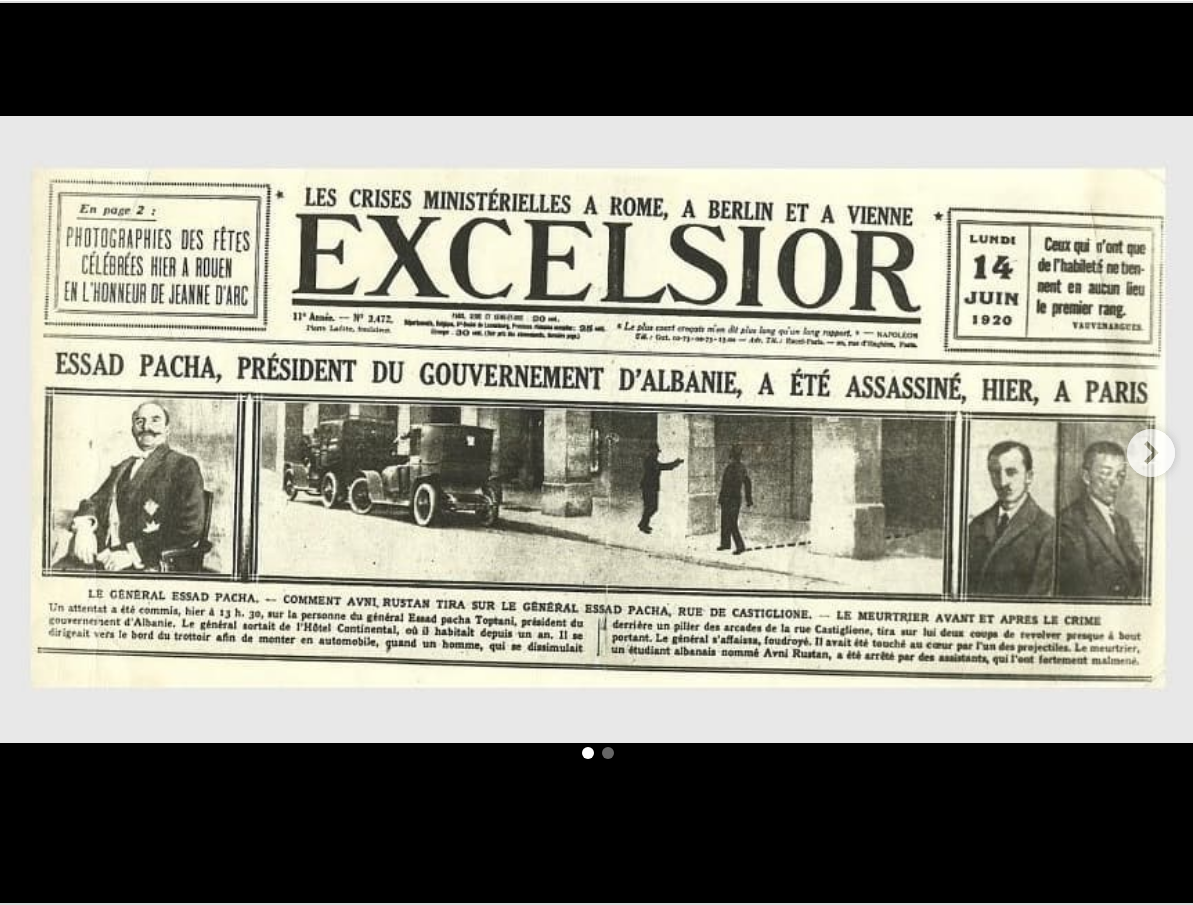
Avni Rustemi assassinates Essad Pasha Toptani in Paris
On June 17, 1920, Albanian nationalist Avni Rustemi traveled to Paris and assassinated Essad Pasha Toptani, a former Albanian politician and military leader. Essad Pas...
Explore event →History does not happen in isolation. Explore world events across time, follow the connections between them, and investigate the threads that reveal how one event can lead to another.
TheTimeMap currently follows events across 95 countries and 268 years of history — building a connected archive designed for people who want to look beyond the headline.
We oppose antisemitism, racism, and dehumanization — everywhere.
When people stop feeling, injustice becomes easy.
On June 17, 1920, Albanian nationalist Avni Rustemi traveled to Paris and assassinated Essad Pasha Toptani, a former Albanian politician and military leader. Essad Pas...
Explore event →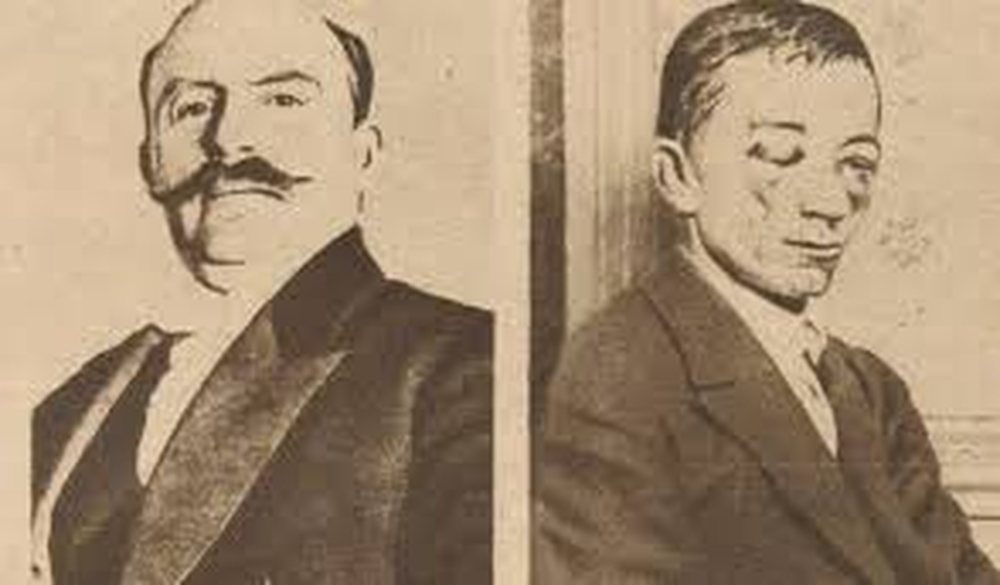
On June 13, 1920, Albanian political activist Avni Rustemi shot and killed Essad Pasha Toptani in Paris, France. Essad Pasha was an Albanian Ottoman-era political and ...
Explore event →
Pontic Greek Genocide On May 19, 1919, military operations intensified against Greek communities in the Pontus region along the Black Sea coast of the Ottoman Empire....
Explore event →
Greek Genocide On May 19, 1919, Greek communities in the Pontus region of the Ottoman Empire faced intensified military operations during the final phase of systemati...
Explore event →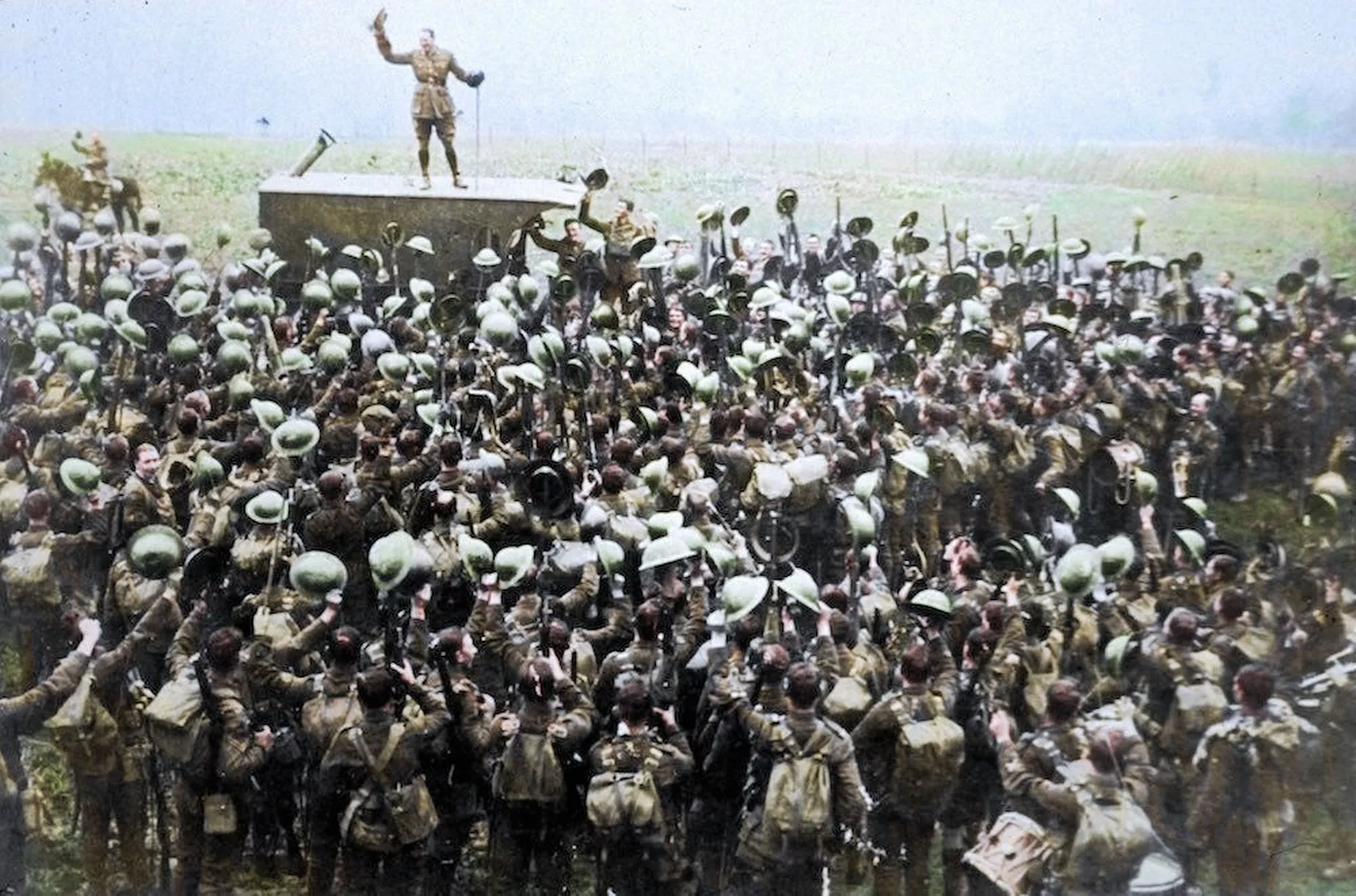
The armistice of November 11, 1918, marked the end of World War I. Germany agreed to cease hostilities with the Allies, bringing four years of devastating conflict to ...
Explore event →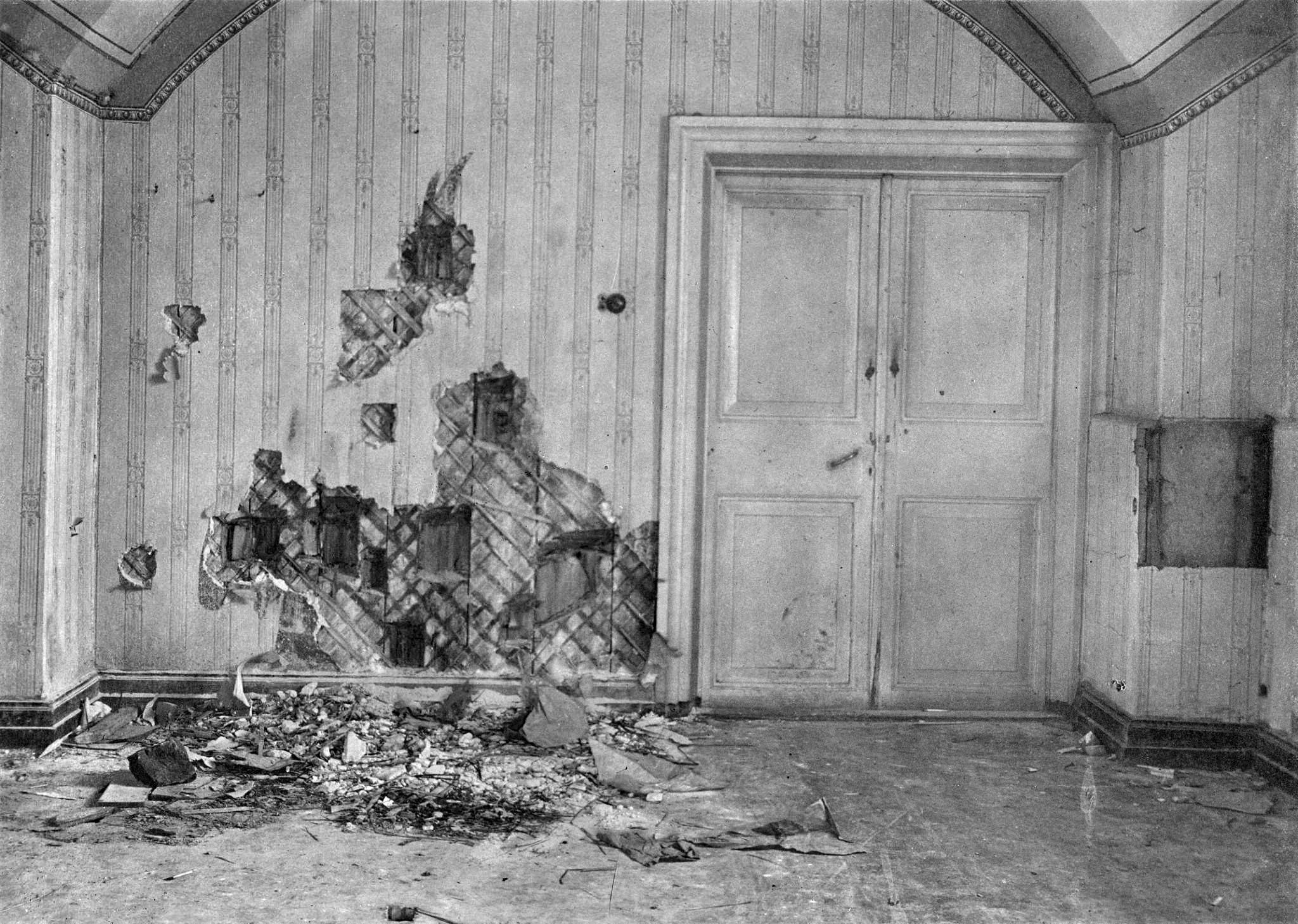
Murder of the Romanovs On July 17, 1918, the last Russian Emperor, Nicholas II, along with his wife Alexandra, their five children, and four loyal attendants, were ex...
Explore event →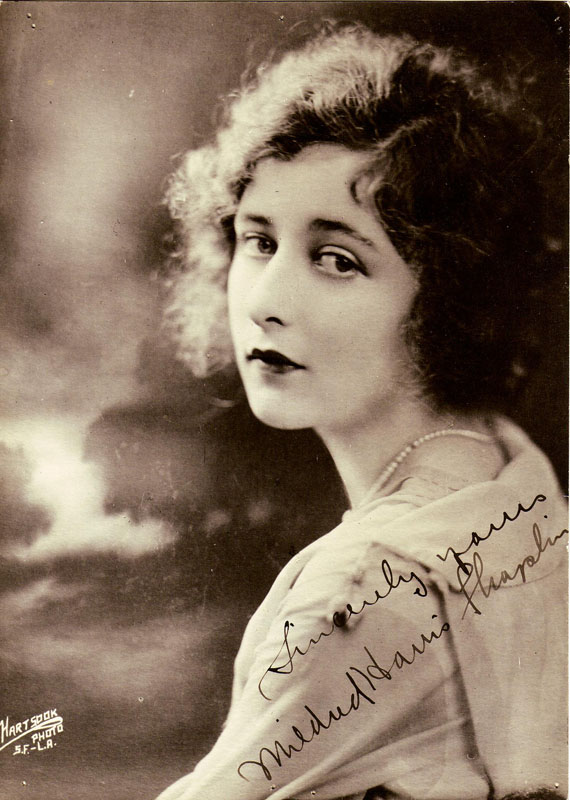
Charlie Chaplin married actress Mildred Harris on October 23, 1918, in Los Angeles. Chaplin was 29 years old and Harris was 16. Harris was already working as a film ac...
Explore event →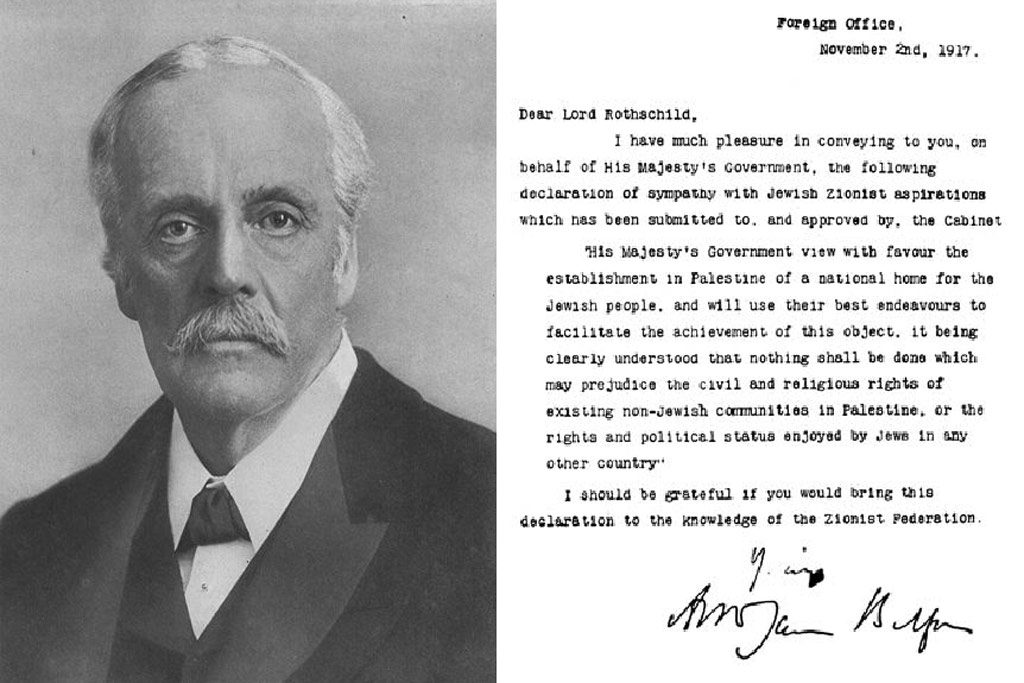
The Balfour Declaration was a public statement issued on November 2 1917 by the British government during World War I expressing support for the establishment of a nat...
Explore event →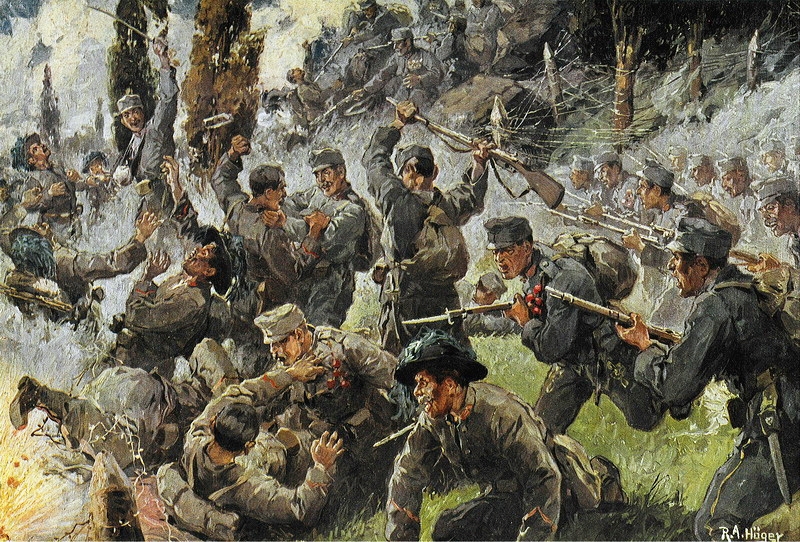
The Battles of the Isonzo were a series of twelve military engagements between the Kingdom of Italy and Austria-Hungary during World War I. They took place along the I...
Explore event →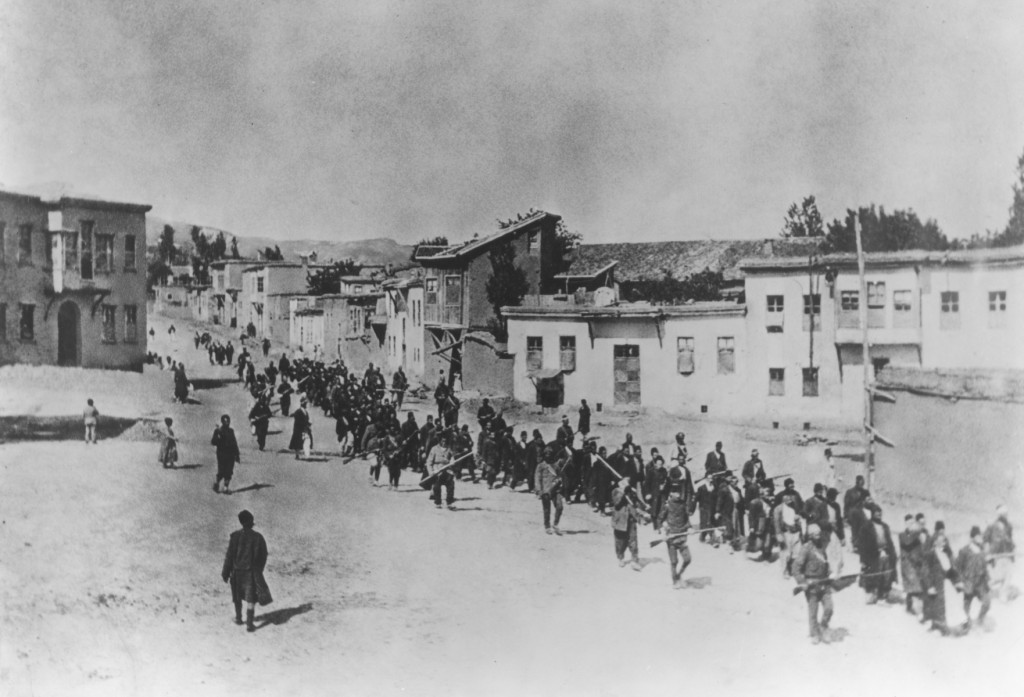
Armenian Genocide On April 24, 1915, Ottoman authorities arrested hundreds of Armenian intellectuals and community leaders in Constantinople. The arrests marked the b...
Explore event →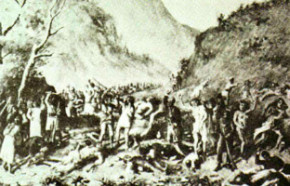
Assyrian Genocide On January 1, 1915, systematic attacks against Assyrian communities began in the eastern provinces of the Ottoman Empire during World War I. Assyria...
Explore event →
1913 – Foundations of the Modern World body { font-family: Arial, sans-serif; background-color: #f4f4f9; margin: 0; padding: 0; } .timeline-container { ...
Explore event →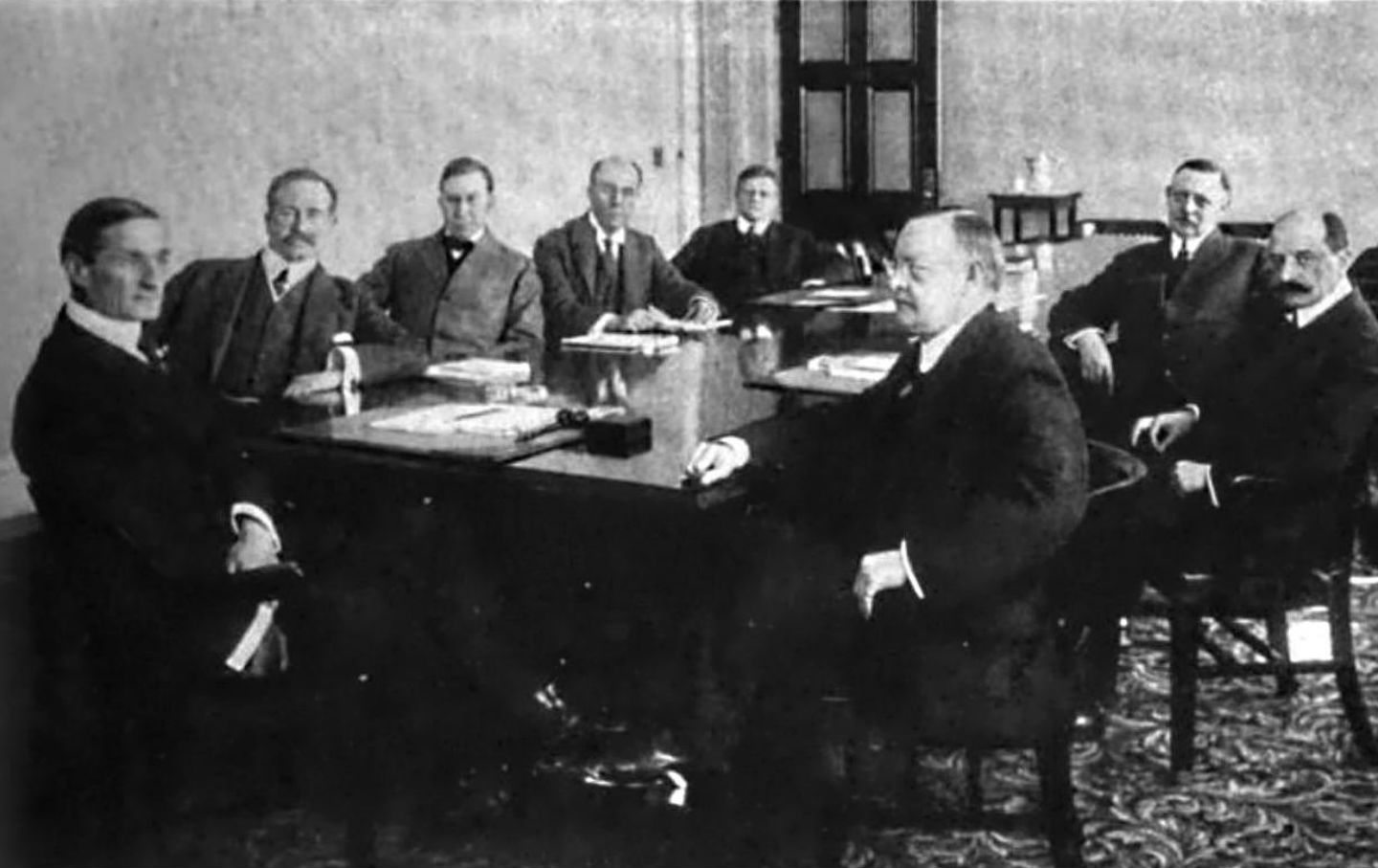
The creation of the Federal Reserve System on December 23, 1913, established the central banking authority of the United States. It was enacted through the Federal Res...
Explore event →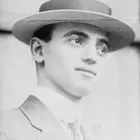
In August 1913, Leo Frank, a Jewish factory superintendent at the National Pencil Company in Atlanta, Georgia, was tried and convicted for the murder of 13-year-old Ma...
Explore event →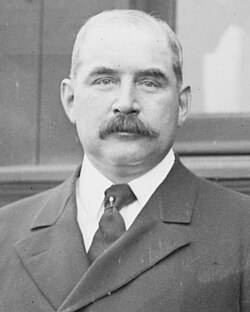
The Titanic sank on April 15, 1912, during its maiden voyage from Southampton to New York. Among the planned passengers was financier J.P. Morgan, head of the Internat...
Explore event →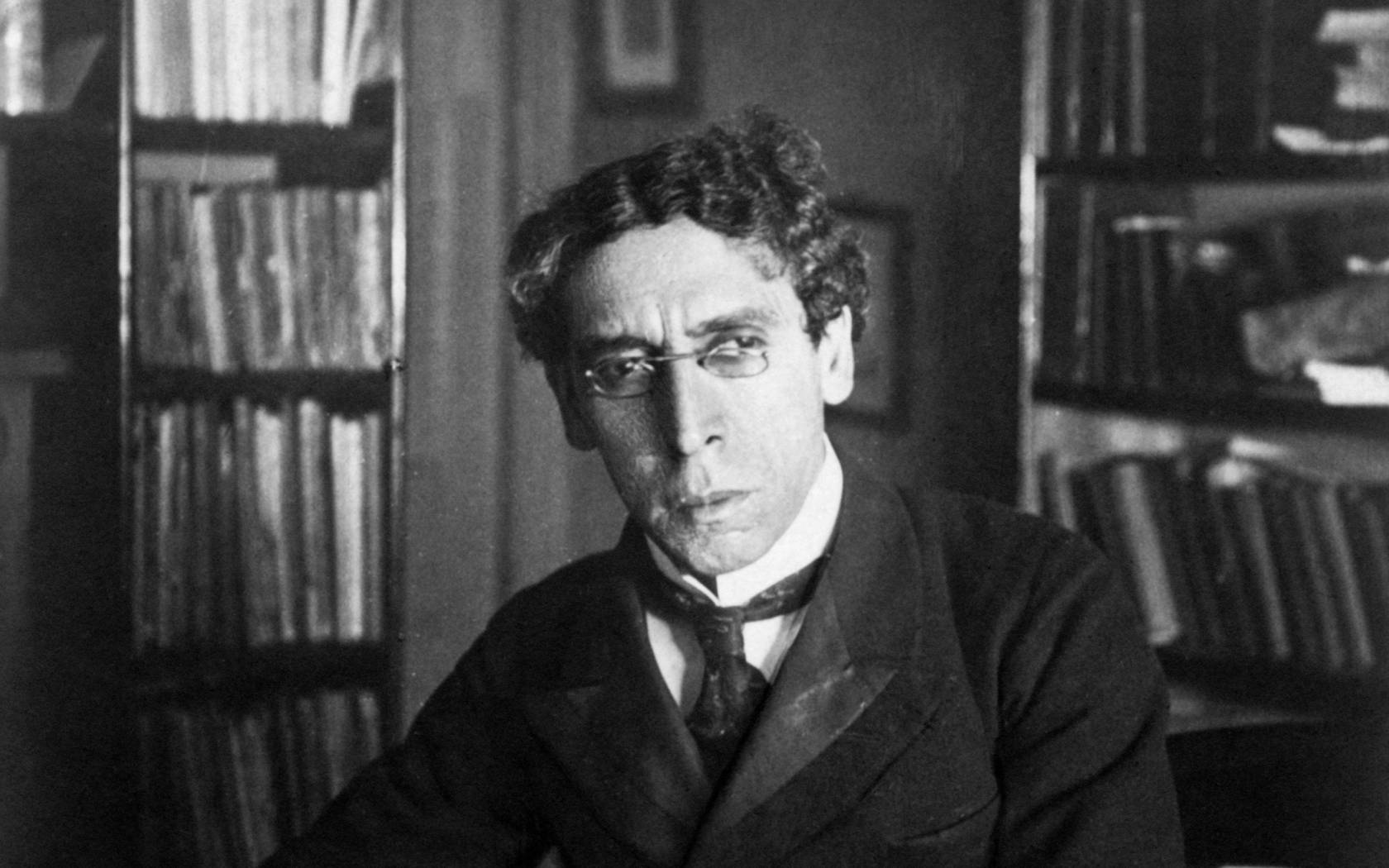
In 1908, British-born Jewish writer and playwright **Israel Zangwill** published his play **“The Melting Pot”**, which popularized the phrase as a metaphor for America...
Explore event →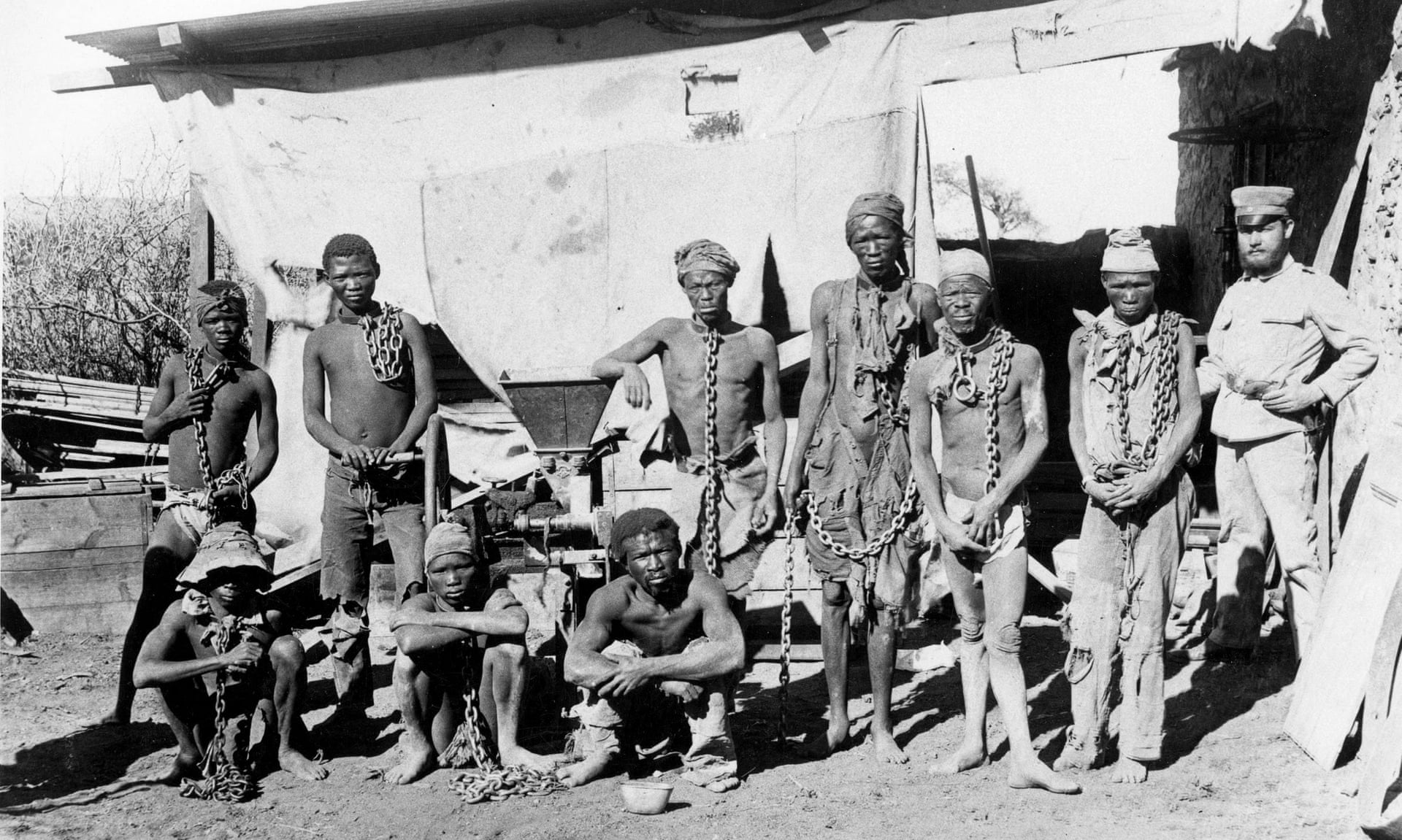
Herero And Nama Genocide On January 12, 1904, members of the Herero community initiated an armed uprising against German colonial authorities in German South West Afr...
Explore event →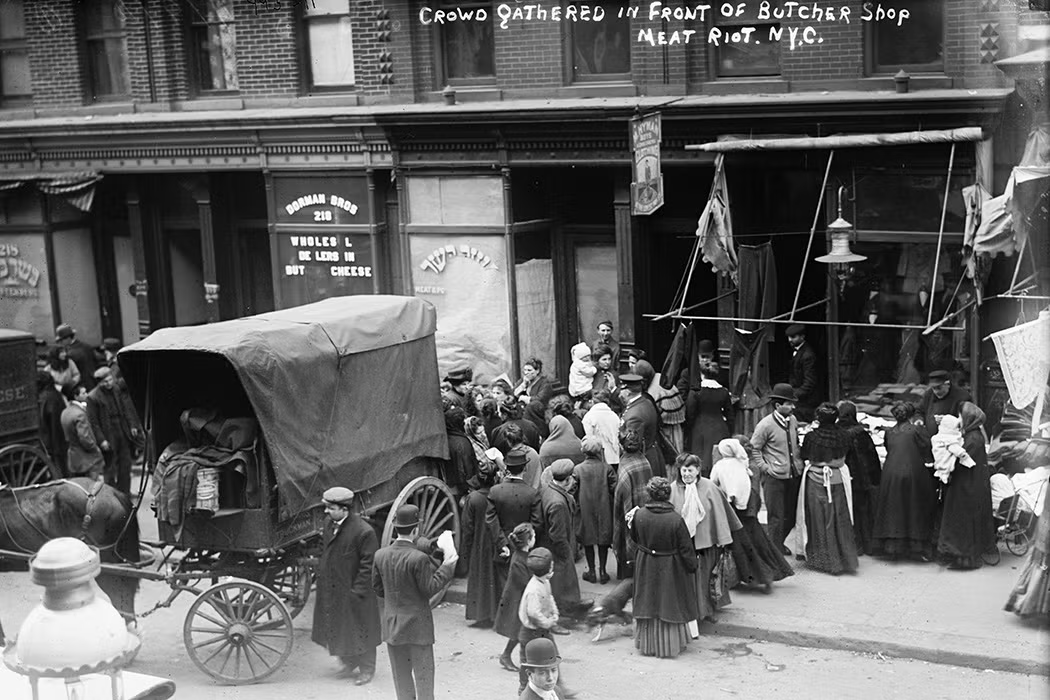
In early 1900s New York, rising kosher meat prices led Jewish immigrant women to organize a boycott, involving thousands of participants. This protest was a significan...
Explore event →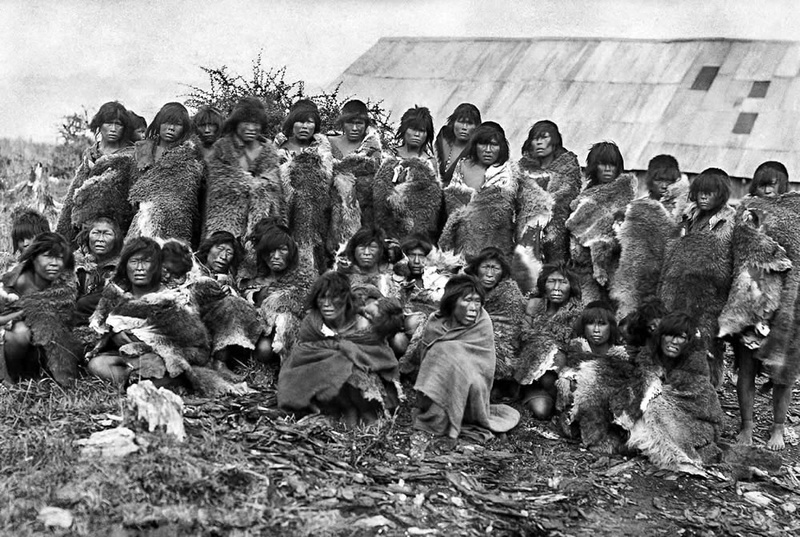
The Selk'nam genocide refers to the systematic extermination of the Selk'nam people, indigenous inhabitants of the Tierra del Fuego archipelago in Patagonia, during th...
Explore event →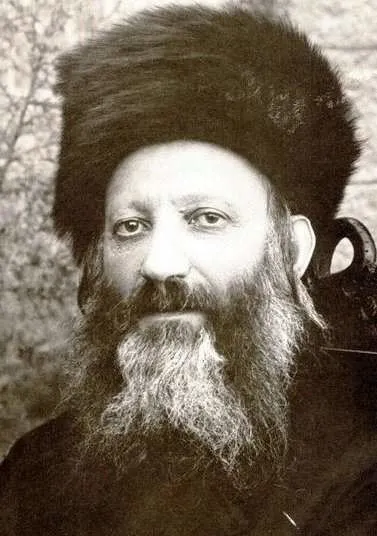
Abraham Isaac Kook (December 9, 1865 – September 1, 1935) was a Jewish religious thinker, rabbi, and the first Ashkenazi Chief Rabbi of British Mandate Palestine. He i...
Explore event →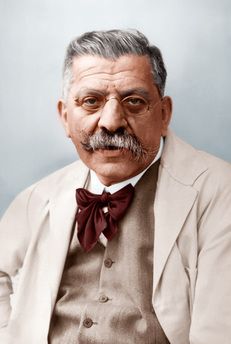
The Wissenschaftlich-humanitäres Komitee, widely recognized as the first organization advocating for the rights of homosexual individuals, was established in Berlin in...
Explore event →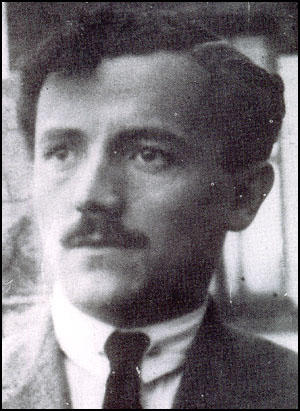
Alexander Orlov, born Lev Lazarevich Feldbin on 21 August 1895 in Bobruisk, was a Soviet NKVD officer from an Orthodox Jewish family. He later operated under several a...
Explore event →
Charlie Chaplin was an English actor, filmmaker, composer, and producer who became one of the most prominent figures of twentieth-century cinema. His career included s...
Explore event →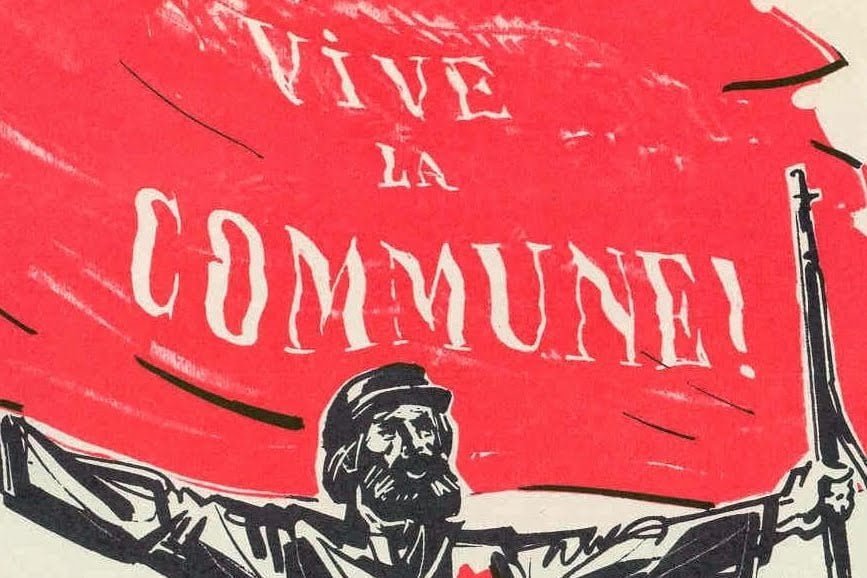
The Paris Commune established a radical socialist government in Paris after the Franco-Prussian War, representing worker self-rule and inspiring future socialist movem...
Explore event →
2026 onward — How will European integration, migration, population decline, regional relations, tourism and economic development reshape Albania over the next generation?
Explore research
17 November 2025 — Albania opens the final accession negotiating cluster, bringing all negotiating chapters into the accession process.
Explore research
19 July 2022 — Albania and the European Union hold their first intergovernmental conference, formally opening accession negotiations.
Explore research
Klaus Schwab hosted a conversation with Henry Kissinger at the World Economic Forum Annual Meeting in Davos in 2022. Schwab discussed his earlier meeting with Kissinge...
Explore research
6 August 2015 — Egypt inaugurates a major expansion of the Suez Canal involving a new parallel channel along part of the route and widening of existing sections. The g...
Explore research
27 June 2014 — Albania receives candidate status for membership in the European Union. Judicial reform, corruption, organized crime, public administration and rule of ...
Explore research
2014–2026 — Former defense minister Abdel Fattah el-Sisi becomes president after playing the central military role in Morsi's removal. His government emphasizes securi...
Explore research
3 July 2013 — Following enormous demonstrations against President Morsi, the Egyptian military removes him from office and suspends the constitution. Supporters descri...
Explore research
30 June 2012 — Mohamed Morsi, associated with the Muslim Brotherhood's political movement, becomes Egypt's first president elected after the 2011 uprising. His governm...
Explore research
25 January–11 February 2011 — Mass demonstrations erupt against police brutality, corruption, economic frustration and authoritarian government. Cairo's Tahrir Square ...
Explore research
2011–2014 — Mubarak's fall opens competitive elections and unprecedented political participation, but the transition rapidly produces institutional conflict, polarizat...
Explore research
28 November 1998 — Albania adopts a new constitution after the instability of the early post-communist period. It establishes the fundamental institutional framework o...
Explore research
January–August 1997 — The collapse of enormous fraudulent investment schemes wipes out the savings of hundreds of thousands of Albanians. Armed rebellion spreads, mili...
Explore research
29 April 1991 — New constitutional provisions formally establish the Republic of Albania during the transition away from communist government. The country begins rebui...
Explore research
31 March 1991 — Albania holds its first competitive multiparty parliamentary elections since the communist takeover. The former communist Party of Labour wins, but the...
Explore research
1991–2026 — Albania develops as a parliamentary republic after the collapse of communist rule. It joins NATO, pursues European Union membership and undergoes rapid urb...
Explore research
11 December 1990 — Albania's communist leadership accepts the legalization of independent political parties. The decision effectively ends the political monopoly creat...
Explore research
1990–1998 — Investigate economic collapse, weak institutions, mass migration, political confrontation, pyramid schemes and the rebuilding of Albanian state authority.
Explore research
11 April 1985 — Hoxha dies after more than four decades at the center of Albanian communist power. Ramiz Alia succeeds him and gradually introduces limited reforms as ...
Explore research
6 October 1981 — Islamist militants within the Egyptian military assassinate President Anwar Sadat during a military parade commemorating the 1973 war. The attack foll...
Explore research
Henry Kissinger delivered the opening address at the European Management Symposium in Davos in 1980. The World Economic Forum identifies this as his first appearance a...
Explore research
26 March 1979 — Egypt and Israel sign a formal peace treaty in Washington. Israel agrees to withdraw from Sinai, which is gradually returned to Egyptian control. Egypt...
Explore research
17 September 1978 — Sadat and Israeli Prime Minister Menachem Begin sign agreements negotiated under U.S. President Jimmy Carter. The accords establish the framework f...
Explore research
National Security Decision Memorandum 314 concerned U.S. population policy following the NSSM 200 study. President Gerald Ford approved the associated policy decision ...
Explore research