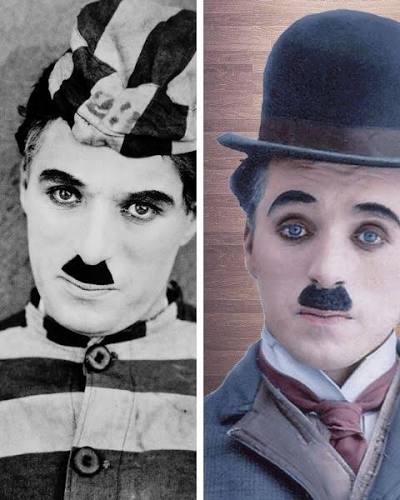
Charlie Chaplin’s controversial life
Charlie Chaplin was an English actor, filmmaker, composer, and producer who became one of the most prominent figures of twentieth-century cinema. His career included s...
Explore event →History does not happen in isolation. Explore world events across time, follow the connections between them, and investigate the threads that reveal how one event can lead to another.
TheTimeMap currently follows events across 95 countries and 268 years of history — building a connected archive designed for people who want to look beyond the headline.
We oppose antisemitism, racism, and dehumanization — everywhere.
When people stop feeling, injustice becomes easy.
Charlie Chaplin was an English actor, filmmaker, composer, and producer who became one of the most prominent figures of twentieth-century cinema. His career included s...
Explore event →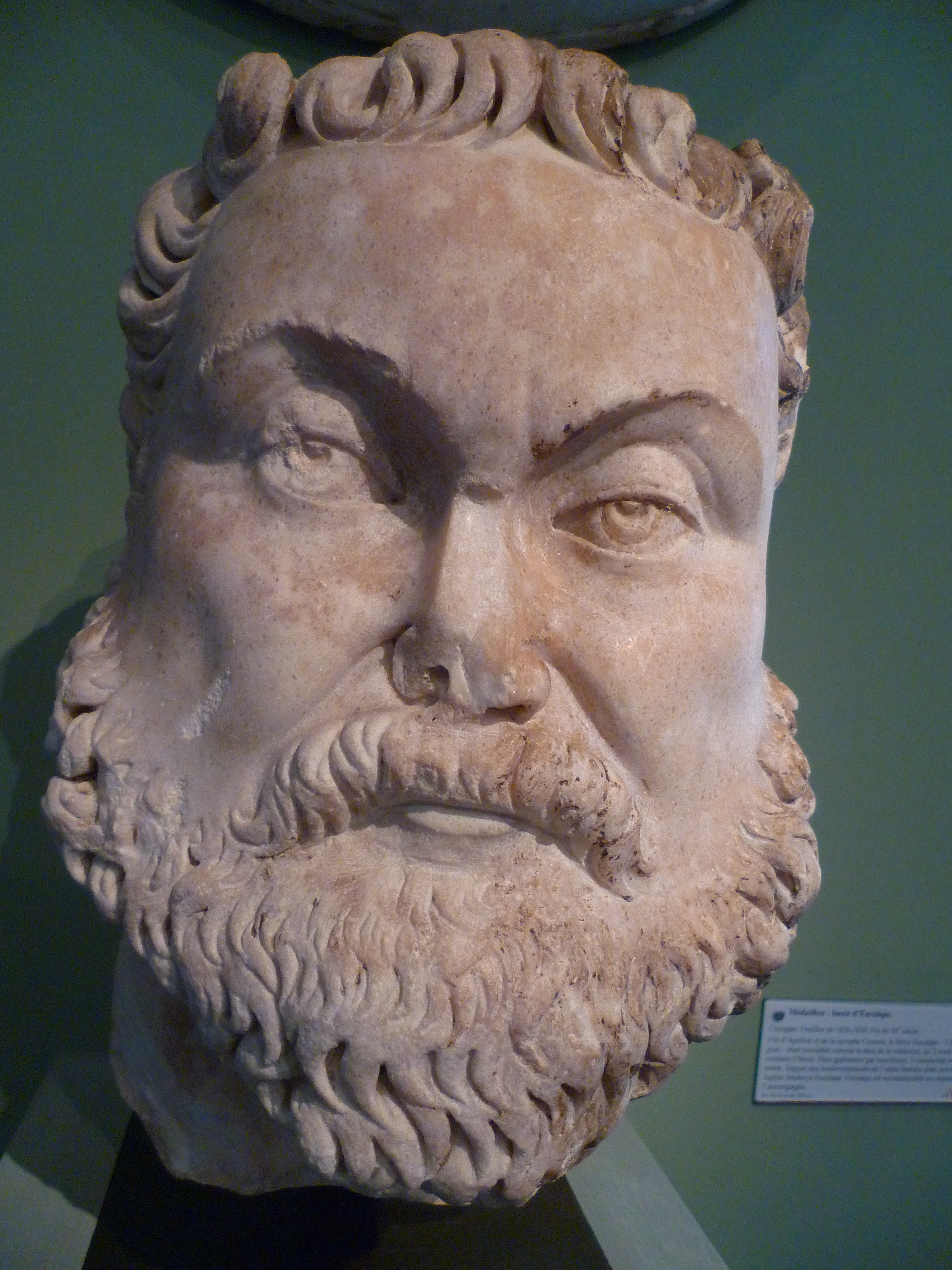
In April 286, the Roman Emperor Diocletian appointed Maximian as Caesar, marking a significant development in imperial governance. This act was meant to strengthen the...
Explore event →
Following the death of Emperor Maximinus Thrax, the Roman Senate appointed Pupienus and Balbinus as co-emperors to restore order within the Roman Empire. Their joint a...
Explore event →
1915–1917 — Battlefield losses, inflation, food distribution failures and political distrust progressively weaken the Russian state. Confidence in Nicholas II collapse...
Explore research
2 September 1945 — The defeat of Germany and Japan leaves the United States and Soviet Union as the dominant military powers. Soviet control across Eastern Europe, Ame...
Explore research
Historical Trilateral Commission membership records identify Henry A. Kissinger as a member and Lifetime Trustee. This places Kissinger within the institution founded ...
Explore research
17 July 1945 — Truman, Stalin and initially Churchill meet near Berlin after Germany's defeat. They discuss occupation policy, borders, reparations and the war against...
Explore research
Untitled23 August 1939 — After unsuccessful and distrustful negotiations involving Britain, France and the Soviet Union, Stalin accepts a non-aggression agreement with...
Explore research
23 August 1939 — The German-Soviet pact is one of the most shocking diplomatic reversals of the twentieth century. Investigate failed Soviet-Western negotiations, Stal...
Explore research
4 February 1945 — Franklin Roosevelt, Winston Churchill and Joseph Stalin meet in Crimea as Germany approaches defeat. They discuss occupation zones, Poland, postwar G...
Explore research