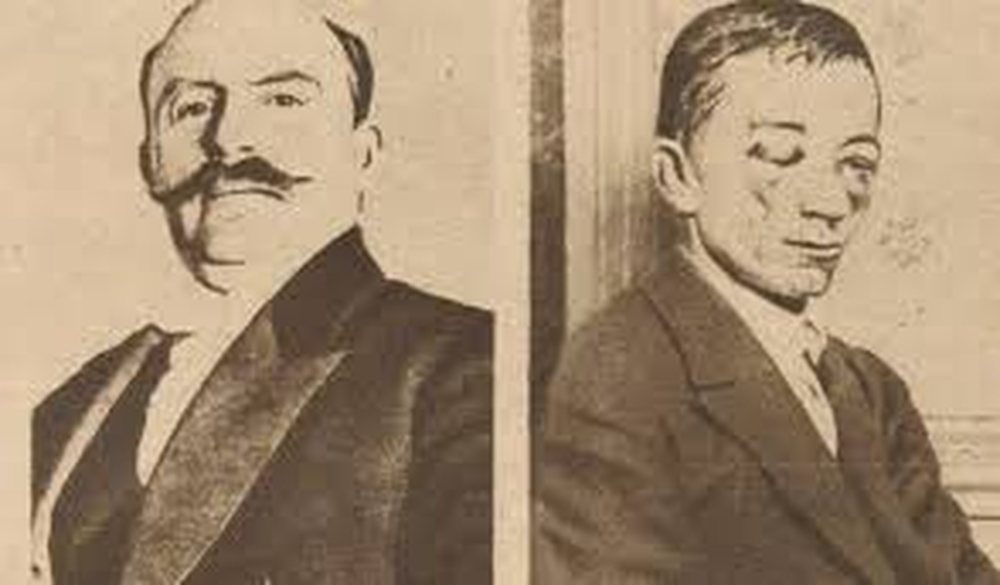
Avni Rustemi assassination Essad Pasha Toptani
On June 13, 1920, Albanian political activist Avni Rustemi shot and killed Essad Pasha Toptani in Paris, France. Essad Pasha was an Albanian Ottoman-era political and ...
Explore event →History does not happen in isolation. Explore world events across time, follow the connections between them, and investigate the threads that reveal how one event can lead to another.
TheTimeMap currently follows events across 95 countries and 268 years of history — building a connected archive designed for people who want to look beyond the headline.
We oppose antisemitism, racism, and dehumanization — everywhere.
When people stop feeling, injustice becomes easy.
On June 13, 1920, Albanian political activist Avni Rustemi shot and killed Essad Pasha Toptani in Paris, France. Essad Pasha was an Albanian Ottoman-era political and ...
Explore event →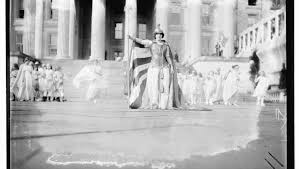
1913 – Foundations of the Modern World body { font-family: Arial, sans-serif; background-color: #f4f4f9; margin: 0; padding: 0; } .timeline-container { ...
Explore event →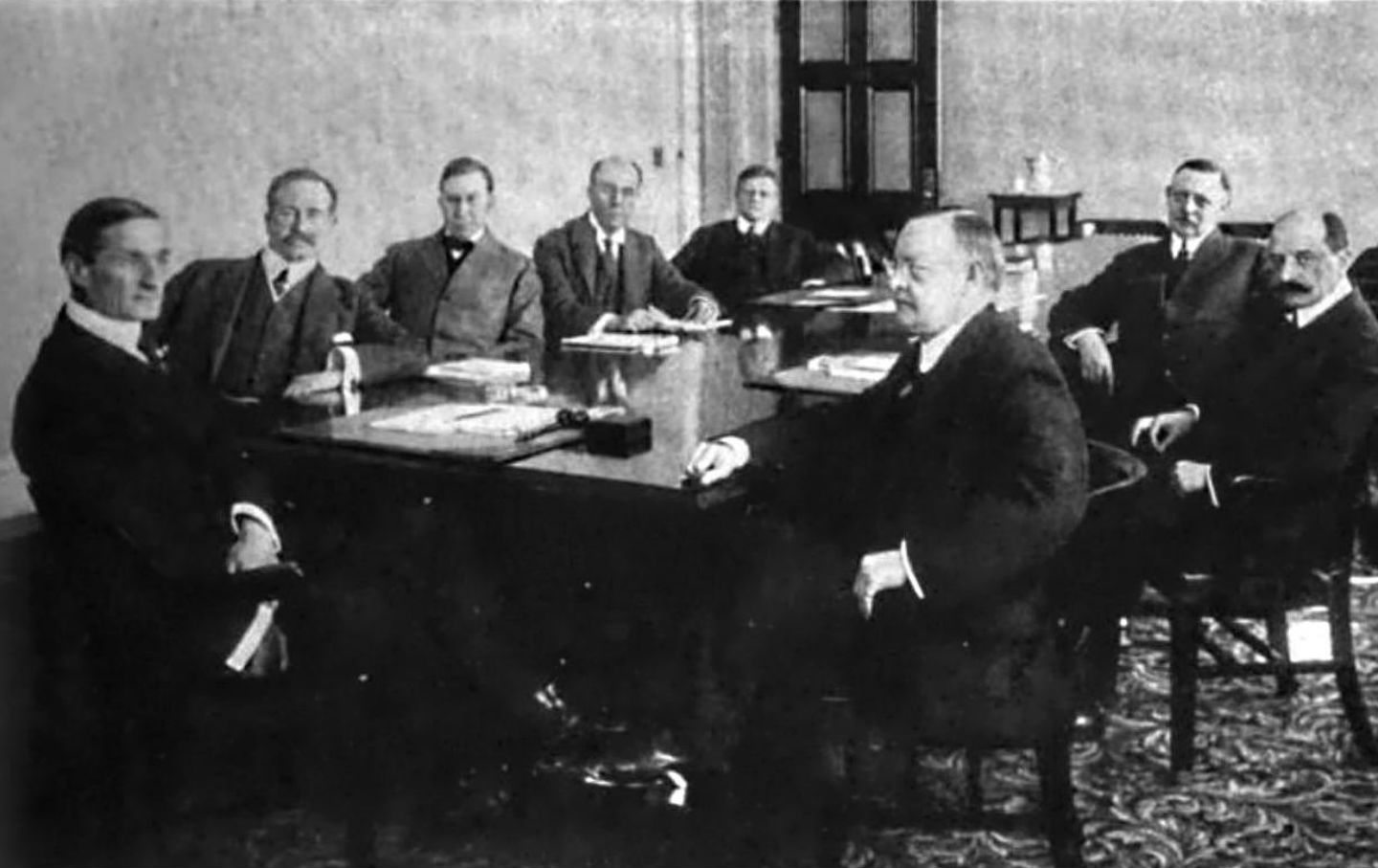
The creation of the Federal Reserve System on December 23, 1913, established the central banking authority of the United States. It was enacted through the Federal Res...
Explore event →
In August 1913, Leo Frank, a Jewish factory superintendent at the National Pencil Company in Atlanta, Georgia, was tried and convicted for the murder of 13-year-old Ma...
Explore event →
Charlie Chaplin was an English actor, filmmaker, composer, and producer who became one of the most prominent figures of twentieth-century cinema. His career included s...
Explore event →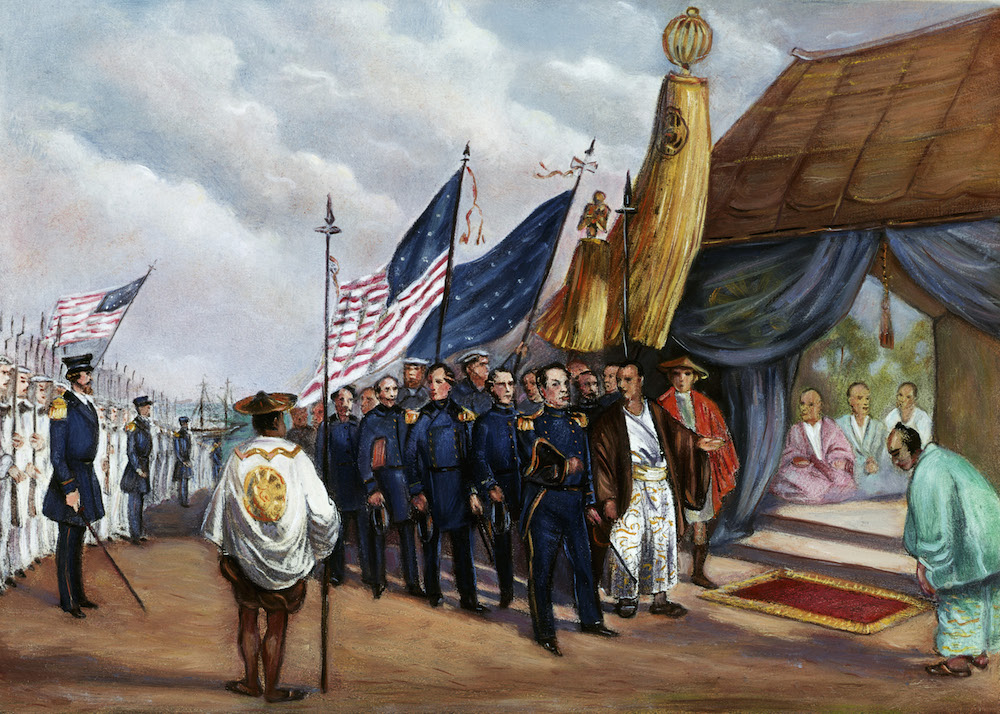
The Meiji Restoration transformed Japan by centralizing power under the emperor, modernizing the economy and military, and adopting Western political and industrial pr...
Explore event →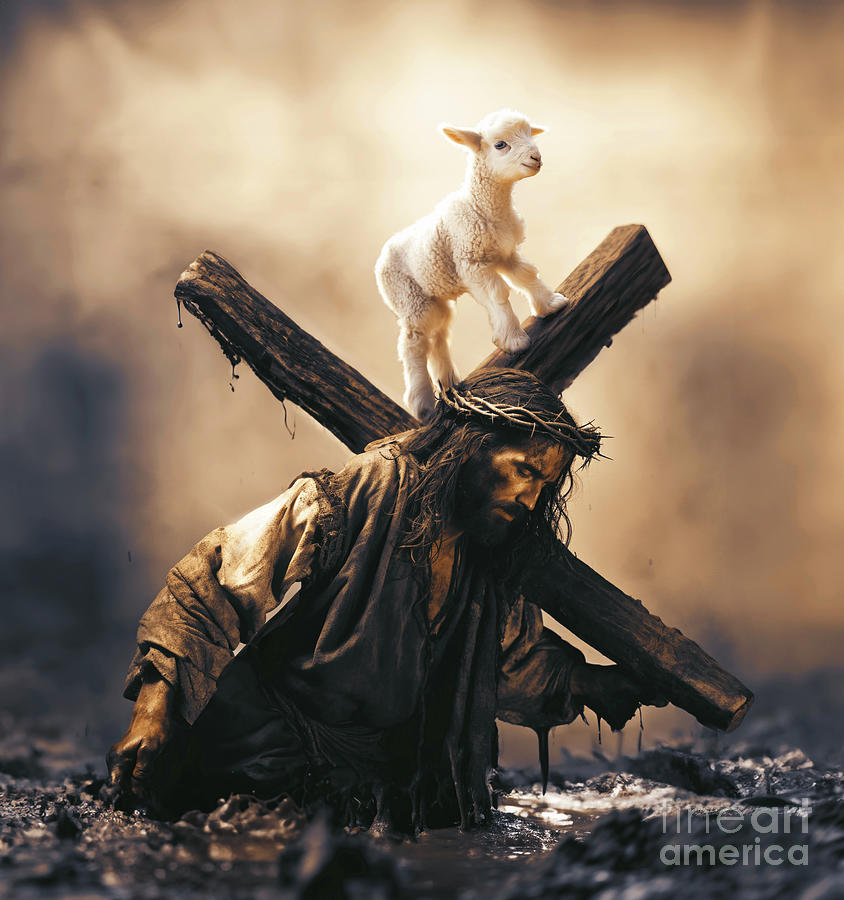
Event Timeline body { font-family: Arial, sans-serif; background-color: #f4f4f9; margin: 0; padding: 0; } .timeline-container { max-width: 800px; ...
Explore event →
Jesus of Nazareth was executed by crucifixion under Roman governor Pontius Pilate in Jerusalem, during the period of Roman occupation of Judea. The event is documented...
Explore event →
1954–1970 — Nasser becomes the dominant leader of revolutionary Egypt and formally assumes the presidency in 1956. His government promotes Arab nationalism, land refor...
Explore research
6 April 1917–11 November 1918 — The United States begins converting its enormous economy and population into military power. Millions of men enter the draft system whi...
Explore research
1916–1918 — Governments expand control over labor, food, transportation, prices and industrial production. Women enter many sectors previously dominated by men. Coloni...
Explore research
1915–1917 — Commanders increasingly seek to exhaust enemy manpower, artillery and industrial capacity faster than their own side is depleted. Verdun and the Somme beco...
Explore research
1915–1918 — Consumption of artillery shells and other matériel massively exceeds prewar assumptions. Governments intervene increasingly in factories, labor, transport ...
Explore research
1914–1918 wartime production — DuPont becomes one of the most striking American industrial beneficiaries of wartime demand because explosives and propellants are requi...
Explore research
1914–1918 wartime production — Krupp is one of Germany's most important heavy industrial and armaments firms. The company supplies artillery, steel products and other ...
Explore research
1914–1918 wartime production — Schneider is a major French heavy-industrial and armaments producer whose factories supply artillery and military material to the French...
Explore research
Untitled1914–1918 — Industrial warfare requires food, coal, metals, chemicals, credit and shipping on unprecedented scales. Britain attempts to deny overseas resources...
Explore research
1914–1918 — Armaments companies, explosives producers and other industrial suppliers receive enormous wartime orders. Some businesses benefit heavily while others suff...
Explore research
1912–1914 — Officials in Germany and Austria-Hungary increasingly fear that Russia and Serbia will become stronger with time. Railway construction, military reforms, p...
Explore research
1942–1945 armaments leadership — Albert Speer becomes Reich Minister of Armaments and War Production in 1942. His ministry attempts to rationalize industrial output, s...
Explore research
1942–1945 armaments leadership — Albert Speer becomes Reich Minister of Armaments and War Production in 1942. His ministry attempts to rationalize industrial output, s...
Explore research
23 August 1942 — German forces begin the major assault phase against Stalingrad after intensive Luftwaffe bombing. The city's industrial and symbolic importance combin...
Explore research
8 November 1923 — Adolf Hitler and the Nazi Party attempt to seize power in Bavaria and march on Berlin. The putsch collapses after police confront the conspirators in...
Explore research
During its early years, the Trilateral Commission concentrated substantially on international trade, finance, monetary reform, energy and relations among the major ind...
Explore research
24 October 1929 — The beginning of the Wall Street panic provides an anchor for the economic collapse that spreads across industrial economies. Unemployment rises dram...
Explore research
11 January 1923 — French and Belgian troops occupy Germany's Ruhr industrial region after Germany falls behind on reparations deliveries. The German government respond...
Explore research
15 March 1939 — The occupation of the Czech lands gives Germany control over a major Central European industrial base, including important arms factories such as Škoda...
Explore research
10 October 1938 — German occupation of the Sudetenland gives Berlin control of major Czech border fortifications and significant industrial territory. The Munich settl...
Explore research
5 July 1943 — By Kursk, the Red Army has transformed from the force devastated in 1941 into an increasingly sophisticated military machine. Investigate industrial relo...
Explore research
1939–1945 wartime role — IG Farben is one of Germany's largest chemical-industrial corporations and becomes deeply integrated into the Nazi war economy. It supplies sy...
Explore research
1939–1945 wartime role — IG Farben is one of Germany's largest chemical-industrial corporations and becomes deeply integrated into the Nazi war economy. It supplies sy...
Explore research
8 December 1941 — Almost simultaneously with Pearl Harbor, Japanese forces attack British, American and Dutch positions across East and Southeast Asia. Operations targ...
Explore research