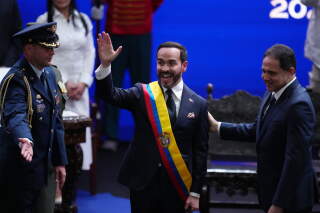
Colombia inaugurates De La Espriella
Abelardo De La Espriella was sworn in as president of Colombia on August 7, 2026, after defeating Senator Iván Cepeda in the June 21 presidential runoff election. De La Espriella succeede...
Explore event →History does not happen in isolation. Explore world events across time, follow the connections between them, and investigate the threads that reveal how one event can lead to another.

TheTimeMap currently follows events across 95 countries and 268 years of history — building a connected archive designed for people who want to look beyond the headline.
We oppose antisemitism, racism, and dehumanization — everywhere.
When people stop feeling, injustice becomes easy.
Abelardo De La Espriella was sworn in as president of Colombia on August 7, 2026, after defeating Senator Iván Cepeda in the June 21 presidential runoff election. De La Espriella succeede...
Explore event →
In July 2026, a data exposure involving the private organization Dialog revealed information about members, event participants, and internal conference materials associated with the invit...
Explore event →
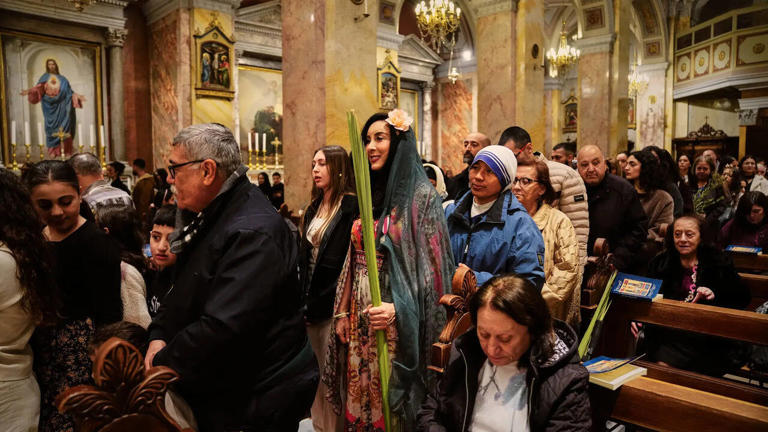
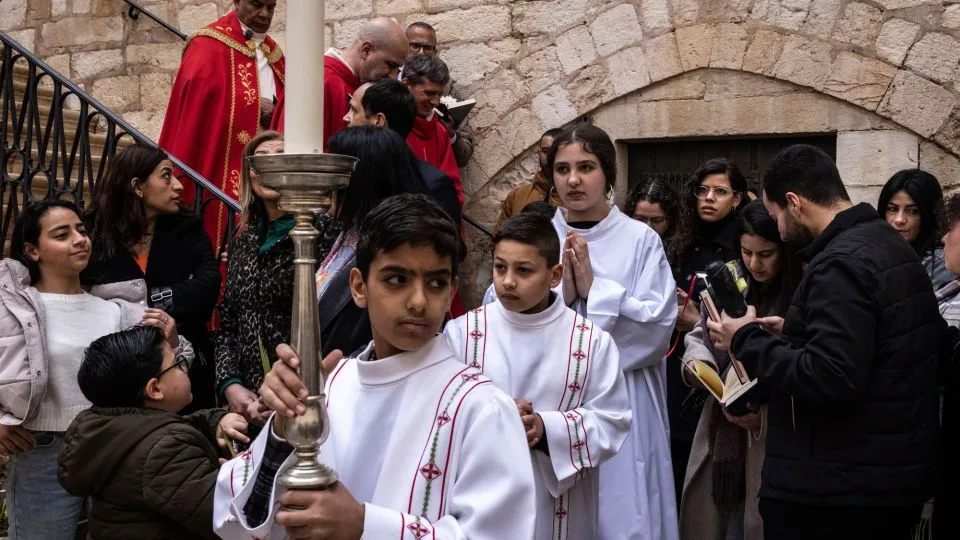
On March 29, 2026, Israeli police initially barred senior Catholic leaders, including Cardinal Pierbattista Pizzaballa, the Latin Patriarch of Jerusalem, from entering the Church of the H...
Explore event →
On March 29, 2026, Israeli police prevented senior Catholic leaders from entering the Church of the Holy Sepulchre in Jerusalem to celebrate Palm Sunday Mass. The Latin Patriarch of Jerus...
Explore event →
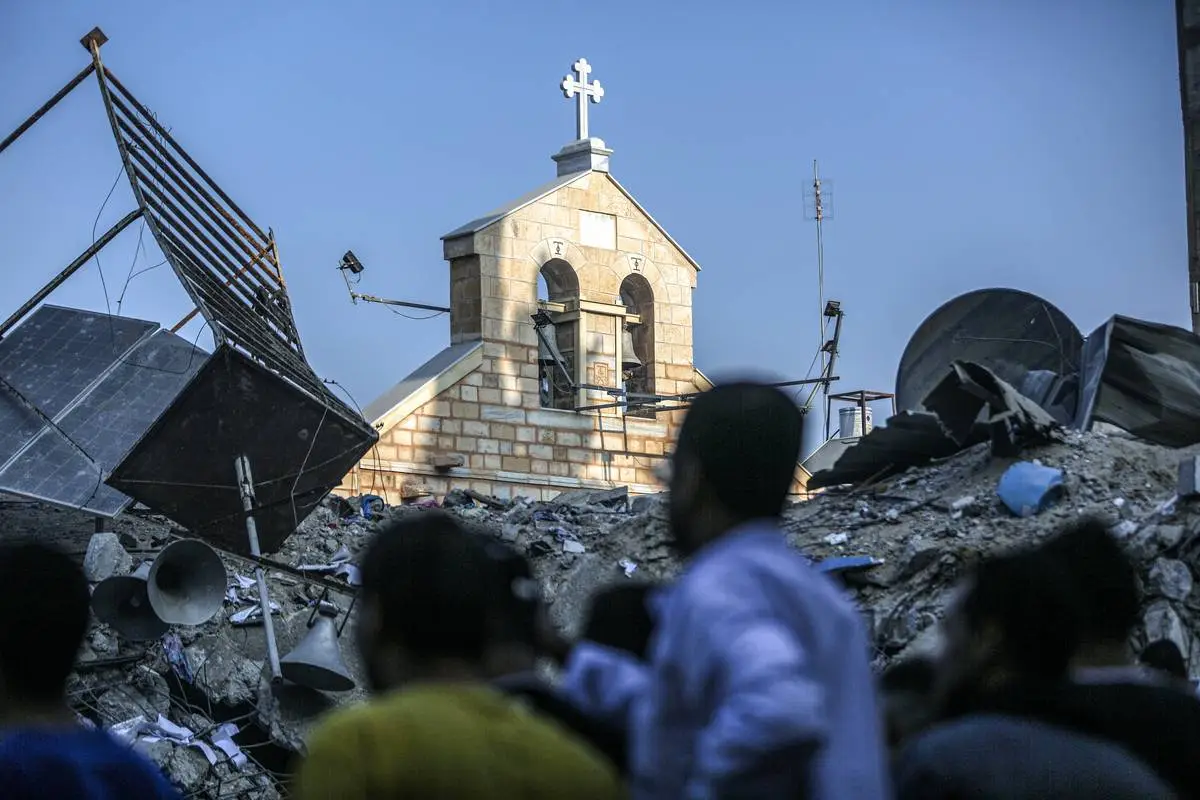
There have been multiple reported incidents involving Christians and Christian holy places in Israel and the Palestinian territories, including isolated acts of harassment as well as hist...
Explore event →
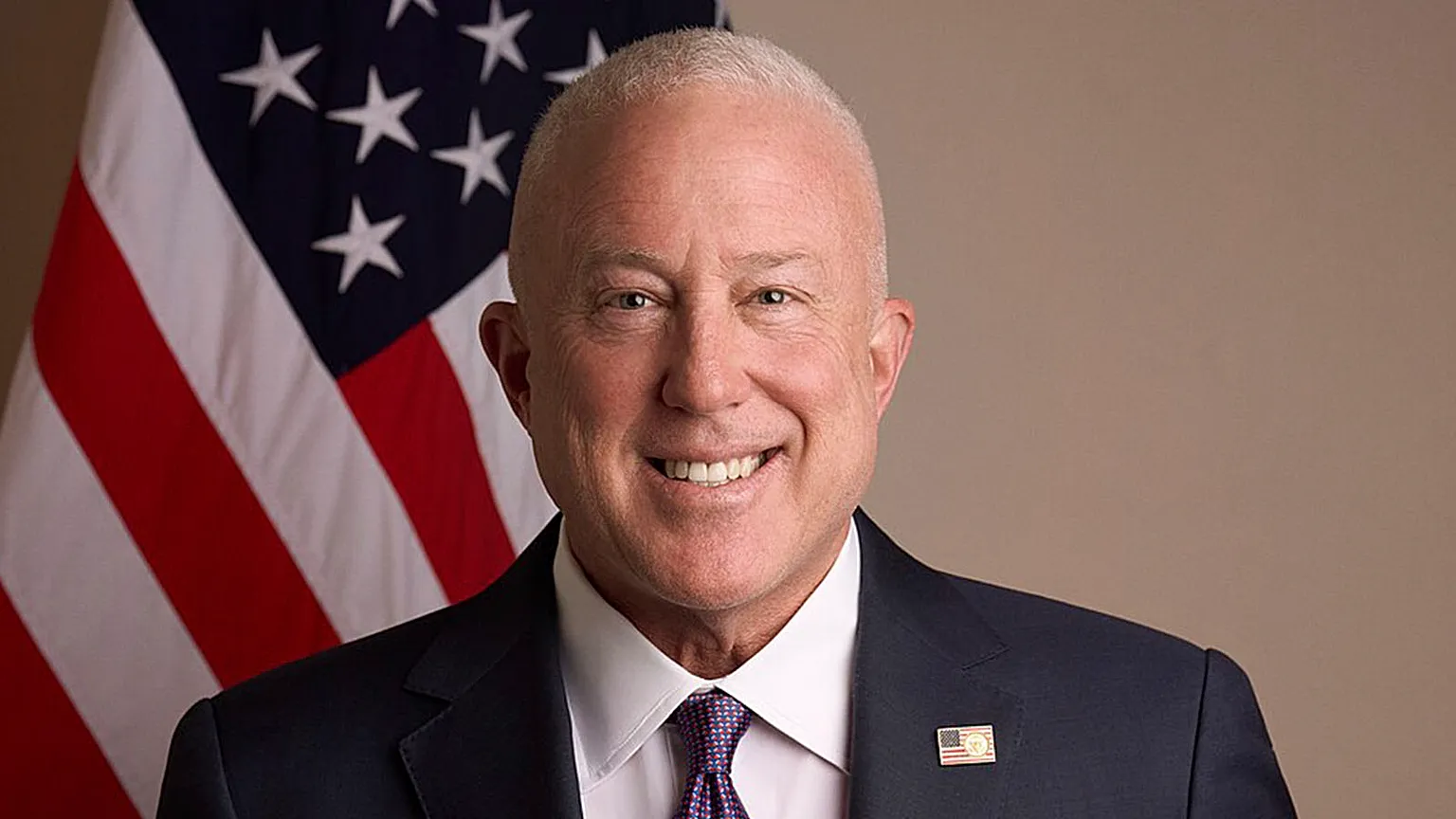
U.S. ambassador urges belgium to halt prosecution of mohels in antwerp On February 18, 2026, the United States ambassador to Belgium publicly called on Belgian authorities to discontinue...
Explore event →
Elon Musk’s grandfather Joshua Haldeman and the Technocracy movement On February 7, 2026, public records and historical sources show that Joshua N. Haldeman (1902–1974), the ma...
Explore event →
Ukraine backs Pope’s Olympic truce call amid war with Russia On February 7, 2026, Ukraine’s government publicly supported a proposal by Pope Leo and Italy to establish a temporary ceasef...
Explore event →
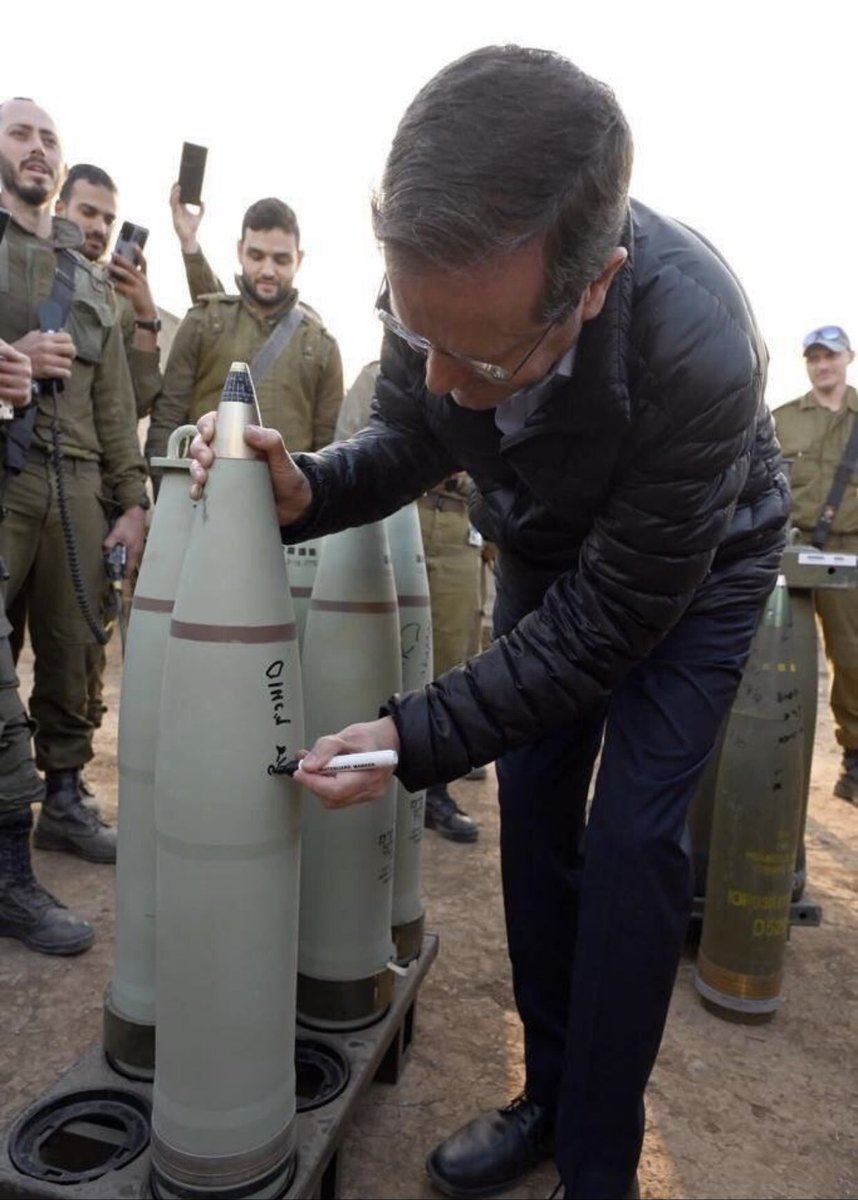
Isaac Herzog photographed signing artillery shells destined for Gaza On February 5, 2026, images and reports circulated during the visit of Israeli President Isaac Herzog to Au...
Explore event →
Geopolitical Fragmentation Reshapes Global Financial Flows and Investment Patterns Recent analyses from international organisations and economic researchers indicate that globa...
Explore event →
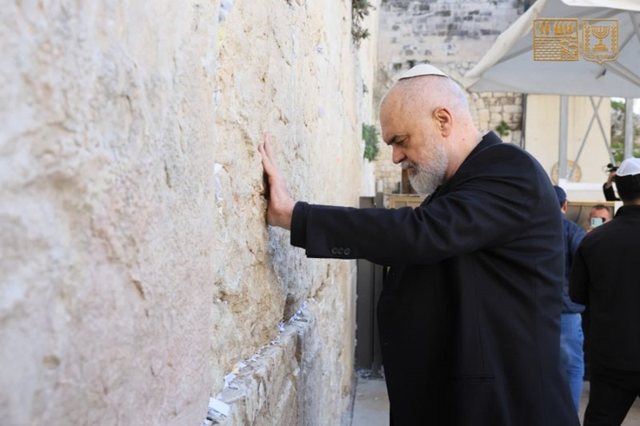
On January 26, 2026, Prime Minister Edi Rama of Albania visited the Western Wall in Jerusalem, Israel, during an official trip as part of efforts to support the fight against antisemitism...
Explore event →
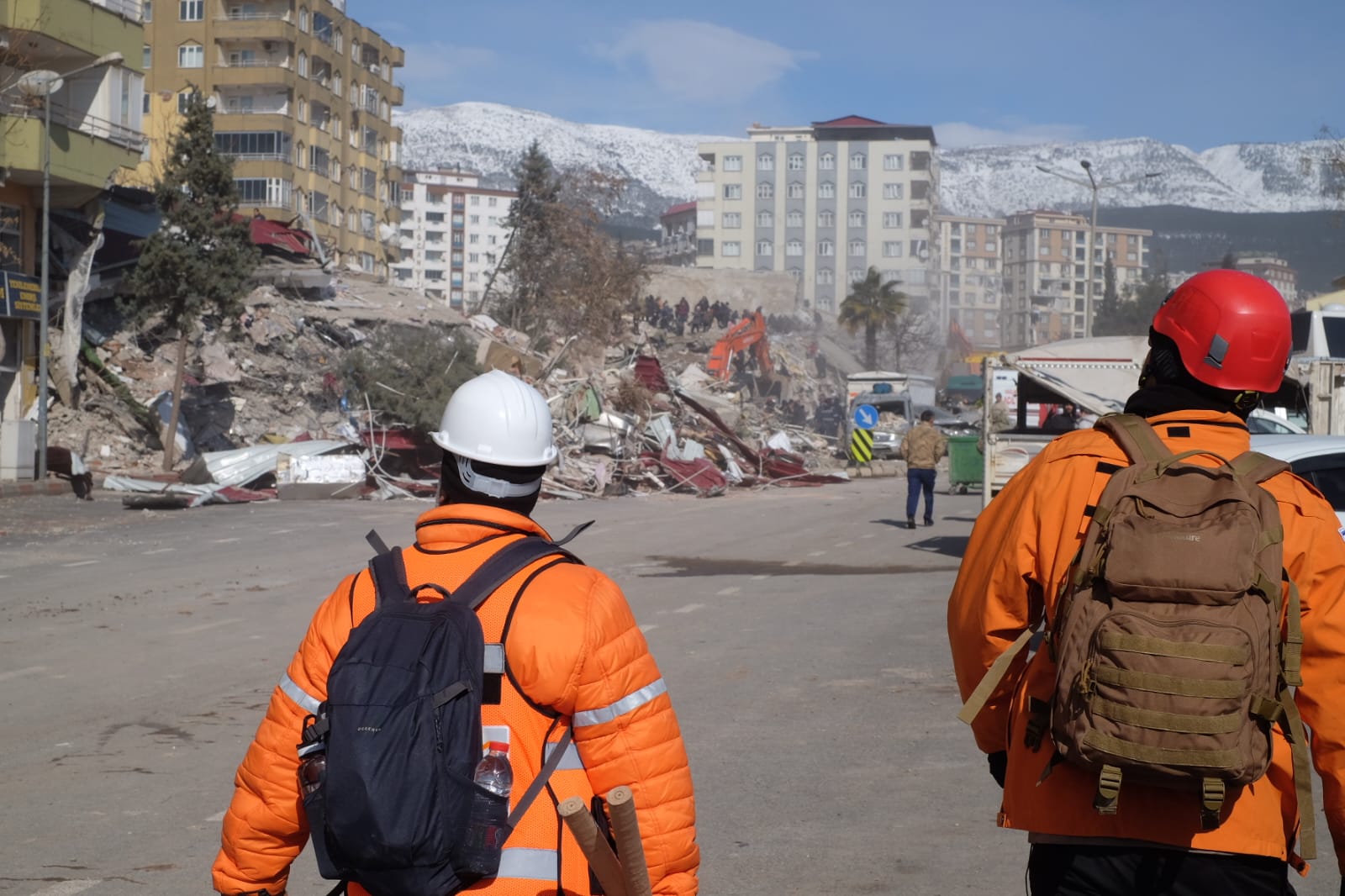
Earthquake reported near northern Israel amid unusual tremors Content: On January 24, 2026, the Israel Seismological Center recorded a magnitude 4.2 earthquake in the Galilee region near...
Explore event →
South Korea’s Ministry of Economy and Finance issued the country’s first government-backed digital bond, leveraging blockchain technology to improve transparency and reduce transaction co...
Explore event →
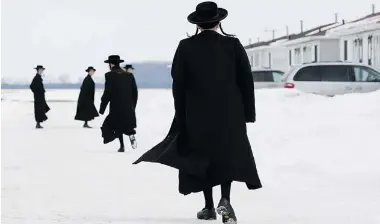
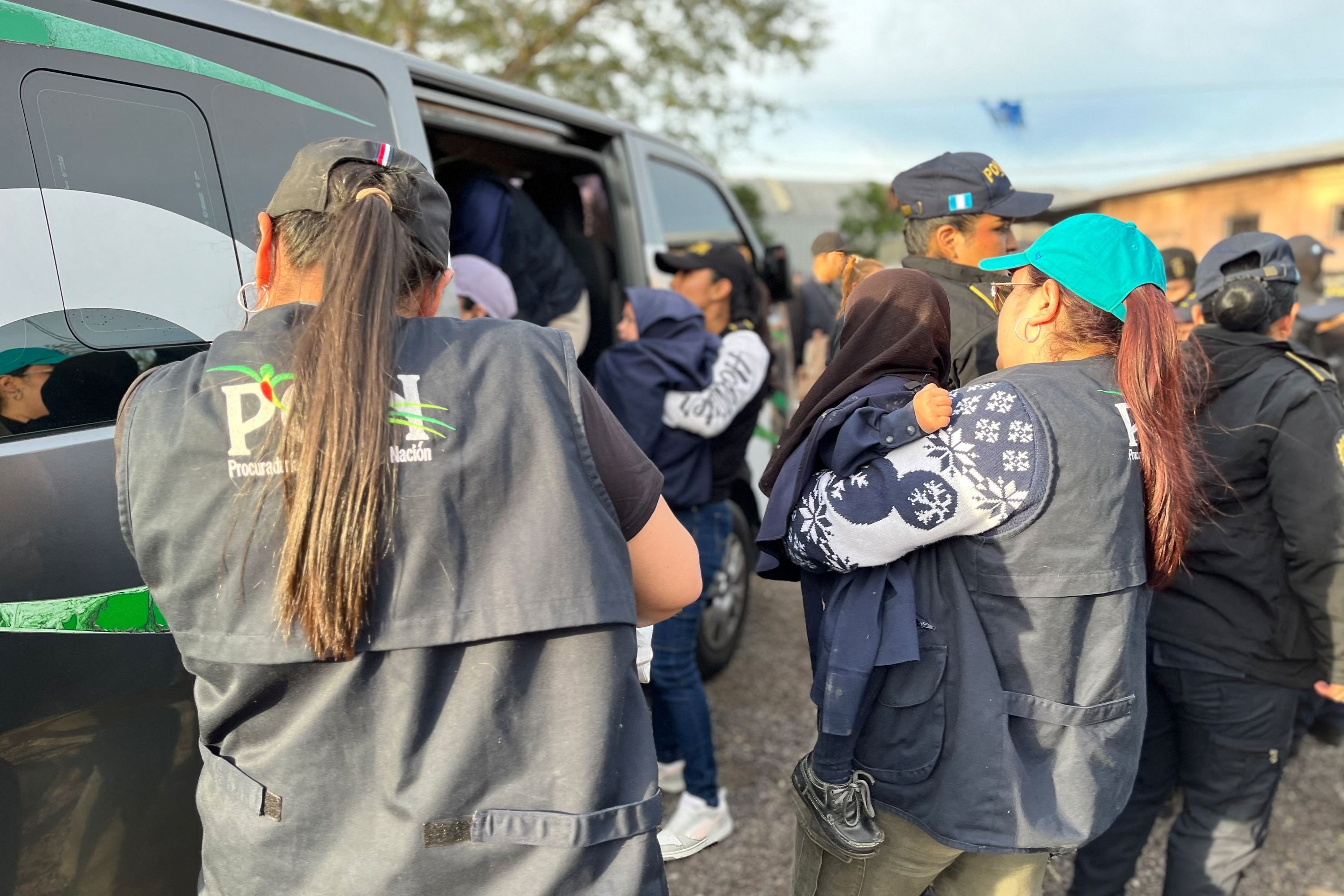
Colombian authorities removed 17 children from the Lev Tahor sect following reports from international child protection agencies regarding neglect and coercive practices within the commun...
Explore event →
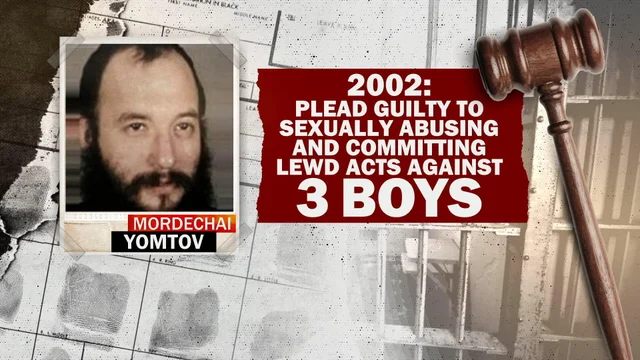
Israeli police arrested Mordechai Yom Tov in Jerusalem on November 20, 2025, after authorities located him more than two decades after he fled the United States while on probation followi...
Explore event →
Canada has updated federal food policies that allow meat and dairy from cloned cattle and swine, as well as their offspring, to enter the national food supply. The policy shift follows a ...
Explore event →
Recognition of Palestine as a Sovereign State The State of Palestine was proclaimed by the Palestine Liberation Organization on 15 November 1988. The State of Palestine is reco...
Explore event →
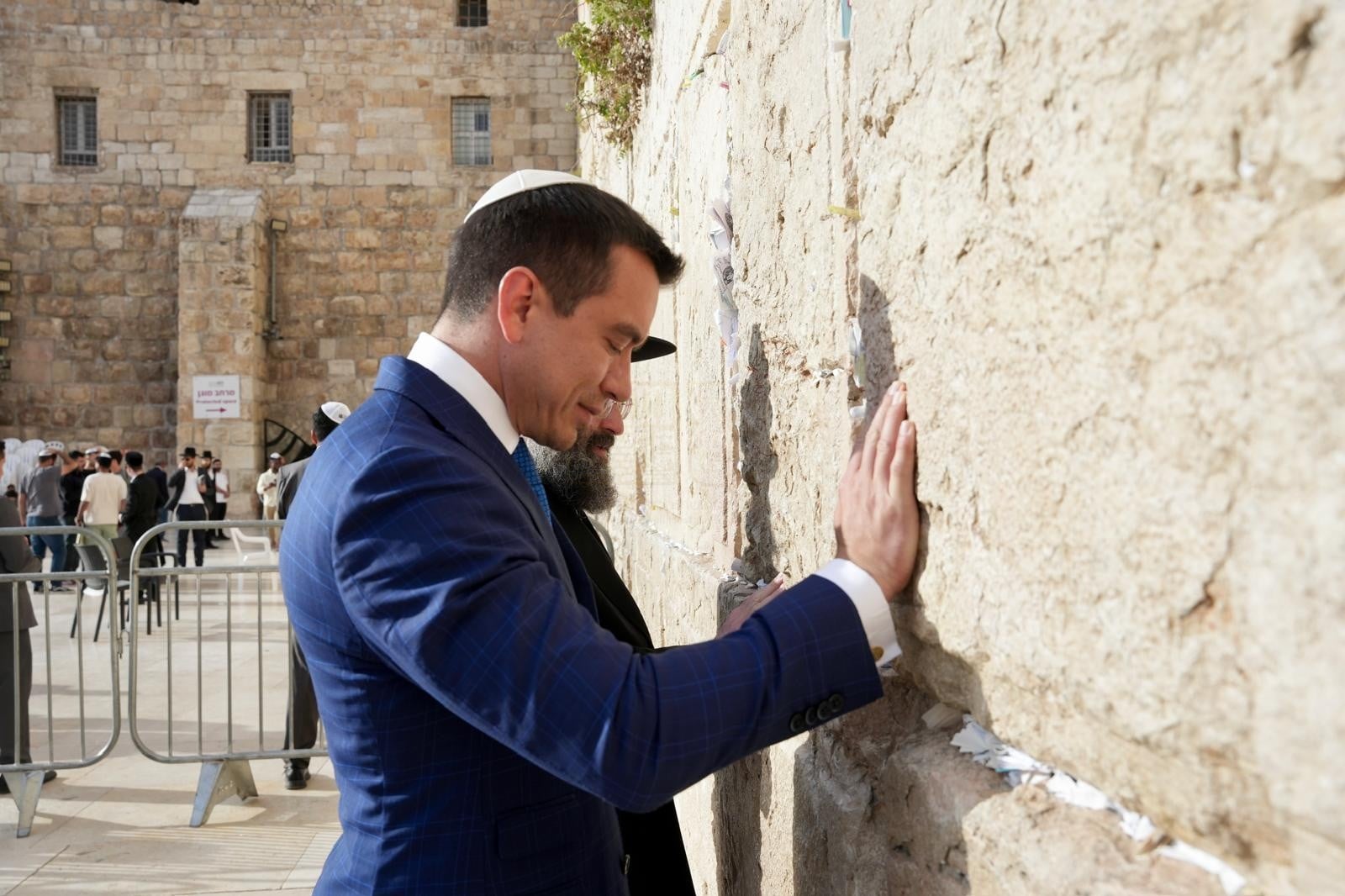
On May 5, 2025, President Daniel Noboa of Ecuador visited the Western Wall in Jerusalem during an official state visit. He prayed at the wall and placed a personal note between the stones...
Explore event →
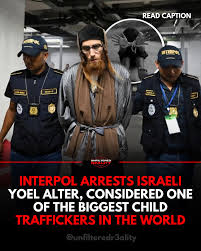
Senior Lev Tahor Member Arrested in Guatemala Senior Lev Tahor Member Arrested in Guatemala Amid Human Trafficking Probe Guatemala City, Guatemala — On January...
Explore event →
Guatemalan police clashed with members of a Jewish religious sect during an operation involving approximately 160 children authorities described as being at risk. The confrontation occu...
Explore event →
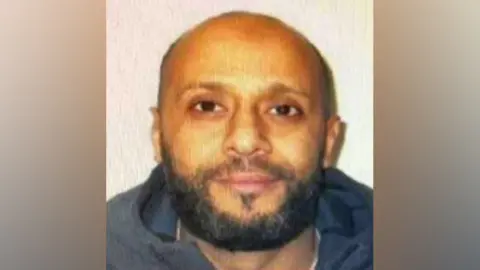
Two Swedish nationals were killed and a third person was injured in a shooting in Brussels on October 16, 2023. The victims were in the Belgian capital for a football match between Belgiu...
Explore event →
In late 2022, Iraqi authorities intensified investigations into one of the country's largest alleged corruption cases, involving the disappearance of billions of dollars from tax authorit...
Explore event →
The Nord Stream pipelines are two major natural gas pipelines, Nord Stream 1 and Nord Stream 2, running under the Baltic Sea from Russia to Germany. The pipelines were designed to transpo...
Explore event →
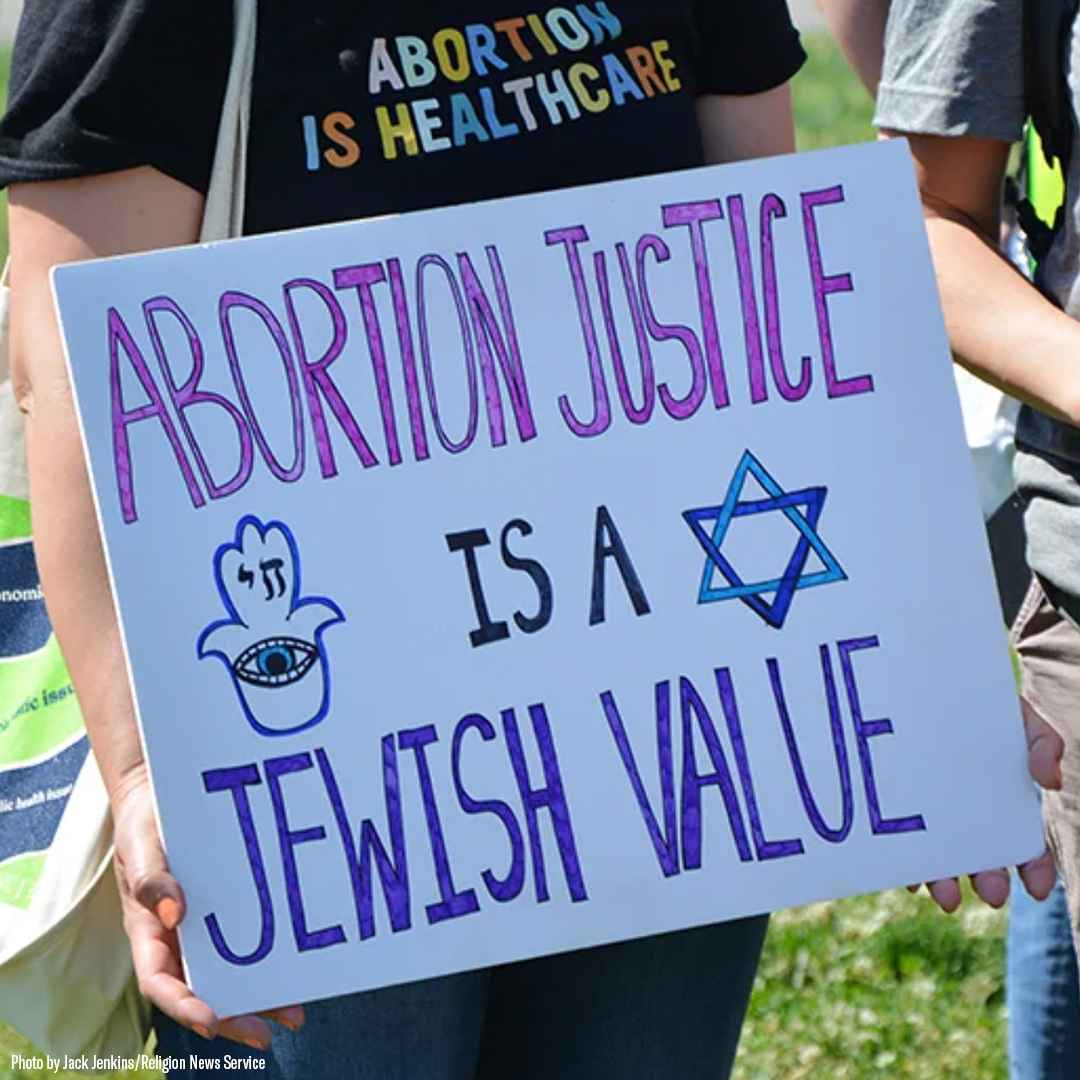
Jewish Perspectives on Abortion and Religious Rights Jewish texts and legal traditions have multiple views on abortion, often rooted in the interpretation of Torah and rabbinic...
Explore event →
John David McAfee (September 18, 1945 – June 23, 2021) was a British‑American programmer and businessman best known for founding the McAfee antivirus software company. He later became a p...
Explore event →
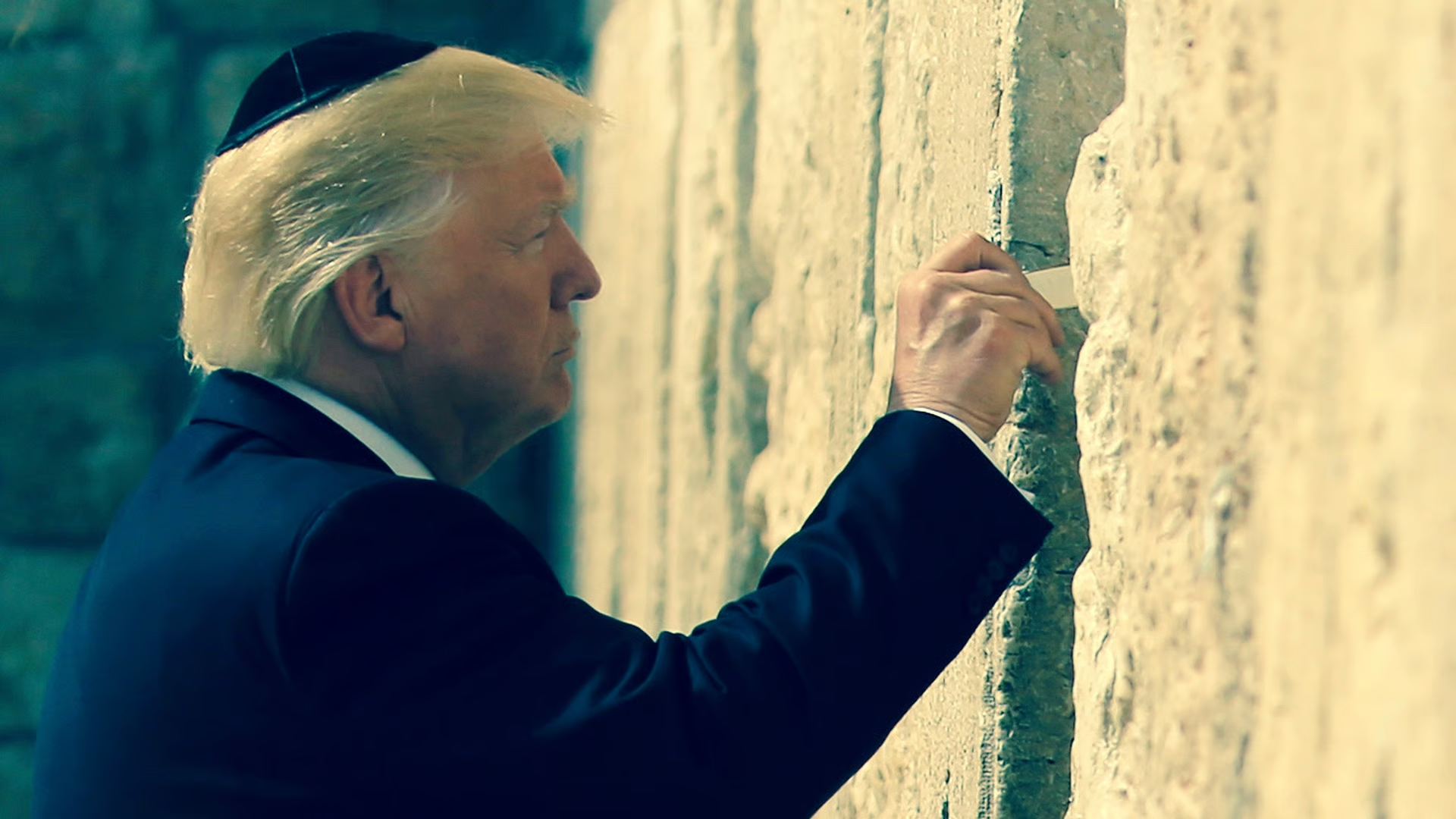
On May 22, 2017, President Donald Trump visited the Western Wall in Jerusalem, Israel, during his first foreign trip as president. He placed a written note into the cracks of the wall, fo...
Explore event →
Mendel Tevel is a rabbi who worked at a Jewish youth community center in Beverly Hills, California, United States. He previously worked as a youth worker in Brooklyn, New York, United Sta...
Explore event →
In October 2011, Earl Seth David, a Toronto-based individual who had also used the name Avraham David and presented himself as a rabbi, was arrested in Toronto in connection with a large-...
Explore event →
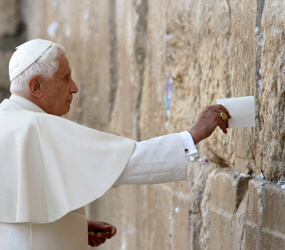
On May 11, 2009, Pope Benedict XVI visited the Western Wall in Jerusalem during a papal trip to the Holy Land. He touched the stones of the wall and offered prayers, following traditional...
Explore event →
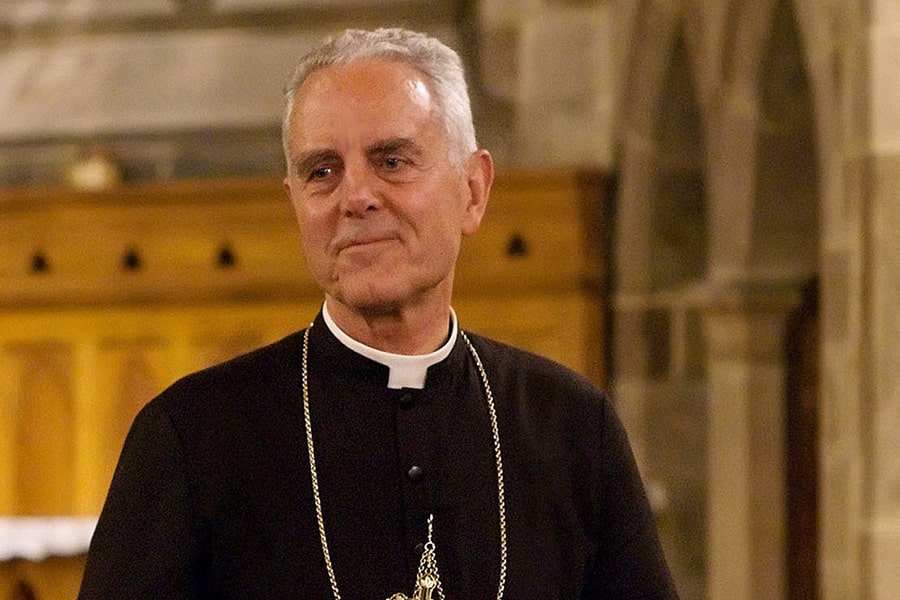
Richard Williamson was a British traditionalist Catholic bishop who became widely known for his involvement in controversies related to the Catholic Church and his public statements about...
Explore event →
The United States allows meat and milk from cloned animals to enter the food supply without special labeling requirements. The policy follows a decision by federal regulators who conclude...
Explore event →
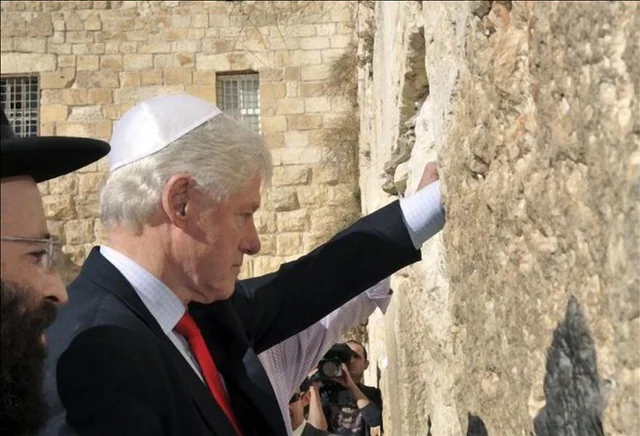
On July 23, 1994, President Bill Clinton visited Jerusalem, Israel, during an official presidential trip. As part of his visit, he went to the Western Wall, also known as the Wailing Wall...
Explore event →
Rennet is an enzyme used in cheesemaking to curdle milk and separate it into curds and whey. Traditionally, rennet was extracted from the stomachs of young calves, but today, most industr...
Explore event →
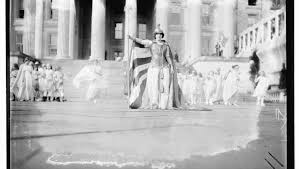
1917–1918 — Woodrow Wilson increasingly presents American participation as part of a larger project to restructure international relations. His Fourteen Points call for diplomatic reform,...
Explore published research →
1913 – Foundations of the Modern World body { font-family: Arial, sans-serif; background-color: #f4f4f9; margin: 0; padding: 0; } .timeline-container { max-width: 900...
Explore event →
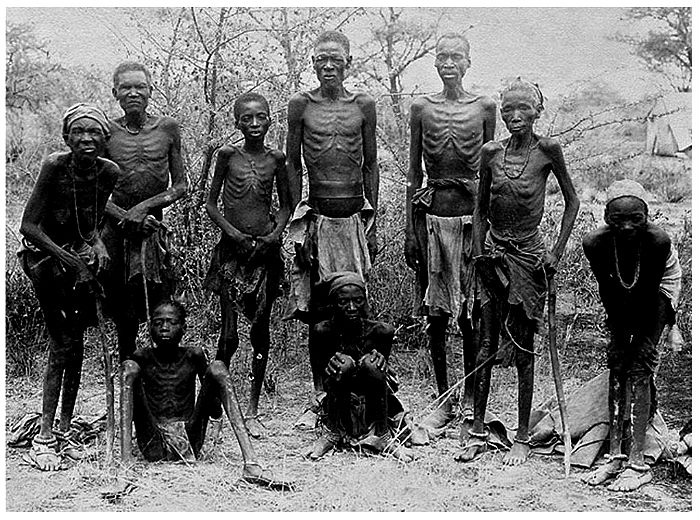
The Khoisan genocide refers to the systematic killings and displacement of the indigenous Khoisan peoples of Southern Africa during the 18th and 19th centuries. This genocide was primaril...
Explore event →
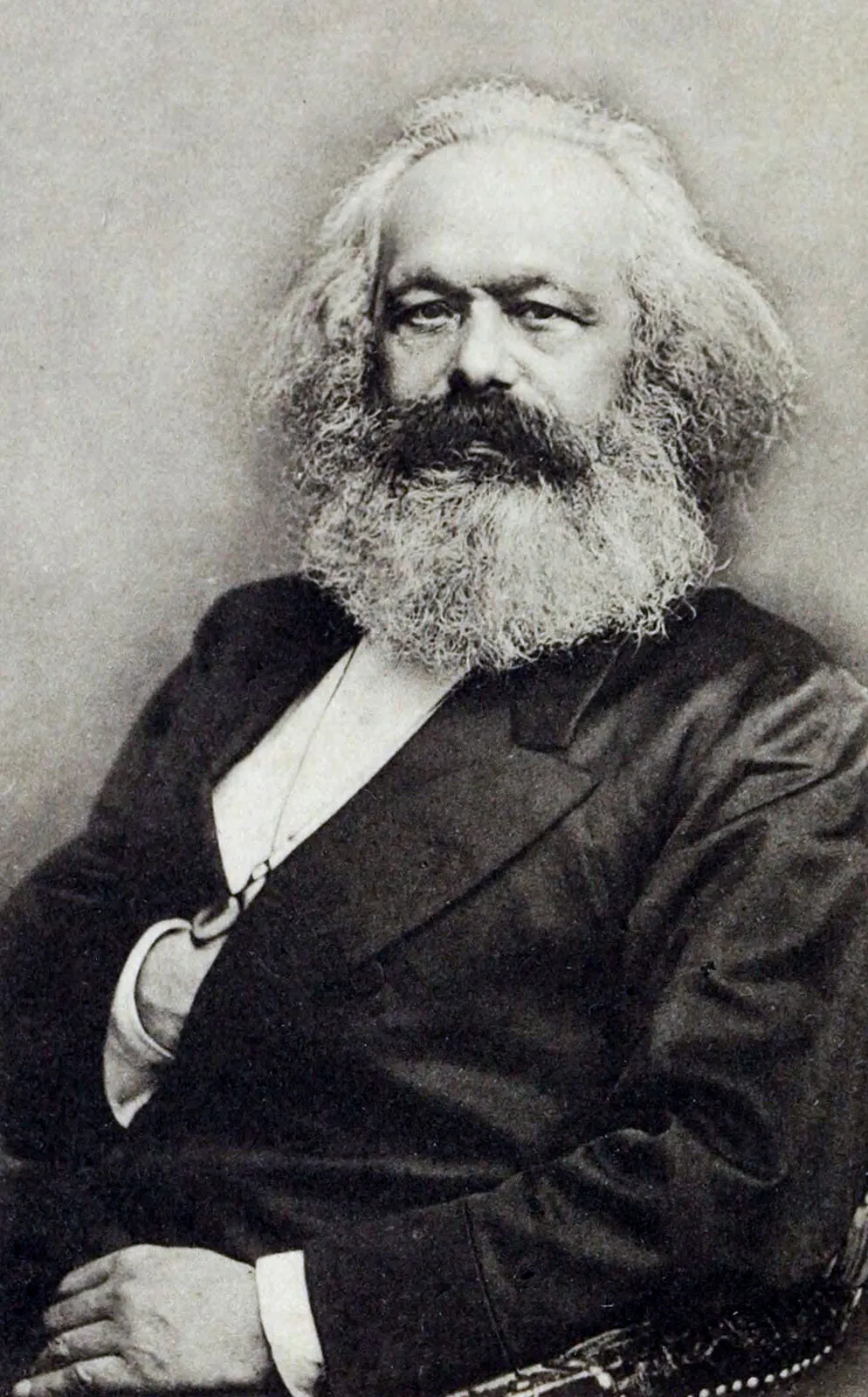
Karl Marx was a German philosopher, economist, and political theorist born in Trier, Prussia, in 1818. His work contributed to the development of socialist and communist political theory ...
Explore event →
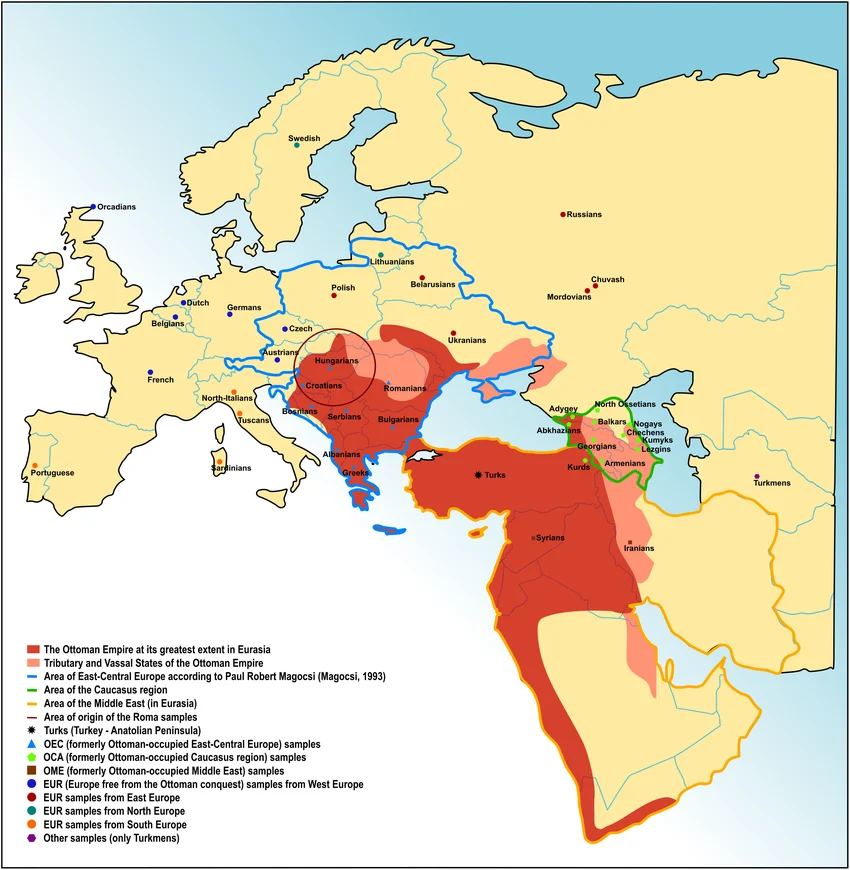
The Ottoman Empire expanded from a small Anatolian principality into one of the largest empires in history. Between the fourteenth and early twentieth centuries, Ottoman forces conquered ...
Explore event →
15th–16th centuries — Waves of Albanian-speaking migrants settle in southern Italy and Sicily during the expansion of Ottoman rule. Their descendants, known as the Arbëresh, preserve dist...
Explore published research →
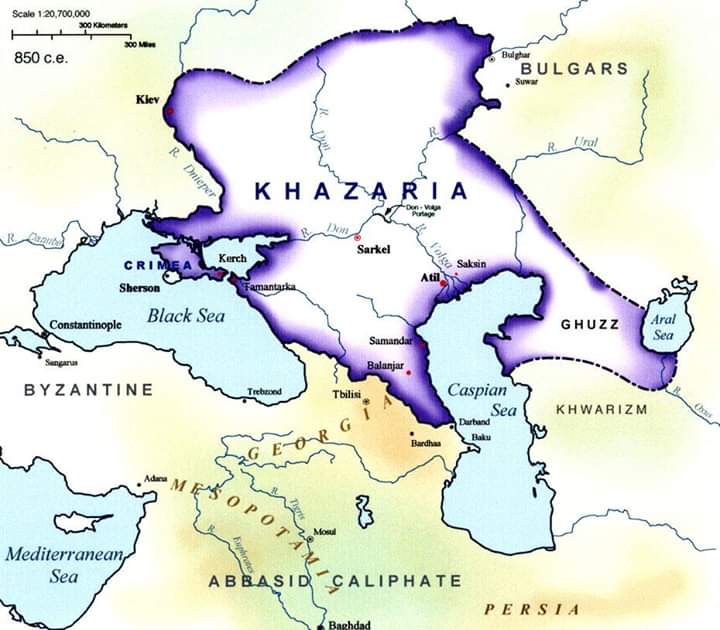
The Khazarian Empire: History, Territory, and Conversion to Judaism The Khazar Empire was a Turkic polity that emerged in the mid-seventh century and became a major regional po...
Explore event →
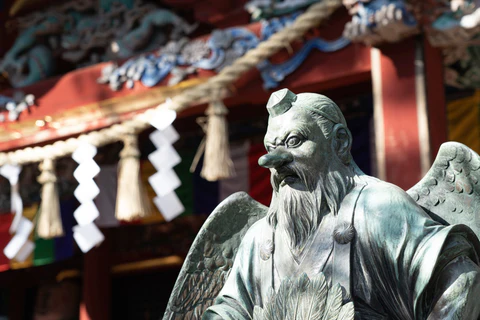
The Tengu are supernatural beings from Japanese mythology known for their association with mountains, forests, and spiritual power. They have been part of traditional folklore for centuri...
Explore event →
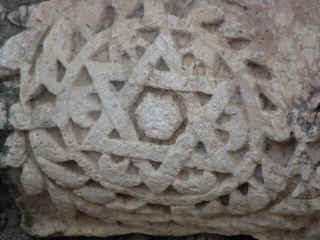
The “Star of Remphan” is a phrase found in the New Testament in the Book of Acts (Acts 7:43), where Stephen references Israelite idolatry while quoting from earlier Hebrew scripture tradi...
Explore event →
7th–10th centuries — Arabic increasingly replaces Greek and Coptic in government and eventually becomes the dominant spoken language. Conversion to Islam occurs over generations rather th...
Explore published research →
Najran Massacre 523 AD In 523 AD, the Himyarite king Yusuf Asar Dhu Nuwas, a Jewish ruler of the Himyarite Kingdom in present day Yemen, targeted the Christian population of Najr...
Explore event →
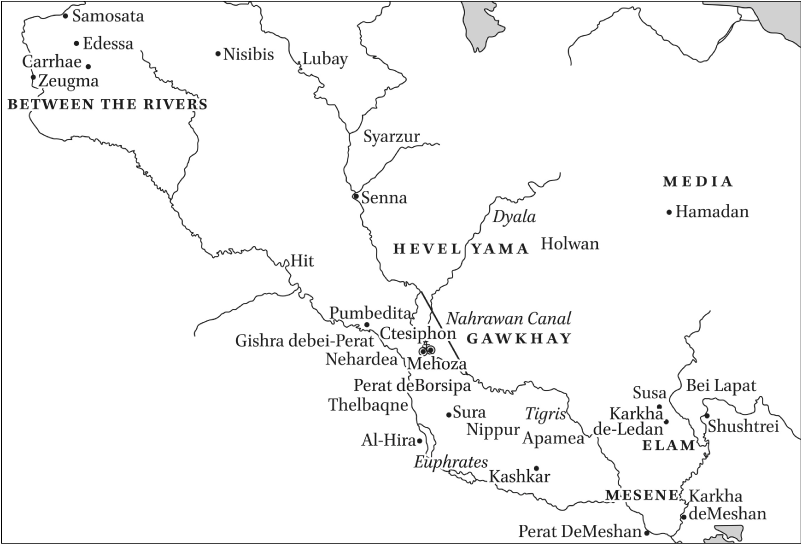
During the early centuries of the Common Era, Talmudic academies in Babylonia underwent significant expansion. These centers of Jewish learning became pivotal in the development and conso...
Explore event →
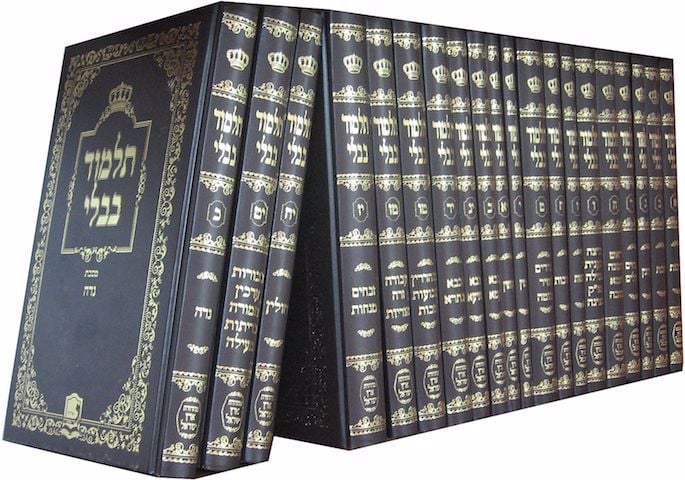
The compilation of the Babylonian Talmud marked a significant advancement in Jewish legal and theological scholarship. Completed around the 5th century CE, this work synthesized the discu...
Explore event →
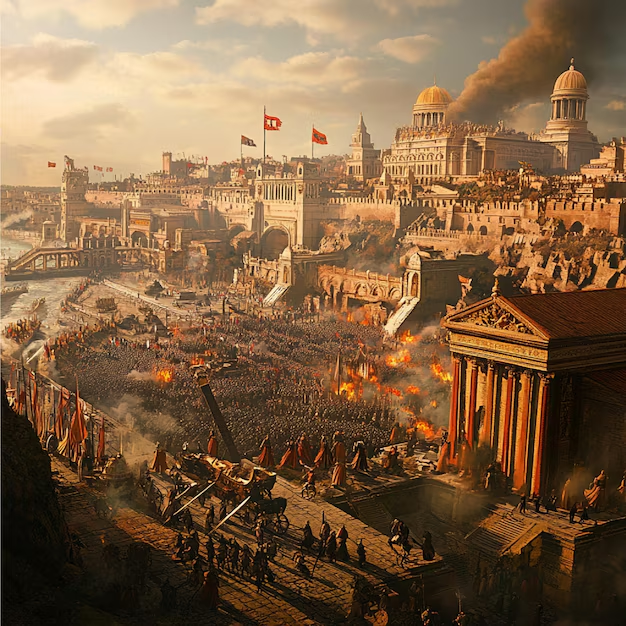
The last Western Roman emperor, Romulus Augustulus, was deposed. This event traditionally marks the end of ancient Rome and the beginning of the Middle Ages. Christian institutions beca...
Explore event →
Syriac Christian literature experienced a significant rise in the region of Upper Mesopotamia, particularly centered in the city of Edessa. This body of work included theological treatise...
Explore event →

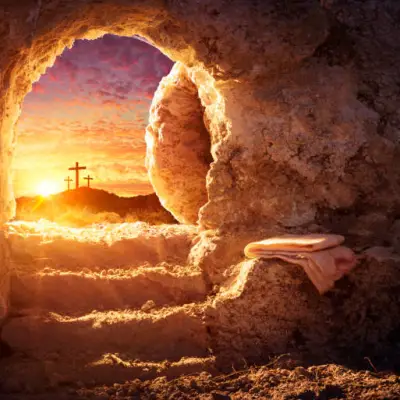
The resurrection of Jesus Christ marks a central event in Christian belief, symbolizing his victory over death. Following his crucifixion, accounts describe Jesus rising from the dead on ...
Explore event →
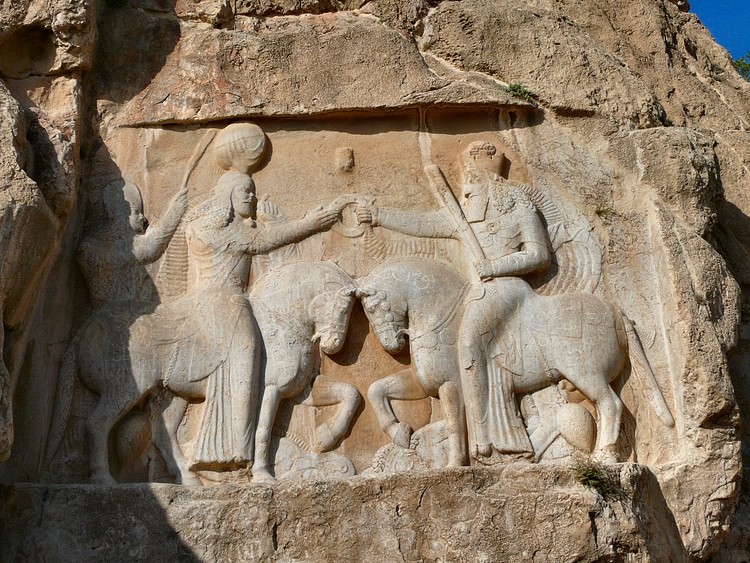
Ardashir I, the founder of the Sasanian Empire, defeated Artabanus IV, the last ruler of the Parthian Empire, at the battle near Hormozdgan. This victory marked the end of the Parthian dy...
Explore event →
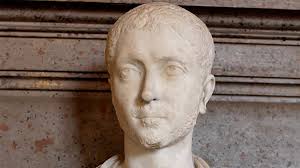
Severus Alexander was proclaimed Roman Emperor following the assassination of Elagabalus. The Roman Senate officially endorsed his accession, marking a return to more traditional imperial...
Explore event →

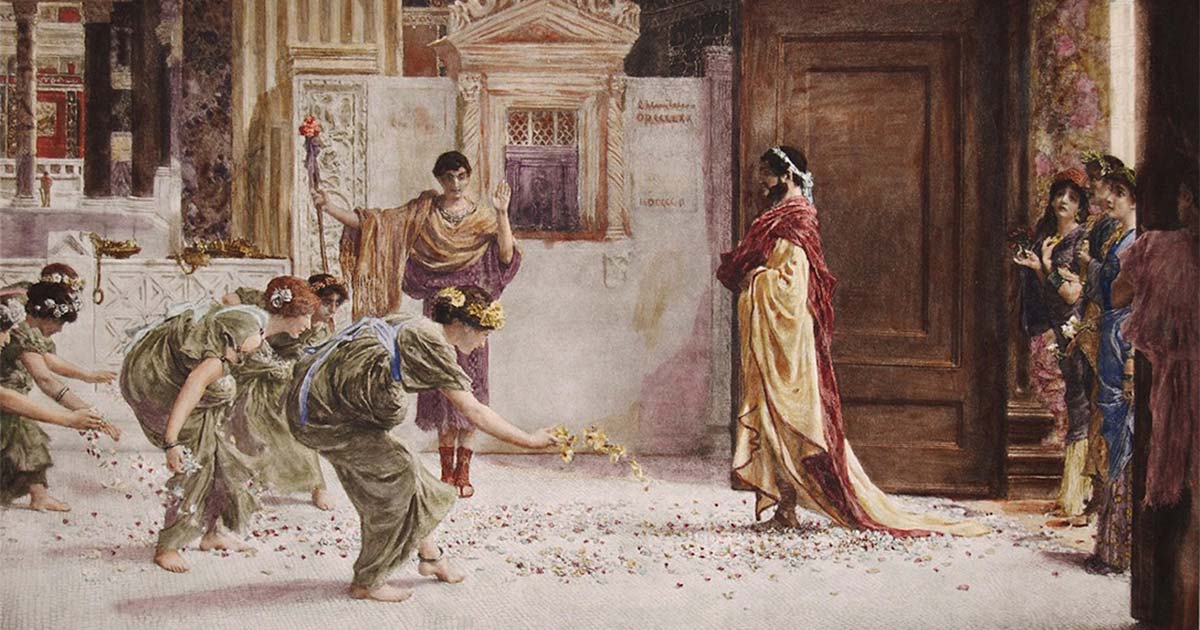
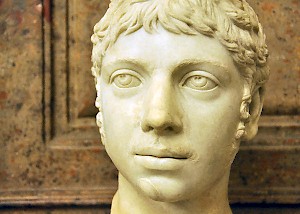
Elagabalus, also known as Varius Avitus Bassianus, was proclaimed Roman Emperor upon the death of Caracalla’s successor during the Severan dynasty. His accession marked a period of signif...
Explore event →
Emperor Elagabalus began implementing religious reforms centered on the worship of the Syrian sun god Elagabal. He elevated this deity above the traditional Roman gods, disrupting long-es...
Explore event →

Paul the Jurist was a prominent legal scholar during the reign of Emperor Justinian I. He composed detailed legal opinions and commentaries that influenced the revision of Roman law.His w...
Explore event →
Rabbinic literature from the Mishnaic and Talmudic periods (approximately 1st–6th centuries CE) includes legal discussions that describe several categories relating to sex and physical de...
Explore event →
Following the assassination of Emperor Pertinax, the Roman imperial throne was sold to the highest bidder by the Senate. Didius Julianus secured the empire by offering the largest payment...
Explore event →
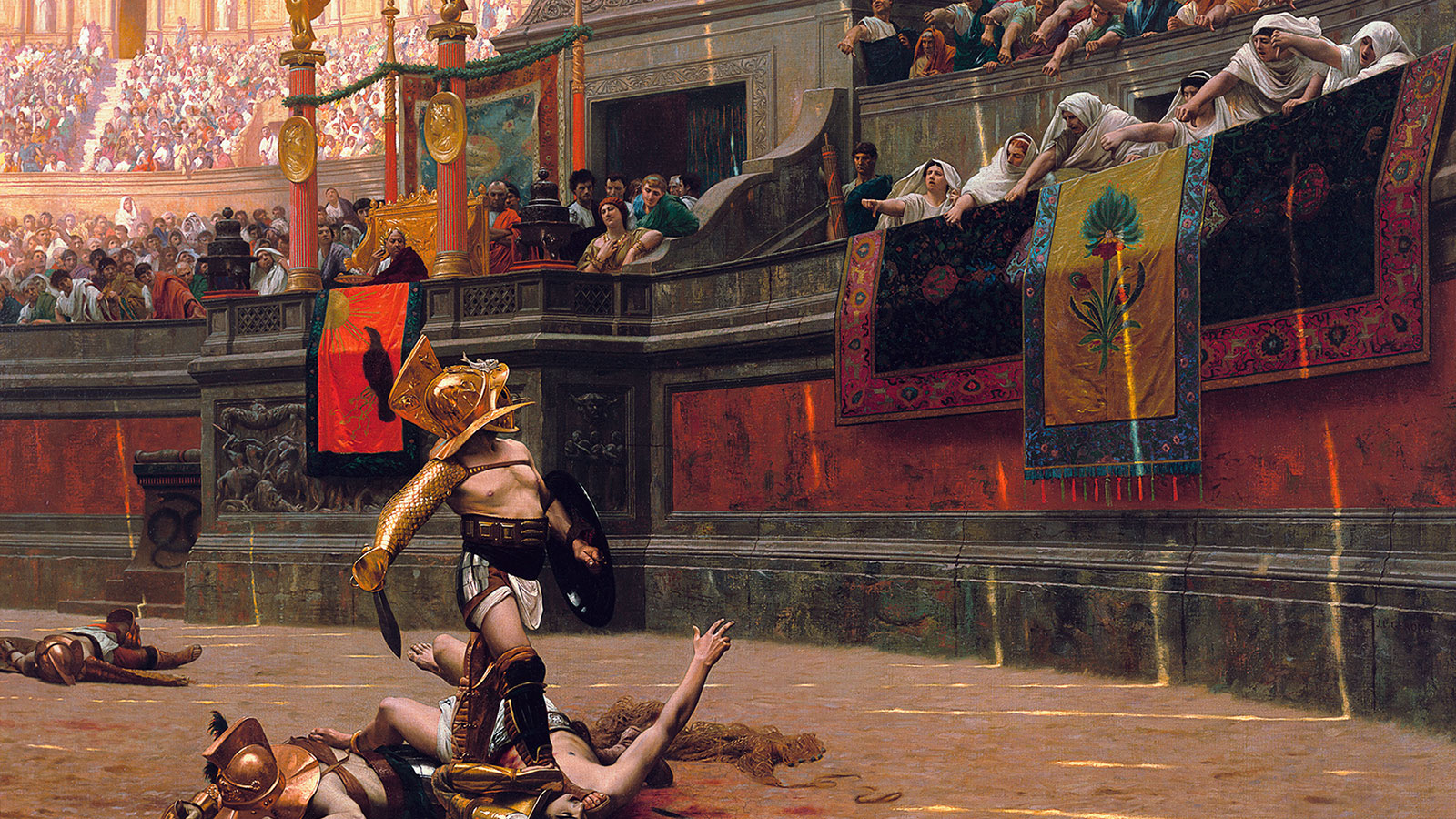
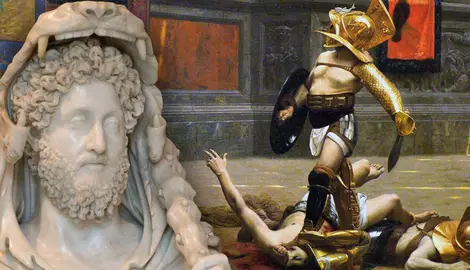
Emperor Commodus, known for his unconventional rule, famously participated in gladiatorial combats in Rome. Unlike previous emperors, he openly fought as a gladiator, staging public spect...
Explore event →

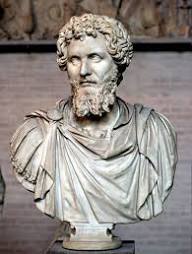
Commodus formally assumed the role of Roman Emperor following the death of his father Marcus Aurelius. His accession marked a significant transition from the era of the traditional adopti...
Explore event →
The Edomites, also known in later sources as Idumeans, were an ancient Semitic people who lived in the region south of Judea, historically associated with the descendants of Esau in bibli...
Explore event →

The Roman Empire, under Emperor Trajan, successfully captured the city of Ctesiphon during his campaign against the Parthian Empire. This marked a significant moment as the Romans briefly...
Explore event →
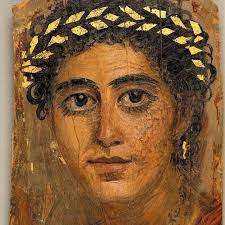
The Fayum portrait tradition represents a unique blend of Egyptian and Greco-Roman artistic styles. These funerary portraits were painted on wooden panels and affixed to mummies, dating p...
Explore event →
1st–4th centuries CE — Christianity spreads widely through Egypt and produces one of the ancient world's most important Christian traditions. Egyptian monasticism profoundly influences Ch...
Explore published research →
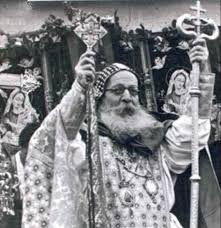
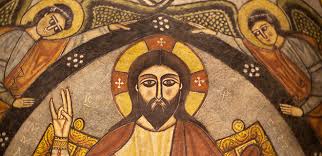
Coptic Christianity, one of the oldest Christian traditions, has seen notable growth within Egypt in recent years. Rooted deeply in Egyptian history, the Coptic community continues to exp...
Explore event →
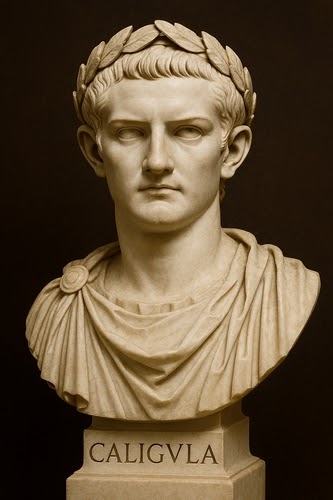
Caligula, born Gaius Julius Caesar Germanicus, became Roman Emperor following the death of Tiberius. His accession marked a significant transition in the Julio-Claudian dynasty.His rise t...
Explore event →
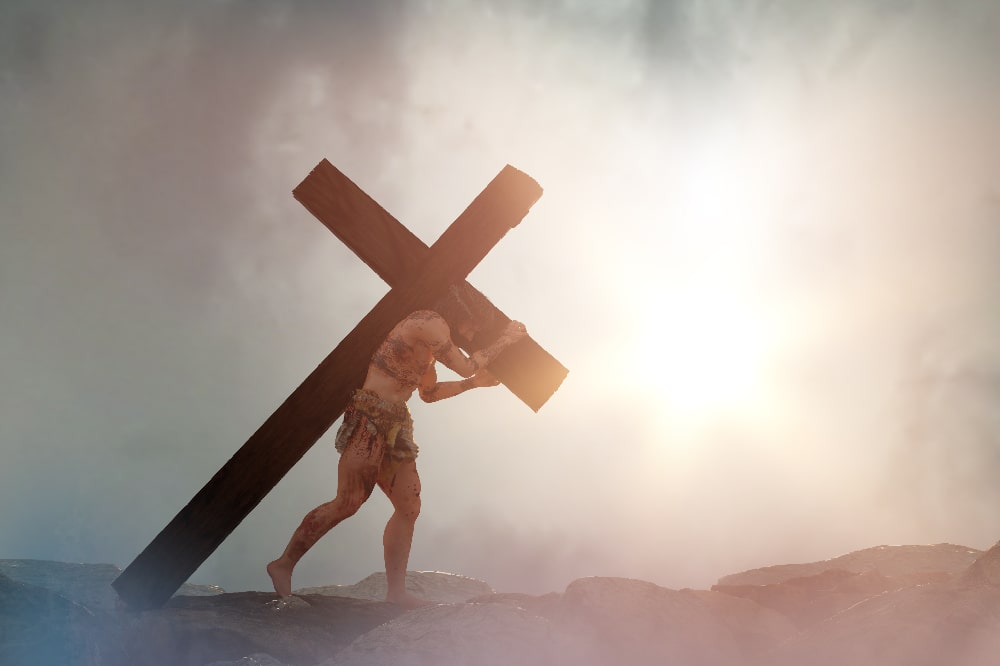
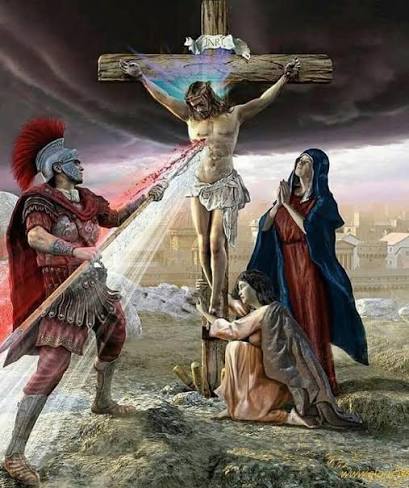
Jesus of Nazareth was executed by crucifixion under Roman governor Pontius Pilate in Jerusalem, during the period of Roman occupation of Judea. The event is documented in the canonical Go...
Explore event →
Longinus is the name given in later Christian tradition to the Roman soldier said to have pierced the side of Jesus during the crucifixion with a spear, as described in the Gospel of John...
Explore event →
Pentecost in Jerusalem marks a significant event when the early followers of Jesus gathered to celebrate the Jewish festival of Shavuot, also known as Pentecost. This gathering led to a p...
Explore event →
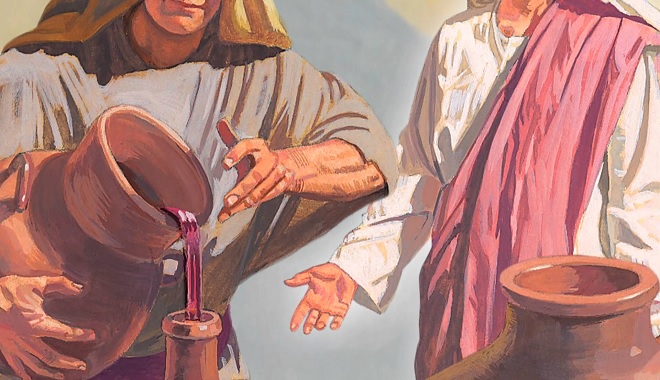
The town of Qana in southern Lebanon is traditionally identified by some Christian communities as the site of the biblical event where Jesus is said to have performed his first miracle, t...
Explore event →
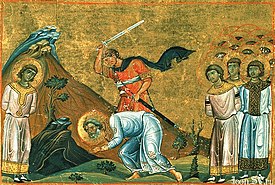
The baptism of Jesus is a significant event marking the beginning of his public ministry. It took place in the Jordan River, where John the Baptist was baptizing people in preparation for...
Explore event →
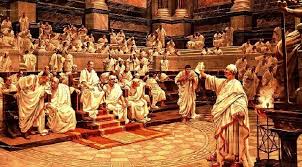
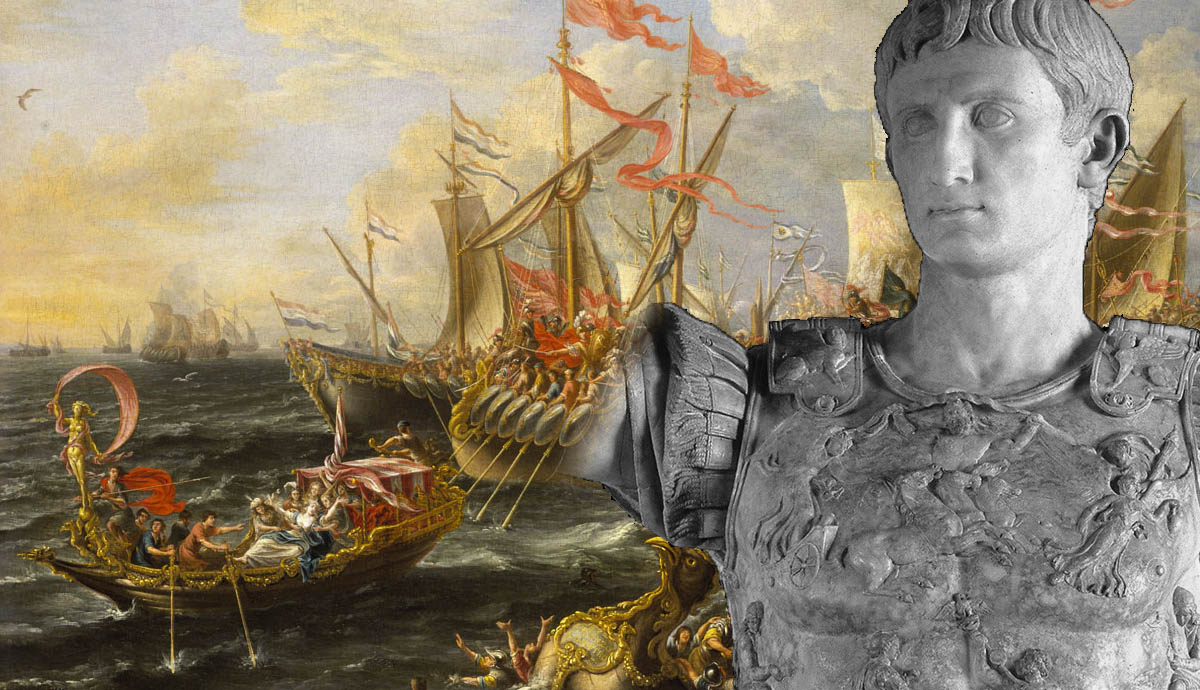
On January 16, the Roman Senate granted Octavian the title Augustus, marking his official accession as the sole ruler of Rome. This event symbolized the transition from the Roman Republic...
Explore event →
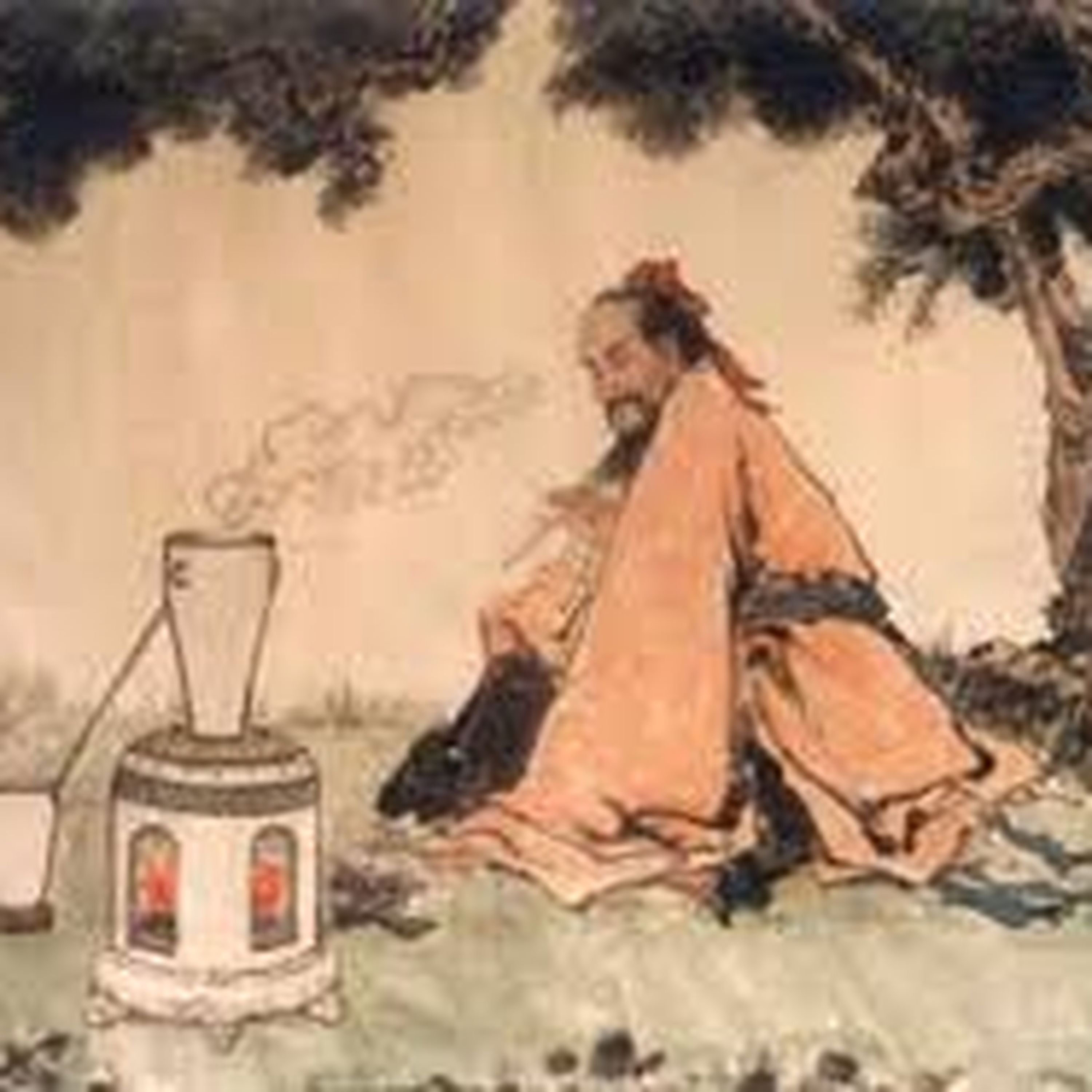
Ge Hong was a Chinese scholar and alchemist during the Eastern Jin dynasty known for his significant writings on alchemy and the quest for immortality. His works combined Daoist philosoph...
Explore event →
Jesus of Nazareth, the central figure of Christianity, is traditionally believed to have been born in Bethlehem during the final years of the reign of Herod the Great. According to Christ...
Explore event →
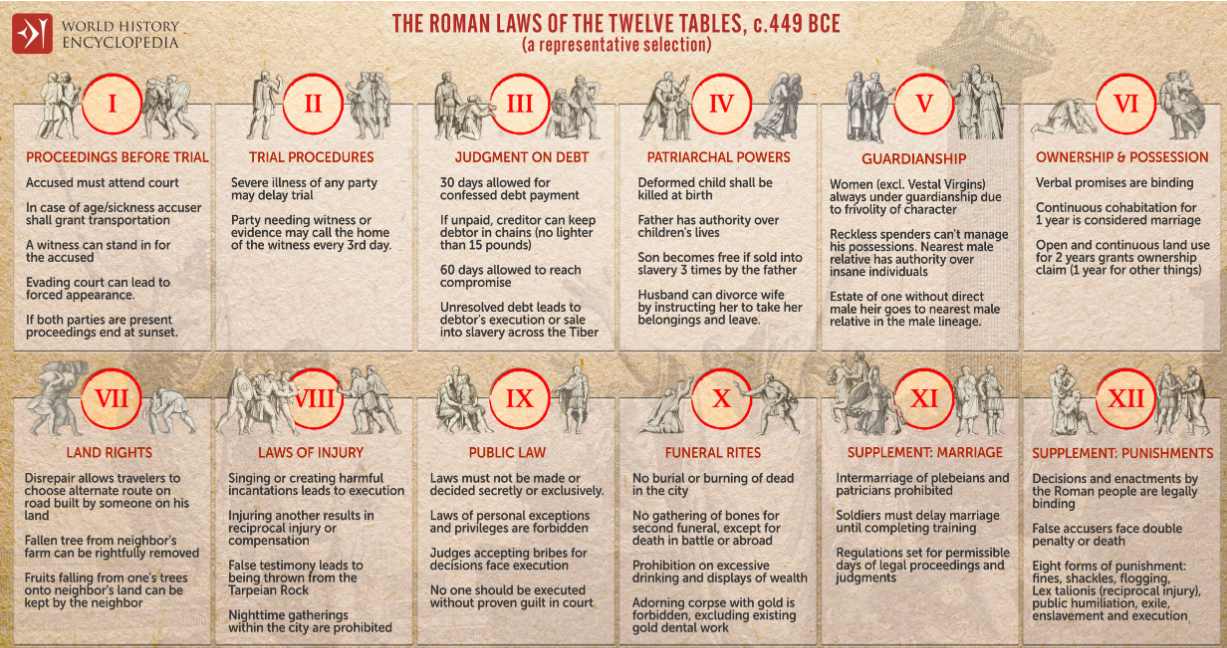
Roman law saw significant advancements in codification through the efforts of distinguished jurists during the Republic and early Empire. These legal experts compiled and systematized law...
Explore event →
30 BCE–395 CE — Egypt remains one of the Roman Empire's wealthiest provinces. Alexandria continues as a major commercial and intellectual center while traditional Egyptian temples functio...
Explore published research →
51–30 BCE — Cleopatra VII becomes the final active ruler of the Ptolemaic dynasty. She navigates the expanding power of Rome through alliances and relationships first with Julius Caesar a...
Explore published research →
305–30 BCE — The Macedonian Ptolemaic dynasty rules Egypt after the fragmentation of Alexander's empire. Its kings present themselves simultaneously as Hellenistic monarchs and Egyptian p...
Explore published research →
332 BCE — Alexander enters Egypt during his campaign against the Persian Empire and is welcomed as its new ruler. He participates in Egyptian royal and religious traditions while integrat...
Explore published research →
664–525 BCE — Rulers of the Twenty-Sixth Dynasty reunify Egypt from their base at Sais. They encourage trade with the Greek world, employ foreign mercenaries and revive older Egyptian art...
Explore published research →
Untitledc. 747–656 BCE — Kings from the Nubian kingdom of Kush expand north and eventually control Egypt as the Twenty-Fifth Dynasty. They deliberately present themselves as restorers of ...
Explore published research →
776 BCE — Traditional date for the first recorded Olympic Games at Olympia.
Explore published research →
c. 1000–500 BCE — Iron Age communities later identified by Greek and Roman writers as Illyrian become visible across much of the western Balkans. Illyrians were not one centralized nation...
Explore published research →
c. 1177 BCE — During the reign of Ramesses III, Egyptian inscriptions describe major battles against groups arriving by land and sea. These groups are traditionally called the Sea Peoples...
Explore published research →
c. 1332–1323 BCE — Tutankhamun becomes king while still a child during the political aftermath of Akhenaten's religious revolution. His government restores traditional temples and moves t...
Explore published research →
c. 1353–1336 BCE — Amenhotep IV changes his name to Akhenaten and promotes extraordinary devotion to the solar deity Aten. He establishes a new royal capital at Akhetaten, modern Amarna, ...
Explore published research →
c. 1353–1336 BCE — Akhenaten's religious revolution gives the Aten unprecedented royal prominence and suppresses major traditional cults. Some scholars have described this as monotheism, ...
Explore published research →
c. 1479–1458 BCE — Hatshepsut begins as regent for the young Thutmose III but eventually assumes full pharaonic titles. Royal imagery increasingly depicts her with traditional male symbol...
Explore published research →
c. 1650–1550 BCE — A dynasty of rulers of largely western Asian origin controls much of northern Egypt from Avaris in the Nile Delta. Egyptian sources later portray them as foreign occupi...
Explore published research →
c. 2650 BCE — Djoser's Step Pyramid complex represents a revolutionary leap in monumental stone architecture. Traditionally associated with the official Imhotep, the project begins as a m...
Explore published research →
c. 2667–2648 BCE — Djoser rules during Egypt's Third Dynasty and is associated with one of the greatest architectural transformations in ancient history. His funerary complex at Saqqara r...
Explore published research →
c. 3000–1100 BCE — Fortified settlements, metallurgy, regional trade and tumulus burial traditions develop across the western Balkans. Social differences become increasingly visible in gr...
Explore published research →
c. 3300–3100 BCE — Larger political systems emerge in the Nile Valley and Delta. Later Egyptian tradition remembers the country as two lands: Upper Egypt in the south and Lower Egypt in t...
Explore published research →
c. 6500–5500 BCE — Farming, livestock keeping and permanent villages become established in parts of the territory of modern Albania. Communities increasingly depend on cultivated crops an...
Explore published research →