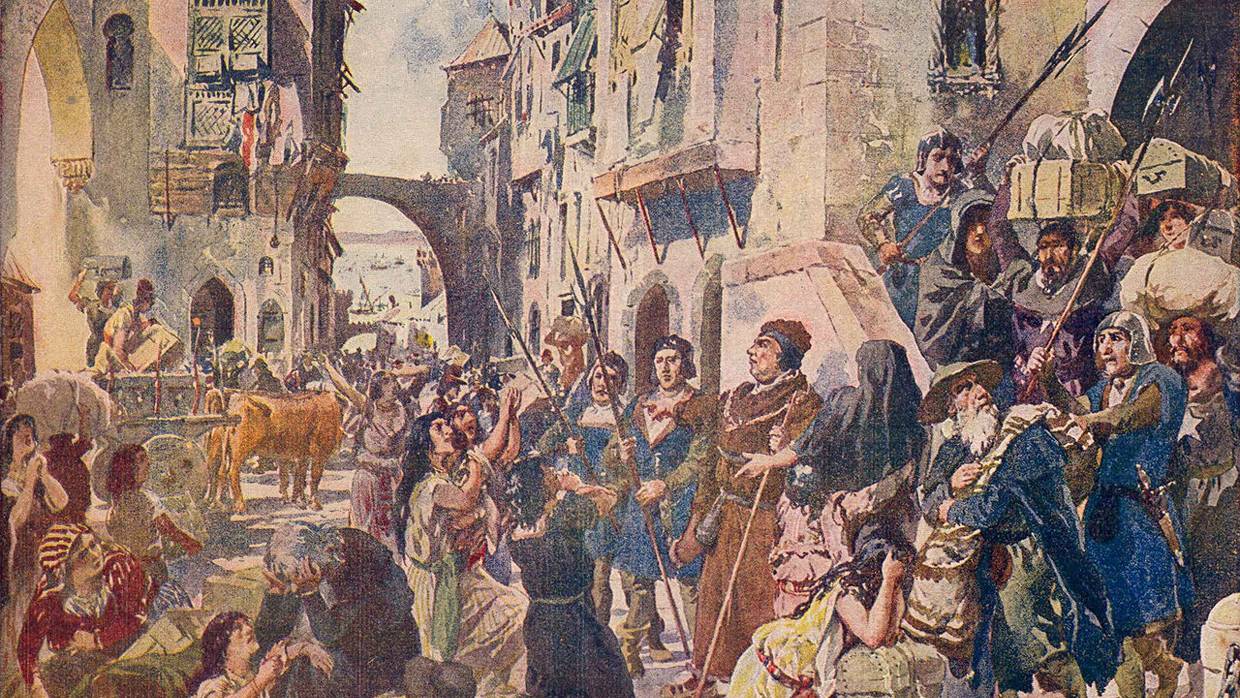
Expulsion of Jews from Portugal
Expulsion of Jews from Portugal On December 5, 1497, King Manuel I of Portugal issued an edict requiring all Jews to either convert to Christianity or leave the kingd...
Explore event →History does not happen in isolation. Explore world events across time, follow the connections between them, and investigate the threads that reveal how one event can lead to another.
TheTimeMap currently follows events across 95 countries and 268 years of history — building a connected archive designed for people who want to look beyond the headline.
We oppose antisemitism, racism, and dehumanization — everywhere.
When people stop feeling, injustice becomes easy.
Expulsion of Jews from Portugal On December 5, 1497, King Manuel I of Portugal issued an edict requiring all Jews to either convert to Christianity or leave the kingd...
Explore event →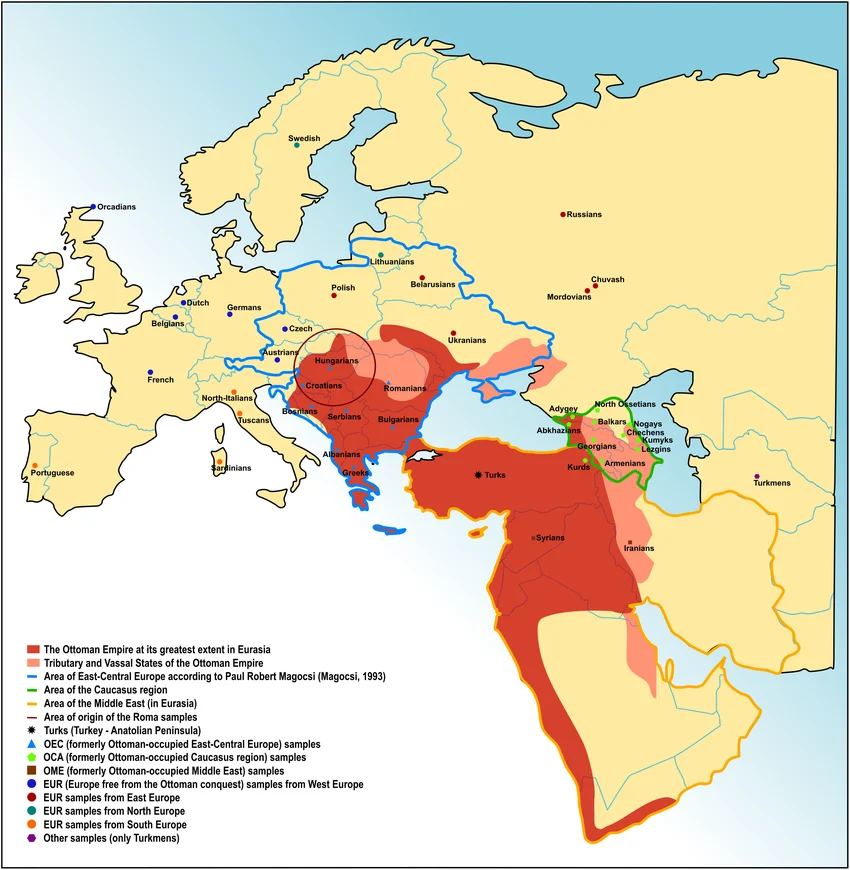
The Ottoman Empire expanded from a small Anatolian principality into one of the largest empires in history. Between the fourteenth and early twentieth centuries, Ottom...
Explore event →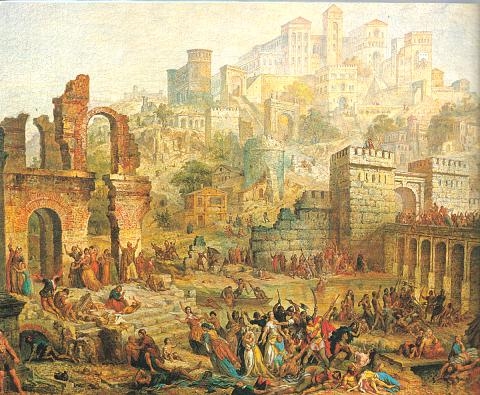
Expulsion of Jews from Speyer On October 15, 1435, the city council of Speyer, a city within the Holy Roman Empire, issued an expulsion order for all Jewish residents...
Explore event →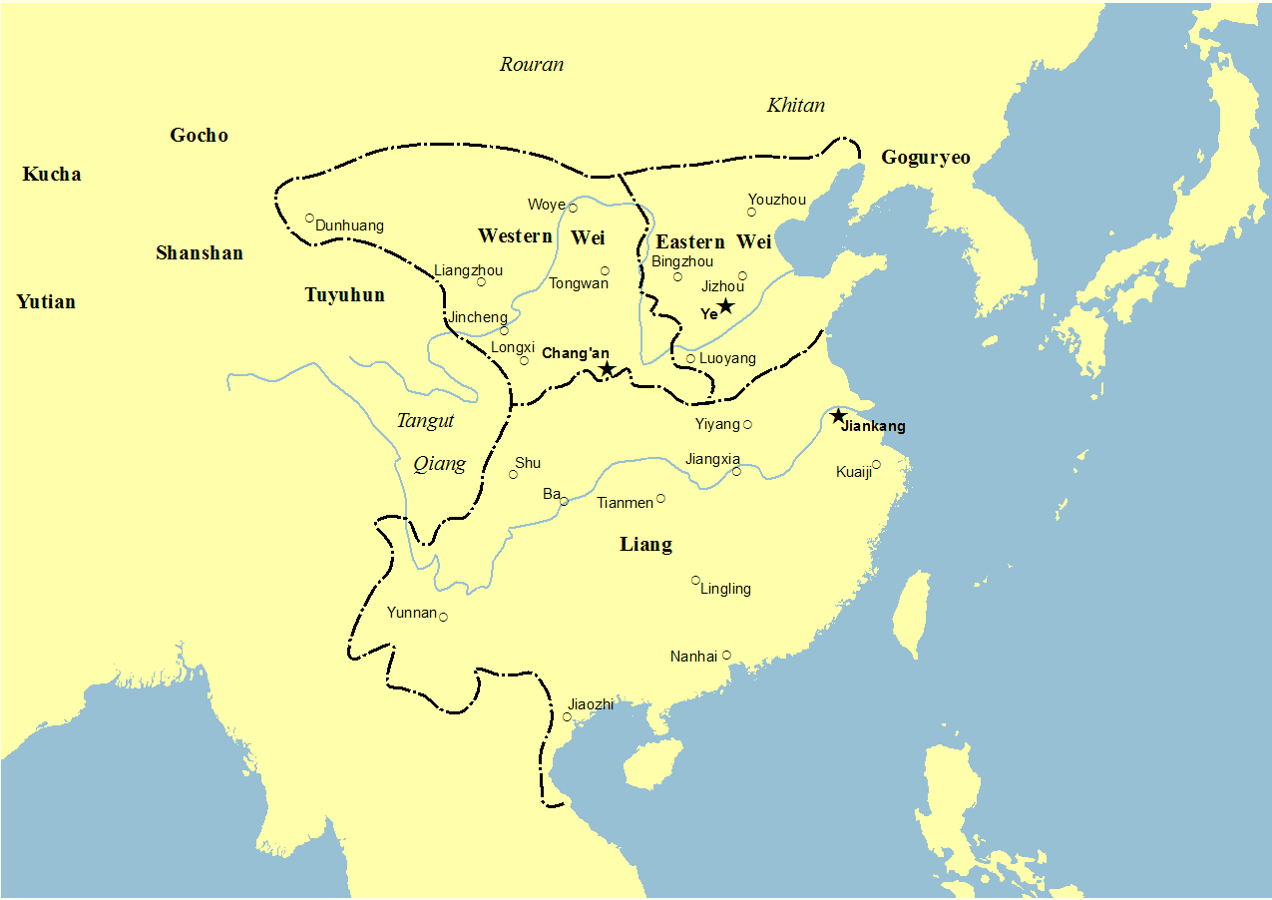
In early March 1371, Cham forces launched a significant raid on the Jiaozhi region of northern Vietnam. The attack targeted local settlements and disrupted the regiona...
Explore event →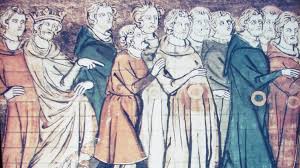
Expulsion of Jews from France On July 22, 1306, King Philip IV of France, also known as Philip the Fair, issued an edict expelling all Jews from the kingdom. The expu...
Explore event →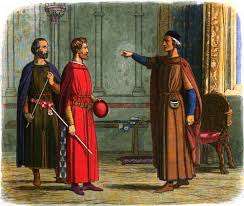
Expulsion of Jews from England On July 18, 1290, King Edward I issued the Edict of Expulsion, ordering all Jews to leave the Kingdom of England. The decree affected J...
Explore event →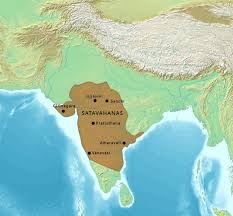
Indian cultural influence expanded significantly throughout Southeast Asia, notably through trade, religion, and political relations established by Indianized kingdoms...
Explore event →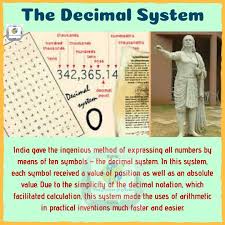
The decimal numeral system, characterized by the use of ten digits and a place-value notation, was advanced significantly in India. Indian mathematicians refined the c...
Explore event →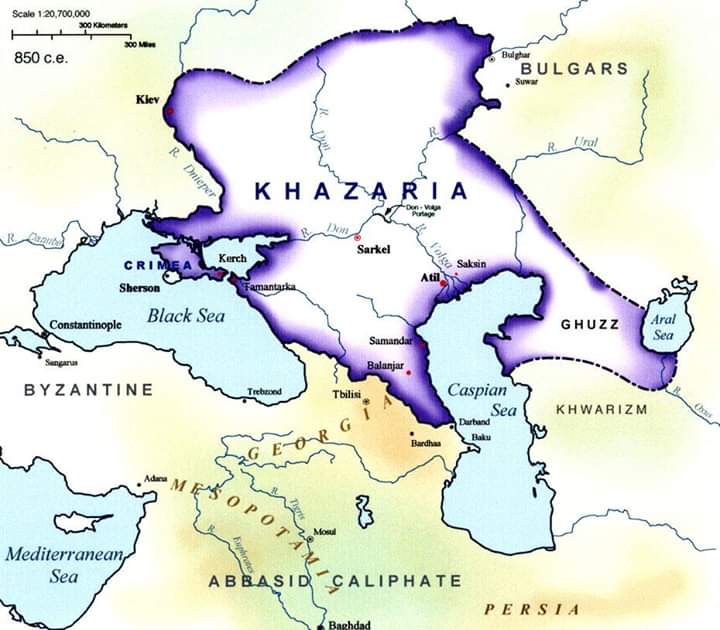
The Khazarian Empire: History, Territory, and Conversion to Judaism The Khazar Empire was a Turkic polity that emerged in the mid-seventh century and became...
Explore event →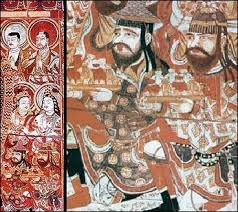
Sogdian merchants played a crucial role in expanding trade routes across Central Asia during the early medieval period. Centered in the city of Samarkand, they facilit...
Explore event →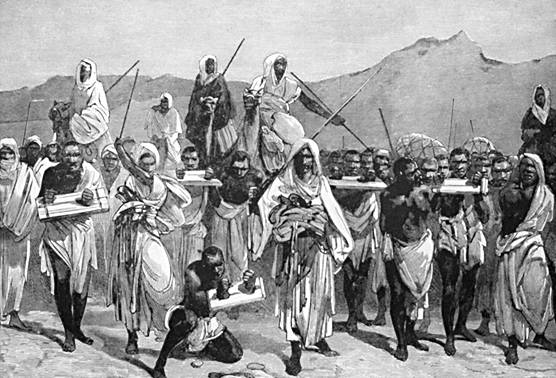
Trans‑Saharan Slave Trade The Trans‑Saharan slave trade began around the mid‑7th century following the Treaty of Baqt in 652 CE, which established formal rela...
Explore event →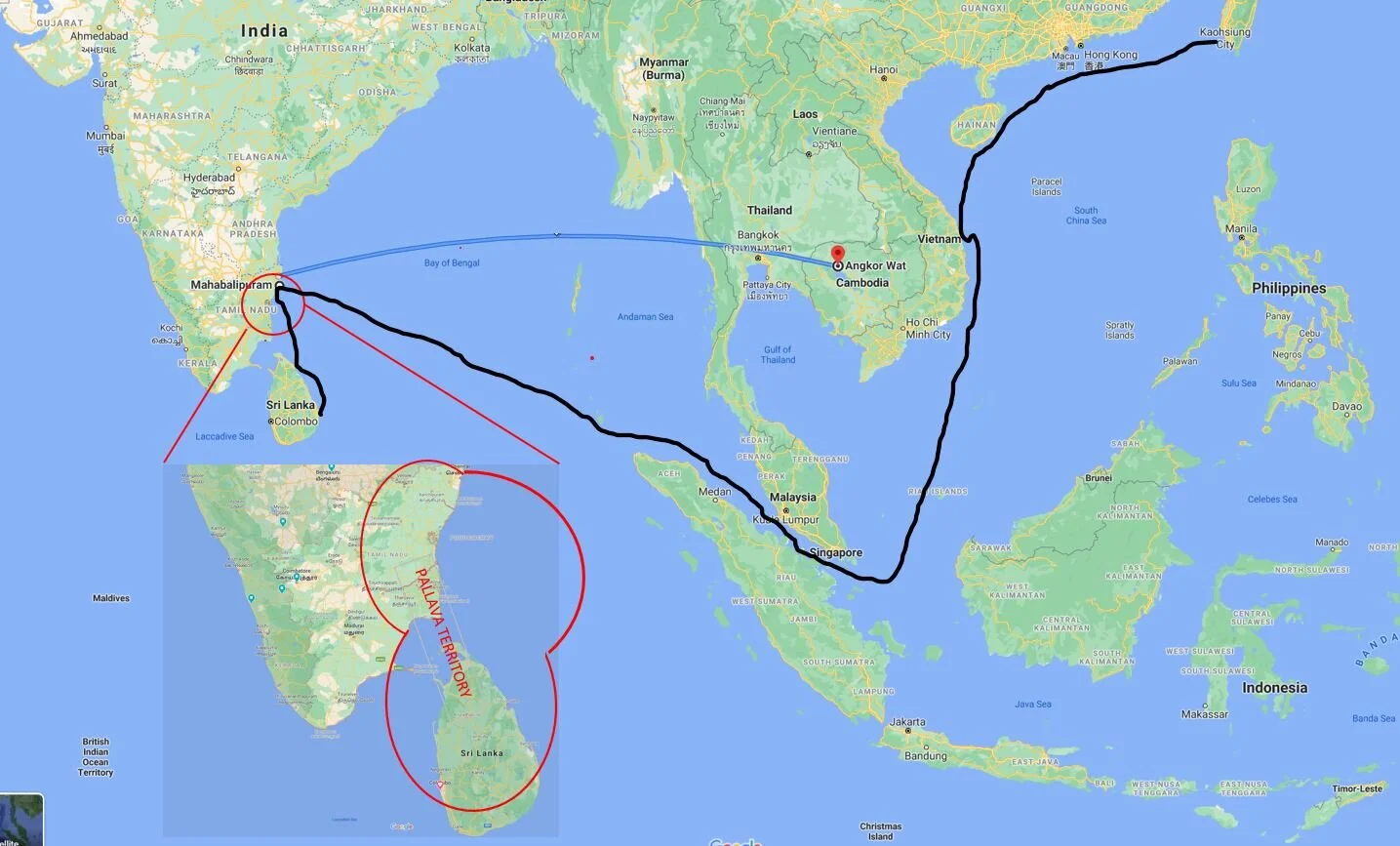
The Pallava dynasty emerged as a dominant power in South India during the early medieval period. Centered around the city of Kanchipuram, they established a strong pol...
Explore event →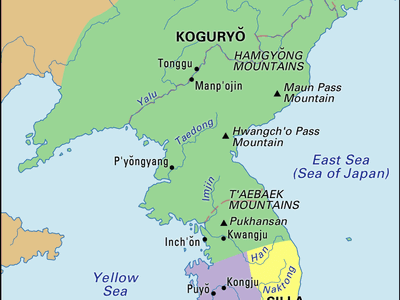
The Kingdom of Baekje experienced significant cultural and political growth during the mid-6th century. Its leadership established strong diplomatic ties with neighbor...
Explore event →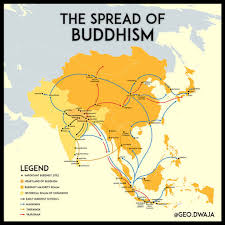
Buddhism spread into China primarily through cultural and trade exchanges along the Silk Road. Merchants, monks, and travelers introduced Buddhist teachings and texts ...
Explore event →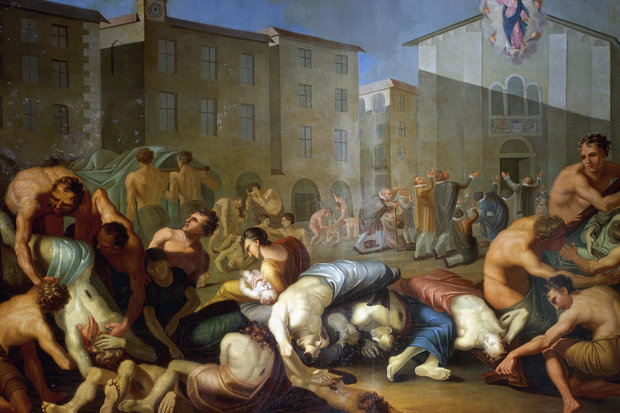
The Cyprian Plague is rapidly spreading across the Mediterranean region, severely impacting cities within the Roman Empire. Reports indicate a high mortality rate and ...
Explore event →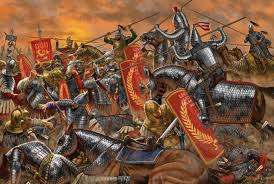
The Battle of Nisibis was fought near the city of Nisibis, a strategic fortress in Mesopotamia. Roman forces under Emperor Macrinus clashed with the Parthian army, res...
Explore event →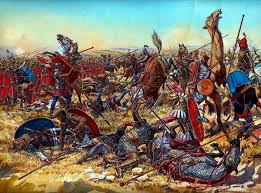
The Roman forces under the command of Lucius Verus launched a major campaign against the Parthian Empire, culminating in the capture of their capital city, Ctesiphon. ...
Explore event →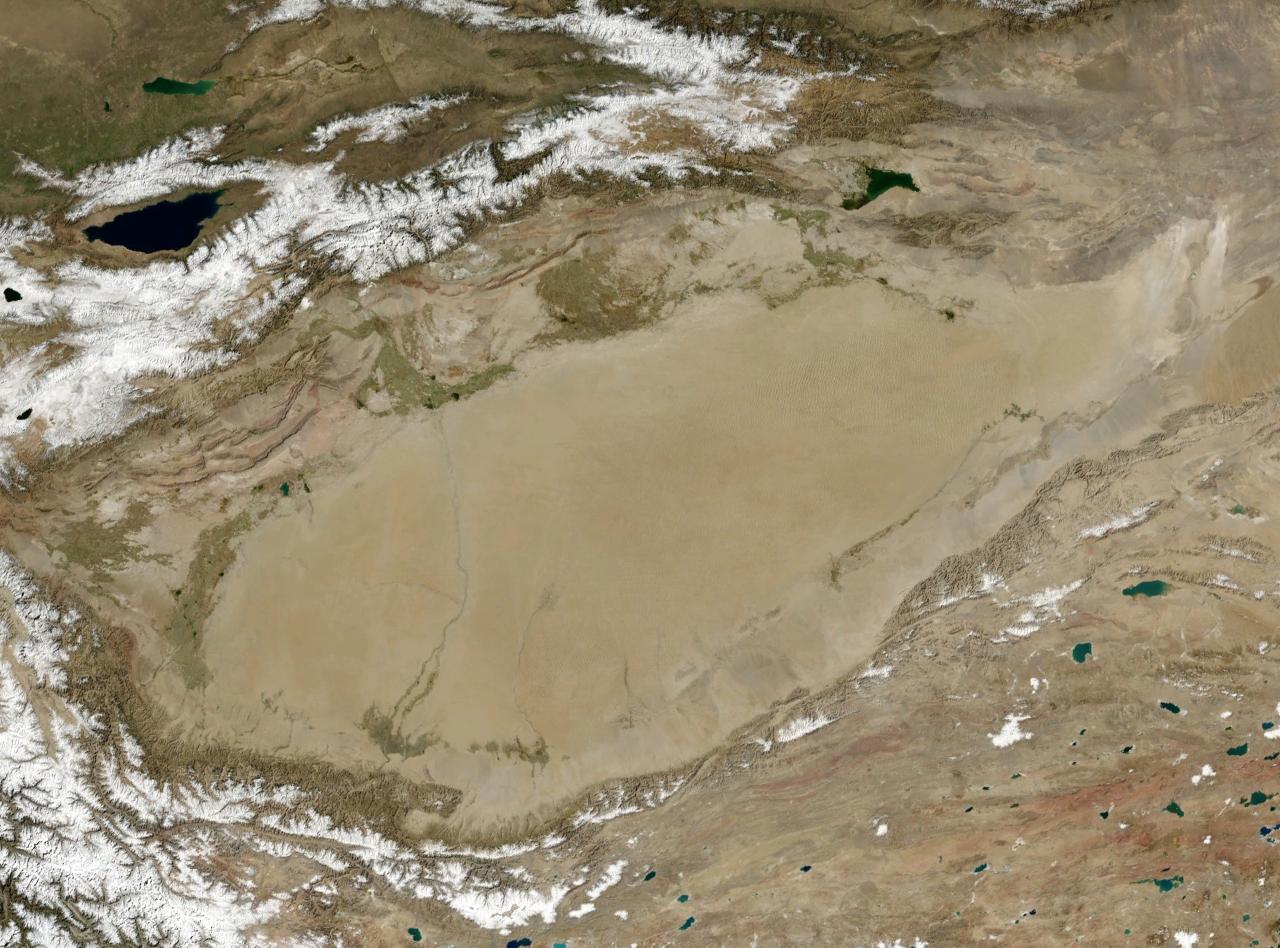
Ban Chao, a renowned Chinese general and explorer of the Eastern Han dynasty, led a significant military and diplomatic expedition to the Tarim Basin. His journey was ...
Explore event →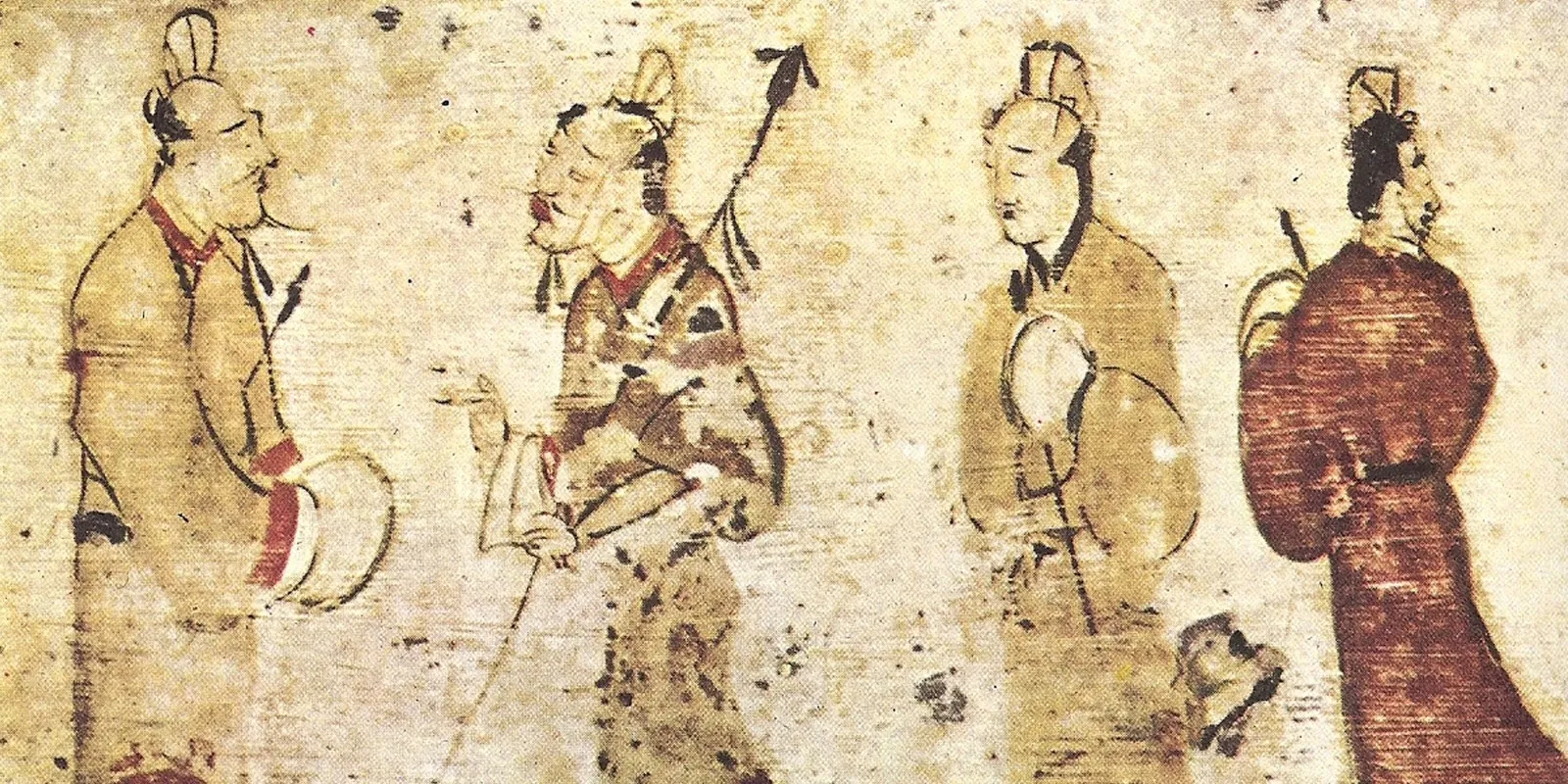
Ban Chao, a general under the Han Dynasty, initiated a series of military campaigns to assert Chinese control over the Western Regions. These expeditions were aimed at...
Explore event →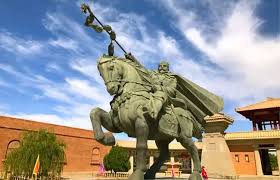
Ban Chao, a Chinese general and diplomat of the Eastern Han dynasty, is recorded as sending an envoy toward the western regions in an effort to establish contacts with...
Explore event →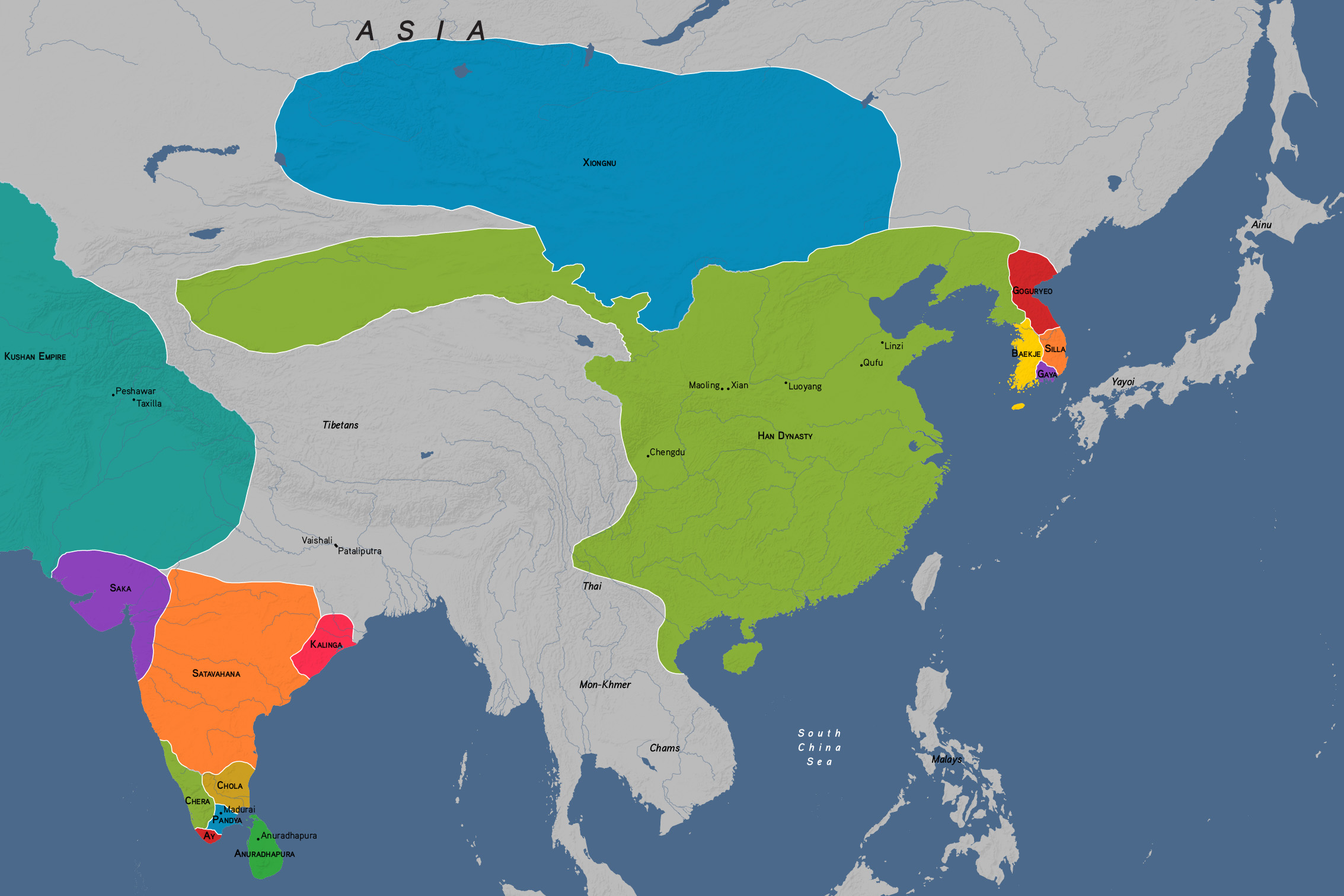
The Han Dynasty moved its capital to Chang'an, marking a significant political and administrative shift during its early consolidation of power. This relocation establ...
Explore event →
1914–1919 — The Royal Navy progressively restricts German access to food, fertilizer, metals, chemicals and overseas trade. Neutral shipping is increasingly subjected ...
Explore research
1914–1919 wartime role — Britain's navy protects imperial shipping routes, contains the German High Seas Fleet and implements the maritime blockade of the Central Powe...
Explore research
1517–1798 CE — Egypt remains formally part of the Ottoman Empire for centuries while powerful local military households gain substantial autonomy. Agricultural taxes a...
Explore research
1250–1517 CE — Military elites known as Mamluks seize political control and establish a powerful sultanate centered on Cairo. They defeat Mongol forces at Ain Jalut an...
Explore research
c. 146–120 BCE — Roman engineers develop the Via Egnatia from the Adriatic coast through Macedonia toward Byzantium. Dyrrachium becomes one of the principal western ga...
Explore research
331 BCE — Alexander establishes Alexandria on Egypt's Mediterranean coast. Under his successors, the city becomes one of the greatest centers of trade and scholarship ...
Explore research
4th–3rd centuries BCE — Several Illyrian dynasties consolidate larger kingdoms across the western Balkans. Their rulers compete with Macedonia, Epirus and Greek coasta...
Explore research
627 BCE — Greek colonists establish Epidamnos on the Adriatic coast, later known as Dyrrachium and modern Durrës. The settlement becomes a major commercial link betwee...
Explore research
664–525 BCE — Rulers of the Twenty-Sixth Dynasty reunify Egypt from their base at Sais. They encourage trade with the Greek world, employ foreign mercenaries and reviv...
Explore research
c. 1479–1458 BCE — Hatshepsut begins as regent for the young Thutmose III but eventually assumes full pharaonic titles. Royal imagery increasingly depicts her with tra...
Explore research
c. 1479–1425 BCE — Thutmose III initially shares the throne during Hatshepsut's rule and later becomes one of Egypt's most successful military pharaohs. Repeated campa...
Explore research
c. 2055–1650 BCE — Reunified Egypt experiences renewed royal authority, extensive building programs and military expansion into Nubia. Literature flourishes and Egypti...
Explore research
c. 3000–1100 BCE — Fortified settlements, metallurgy, regional trade and tumulus burial traditions develop across the western Balkans. Social differences become increa...
Explore research
c. 4000–3100 BCE — Powerful communities develop across Upper Egypt during the Naqada periods. Trade expands, elite burials become richer and political centers such as ...
Explore research
During its early years, the Trilateral Commission concentrated substantially on international trade, finance, monetary reform, energy and relations among the major ind...
Explore research
24 October 1929 — The beginning of the Wall Street panic provides an anchor for the economic collapse that spreads across industrial economies. Unemployment rises dram...
Explore research
Crete develops palace centers, maritime trade and the undeciphered Linear A writing system.
Explore research
Population, settlement and long-distance trade decline in many regions after the palace collapse.
Explore research
The Trilateral Commission was created to encourage cooperation and discussion among North America, Western Europe and Japan. Early discussions included economic, polit...
Explore research
29 October 1929 — Severe declines on the New York Stock Exchange become a symbol of the developing global economic crisis. Banking failures, declining trade, falling d...
Explore research
1914–6 April 1917 — American trade and finance become increasingly connected with the Allied economies, but German submarine warfare repeatedly challenges American mar...
Explore research