Public Research World Map Threads
Research the Story Behind the Timeline

TheTimeMap

History does not happen in isolation. Explore world events across time, follow the connections between them, and investigate the threads that reveal how one event can lead to another.

Inside TheTimeMap
1,151 events. 680 mapped connections. One growing investigation.

TheTimeMap currently follows events across 95 countries and 268 years of history — building a connected archive designed for people who want to look beyond the headline.

1,151 Events to explore
680 Connections mapped
95 Countries connected
268 Years in the archive
×

We oppose antisemitism, racism, and dehumanization — everywhere.

When people stop feeling, injustice becomes easy.

Dedication
To those who still feel wonder.
To the ones who look at the stars and remember they are home.
To every hand that builds, every voice that heals,
and every heart that still believes love can save the world.
This is for humanity — all of it.
No borders. No flags. No “us” or “them.”
Just one great breathing story, trying to find its way back to itself.
Jump to date
Search results

Results for “trade”

69 events · 21 research items · March 22, 0026 to September 2, 2026 · Page 2 of 3
View as timeline → View graph → View as thread’
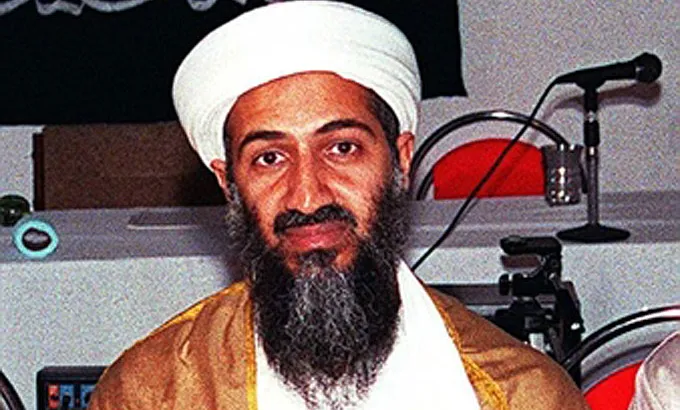
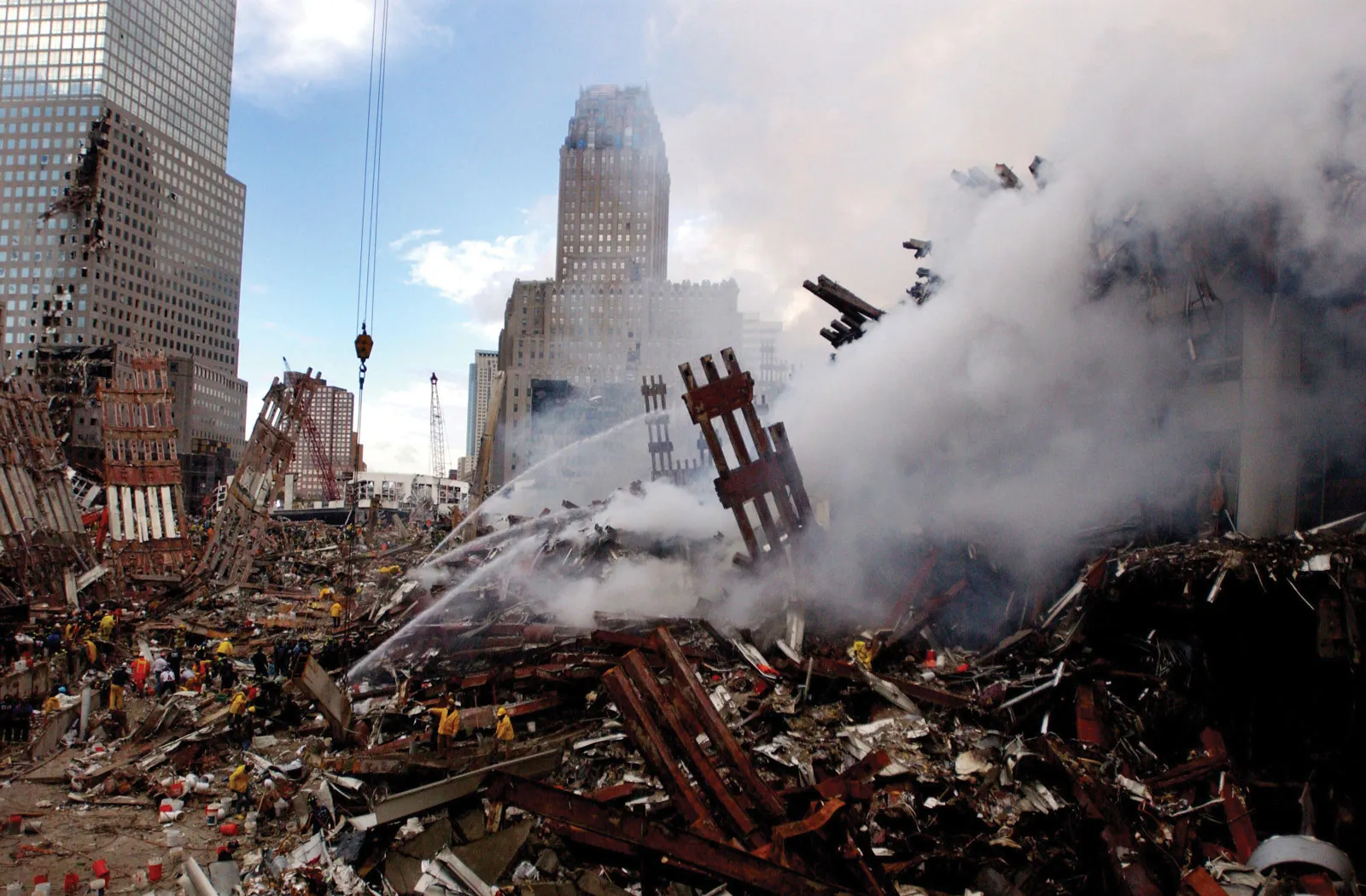
September 11 Attacks
Wars & Conflicts September 11, 2001

September 11 Attacks

September 11 Attacks 2001 September 11 Attacks 2001 On September 11, 2001, nineteen militants associated with the Islamist extremist group al Qaeda hij...

Explore event →
Britain Builds an Economic Blockade
Published Research World Wars: Power, Conflict & Consequence

Britain Builds an Economic Blockade

1914–1919 — The Royal Navy progressively restricts German access to food, fertilizer, metals, chemicals and overseas trade. Neutral shipping is increasingly subjected ...

Explore research
Royal Navy and Admiralty
Published Research World Wars: Power, Conflict & Consequence

Royal Navy and Admiralty

1914–1919 wartime role — Britain's navy protects imperial shipping routes, contains the German High Seas Fleet and implements the maritime blockade of the Central Powe...

Explore research
Egypt Under Ottoman Rule
Published Research Nations & Civilizations

Egypt Under Ottoman Rule

1517–1798 CE — Egypt remains formally part of the Ottoman Empire for centuries while powerful local military households gain substantial autonomy. Agricultural taxes a...

Explore research
Mamluk Egypt
Published Research Nations & Civilizations

Mamluk Egypt

1250–1517 CE — Military elites known as Mamluks seize political control and establish a powerful sultanate centered on Cairo. They defeat Mongol forces at Ain Jalut an...

Explore research
Via Egnatia Crosses the Balkans
Published Research Nations & Civilizations

Via Egnatia Crosses the Balkans

c. 146–120 BCE — Roman engineers develop the Via Egnatia from the Adriatic coast through Macedonia toward Byzantium. Dyrrachium becomes one of the principal western ga...

Explore research
Alexandria Is Founded
Published Research Nations & Civilizations

Alexandria Is Founded

331 BCE — Alexander establishes Alexandria on Egypt's Mediterranean coast. Under his successors, the city becomes one of the greatest centers of trade and scholarship ...

Explore research
Powerful Illyrian Kingdoms Emerge
Published Research Nations & Civilizations

Powerful Illyrian Kingdoms Emerge

4th–3rd centuries BCE — Several Illyrian dynasties consolidate larger kingdoms across the western Balkans. Their rulers compete with Macedonia, Epirus and Greek coasta...

Explore research
Epidamnos Founded
Published Research Nations & Civilizations

Epidamnos Founded

627 BCE — Greek colonists establish Epidamnos on the Adriatic coast, later known as Dyrrachium and modern Durrës. The settlement becomes a major commercial link betwee...

Explore research
Saite Revival
Published Research Nations & Civilizations

Saite Revival

664–525 BCE — Rulers of the Twenty-Sixth Dynasty reunify Egypt from their base at Sais. They encourage trade with the Greek world, employ foreign mercenaries and reviv...

Explore research
Hatshepsut
Published Research Nations & Civilizations

Hatshepsut

c. 1479–1458 BCE — Hatshepsut begins as regent for the young Thutmose III but eventually assumes full pharaonic titles. Royal imagery increasingly depicts her with tra...

Explore research
Thutmose III
Published Research Nations & Civilizations

Thutmose III

c. 1479–1425 BCE — Thutmose III initially shares the throne during Hatshepsut's rule and later becomes one of Egypt's most successful military pharaohs. Repeated campa...

Explore research
The Middle Kingdom
Published Research Nations & Civilizations

The Middle Kingdom

c. 2055–1650 BCE — Reunified Egypt experiences renewed royal authority, extensive building programs and military expansion into Nubia. Literature flourishes and Egypti...

Explore research
Bronze Age Communities
Published Research Nations & Civilizations

Bronze Age Communities

c. 3000–1100 BCE — Fortified settlements, metallurgy, regional trade and tumulus burial traditions develop across the western Balkans. Social differences become increa...

Explore research
Naqada Cultures Transform Egypt
Published Research Nations & Civilizations

Naqada Cultures Transform Egypt

c. 4000–3100 BCE — Powerful communities develop across Upper Egypt during the Naqada periods. Trade expands, elite burials become richer and political centers such as ...

Explore research
Wall Street Crash
Published Research World Wars: Power, Conflict & Consequence

Wall Street Crash

29 October 1929 — Severe declines on the New York Stock Exchange become a symbol of the developing global economic crisis. Banking failures, declining trade, falling d...

Explore research
Why Did the United States Enter?
Published Research World Wars: Power, Conflict & Consequence

Why Did the United States Enter?

1914–6 April 1917 — American trade and finance become increasingly connected with the Allied economies, but German submarine warfare repeatedly challenges American mar...

Explore research