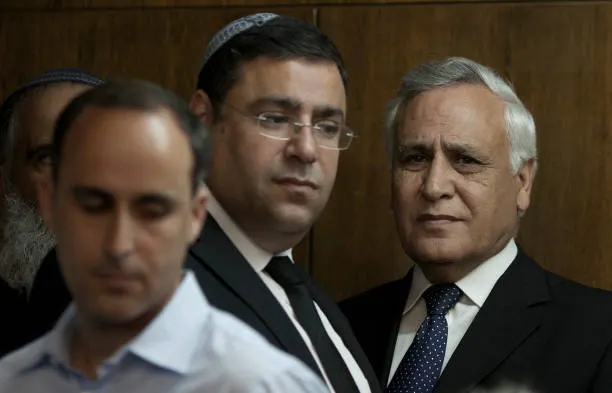
Moshe Katsav Conviction
Moshe Katsav, the 8th President of Israel, served in office from 2000 to 2007. Following allegations made by multiple women who worked with him during his time as a pu...
Explore event →History does not happen in isolation. Explore world events across time, follow the connections between them, and investigate the threads that reveal how one event can lead to another.
TheTimeMap currently follows events across 95 countries and 268 years of history — building a connected archive designed for people who want to look beyond the headline.
We oppose antisemitism, racism, and dehumanization — everywhere.
When people stop feeling, injustice becomes easy.
Moshe Katsav, the 8th President of Israel, served in office from 2000 to 2007. Following allegations made by multiple women who worked with him during his time as a pu...
Explore event →
2010 sermon statements attributed to Rabbi Ovadia Yosef 2010 sermon statements attributed to Rabbi Ovadia Yosef on gentiles In 20...
Explore event →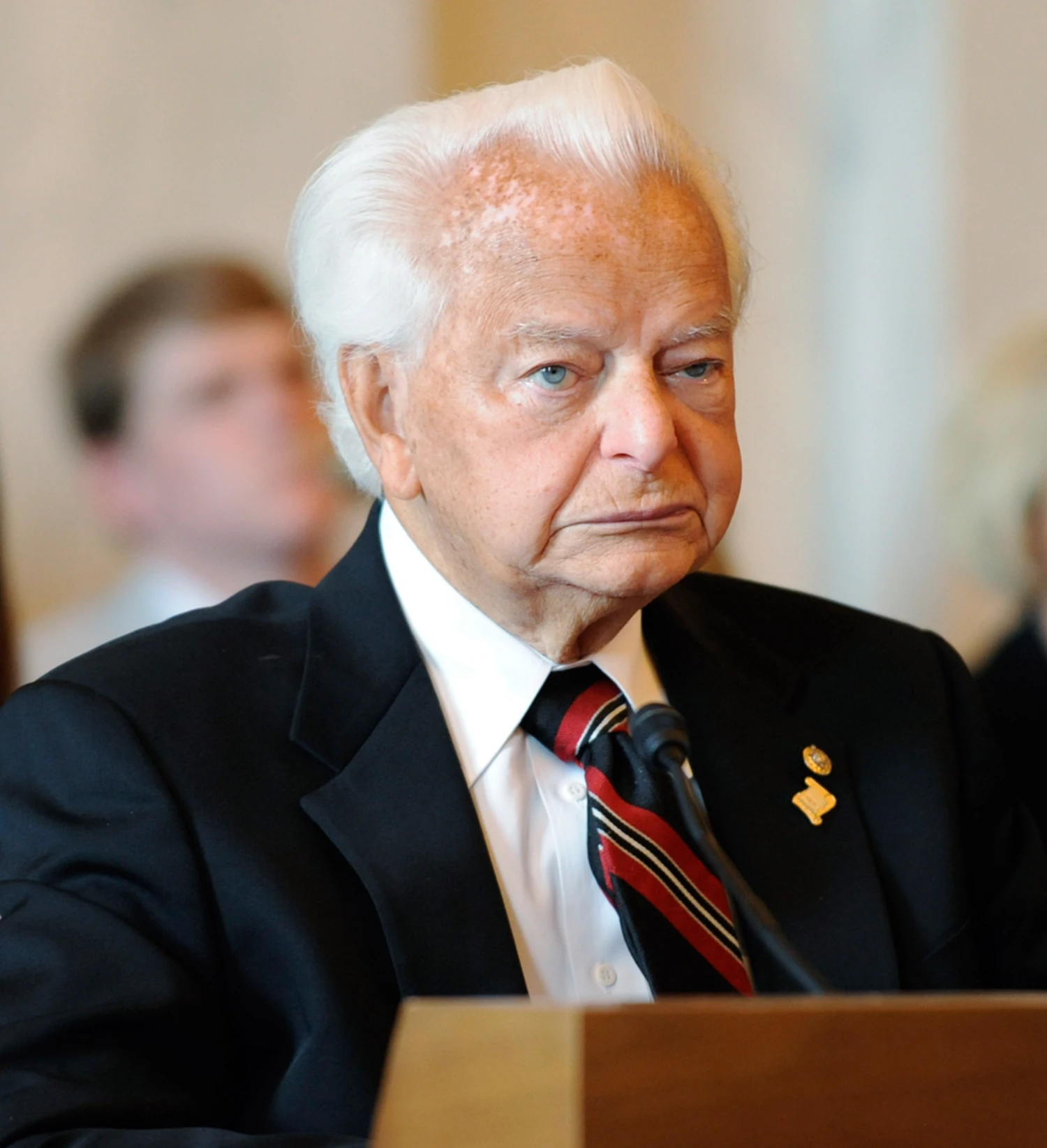
Senator Robert Byrd eulogy connections and affiliations Senator Robert Byrd, a longtime U.S. Senator from West Virginia, passed away on June 28, 2010. Byrd had a docu...
Explore event →
They hate white people “The goal of abolishing the White race is, on its face, so desirable that some may find i...
Explore event →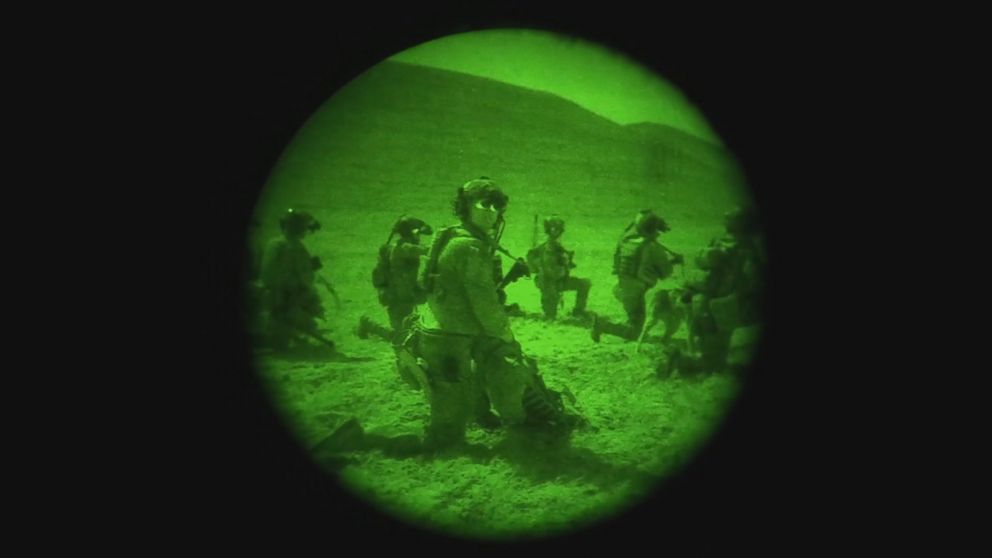
On February 12, 2010, U.S. Special Operations forces conducted a nighttime raid in Khataba village, in Paktia Province, Afghanistan. The operation targeted a compound ...
Explore event →
Gabriela Rico Jiménez’s Viral 2009 Incident and Disappearance On the evening of August 3, 2009, 21‑year‑old Gabriela Rico Jiménez was filmed in a distressed...
Explore event →
In July 2009, federal authorities in New Jersey arrested 44 individuals, including five rabbis, in a large-scale corruption and money laundering investigation conducte...
Explore event →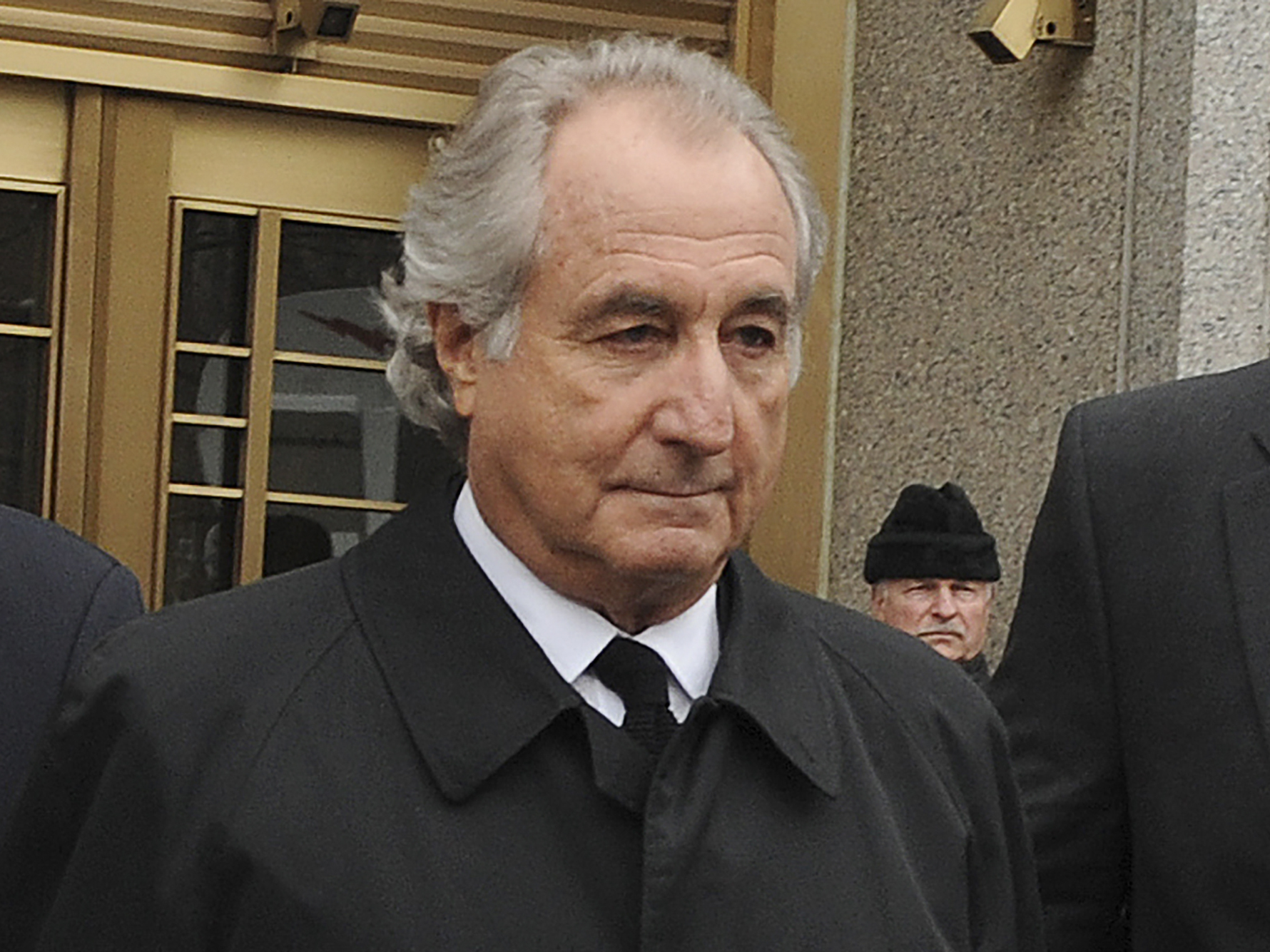
Bernard “Bernie” Madoff, a financier of Jewish faith, was sentenced on June 29, 2009, in Manhattan federal court to 150 years in prison for operating the largest known...
Explore event →
Michael Jackson, the “King of Pop,” died on June 25, 2009, at the age of 50 in Los Angeles, California, from acute propofol and benzodiazepine intoxication administere...
Explore event →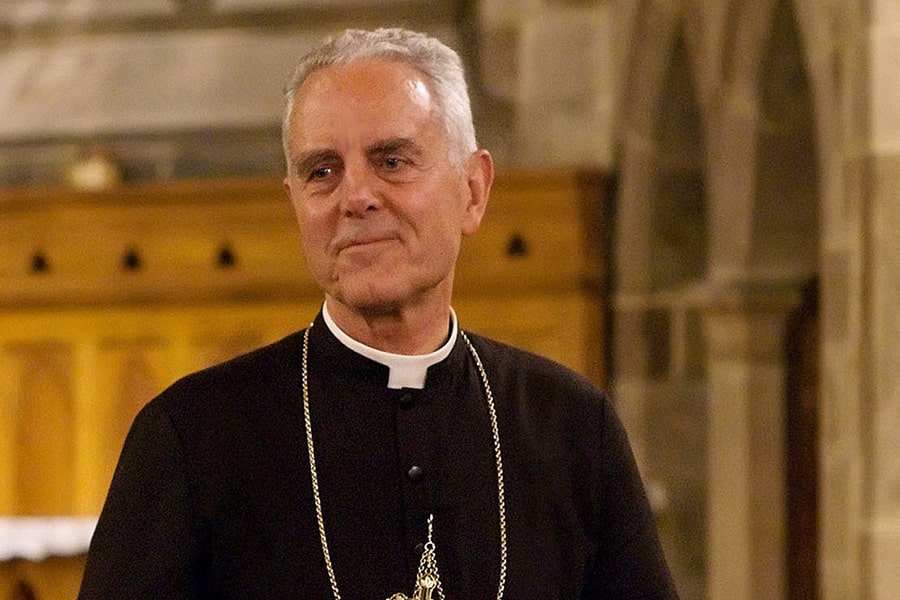
Richard Williamson was a British traditionalist Catholic bishop who became widely known for his involvement in controversies related to the Catholic Church and his pub...
Explore event →
Iraqi journalist throws shoes at U.S. President George W. Bush during Baghdad visit On December 14, 2008, Iraqi journalist Muntadhar al-Zaidi threw two shoe...
Explore event →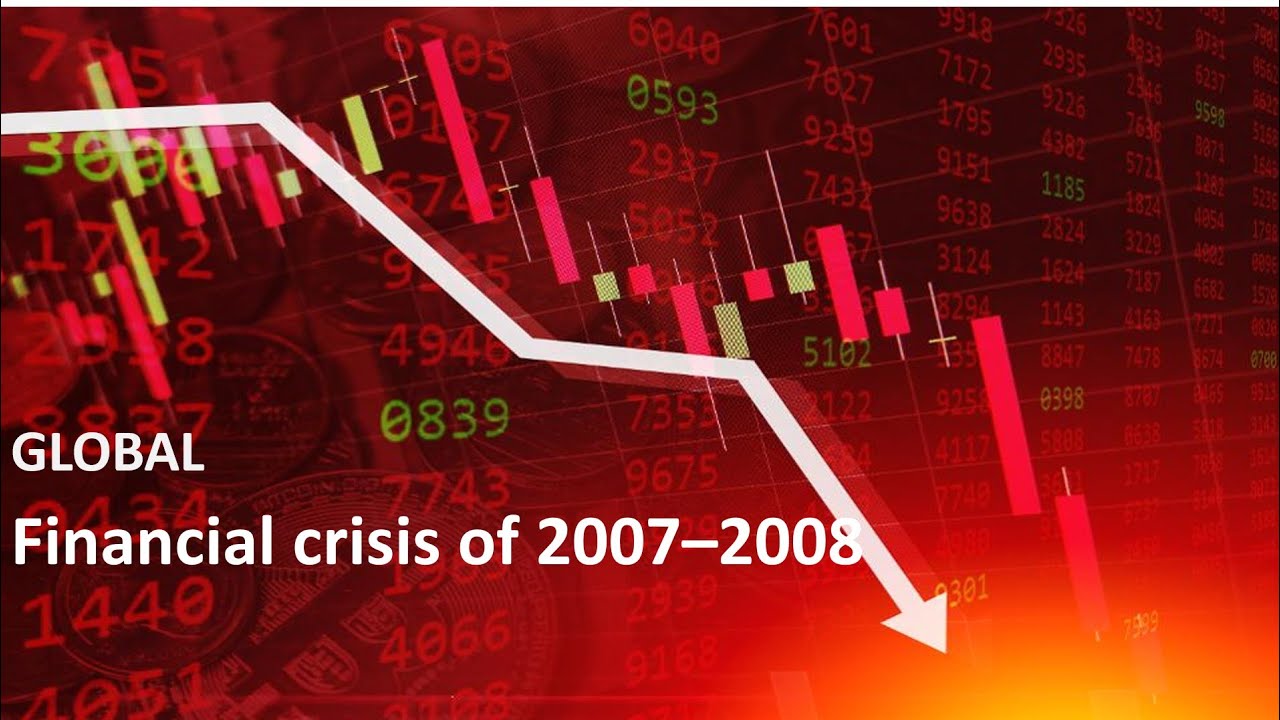
The Global Financial Crisis was triggered by the collapse of major financial institutions following widespread failures in mortgage-backed securities and excessive lev...
Explore event →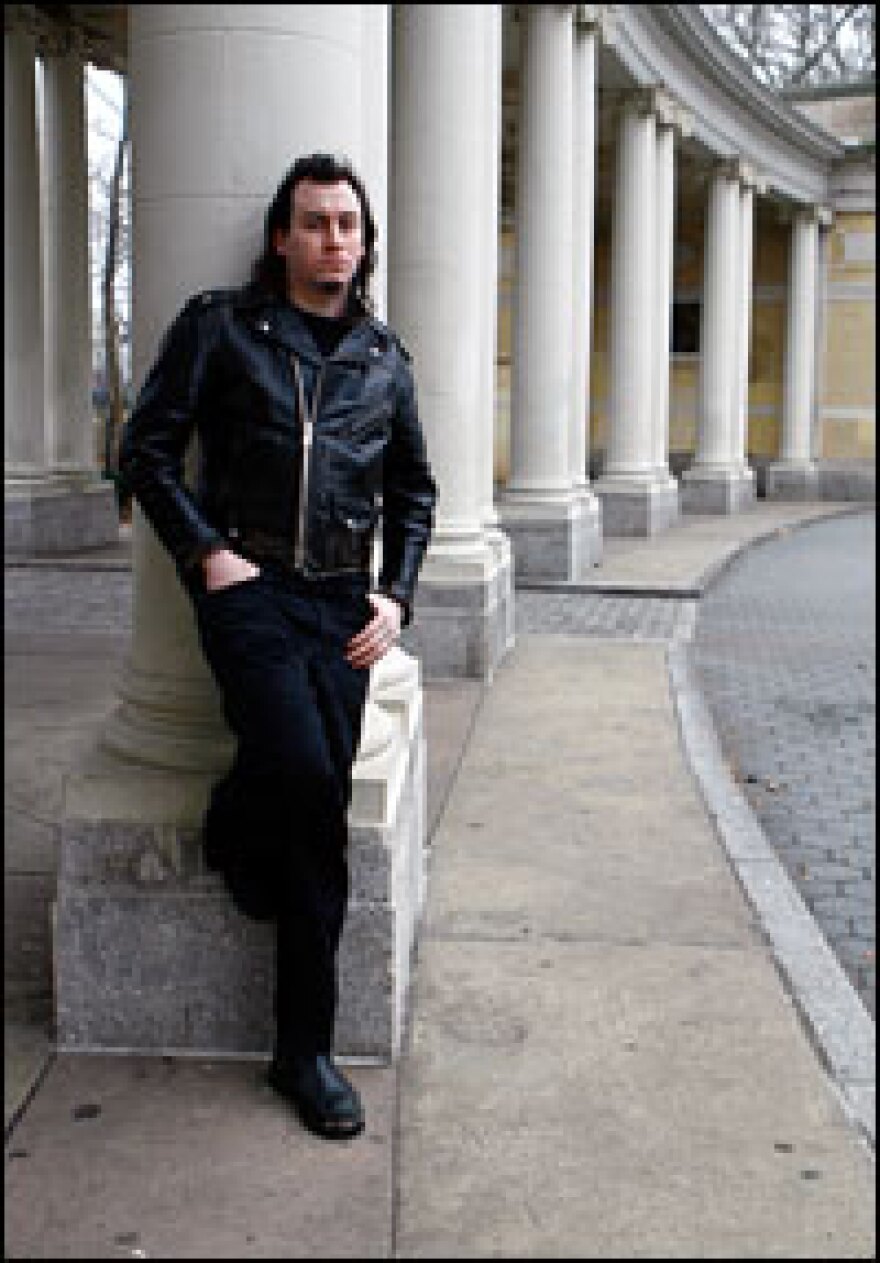
Joel Engelman files civil suit alleging historical abuse in Brooklyn On August 27, 2008, Joel Engelman, then 23 years old and residing in Greenpoint, Brookl...
Explore event →
Ofek Buchris was a senior officer in the Israel Defense Forces, serving as a brigadier general and commanding a major unit. During his military career, allegations of ...
Explore event →
Alan Horowitz, an Orthodox rabbi and convicted sex offender from the United States, was arrested in May 2007 in Mahabalipuram, India, after being located by internatio...
Explore event →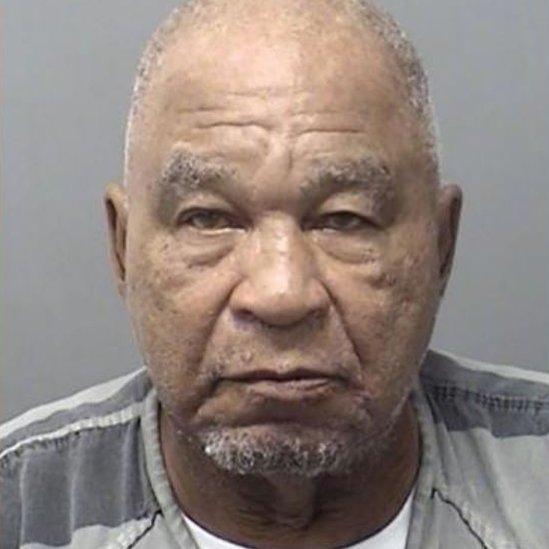
Media coverage and public recognition of serial homicide have been examined by criminologists and researchers studying race, victim demographics, offender characterist...
Explore event →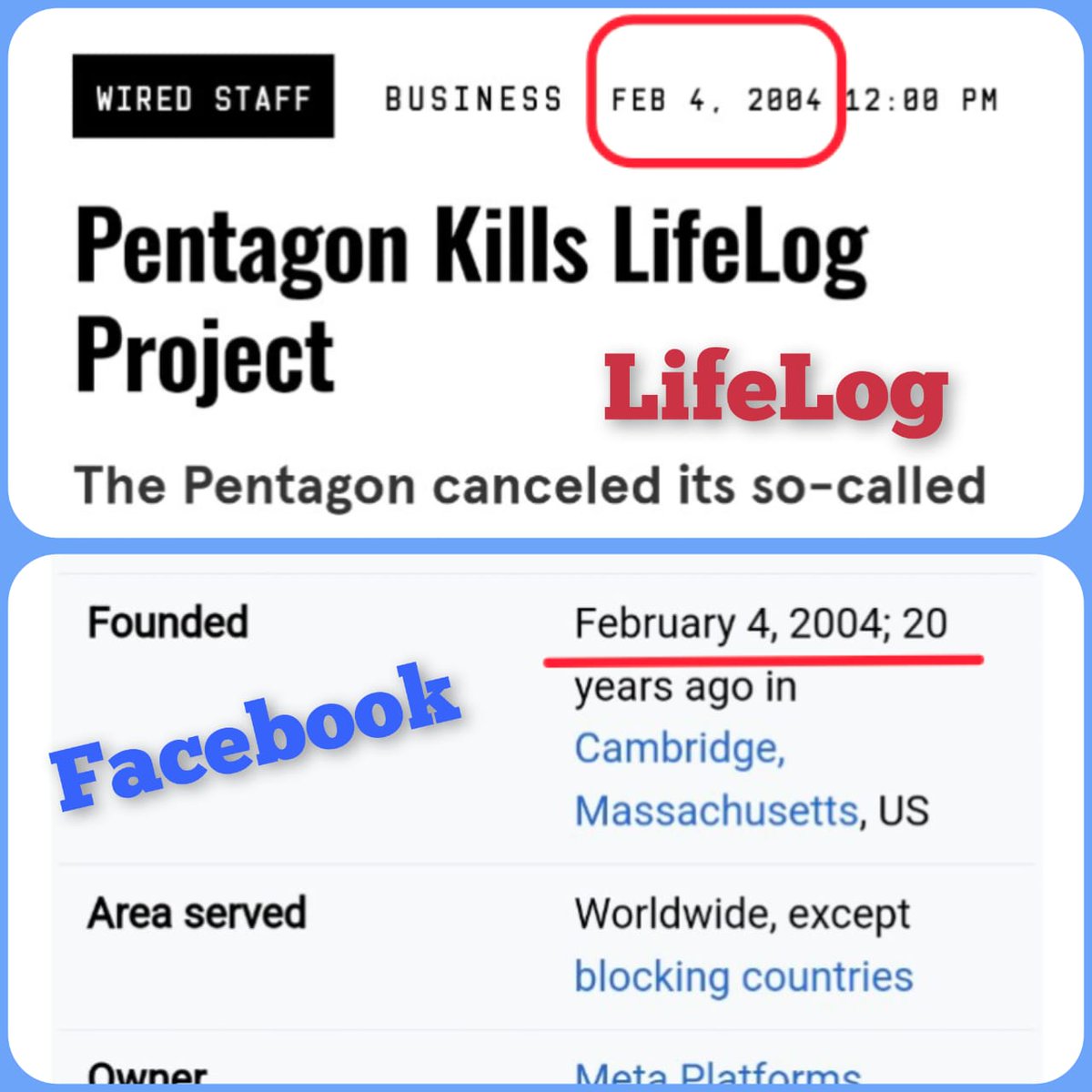
On February 4, 2004, the United States Defense Advanced Research Projects Agency (DARPA) canceled its LifeLog research program, which had been launched in 2003. The pr...
Explore event →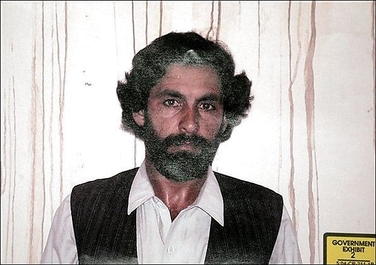
Death of Afghan Farmer Abdul Wali in U.S. Custody Abdul Wali was a 28-year-old Afghan farmer from Kunar Province, Afghanistan. In June 2003, Wali voluntaril...
Explore event →
Gilgamesh narratives resurface amid 2003 Iraq war and Euphrates region focus In April 2003, during the early phase of the U.S.-led invasion of Iraq, interna...
Explore event →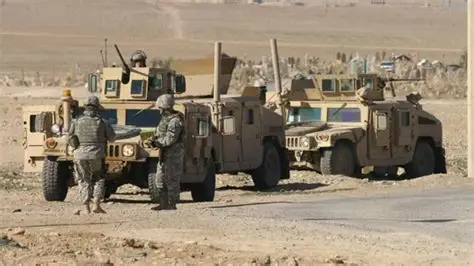
Background and Decision-Makers On March 20, 2003, the United States, the United Kingdom, and coalition allies launched a military invasion of Iraq. The primary jus...
Explore event →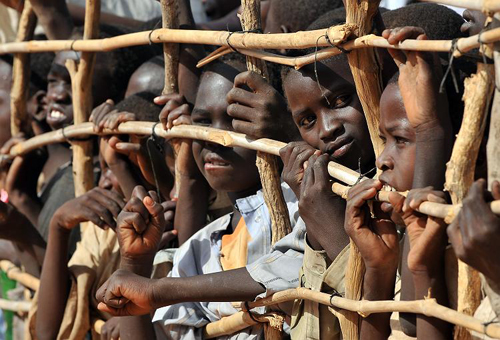
Darfur Genocide On February 26, 2003, rebel groups in Darfur, Sudan, including the Sudan Liberation Army and Justice and Equality Movement, launched attacks against g...
Explore event →
Michael Jackson calls Sony executive Tommy Mottola “a devil” in public speech On June 15, 2002, American singer Michael Jackson spoke to a crowd at an event...
Explore event →
On October 20, 2001, American musician Kid Rock appeared as a guest on the television show Saturday Night Live (SNL). During his appearance, Kid Rock made a remark reg...
Explore event →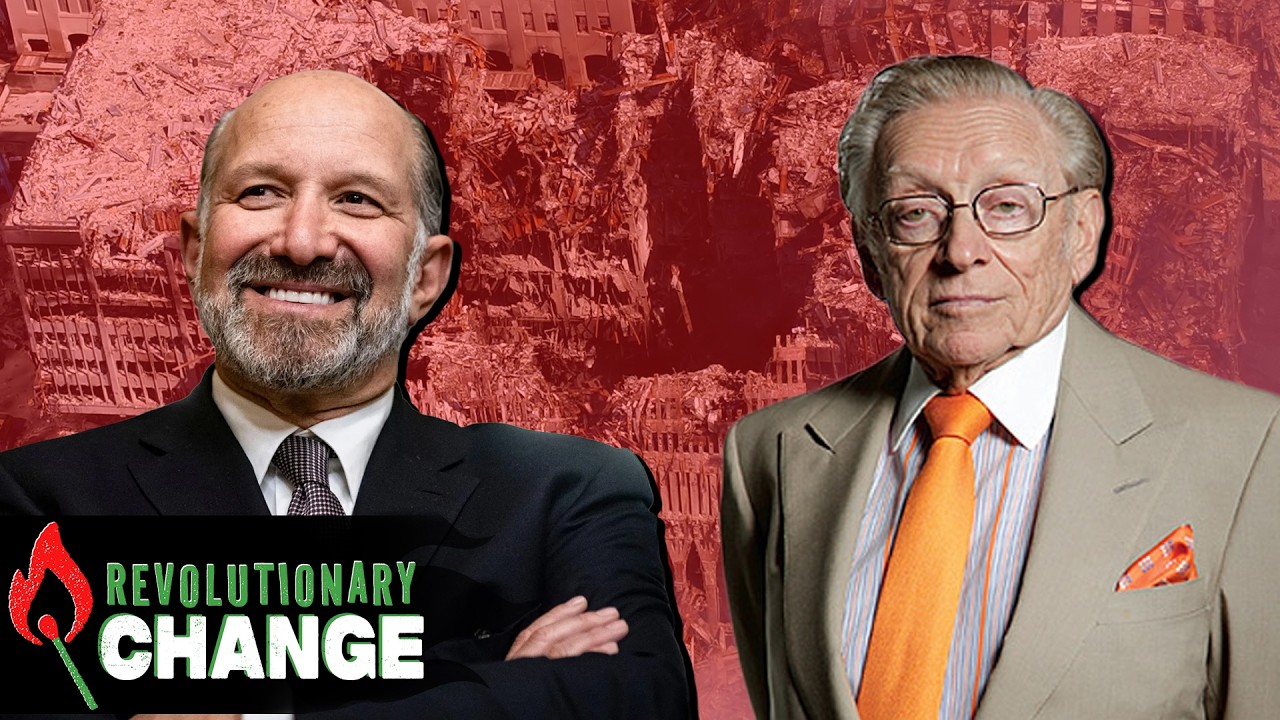
Howard Lutnick and Larry Silverstein on 9/11 On September 11, 2001, Howard Lutnick, CEO of Cantor Fitzgerald, was not in his office in the North Tower of the World Tr...
Explore event →
25 January–11 February 2011 — Mass demonstrations erupt against police brutality, corruption, economic frustration and authoritarian government. Cairo's Tahrir Square ...
Explore research
1958–1961 — Egypt and Syria unite as the United Arab Republic under Nasser. The union represents the high point of pan-Arab political enthusiasm. Syrian dissatisfactio...
Explore research
1952–1970 — The Free Officers end the monarchy, reduce British influence, redistribute land and create a powerful developmental state. At the same time, political part...
Explore research
19 February 1915 — British and French naval forces begin major operations against the Ottoman defenses of the Dardanelles. The Allies hope to force the straits, threat...
Explore research
28 July–4 August 1914 — European armies activate enormous prearranged railway timetables to mobilize millions of soldiers. Military planners argue that delaying mobili...
Explore research
7–23 July 1914 — Austro-Hungarian leaders debate how to transform the Sarajevo assassination into a confrontation with Serbia. Officials increasingly favor demands sev...
Explore research
1914–1918 wartime production — DuPont becomes one of the most striking American industrial beneficiaries of wartime demand because explosives and propellants are requi...
Explore research
1914–1918 wartime production — Krupp is one of Germany's most important heavy industrial and armaments firms. The company supplies artillery, steel products and other ...
Explore research
1914–1919 wartime role — Britain's navy protects imperial shipping routes, contains the German High Seas Fleet and implements the maritime blockade of the Central Powe...
Explore research
1914–1918 wartime production — Schneider is a major French heavy-industrial and armaments producer whose factories supply artillery and military material to the French...
Explore research
1914–1918 wartime production — British engineering and armaments company Vickers becomes an important supplier of guns, ammunition, ships and other military equipment ...
Explore research
1914–1918 — Armaments companies, explosives producers and other industrial suppliers receive enormous wartime orders. Some businesses benefit heavily while others suff...
Explore research
1912–1914 — Officials in Germany and Austria-Hungary increasingly fear that Russia and Serbia will become stronger with time. Railway construction, military reforms, p...
Explore research
1250–1517 CE — Military elites known as Mamluks seize political control and establish a powerful sultanate centered on Cairo. They defeat Mongol forces at Ain Jalut an...
Explore research
1171–1193 CE in Egypt and the wider region — Saladin ends Fatimid rule and establishes the Ayyubid dynasty. He restores Sunni political dominance in Egypt and uses Egy...
Explore research
970–972 CE — The Fatimids establish the mosque and teaching institution that develops into al-Azhar. Over the centuries it becomes one of the most influential centers ...
Explore research
969 CE — Fatimid forces establish al-Qahira, Cairo, as a new royal and military city. The settlement grows beside older Fustat and eventually absorbs it into an enormo...
Explore research
969 CE — The Isma'ili Shi'a Fatimid Caliphate conquers Egypt and establishes a new political center north of Fustat. Egypt becomes the heart of a powerful caliphate ex...
Explore research
30 BCE–395 CE — Egypt remains one of the Roman Empire's wealthiest provinces. Alexandria continues as a major commercial and intellectual center while traditional Egyp...
Explore research
664–525 BCE — Rulers of the Twenty-Sixth Dynasty reunify Egypt from their base at Sais. They encourage trade with the Greek world, employ foreign mercenaries and reviv...
Explore research
Untitledc. 747–656 BCE — Kings from the Nubian kingdom of Kush expand north and eventually control Egypt as the Twenty-Fifth Dynasty. They deliberately present themsel...
Explore research
c. 2686–2181 BCE — The Old Kingdom becomes the classic age of pyramid construction and highly centralized kingship. The royal court controls extensive agricultural res...
Explore research
c. 3100 BCE–2026 CE — Egypt has been governed by native pharaohs, Nubian kings, Persians, Macedonians, Romans, Byzantines, Arab caliphates, Fatimids, Ayyubids, Mamluks...
Explore research
c. 3300–3100 BCE — Larger political systems emerge in the Nile Valley and Delta. Later Egyptian tradition remembers the country as two lands: Upper Egypt in the south ...
Explore research