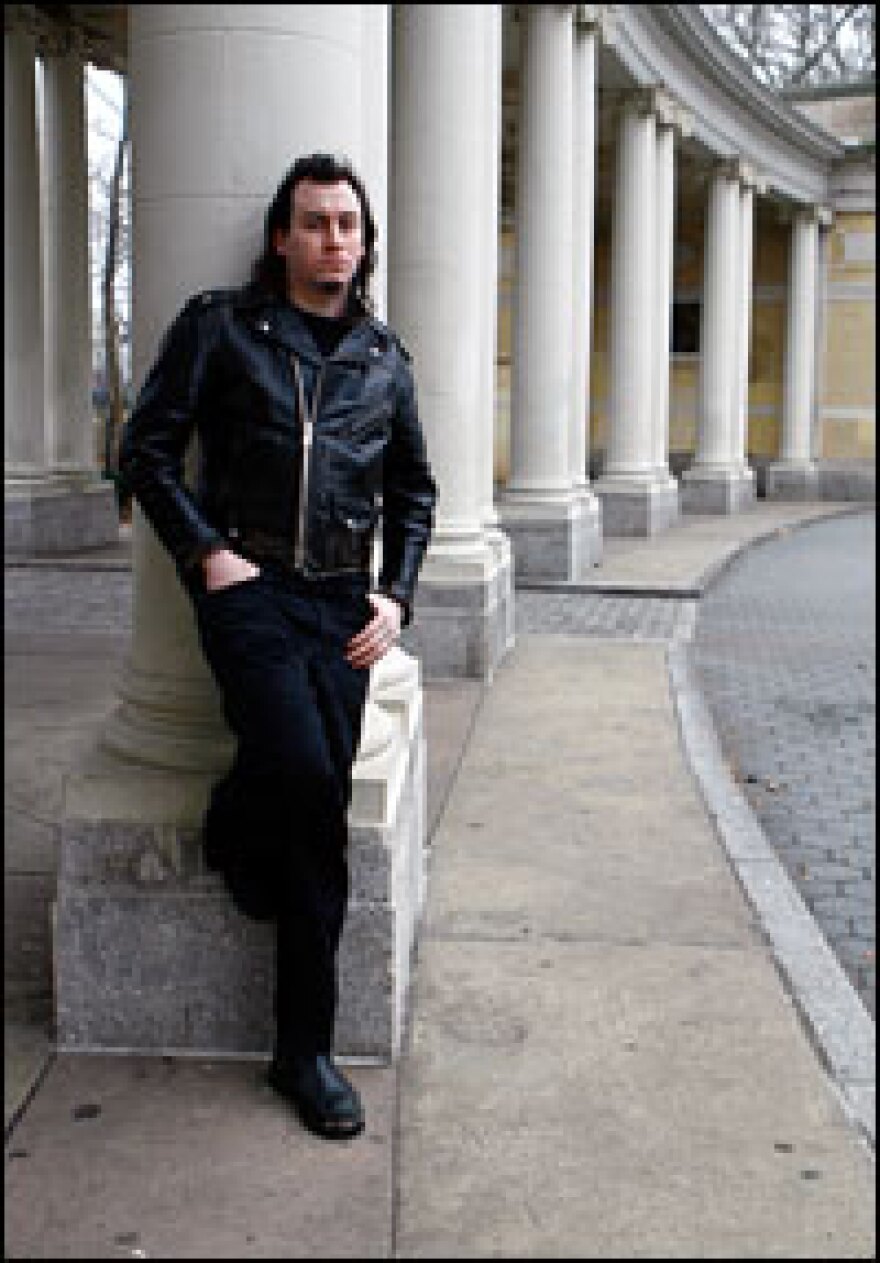
Joel Engelman files civil suit alleging historical abuse in Brooklyn
Joel Engelman files civil suit alleging historical abuse in Brooklyn On August 27, 2008, Joel Engelman, then 23 years old and residing in Greenpoint, Brookl...
Explore event →History does not happen in isolation. Explore world events across time, follow the connections between them, and investigate the threads that reveal how one event can lead to another.
TheTimeMap currently follows events across 95 countries and 268 years of history — building a connected archive designed for people who want to look beyond the headline.
We oppose antisemitism, racism, and dehumanization — everywhere.
When people stop feeling, injustice becomes easy.
Joel Engelman files civil suit alleging historical abuse in Brooklyn On August 27, 2008, Joel Engelman, then 23 years old and residing in Greenpoint, Brookl...
Explore event →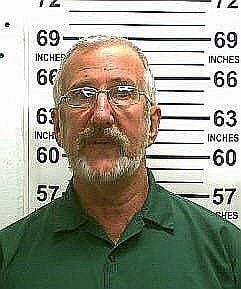
Alan Horowitz, an Orthodox rabbi and convicted sex offender from the United States, was arrested in May 2007 in Mahabalipuram, India, after being located by internatio...
Explore event →
An Israeli airstrike on July 30, 2006, struck a residential building in the village of Qana in southern Lebanon, resulting in the deaths of multiple civilians. The str...
Explore event →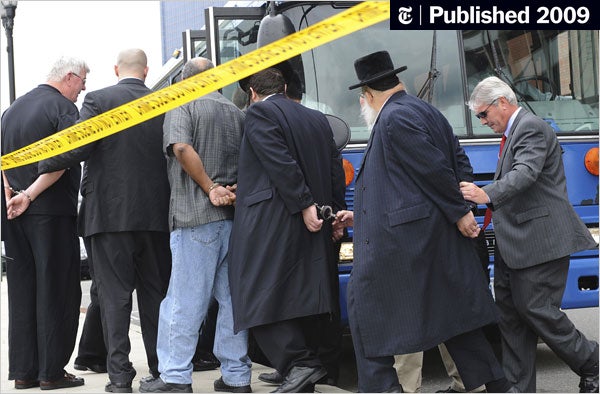
Operation Bid Rig was a federal investigation into public corruption and related criminal activity in New Jersey conducted by the Federal Bureau of Investigation, the ...
Explore event →
Media coverage and public recognition of serial homicide have been examined by criminologists and researchers studying race, victim demographics, offender characterist...
Explore event →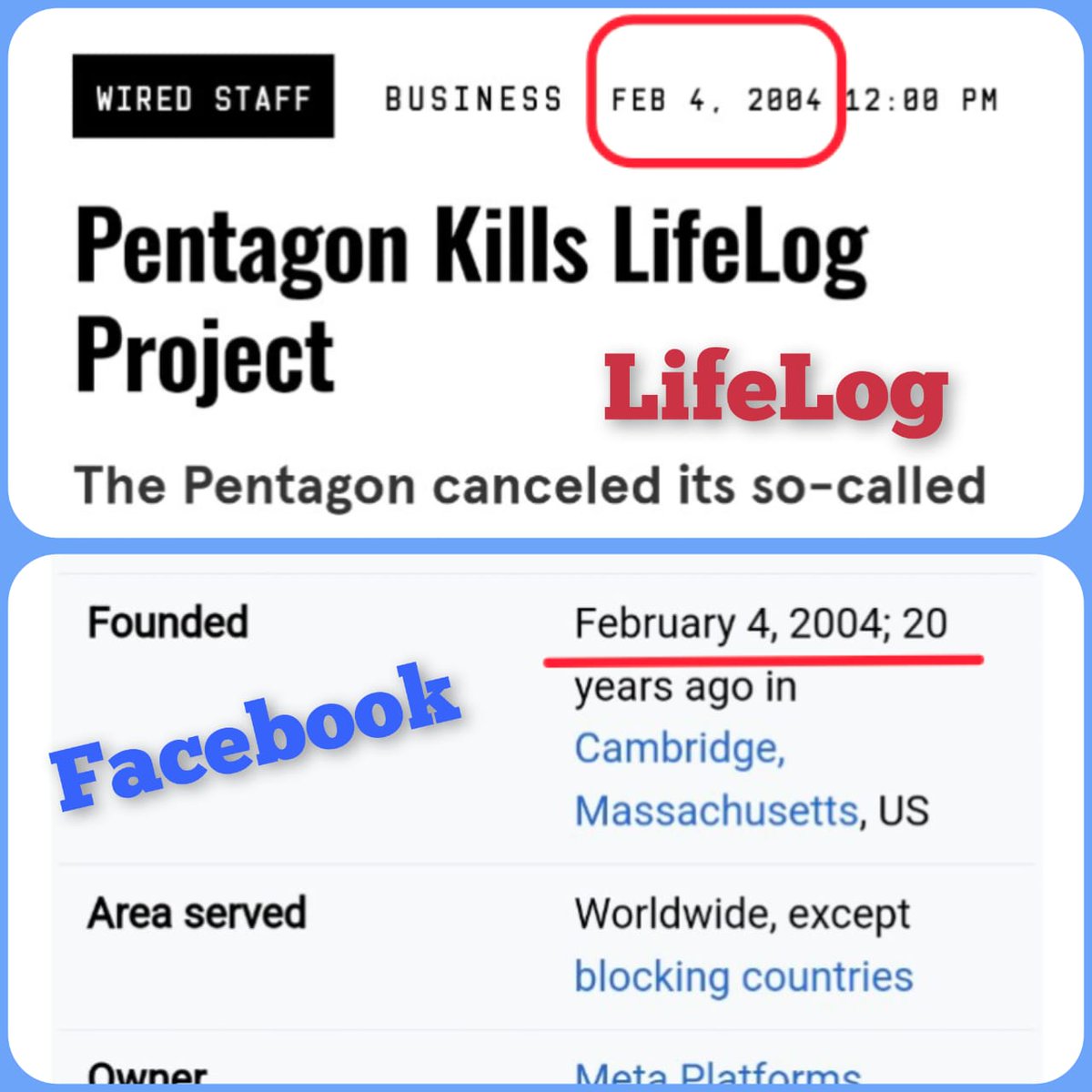
On February 4, 2004, the United States Defense Advanced Research Projects Agency (DARPA) canceled its LifeLog research program, which had been launched in 2003. The pr...
Explore event →
Background and Decision-Makers On March 20, 2003, the United States, the United Kingdom, and coalition allies launched a military invasion of Iraq. The primary jus...
Explore event →
Ashley Madison is an online dating and social networking service launched on January 21, 2002. It was founded by Darren J. Morgenstern and Noel Biderman, and later ope...
Explore event →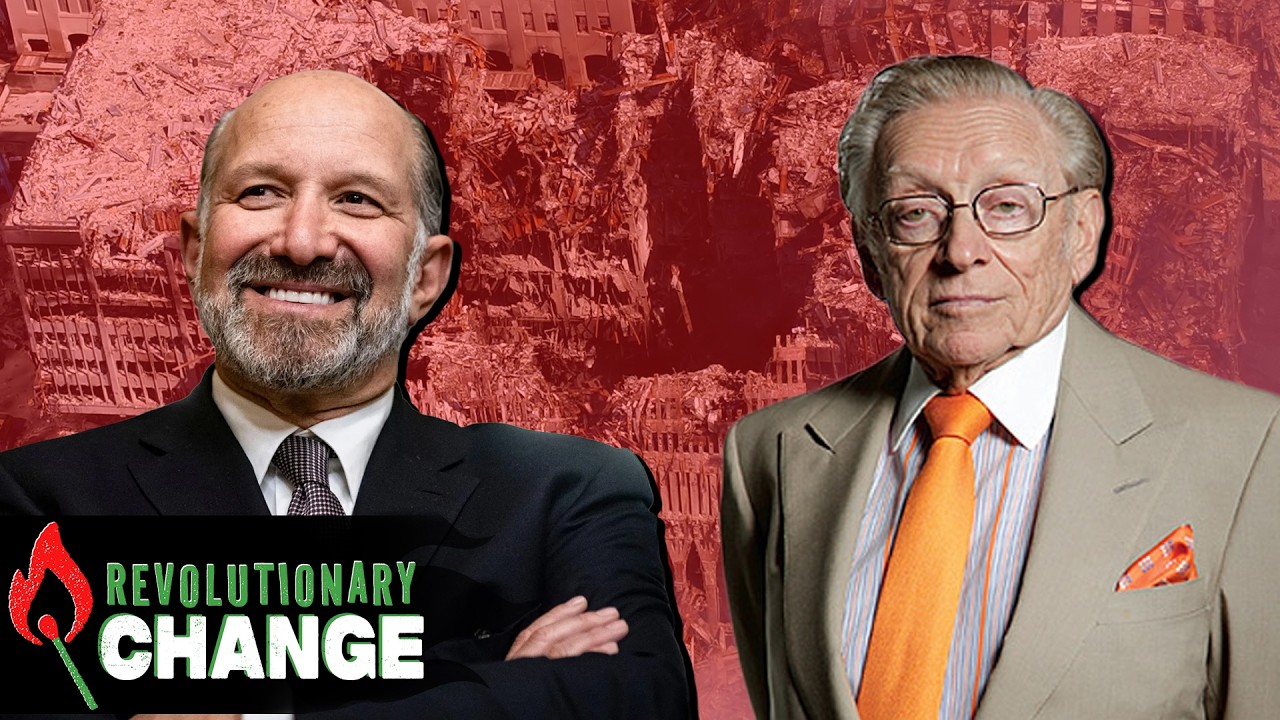
Howard Lutnick and Larry Silverstein on 9/11 On September 11, 2001, Howard Lutnick, CEO of Cantor Fitzgerald, was not in his office in the North Tower of the World Tr...
Explore event →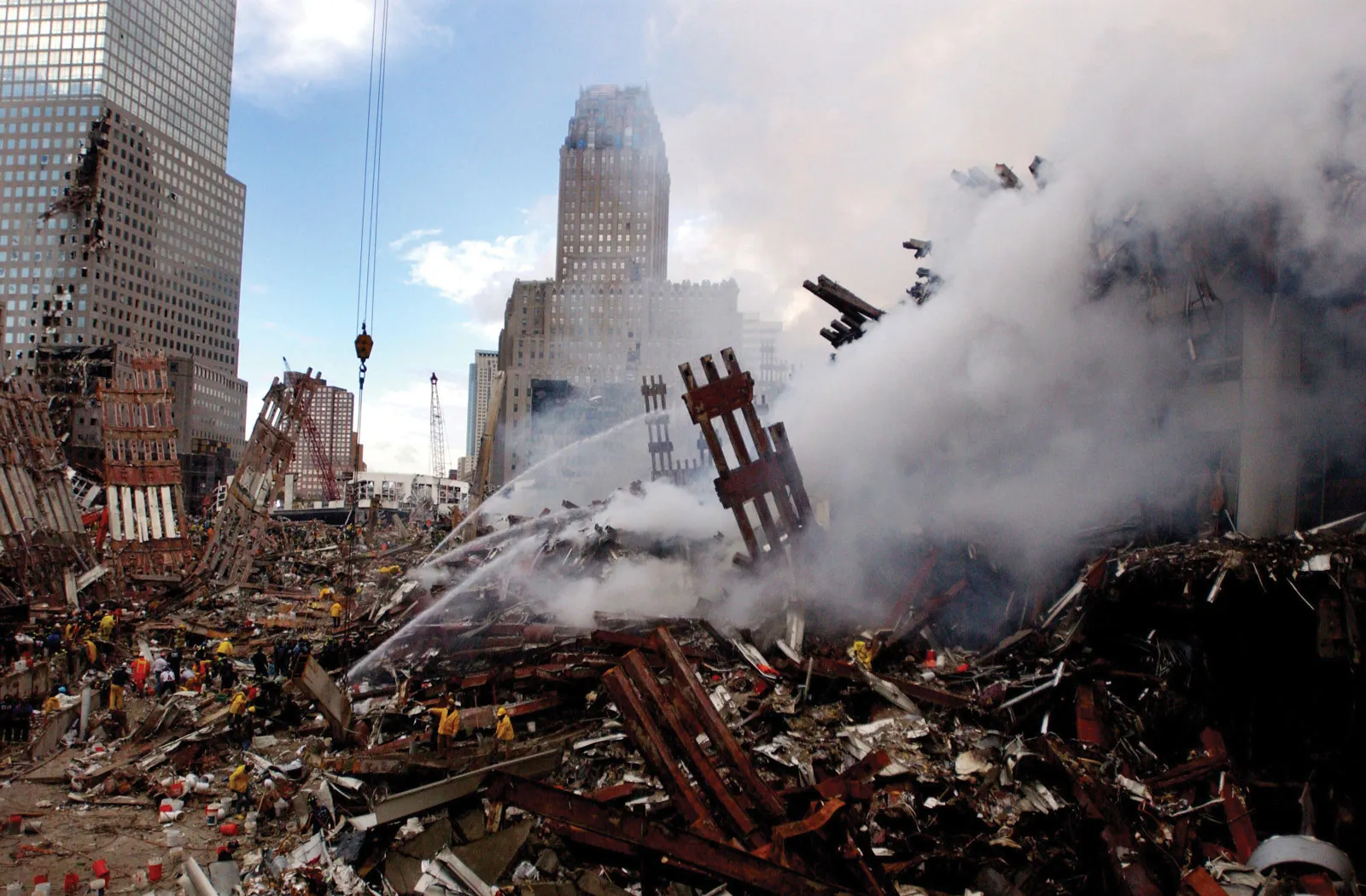
September 11 Attacks 2001 September 11 Attacks 2001 On September 11, 2001, nineteen militants associated with the Islamist extremist group al Qaeda hij...
Explore event →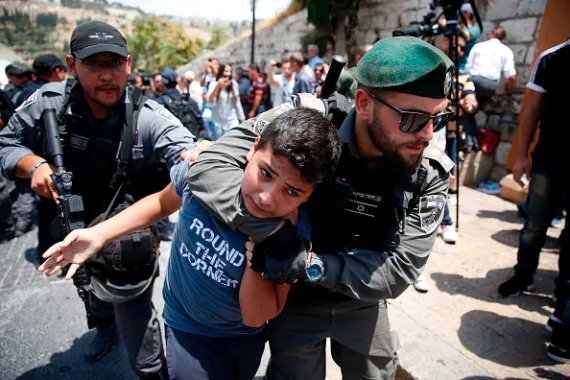
Palestinian children are regularly arrested and detained by Israeli authorities, primarily for security-related offenses, but there is no separate prison exclusively f...
Explore event →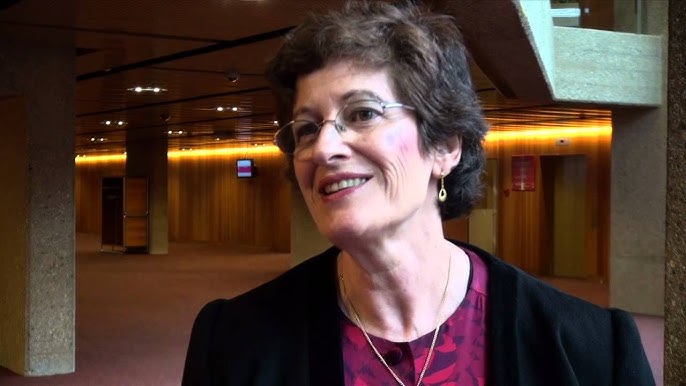
Christine Maxwell’s Technology Work and Family Connections Christine Yvonne Malina‑Maxwell is a British technology entrepreneur and co‑founder of software companies s...
Explore event →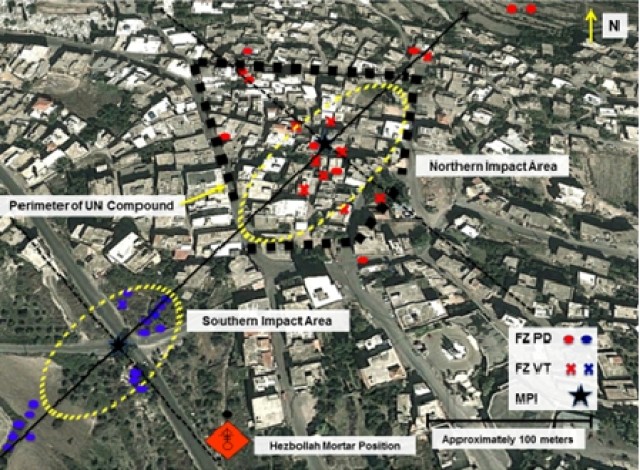
An Israeli artillery strike on a United Nations compound in the village of Qana in southern Lebanon on April 18, 1996, resulted in the deaths of more than 100 civilian...
Explore event →
Christine Maxwell Co‑Founded Chiliad, Software Used in FBI Counterterrorism Data Warehouse Christine Yvonne Malina‑Maxwell was born on August 16, 1950, in Maisons‑Laf...
Explore event →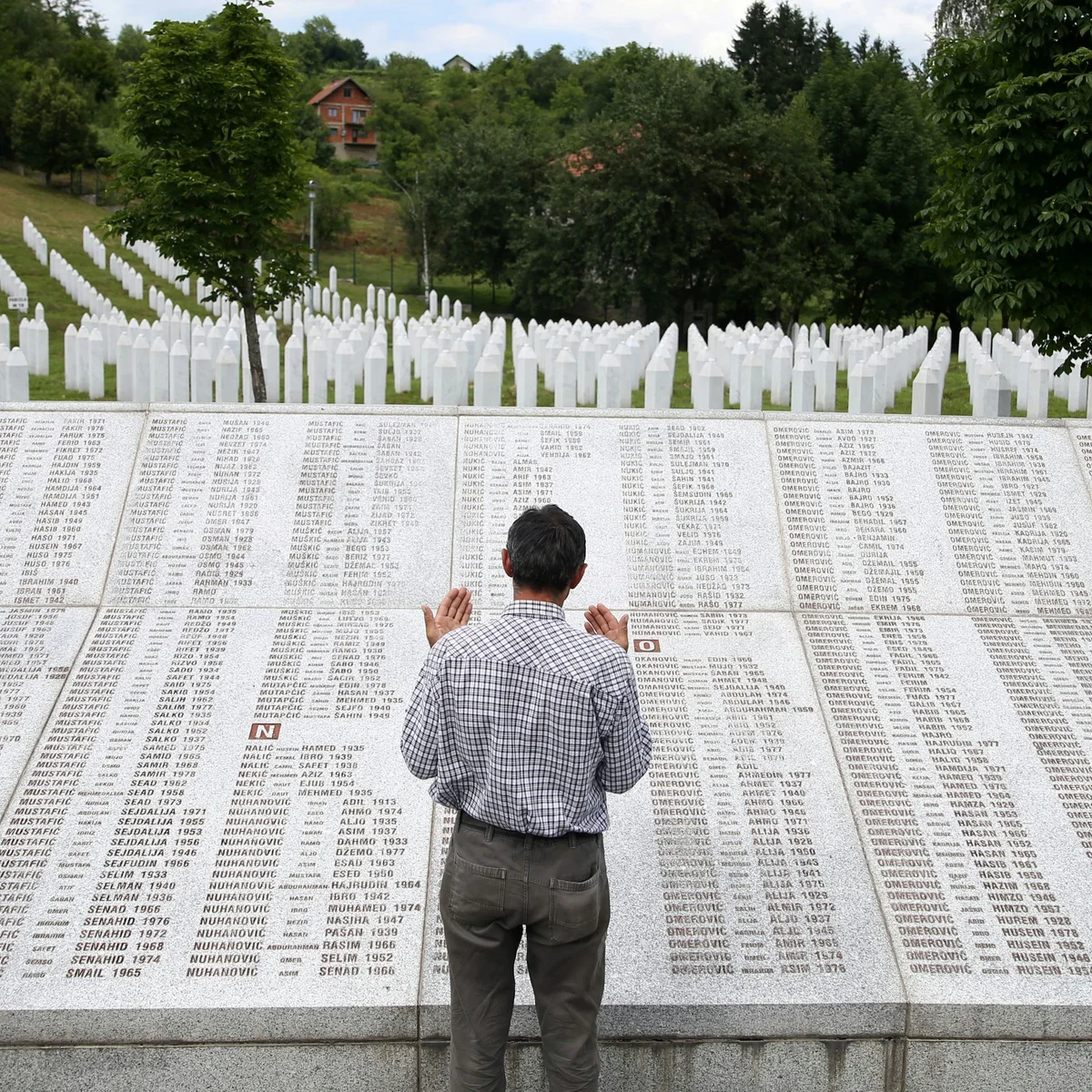
Srebrenica Genocide On July 11, 1995, Bosnian Serb forces captured the town of Srebrenica in eastern Bosnia, a United Nations-declared “safe area.” The town was predo...
Explore event →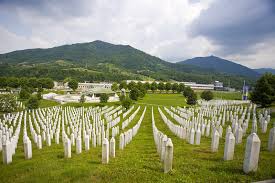
Bosnian Genocide On July 11, 1995, Bosnian Serb forces captured the town of Srebrenica in eastern Bosnia during the Bosnian War. The town had been declared a United N...
Explore event →
Rwandan Genocide On April 7, 1994, following the assassination of Rwandan President Juvénal Habyarimana, widespread violence erupted against the Tutsi population in R...
Explore event →
Robert Maxwell and Mirror Group sue Seymour Hersh for libel In October 1991, media proprietor Robert Maxwell and his company Mirror Group Newspapers i...
Explore event →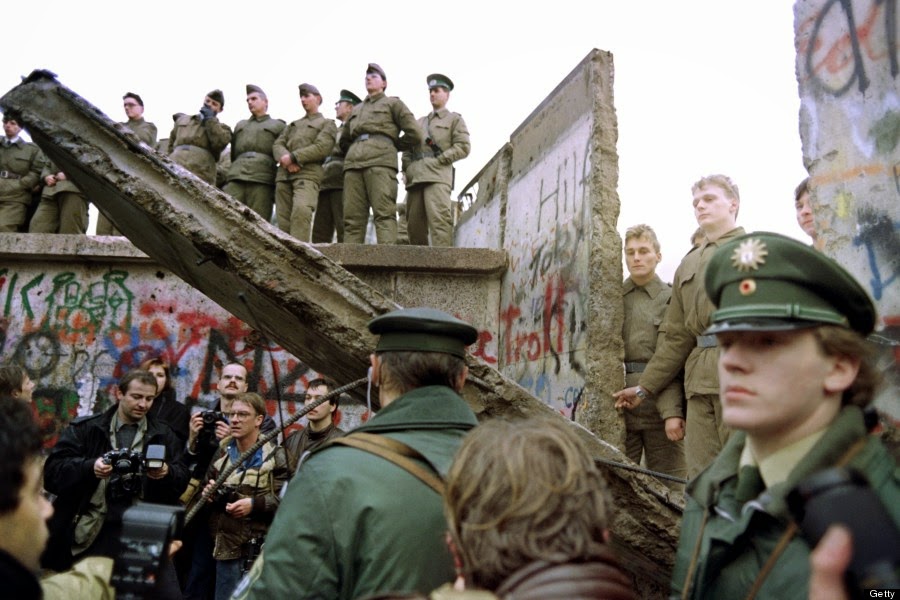
The Fall of the Berlin Wall on November 9, 1989, marked a pivotal moment in world history, symbolizing the collapse of the Cold War division between East and West Germ...
Explore event →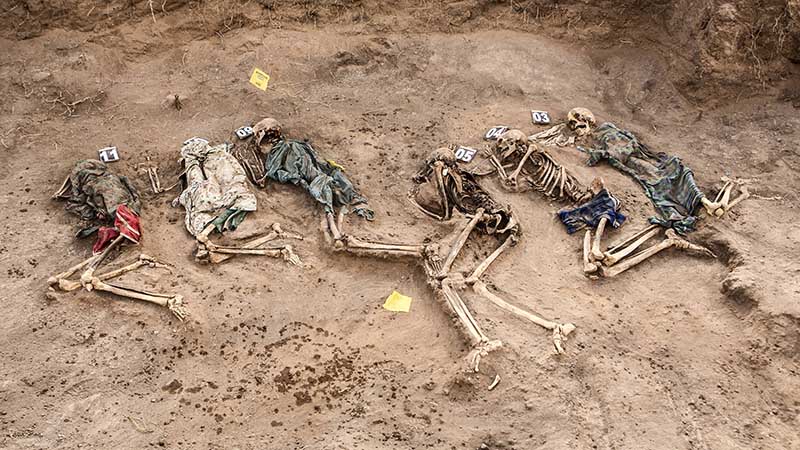
The Isaaq genocide refers to systematic killings and targeted repression of the Isaaq clan in northern Somalia during the late 1980s.This campaign was primarily conduc...
Explore event →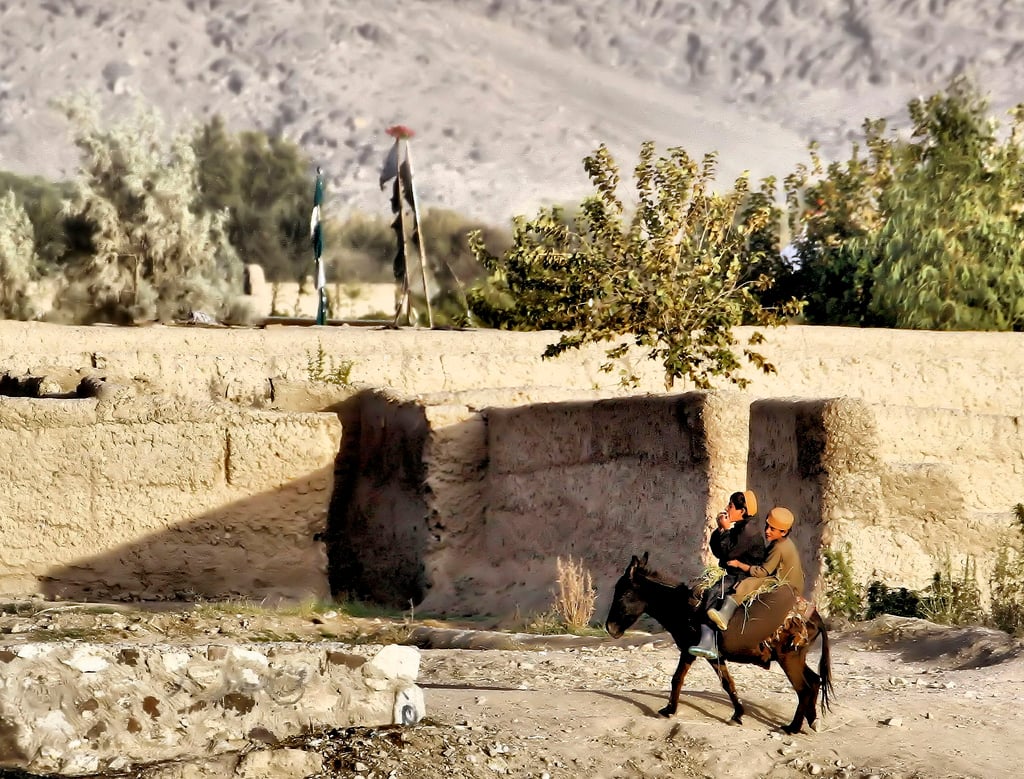
Anfal Genocide On February 23, 1988, the Iraqi government launched the Anfal campaign against Kurdish populations in northern Iraq during the final phase of the Iran–...
Explore event →
Israel’s National Skin Bank and Controversy Over Organ Sourcing The Israel National Skin Bank (INSB) was established in 1986 jointly by the Israel Defense Forces Medi...
Explore event →
Guatemalan Maya Genocide On March 23, 1982, General Efraín Ríos Montt seized power in Guatemala through a military coup during the Guatemalan Civil War. His governmen...
Explore event →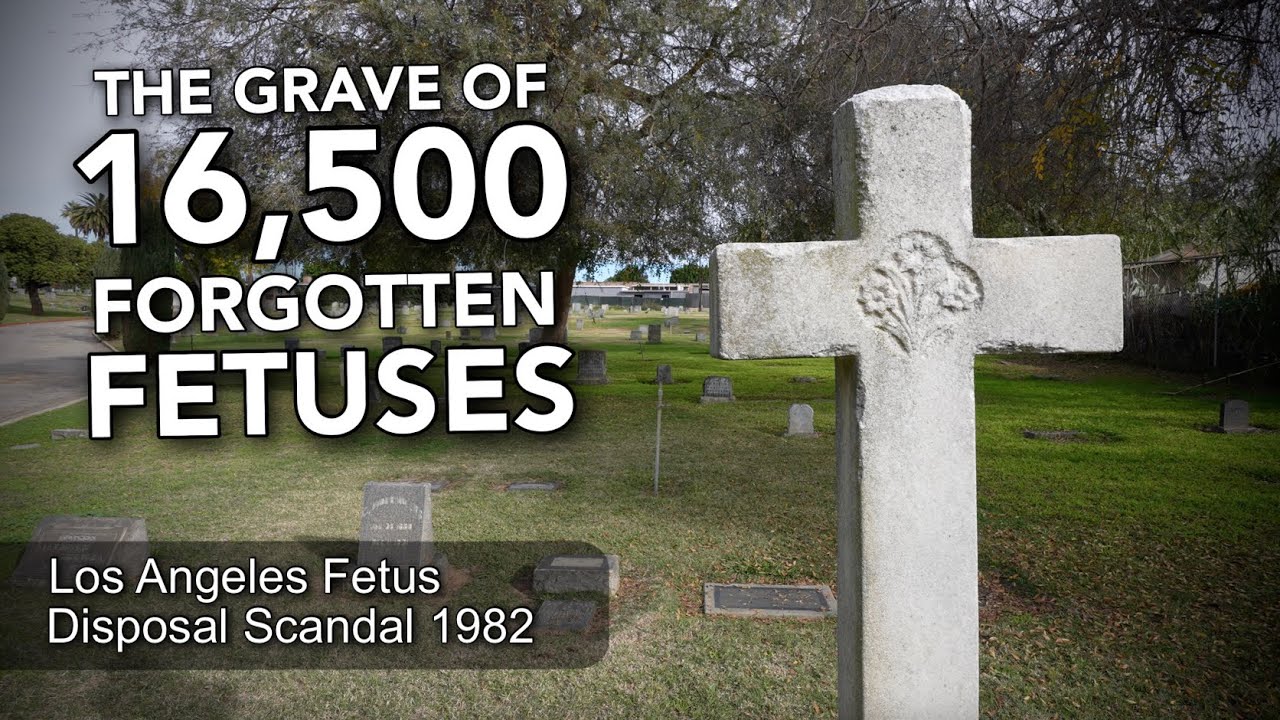
On February 4, 1982, authorities in Los Angeles County discovered thousands of preserved human fetuses inside a repossessed storage container connected to a defunct pa...
Explore event →
30 June 2012 — Mohamed Morsi, associated with the Muslim Brotherhood's political movement, becomes Egypt's first president elected after the 2011 uprising. His governm...
Explore research
11 December 1990 — Albania's communist leadership accepts the legalization of independent political parties. The decision effectively ends the political monopoly creat...
Explore research
5–10 June 1967 — Israel defeats Egypt, Jordan and Syria in a brief but transformative war. Egyptian forces lose the Sinai Peninsula, and the scale of the defeat deeply...
Explore research
Henry Kissinger served as director of the Rockefeller Brothers Fund Special Studies Project during the late 1950s and early 1960s. The project examined major problems ...
Explore research
1952–1970 — The Free Officers end the monarchy, reduce British influence, redistribute land and create a powerful developmental state. At the same time, political part...
Explore research
March–April 1919 — Mass demonstrations, strikes and civil unrest erupt after British authorities exile nationalist leader Saad Zaghloul and other members of the Wafd m...
Explore research
1 July 1916 — British and French forces open the Somme offensive after an enormous artillery preparation. The first day becomes the bloodiest single day in British mil...
Explore research
4 June 1916 — Russian General Aleksei Brusilov launches a major offensive against Austria-Hungary. Innovative preparation and attacks across a broad front produce spec...
Explore research
21 February 1916 — Germany launches a major offensive against the fortified Verdun region. French forces commit enormous manpower and artillery to prevent the fortress...
Explore research
1915–1917 — Commanders increasingly seek to exhaust enemy manpower, artillery and industrial capacity faster than their own side is depleted. Verdun and the Somme beco...
Explore research
1915–1918 — Casualties, inflation and shortages turn civilian morale into a strategic issue. Governments expand propaganda, censorship, rationing and welfare programs ...
Explore research
1 July 1798 — French forces under Napoleon Bonaparte land in Egypt. The invasion aims to weaken British access to India while expanding French influence in the eastern...
Explore research
1517–1798 CE — Egypt remains formally part of the Ottoman Empire for centuries while powerful local military households gain substantial autonomy. Agricultural taxes a...
Explore research
16th–18th centuries — Islam spreads substantially among Albanian populations under Ottoman rule. Conversion varies greatly by region and period. Catholic communities r...
Explore research
c. 1479–1912 — Most Albanian-inhabited territories remain within the Ottoman Empire for more than four centuries. Albanian elites participate extensively in Ottoman mi...
Explore research
15th–16th centuries — Waves of Albanian-speaking migrants settle in southern Italy and Sicily during the expansion of Ottoman rule. Their descendants, known as the Arb...
Explore research
c. 1355–1444 — Families including the Thopia, Muzaka, Balsha, Dukagjini and Kastrioti control competing territories. Albania is politically fragmented rather than unif...
Explore research
969 CE — Fatimid forces establish al-Qahira, Cairo, as a new royal and military city. The settlement grows beside older Fustat and eventually absorbs it into an enormo...
Explore research
641 CE — Muslim authorities establish Fustat near the old Roman fortress of Babylon on the Nile. The city becomes the administrative center of Islamic Egypt and develo...
Explore research
7th–10th centuries — Arabic increasingly replaces Greek and Coptic in government and eventually becomes the dominant spoken language. Conversion to Islam occurs over g...
Explore research
395–641 CE — Egypt becomes part of the eastern Roman Empire centered on Constantinople, later called Byzantine. Alexandria remains one of Christianity's major intellec...
Explore research
1st–4th centuries CE — Christianity spreads through the Roman Balkans and eventually becomes institutionally established. Bishoprics emerge in important cities includi...
Explore research
30 BCE–395 CE — Egypt remains one of the Roman Empire's wealthiest provinces. Alexandria continues as a major commercial and intellectual center while traditional Egyp...
Explore research
Untitled168 BCE–395 CE — The lands of modern Albania are gradually integrated into Roman provincial systems. Cities expand, Latin and Greek cultural influences deepen,...
Explore research