
Charlie Chaplin’s controversial life
Charlie Chaplin was an English actor, filmmaker, composer, and producer who became one of the most prominent figures of twentieth-century cinema. His career included s...
Explore event →History does not happen in isolation. Explore world events across time, follow the connections between them, and investigate the threads that reveal how one event can lead to another.
TheTimeMap currently follows events across 95 countries and 268 years of history — building a connected archive designed for people who want to look beyond the headline.
We oppose antisemitism, racism, and dehumanization — everywhere.
When people stop feeling, injustice becomes easy.
Charlie Chaplin was an English actor, filmmaker, composer, and producer who became one of the most prominent figures of twentieth-century cinema. His career included s...
Explore event →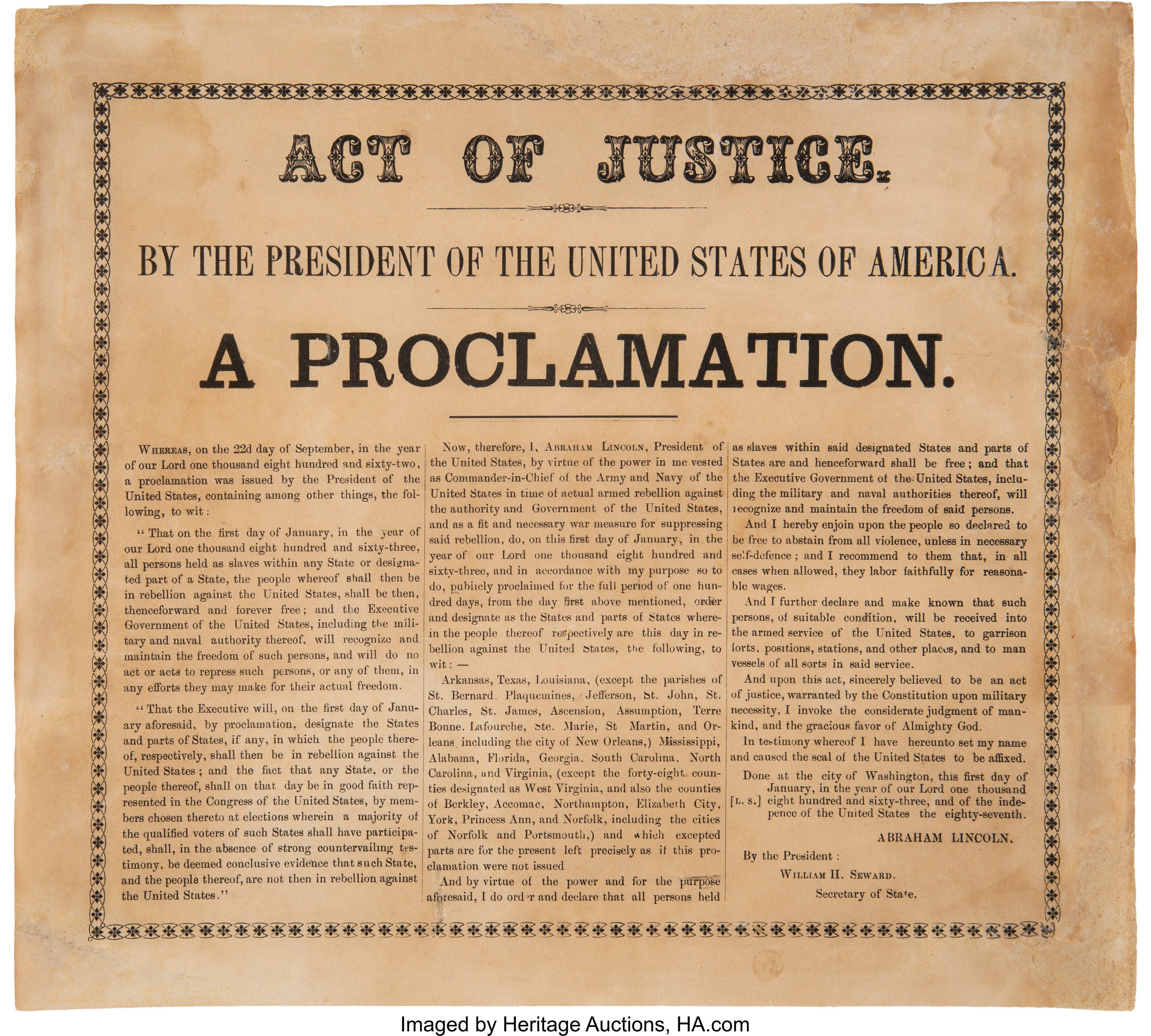
U.S. President Abraham Lincoln issued the Emancipation Proclamation, declaring freedom for enslaved people in Confederate states and redefining the Civil War as a stru...
Explore event →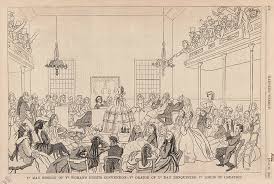
The first women’s rights convention in Seneca Falls, New York, demanded legal, social, and political equality, sparking the organized women’s suffrage movement in the ...
Explore event →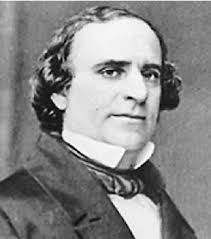
On December 1, 1845, David Levy Yulee was sworn in as one of the first two United States senators from the newly admitted State of Florida, marking a notable moment in...
Explore event →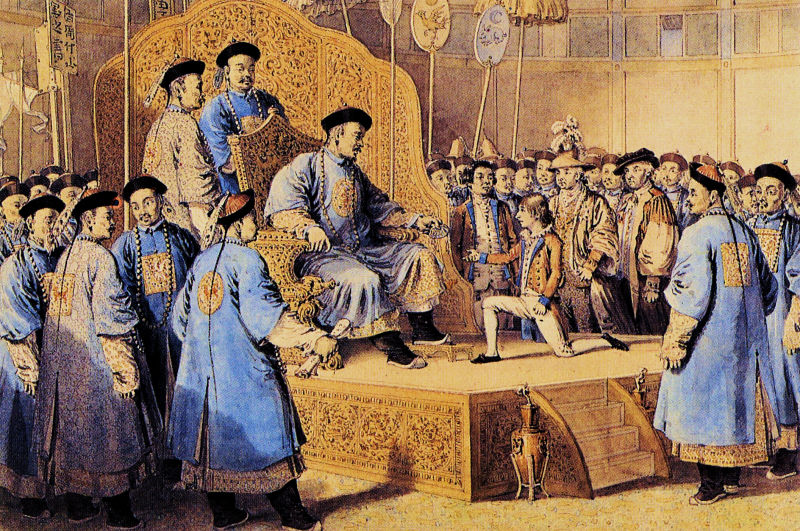
A diplomatic mission was sent from Washington to China to establish formal relations and discuss trade opportunities. The delegation aimed to enhance communication bet...
Explore event →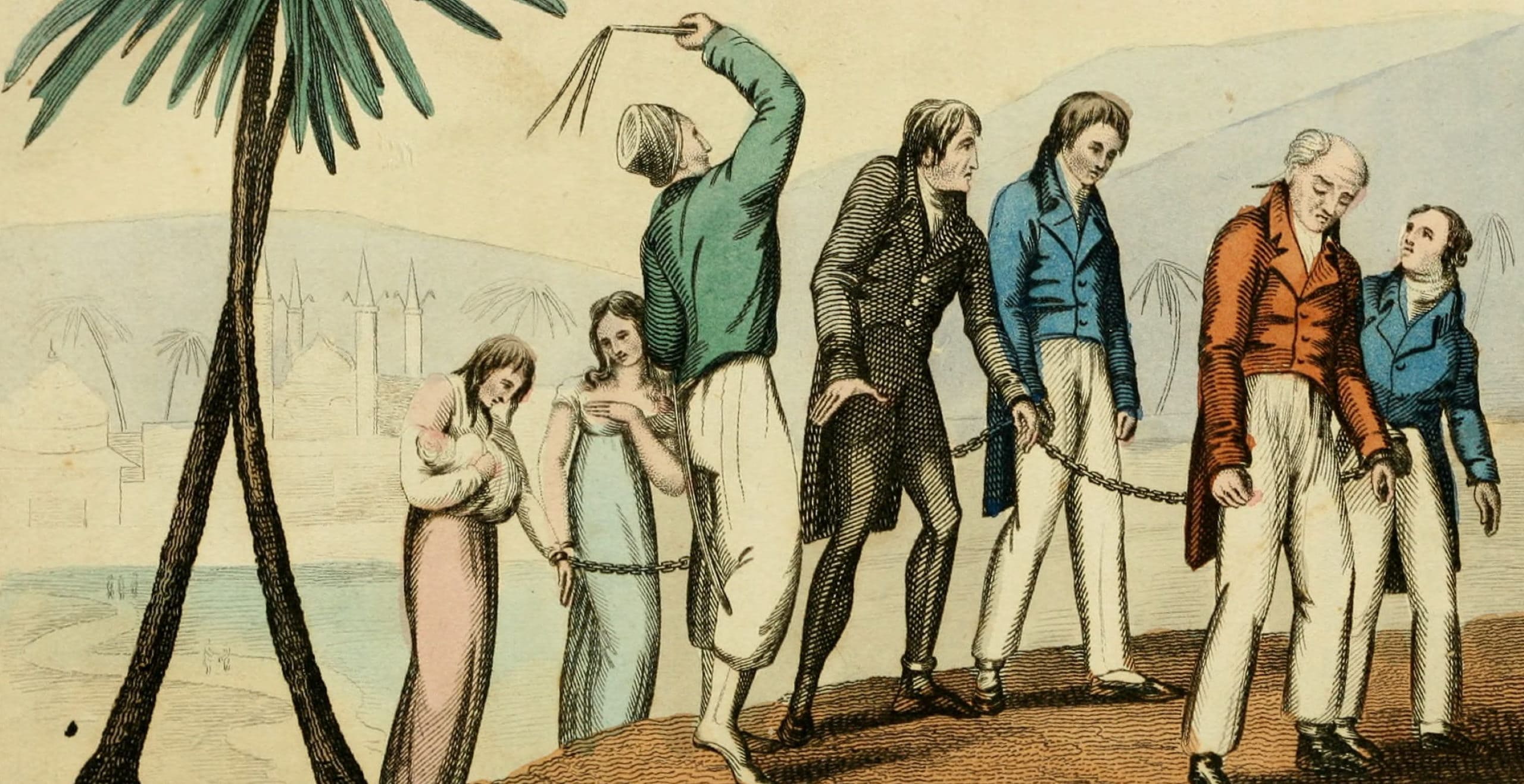
European Captives Sold Into Slavery By Barbary Pirates From the 16th to the 19th centuries, Barbary pirates operating from North Africa — including present-da...
Explore event →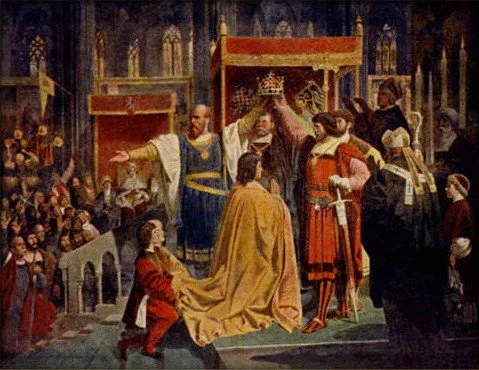
Expulsion of Jews from the Kingdom of Naples In 1540, Jewish communities in the Kingdom of Naples were expelled as the region came under the control of the Spanish cr...
Explore event →
Expulsion of Jews from France On July 22, 1306, King Philip IV of France, also known as Philip the Fair, issued an edict expelling all Jews from the kingdom. The expu...
Explore event →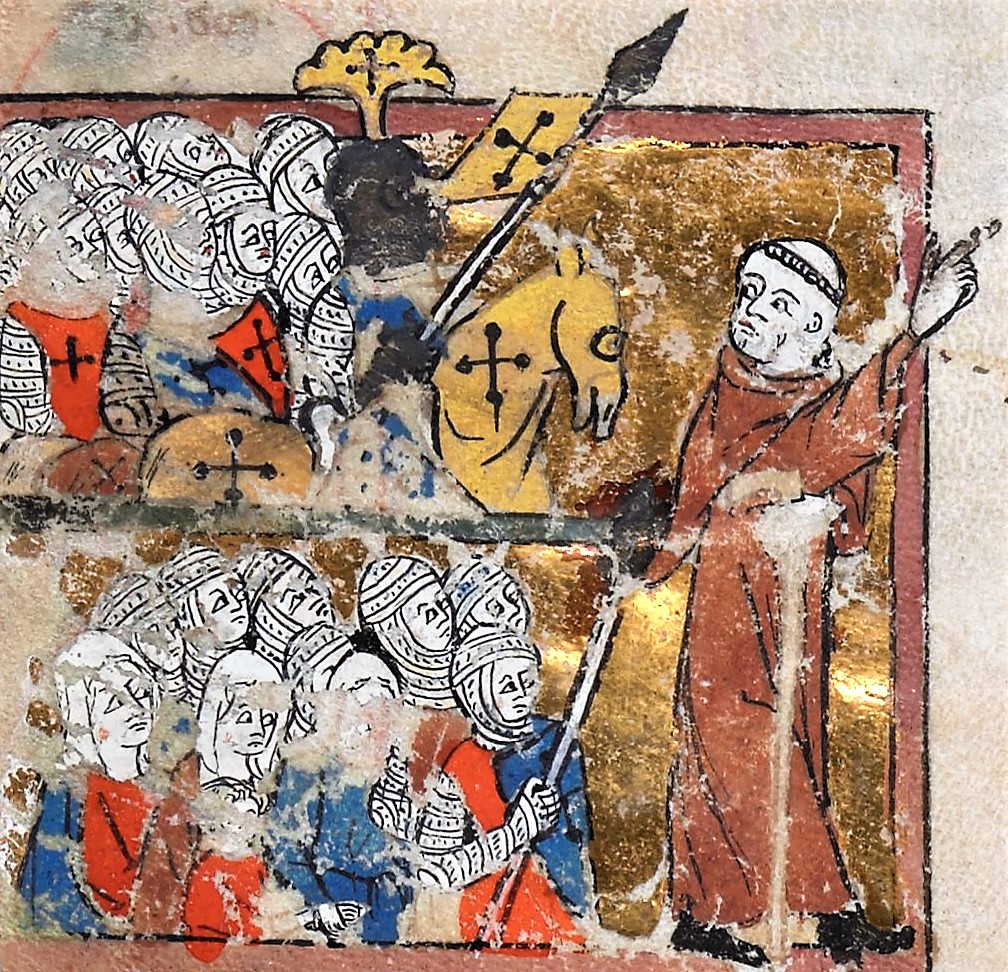
Origins And Objectives Of The Crusades The Crusades were a series of military campaigns initiated between 1095 and 1291, primarily aimed at capturing or def...
Explore event →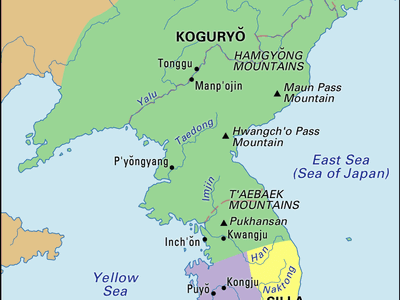
The Kingdom of Baekje experienced significant cultural and political growth during the mid-6th century. Its leadership established strong diplomatic ties with neighbor...
Explore event →
Emperor Aurelian successfully reunified the Roman Empire after a period of fragmentation and civil war. His military campaigns defeated breakaway states such as the Ga...
Explore event →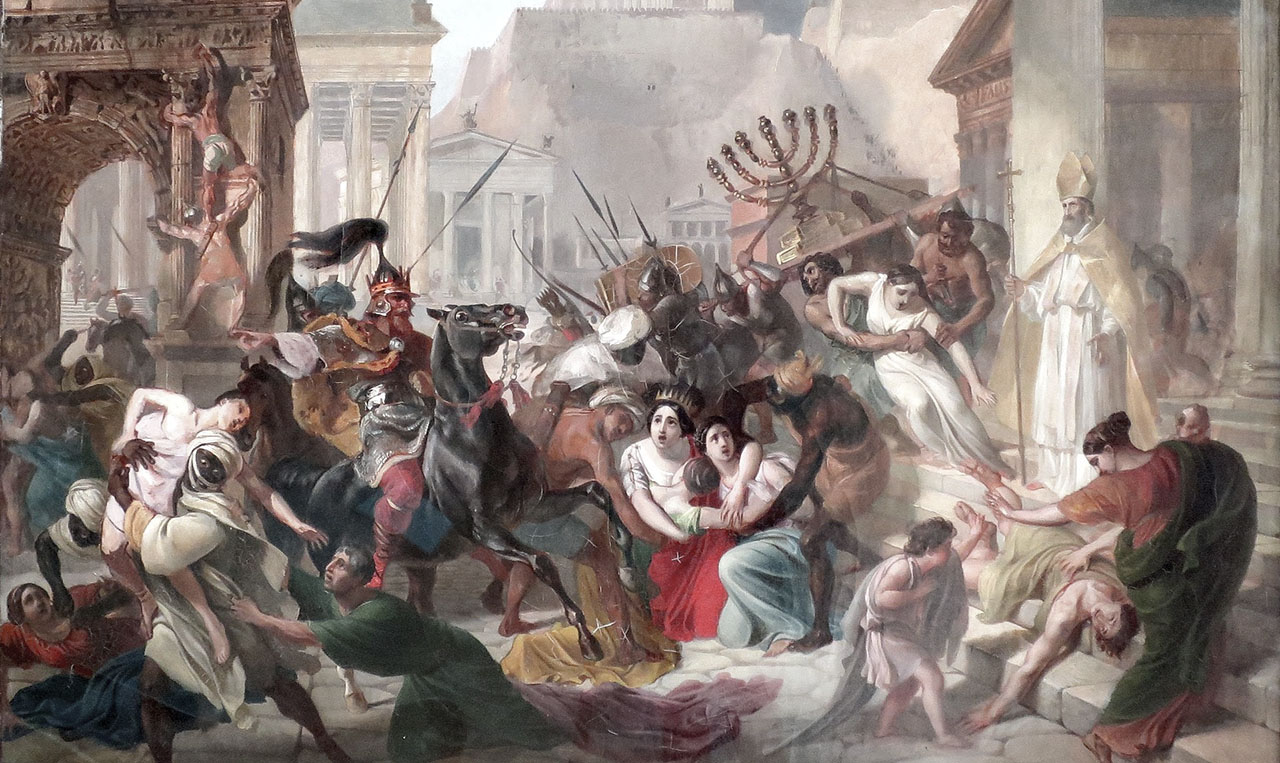
The Crisis of the Third Century marked a period of severe instability within the Roman Empire beginning in 235 AD. This era saw widespread political chaos, military de...
Explore event →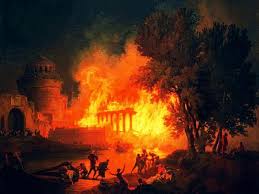
The Great Fire of Rome began in the night and quickly spread through the city, causing extensive destruction. The fire lasted for six days and destroyed many neighborh...
Explore event →
2014–2026 — Egypt remains the most populous country in the Arab world and one of the principal political centers of the eastern Mediterranean and Middle East. Cairo do...
Explore research
Untitled1990s–present — The collapse of communist controls produces large migration flows toward Italy, Greece, Germany, the United States and elsewhere. Emigration be...
Explore research
38th president of the United States. Ford succeeded Nixon in 1974 and subsequently approved a National Security Decision Memorandum concerning population policy.
Explore research
1970–1981 — Anwar Sadat succeeds Nasser and gradually redirects Egyptian foreign and economic policy. He reduces Soviet influence, encourages economic liberalization a...
Explore research
26 July–7 November 1956 — Nasser nationalizes the Suez Canal Company after Western governments withdraw support for the Aswan High Dam. Britain, France and Israel secr...
Explore research
Henry Kissinger served as director of the Rockefeller Brothers Fund Special Studies Project during the late 1950s and early 1960s. The project examined major problems ...
Explore research
6 April 1917–11 November 1918 — The United States begins converting its enormous economy and population into military power. Millions of men enter the draft system whi...
Explore research
1915–1918 — Casualties, inflation and shortages turn civilian morale into a strategic issue. Governments expand propaganda, censorship, rationing and welfare programs ...
Explore research
1914–1917 Allied purchasing and finance role — J.P. Morgan & Co. becomes a major financial and purchasing intermediary for Britain and France in the United States duri...
Explore research
10 June 1878 — Albanian political and religious leaders gather in Prizren as the Ottoman Empire faces defeat and territorial losses following the Russo-Turkish War. Th...
Explore research
Leading statesman of the Albanian independence movement and head of the provisional government formed at Vlorë.
Explore research
1250–1517 CE — Military elites known as Mamluks seize political control and establish a powerful sultanate centered on Cairo. They defeat Mongol forces at Ain Jalut an...
Explore research
1204 — Constantinople is captured and Latin states are established across parts of Greece.
Explore research
1171–1193 CE in Egypt and the wider region — Saladin ends Fatimid rule and establishes the Ayyubid dynasty. He restores Sunni political dominance in Egypt and uses Egy...
Explore research
c. 1550–1070 BCE — Egypt becomes one of the great imperial powers of the Late Bronze Age. Pharaohs campaign into Nubia and the Levant while wealth flows into enormous ...
Explore research
22 December 1941 — Roosevelt and Churchill begin the Arcadia Conference in Washington shortly after American entry into the war. Despite Pearl Harbor, the United State...
Explore research
16 January 1942 — Roosevelt creates the War Production Board to coordinate conversion of the American economy to wartime needs. Automobile plants, steel mills, aircraf...
Explore research
25 November 1936 — Germany and Japan sign an agreement publicly directed against the Communist International. Italy joins the following year. The pact reflects growing...
Explore research
14 August 1941 — Roosevelt and Churchill issue a statement of broad principles for the postwar world, including territorial restraint, economic cooperation and forms o...
Explore research
9 August 1945 — The United States drops the plutonium bomb Fat Man on Nagasaki. Tens of thousands are killed immediately or in the following months. The attack occurs ...
Explore research
4 June 1942 — American carrier forces intercept a Japanese operation aimed at Midway Atoll. U.S. cryptanalytic intelligence allows Admiral Chester Nimitz to position c...
Explore research
Farming villages existed in the Aegean world thousands of years before Greek-speaking states emerged.
Explore research
2 September 1945 — The defeat of Germany and Japan leaves the United States and Soviet Union as the dominant military powers. Soviet control across Eastern Europe, Ame...
Explore research
Gerald Ford became President of the United States following Richard Nixon's resignation. Kissinger continued as Secretary of State and national security adviser during...
Explore research