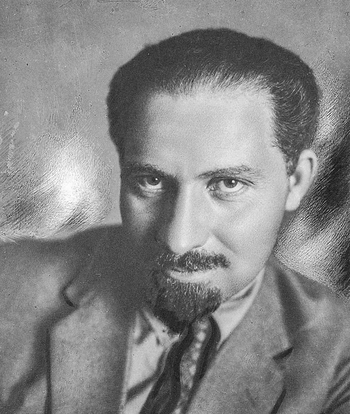
Lazar Kaganovich Dies at Age 97
Lazar Kaganovich (1893–1991), a Soviet politician and close associate of Joseph Stalin, died on July 25, 1991. Born to a Jewish family in Ukraine, Kaganovich held seve...
Explore event →History does not happen in isolation. Explore world events across time, follow the connections between them, and investigate the threads that reveal how one event can lead to another.
TheTimeMap currently follows events across 95 countries and 268 years of history — building a connected archive designed for people who want to look beyond the headline.
We oppose antisemitism, racism, and dehumanization — everywhere.
When people stop feeling, injustice becomes easy.
Lazar Kaganovich (1893–1991), a Soviet politician and close associate of Joseph Stalin, died on July 25, 1991. Born to a Jewish family in Ukraine, Kaganovich held seve...
Explore event →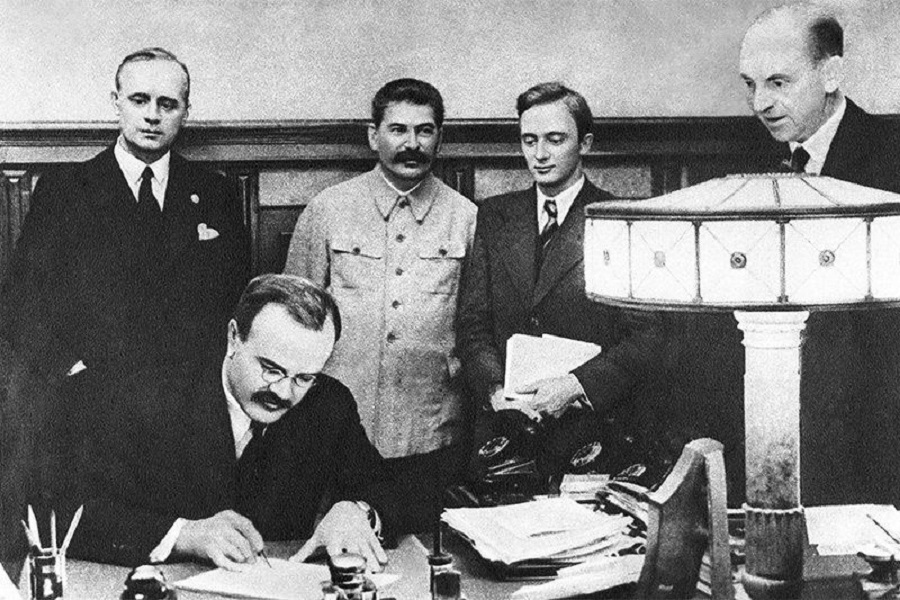
The German–Soviet Non-Aggression Pact And Its Secret Protocols On August 23, 1939, the governments of Germany and the Soviet Union signed a non-aggression t...
Explore event →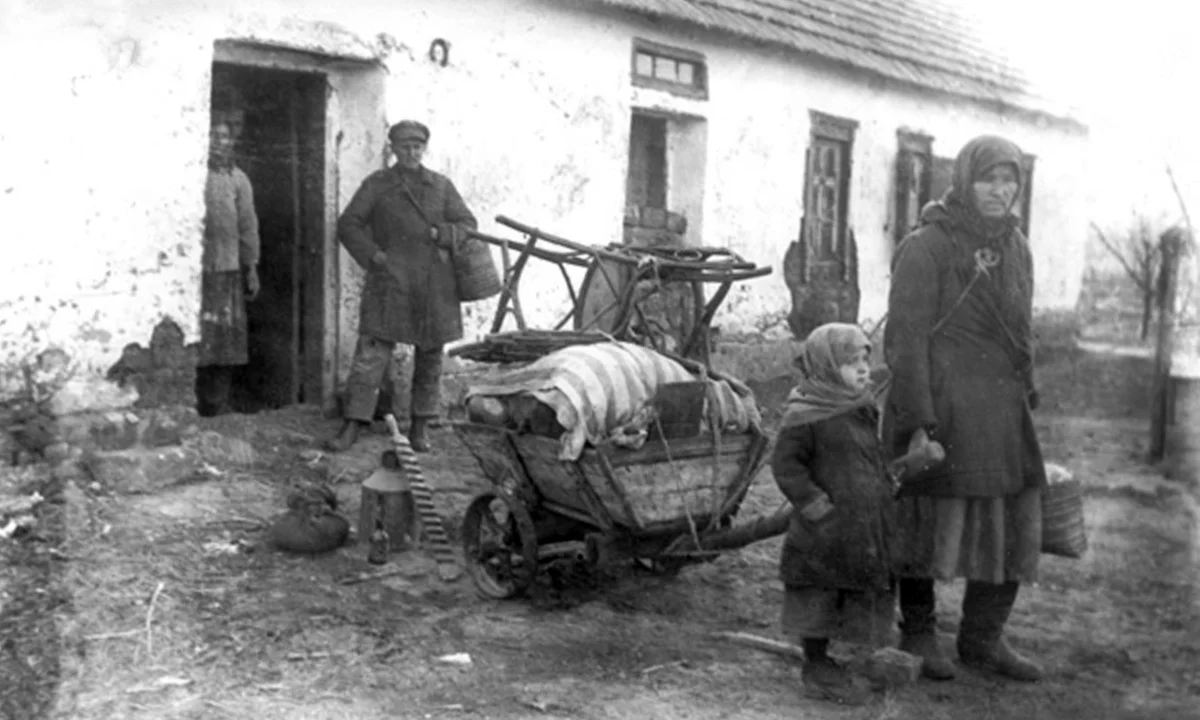
Soviet-Era Famines Under Bolshevik Rule Between 1930 and 1933, a series of mass famines occurred across the Soviet Union following Bolshevik policies of for...
Explore event →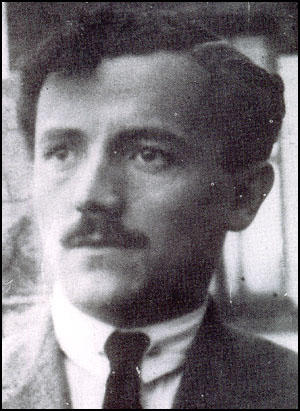
Alexander Orlov, born Lev Lazarevich Feldbin on 21 August 1895 in Bobruisk, was a Soviet NKVD officer from an Orthodox Jewish family. He later operated under several a...
Explore event →
1960–1961 — Hoxha rejects Nikita Khrushchev's de-Stalinization and growing Soviet pressure. Relations collapse and Albania turns toward Maoist China for economic and i...
Explore research
1948 — The Tito-Stalin split transforms Albania's foreign alignment. Hoxha uses the crisis to eliminate Yugoslav influence and bind Albania much more closely to Stalin...
Explore research
19 November 1942 — Vasilevsky plays a central role in Soviet strategic planning for Operation Uranus and later major offensives. His work illustrates the increasingly ...
Explore research
23 August 1942 — German forces begin the major assault phase against Stalingrad after intensive Luftwaffe bombing. The city's industrial and symbolic importance combin...
Explore research
23 August 1942 — German forces begin the major assault phase against Stalingrad while the wider German campaign pushes toward oil resources in the Caucasus. Fighting i...
Explore research
8 January 1942 — Soviet offensives expand around the Rzhev-Vyazma salient west of Moscow. Fighting in the region becomes prolonged and extraordinarily costly. The sali...
Explore research
28 June 1942 — Germany launches its major summer offensive toward southern Russia and the Caucasus. Hitler seeks the oil resources of the Caucasus and control of the V...
Explore research
24 November 1942 — Manstein receives command of Army Group Don during the Stalingrad crisis. He attempts to organize relief of the Sixth Army and later conducts the su...
Explore research
23 August 1942 — Paulus commands the German Sixth Army during the Battle of Stalingrad. After encirclement he obeys Hitler's order to remain in place. Hitler promotes ...
Explore research
18 January 1943 — Zhukov is promoted to Marshal of the Soviet Union after playing central roles in the defense of Moscow and the planning environment around Stalingrad...
Explore research
18 January 1943 — Zhukov is promoted to Marshal of the Soviet Union after playing central roles in the defense of Moscow and the planning environment around Stalingrad...
Explore research
2 February 1943 — The last major German formations inside Stalingrad surrender. Approximately one of Germany's most powerful field armies has been destroyed or capture...
Explore research
23 July 1942 — Hitler issues Directive No. 45, dividing German strategic effort between Stalingrad and the Caucasus. Securing oil becomes a central objective because G...
Explore research
18 February 1943 — Joseph Goebbels delivers his Sportpalast speech after Stalingrad, calling for even greater mobilization of German society. The speech reflects growi...
Explore research
24 November 1942 — Hitler orders the Sixth Army to remain inside the Stalingrad pocket rather than attempt an immediate breakout. He expects outside relief and air sup...
Explore research
c. 1928–1953 — Stalin controls the Soviet political system during the entire war. His prewar purges severely damage parts of the officer corps, while his misjudgment o...
Explore research
c. 1928–1953 — Stalin controls the Soviet political system during the entire war. His prewar purges severely damage parts of the officer corps, while his misjudgment o...
Explore research
c. 1928–1953 — Stalin controls the Soviet political system during the entire war. His prewar purges severely damage parts of the officer corps, while his misjudgment o...
Explore research
5 July 1943 — Rokossovsky commands the Central Front during the Battle of Kursk and later becomes one of the principal commanders of Operation Bagration. A survivor of...
Explore research
24 November 1942 — Hitler commits to holding Stalingrad while the Luftwaffe attempts to supply the encircled Sixth Army. Required daily tonnage far exceeds what can re...
Explore research
23 August 1942 — German aircraft conduct devastating attacks on Stalingrad as ground forces approach. Large areas are destroyed and many civilians are killed. The bomb...
Explore research
23 August 1939 — Germany and the Soviet Union sign a non-aggression agreement. Secret protocols divide parts of Eastern Europe into German and Soviet spheres of influe...
Explore research
23 August 1939 — Nazi Germany and the Soviet Union sign a non-aggression pact. Secret protocols divide parts of Eastern Europe into German and Soviet spheres of influe...
Explore research
19 November 1942 — Soviet armies attack Romanian and other Axis forces protecting the German flanks at Stalingrad. The offensive rapidly breaks through and Soviet spea...
Explore research