US House extends government funding
The United States House of Representatives approved legislation on September 1, 2026, extending federal government funding and reducing the immediate risk of a government shutdown. The...
Explore event →History does not happen in isolation. Explore world events across time, follow the connections between them, and investigate the threads that reveal how one event can lead to another.

TheTimeMap currently follows events across 95 countries and 268 years of history — building a connected archive designed for people who want to look beyond the headline.
We oppose antisemitism, racism, and dehumanization — everywhere.
When people stop feeling, injustice becomes easy.
The United States House of Representatives approved legislation on September 1, 2026, extending federal government funding and reducing the immediate risk of a government shutdown. The...
Explore event →

The United States Senate passed legislation on August 7, 2026, expanding economic sanctions against Russia and maintaining sanctions involving Iran. The measure passed by a vote of 86 to ...
Explore event →
On March 5, 2026, United States President Donald Trump announced the removal of Kristi Noem from her position as Secretary of the Department of Homeland Security (DHS). The announcemen...
Explore event →
On February 11, 2026, the U.S. Department of Justice, under the Trump administration, abruptly fired Donald T. Kinsella as U.S. Attorney for the Northern District of New York just hours a...
Explore event →
On February 10, 2026, United States Commerce Secretary Howard Lutnick faced questioning before the Senate Appropriations Subcommittee after the release of documents connected to the Jeffr...
Explore event →
The American Israel Public Affairs Committee AIPAC and its affiliated political action committees are major contributors in US federal elections. They support candidates across both parti...
Explore event →
On October 23, 2025, U.S. President Donald Trump issued a full presidential pardon to Changpeng “CZ” Zhao, the founder and former CEO of the Binance cryptocurrency exchange, who had previ...
Explore event →
Ted Cruz says “let’s stop attacking pedophiles” On September 30, 2025, during a Senate Judiciary Committee hearing in Washington, D.C., U.S. Senator Ted Cruz of Texas made a remark that ...
Explore event →
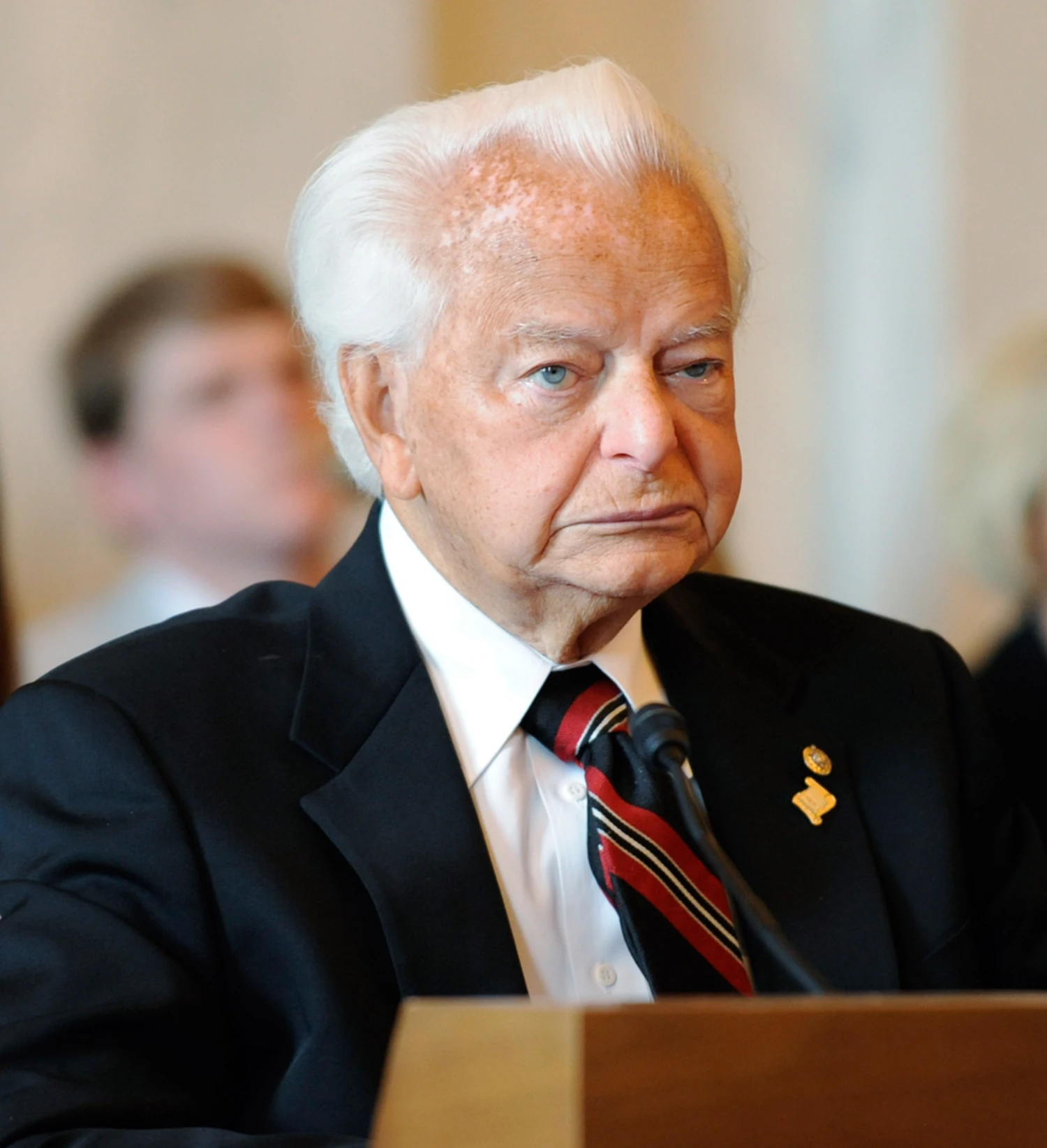
Senator Robert Byrd eulogy connections and affiliations Senator Robert Byrd, a longtime U.S. Senator from West Virginia, passed away on June 28, 2010. Byrd had a documented history of me...
Explore event →
In January 1998, allegations of a sexual relationship between U.S. President Bill Clinton and White House intern Monica Lewinsky became public during an investigation led by Independent C...
Explore event →
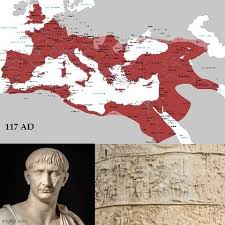
Trajan became Roman Emperor following the death of Domitian, marking a period of significant military expansion and administrative reform. His accession was recognized by the Senate, soli...
Explore event →
Harold Wallace Rosenthal, a Senate aide, was killed in a terrorist attack at Istanbul Airport in 1976. Rosenthal had worked for Senator Jacob Javits and was serving in his staff role at t...
Explore event →
The Watergate Scandal From Break-In To Presidential Resignation On June 17, 1972, five men were arrested for breaking into the Democratic National Committee headquarters at the Watergate...
Explore event →
Bonus army removed from Washington In the spring and summer of 1932, approximately 17,000 to 25,000 World War I veterans, along with their families and supporters, assembled in Washingto...
Explore event →
On December 1, 1845, David Levy Yulee was sworn in as one of the first two United States senators from the newly admitted State of Florida, marking a notable moment in U.S. political hist...
Explore event →
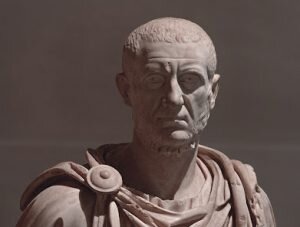
Tacitus was proclaimed Roman Emperor following the death of Emperor Aurelian. His ascension marked a brief but significant moment in the Crisis of the Third Century, reflecting ongoing in...
Explore event →
The revolt led by Gordian II was part of a larger uprising against the reigning emperor Maximinus Thrax. Gordian II, alongside his father Gordian I, was proclaimed emperor by the Roman Se...
Explore event →
Following the death of Emperor Maximinus Thrax, the Roman Senate appointed Pupienus and Balbinus as co-emperors to restore order within the Roman Empire. Their joint accession marked a ra...
Explore event →
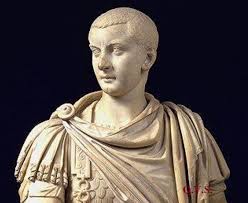
Gordian III ascended to the Roman imperial throne following a period of political instability known as the Year of the Six Emperors. At the age of thirteen, he was declared emperor by the...
Explore event →
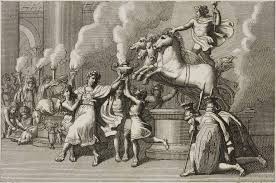
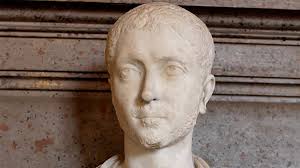
Severus Alexander was proclaimed Roman Emperor following the assassination of Elagabalus. The Roman Senate officially endorsed his accession, marking a return to more traditional imperial...
Explore event →
Elagabalus, Roman emperor notorious for his controversial religious and political actions, was assassinated on March 11 after a brief reign. His rule was marked by significant unrest and ...
Explore event →
Elagabalus, also known as Varius Avitus Bassianus, was proclaimed Roman Emperor upon the death of Caracalla’s successor during the Severan dynasty. His accession marked a period of signif...
Explore event →
Publius Septimius Geta, son of Emperor Septimius Severus, was granted the title of Augustus by the Roman Senate. This elevated Geta to co-emperor status alongside his father and his broth...
Explore event →
Following the assassination of Emperor Pertinax, the Roman imperial throne was sold to the highest bidder by the Senate. Didius Julianus secured the empire by offering the largest payment...
Explore event →
Pertinax was proclaimed Roman Emperor by the Senate following the assassination of Commodus. His accession marked a brief attempt to restore discipline and order in the empire after a per...
Explore event →
Commodus, Roman Emperor and son of Marcus Aurelius, was assassinated in his palace in Rome. His death ended the Nerva–Antonine dynasty.The emperor was strangled by his wrestling partner u...
Explore event →
Lucius Verus was formally declared co-emperor alongside Marcus Aurelius, marking a significant moment in Roman imperial succession. This joint rule established a precedent for multiple em...
Explore event →
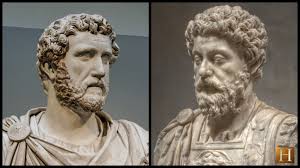
Antoninus Pius assumed the position of Roman Emperor following the death of Hadrian on August 11. He was appointed by the Senate and accepted by the army without opposition, securing a pe...
Explore event →
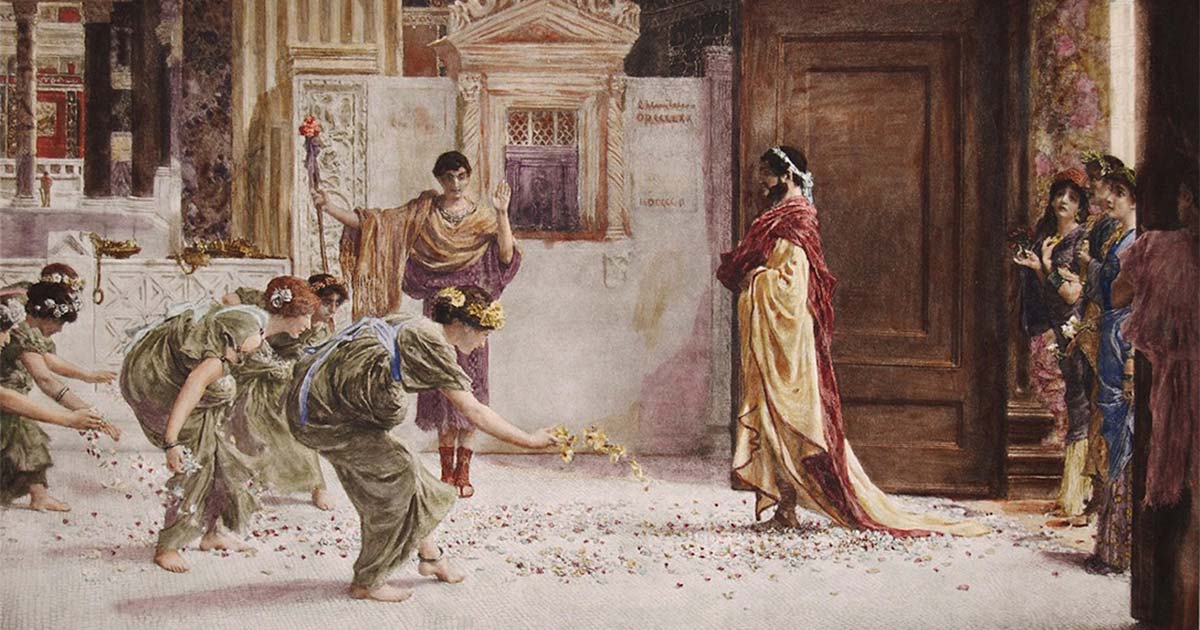
Antoninus Pius became Roman Emperor following the death of Hadrian. His accession marked the continuation of stable leadership in the Roman Empire.His reign was noted for internal peace a...
Explore event →
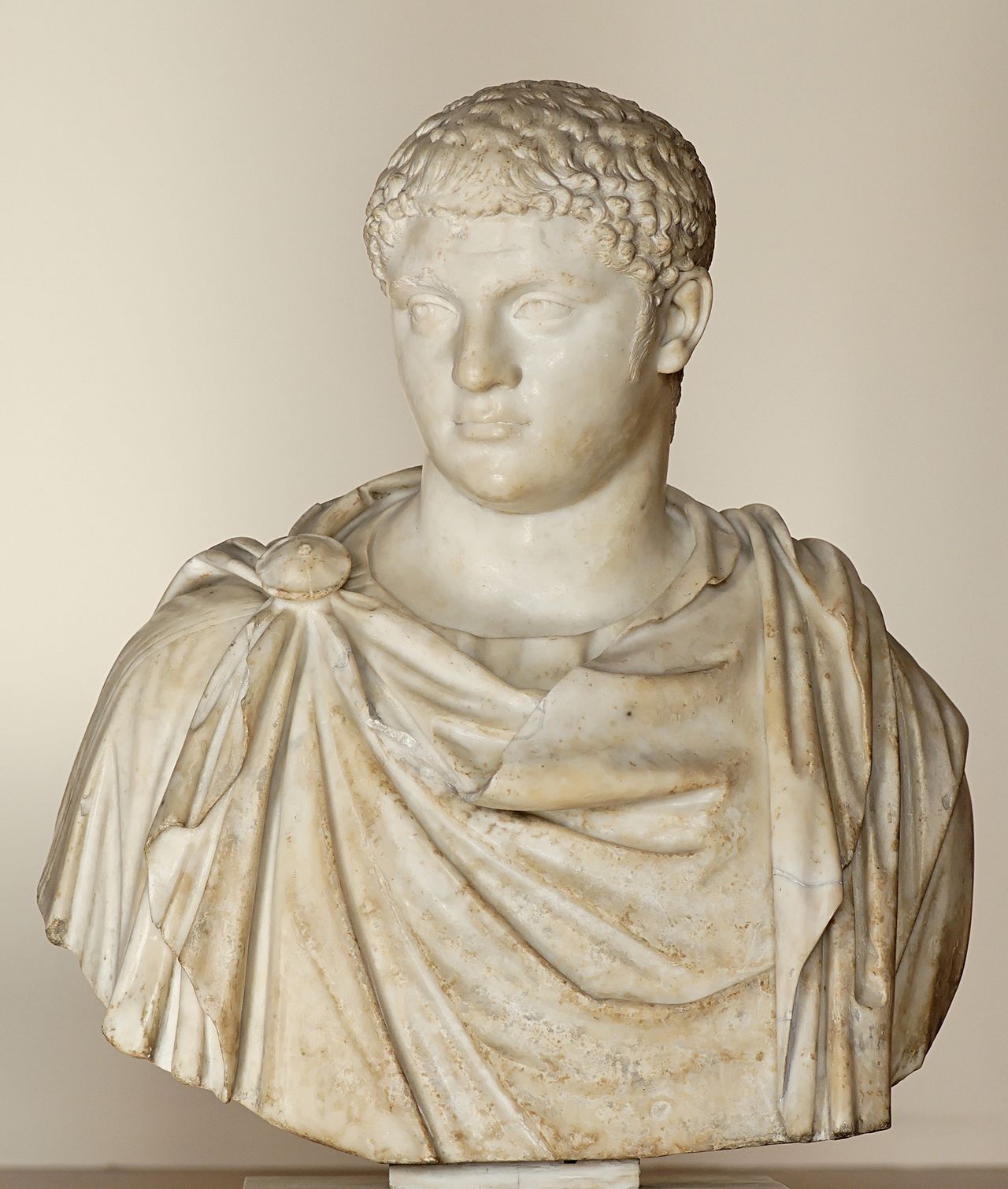
Hadrian was officially declared emperor following the death of his predecessor, Trajan, marking a significant transition in Roman imperial leadership. His accession was confirmed by the R...
Explore event →
After the murder of Emperor Domitian, the Roman Senate appointed Nerva as emperor, marking a shift from autocratic rule to a more stabilizing governance. Nerva, previously a respected sen...
Explore event →
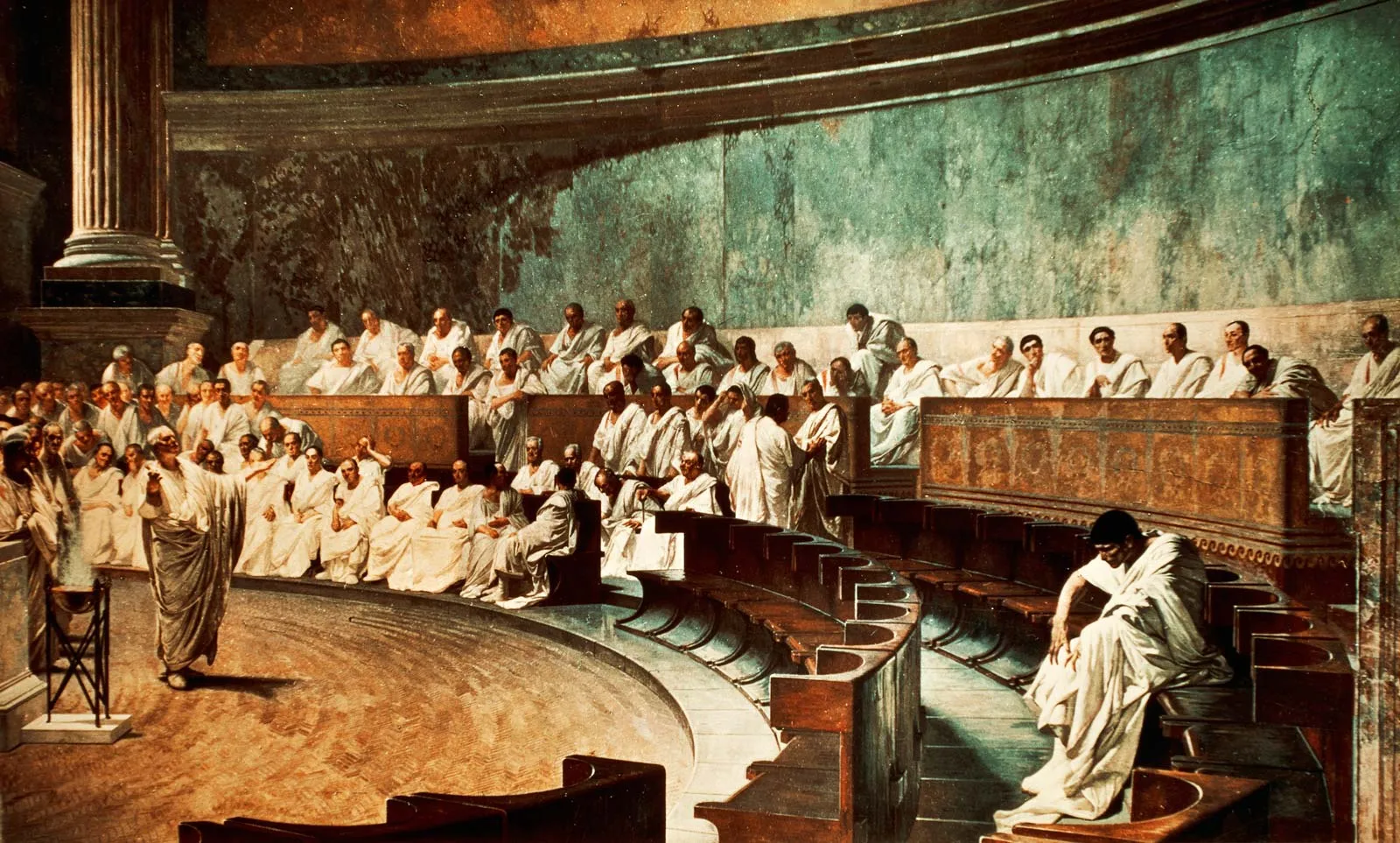
Domitian, the Roman Emperor, was assassinated on September 18th within his residence on the Palatine Hill in Rome. The conspiracy involved court officials and members of the Praetorian Gu...
Explore event →
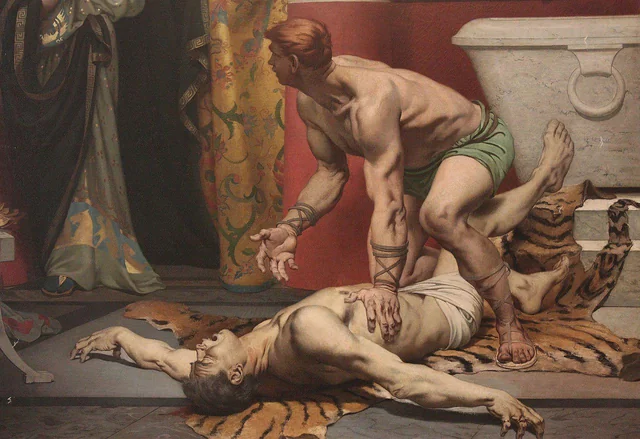
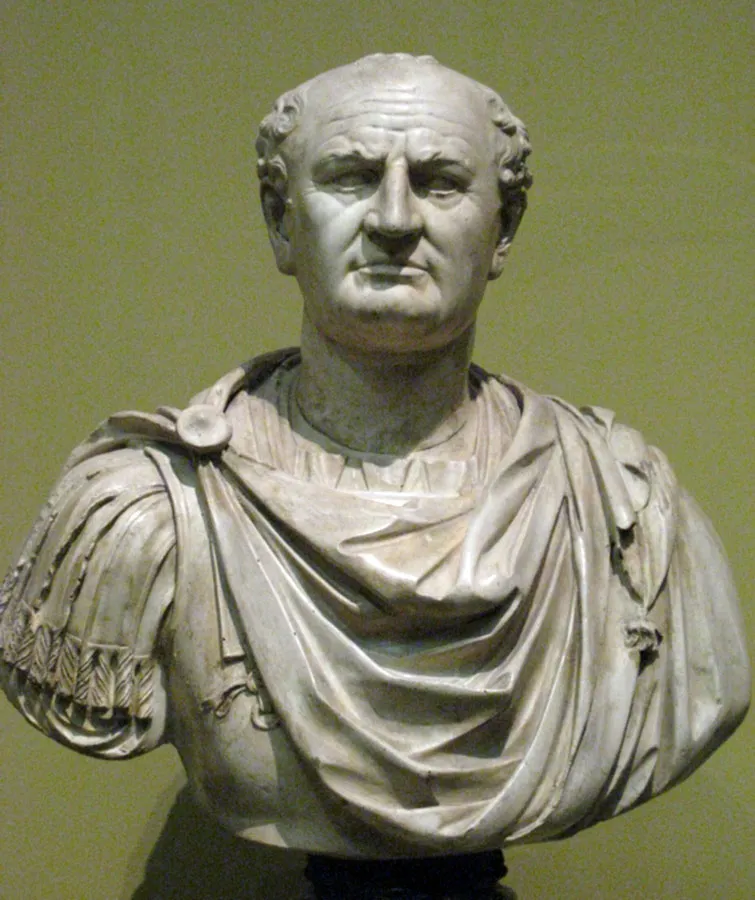
Following a year of civil war known as the Year of the Four Emperors, Vespasian emerged as the uncontested ruler of the Roman Empire. His rise marked the end of the Julio-Claudian dynasty...
Explore event →
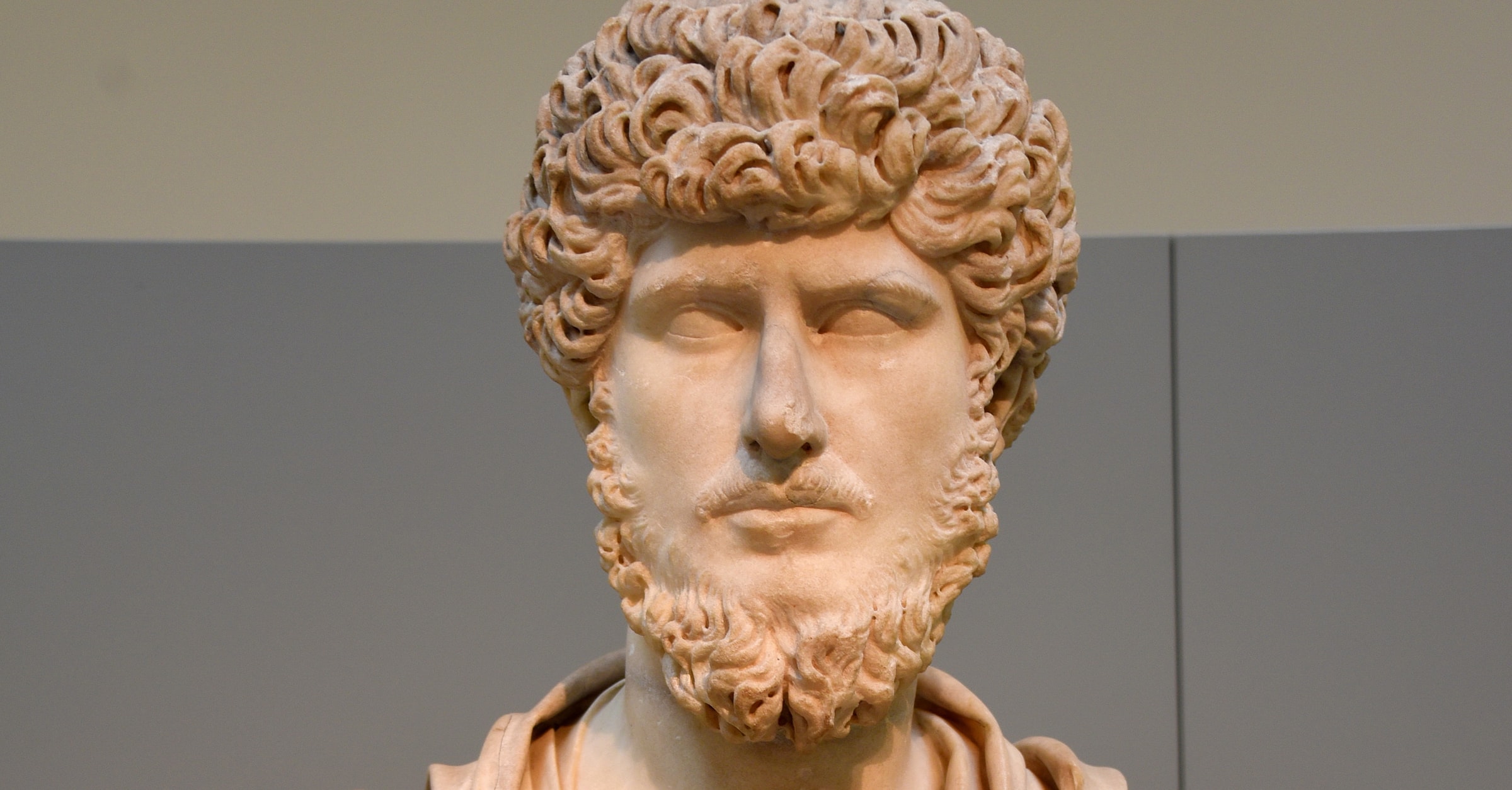
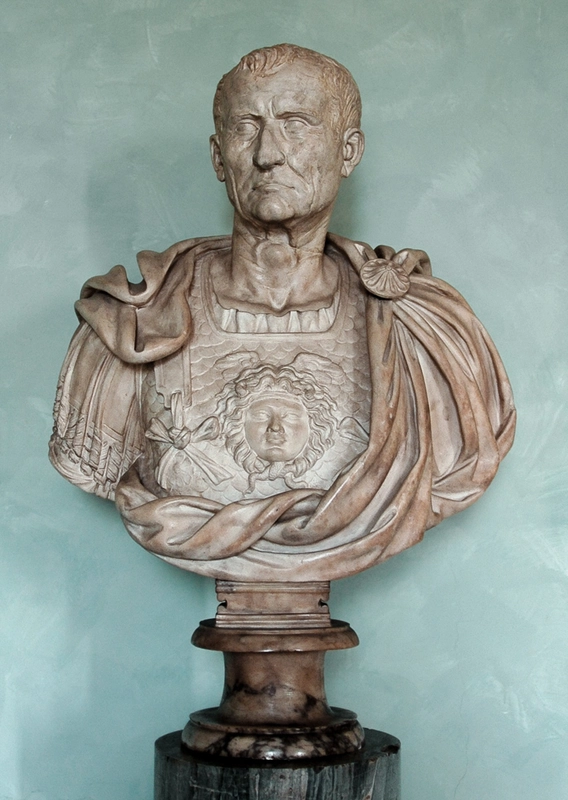
Galba was declared Roman Emperor following the assassination of Nero, marking the end of the Julio-Claudian dynasty. His accession was largely supported by the Senate and the Praetorian G...
Explore event →
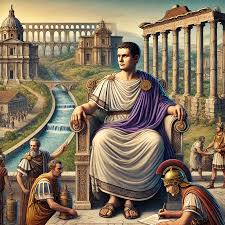
Following the death of Emperor Claudius, Nero Claudius Caesar Augustus Germanicus was declared Roman Emperor. His rise to power was orchestrated largely by his mother, Agrippina the Young...
Explore event →
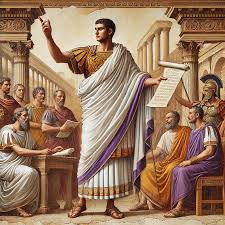
Following the assassination of Emperor Caligula, Claudius was unexpectedly declared emperor by the Praetorian Guard. Despite initial hesitation by the Senate, his accession marked the con...
Explore event →
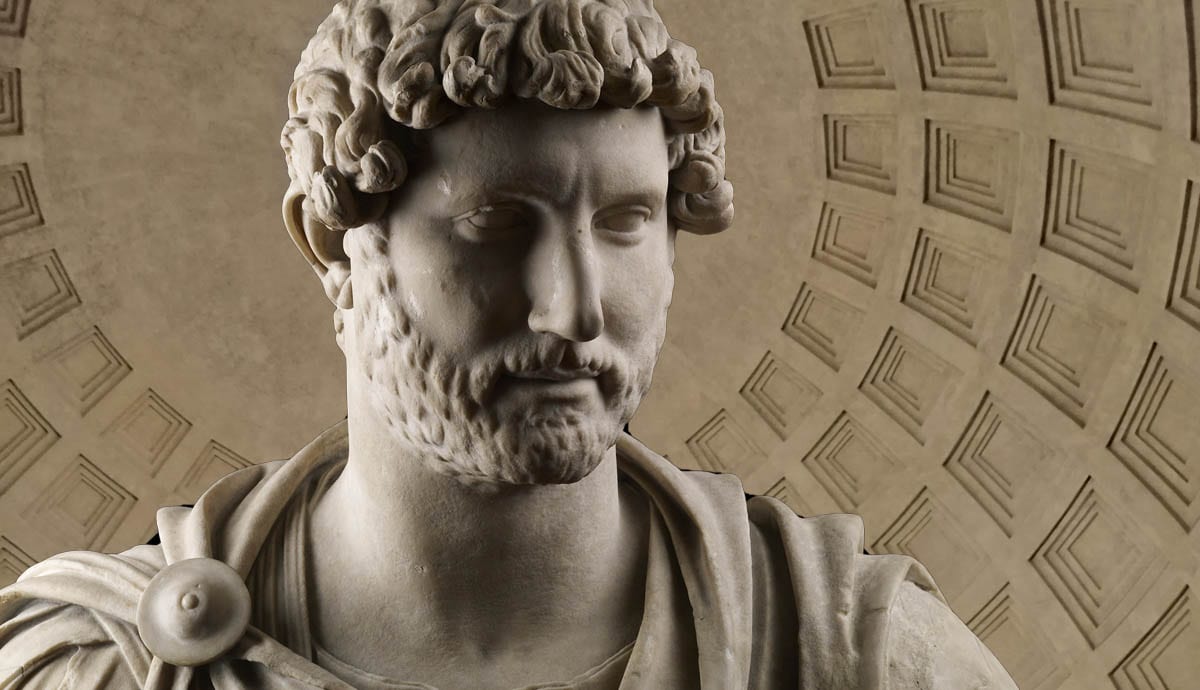
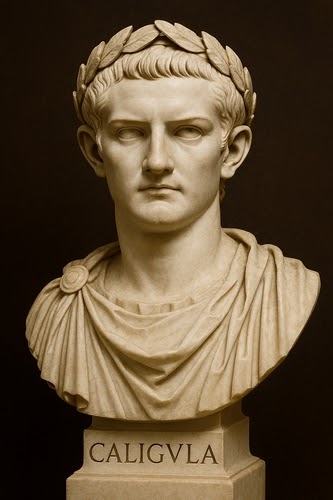
Caligula, born Gaius Julius Caesar Germanicus, became Roman Emperor following the death of Tiberius. His accession marked a significant transition in the Julio-Claudian dynasty.His rise t...
Explore event →
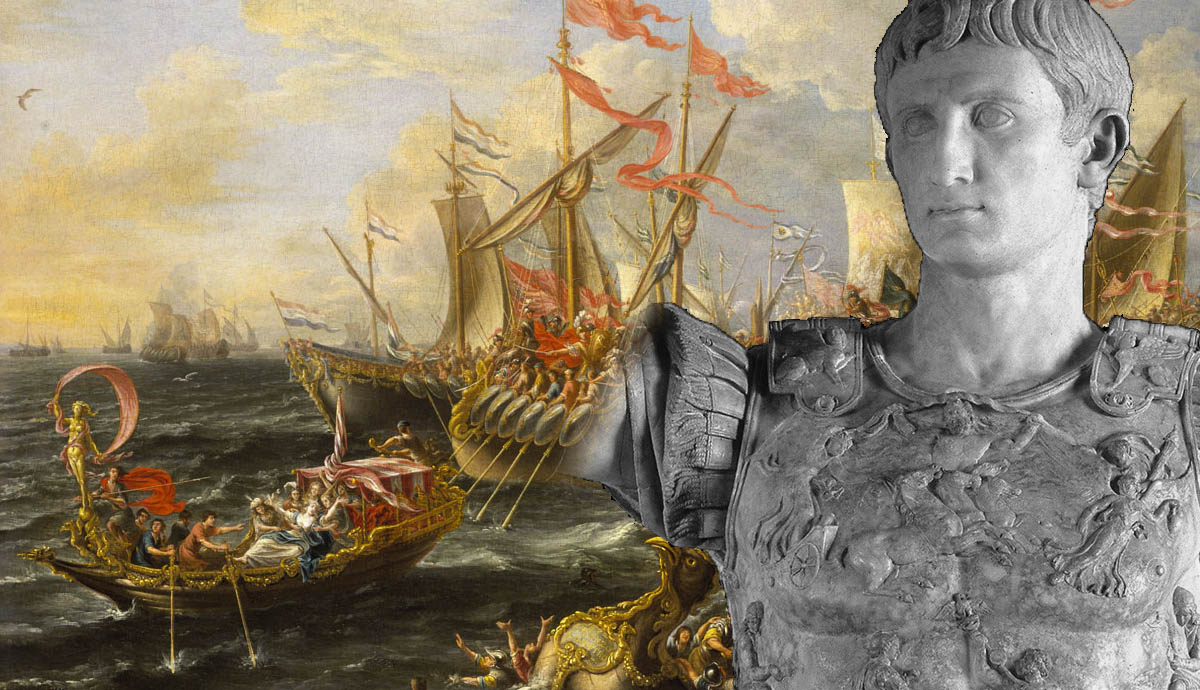
On January 16, the Roman Senate granted Octavian the title Augustus, marking his official accession as the sole ruler of Rome. This event symbolized the transition from the Roman Republic...
Explore event →
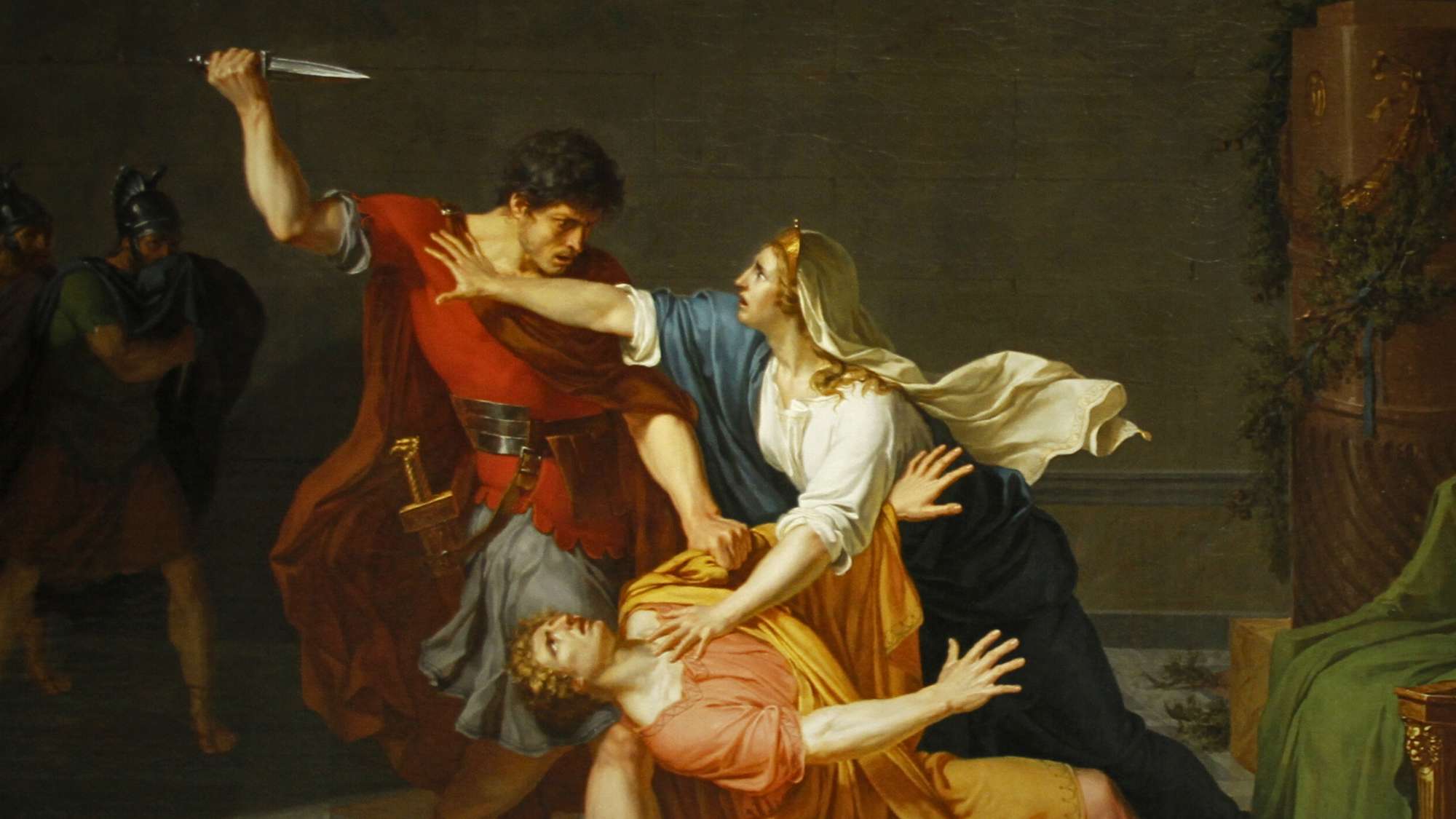
Following the death of Augustus, Tiberius was officially declared emperor by the Roman Senate, marking the beginning of his reign. This accession consolidated the Julio-Claudian dynasty a...
Explore event →