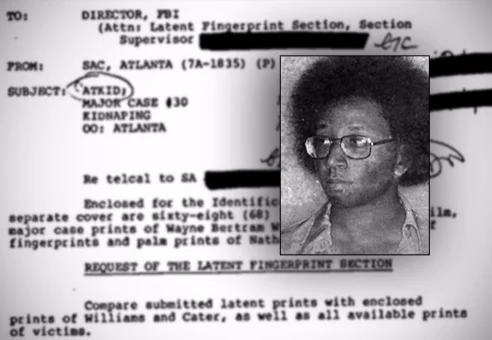
Wayne Williams Atlanta murders
Wayne Bertram Williams is an American convicted murderer whose 1982 convictions became a central part of the investigation into a series of killings known as the Atlan...
Explore event →History does not happen in isolation. Explore world events across time, follow the connections between them, and investigate the threads that reveal how one event can lead to another.
TheTimeMap currently follows events across 95 countries and 268 years of history — building a connected archive designed for people who want to look beyond the headline.
We oppose antisemitism, racism, and dehumanization — everywhere.
When people stop feeling, injustice becomes easy.
Wayne Bertram Williams is an American convicted murderer whose 1982 convictions became a central part of the investigation into a series of killings known as the Atlan...
Explore event →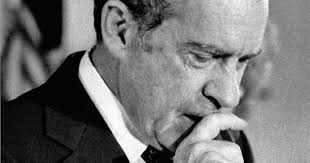
The Watergate Affair: Timeline, Operatives, And Unresolved Questions On June 17, 1972, five men were arrested inside the Democratic National Committee headquarters at...
Explore event →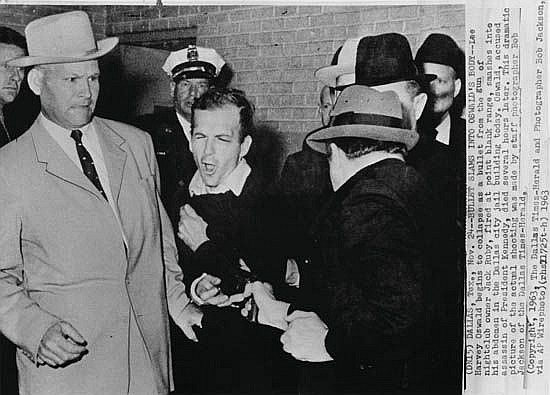
On November 24, 1963, Jack Ruby, a Jewish-American nightclub owner in Dallas, Texas, shot and killed Lee Harvey Oswald, the accused assassin of U.S. President John F. ...
Explore event →
The birth control pill was developed in the mid-20th century as a result of combined efforts by scientists, doctors, activists, and funders. The idea of an oral contra...
Explore event →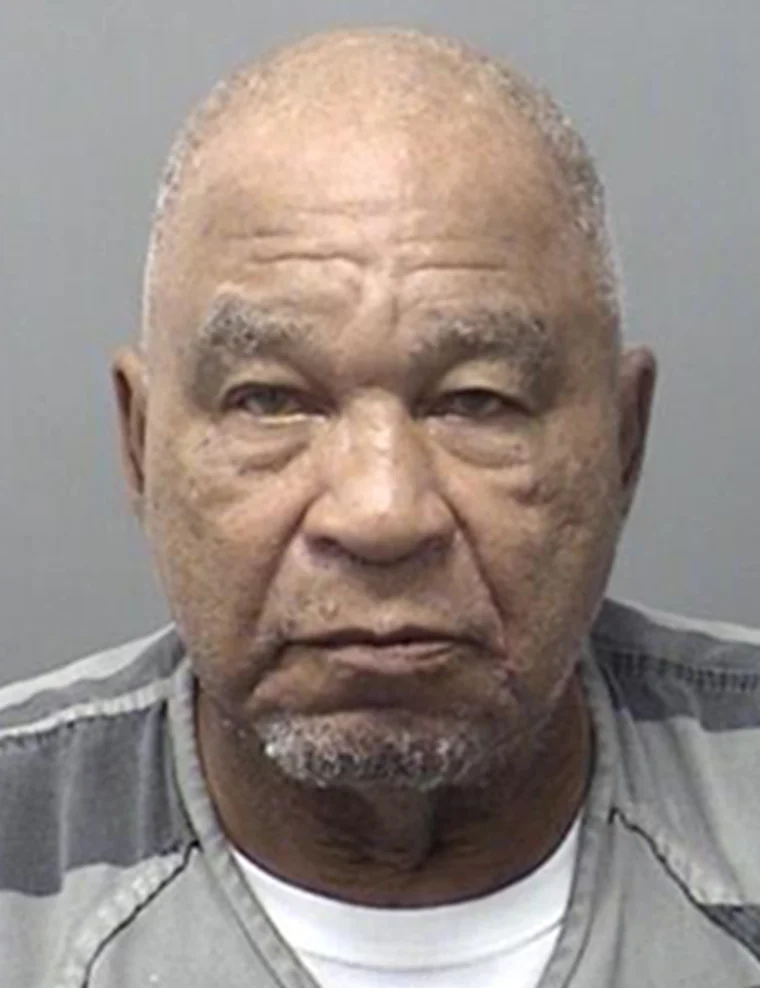
Samuel Little, born Samuel McDowell on June 7, 1940, in Reynolds, Georgia, was an American serial killer who was convicted of multiple murders and later confessed to d...
Explore event →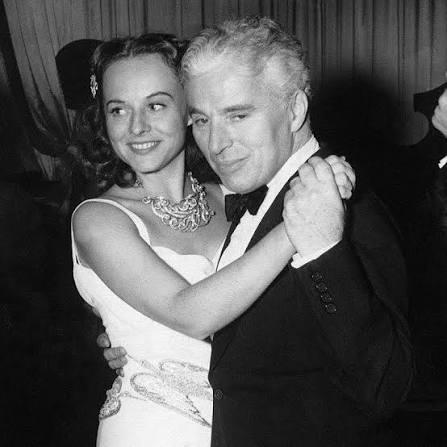
Charlie Chaplin and actress Paulette Goddard were associated romantically and professionally during the 1930s and early 1940s. Their relationship became particularly w...
Explore event →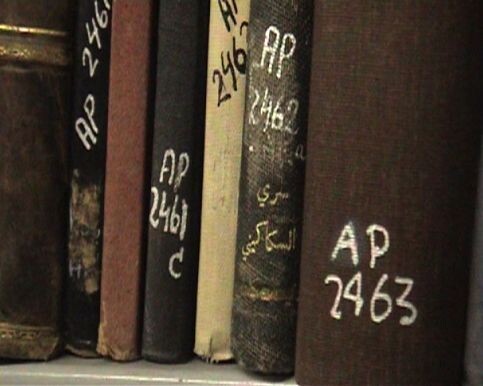
Great Book Robbery of 1948 In 1948, during the Arab–Israeli War following the end of the British Mandate for Palestine, thousands of books and manuscripts were stolen...
Explore event →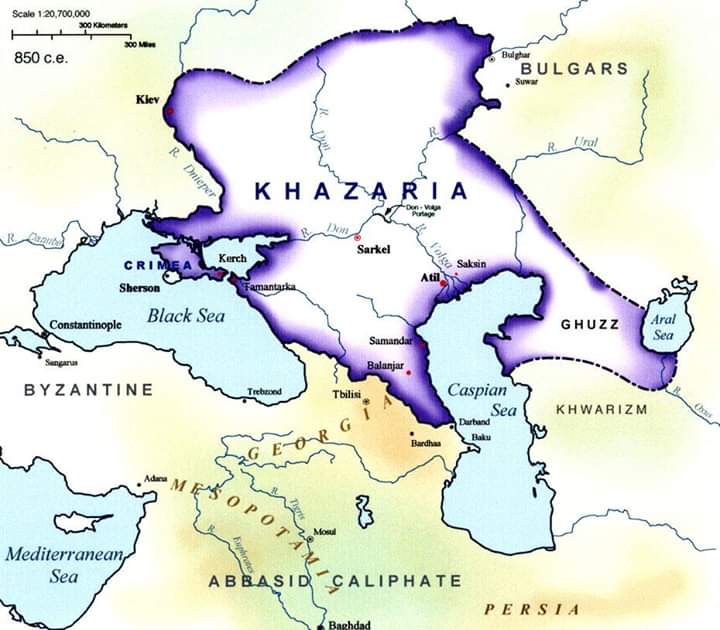
The Khazarian Empire: History, Territory, and Conversion to Judaism The Khazar Empire was a Turkic polity that emerged in the mid-seventh century and became...
Explore event →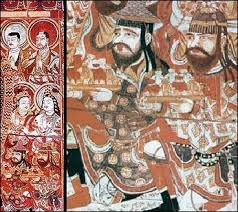
Sogdian merchants played a crucial role in expanding trade routes across Central Asia during the early medieval period. Centered in the city of Samarkand, they facilit...
Explore event →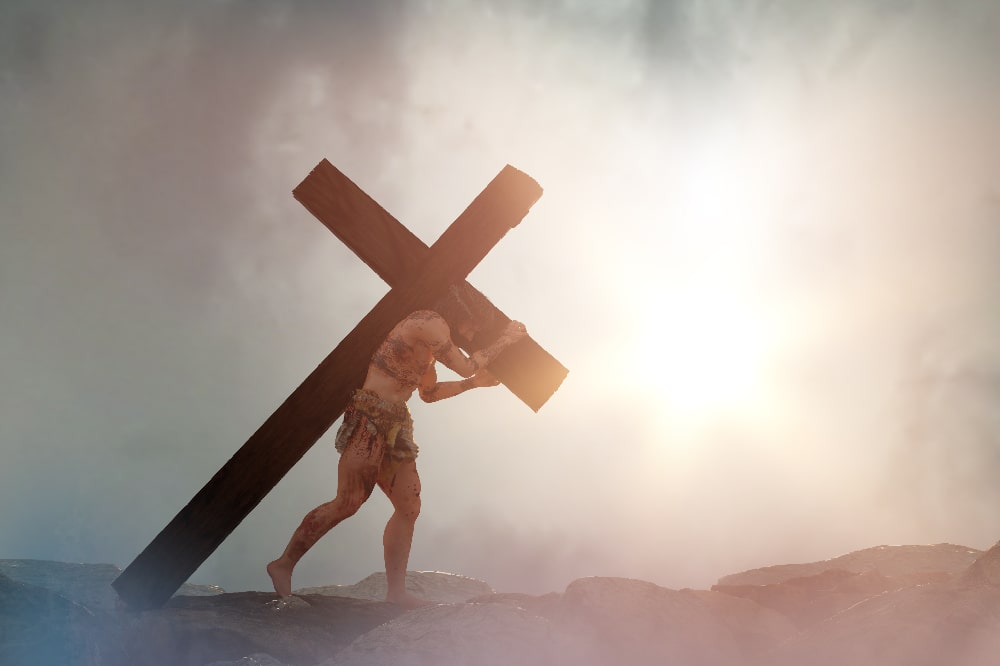
Jesus of Nazareth was executed by crucifixion under Roman governor Pontius Pilate in Jerusalem, during the period of Roman occupation of Judea. The event is documented...
Explore event →
1952–1970 — The Free Officers end the monarchy, reduce British influence, redistribute land and create a powerful developmental state. At the same time, political part...
Explore research
525 BCE — Cambyses II of the Achaemenid Persian Empire defeats Pharaoh Psamtik III and incorporates Egypt into the Persian imperial system. Persian kings adopt pharaon...
Explore research
c. 3100 BCE–2026 CE — Modern Egyptians live in the same Nile landscape that supported pharaonic civilization, but language, religion, political institutions and popula...
Explore research
9 August 1945 — The United States drops the plutonium bomb Fat Man on Nagasaki. Tens of thousands are killed immediately or in the following months. The attack occurs ...
Explore research
David Rockefeller became a major institutional leader within the Council on Foreign Relations and later served as its chairman. His role placed him within the same for...
Explore research
11 December 1941 — Hitler declares war on the United States despite Germany not being automatically required by the Tripartite Pact to do so after Japan's attack. The ...
Explore research
During the 1970s, Kissinger occupied senior U.S. government positions while maintaining relationships with prominent figures and institutions in international policy c...
Explore research
25 July 1914 — Serbia submits a conciliatory reply accepting most Austro-Hungarian demands while rejecting or qualifying provisions that would allow foreign officials ...
Explore research
9 August 1945 — Soviet forces launch a massive offensive against the Japanese Kwantung Army in Manchuria. The attack follows Soviet commitments made to the Western All...
Explore research
8 May 1945 — By the end of the war Soviet armies occupy large parts of Eastern and Central Europe. Stalin interprets political influence in this region as essential pr...
Explore research
8 February 1942 — Use the expansion of wartime production as the investigative anchor. Companies in Allied and Axis states received enormous military orders, while the...
Explore research