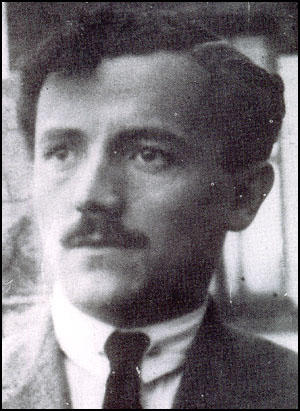
Alexander Orlov's crimes in Spain
Alexander Orlov, born Lev Lazarevich Feldbin on 21 August 1895 in Bobruisk, was a Soviet NKVD officer from an Orthodox Jewish family. He later operated under several a...
Explore event →History does not happen in isolation. Explore world events across time, follow the connections between them, and investigate the threads that reveal how one event can lead to another.
TheTimeMap currently follows events across 95 countries and 268 years of history — building a connected archive designed for people who want to look beyond the headline.
We oppose antisemitism, racism, and dehumanization — everywhere.
When people stop feeling, injustice becomes easy.
Alexander Orlov, born Lev Lazarevich Feldbin on 21 August 1895 in Bobruisk, was a Soviet NKVD officer from an Orthodox Jewish family. He later operated under several a...
Explore event →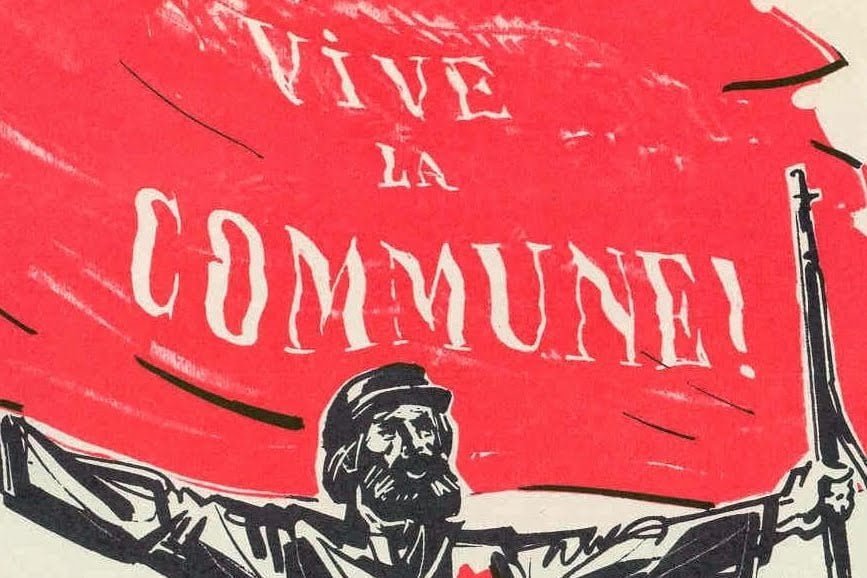
The Paris Commune established a radical socialist government in Paris after the Franco-Prussian War, representing worker self-rule and inspiring future socialist movem...
Explore event →
Circassian Genocide On May 21, 1864, the Russian Empire declared the end of the Caucasian War following the defeat of Circassian resistance in the northwest Caucasus....
Explore event →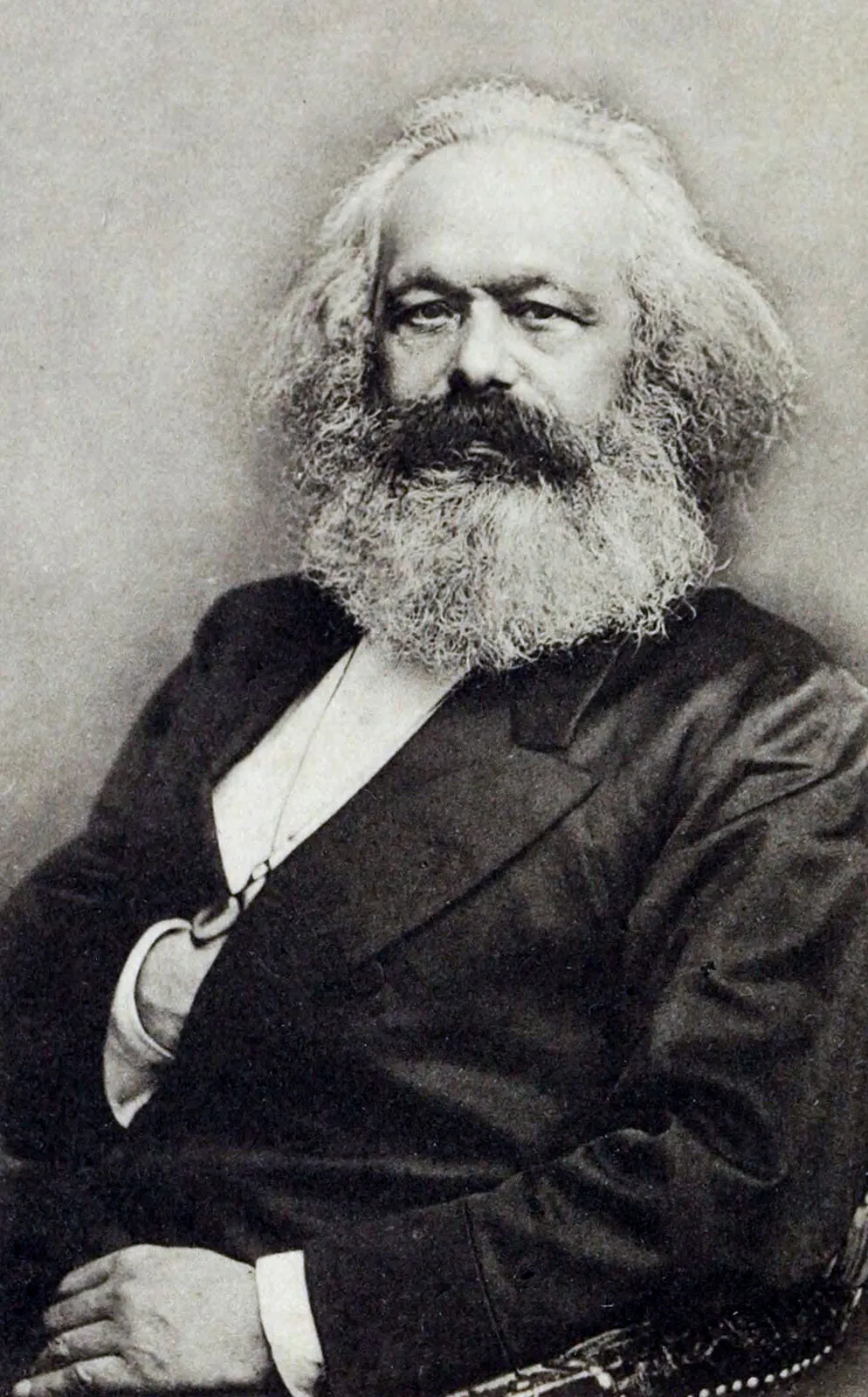
Karl Marx was a German philosopher, economist, and political theorist born in Trier, Prussia, in 1818. His work contributed to the development of socialist and communi...
Explore event →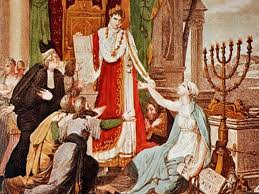
Emancipation of Jews in Russia under Catherine II In 1791, Empress Catherine II of Russia issued policies regulating the settlement and legal status of Jewish populat...
Explore event →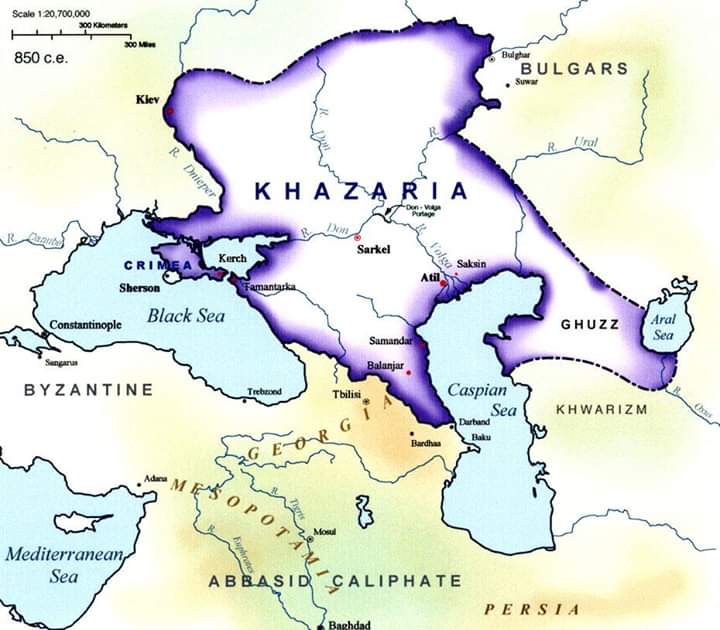
The Khazarian Empire: History, Territory, and Conversion to Judaism The Khazar Empire was a Turkic polity that emerged in the mid-seventh century and became...
Explore event →
The Russian Empire intensified its fortification efforts along the Amur River frontier, aiming to secure its eastern borders against potential threats. New forts were ...
Explore event →
2014–2026 — Egypt remains the most populous country in the Arab world and one of the principal political centers of the eastern Mediterranean and Middle East. Cairo do...
Explore research
January–March 1918 — Russia's withdrawal gives Germany a temporary manpower advantage in the west, but American troops are arriving rapidly. Hindenburg and Ludendorff ...
Explore research
November 1917–March 1918 — Lenin argues that the revolutionary government cannot survive while Russia remains in the war. Other Bolsheviks object to Germany's extreme ...
Explore research
8 March 1917 — Demonstrations, strikes and bread shortages in Petrograd begin the revolutionary crisis that destroys the imperial government. Soldiers increasingly ref...
Explore research
Late 1917–March 1918 — The collapse of Russian resistance allows Germany to move divisions from the Eastern Front toward France and Belgium. German commanders understa...
Explore research
4 June 1916 — Russian General Aleksei Brusilov launches a major offensive against Austria-Hungary. Innovative preparation and attacks across a broad front produce spec...
Explore research
19 February 1915 — British and French naval forces begin major operations against the Ottoman defenses of the Dardanelles. The Allies hope to force the straits, threat...
Explore research
1915–1917 — Battlefield losses, inflation, food distribution failures and political distrust progressively weaken the Russian state. Confidence in Nicholas II collapse...
Explore research
August–September 1914 — Germany concentrates major forces against France and advances through Belgium. The operational scheme derives from years of German planning ass...
Explore research
7–23 July 1914 — Austro-Hungarian leaders debate how to transform the Sarajevo assassination into a confrontation with Serbia. Officials increasingly favor demands sev...
Explore research
July 1914 — Russian leaders view Serbia as both a political partner and a test of Russian great-power credibility in the Balkans. Previous retreats in regional crises ...
Explore research
28 June–4 August 1914 — Sarajevo creates the crisis, but successive decisions by Austria-Hungary, Germany, Russia, France and Britain determine how far it spreads. The...
Explore research
1912–1914 — Officials in Germany and Austria-Hungary increasingly fear that Russia and Serbia will become stronger with time. Railway construction, military reforms, p...
Explore research
1905–1914 — German military planning assumes that simultaneous war against France and Russia creates a dangerous strategic problem. Geography places Germany between bo...
Explore research
1894–1914 — France and Russia are formally allied, while Britain develops strategic understandings with France and Russia. Germany remains closely aligned with Austria...
Explore research
28 July 1914 — Austria-Hungary declares war on Serbia exactly one month after the Sarajevo assassination. Artillery soon targets Belgrade. What Vienna hopes to treat a...
Explore research
20 October 1827 — British, French and Russian fleets destroy the Ottoman-Egyptian fleet.
Explore research
26 August 1914 — German forces under Paul von Hindenburg and Erich Ludendorff begin the decisive phase of the Battle of Tannenberg against Russia's Second Army in East...
Explore research
7 November 1917 — Bolshevik forces overthrow Russia's Provisional Government in Petrograd. Vladimir Lenin's movement has promised peace, land and political transfer to...
Explore research
28 June 1942 — Germany launches its major summer offensive toward southern Russia and the Caucasus. Hitler seeks the oil resources of the Caucasus and control of the V...
Explore research
13 January 1945 — Soviet armies launch major operations into East Prussia. German civilians flee westward amid combat, fear of Soviet forces and collapsing evacuation ...
Explore research
3 August 1914 — Germany declares war on France while German forces move through Luxembourg and prepare to enter Belgium. German planners seek a rapid defeat of France ...
Explore research
1 August 1914 — Germany declares war on Russia after demanding that Russian mobilization stop. German military planning assumes that a war with Russia will also involv...
Explore research
5 July 1914 — Austro-Hungarian envoy Alexander Hoyos receives powerful assurances in Berlin that Germany will support Vienna if it acts against Serbia, even if Russian...
Explore research