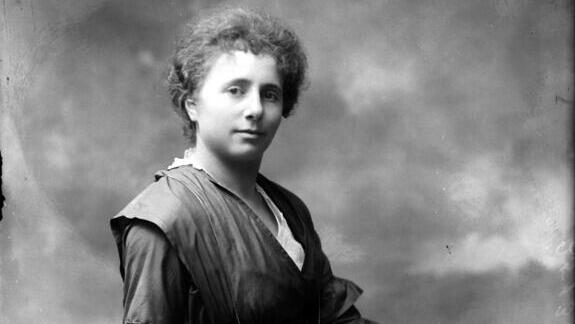
Jewish critic linked to Mussolini rise
Margherita Sarfatti, an Italian Jewish art critic and writer, played a documented role in the early political and cultural development of Benito Mussolini during the r...
Explore event →History does not happen in isolation. Explore world events across time, follow the connections between them, and investigate the threads that reveal how one event can lead to another.
TheTimeMap currently follows events across 95 countries and 268 years of history — building a connected archive designed for people who want to look beyond the headline.
We oppose antisemitism, racism, and dehumanization — everywhere.
When people stop feeling, injustice becomes easy.
Margherita Sarfatti, an Italian Jewish art critic and writer, played a documented role in the early political and cultural development of Benito Mussolini during the r...
Explore event →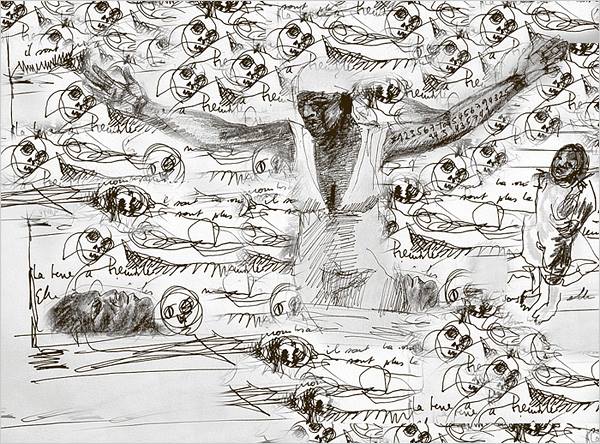
The Haitian Parsley Massacre, also known as the 1937 Parsley Massacre or the Haitian Massacre, was a mass killing carried out by the Dominican Army under the orders of...
Explore event →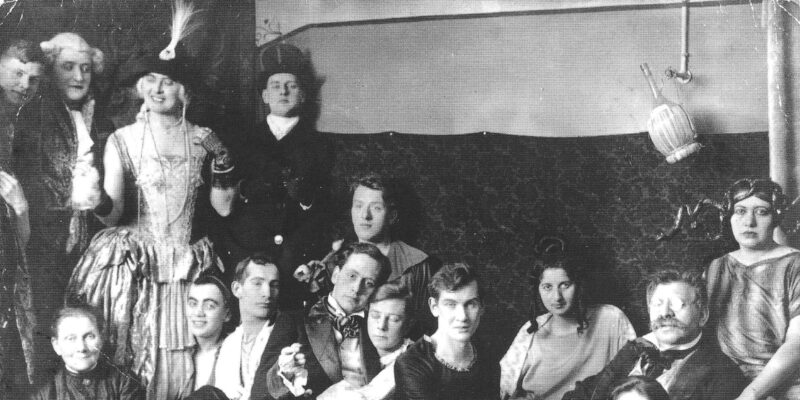
In early 20th century Germany, Berlin was a center for sexual reform and research. Dr. Magnus Hirschfeld (1868–1935), physician and sexologist, a German Jewish doctor,...
Explore event →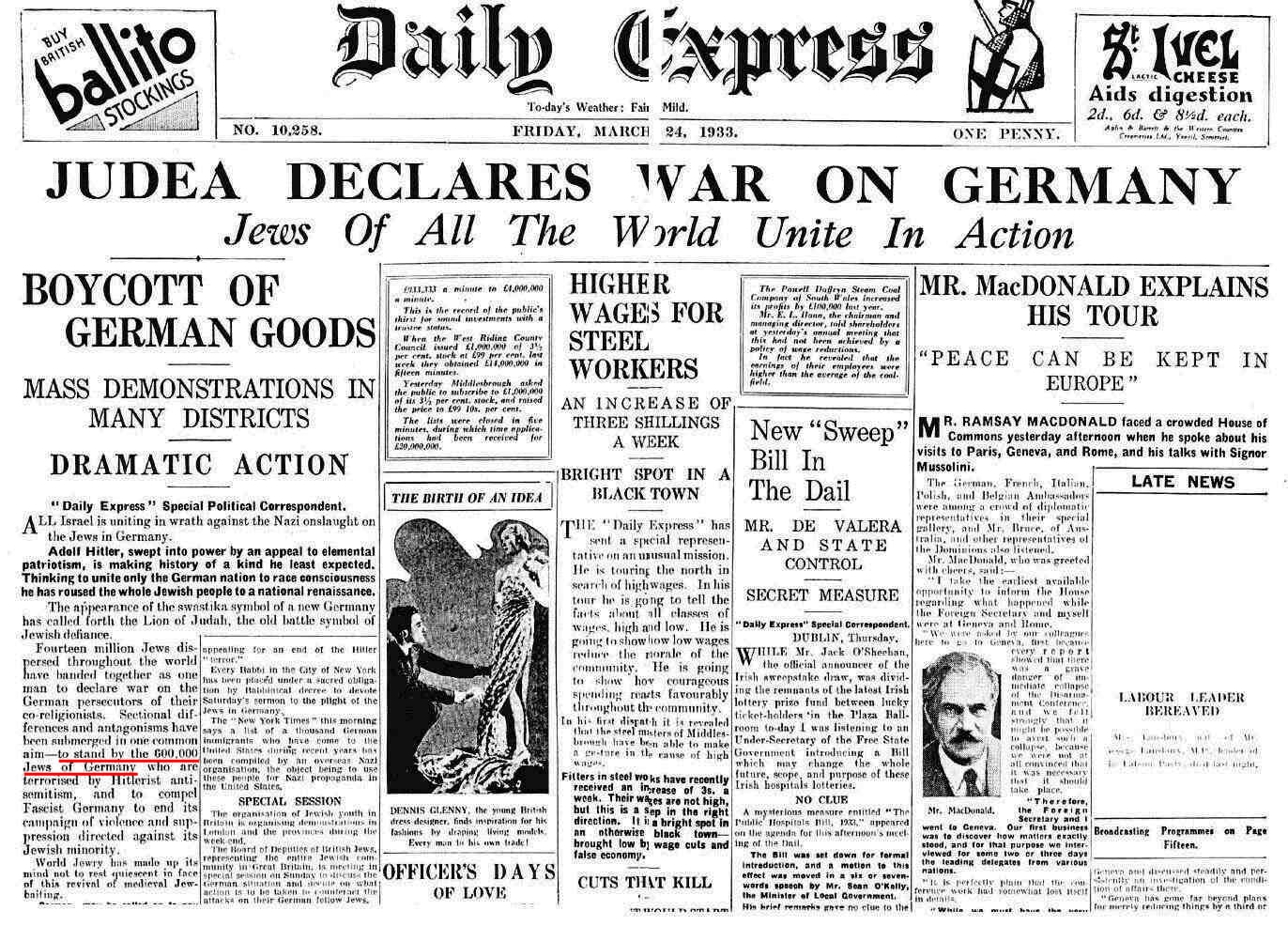
On March 24, 1933, the British newspaper Daily Express published a front-page headline reading “JUDEA DECLARES WAR ON GERMANY: Jews of All the World Unite.” The articl...
Explore event →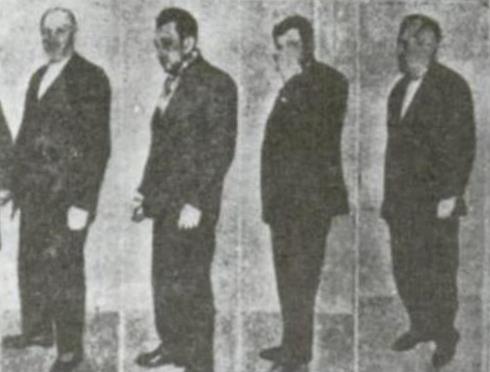
Zwi Migdal was a criminal organization active mainly in Argentina from the late 19th century until the 1930s. It was composed largely of Jewish immigrants from Easter...
Explore event →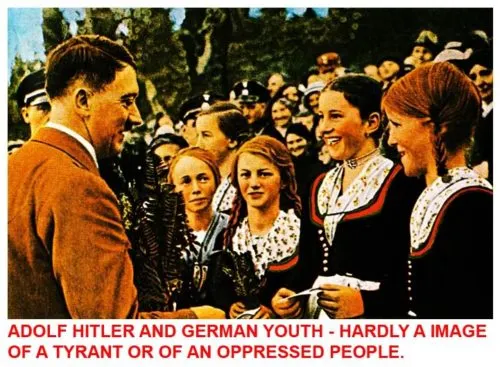
Before Hitler rose to power, major banks and financiers profited from high interest rates in Germany. During the Weimar Republic, government bonds often carried 6-10% ...
Explore event →
1913 – Foundations of the Modern World body { font-family: Arial, sans-serif; background-color: #f4f4f9; margin: 0; padding: 0; } .timeline-container { ...
Explore event →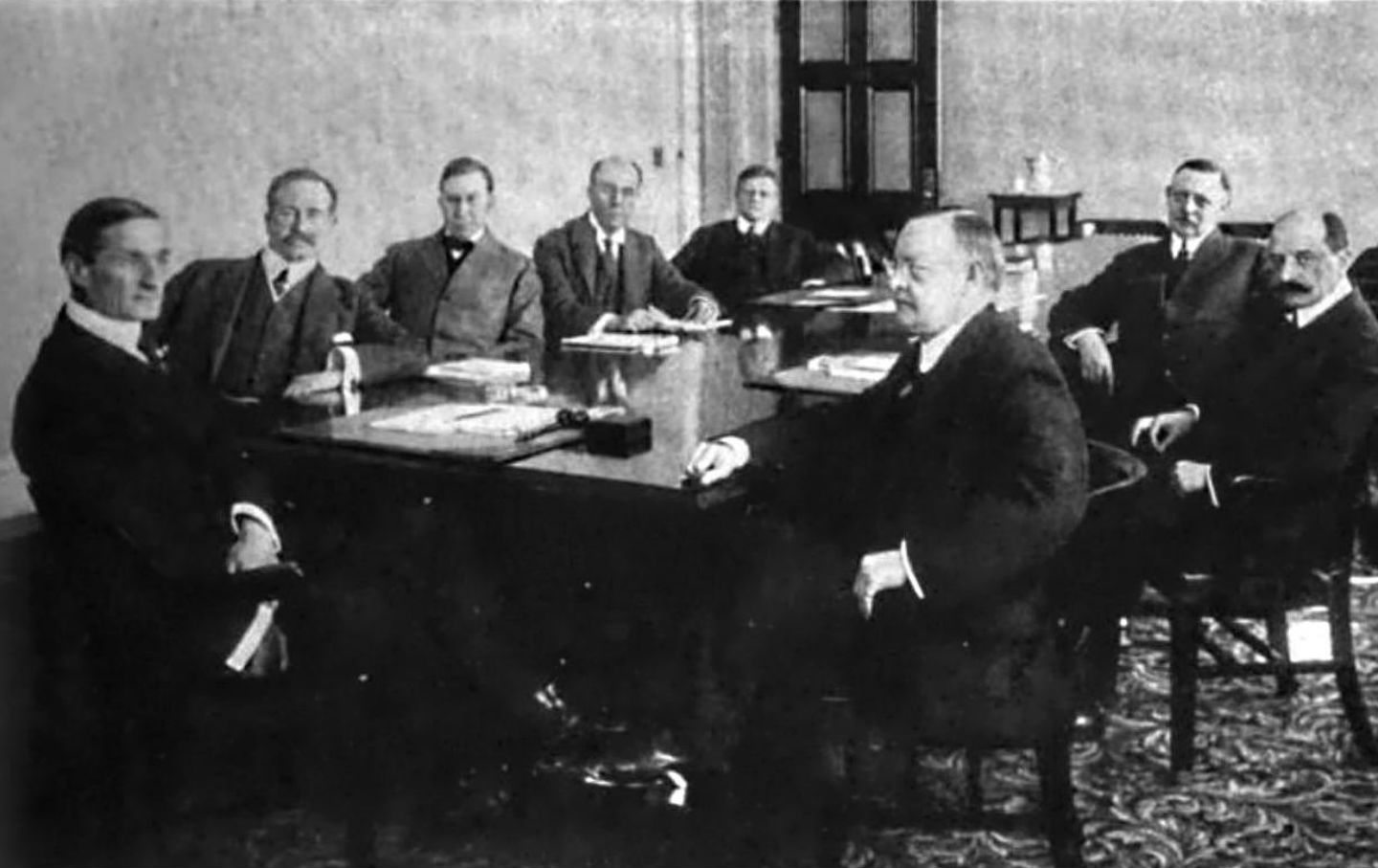
The creation of the Federal Reserve System on December 23, 1913, established the central banking authority of the United States. It was enacted through the Federal Res...
Explore event →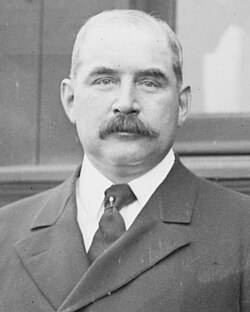
The Titanic sank on April 15, 1912, during its maiden voyage from Southampton to New York. Among the planned passengers was financier J.P. Morgan, head of the Internat...
Explore event →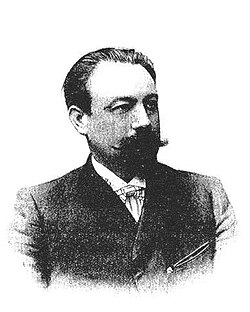
Gaston Méry (10 31 1866 – 6 17 1909), a French journalist and playwright, is among the first documented figures to use the term “racisme” in French nationalist and ant...
Explore event →
Charlie Chaplin was an English actor, filmmaker, composer, and producer who became one of the most prominent figures of twentieth-century cinema. His career included s...
Explore event →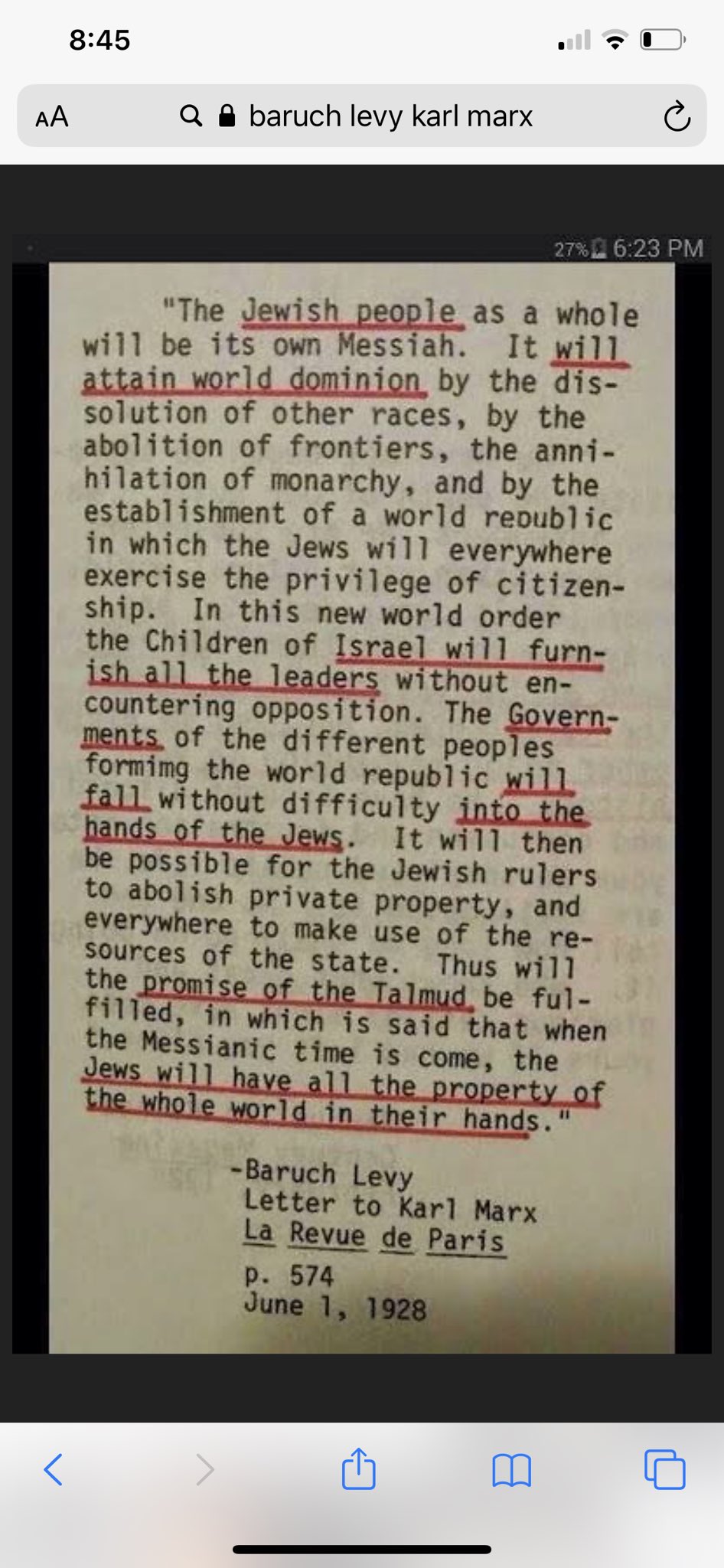
Baruch Levy letter to Karl Marx
Explore event →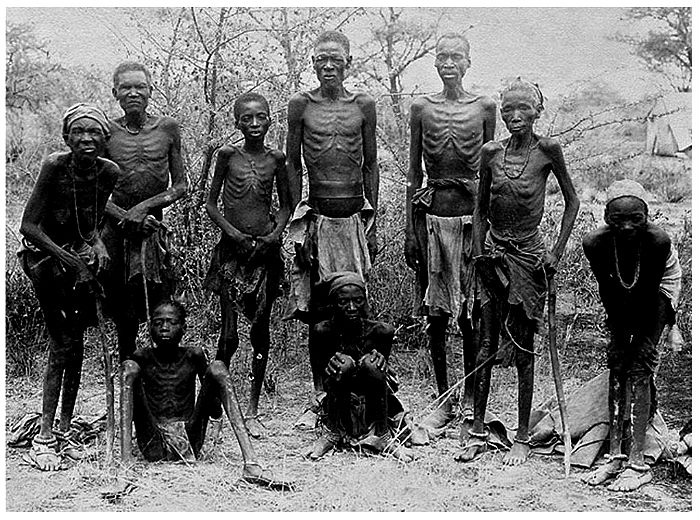
The Khoisan genocide refers to the systematic killings and displacement of the indigenous Khoisan peoples of Southern Africa during the 18th and 19th centuries. This g...
Explore event →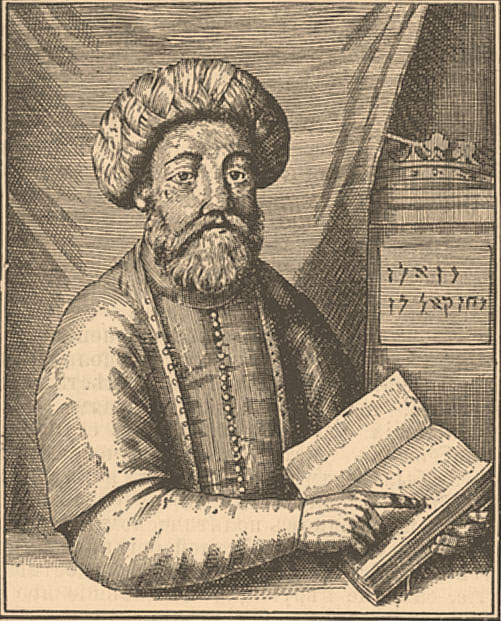
The Dönmeh were a religious community that emerged in the late 17th century within the Ottoman Empire, originating from followers of Sabbatai Zevi, a Jewish rabbi who ...
Explore event →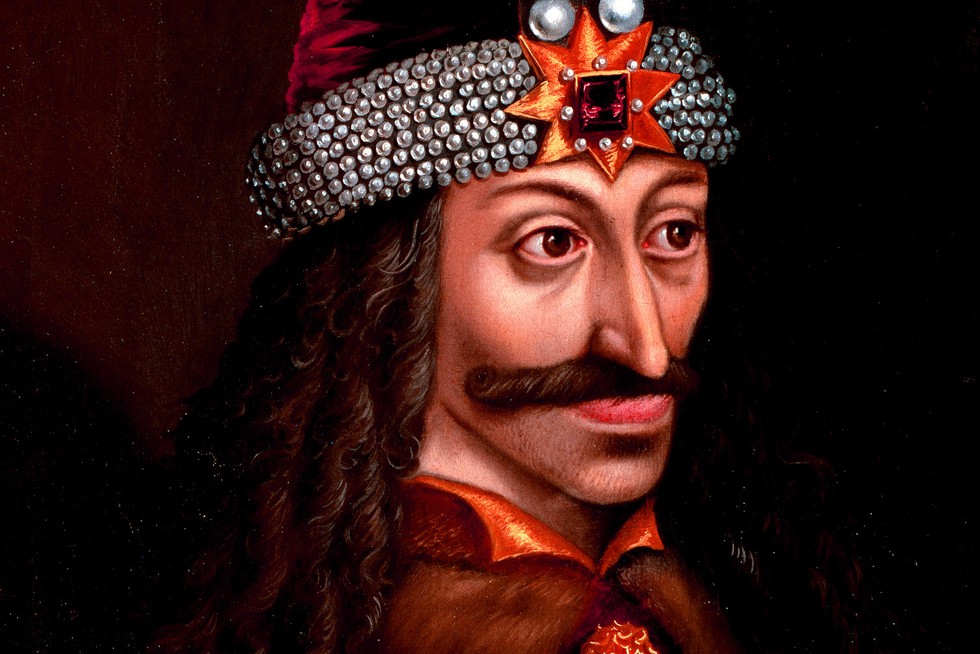
Vlad III Dracula, Prince of Wallachia Vlad III, also known as Vlad the Impaler or Dracula, was born in 1431 in Transylvania, part of the Kingdom of Hungary ...
Explore event →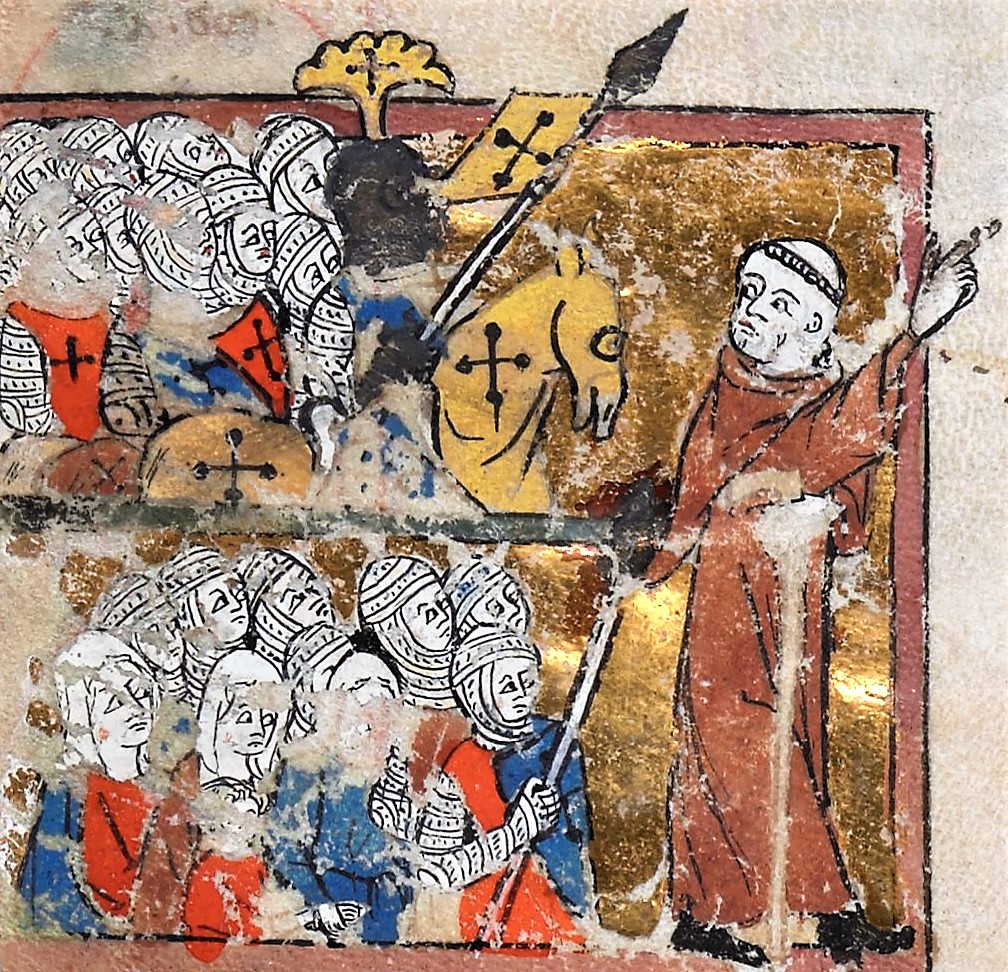
Origins And Objectives Of The Crusades The Crusades were a series of military campaigns initiated between 1095 and 1291, primarily aimed at capturing or def...
Explore event →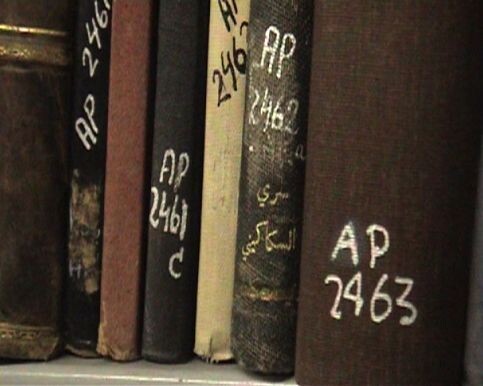
Great Book Robbery of 1948 In 1948, during the Arab–Israeli War following the end of the British Mandate for Palestine, thousands of books and manuscripts were stolen...
Explore event →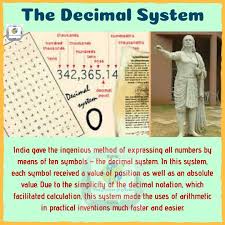
The decimal numeral system, characterized by the use of ten digits and a place-value notation, was advanced significantly in India. Indian mathematicians refined the c...
Explore event →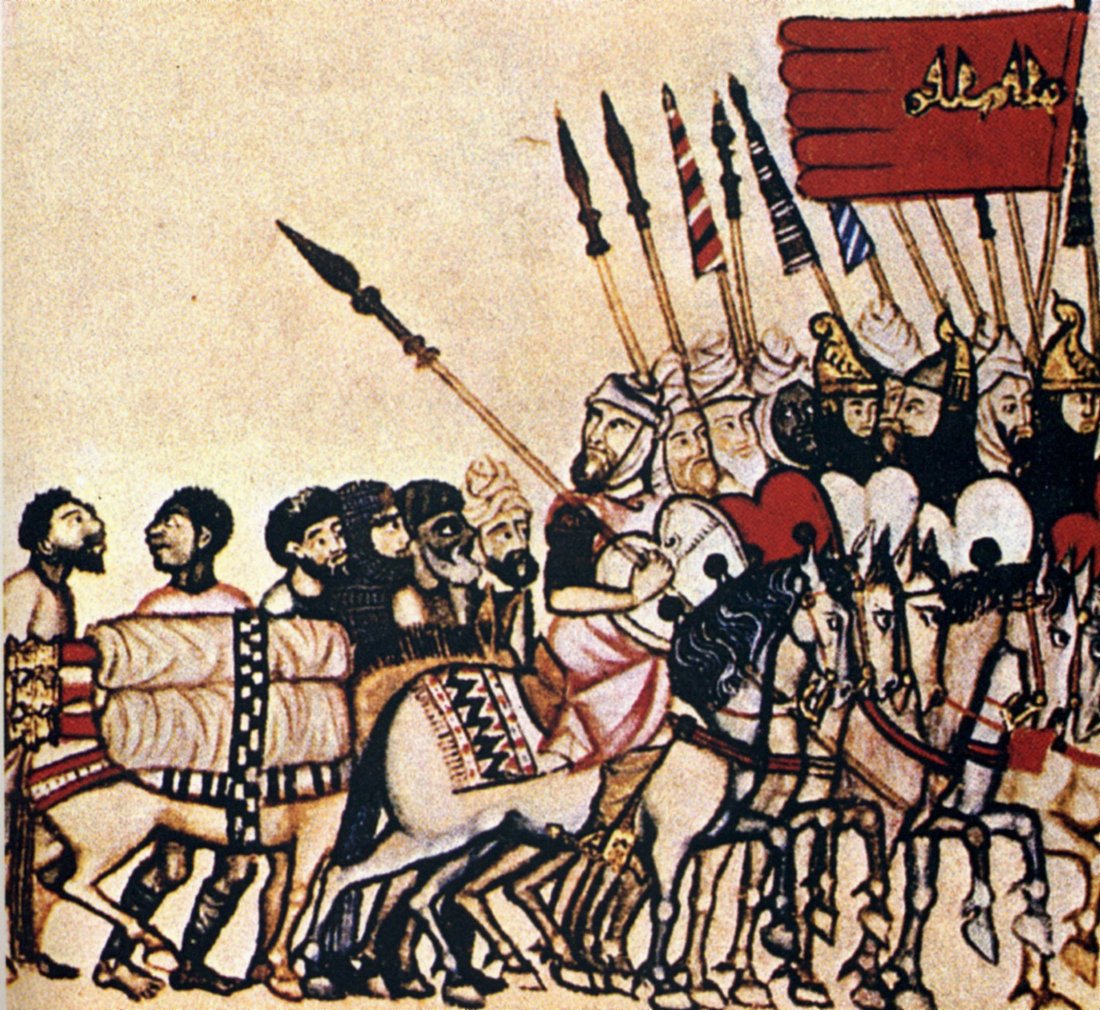
Moorish Invasion Of The Iberian Peninsula On April 30, 711, Umayyad forces led by the Berber commander Tariq ibn Ziyad crossed the Strait of Gibraltar from ...
Explore event →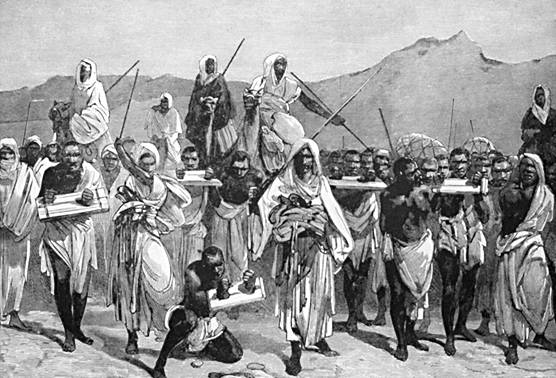
Trans‑Saharan Slave Trade The Trans‑Saharan slave trade began around the mid‑7th century following the Treaty of Baqt in 652 CE, which established formal rela...
Explore event →
Translation activities of Buddhist sutras in Luoyang intensified under imperial patronage. Monks gathered at the White Horse Temple to facilitate the rendering of fore...
Explore event →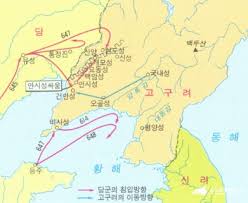
Goguryeo successfully repelled multiple invasions launched by the Tang dynasty of China during the 7th century. The capital fortress of Pyongyang became a critical def...
Explore event →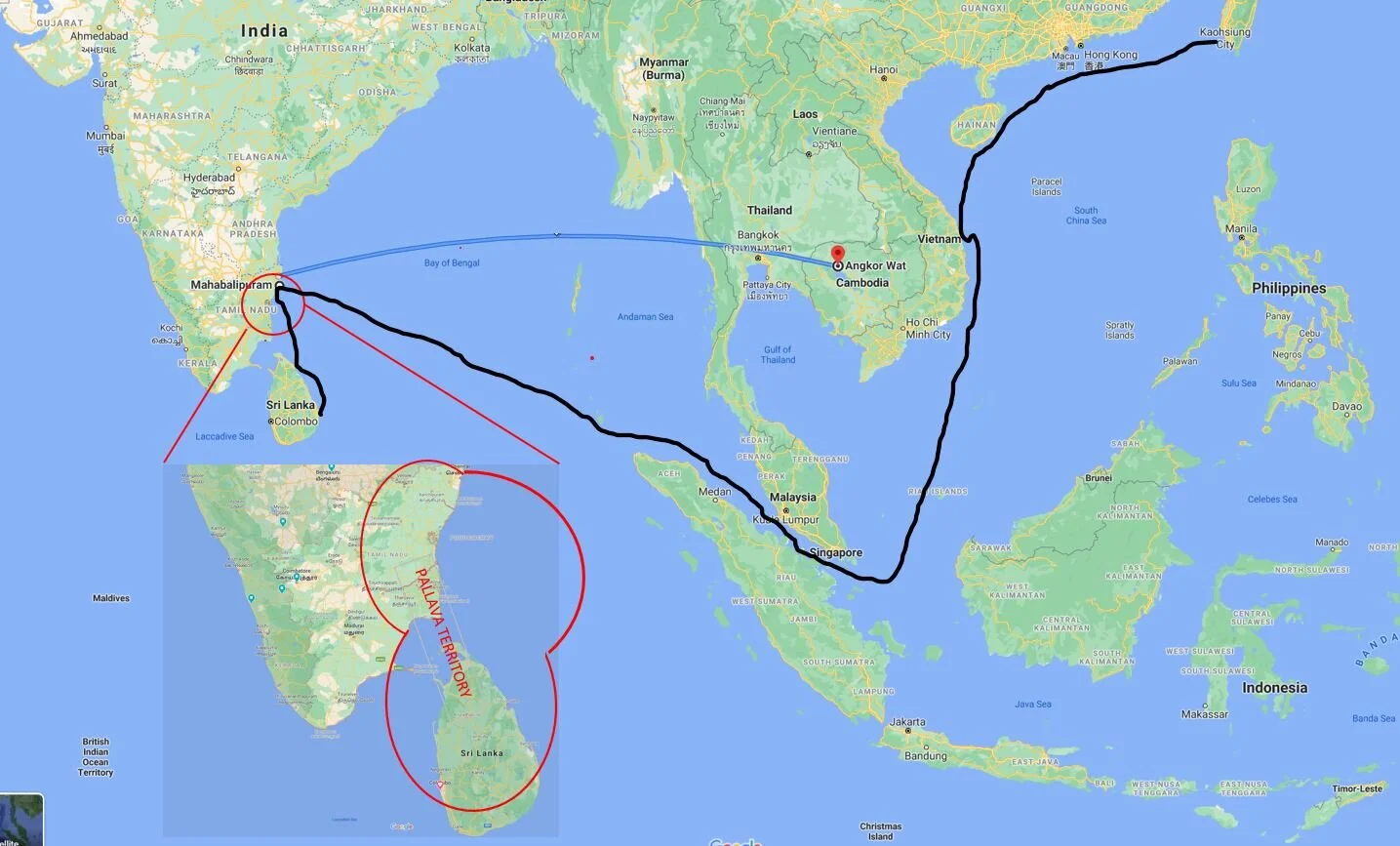
The Pallava dynasty emerged as a dominant power in South India during the early medieval period. Centered around the city of Kanchipuram, they established a strong pol...
Explore event →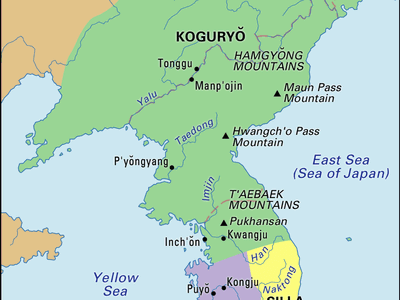
The Kingdom of Baekje experienced significant cultural and political growth during the mid-6th century. Its leadership established strong diplomatic ties with neighbor...
Explore event →
3 July 2013 — Following enormous demonstrations against President Morsi, the Egyptian military removes him from office and suspends the constitution. Supporters descri...
Explore research
1990–1998 — Investigate economic collapse, weak institutions, mass migration, political confrontation, pyramid schemes and the rebuilding of Albanian state authority.
Explore research
1954–1970 — Nasser becomes the dominant leader of revolutionary Egypt and formally assumes the presidency in 1956. His government promotes Arab nationalism, land refor...
Explore research
1 September 1928 — Zogu transforms the republic into a monarchy and takes the title Zog I, King of the Albanians. The monarchy seeks modernization and stronger nationa...
Explore research
1922–1953 — Egypt operates as a constitutional monarchy shaped by constant competition among the palace, the Wafd Party and British power. Parliamentary government exi...
Explore research
August–November 1918 — Germany and its allies face military retreat, shortages, exhaustion and growing political instability. Bulgaria, the Ottoman Empire and Austria-...
Explore research
July–November 1918 — Allied forces increasingly coordinate artillery, infantry, tanks, aircraft, communications and logistics. Strategic coordination also improves und...
Explore research
1917–1918 — German forces develop increasingly sophisticated methods based on short intense bombardments, assault detachments and infiltration around strongpoints. The...
Explore research
Late 1917–March 1918 — The collapse of Russian resistance allows Germany to move divisions from the Eastern Front toward France and Belgium. German commanders understa...
Explore research
4 June 1916 — Russian General Aleksei Brusilov launches a major offensive against Austria-Hungary. Innovative preparation and attacks across a broad front produce spec...
Explore research
1916–1918 — Governments expand control over labor, food, transportation, prices and industrial production. Women enter many sectors previously dominated by men. Coloni...
Explore research
1915–1918 — Casualties, inflation and shortages turn civilian morale into a strategic issue. Governments expand propaganda, censorship, rationing and welfare programs ...
Explore research
September–November 1914 — After the Marne, both sides repeatedly attempt to turn the other's flank. The maneuvering eventually reaches the North Sea and creates a larg...
Explore research
7–23 July 1914 — Austro-Hungarian leaders debate how to transform the Sarajevo assassination into a confrontation with Serbia. Officials increasingly favor demands sev...
Explore research
1912–1914 — Officials in Germany and Austria-Hungary increasingly fear that Russia and Serbia will become stronger with time. Railway construction, military reforms, p...
Explore research
1905–1914 — German military planning assumes that simultaneous war against France and Russia creates a dangerous strategic problem. Geography places Germany between bo...
Explore research
1894–1914 — France and Russia are formally allied, while Britain develops strategic understandings with France and Russia. Germany remains closely aligned with Austria...
Explore research
10 June 1878 — Albanian political and religious leaders gather in Prizren as the Ottoman Empire faces defeat and territorial losses following the Russo-Turkish War. Th...
Explore research
1 July 1798 — French forces under Napoleon Bonaparte land in Egypt. The invasion aims to weaken British access to India while expanding French influence in the eastern...
Explore research
16th–18th centuries — Islam spreads substantially among Albanian populations under Ottoman rule. Conversion varies greatly by region and period. Catholic communities r...
Explore research
1450 — A major Ottoman army besieges Krujë, Skanderbeg's principal stronghold. The defenders hold the fortress, delivering one of the most famous victories of the Alba...
Explore research
1171–1193 CE in Egypt and the wider region — Saladin ends Fatimid rule and establishes the Ayyubid dynasty. He restores Sunni political dominance in Egypt and uses Egy...
Explore research
c. 550–650 CE — Slavic-speaking groups settle widely across the Balkans during a period of weakened Byzantine frontier control. Settlement patterns, languages and poli...
Explore research
338 BCE — Philip II defeats a coalition led by Athens and Thebes.
Explore research