Passing of Rome’s First Emperor
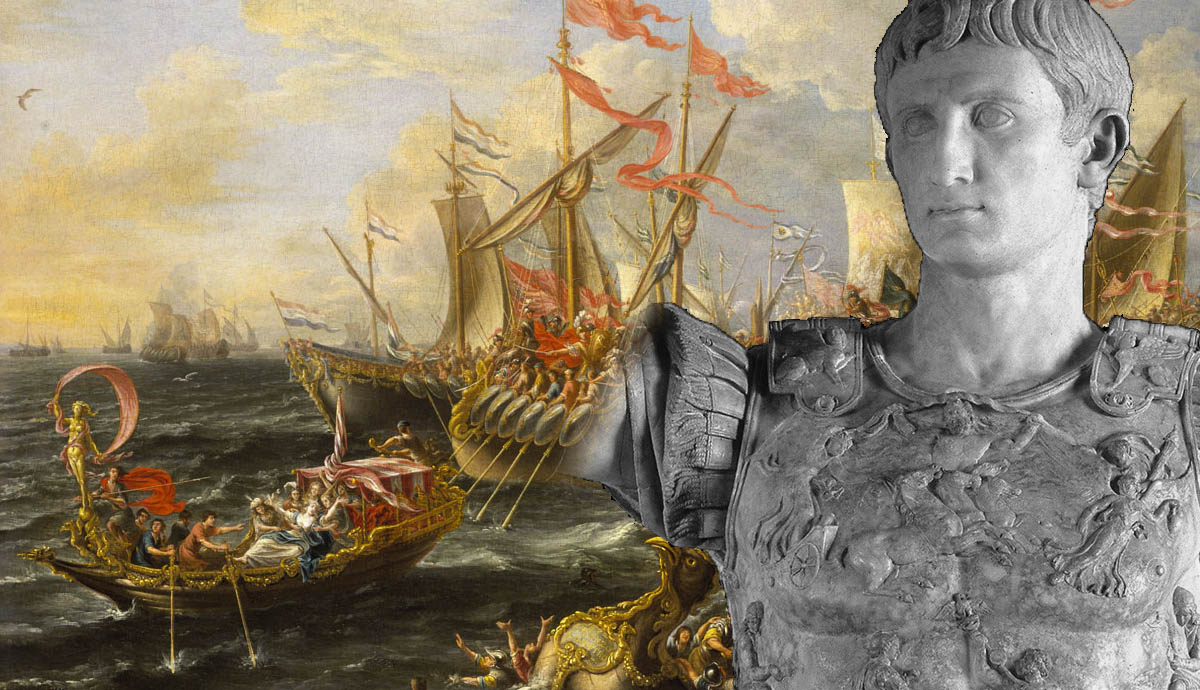
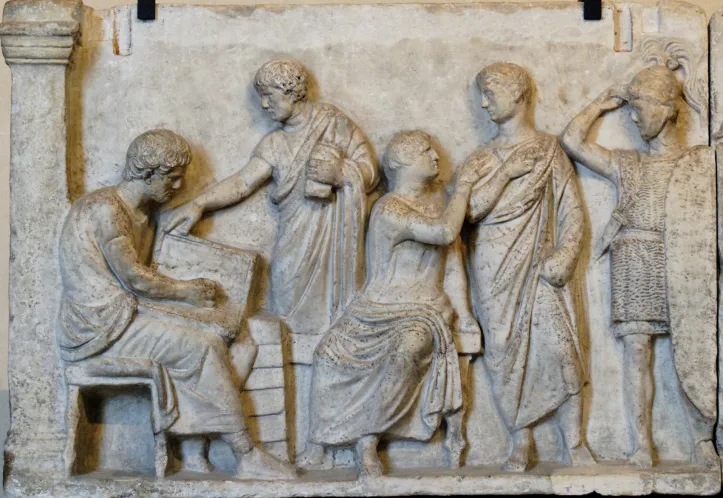
Augustus, the first Roman emperor, died in Nola after a reign that transformed the Roman Republic into the Roman Empire. His death marked the end of an era and initiated the succession of...
Explore event →History does not happen in isolation. Explore world events across time, follow the connections between them, and investigate the threads that reveal how one event can lead to another.
TheTimeMap currently follows events across 95 countries and 268 years of history — building a connected archive designed for people who want to look beyond the headline.
We oppose antisemitism, racism, and dehumanization — everywhere.
When people stop feeling, injustice becomes easy.
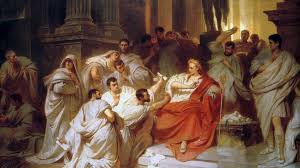
Augustus, the first Roman emperor, died in Nola after a reign that transformed the Roman Republic into the Roman Empire. His death marked the end of an era and initiated the succession of...
Explore event →
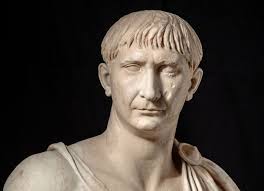
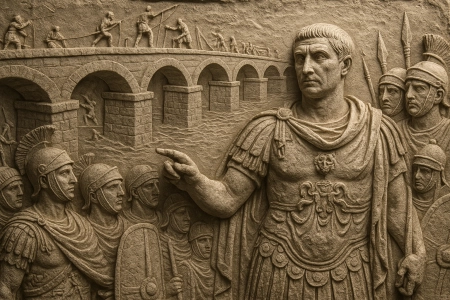
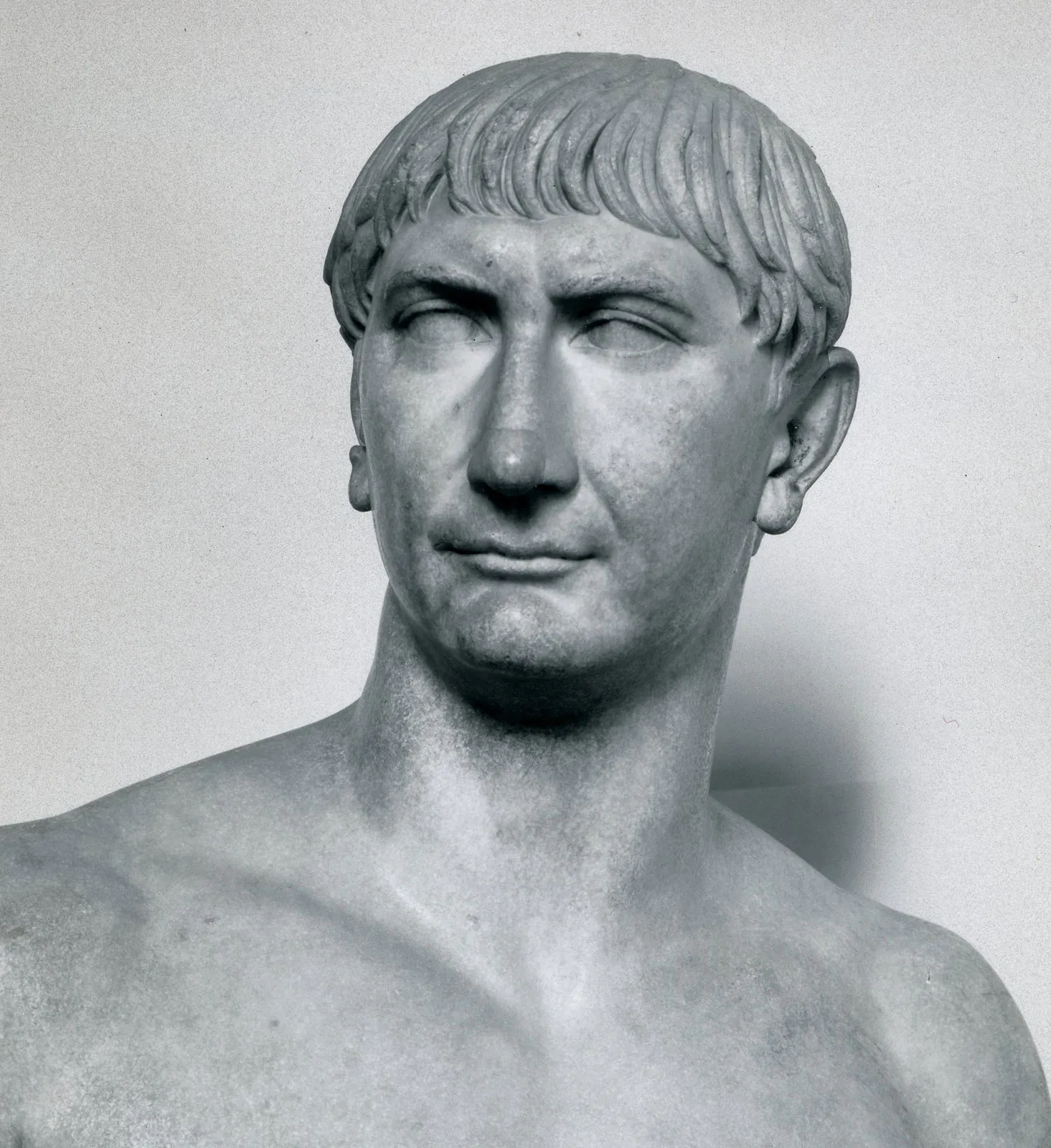
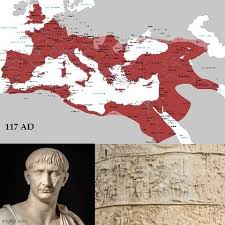
Trajan became Roman Emperor following the death of Domitian, marking a period of significant military expansion and administrative reform. His accession was recognized by the Senate, soli...
Explore event →
Expulsion of Jews from Speyer On October 15, 1435, the city council of Speyer, a city within the Holy Roman Empire, issued an expulsion order for all Jewish residents. The decree require...
Explore event →
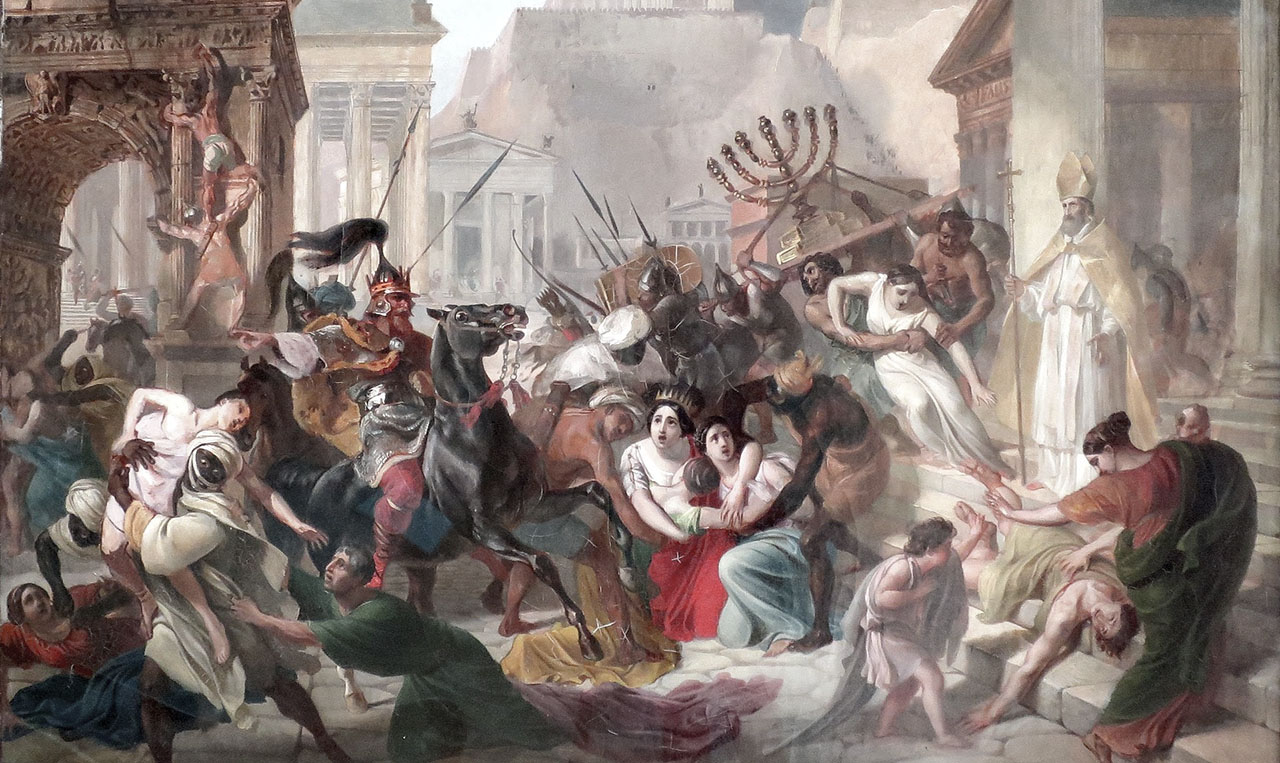
The last Western Roman emperor, Romulus Augustulus, was deposed. This event traditionally marks the end of ancient Rome and the beginning of the Middle Ages. Christian institutions beca...
Explore event →
395–641 CE — Egypt becomes part of the eastern Roman Empire centered on Constantinople, later called Byzantine. Alexandria remains one of Christianity's major intellectual centers. Intens...
Explore published research →
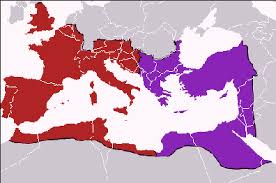
395 CE — After the death of Theodosius I, administration of the Roman Empire is divided between eastern and western courts. The territories of modern Albania remain primarily within the e...
Explore published research →
The resurrection of Jesus Christ marks a central event in Christian belief, symbolizing his victory over death. Following his crucifixion, accounts describe Jesus rising from the dead on ...
Explore event →
The Edict of Milan, issued in 313 CE by Roman emperors Constantine I and Licinius, granted religious tolerance throughout the Roman Empire. It ended the persecution of Christians and allo...
Explore event →
Emperor Constantine converted to Christianity after the Battle of the Milvian Bridge. His conversion led to the legalization of Christianity within the Roman Empire. This marked Christi...
Explore event →
Constantius Chlorus was elevated to the rank of Augustus on May 1st, 305, following the abdication of the previous Tetrarchs, Diocletian and Maximian. This event marked a significant tran...
Explore event →
Maximian, co-emperor of the Roman Empire, formally abdicated his position alongside Diocletian. This marked a significant moment in the Tetrarchy system, a power-sharing arrangement invol...
Explore event →
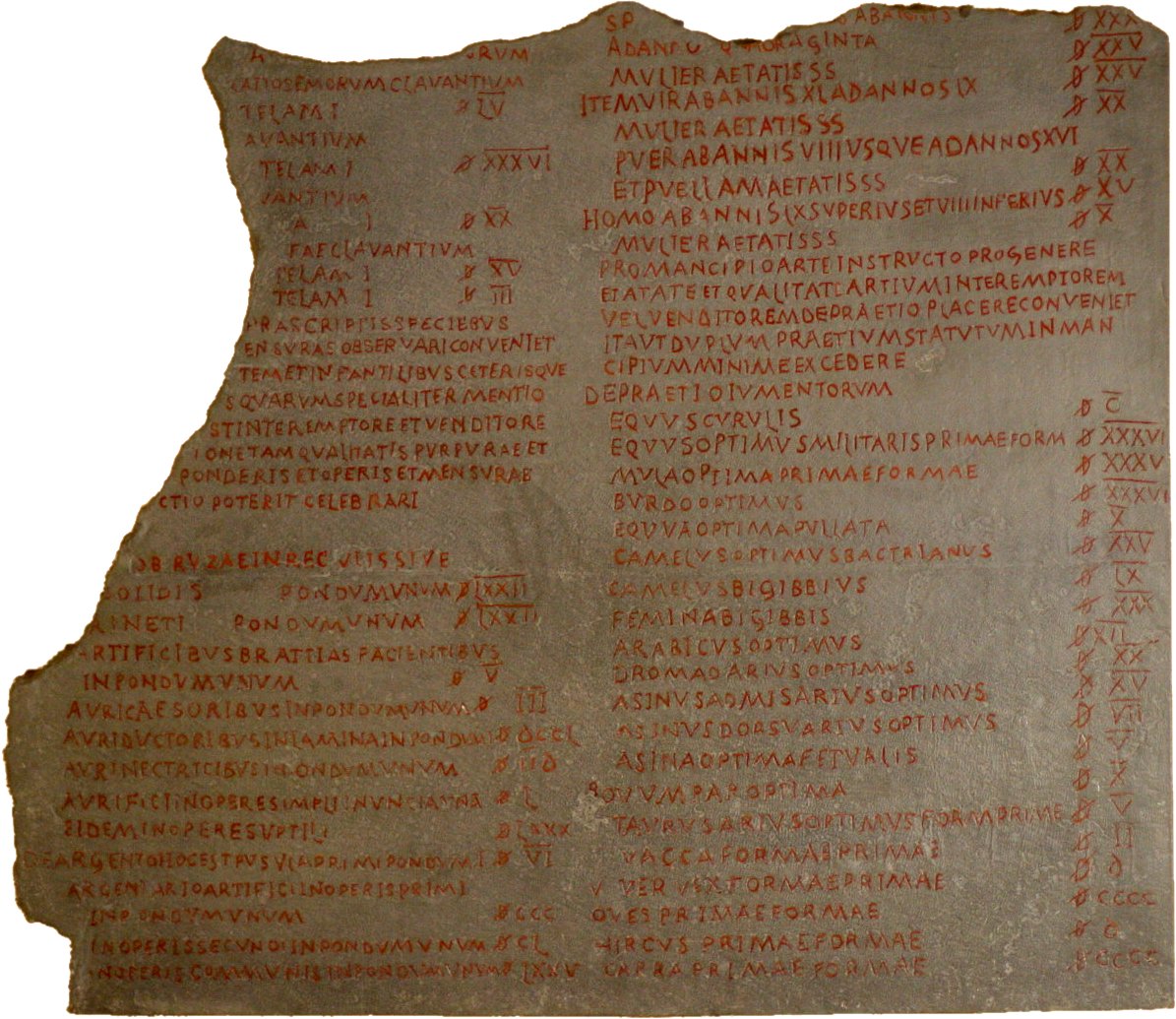
The Edict on Maximum Prices was promulgated under Emperor Diocletian in an effort to curb rampant inflation throughout the Roman Empire. The edict set maximum prices for over a thousand g...
Explore event →
Galerius was appointed Caesar by Emperor Diocletian as part of the tetrarchy reform intended to stabilize and govern the Roman Empire more effectively. His promotion marked a key moment i...
Explore event →
Constantius Chlorus was appointed Caesar by Emperor Diocletian as part of the Tetrarchy system to stabilize and govern the Roman Empire more effectively. This appointment marked the begin...
Explore event →
The Tetrarchy was established by Emperor Diocletian in 293 to address administrative and military challenges in the Roman Empire. This political system divided the empire into four parts,...
Explore event →
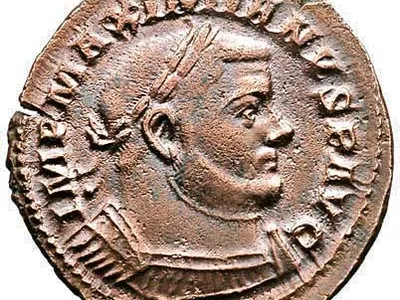
In April, the Roman Emperor Diocletian appointed Maximian as Augustus, elevating him to co-emperor status to help manage the vast Roman Empire. This move was part of a broader strategy to...
Explore event →
In April 286, the Roman Emperor Diocletian appointed Maximian as Caesar, marking a significant development in imperial governance. This act was meant to strengthen the administration and ...
Explore event →
Carausius, a Roman naval commander, declared himself emperor in Britain and northern Gaul after seizing power around 286 CE. His revolt challenged the authority of the central Roman Empir...
Explore event →
The Battle of the Margus was a significant confrontation between Emperor Carinus and his rival, Diocletian, near the Margus River in the Roman province of Moesia Superior. This battle mar...
Explore event →
Emperor Carinus was killed in battle against the forces loyal to his rival, Diocletian, near the Margus River. The conflict marked the end of Carinus's brief reign and a turning point in ...
Explore event →
The Battle of the Margus was a significant confrontation between the Roman emperors Carinus and Diocletian. The battle took place near the Margus River, in the region of Mačva, which is i...
Explore event →
Diocletian was proclaimed emperor by his troops in Nicomedia following the death of Emperor Carus. His rise marked the end of a period of civil wars and instability in the Roman Empire.Di...
Explore event →
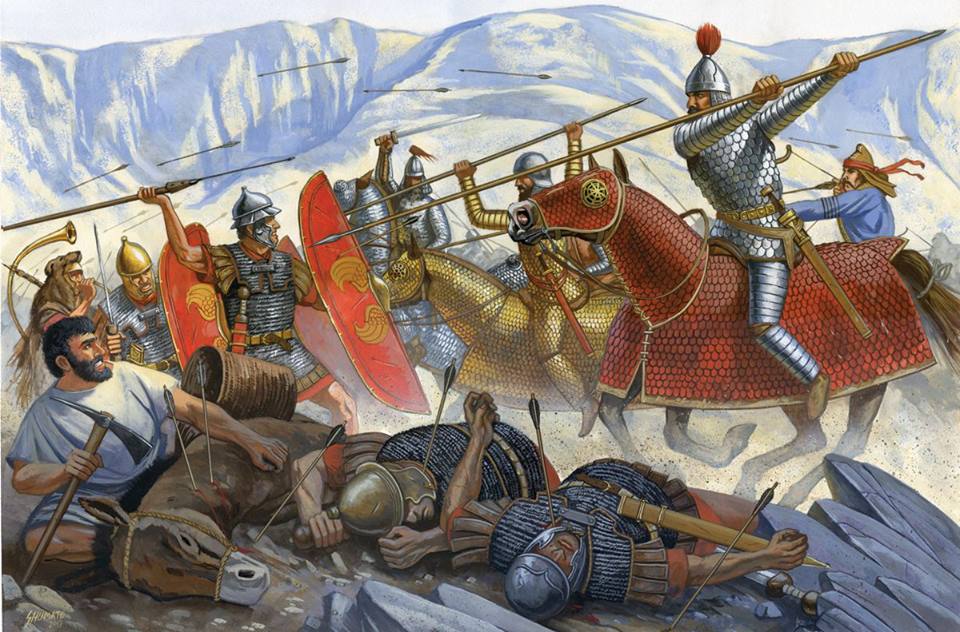
Emperor Carus, ruler of the Roman Empire, died during a military campaign in Mesopotamia. His death occurred while leading troops against the Sassanian Empire in a conflict over control o...
Explore event →
Emperor Probus was assassinated by his own soldiers after numerous military campaigns to secure the Roman Empire's borders. His leadership was challenged internally despite his successes ...
Explore event →
Carus was proclaimed emperor of the Roman Empire shortly after the death of Emperor Probus. His accession marked a shift in imperial policy as he sought to stabilize the empire's borders ...
Explore event →
The revolt led by Lucius Antonius Saturninus was an important military uprising against Emperor Probus within the Roman Empire. It began in Moesia Superior, where Saturninus was stationed...
Explore event →
Emperor Probus led the Roman legions to repel multiple Germanic invasions along the Danube frontier. These incursions threatened the stability of the northern borders of the Roman Empire ...
Explore event →
Emperor Aurelian, a prominent ruler of the Roman Empire known for his military prowess, was assassinated by his own soldiers in late September. The assassination occurred as the emperor p...
Explore event →
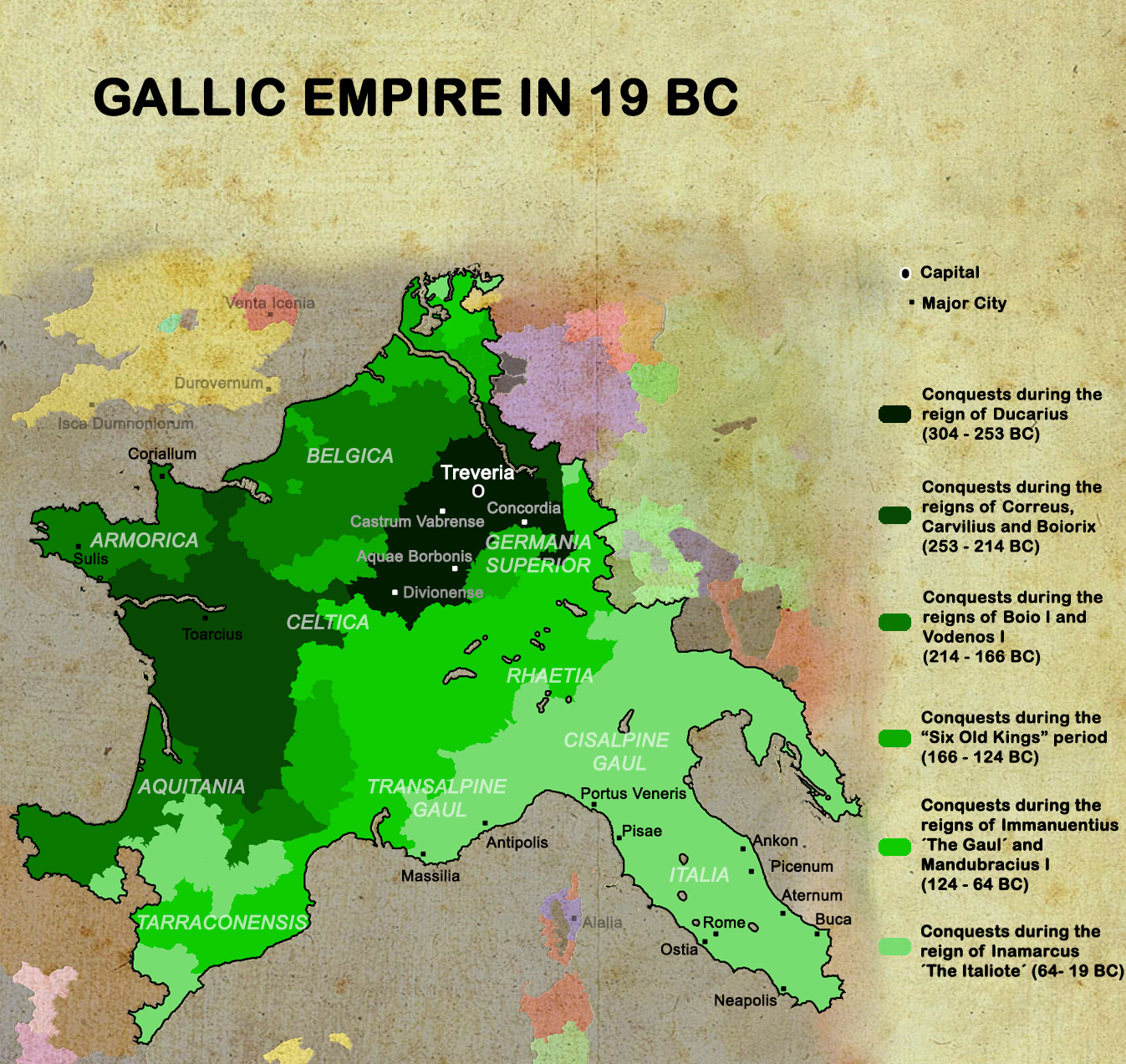
Emperor Aurelian successfully reunified the Roman Empire after a period of fragmentation and civil war. His military campaigns defeated breakaway states such as the Gallic Empire and the ...
Explore event →
In late September, Emperor Aurelian engaged and defeated the forces of the breakaway Gallic Empire near Châlons-en-Champagne. This victory effectively ended the secession of Gaul and rees...
Explore event →
The Battle of Châlons was fought between the forces of the Roman Emperor Aurelian and the Gallic usurper Tetricus. This conflict was a decisive engagement aimed at restoring Roman authori...
Explore event →
Emperor Aurelian mounted a decisive campaign against the breakaway Palmyrene Empire in 273, culminating in the defeat of Queen Zenobia's forces near Palmyra.This victory marked the reinte...
Explore event →
Roman Emperor Aurelian defeated the invading Juthungi tribe near the city of Placentia in northern Italy. This battle was a decisive moment in securing the Roman Empire's northern borders...
Explore event →
The construction of the Aurelian Walls began in response to increasing external threats faced by Rome in the third century. These defensive walls were commissioned by Emperor Aurelian to ...
Explore event →
Aurelian was proclaimed emperor by his troops following the death of Emperor Claudius Gothicus. His accession marked a significant turning point during the Crisis of the Third Century.He ...
Explore event →
Claudius II Gothicus, Roman Emperor known for military victories against Gothic tribes, died in Sirmium after a period of illness. His death marked a significant moment in the turbulent C...
Explore event →
The Battle of Naissus was a significant conflict fought near the ancient city of Naissus, now known as Niš, in the Nišava District. It occurred during the crisis of the Roman Empire and i...
Explore event →
Emperor Gallienus, ruler of the Roman Empire during a time of internal strife and external invasions, was assassinated by his own military officers during a siege. His death marked a crit...
Explore event →
Postumus, a Roman commander, declared himself emperor of a breakaway realm in the western provinces known as the Gallic Empire. This realm comprised Gaul, Germania, Britannia, and Hispani...
Explore event →
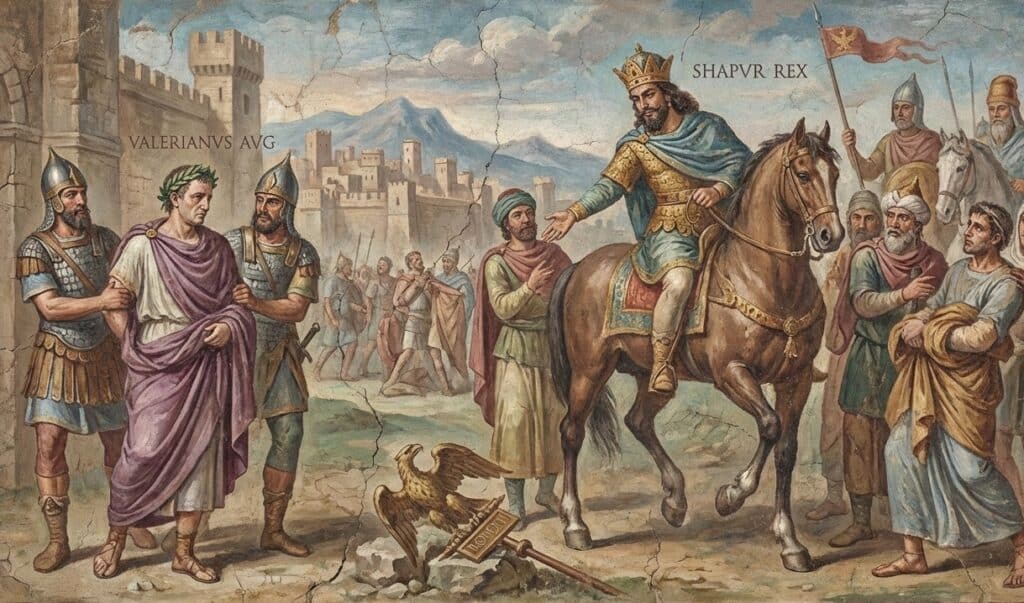
Roman Emperor Valerian was captured by the Sasanian Persian ruler Shapur I during the Battle of Edessa, a significant conflict between the Roman and Sasanian empires. This event marked th...
Explore event →
Roman Emperor Valerian launched a military campaign against the Sasanian Empire, aiming to assert Roman dominance over Persian territories. This campaign marks a significant conflict betw...
Explore event →
Odaenathus rose to power in Palmyra amid the crisis of the Roman Empire in the mid-3rd century. Following the capture of the Roman Emperor Valerian by the Persians, Palmyra emerged as a r...
Explore event →
Emperor Gallienus initiated a series of military reforms to address ongoing threats to the Roman Empire. These reforms aimed to improve the mobility and responsiveness of the Roman legion...
Explore event →
Valerian was proclaimed Roman Emperor following the death of his predecessor Aemilianus. His accession marked a significant change in leadership during a period fraught with external thre...
Explore event →
The Sasanian king Shapur I captured Antioch following his victorious campaigns against the Roman Empire. The fall of this major city marked a significant moment in Roman-Persian conflicts...
Explore event →
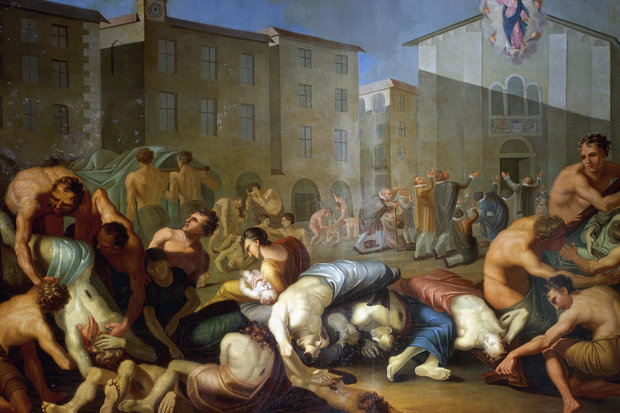
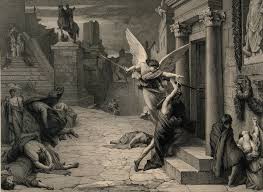
The Cyprian Plague is rapidly spreading across the Mediterranean region, severely impacting cities within the Roman Empire. Reports indicate a high mortality rate and widespread fear amon...
Explore event →
Following the death of Emperor Maximinus Thrax, the Roman Senate appointed Pupienus and Balbinus as co-emperors to restore order within the Roman Empire. Their joint accession marked a ra...
Explore event →
The Crisis of the Third Century marked a period of severe instability within the Roman Empire beginning in 235 AD. This era saw widespread political chaos, military defeats, and economic ...
Explore event →
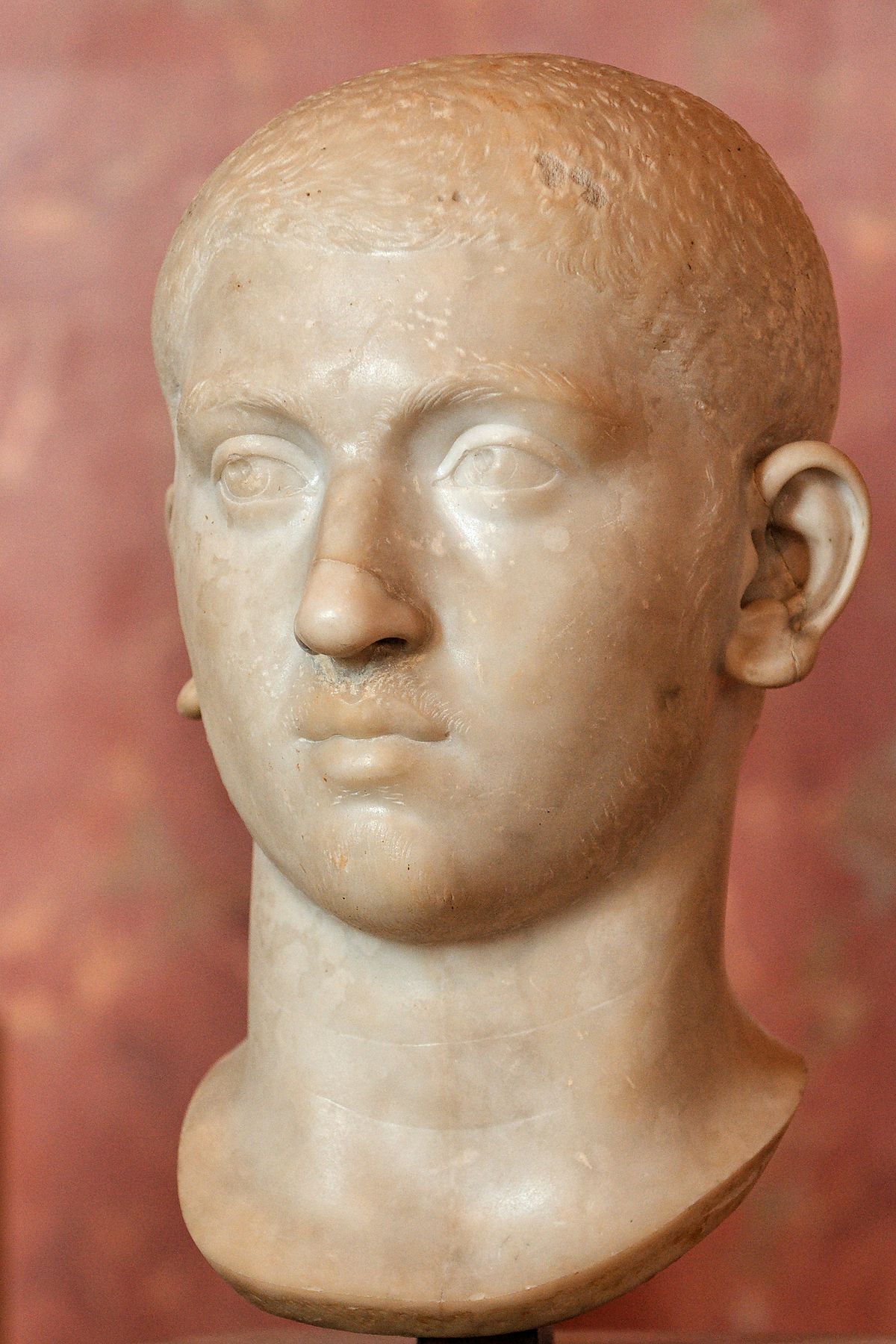
Severus Alexander, the last emperor of the Severan dynasty, was assassinated by his own soldiers in March of 235 CE near the city of Mutina along the Danube frontier. His death marked the...
Explore event →
Maximinus Thrax, a Roman soldier of humble origins, was proclaimed emperor by his troops following the assassination of Severus Alexander. His accession marked the beginning of the Crisis...
Explore event →
The fall of the Parthian Empire marked the rise of the Sasanian dynasty in ancient Persia. The decisive defeat of the last Parthian king by Ardashir I ended nearly five centuries of Arsac...
Explore event →The Constitutio Antoniniana was an edict issued by Emperor Caracalla that granted Roman citizenship to nearly all free inhabitants of the Roman Empire. This decree marked a significant ex...
Explore event →
The Constitutio Antoniniana was an edict issued by Emperor Caracalla granting Roman citizenship to all free inhabitants of the Roman Empire. This decree dramatically expanded the rights a...
Explore event →
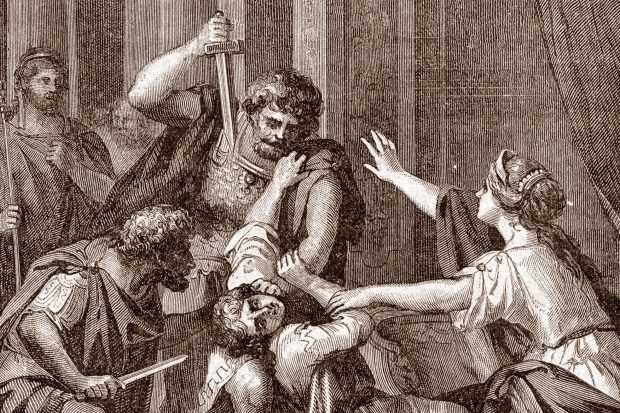
Geta, co-emperor of the Roman Empire alongside his brother Caracalla, was assassinated in Alexandria under political tension and rivalry. The murder occurred shortly after Caracalla conso...
Explore event →
Publius Septimius Geta, son of Emperor Septimius Severus, was granted the title of Augustus by the Roman Senate. This elevated Geta to co-emperor status alongside his father and his broth...
Explore event →
The Roman Empire undertook administrative changes in the province of Mesopotamia following its establishment as a distinct entity. These reforms aimed to consolidate control over the regi...
Explore event →
Caracalla officially took the title of Augustus, marking his elevation to co-emperor alongside his father, Septimius Severus. This move solidified his position within the Severan dynasty ...
Explore event →
Clodius Albinus, a Roman usurper and rival claimant to the imperial throne, was defeated at the Battle of Lugdunum. The conflict ended his rebellion during a time of civil war within the ...
Explore event →
Clodius Albinus, governor of Britannia, declared himself Caesar in a bid to claim imperial power during the turbulent Year of the Five Emperors. His proclamation challenged the authority ...
Explore event →
The Battle of Issus was fought between the forces of the Roman Emperor Septimius Severus and his rival Pescennius Niger. It marked a defining moment during the Year of the Five Emperors a...
Explore event →
Pescennius Niger, governor of Syria, declared himself Roman emperor after the death of Emperor Pertinax. His claim to the throne sparked a civil war against Septimius Severus, who also cl...
Explore event →
Following the assassination of Emperor Pertinax, the Roman imperial throne was sold to the highest bidder by the Senate. Didius Julianus secured the empire by offering the largest payment...
Explore event →
The Roman Empire conducted a series of military campaigns across the Danube River to expand territorial control into regions inhabited by Dacian and Germanic tribes. These operations aime...
Explore event →
Lucius Verus, co-emperor of Rome alongside Marcus Aurelius, died in Rome under circumstances believed to be related to a devastating plague. His death marked a significant point in Roman ...
Explore event →
The Marcomannic Wars began as a series of conflicts between the Roman Empire and various Germanic tribes, including the Marcomanni, along the Danube frontier. The wars marked a significan...
Explore event →
The Antonine Plague began in the Roman Empire during the reign of Emperor Marcus Aurelius. The pandemic emerged following troop movements from campaigns in the East, spreading rapidly acr...
Explore event →
The Parthian War under Roman Emperor Lucius Verus began as tensions escalated between the Roman Empire and the Parthian Empire. This conflict was marked by Roman military campaigns aimed ...
Explore event →
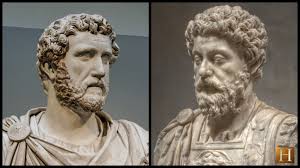
Antoninus Pius became Roman Emperor following the death of Hadrian. His accession marked the continuation of stable leadership in the Roman Empire.His reign was noted for internal peace a...
Explore event →
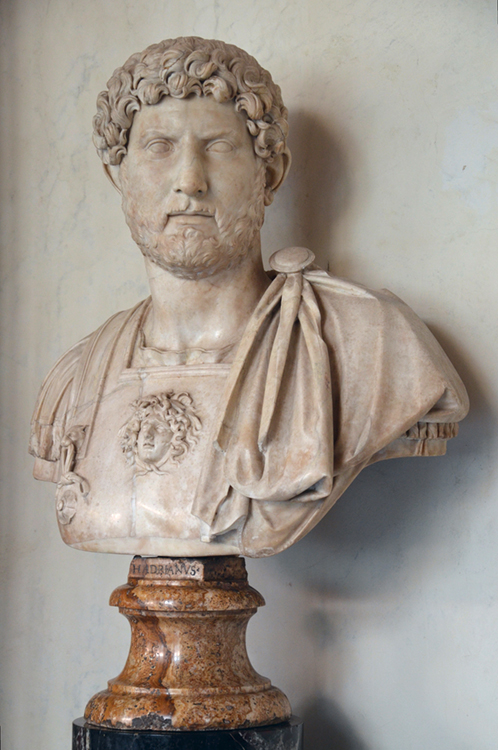
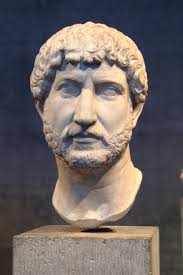
Emperor Hadrian, renowned for consolidating and fortifying the Roman Empire's frontiers, passed away at his villa near Rome. His death marked the end of a significant era during which he ...
Explore event →
The Bar Kokhba revolt was a major Jewish uprising against the Roman Empire in the province of Judaea. The rebellion started under the leadership of Simon Bar Kokhba who was proclaimed the...
Explore event →
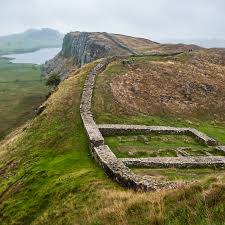
The Roman Empire initiated the construction of Hadrian's Wall to secure its northern boundary in Britannia. This extensive fortification marked the limit of Roman-controlled territory aga...
Explore event →
Trajan, one of Rome's most respected emperors known for his military conquests and extensive public works, died in the summer months during a campaign in Mesopotamia. His death marked the...
Explore event →
Following the death of Emperor Trajan, Hadrian chose to abandon the eastern conquests achieved during Trajan's campaigns. This strategic withdrawal aimed to consolidate the Roman Empire's...
Explore event →
The Roman Empire, under Emperor Trajan, successfully captured the city of Ctesiphon during his campaign against the Parthian Empire. This marked a significant moment as the Romans briefly...
Explore event →
Trajan's Forum was officially inaugurated in Rome, marking the completion of one of the most impressive architectural projects of the Roman Empire. Commissioned by Emperor Trajan, the for...
Explore event →
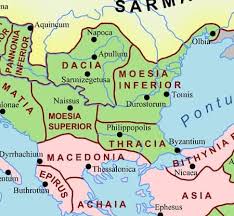
The Roman Empire completed the conquest and annexation of the kingdom of Dacia after a series of military campaigns led by Emperor Trajan. This marked the end of the Dacian Wars, culminat...
Explore event →
Decebalus, the last king of Dacia, died following the Roman conquest led by Emperor Trajan. His death marked the end of the Dacian Wars and the incorporation of Dacia into the Roman Empir...
Explore event →
The Fall of Sarmizegetusa marked the decisive Roman victory over the Dacians led by King Decebalus. In early August, Roman legions under Emperor Trajan besieged the Dacian capital, a fort...
Explore event →
After years of fierce conflict, Dacian King Decebalus ultimately surrendered to the Roman Emperor Trajan. This marked the end of the Dacian Wars, resulting in the annexation of Dacia as a...
Explore event →
The Second Dacian War marks the renewed conflict between the Roman Empire and the Dacian Kingdom, led by King Decebalus. Roman Emperor Trajan launched a major military campaign aiming to ...
Explore event →
The Roman Emperor Trajan launched his first major military campaign against the Dacian Kingdom in early 101 CE. The war was initiated to subdue the powerful Dacian king Decebalus and to s...
Explore event →
The First Battle of Tapae was a significant conflict between the Roman Empire and the Dacians. It took place at the mountain pass of Tapae, the gateway to the Dacian heartland.The Roman f...
Explore event →
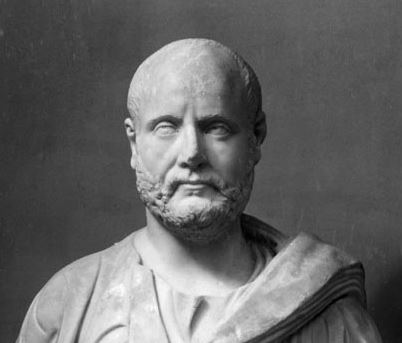
Emperor Nerva formally adopted Trajan as his heir in a move to secure the imperial succession and stabilize the Roman Empire. This adoption marked the beginning of the era of the "Five Go...
Explore event →
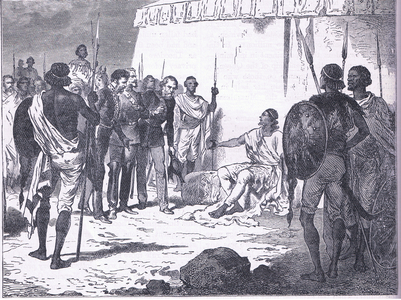
After the murder of Emperor Domitian, the Roman Senate appointed Nerva as emperor, marking a shift from autocratic rule to a more stabilizing governance. Nerva, previously a respected sen...
Explore event →
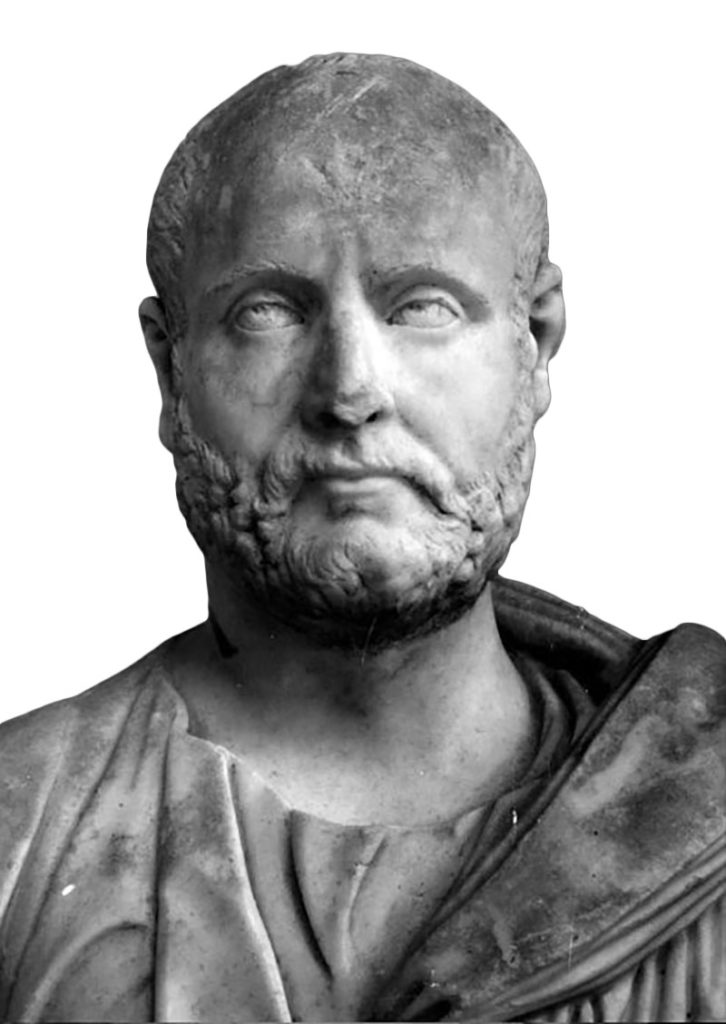
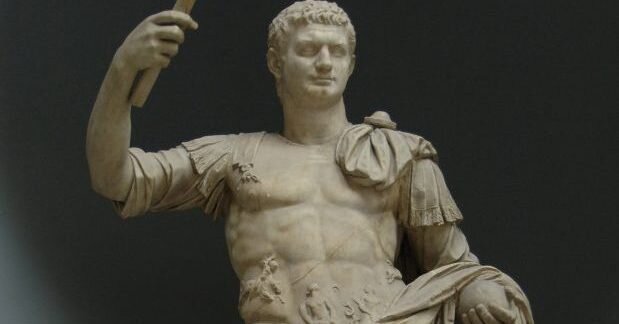
Following the death of Emperor Titus, Domitian, his younger brother, ascended to the throne of the Roman Empire. The accession occurred peacefully, marking the continuation of the Flavian...
Explore event →
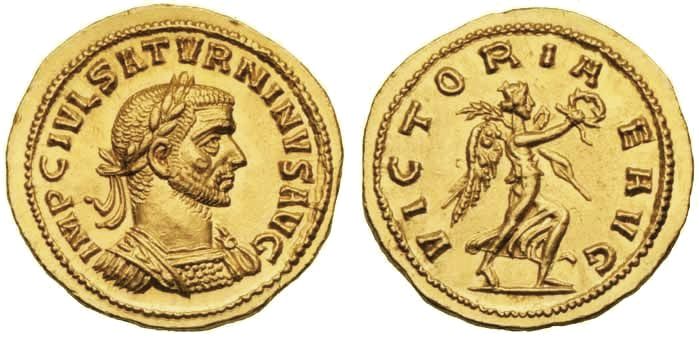
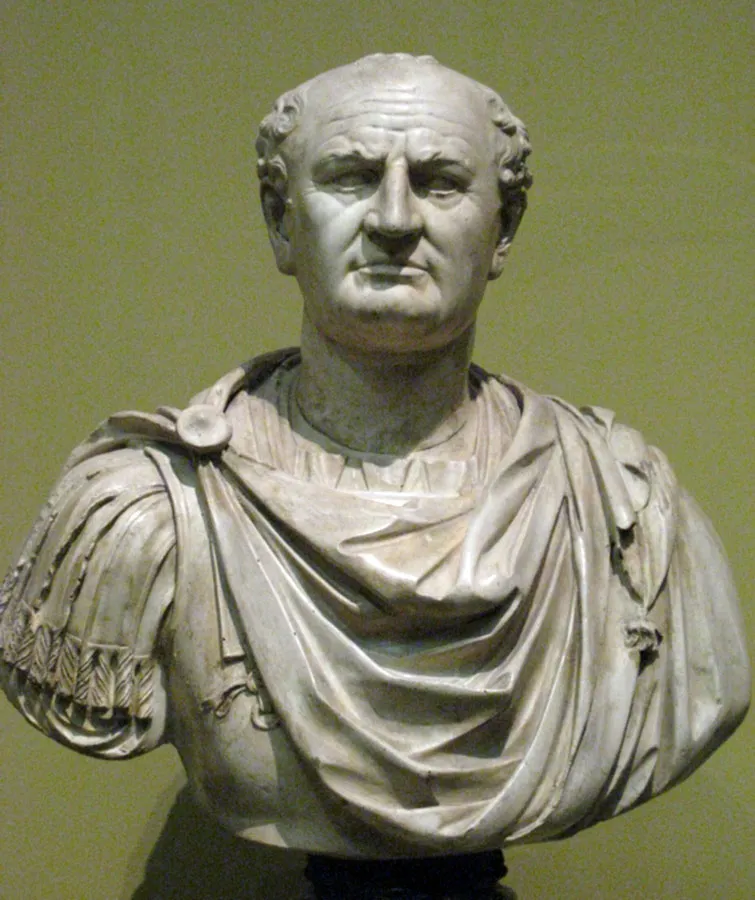
Following a year of civil war known as the Year of the Four Emperors, Vespasian emerged as the uncontested ruler of the Roman Empire. His rise marked the end of the Julio-Claudian dynasty...
Explore event →
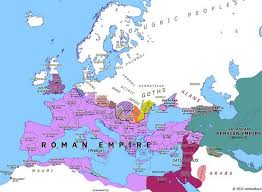
Vitellius was declared emperor by the legions of Germania during the chaotic Year of the Four Emperors. After the death of Emperor Otho, Vitellius marched to Rome where he was formally re...
Explore event →
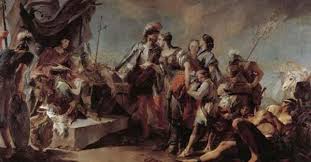
The Year of the Four Emperors was a tumultuous period marking rapid succession of Roman emperors after the fall of Nero. It involved the rise and fall of Galba, Otho, Vitellius, and Vespa...
Explore event →
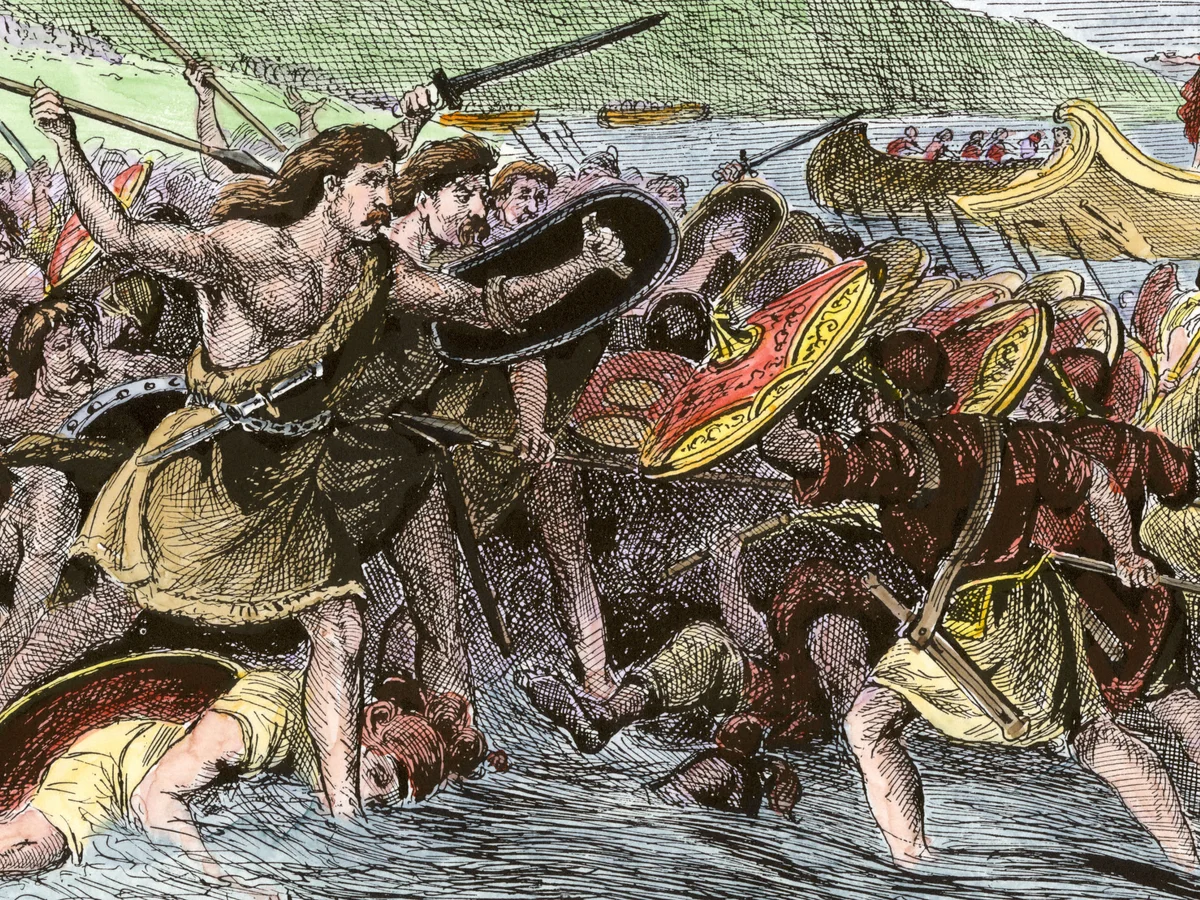
The Roman Emperor Claudius led the invasion of Britain, landing at the port near Richborough in southeastern England. This marked the beginning of the Roman conquest of the island, aiming...
Explore event →
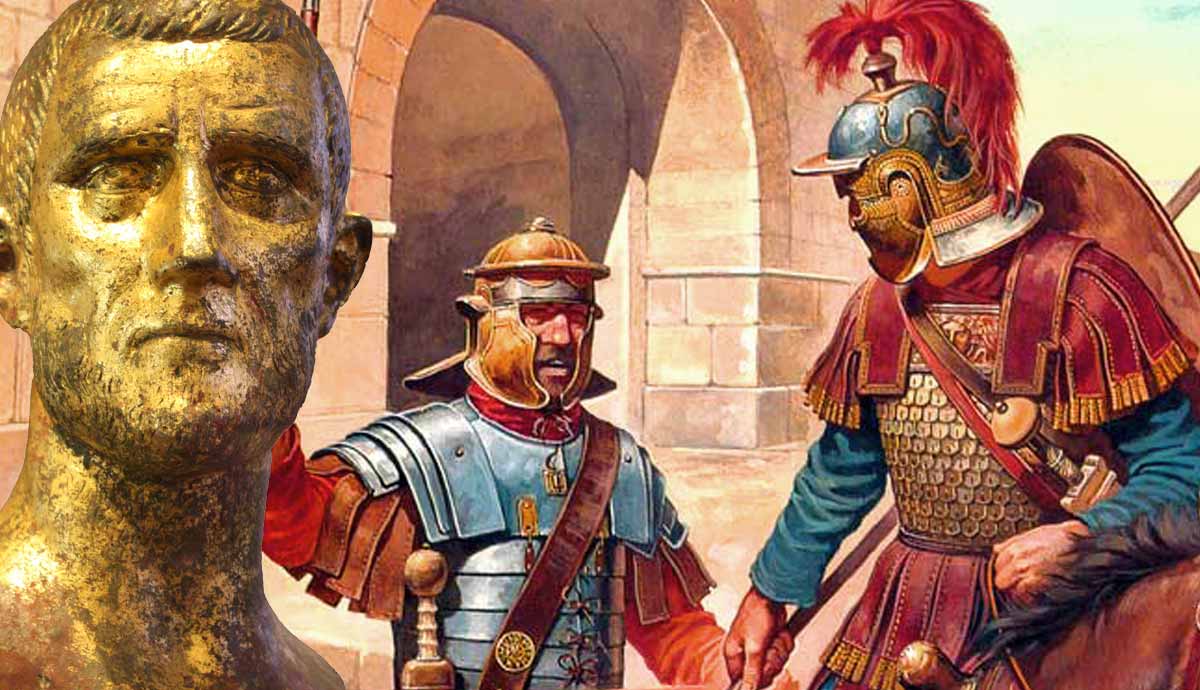
The Roman conquest of Britain began under Emperor Claudius with the landing of Roman forces at Richborough in Kent. This marked the start of a prolonged campaign to bring the British Isle...
Explore event →
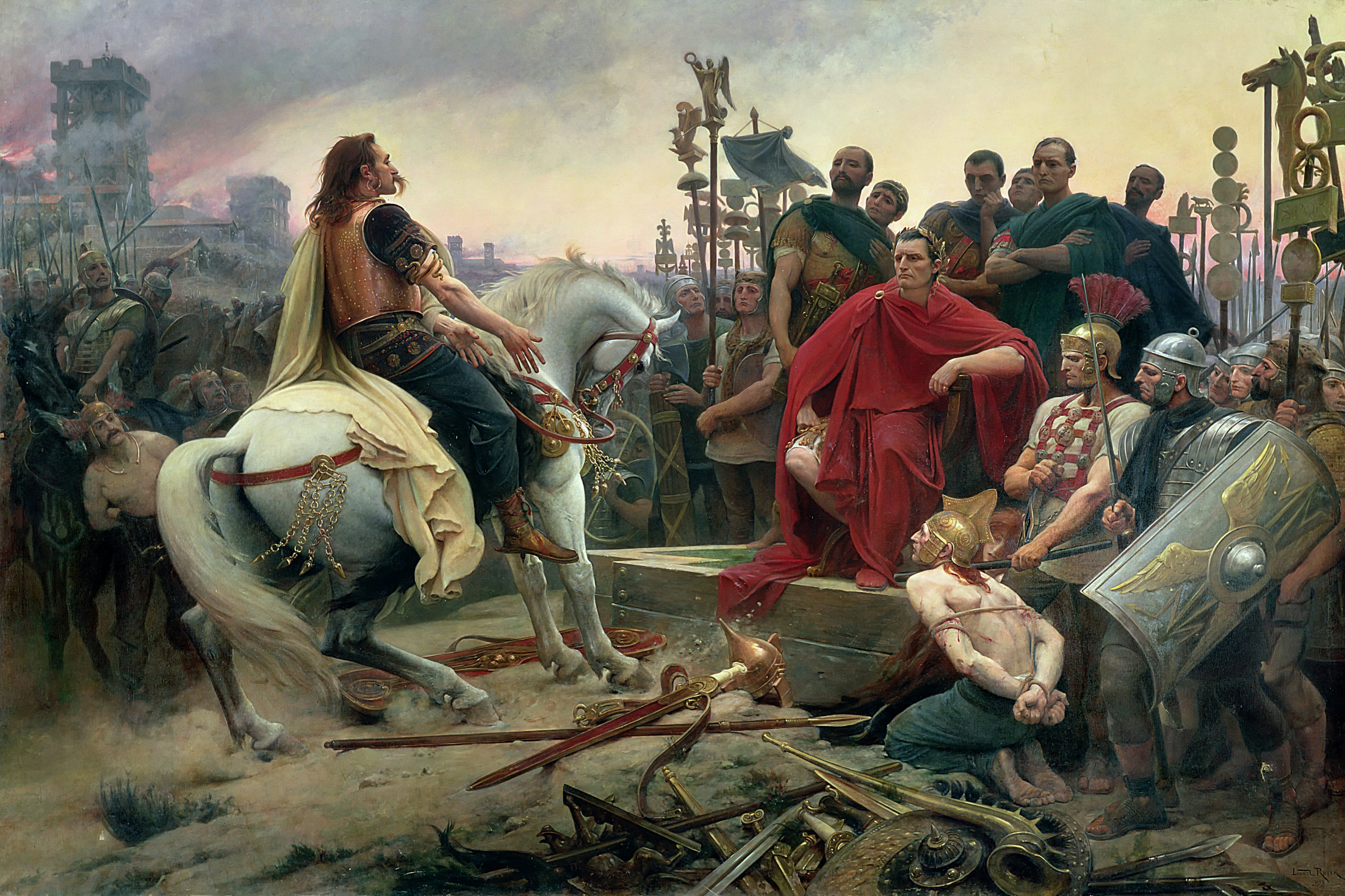
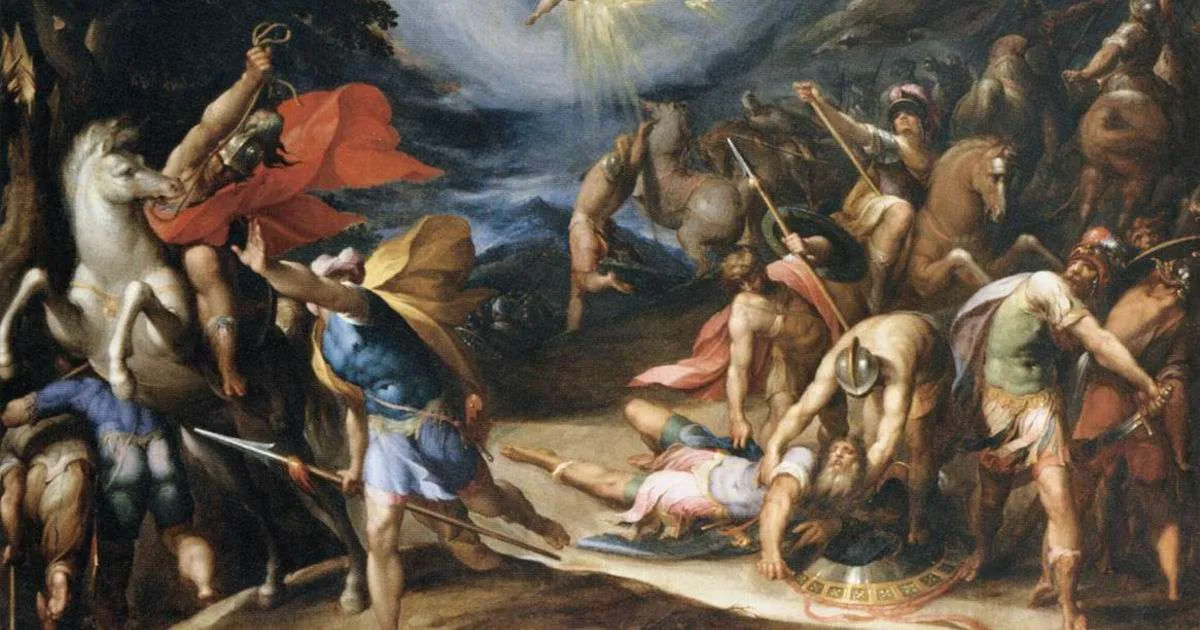
Paul the Apostle, formerly known as Saul of Tarsus, experienced a profound conversion while traveling to Damascus. Initially a vigorous persecutor of early Christians, he was struck by a ...
Explore event →
Ban Chao, a Chinese general and diplomat of the Eastern Han dynasty, is recorded as sending an envoy toward the western regions in an effort to establish contacts with the Roman Empire.Th...
Explore event →
Lucius Aelius Sejanus, the powerful prefect of the Praetorian Guard, was arrested and executed after losing favor with Emperor Tiberius. His fall marked a dramatic shift in Roman imperial...
Explore event →
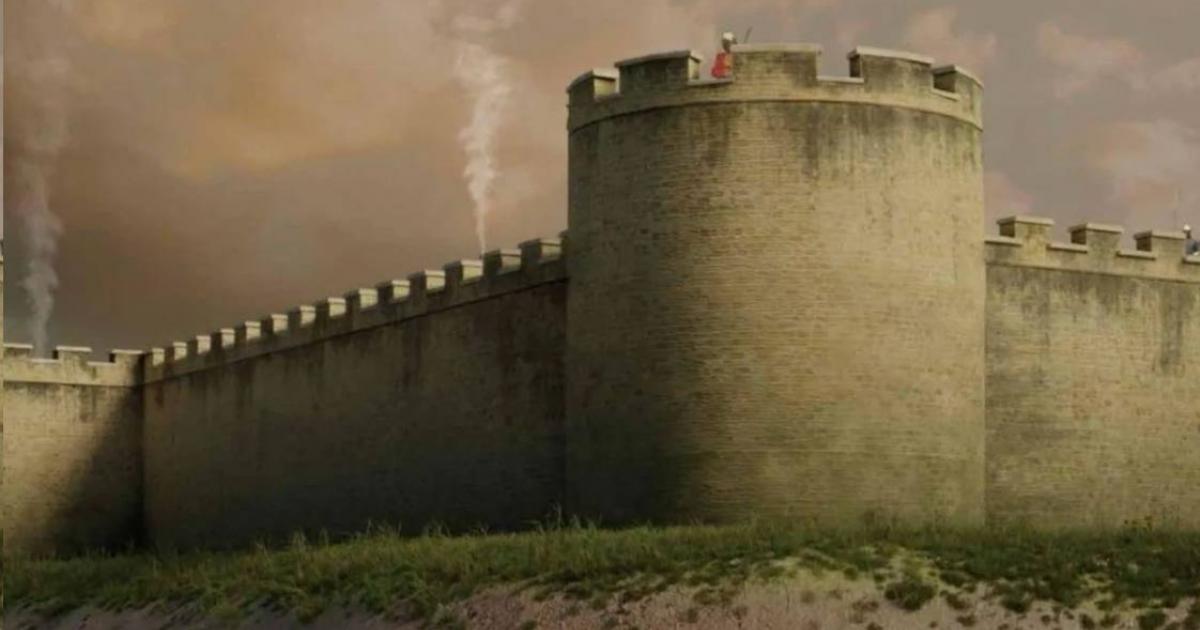
On January 16, the Roman Senate granted Octavian the title Augustus, marking his official accession as the sole ruler of Rome. This event symbolized the transition from the Roman Republic...
Explore event →
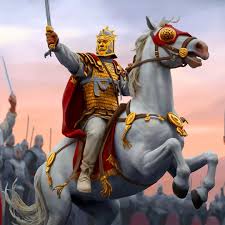
The census conducted under Publius Sulpicius Quirinius was ordered by the Roman Empire as part of administrative reorganization following the annexation of Judea as a Roman province. This...
Explore event →
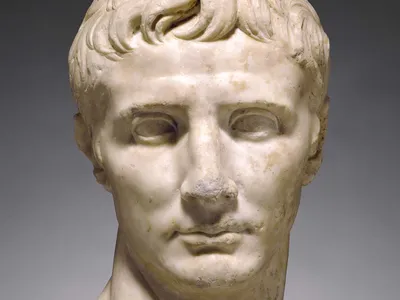
Jesus of Nazareth, the central figure of Christianity, is traditionally believed to have been born in Bethlehem during the final years of the reign of Herod the Great. According to Christ...
Explore event →
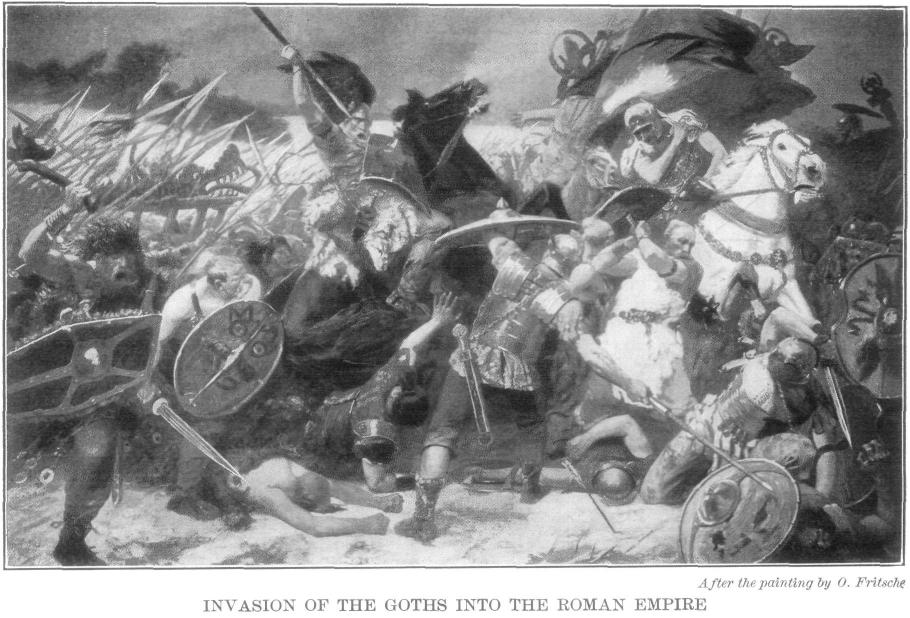
30 BCE–395 CE — Egypt remains one of the Roman Empire's wealthiest provinces. Alexandria continues as a major commercial and intellectual center while traditional Egyptian temples functio...
Explore published research →