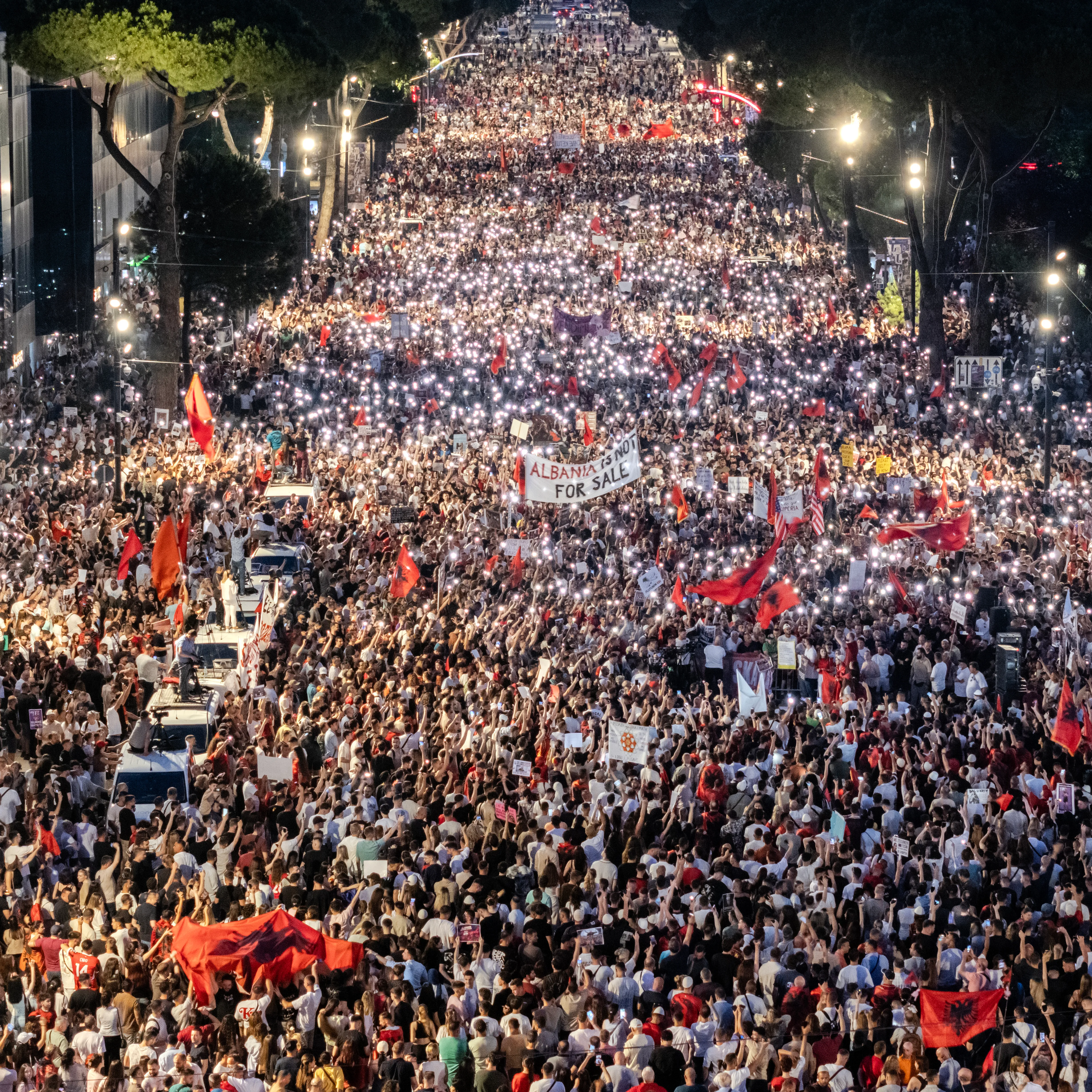
Albania protest movement
Large protests took place across Albania, particularly in Tirana and coastal regions, as opposition supporters, activists, and local communities gathered to express dissatisfaction with g...
Explore event →History does not happen in isolation. Explore world events across time, follow the connections between them, and investigate the threads that reveal how one event can lead to another.
TheTimeMap currently follows events across 95 countries and 268 years of history — building a connected archive designed for people who want to look beyond the headline.
We oppose antisemitism, racism, and dehumanization — everywhere.
When people stop feeling, injustice becomes easy.
Large protests took place across Albania, particularly in Tirana and coastal regions, as opposition supporters, activists, and local communities gathered to express dissatisfaction with g...
Explore event →
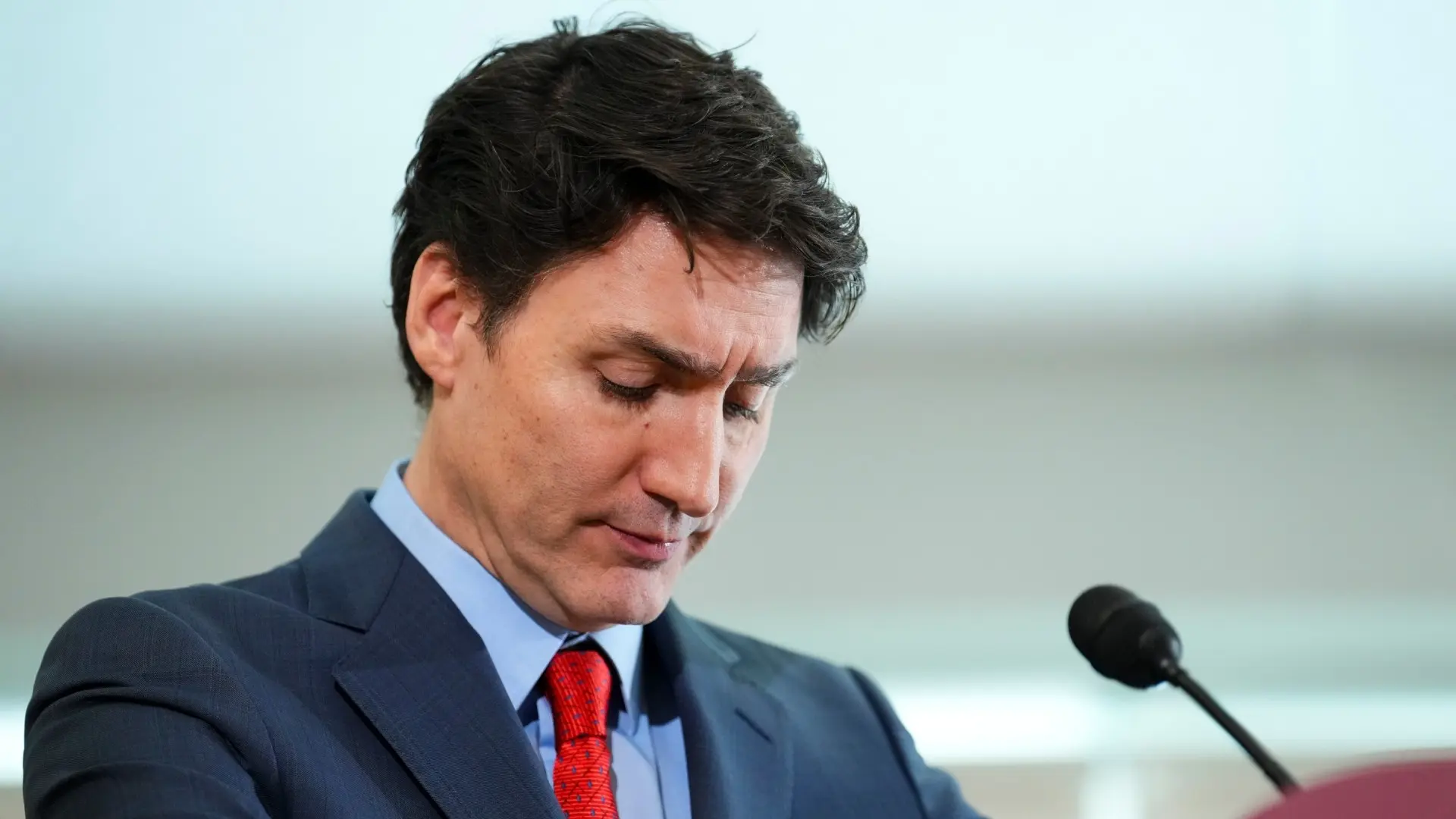
As of March 2026, Israeli authorities have been retaining the bodies of prisoners who die while serving sentences, holding them until the official sentence period is completed. This polic...
Explore event →
Major Canadian Political and Social Events Timeline body { font-family: Arial, sans-serif; background-color: #f4f4f9; margin: 0; padding: 0; } .timeline-container { m...
Explore event →
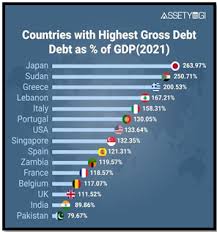
IMF revises debt risk assessments for developing economies On February 21, 2026, the International Monetary Fund released updated debt sustainability and risk assessments for 4...
Explore event →
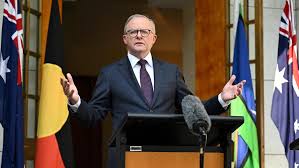
Political Realignments and Policy Decisions in Australia On February 3, 2026, Australian politics saw multiple developments with potential implications for national policy and ...
Explore event →
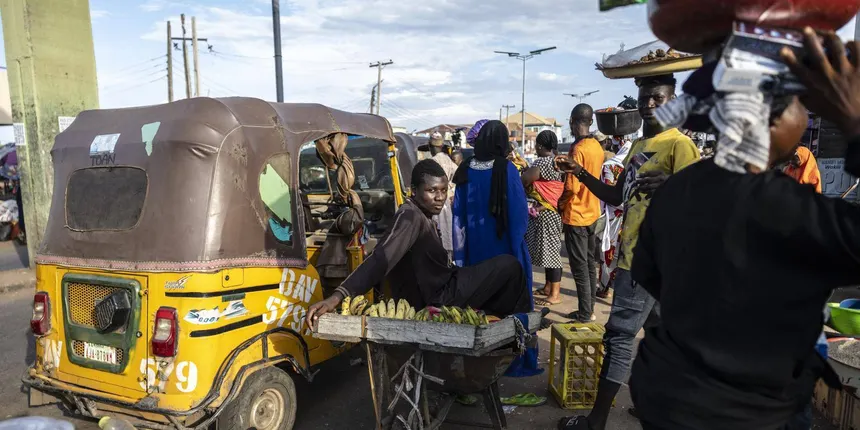
The Nigerian government has established a new national anti-corruption oversight council aimed at increasing transparency in federal procurement and reducing systemic graft. The council w...
Explore event →
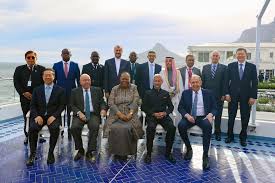
BRICS Bloc Expands as New Members Join Amid Push to Reshape Global Order The BRICS group of emerging economies formally expanded on January 1, admitting new member states as pa...
Explore event →
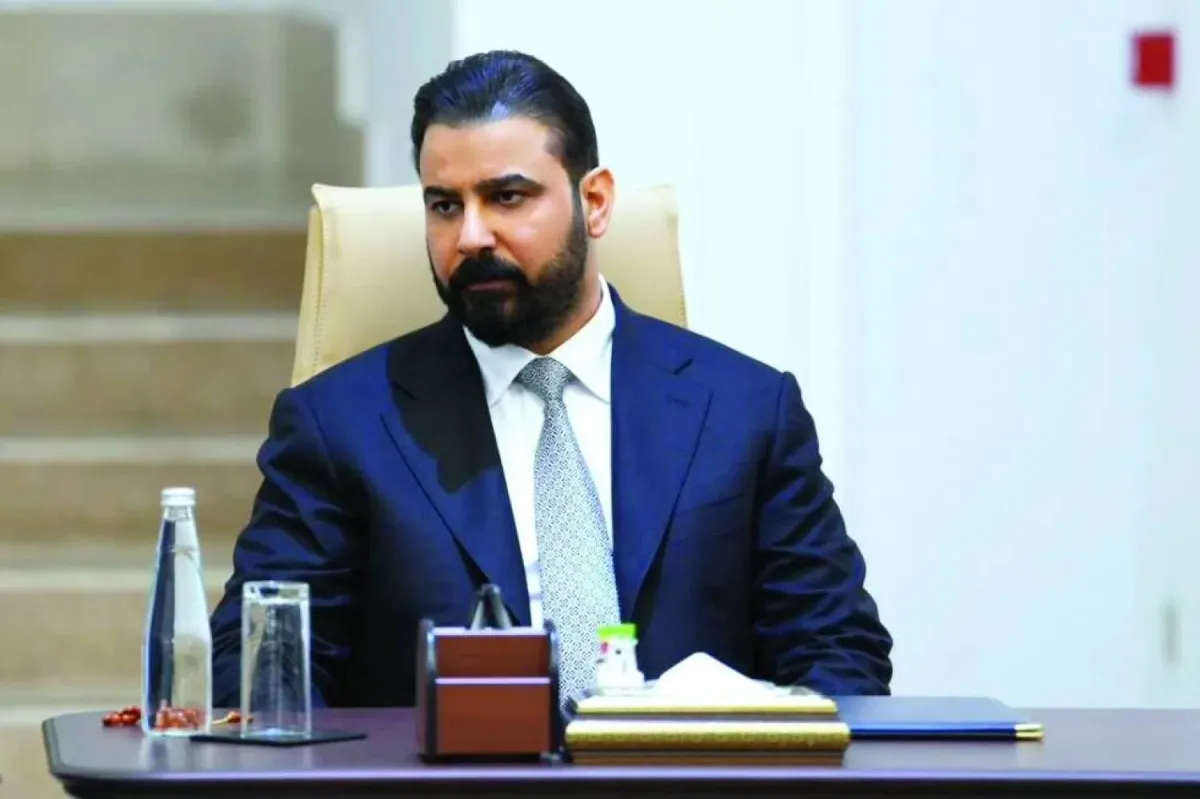
In late 2022, Iraqi authorities intensified investigations into one of the country's largest alleged corruption cases, involving the disappearance of billions of dollars from tax authorit...
Explore event →
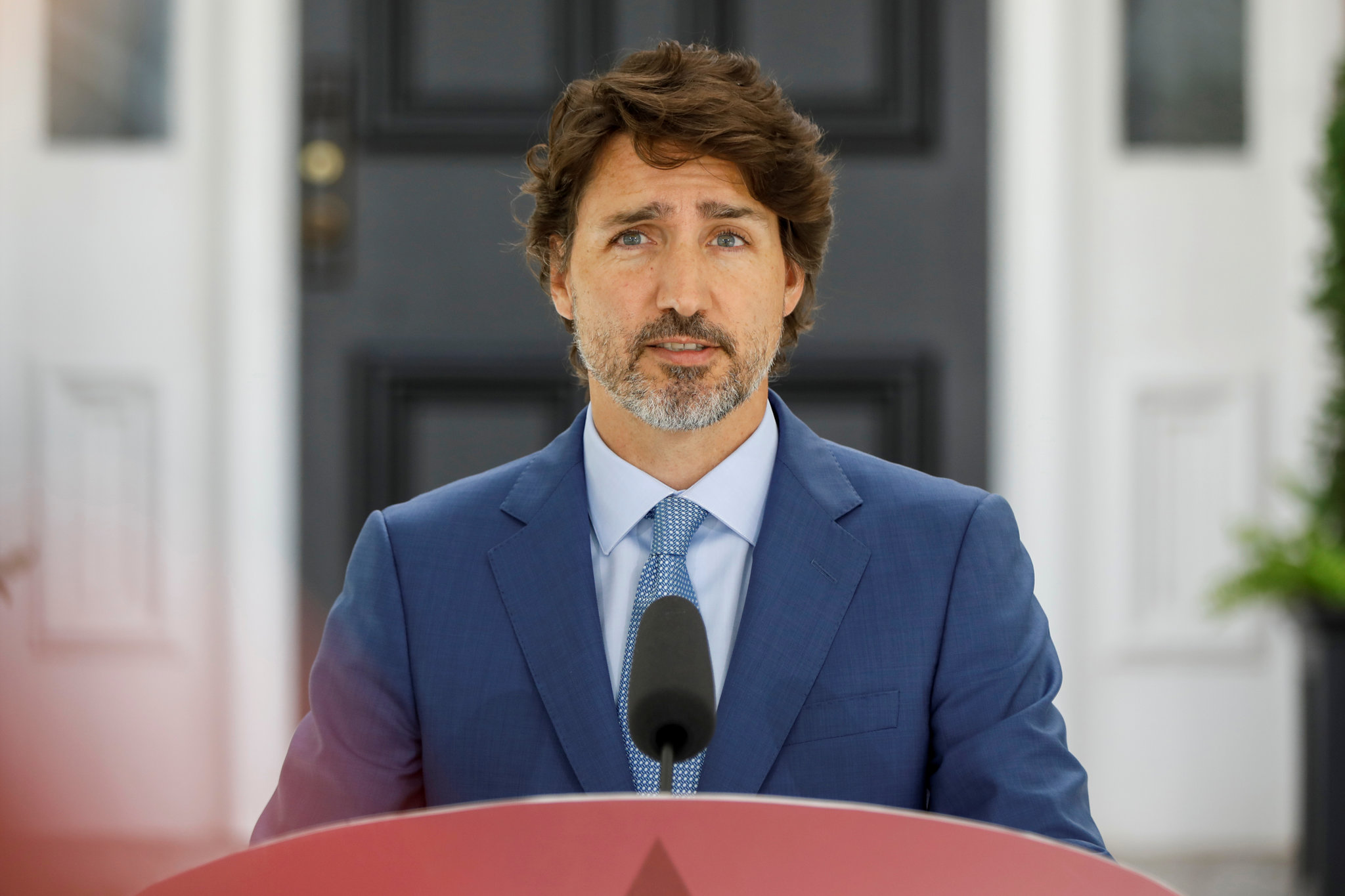
On July 10, 2020, Canadian Prime Minister Justin Trudeau came under intense scrutiny regarding the federal government’s decision to award a $912 million student volunteer grant program to...
Explore event →
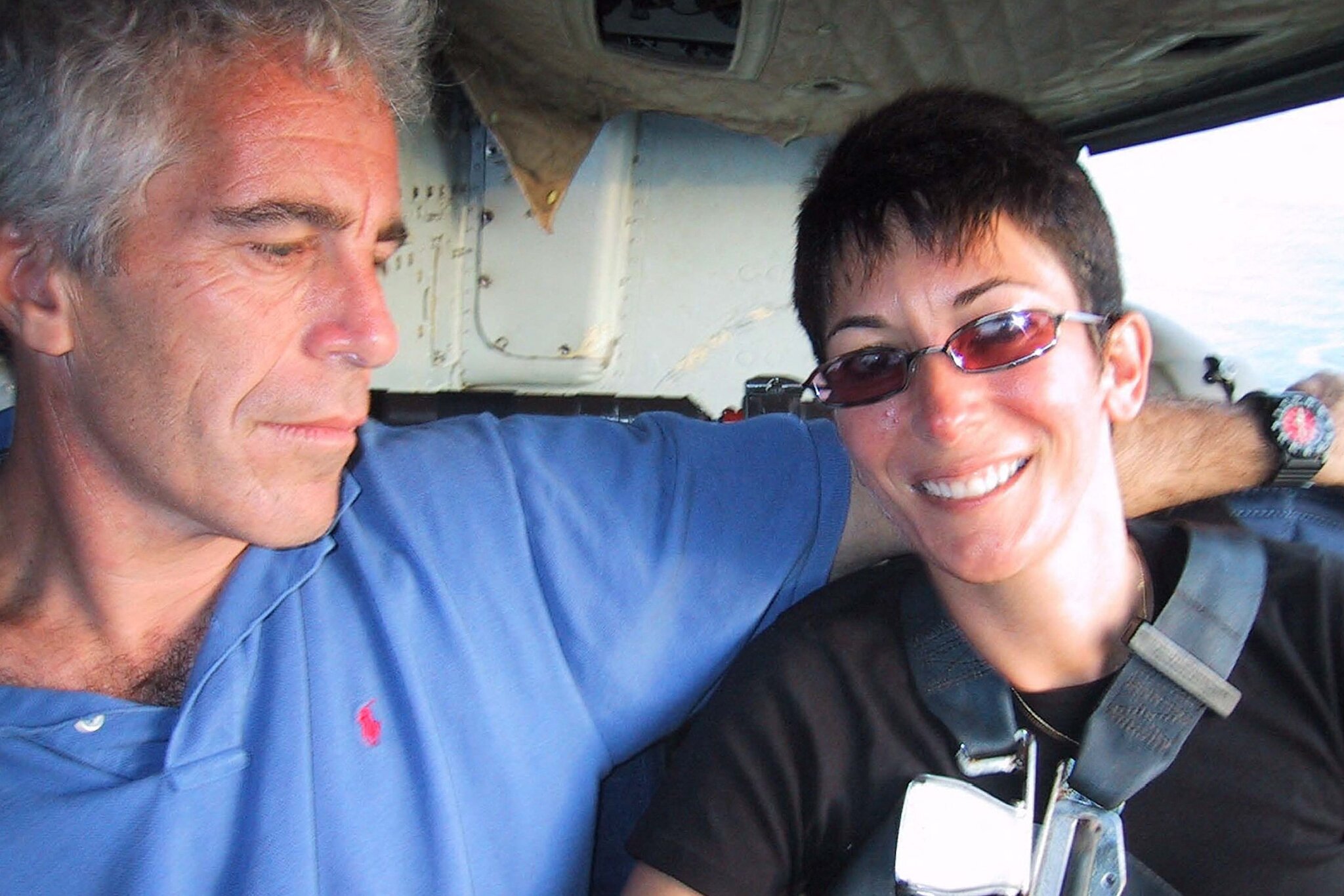
Ghislaine Maxwell, a British socialite and former associate of Jeffrey Epstein, was arrested on July 2, 2020, by the FBI in Bradford, New Hampshire, for her role in recruiting and groomin...
Explore event →
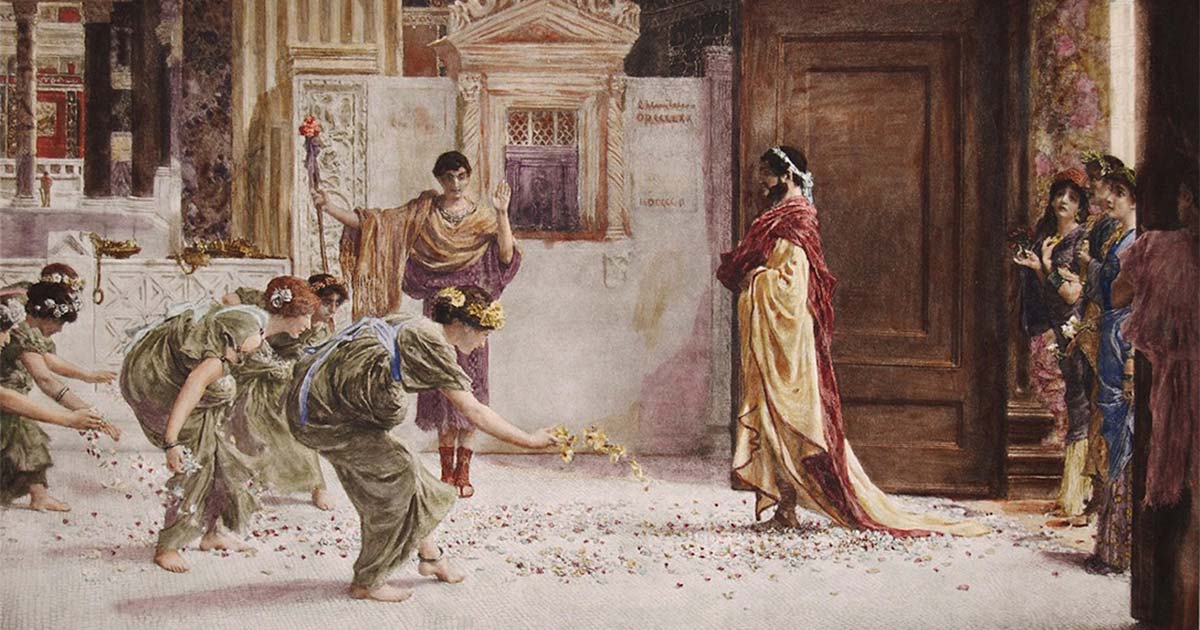
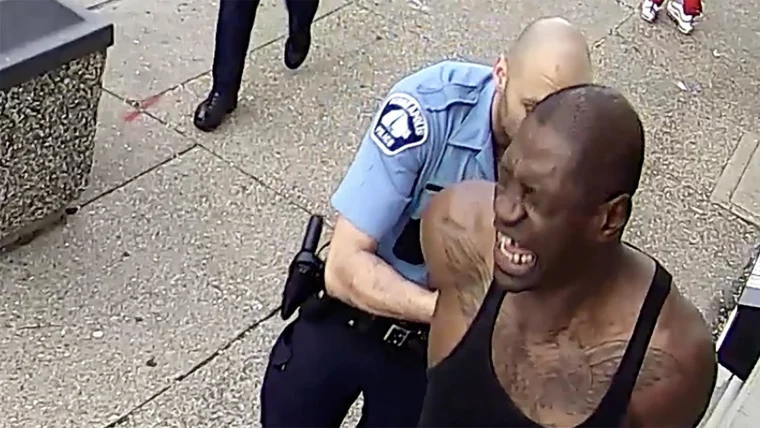
George Floyd was a 46-year-old Black American man who died on May 25, 2020, during an arrest by Minneapolis police officers after a store clerk reported that he may have used a counterfei...
Explore event →
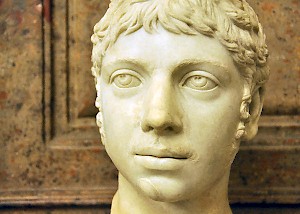
Harvey Weinstein, an American film producer and co-founder of Miramax and The Weinstein Company, was arrested on October 10, 2017, in New York following numerous allegations of sexual har...
Explore event →
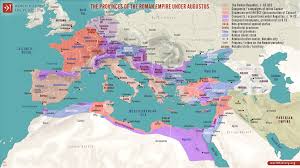
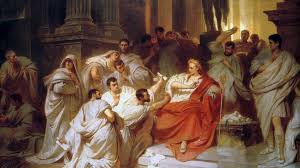
Augustus, the first Roman emperor, died in Nola after a reign that transformed the Roman Republic into the Roman Empire. His death marked the end of an era and initiated the succession of...
Explore event →
28 April 2009 — Albania formally submits its application for membership in the European Union, beginning a long process of institutional and legal reforms tied to accession.
Explore published research →
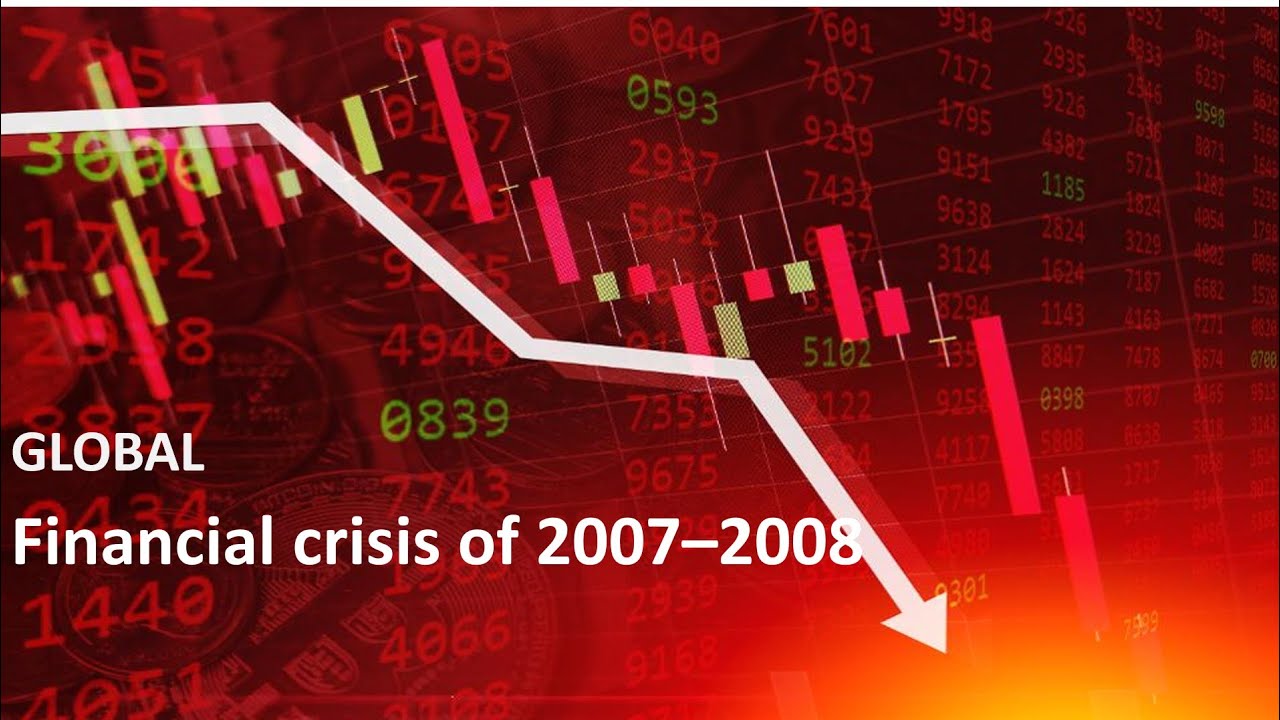
The Global Financial Crisis was triggered by the collapse of major financial institutions following widespread failures in mortgage-backed securities and excessive leverage within the ban...
Explore event →
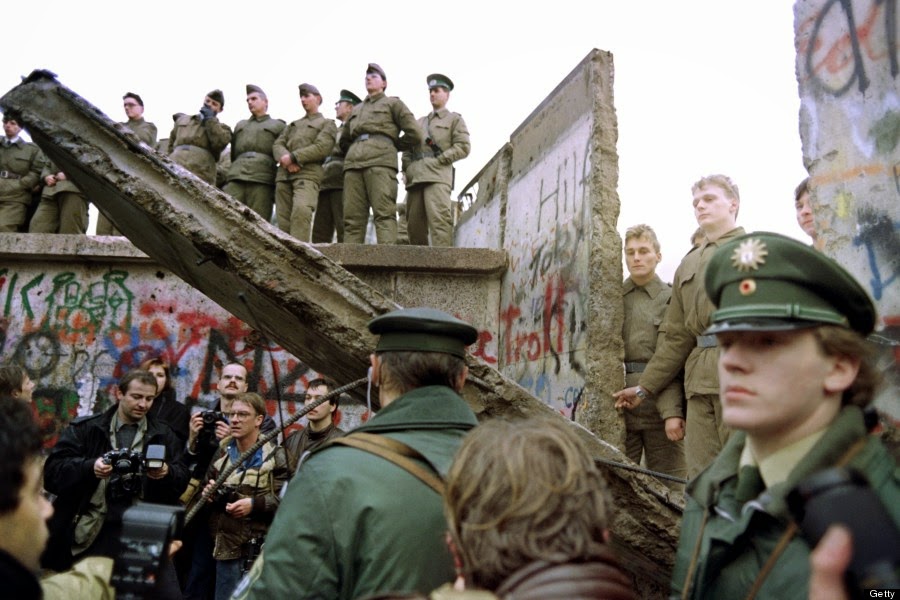
The Fall of the Berlin Wall on November 9, 1989, marked a pivotal moment in world history, symbolizing the collapse of the Cold War division between East and West Germany. The Berlin Wall...
Explore event →
11 April 1985 — Hoxha dies after more than four decades at the center of Albanian communist power. Ramiz Alia succeeds him and gradually introduces limited reforms as communist regimes ac...
Explore published research →
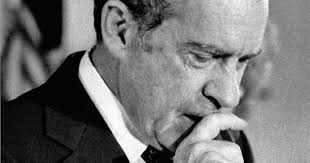
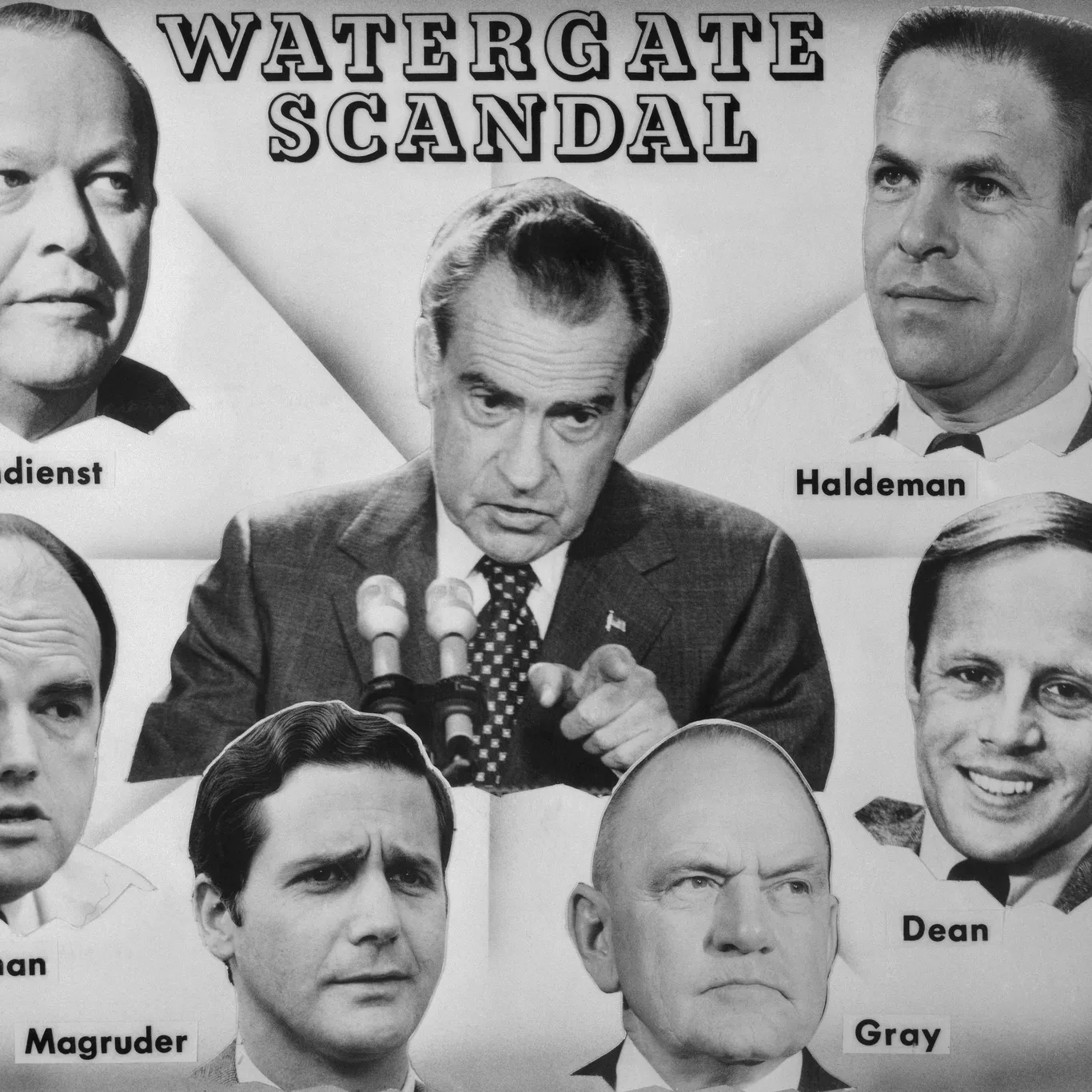
The Watergate Affair: Timeline, Operatives, And Unresolved Questions On June 17, 1972, five men were arrested inside the Democratic National Committee headquarters at the Watergate compl...
Explore event →
The Watergate Scandal From Break-In To Presidential Resignation On June 17, 1972, five men were arrested for breaking into the Democratic National Committee headquarters at the Watergate...
Explore event →
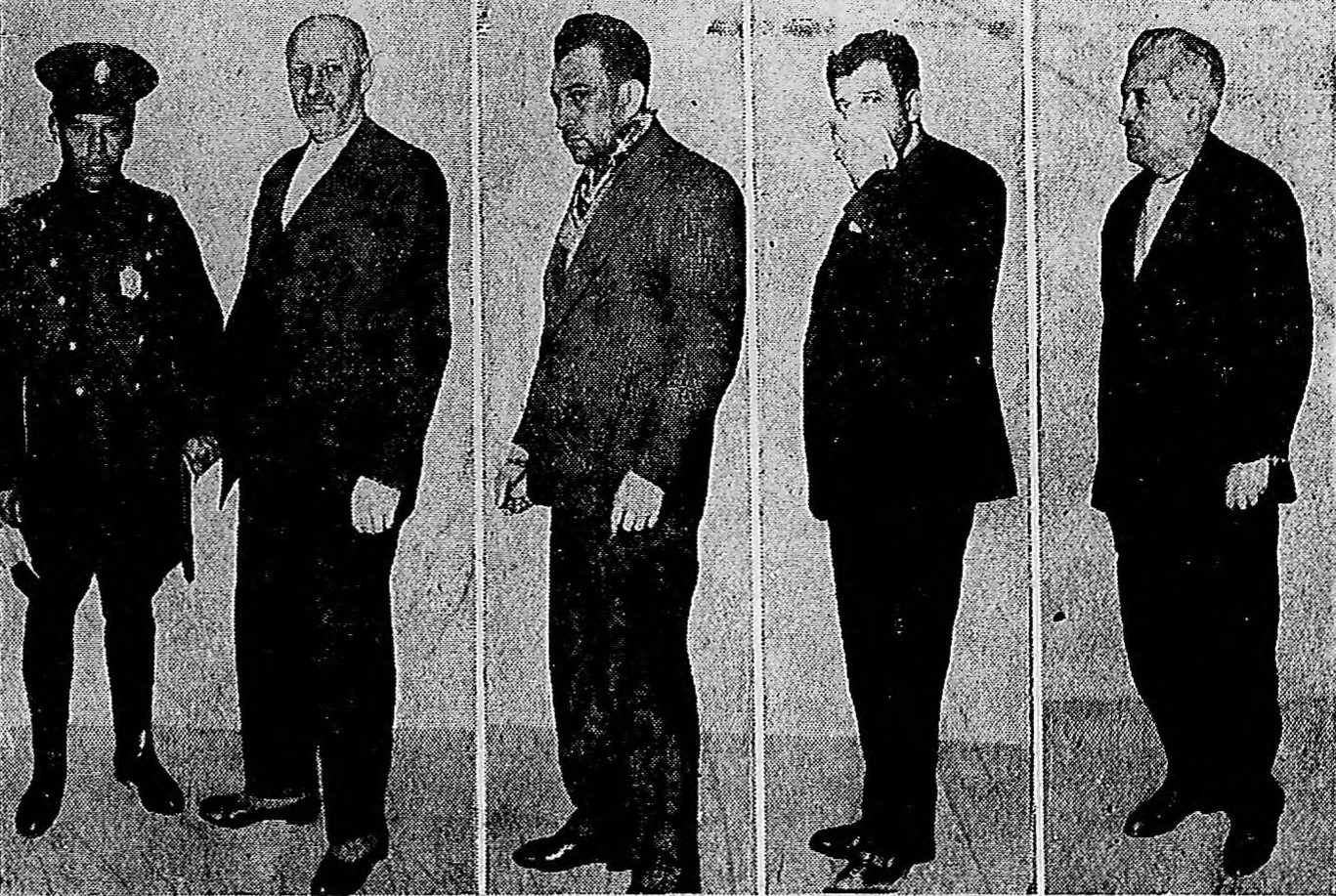
Zwi Migdal was a criminal organization formed by Jewish immigrants from Poland in the late 19th century. The group controlled extensive prostitution and human trafficking networks in Arge...
Explore event →
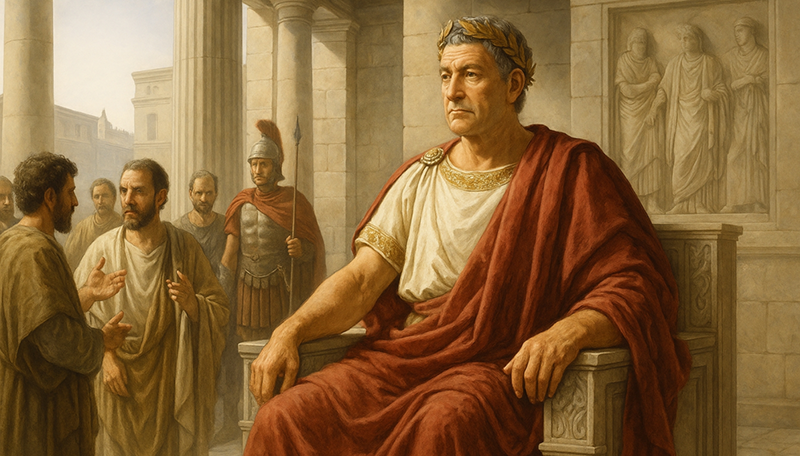
1913 – Foundations of the Modern World body { font-family: Arial, sans-serif; background-color: #f4f4f9; margin: 0; padding: 0; } .timeline-container { max-width: 900...
Explore event →
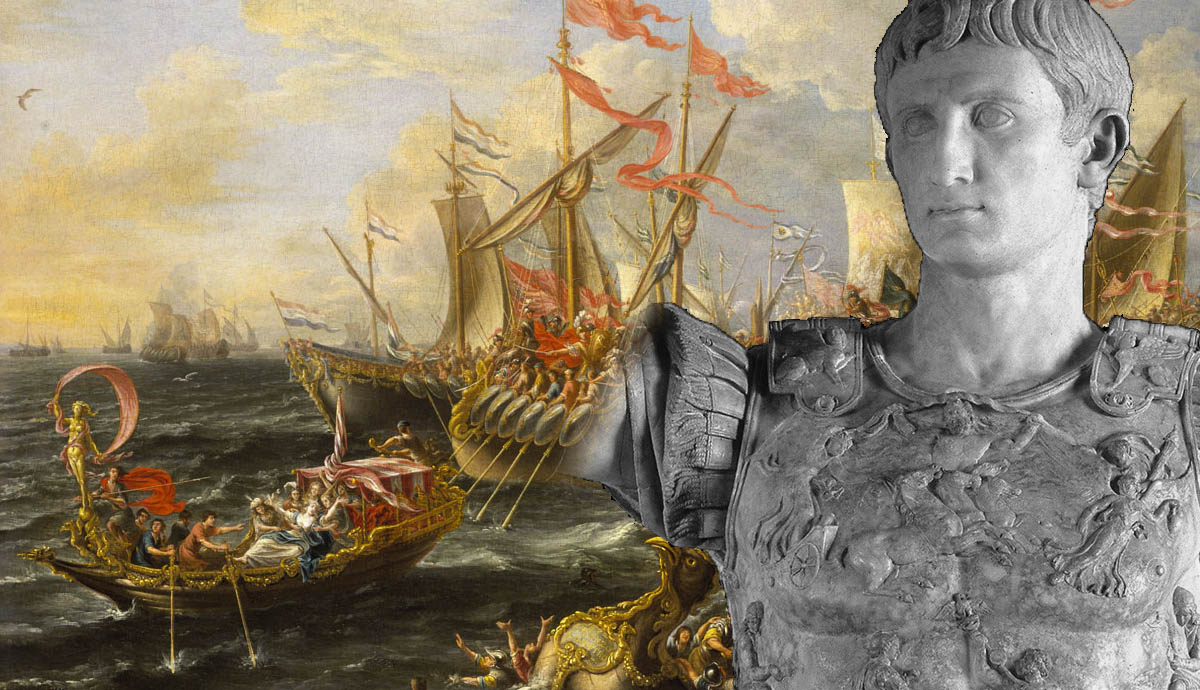
1912–1914 — Officials in Germany and Austria-Hungary increasingly fear that Russia and Serbia will become stronger with time. Railway construction, military reforms, population growth and...
Explore published research →
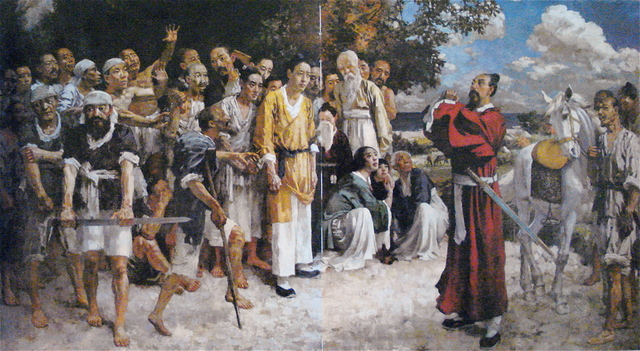
The Taiping Rebellion in China began under Hong Xiuquan, advocating radical social reforms and religious-inspired communal living, challenging the Qing dynasty.
Explore event →
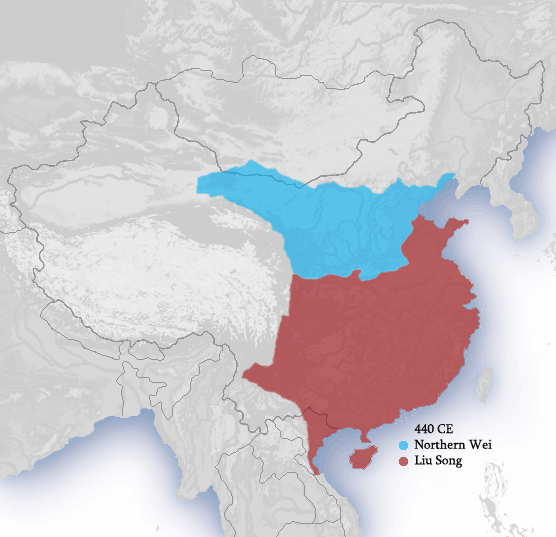
The Chen dynasty, ruling southern China, sought to stabilize its domain amid persistent threats from northern dynasties. Efforts to fortify its borders and consolidate power marked this p...
Explore event →
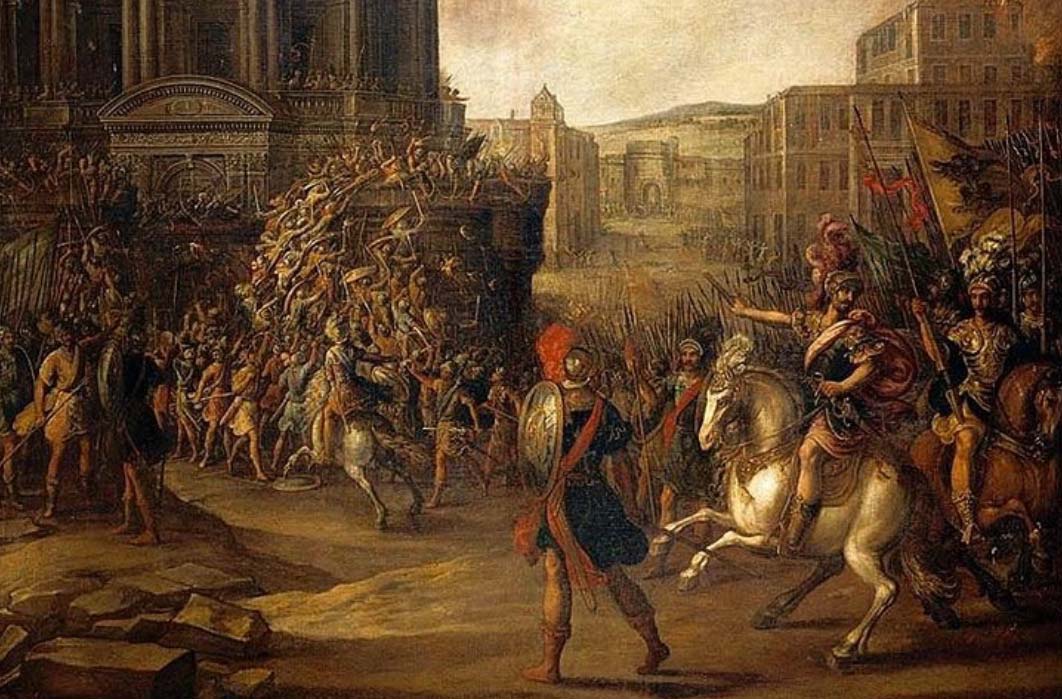
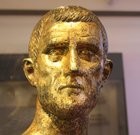
The Battle of the Margus was a significant confrontation between Emperor Carinus and his rival, Diocletian, near the Margus River in the Roman province of Moesia Superior. This battle mar...
Explore event →
Emperor Carinus was killed in battle against the forces loyal to his rival, Diocletian, near the Margus River. The conflict marked the end of Carinus's brief reign and a turning point in ...
Explore event →
Diocletian was proclaimed emperor by his troops in Nicomedia following the death of Emperor Carus. His rise marked the end of a period of civil wars and instability in the Roman Empire.Di...
Explore event →
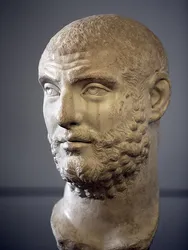
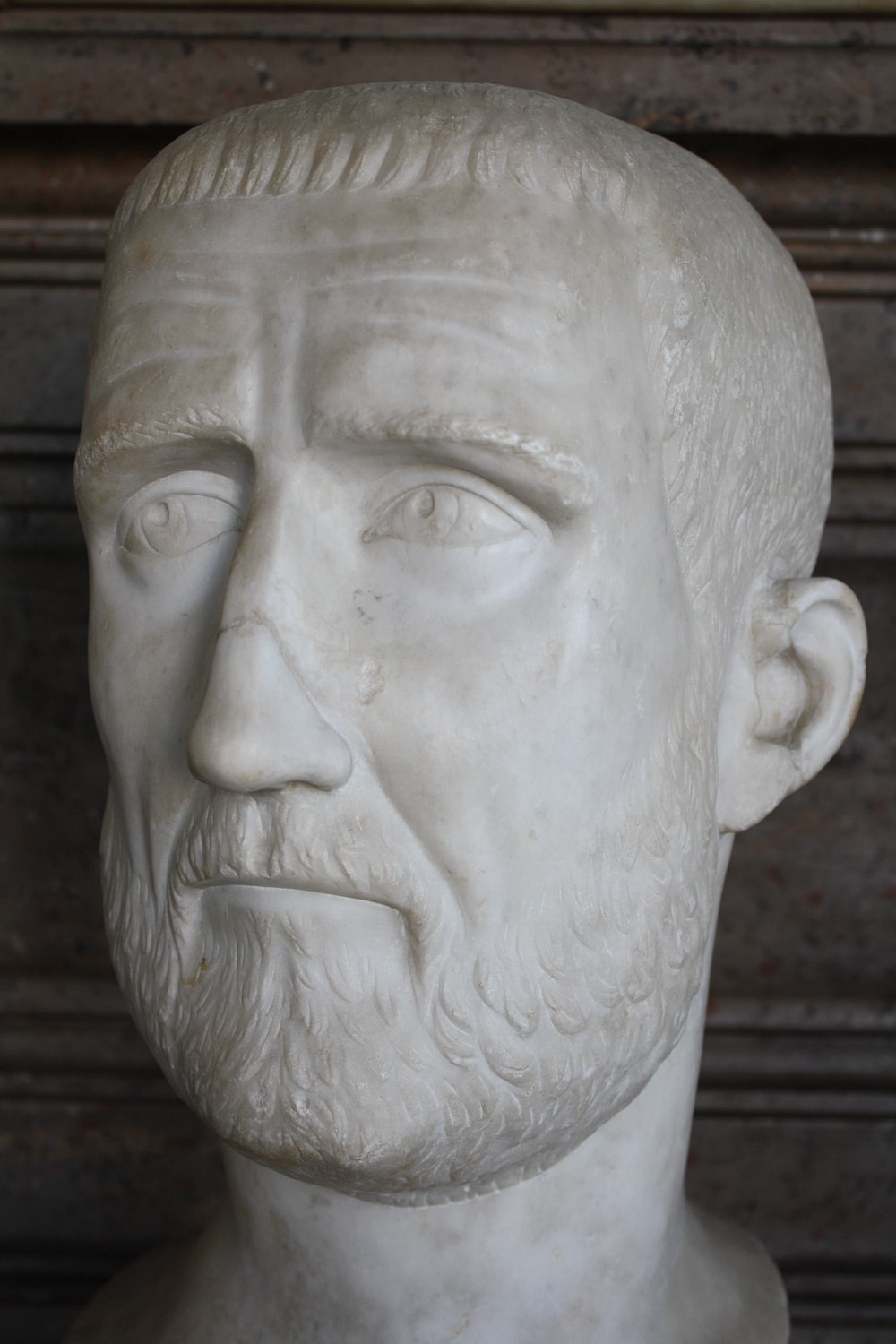
Marcus Aurelius Probus was proclaimed Roman Emperor by his troops in September 276 after the death of Emperor Florianus. His accession marked a period of efforts to restore stability with...
Explore event →
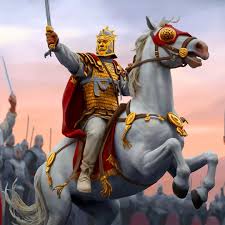
Emperor Aurelian successfully reunified the Roman Empire after a period of fragmentation and civil war. His military campaigns defeated breakaway states such as the Gallic Empire and the ...
Explore event →
Aurelian was proclaimed emperor by his troops following the death of Emperor Claudius Gothicus. His accession marked a significant turning point during the Crisis of the Third Century.He ...
Explore event →
Emperor Gallienus initiated a series of military reforms to address ongoing threats to the Roman Empire. These reforms aimed to improve the mobility and responsiveness of the Roman legion...
Explore event →
Gallienus became Roman Emperor following the assassination of his father, Valerian. His accession marked the beginning of a co-rule, where he shared power with his father before Valerian ...
Explore event →
Elagabalus, also known as Varius Avitus Bassianus, was proclaimed Roman Emperor upon the death of Caracalla’s successor during the Severan dynasty. His accession marked a period of signif...
Explore event →
Emperor Elagabalus began implementing religious reforms centered on the worship of the Syrian sun god Elagabal. He elevated this deity above the traditional Roman gods, disrupting long-es...
Explore event →
The Roman Empire undertook administrative changes in the province of Mesopotamia following its establishment as a distinct entity. These reforms aimed to consolidate control over the regi...
Explore event →
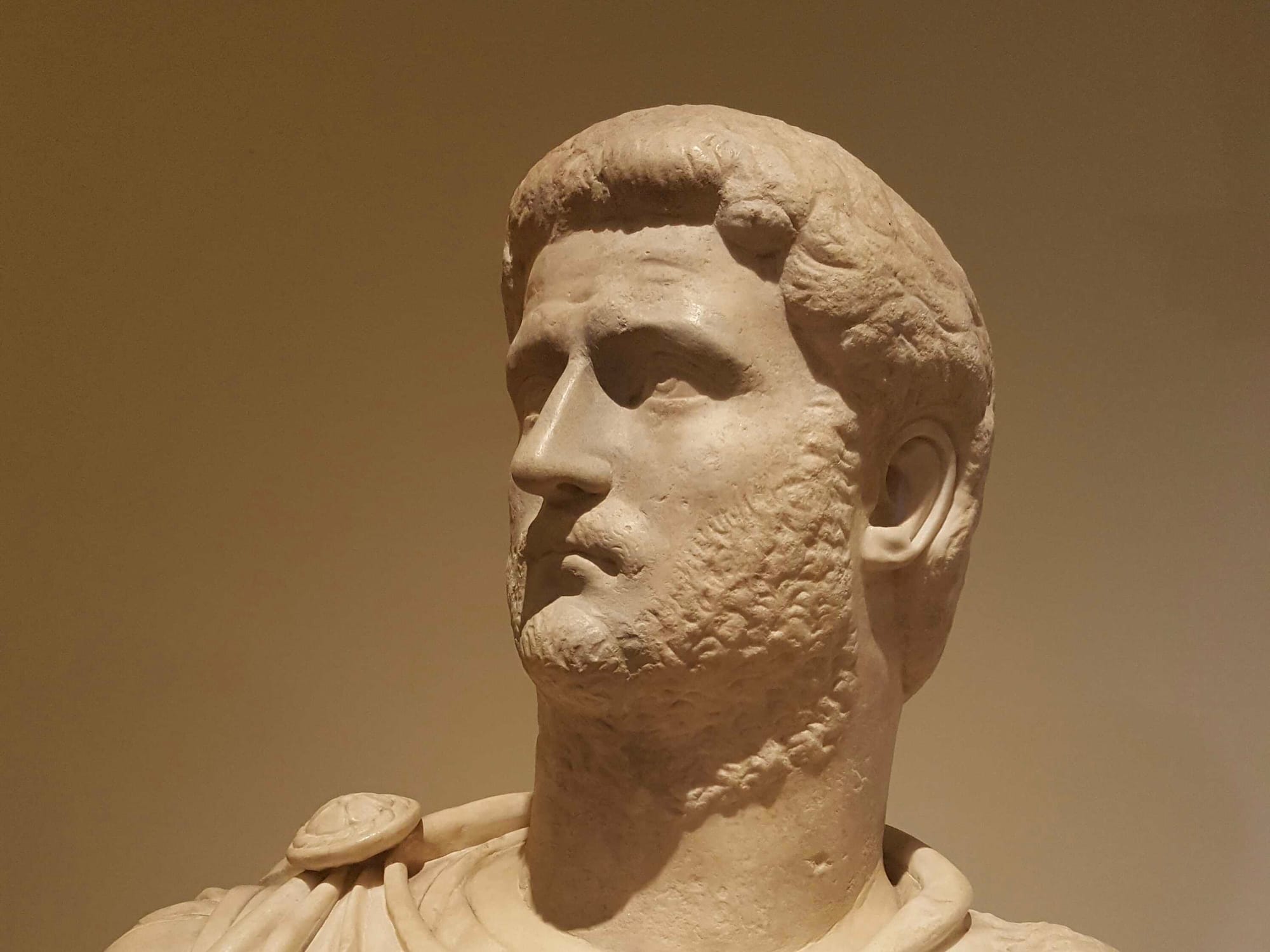
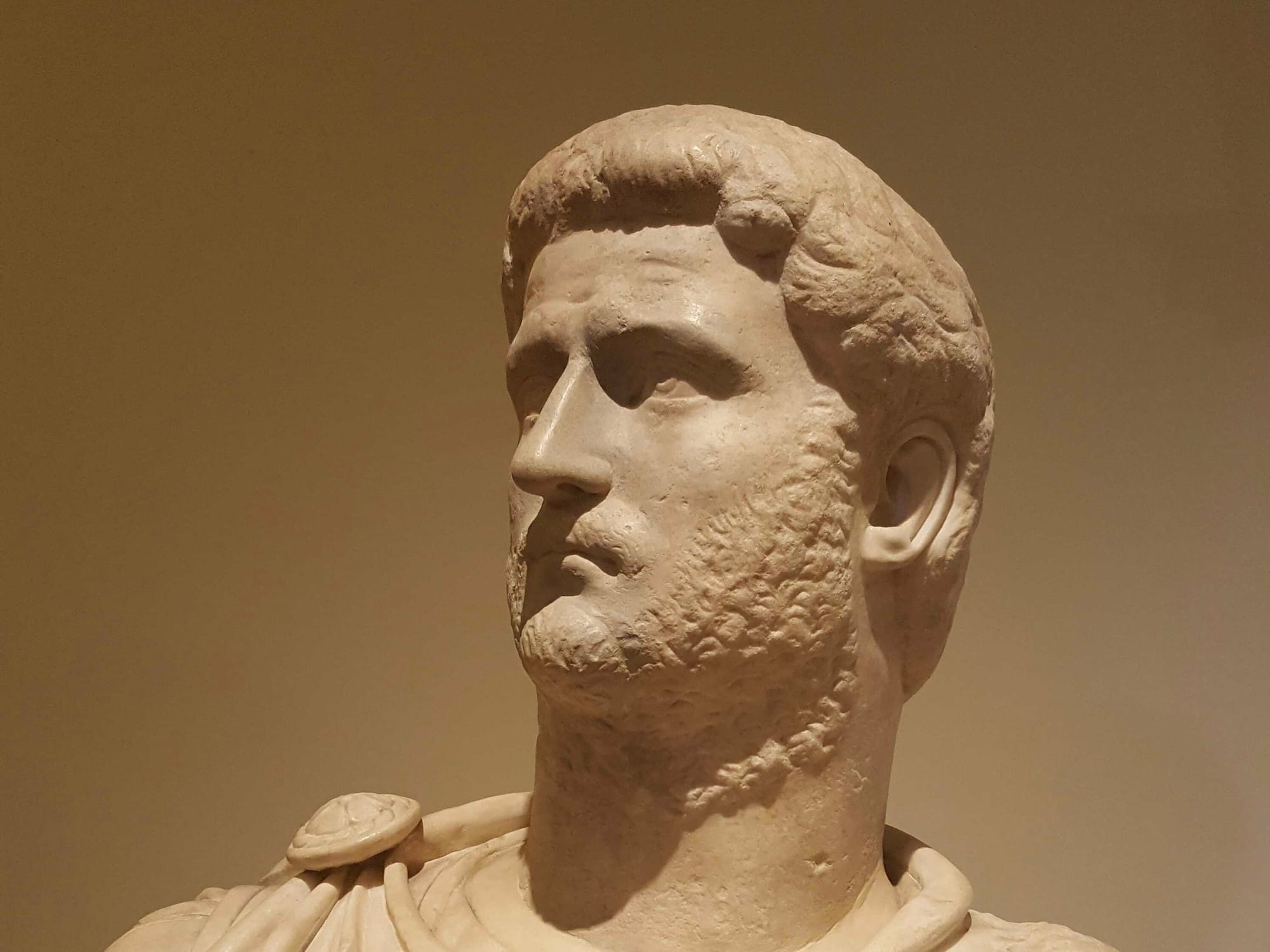
Antoninus Pius assumed the position of Roman Emperor following the death of Hadrian on August 11. He was appointed by the Senate and accepted by the army without opposition, securing a pe...
Explore event →
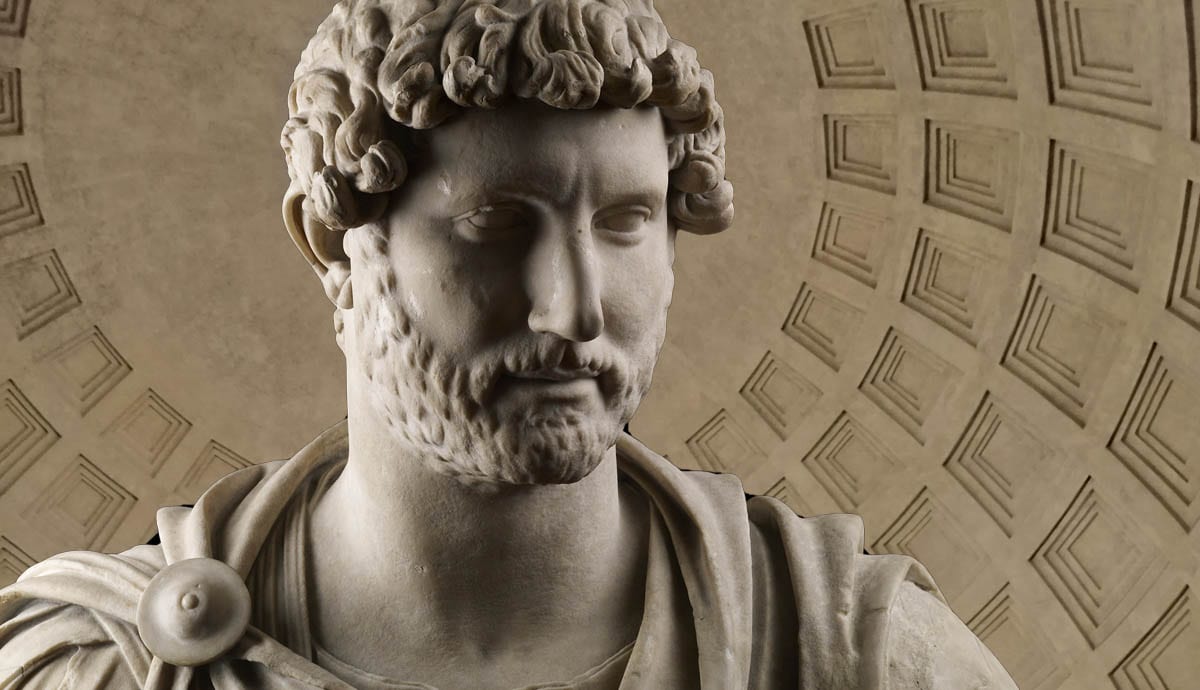
Hadrian was officially declared emperor following the death of his predecessor, Trajan, marking a significant transition in Roman imperial leadership. His accession was confirmed by the R...
Explore event →
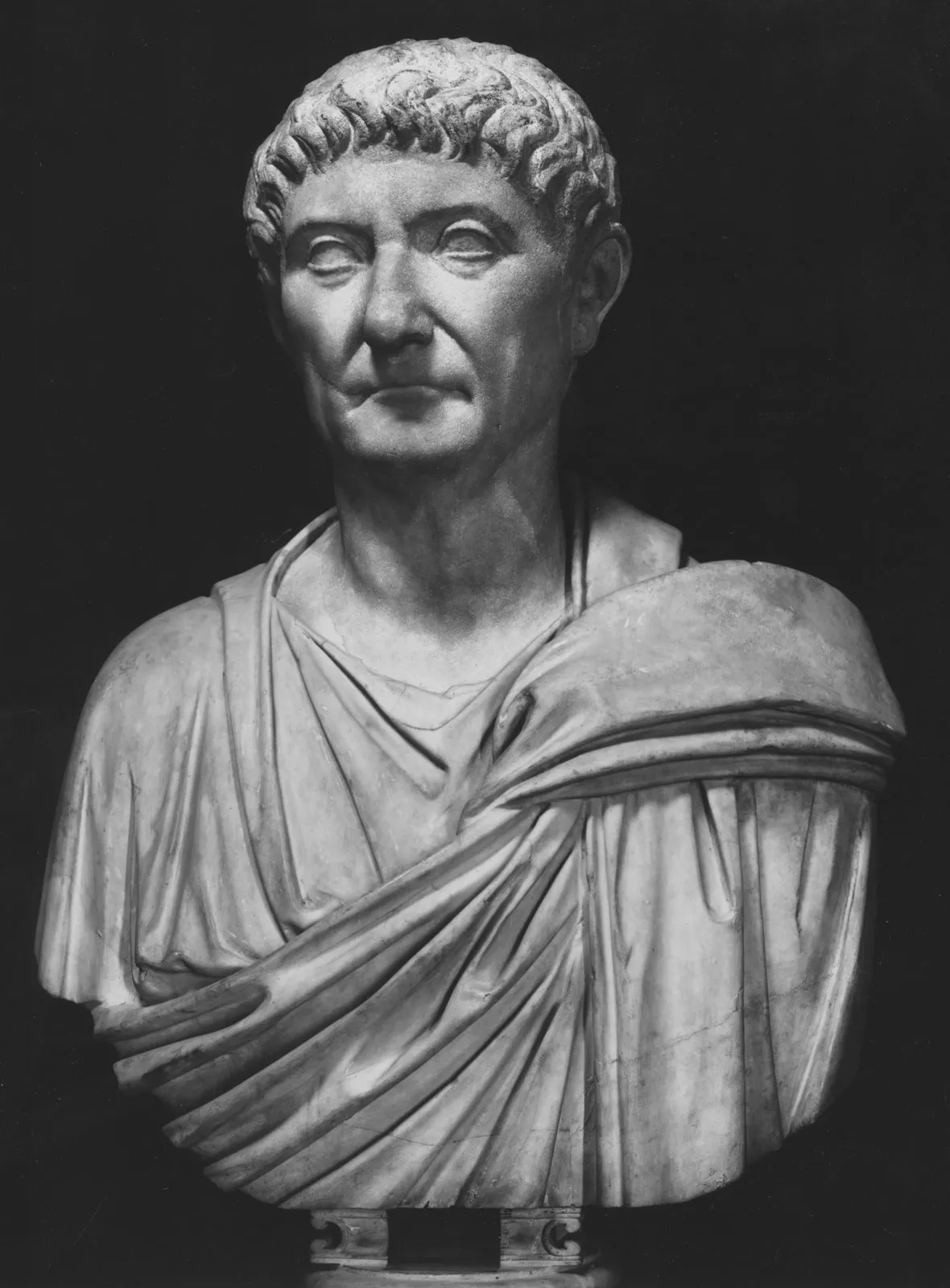
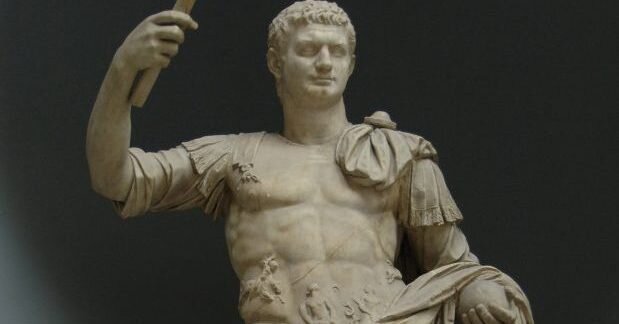
Following the death of Emperor Titus, Domitian, his younger brother, ascended to the throne of the Roman Empire. The accession occurred peacefully, marking the continuation of the Flavian...
Explore event →
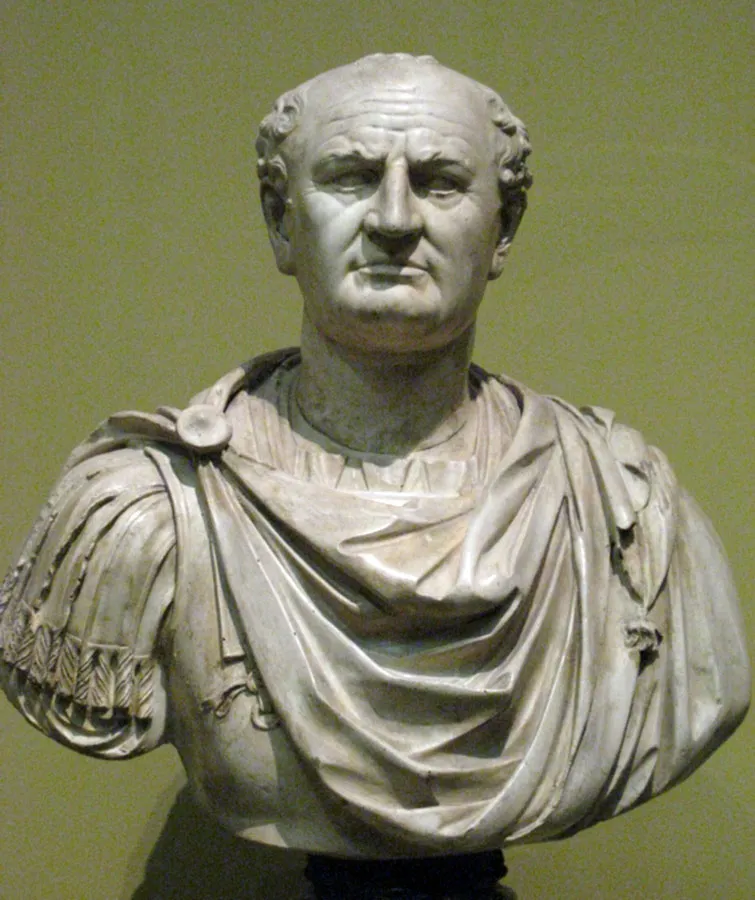
Following a year of civil war known as the Year of the Four Emperors, Vespasian emerged as the uncontested ruler of the Roman Empire. His rise marked the end of the Julio-Claudian dynasty...
Explore event →
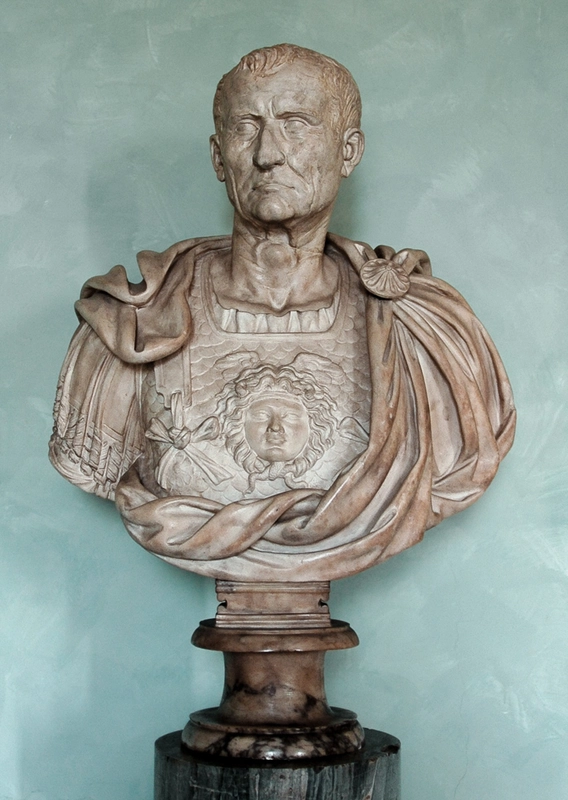
Galba was declared Roman Emperor following the assassination of Nero, marking the end of the Julio-Claudian dynasty. His accession was largely supported by the Senate and the Praetorian G...
Explore event →
Following the assassination of Emperor Caligula, Claudius was unexpectedly declared emperor by the Praetorian Guard. Despite initial hesitation by the Senate, his accession marked the con...
Explore event →
On January 16, the Roman Senate granted Octavian the title Augustus, marking his official accession as the sole ruler of Rome. This event symbolized the transition from the Roman Republic...
Explore event →
The Xin dynasty was established by Wang Mang, who usurped the throne from the Han dynasty. This marked a significant political shift in ancient China, interrupting the long-lasting Han ru...
Explore event →
508–507 BCE — Cleisthenes introduces reforms that become foundational to Athenian democracy.
Explore published research →
594 BCE — Solon introduces major political and social reforms in Athens.
Explore published research →