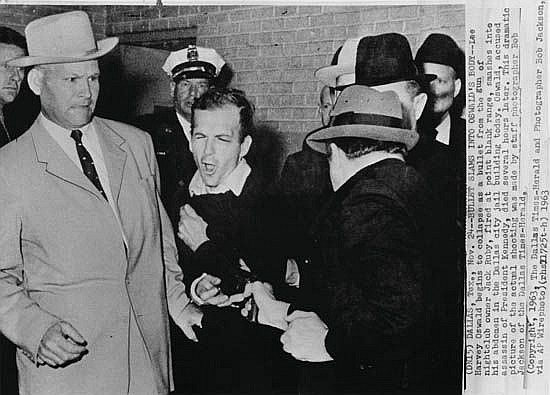
Jack Ruby Shoots Lee Harvey Oswald
On November 24, 1963, Jack Ruby, a Jewish-American nightclub owner in Dallas, Texas, shot and killed Lee Harvey Oswald, the accused assassin of U.S. President John F. ...
Explore event →History does not happen in isolation. Explore world events across time, follow the connections between them, and investigate the threads that reveal how one event can lead to another.
TheTimeMap currently follows events across 95 countries and 268 years of history — building a connected archive designed for people who want to look beyond the headline.
We oppose antisemitism, racism, and dehumanization — everywhere.
When people stop feeling, injustice becomes easy.
On November 24, 1963, Jack Ruby, a Jewish-American nightclub owner in Dallas, Texas, shot and killed Lee Harvey Oswald, the accused assassin of U.S. President John F. ...
Explore event →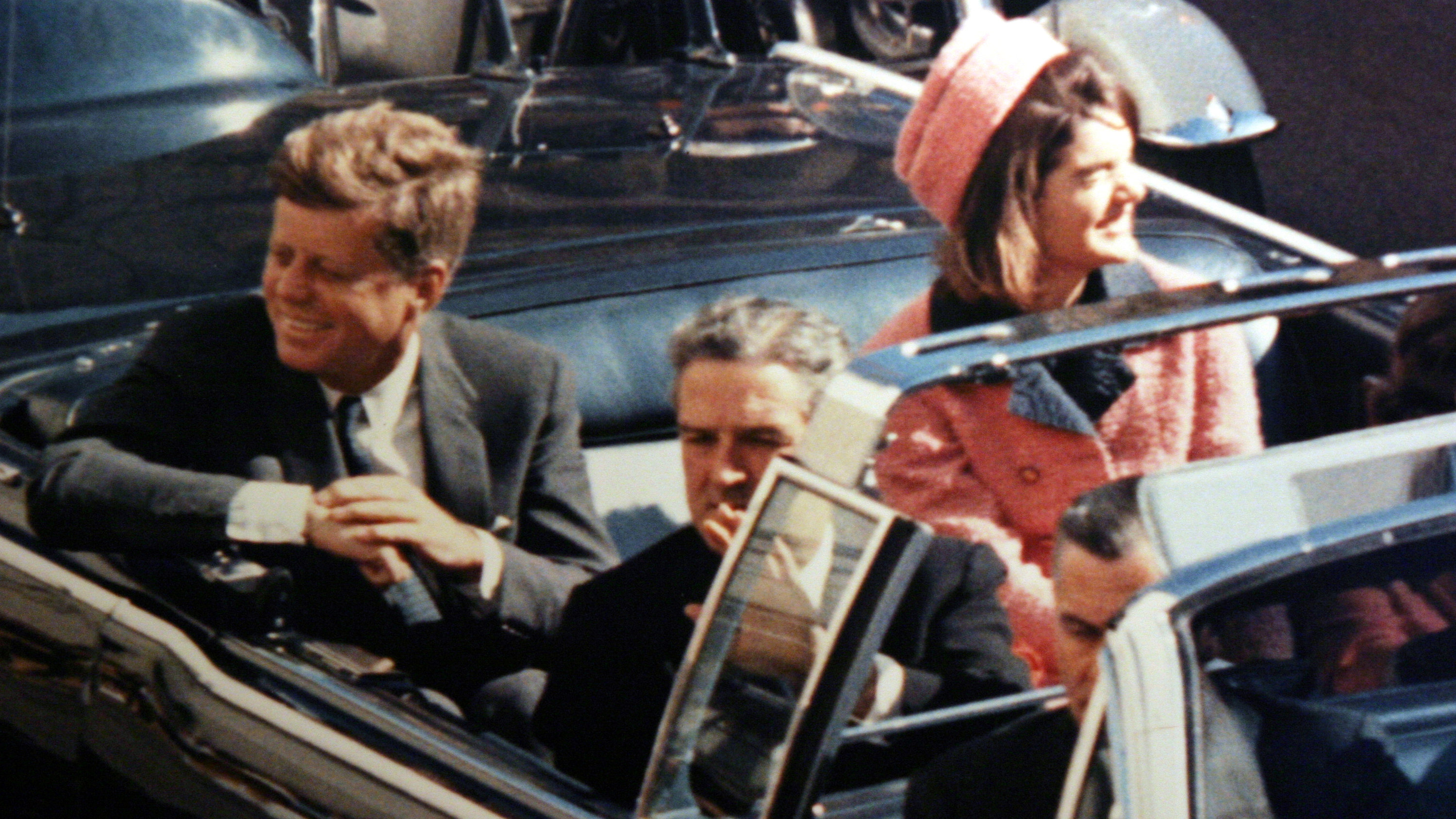
The assassination of John F. Kennedy, the 35th President of the United States, occurred on November 22, 1963, in Dallas, Texas. Kennedy was fatally shot while riding i...
Explore event →.jpg)
The Nakba refers to the mass displacement and dispossession of Palestinians that occurred between 1947 and 1949 during the collapse of the British Mandate for Palestin...
Explore event →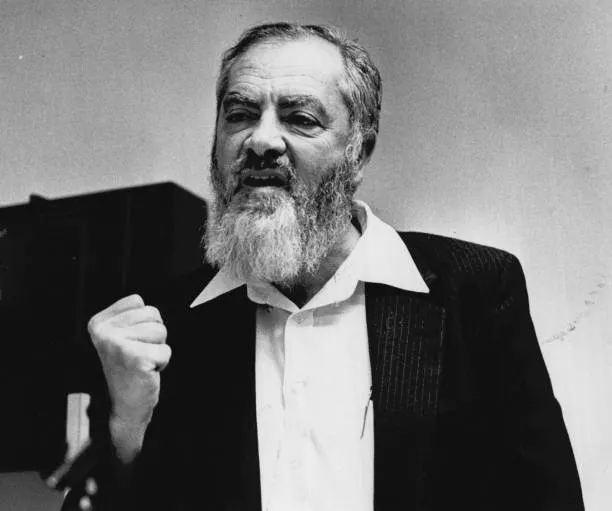
Meir David Kahane (August 4, 1932 – November 5, 1990) was an American-born Orthodox rabbi and political activist. He founded the Jewish Defense League (JDL) in 1968 to...
Explore event →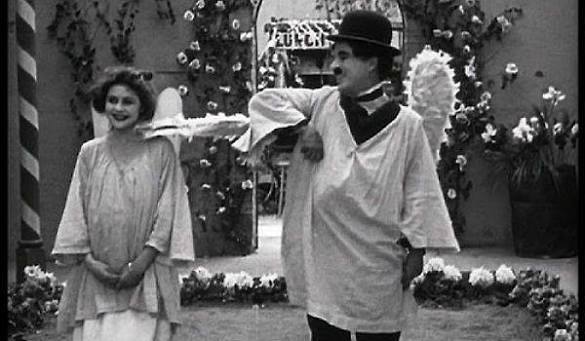
Charlie Chaplin married actress Lita Grey on November 25, 1924, in Empalme, Sonora, Mexico. Chaplin was 35 years old and Grey was 16. Their marriage followed a relatio...
Explore event →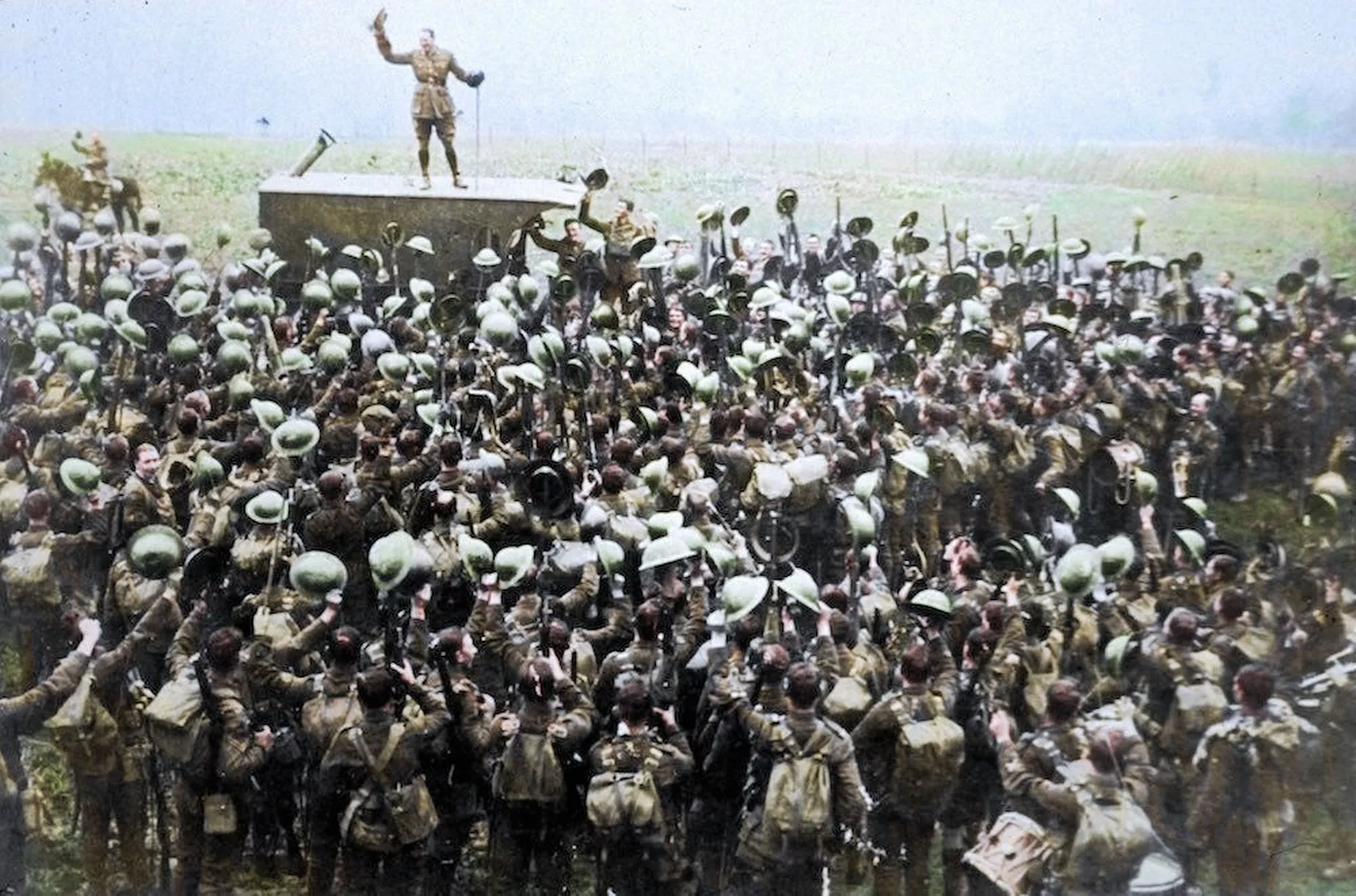
The armistice of November 11, 1918, marked the end of World War I. Germany agreed to cease hostilities with the Allies, bringing four years of devastating conflict to ...
Explore event →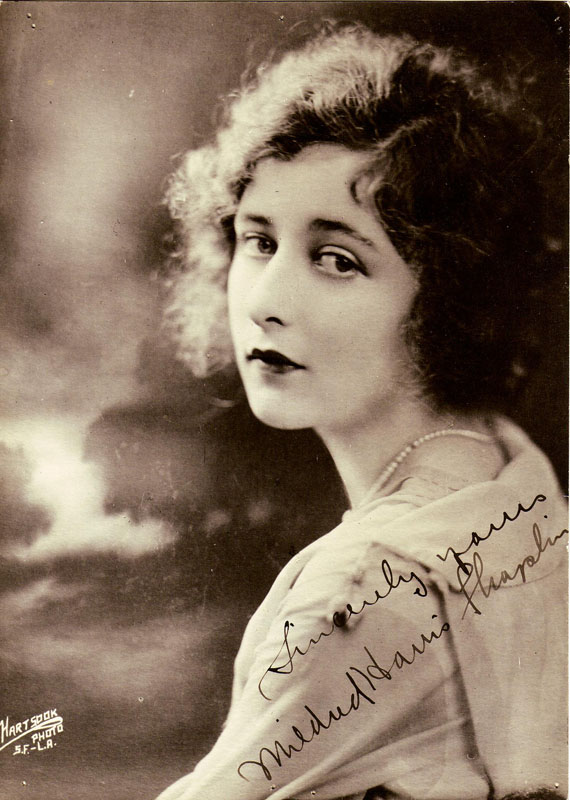
Charlie Chaplin married actress Mildred Harris on October 23, 1918, in Los Angeles. Chaplin was 29 years old and Harris was 16. Harris was already working as a film ac...
Explore event →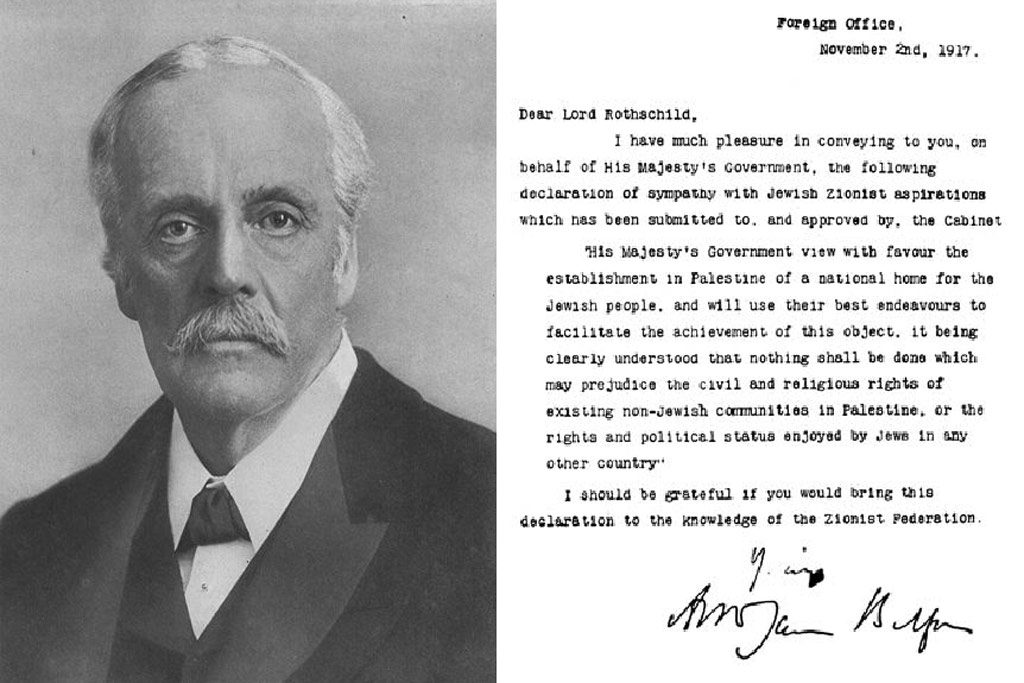
The Balfour Declaration was a public statement issued on November 2 1917 by the British government during World War I expressing support for the establishment of a nat...
Explore event →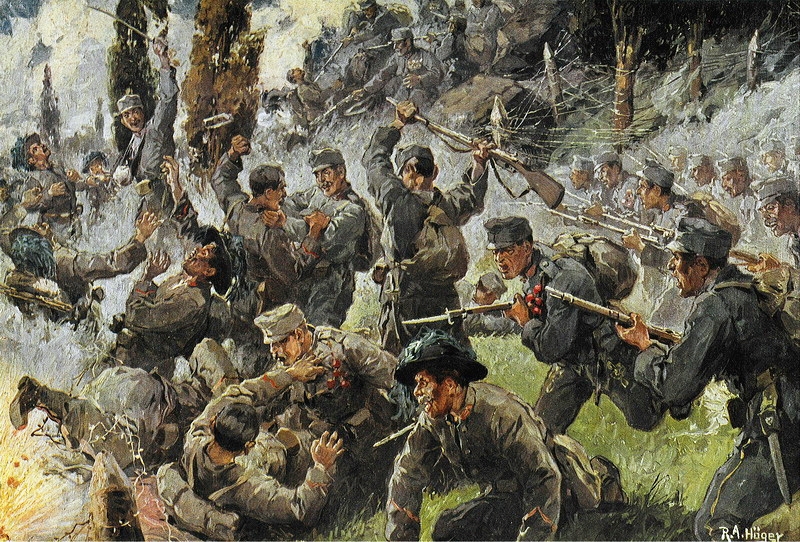
The Battles of the Isonzo were a series of twelve military engagements between the Kingdom of Italy and Austria-Hungary during World War I. They took place along the I...
Explore event →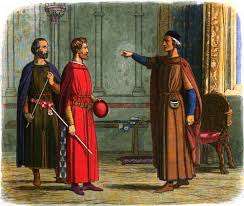
Expulsion of Jews from England On July 18, 1290, King Edward I issued the Edict of Expulsion, ordering all Jews to leave the Kingdom of England. The decree affected J...
Explore event →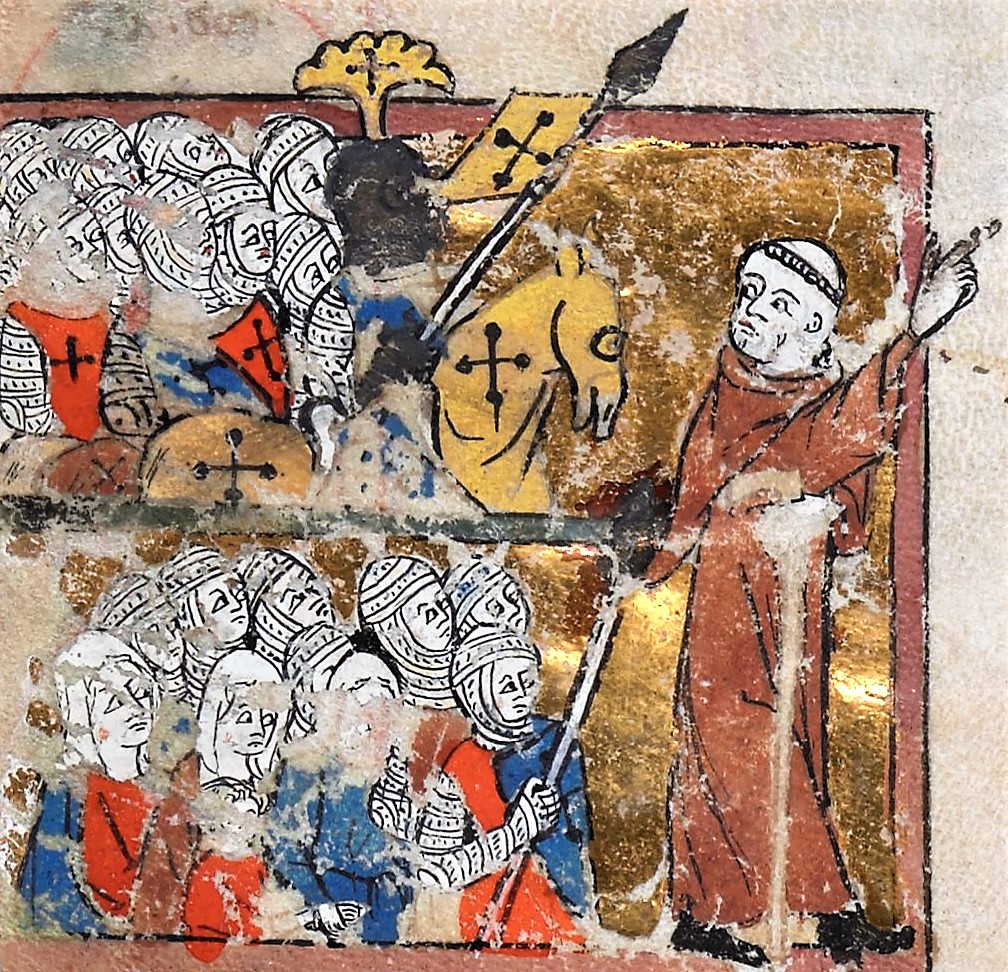
Origins And Objectives Of The Crusades The Crusades were a series of military campaigns initiated between 1095 and 1291, primarily aimed at capturing or def...
Explore event →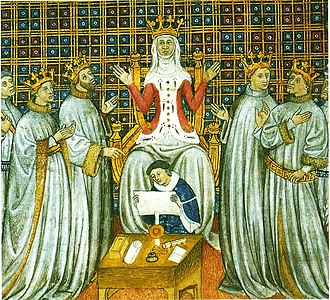
Clovis I, the first King of the Franks to unite all Frankish tribes under one ruler, died on November 27. His death marked a significant transition in early medieval E...
Explore event →
17 November 2025 — Albania opens the final accession negotiating cluster, bringing all negotiating chapters into the accession process.
Explore research
28 November 1998 — Albania adopts a new constitution after the instability of the early post-communist period. It establishes the fundamental institutional framework o...
Explore research
National Security Decision Memorandum 314 concerned U.S. population policy following the NSSM 200 study. President Gerald Ford approved the associated policy decision ...
Explore research
26 July–7 November 1956 — Nasser nationalizes the Suez Canal Company after Western governments withdraw support for the Aswan High Dam. Britain, France and Israel secr...
Explore research
29 November 1944 — German forces have withdrawn and the communist-led National Liberation Movement controls the country. Rival political organizations are rapidly excl...
Explore research
8 November 1941 — Several Albanian communist groups unite to establish the Communist Party of Albania. Enver Hoxha soon becomes its dominant political figure.
Explore research
3 November 1918 — Sailors at Kiel revolt after naval leaders attempt to send the fleet into a final battle. The mutiny spreads into a wider revolutionary movement as w...
Explore research
August–November 1918 — Germany and its allies face military retreat, shortages, exhaustion and growing political instability. Bulgaria, the Ottoman Empire and Austria-...
Explore research
July–November 1918 — Allied forces increasingly coordinate artillery, infantry, tanks, aircraft, communications and logistics. Strategic coordination also improves und...
Explore research
November 1917–March 1918 — Lenin argues that the revolutionary government cannot survive while Russia remains in the war. Other Bolsheviks object to Germany's extreme ...
Explore research
6 April 1917–11 November 1918 — The United States begins converting its enormous economy and population into military power. Millions of men enter the draft system whi...
Explore research
1 February 1917–11 November 1918 — German submarines attack merchant shipping in an attempt to reduce British imports below sustainable levels. Early shipping losses a...
Explore research
September–November 1914 — After the Marne, both sides repeatedly attempt to turn the other's flank. The maneuvering eventually reaches the North Sea and creates a larg...
Explore research
28 November 1912 — Delegates meeting at Vlorë proclaim Albania independent from the Ottoman Empire during the First Balkan War. Ismail Qemali leads the provisional gov...
Explore research
14–22 November 1908 — Albanian intellectuals and representatives gather at Manastir, modern Bitola, to address competing Albanian alphabets. The congress favors a Lati...
Explore research
17 November 1869 — The Suez Canal officially opens, connecting the Mediterranean and Red Seas without requiring ships to sail around Africa. The canal transforms globa...
Explore research
19 November 1942 — Vasilevsky plays a central role in Soviet strategic planning for Operation Uranus and later major offensives. His work illustrates the increasingly ...
Explore research
25 November 1936 — Germany and Japan sign an agreement publicly directed against the Communist International. Italy joins the following year. The pact reflects growing...
Explore research
11 November 1918 — German representatives sign the armistice at Compiègne. Fighting ends on the Western Front at 11:00 a.m. Germany accepts evacuation requirements and...
Explore research
November 1973 — Student resistance becomes a major symbol of opposition to the dictatorship.
Explore research
23 August 1942 — German forces begin the major assault phase against Stalingrad while the wider German campaign pushes toward oil resources in the Caucasus. Fighting i...
Explore research
8 November 1923 — Adolf Hitler and the Nazi Party attempt to seize power in Bavaria and march on Berlin. The putsch collapses after police confront the conspirators in...
Explore research
7 November 1917 — Bolshevik forces overthrow Russia's Provisional Government in Petrograd. Vladimir Lenin's movement has promised peace, land and political transfer to...
Explore research
18 November 1935 — League of Nations sanctions against Italy enter into force after Mussolini's invasion of Ethiopia. The measures exclude crucial materials such as oi...
Explore research