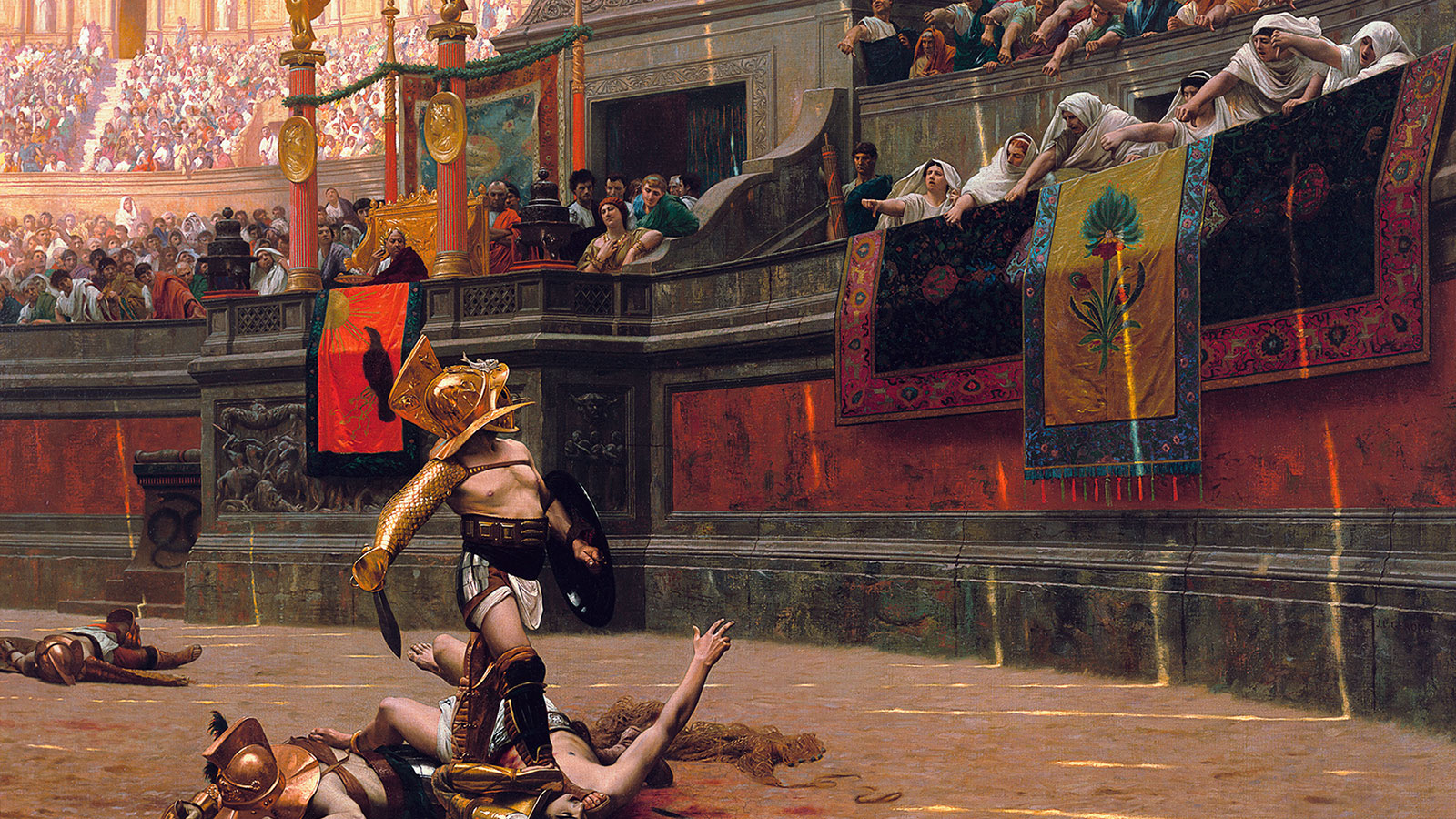
Commodus' Gladiatorial Combat in Rome
Emperor Commodus, known for his unconventional rule, famously participated in gladiatorial combats in Rome. Unlike previous emperors, he openly fought as a gladiator, ...
Explore event →History does not happen in isolation. Explore world events across time, follow the connections between them, and investigate the threads that reveal how one event can lead to another.
TheTimeMap currently follows events across 95 countries and 268 years of history — building a connected archive designed for people who want to look beyond the headline.
We oppose antisemitism, racism, and dehumanization — everywhere.
When people stop feeling, injustice becomes easy.
Emperor Commodus, known for his unconventional rule, famously participated in gladiatorial combats in Rome. Unlike previous emperors, he openly fought as a gladiator, ...
Explore event →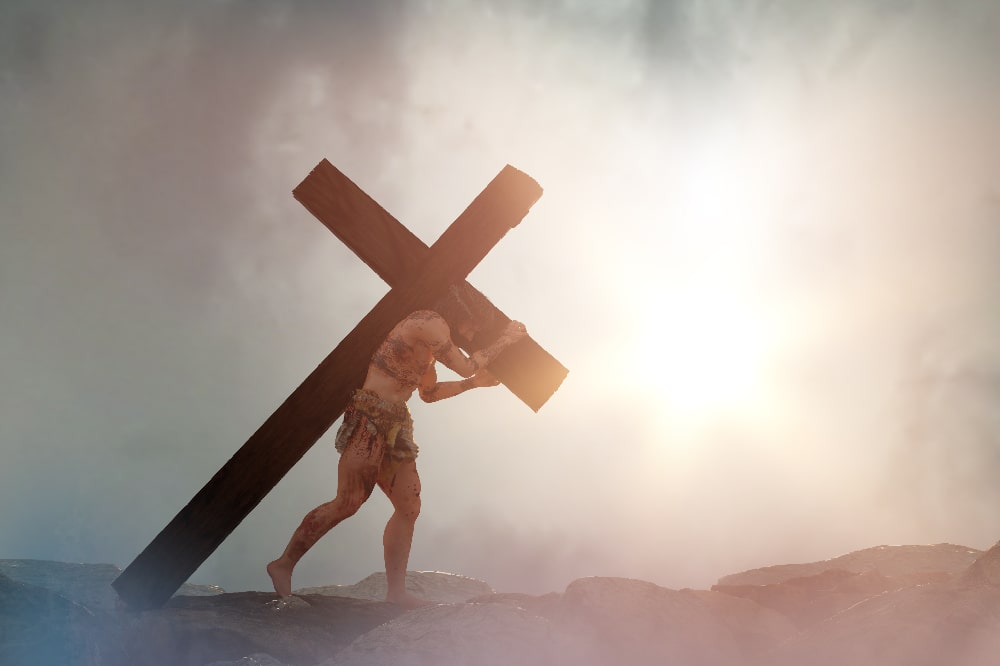
Jesus of Nazareth was executed by crucifixion under Roman governor Pontius Pilate in Jerusalem, during the period of Roman occupation of Judea. The event is documented...
Explore event →
3 July 2013 — Following enormous demonstrations against President Morsi, the Egyptian military removes him from office and suspends the constitution. Supporters descri...
Explore research
January–August 1997 — The collapse of enormous fraudulent investment schemes wipes out the savings of hundreds of thousands of Albanians. Armed rebellion spreads, mili...
Explore research
26 July–7 November 1956 — Nasser nationalizes the Suez Canal Company after Western governments withdraw support for the Aswan High Dam. Britain, France and Israel secr...
Explore research
January–June 1919 — Allied leaders negotiate borders, reparations, military restrictions, mandates and a new international organization. Wilson's language of self-dete...
Explore research
6 April 1917–11 November 1918 — The United States begins converting its enormous economy and population into military power. Millions of men enter the draft system whi...
Explore research
1 July 1916 — British and French forces open the Somme offensive after an enormous artillery preparation. The first day becomes the bloodiest single day in British mil...
Explore research
21 February 1916 — Germany launches a major offensive against the fortified Verdun region. French forces commit enormous manpower and artillery to prevent the fortress...
Explore research
September–November 1914 — After the Marne, both sides repeatedly attempt to turn the other's flank. The maneuvering eventually reaches the North Sea and creates a larg...
Explore research
28 July–4 August 1914 — European armies activate enormous prearranged railway timetables to mobilize millions of soldiers. Military planners argue that delaying mobili...
Explore research
1914–1917 Allied purchasing and finance role — J.P. Morgan & Co. becomes a major financial and purchasing intermediary for Britain and France in the United States duri...
Explore research
1914–1918 wartime production — Krupp is one of Germany's most important heavy industrial and armaments firms. The company supplies artillery, steel products and other ...
Explore research
1914–1918 wartime production — British engineering and armaments company Vickers becomes an important supplier of guns, ammunition, ships and other military equipment ...
Explore research
1914–1918 — Armaments companies, explosives producers and other industrial suppliers receive enormous wartime orders. Some businesses benefit heavily while others suff...
Explore research
17 November 1869 — The Suez Canal officially opens, connecting the Mediterranean and Red Seas without requiring ships to sail around Africa. The canal transforms globa...
Explore research
18 October 1081 — Norman forces under Robert Guiscard defeat the Byzantine army of Emperor Alexios I Komnenos outside Dyrrhachium. The battle shows the Adriatic city's...
Explore research
969 CE — Fatimid forces establish al-Qahira, Cairo, as a new royal and military city. The settlement grows beside older Fustat and eventually absorbs it into an enormo...
Explore research
30 BCE — Octavian captures Alexandria after the deaths of Antony and Cleopatra. Egypt becomes a Roman province under unusually close imperial supervision because of it...
Explore research
c. 1479–1425 BCE — Thutmose III initially shares the throne during Hatshepsut's rule and later becomes one of Egypt's most successful military pharaohs. Repeated campa...
Explore research
c. 1550–1070 BCE — Egypt becomes one of the great imperial powers of the Late Bronze Age. Pharaohs campaign into Nubia and the Levant while wealth flows into enormous ...
Explore research
c. 2650 BCE — Djoser's Step Pyramid complex represents a revolutionary leap in monumental stone architecture. Traditionally associated with the official Imhotep, the p...
Explore research
c. 2667–2648 BCE — Djoser rules during Egypt's Third Dynasty and is associated with one of the greatest architectural transformations in ancient history. His funerary ...
Explore research
16 January 1942 — Roosevelt creates the War Production Board to coordinate conversion of the American economy to wartime needs. Automobile plants, steel mills, aircraf...
Explore research
27 January 1945 — Soviet troops reach the Auschwitz concentration and extermination complex in occupied Poland. They find thousands of surviving prisoners and extensiv...
Explore research
23 August 1941 — German forces intensify operations that culminate in one of the largest encirclements in military history around Kyiv. Hitler diverts armored forces s...
Explore research