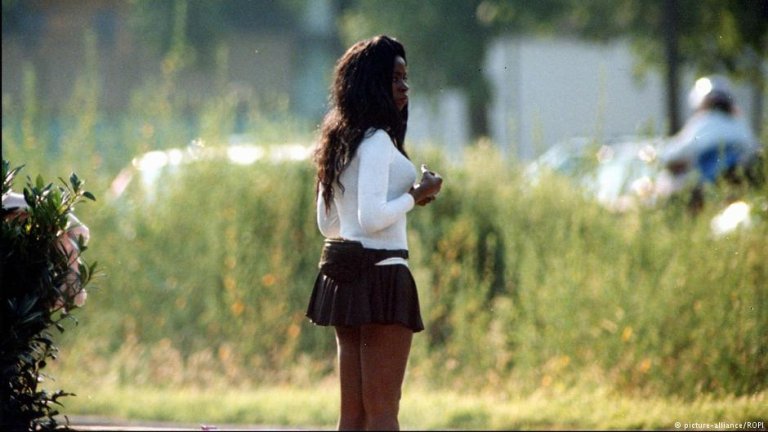
Israel uncovers trafficking network
Israeli authorities have investigated and prosecuted international human trafficking networks involving the recruitment of women from Brazil for sexual exploitation in...
Explore event →History does not happen in isolation. Explore world events across time, follow the connections between them, and investigate the threads that reveal how one event can lead to another.
TheTimeMap currently follows events across 95 countries and 268 years of history — building a connected archive designed for people who want to look beyond the headline.
We oppose antisemitism, racism, and dehumanization — everywhere.
When people stop feeling, injustice becomes easy.
Israeli authorities have investigated and prosecuted international human trafficking networks involving the recruitment of women from Brazil for sexual exploitation in...
Explore event →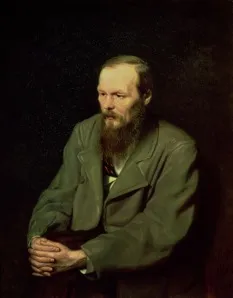
Fyodor Mikhailovich Dostoevsky (1821–1881) wrote several works in which some passages explicitly mention Jewish people. Below are exact original Russian excerpts from ...
Explore event →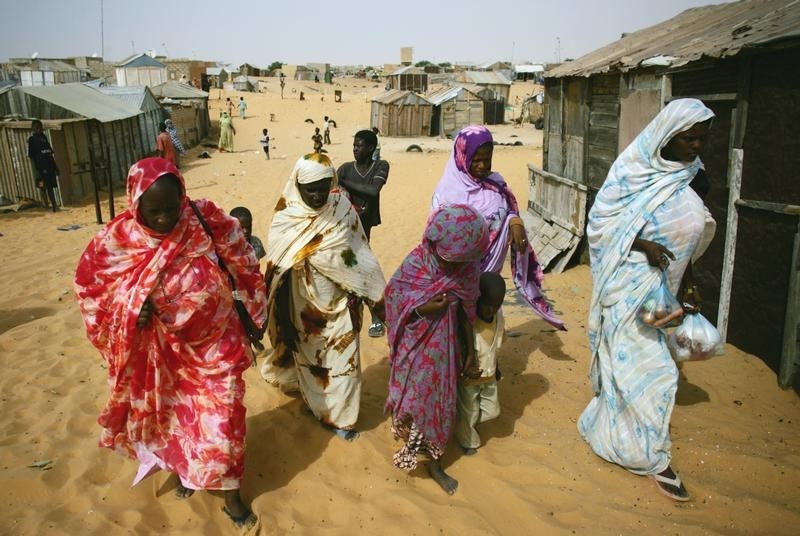
Mauritania was the last country in the world to abolish slavery, formally ending it by presidential decree in 1981 and later passing a law in 2007 that criminalized sl...
Explore event →
Connected vehicles collect driver data as israeli firms expand automotive surveillance technology Modern vehicles equipped with internet connectivity, cameras, sensor...
Explore event →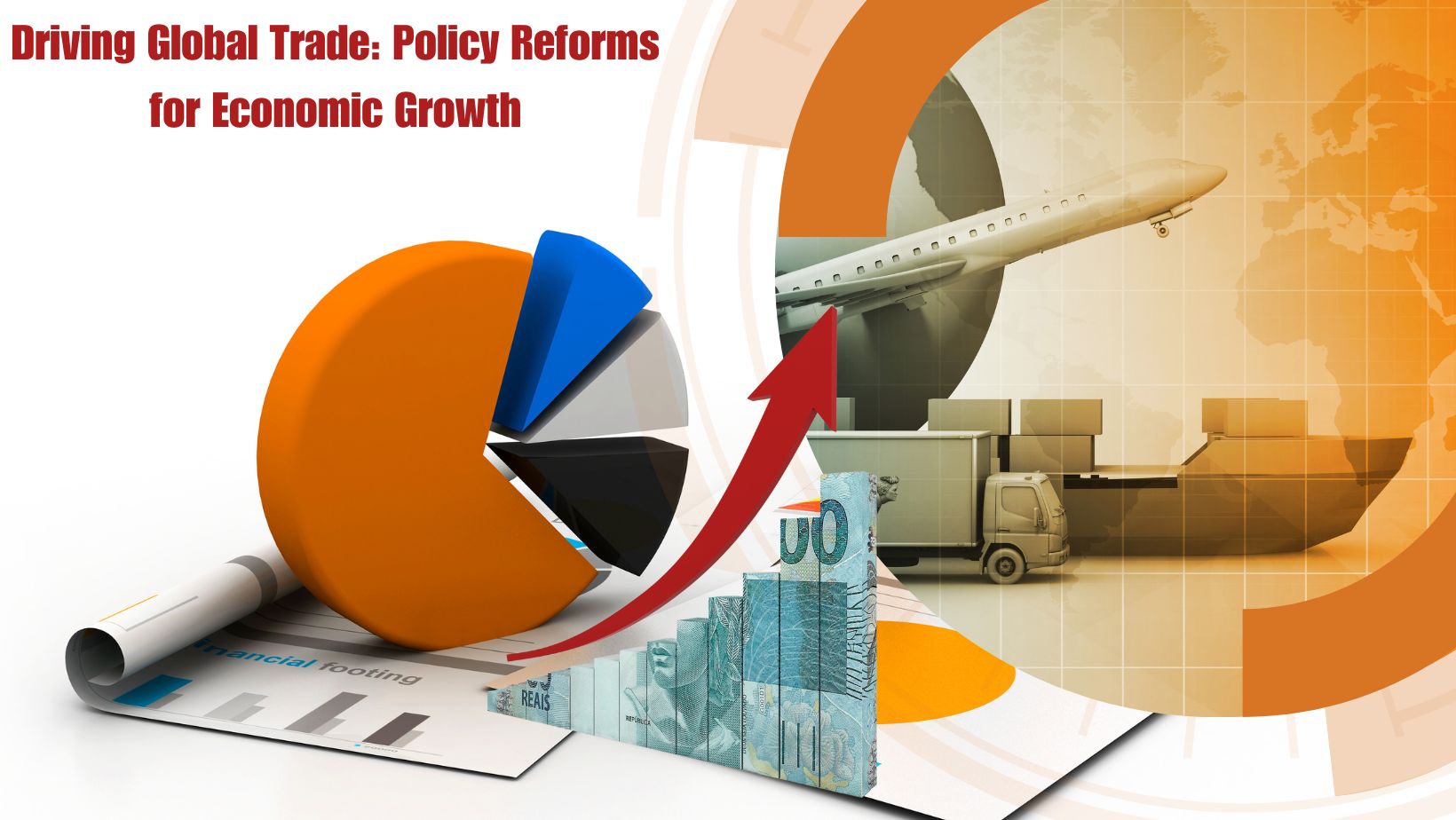
On February 15, 2026, global economic discussions continued to emphasize the need for reform of the World Trade Organization and international trade systems. Advocates...
Explore event →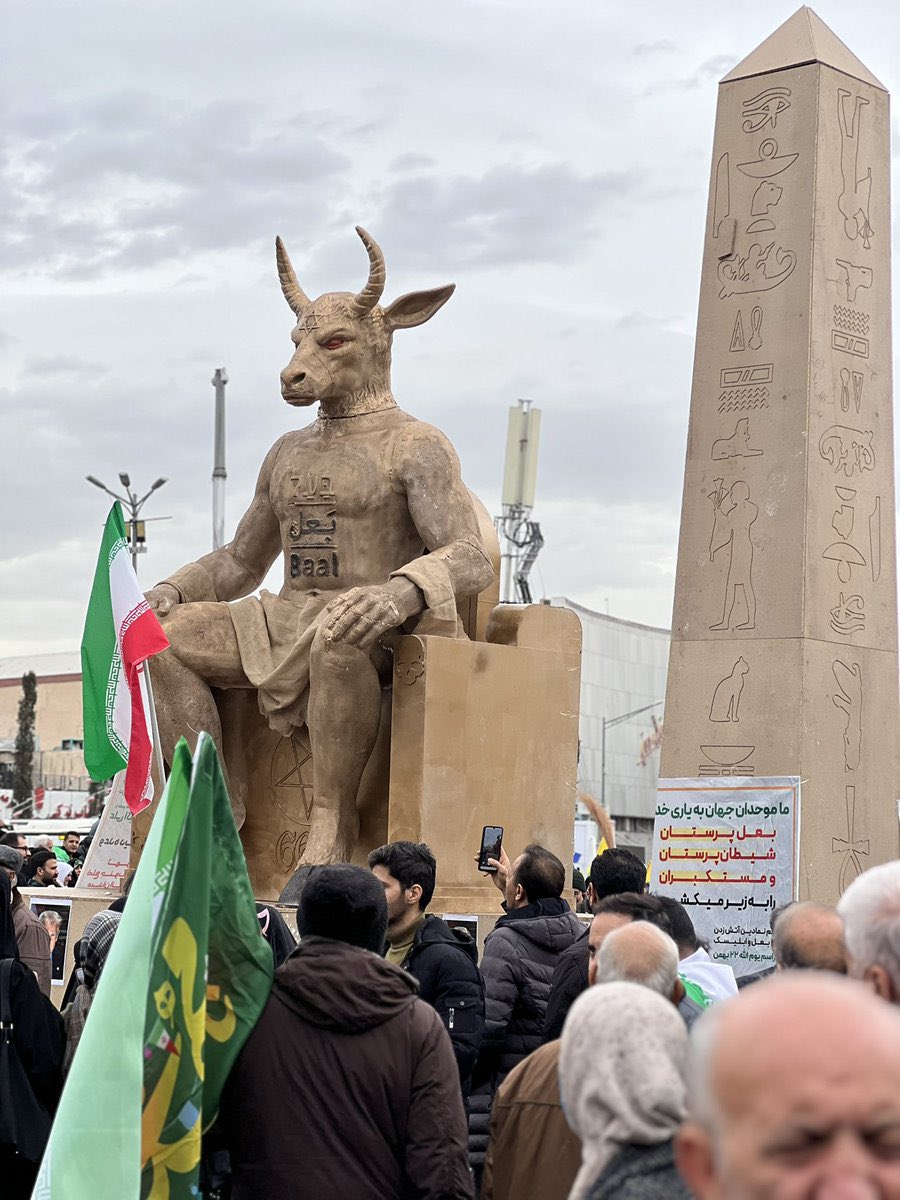
On February 11, 2026, state‑organised rallies marking the 47th anniversary of the 1979 Islamic Revolution in Iran featured demonstrators burning a large statue describ...
Explore event →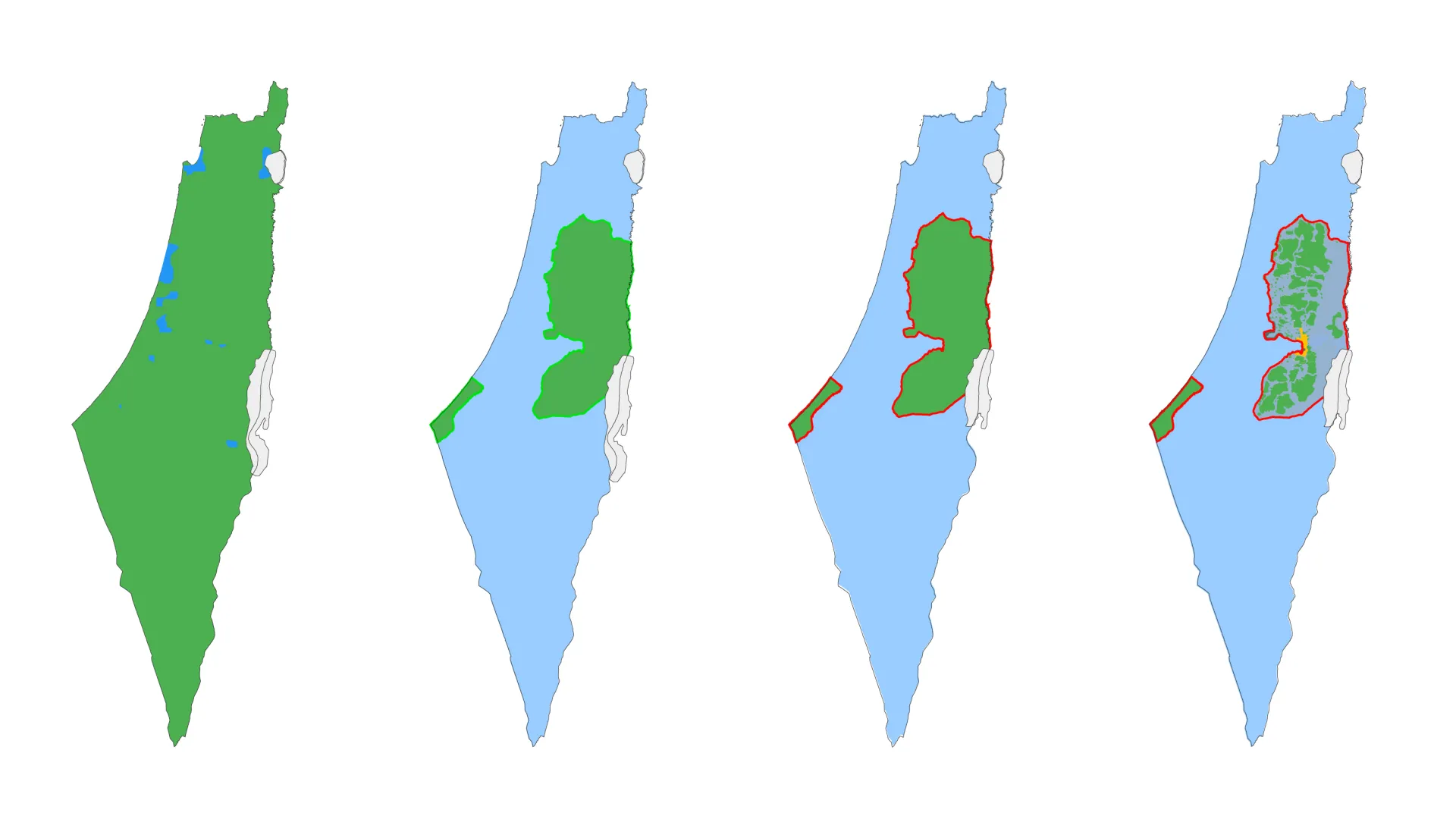
Christian Communities in the Middle East: Villages and Towns Timeline 523–2026 body { font-family: Arial, sans-serif; background-color: #f4f4f9; margin: 0; pa...
Explore event →
South Korea’s Ministry of Economy and Finance issued the country’s first government-backed digital bond, leveraging blockchain technology to improve transparency and r...
Explore event →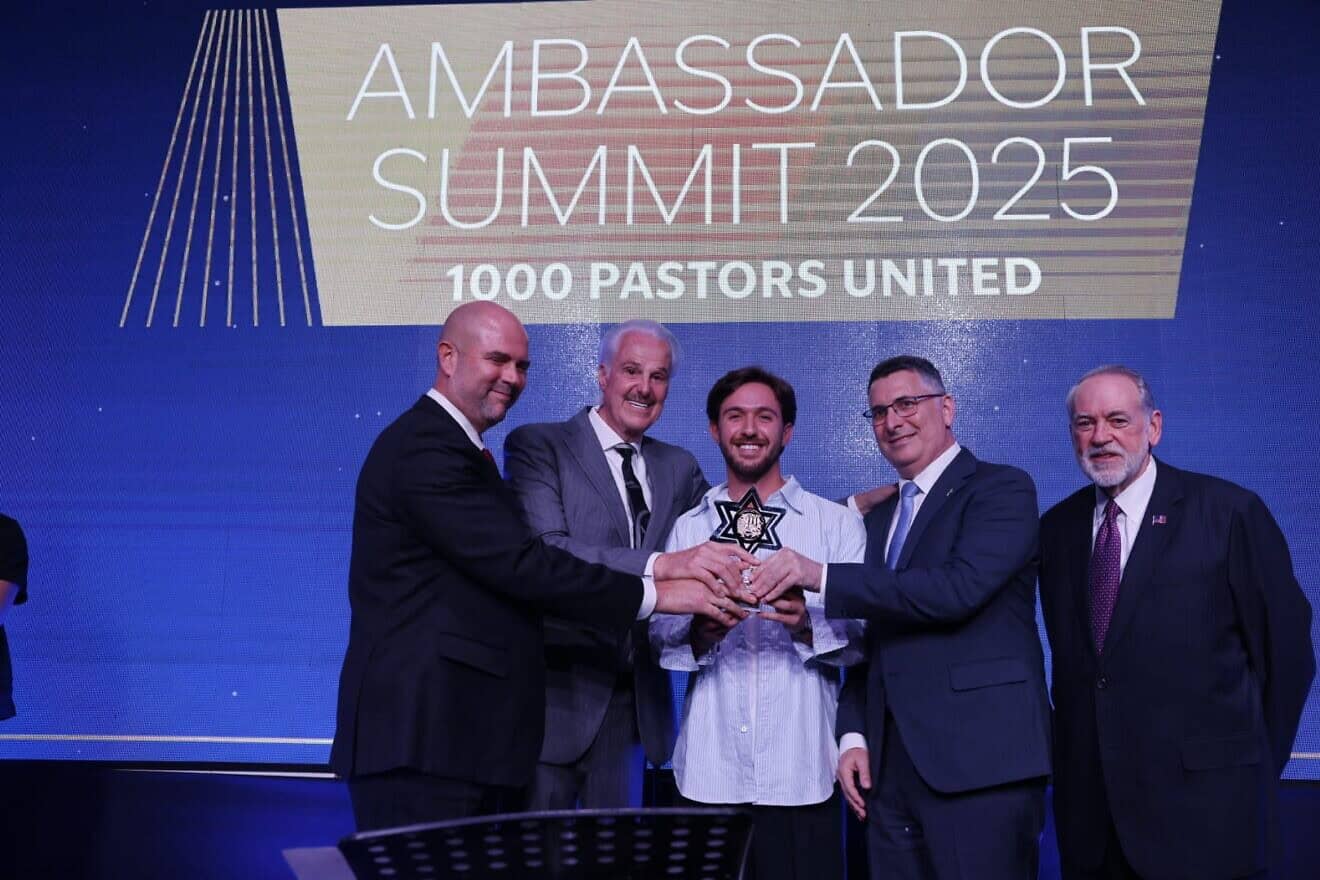
In December 2025, more than 1,000 evangelical Christian pastors and influencers from the United States made a coordinated visit to Israel, described by organizers as t...
Explore event →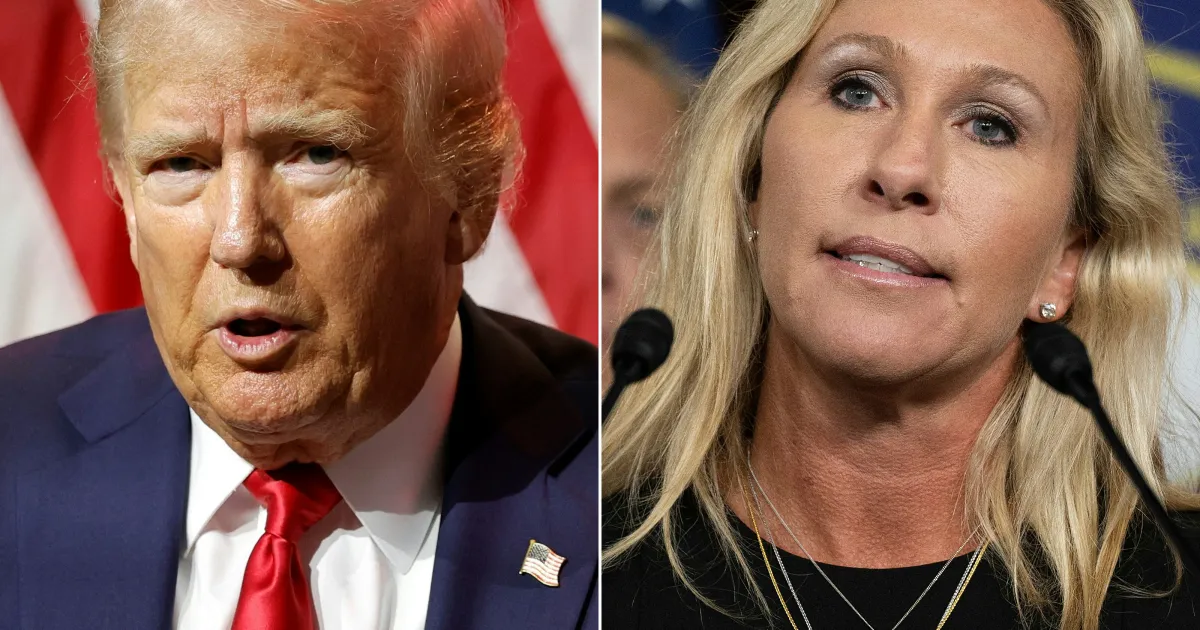
On November 21, 2025, Representative Marjorie Taylor Greene, a Republican congresswoman from Georgia known for her outspoken views, announced she will resign from the ...
Explore event →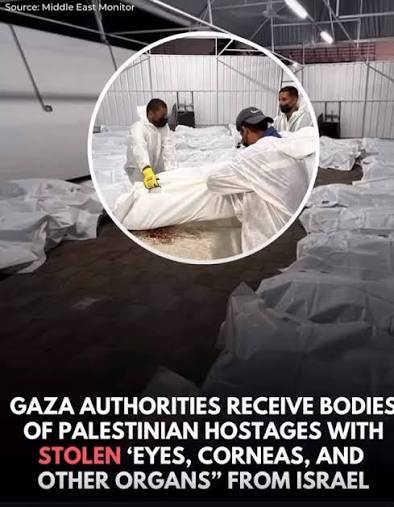
Allegations of organ removal from Palestinian bodies have circulated multiple times during and after the Gaza war, particularly in relation to bodies returned followin...
Explore event →
During the Israel–Hamas war that began in October 2023, allegations emerged regarding the use of white phosphorus munitions by Israeli forces in Gaza and southern Leba...
Explore event →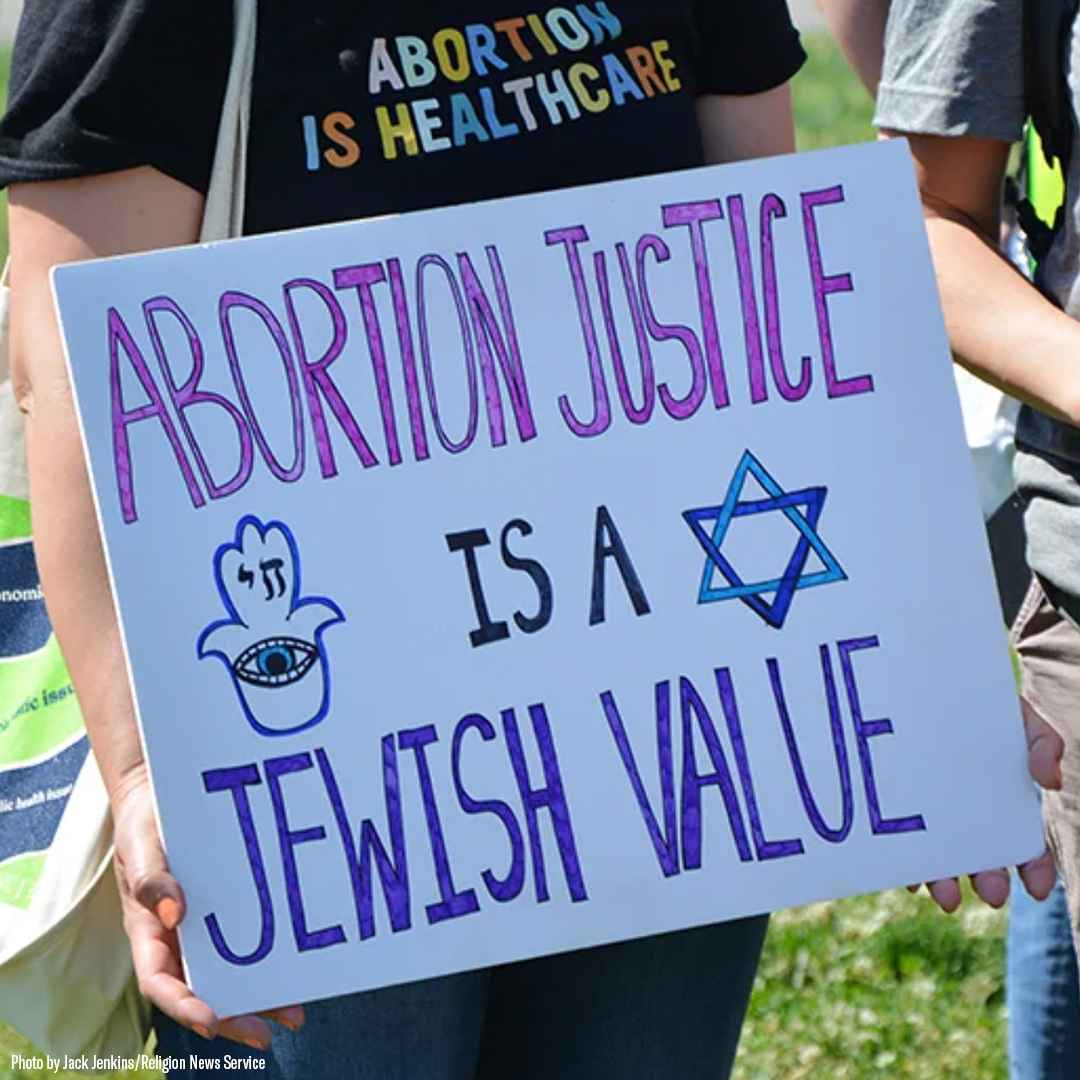
Jewish Perspectives on Abortion and Religious Rights Jewish texts and legal traditions have multiple views on abortion, often rooted in the interpretation o...
Explore event →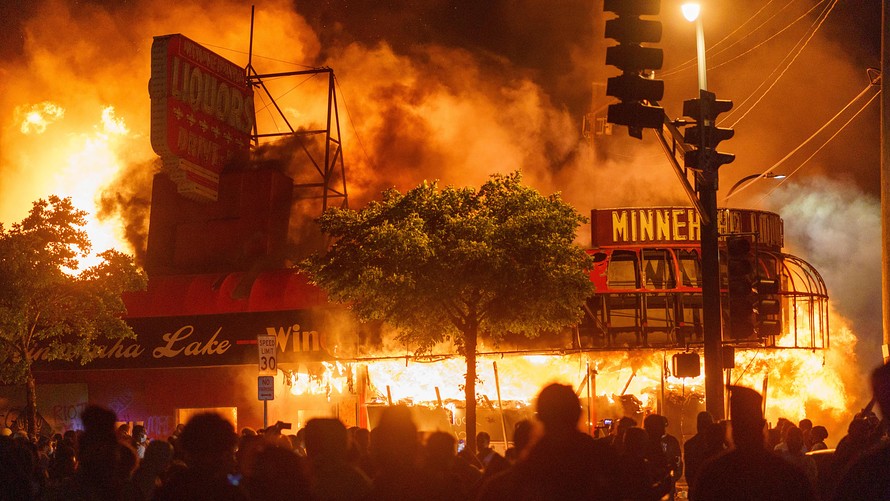
In the days following the death of George Floyd in Minneapolis police custody on May 25, 2020, large-scale protests erupted across Minneapolis and rapidly spread to ci...
Explore event →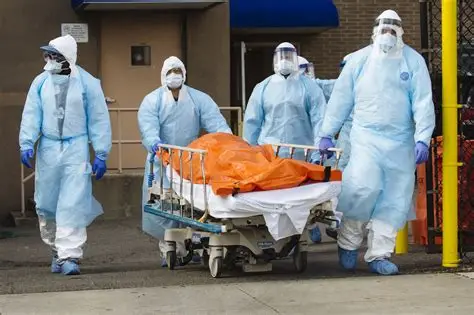
The COVID-19 pandemic is a global outbreak of the coronavirus SARS-CoV-2, first identified in Wuhan, China, in late 2019. The World Health Organization (WHO) was notif...
Explore event →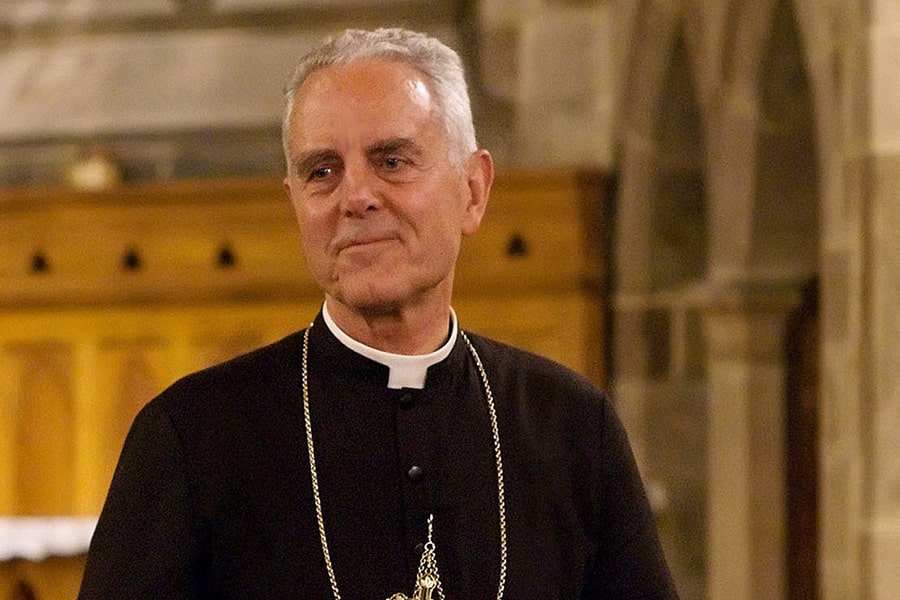
Richard Williamson was a British traditionalist Catholic bishop who became widely known for his involvement in controversies related to the Catholic Church and his pub...
Explore event →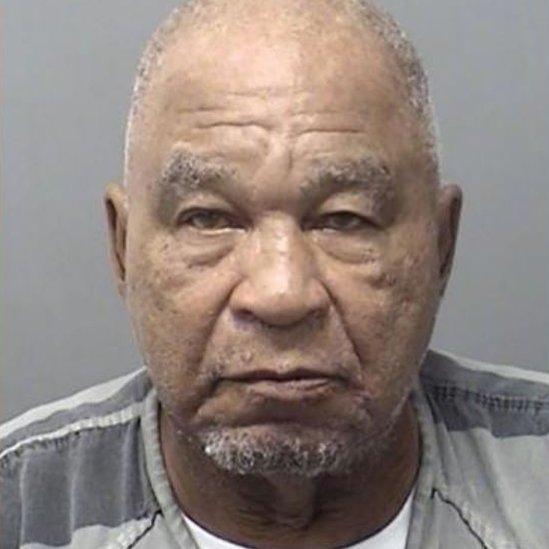
Media coverage and public recognition of serial homicide have been examined by criminologists and researchers studying race, victim demographics, offender characterist...
Explore event →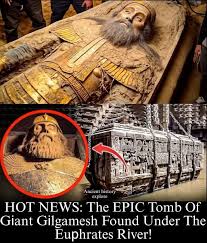
Gilgamesh narratives resurface amid 2003 Iraq war and Euphrates region focus In April 2003, during the early phase of the U.S.-led invasion of Iraq, interna...
Explore event →
Ultraprocessed foods ar as some people call it, a GuySlop, refer to industrially formulated food products that typically contain ingredients such as refined starches, ...
Explore event →
Anton Szandor LaVey was born Howard Stanton Levey on April 11, 1930, in Chicago, Illinois, to Jewish parents. His father, Michael Joseph Levey, was of French-American...
Explore event →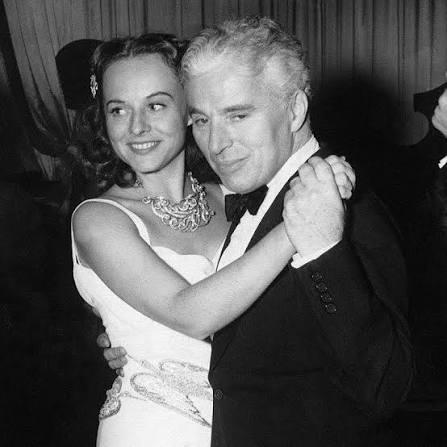
Charlie Chaplin and actress Paulette Goddard were associated romantically and professionally during the 1930s and early 1940s. Their relationship became particularly w...
Explore event →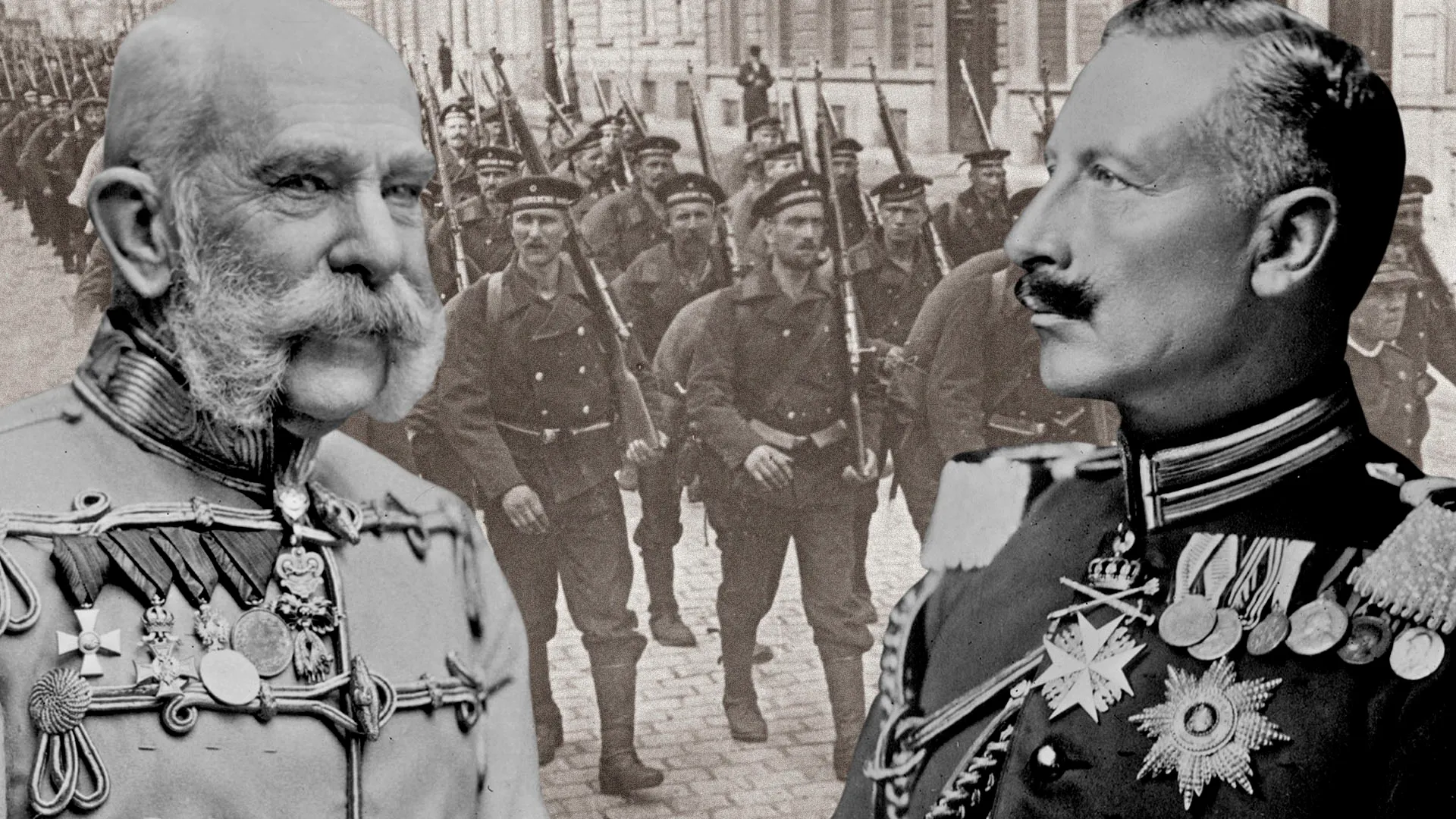
World War I, also known as the Great War, began when Austria-Hungary declared war on Serbia following the assassination of Archduke Franz Ferdinand. The conflict quick...
Explore event →
1913 – Foundations of the Modern World body { font-family: Arial, sans-serif; background-color: #f4f4f9; margin: 0; padding: 0; } .timeline-container { ...
Explore event →
In 1908, British-born Jewish writer and playwright **Israel Zangwill** published his play **“The Melting Pot”**, which popularized the phrase as a metaphor for America...
Explore event →
2014–2026 — Egypt remains the most populous country in the Arab world and one of the principal political centers of the eastern Mediterranean and Middle East. Cairo do...
Explore research
28 November 1998 — Albania adopts a new constitution after the instability of the early post-communist period. It establishes the fundamental institutional framework o...
Explore research
1991–2026 — Albania develops as a parliamentary republic after the collapse of communist rule. It joins NATO, pursues European Union membership and undergoes rapid urb...
Explore research
Untitled1990s–present — The collapse of communist controls produces large migration flows toward Italy, Greece, Germany, the United States and elsewhere. Emigration be...
Explore research
1952–1970 — The Free Officers end the monarchy, reduce British influence, redistribute land and create a powerful developmental state. At the same time, political part...
Explore research
1 September 1928 — Zogu transforms the republic into a monarchy and takes the title Zog I, King of the Albanians. The monarchy seeks modernization and stronger nationa...
Explore research
29 July 1913 — The Great Powers recognize an independent Albanian principality. The borders they establish leave substantial Albanian-speaking populations outside the ...
Explore research
1912–1913 — Trace the Balkan Wars, competing territorial claims and Great Power diplomacy that created modern Albania while leaving many Albanian-speaking populations ...
Explore research
14–22 November 1908 — Albanian intellectuals and representatives gather at Manastir, modern Bitola, to address competing Albanian alphabets. The congress favors a Lati...
Explore research
17 November 1869 — The Suez Canal officially opens, connecting the Mediterranean and Red Seas without requiring ships to sail around Africa. The canal transforms globa...
Explore research
1834 — Athens becomes the capital of the modern Greek state.
Explore research
970–972 CE — The Fatimids establish the mosque and teaching institution that develops into al-Azhar. Over the centuries it becomes one of the most influential centers ...
Explore research
7th–10th centuries — Arabic increasingly replaces Greek and Coptic in government and eventually becomes the dominant spoken language. Conversion to Islam occurs over g...
Explore research
395 CE — After the death of Theodosius I, administration of the Roman Empire is divided between eastern and western courts. The territories of modern Albania remain pr...
Explore research
30 BCE — Ancient writers indicate that Cleopatra and Mark Antony were buried together, but their burial place has never been securely identified. Archaeologists have e...
Explore research
Untitled168 BCE–395 CE — The lands of modern Albania are gradually integrated into Roman provincial systems. Cities expand, Latin and Greek cultural influences deepen,...
Explore research
c. 500 BCE–1100 CE — Modern Albanian is generally considered an ancient Balkan Indo-European language, but its precise ancient ancestor remains uncertain. Continuity f...
Explore research
627 BCE — Greek colonists establish Epidamnos on the Adriatic coast, later known as Dyrrachium and modern Durrës. The settlement becomes a major commercial link betwee...
Explore research
c. 1353–1336 BCE — Amenhotep IV changes his name to Akhenaten and promotes extraordinary devotion to the solar deity Aten. He establishes a new royal capital at Akheta...
Explore research
c. 3100 BCE–2026 CE — Egypt has been governed by native pharaohs, Nubian kings, Persians, Macedonians, Romans, Byzantines, Arab caliphates, Fatimids, Ayyubids, Mamluks...
Explore research
c. 3100 BCE–2026 CE — Modern Egyptians live in the same Nile landscape that supported pharaonic civilization, but language, religion, political institutions and popula...
Explore research
c. 6500–5500 BCE — Farming, livestock keeping and permanent villages become established in parts of the territory of modern Albania. Communities increasingly depend on...
Explore research
c. 6500 BCE–2026 CE — The territory and people of modern Albania were shaped by prehistoric Balkan societies, Illyrian political formations, Rome, Byzantium, medieval ...
Explore research
Human communities occupied the territory of modern Albania long before written history. Archaeology reveals Paleolithic activity followed by increasingly settled commu...
Explore research