
Charlie Chaplin’s controversial life
Charlie Chaplin was an English actor, filmmaker, composer, and producer who became one of the most prominent figures of twentieth-century cinema. His career included s...
Explore event →History does not happen in isolation. Explore world events across time, follow the connections between them, and investigate the threads that reveal how one event can lead to another.
TheTimeMap currently follows events across 95 countries and 268 years of history — building a connected archive designed for people who want to look beyond the headline.
We oppose antisemitism, racism, and dehumanization — everywhere.
When people stop feeling, injustice becomes easy.
Charlie Chaplin was an English actor, filmmaker, composer, and producer who became one of the most prominent figures of twentieth-century cinema. His career included s...
Explore event →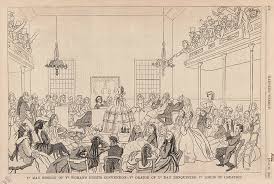
The first women’s rights convention in Seneca Falls, New York, demanded legal, social, and political equality, sparking the organized women’s suffrage movement in the ...
Explore event →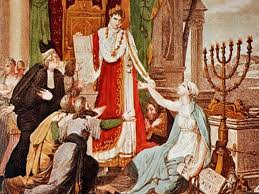
Emancipation of Jews in Russia under Catherine II In 1791, Empress Catherine II of Russia issued policies regulating the settlement and legal status of Jewish populat...
Explore event →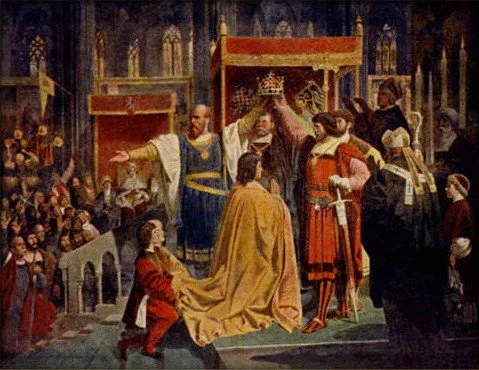
Expulsion of Jews from the Kingdom of Naples In 1540, Jewish communities in the Kingdom of Naples were expelled as the region came under the control of the Spanish cr...
Explore event →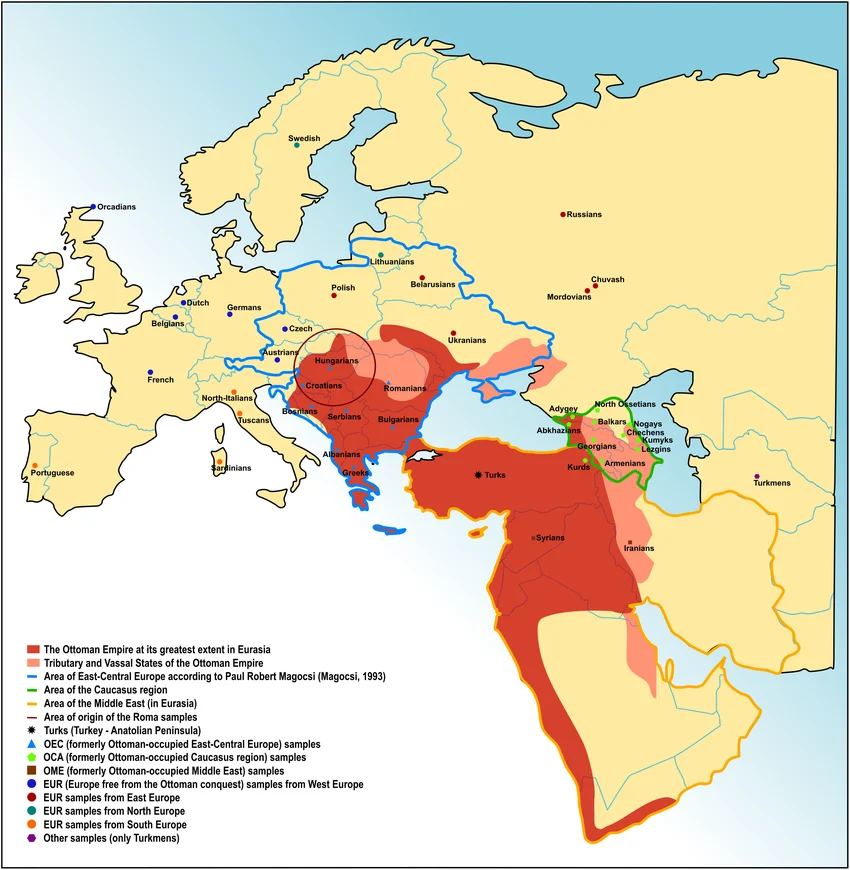
The Ottoman Empire expanded from a small Anatolian principality into one of the largest empires in history. Between the fourteenth and early twentieth centuries, Ottom...
Explore event →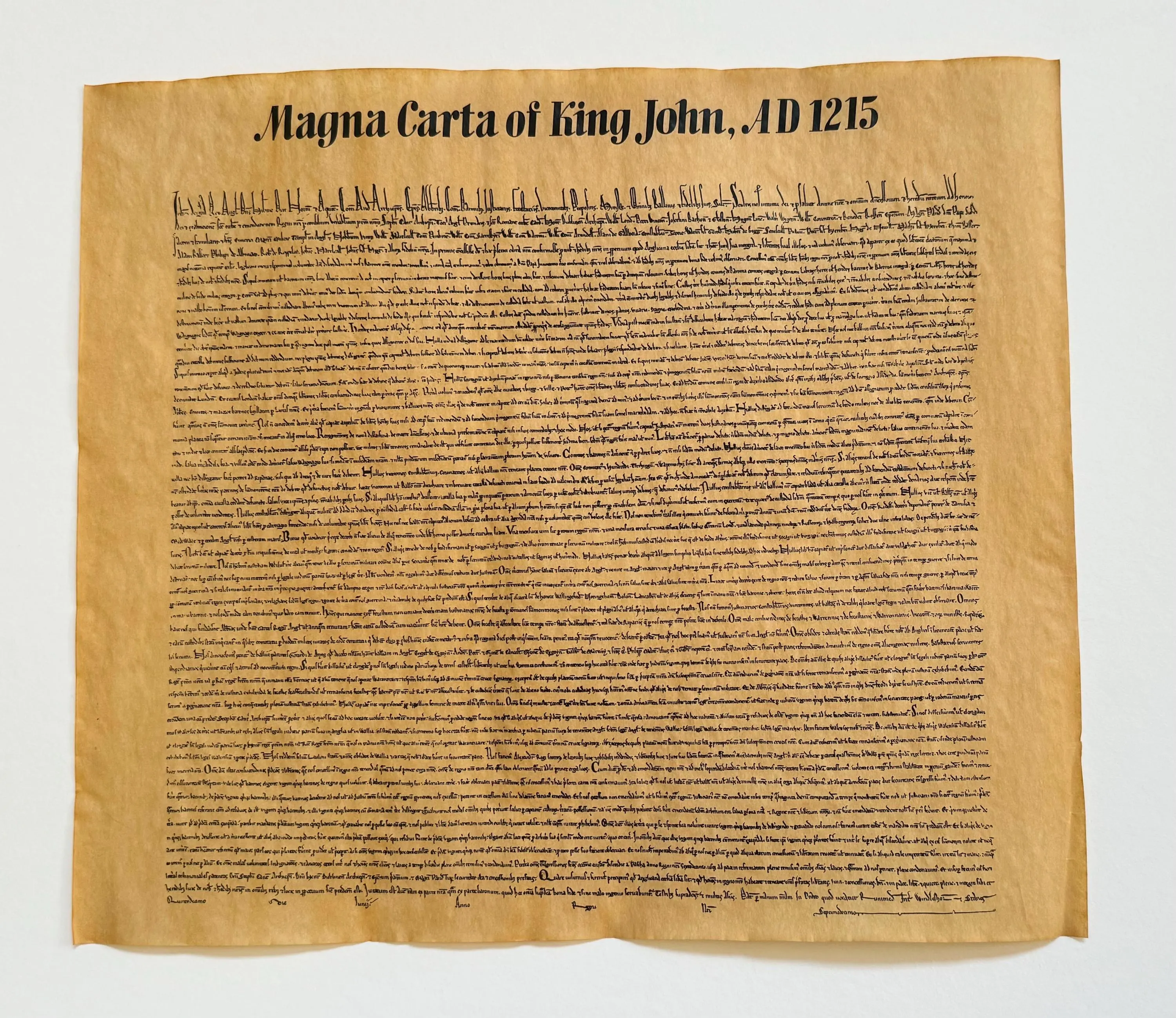
The Magna Carta was signed by King John of England, limiting royal authority and establishing early principles of legal rights for subjects, laying the foundation for ...
Explore event →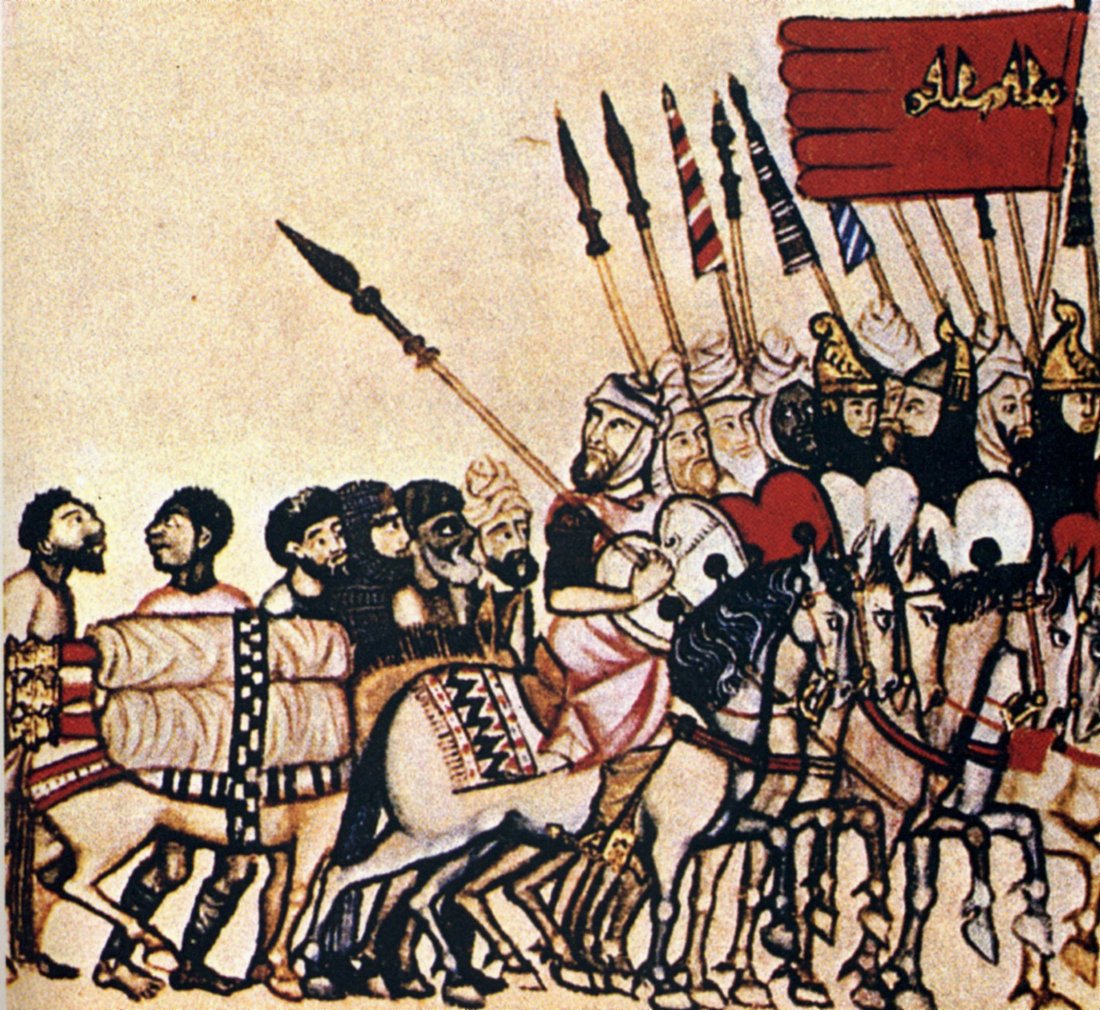
Moorish Invasion Of The Iberian Peninsula On April 30, 711, Umayyad forces led by the Berber commander Tariq ibn Ziyad crossed the Strait of Gibraltar from ...
Explore event →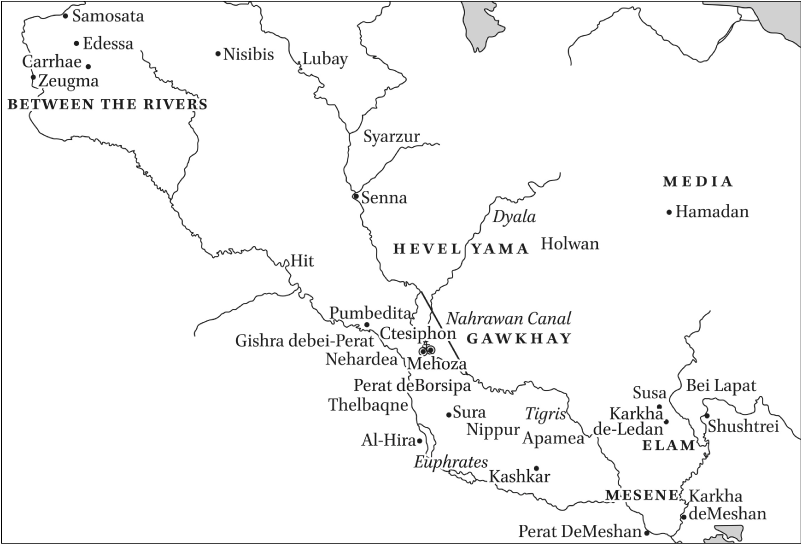
During the early centuries of the Common Era, Talmudic academies in Babylonia underwent significant expansion. These centers of Jewish learning became pivotal in the d...
Explore event →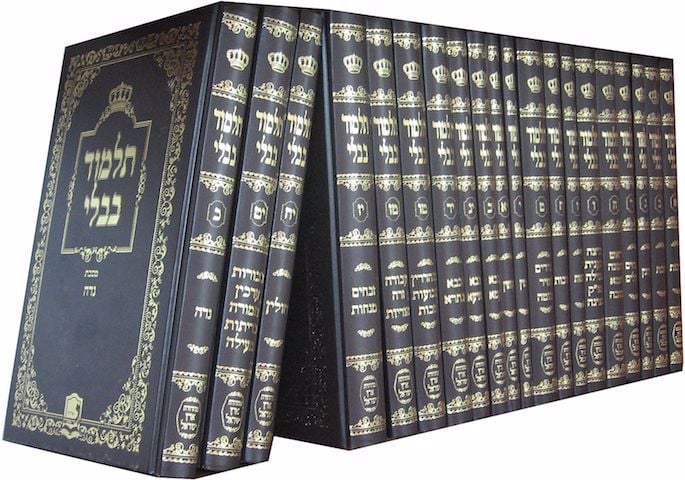
The compilation of the Babylonian Talmud marked a significant advancement in Jewish legal and theological scholarship. Completed around the 5th century CE, this work s...
Explore event →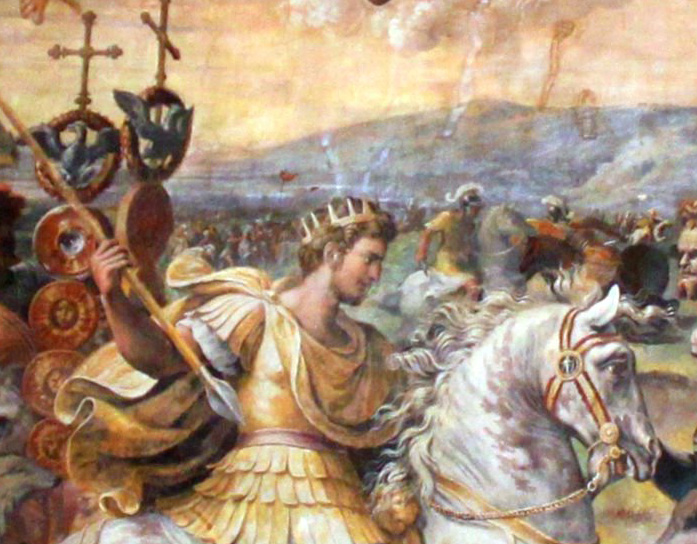
Emperor Constantine converted to Christianity after the Battle of the Milvian Bridge. His conversion led to the legalization of Christianity within the Roman Empire. ...
Explore event →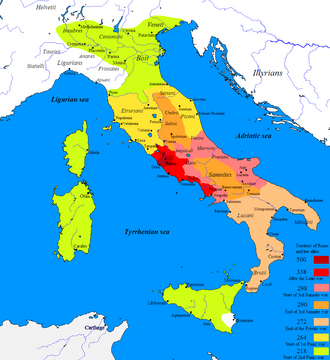
The Constitutio Antoniniana was an edict issued by Emperor Caracalla that granted Roman citizenship to nearly all free inhabitants of the Roman Empire. This decree mar...
Explore event →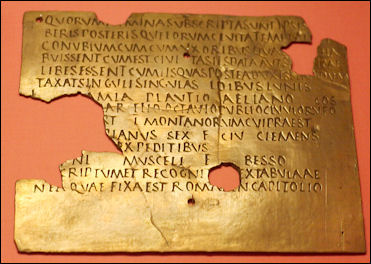
The Constitutio Antoniniana was an edict issued by Emperor Caracalla granting Roman citizenship to all free inhabitants of the Roman Empire. This decree dramatically e...
Explore event →
Paul the Jurist was a prominent legal scholar during the reign of Emperor Justinian I. He composed detailed legal opinions and commentaries that influenced the revisio...
Explore event →
Rabbinic literature from the Mishnaic and Talmudic periods (approximately 1st–6th centuries CE) includes legal discussions that describe several categories relating to...
Explore event →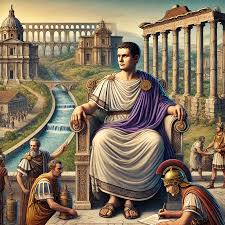
Antoninus Pius assumed the position of Roman Emperor following the death of Hadrian on August 11. He was appointed by the Senate and accepted by the army without oppos...
Explore event →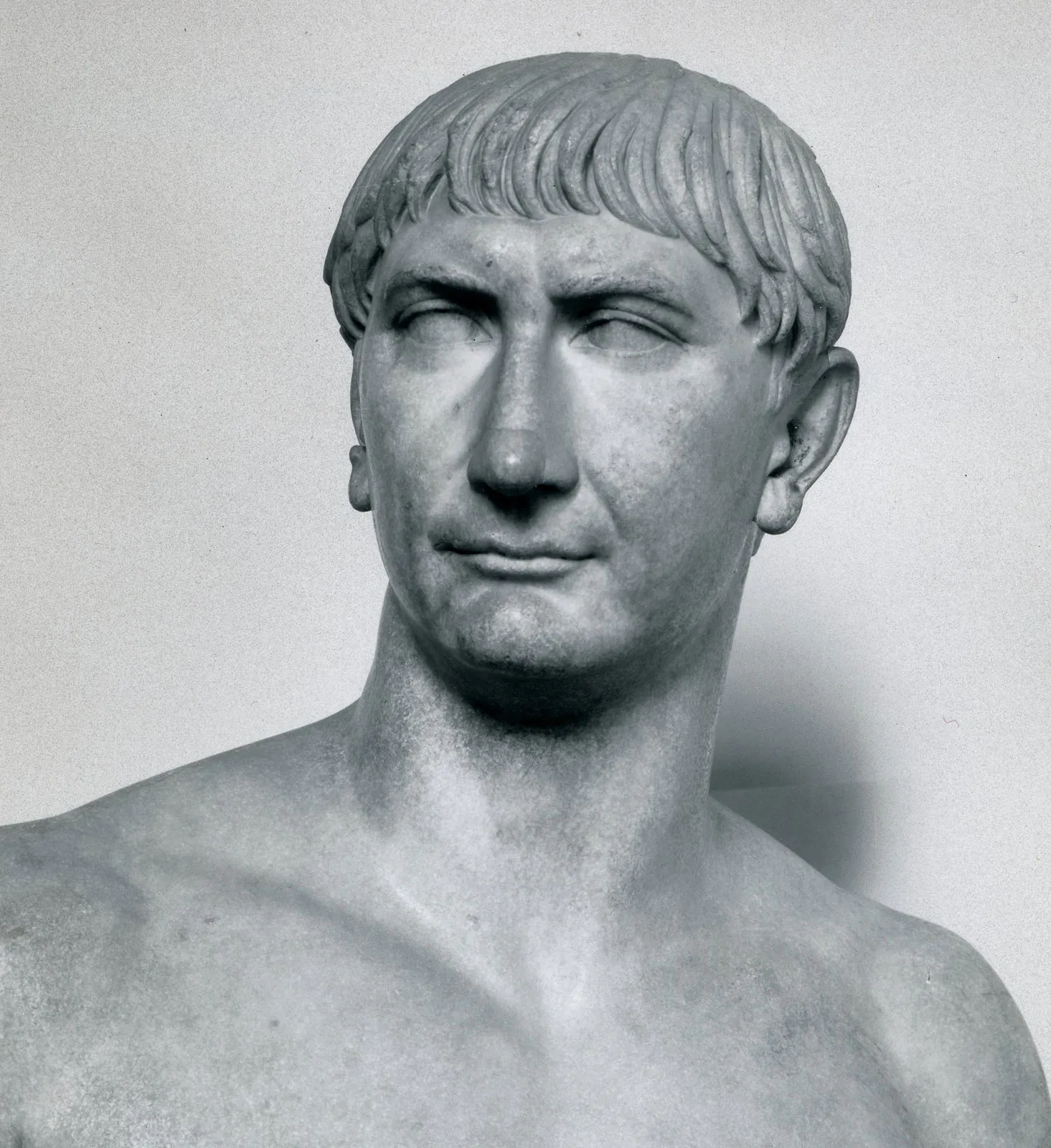
Emperor Nerva formally adopted Trajan as his heir in a move to secure the imperial succession and stabilize the Roman Empire. This adoption marked the beginning of the...
Explore event →
Jesus of Nazareth was executed by crucifixion under Roman governor Pontius Pilate in Jerusalem, during the period of Roman occupation of Judea. The event is documented...
Explore event →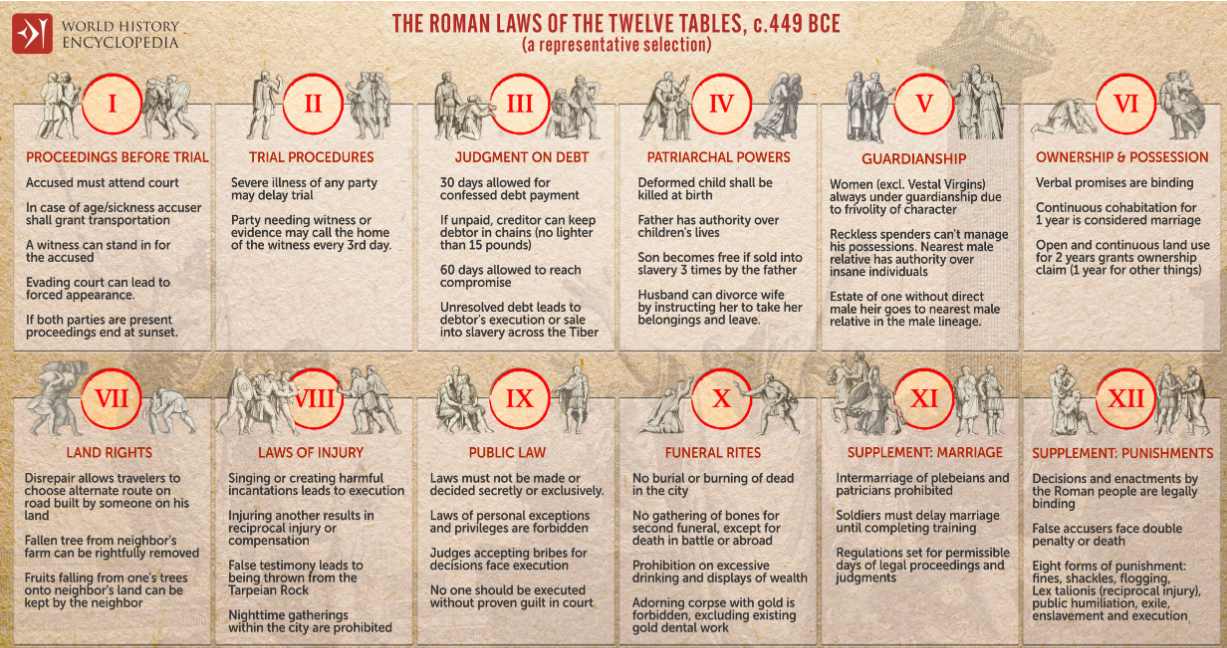
Roman law saw significant advancements in codification through the efforts of distinguished jurists during the Republic and early Empire. These legal experts compiled ...
Explore event →
28 April 2009 — Albania formally submits its application for membership in the European Union, beginning a long process of institutional and legal reforms tied to acce...
Explore research
29 April 1991 — New constitutional provisions formally establish the Republic of Albania during the transition away from communist government. The country begins rebui...
Explore research
11 December 1990 — Albania's communist leadership accepts the legalization of independent political parties. The decision effectively ends the political monopoly creat...
Explore research
23 March 1933 — The Reichstag passes legislation allowing Hitler's cabinet to enact laws without normal parliamentary approval. Communist deputies are absent or impris...
Explore research
9 November 1938 — Nazi-organized violence erupts against Jews throughout Germany and Austria. Synagogues are burned, businesses destroyed, people murdered and tens of ...
Explore research
28 October 1922 — Fascist squads mobilize around Rome while Benito Mussolini pressures Italy's political establishment for power. King Victor Emmanuel III refuses to a...
Explore research
28 June 1919 — Germany and the Allied powers sign the Treaty of Versailles exactly five years after Franz Ferdinand's assassination. Germany accepts territorial losses...
Explore research