Canada holds interest rate
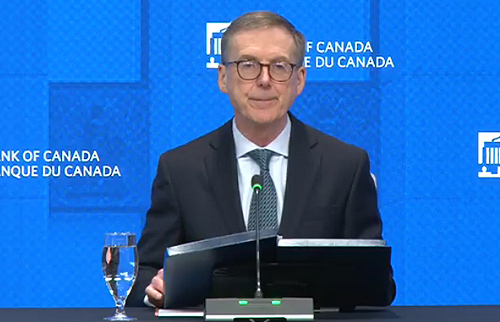
The Bank of Canada left its benchmark interest rate unchanged at 2.25 percent on September 2, 2026, while indicating that additional interest-rate increases could become necessary if infl...
Explore event →History does not happen in isolation. Explore world events across time, follow the connections between them, and investigate the threads that reveal how one event can lead to another.
TheTimeMap currently follows events across 95 countries and 268 years of history — building a connected archive designed for people who want to look beyond the headline.
We oppose antisemitism, racism, and dehumanization — everywhere.
When people stop feeling, injustice becomes easy.
The Bank of Canada left its benchmark interest rate unchanged at 2.25 percent on September 2, 2026, while indicating that additional interest-rate increases could become necessary if infl...
Explore event →
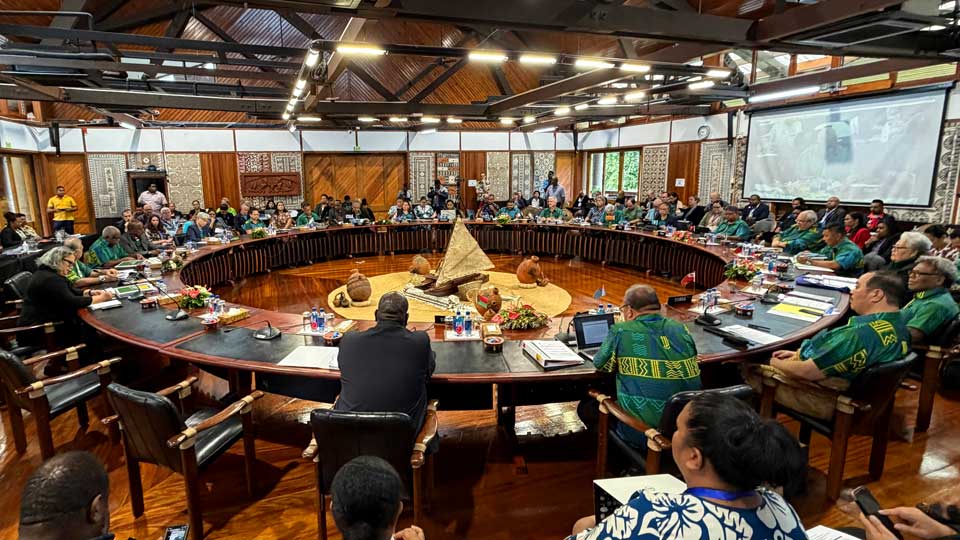
Foreign ministers and senior officials from Pacific Islands Forum countries failed to reach agreement on August 6, 2026, on a joint statement responding to China's recent ballistic missil...
Explore event →
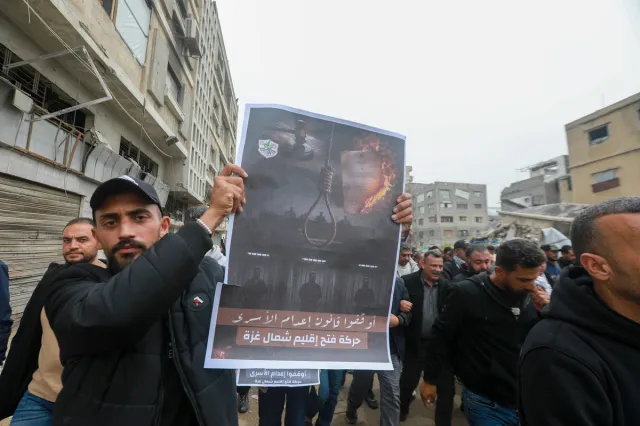
Eight Muslim-majority countries issued a joint statement on April 3, 2026, condemning Israel’s passage of a law allowing the death penalty for West Bank Palestinians convicted of lethal a...
Explore event →
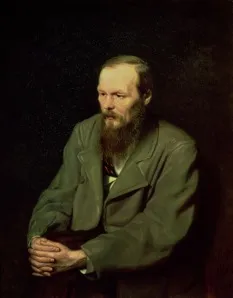
Fyodor Mikhailovich Dostoevsky (1821–1881) wrote several works in which some passages explicitly mention Jewish people. Below are exact original Russian excerpts from his writings where J...
Explore event →
On February 8, 2026, multiple news organisations reported that American film producer Barry Josephson’s name appears in documents released as part of the Jeffrey Epstein files, a large ca...
Explore event →
Jeffrey Epstein’s ties to ‘Bones’ producer Barry Josephson revealed On February 7, 2026, newly released documents in the Jeffrey Epstein files showed a long-standing correspond...
Explore event →
Earthquake reported near northern Israel amid unusual tremors Content: On January 24, 2026, the Israel Seismological Center recorded a magnitude 4.2 earthquake in the Galilee region near...
Explore event →
French journalist Nora Bussigny conducted a year‑long undercover investigation within anti‑Israel and far‑left activist circles in France. Her findings are published in a new book titled ...
Explore event →
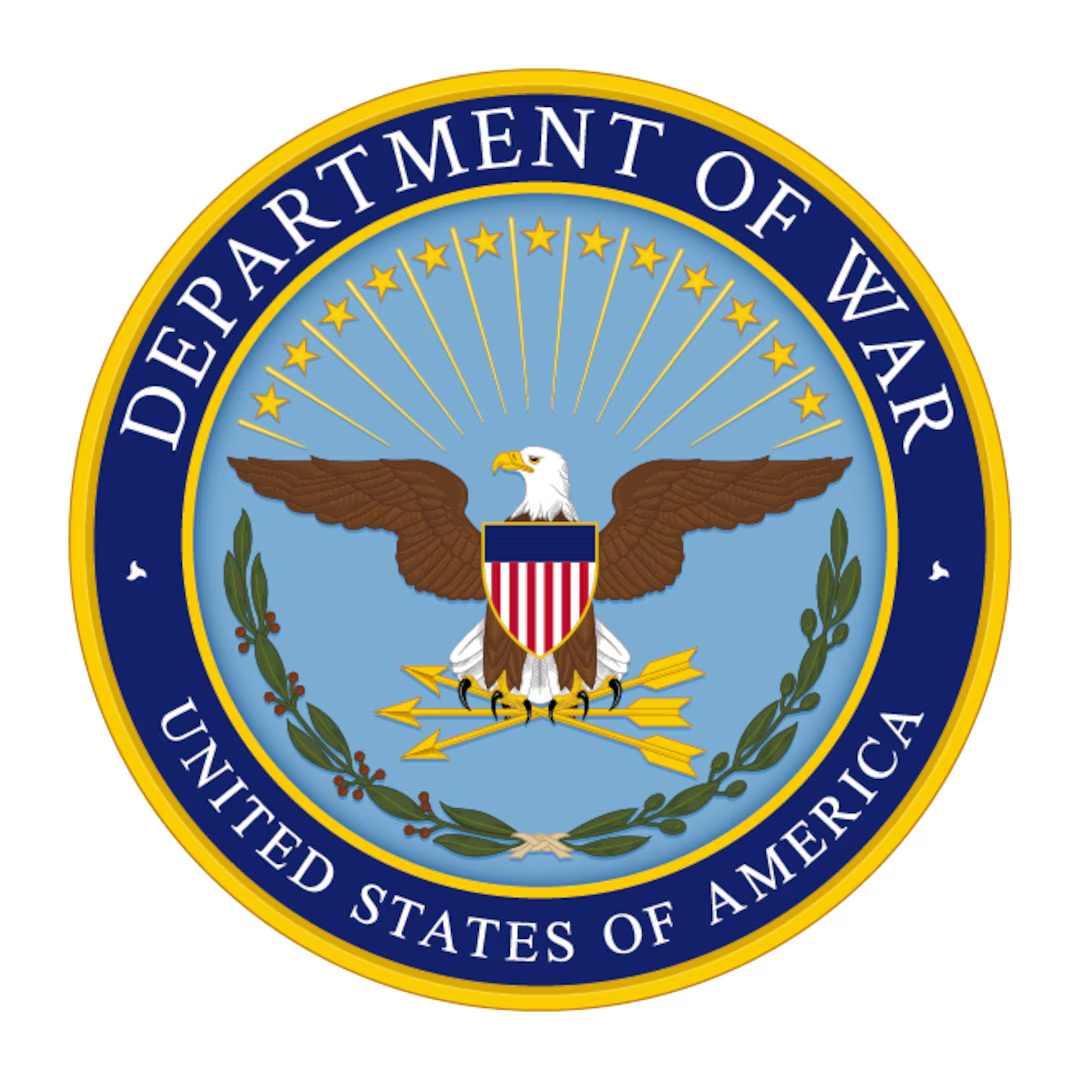
On January 15, 2026, the U.S. Congressional Budget Office released an estimate regarding a proposal supported by President Donald Trump to rename the Department of Defense as the “Departm...
Explore event →
Swedish climate activist Greta Thunberg was named "Antisemite of the Week" in September 2024 by the Jewish watchdog group StopAntisemitism following her arrest at an anti-Israel protest a...
Explore event →
Reports circulating online have drawn widespread attention to a legislative proposal in Israel that would place restrictions on certain forms of religious proselytizing, including the sha...
Explore event →
On April 9, 2020, the World Economic Forum (WEF) published an article titled “Lockdown is the world’s biggest psychological experiment – and we will pay the price,” examining the mental h...
Explore event →
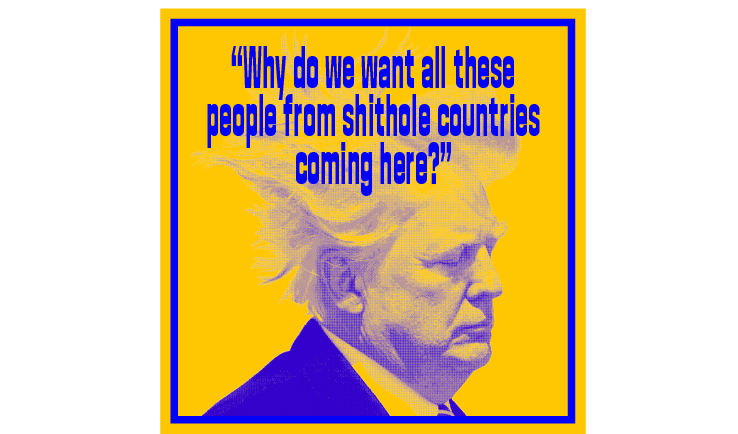
On January 11, 2018, during a meeting in the Oval Office with members of Congress, Donald Trump made a remark referring to certain countries while discussing immigration policy, including...
Explore event →
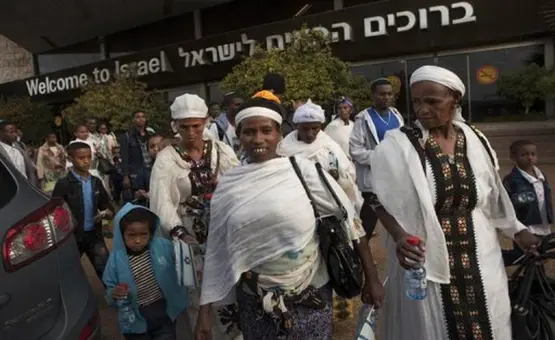
Reports in Israel raised serious concerns that Ethiopian Jewish women were given long-term birth control injections without full consent. The allegations centered on the use of Depo-Prove...
Explore event →
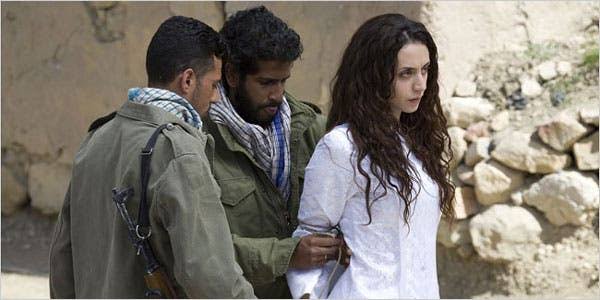
Soraya Manutchehri was a 35-year-old Iranian woman who, according to accounts published by French-Iranian journalist Freidoune Sahebjam, was stoned to death in the village of Kuhpayeh on ...
Explore event →
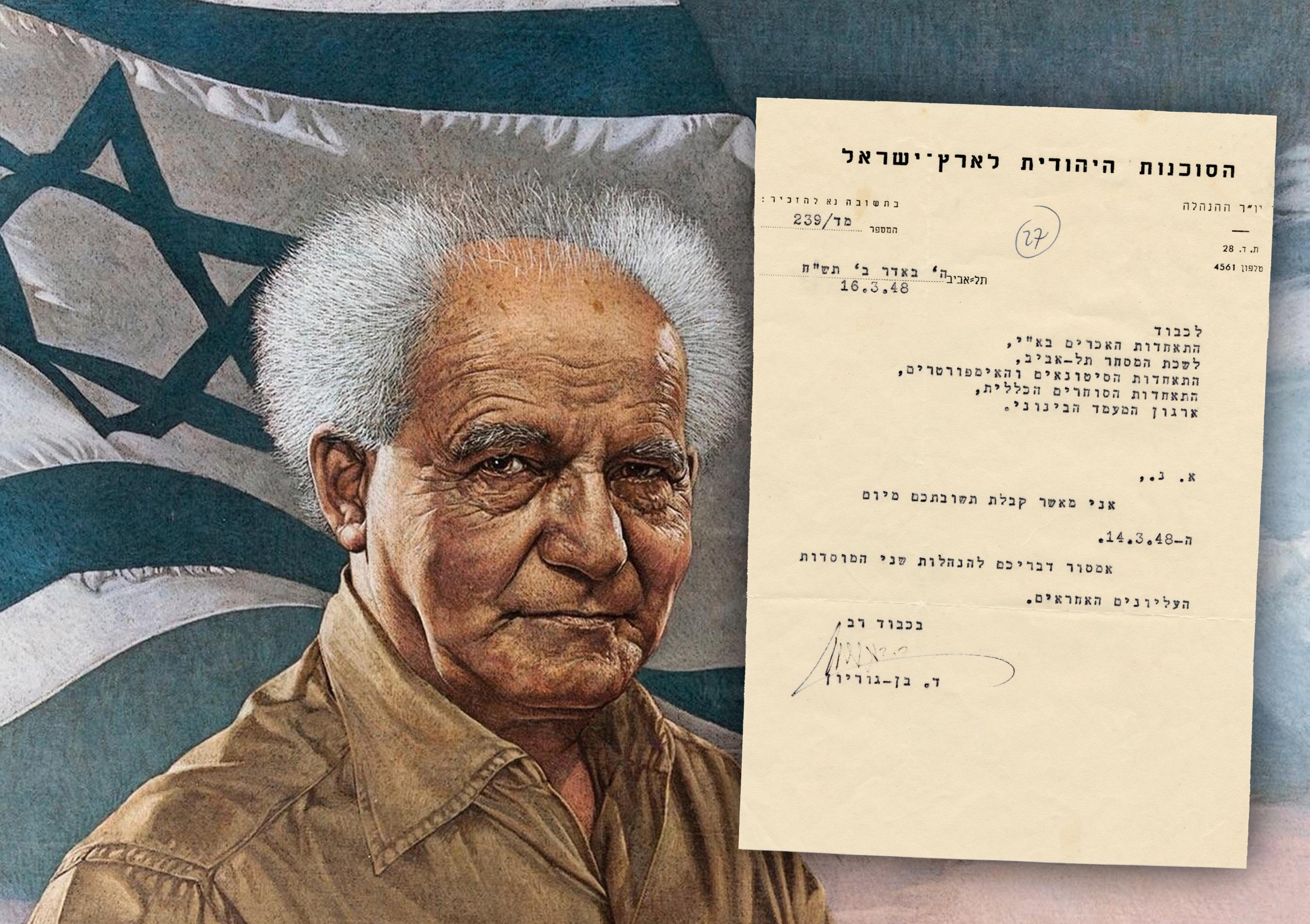
David Ben-Gurion Controversial Statements Record On October 5, 1937, David Ben-Gurion wrote a letter to his son Amos following the Peel Commission’s proposal to partition Mandatory Pales...
Explore event →
January–June 1919 — Allied leaders negotiate borders, reparations, military restrictions, mandates and a new international organization. Wilson's language of self-determination raises eno...
Explore published research →
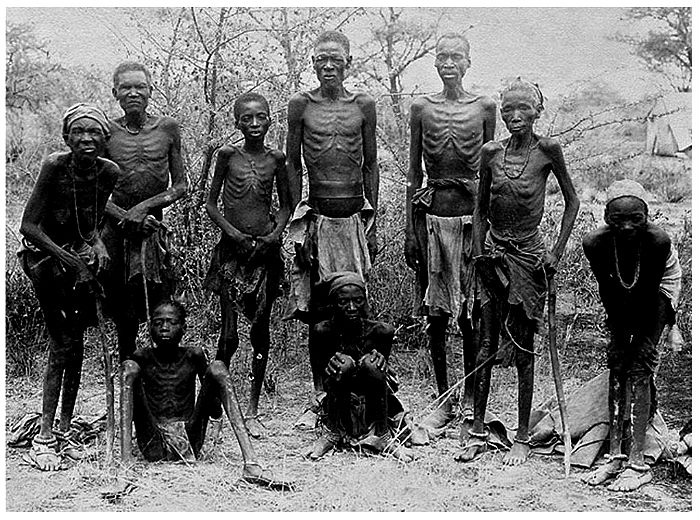
The Khoisan genocide refers to the systematic killings and displacement of the indigenous Khoisan peoples of Southern Africa during the 18th and 19th centuries. This genocide was primaril...
Explore event →
c. 1830–1912 — The Rilindja Kombëtare develops through writers, educators, political activists and diaspora networks. Albanian-language education and publishing become increasingly import...
Explore published research →
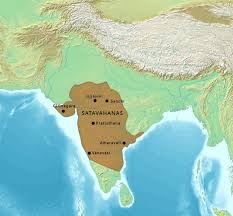
Indian cultural influence expanded significantly throughout Southeast Asia, notably through trade, religion, and political relations established by Indianized kingdoms.This influence is e...
Explore event →
7th–10th centuries — Arabic increasingly replaces Greek and Coptic in government and eventually becomes the dominant spoken language. Conversion to Islam occurs over generations rather th...
Explore published research →
c. 550–650 CE — Slavic-speaking groups settle widely across the Balkans during a period of weakened Byzantine frontier control. Settlement patterns, languages and political structures cha...
Explore published research →
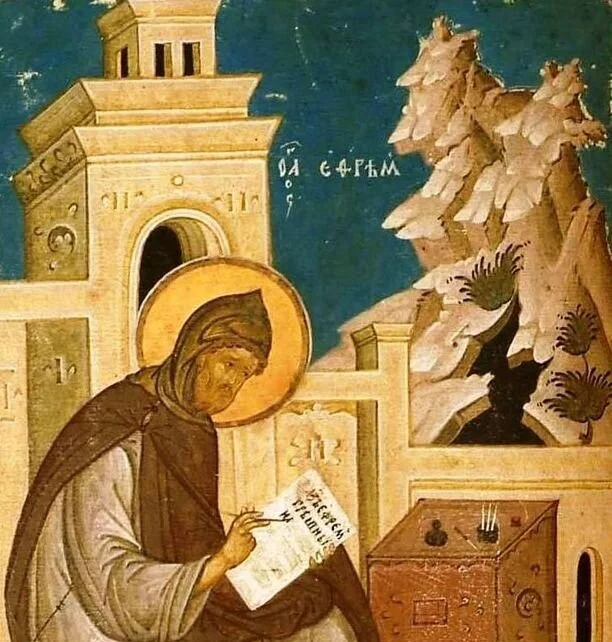
Syriac Christian literature experienced significant growth in Edessa, a key center of early Christian scholarship. The development of religious texts in the Syriac language allowed for th...
Explore event →
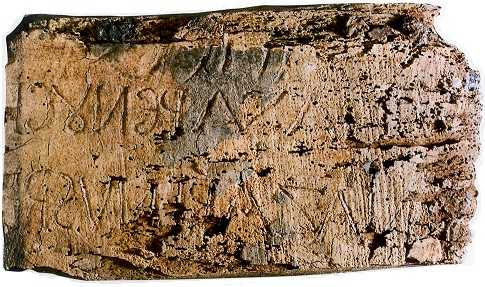
Titulus Above Jesus on the Cross According to the New Testament, Pontius Pilate ordered a sign to be placed above Jesus during his crucifixion. The Gospels report that the insc...
Explore event →
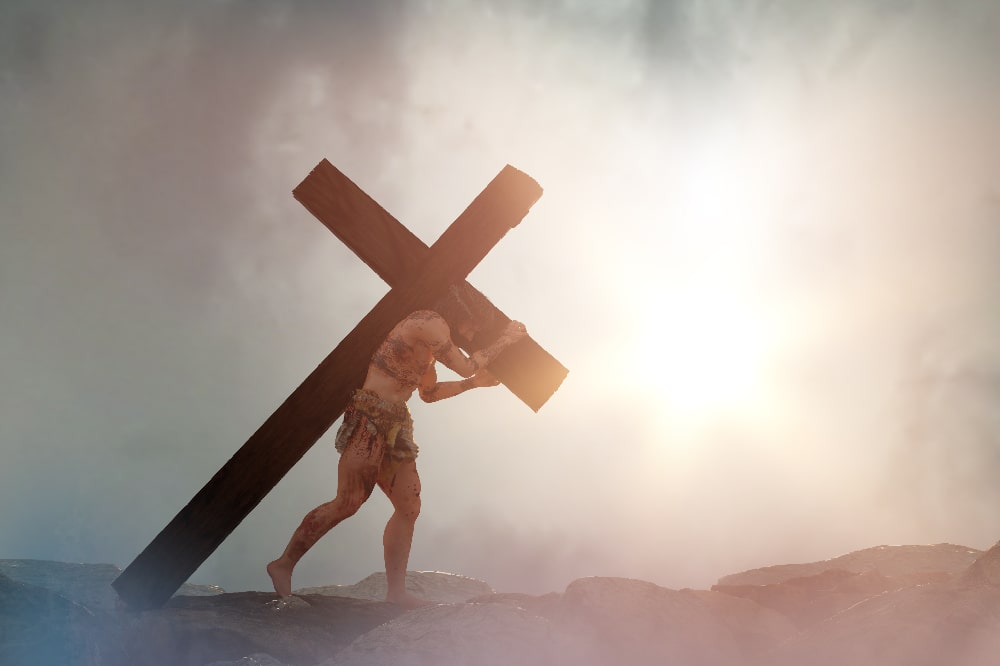
Jesus of Nazareth was executed by crucifixion under Roman governor Pontius Pilate in Jerusalem, during the period of Roman occupation of Judea. The event is documented in the canonical Go...
Explore event →
c. 500 BCE–1100 CE — Investigate geography, language, population continuity and ancient names while recognizing the severe lack of surviving Illyrian texts.
Explore published research →
c. 500 BCE–1100 CE — Modern Albanian is generally considered an ancient Balkan Indo-European language, but its precise ancient ancestor remains uncertain. Continuity from some Illyrian-sp...
Explore published research →
c. 1000 BCE–1100 CE — Separate archaeology, language, ancient ethnonyms and medieval written evidence rather than forcing them into one uninterrupted national story.
Explore published research →
c. 3100 BCE–2026 CE — Egypt has been governed by native pharaohs, Nubian kings, Persians, Macedonians, Romans, Byzantines, Arab caliphates, Fatimids, Ayyubids, Mamluks, Ottomans, Muhammad...
Explore published research →
c. 3100 BCE–2026 CE — Modern Egyptians live in the same Nile landscape that supported pharaonic civilization, but language, religion, political institutions and population connections hav...
Explore published research →