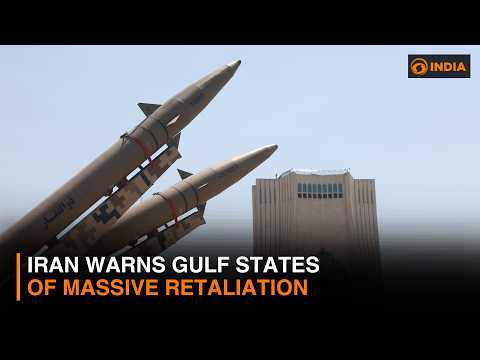
Iran warns Gulf states
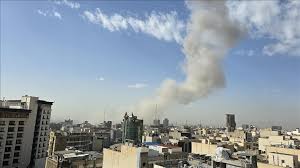
Iran warned Gulf states on August 5, 2026, that any new United States attack on Iranian territory could lead to retaliatory strikes against energy facilities and other critical infrastruc...
Explore event →History does not happen in isolation. Explore world events across time, follow the connections between them, and investigate the threads that reveal how one event can lead to another.
TheTimeMap currently follows events across 95 countries and 268 years of history — building a connected archive designed for people who want to look beyond the headline.
We oppose antisemitism, racism, and dehumanization — everywhere.
When people stop feeling, injustice becomes easy.
Iran warned Gulf states on August 5, 2026, that any new United States attack on Iranian territory could lead to retaliatory strikes against energy facilities and other critical infrastruc...
Explore event →

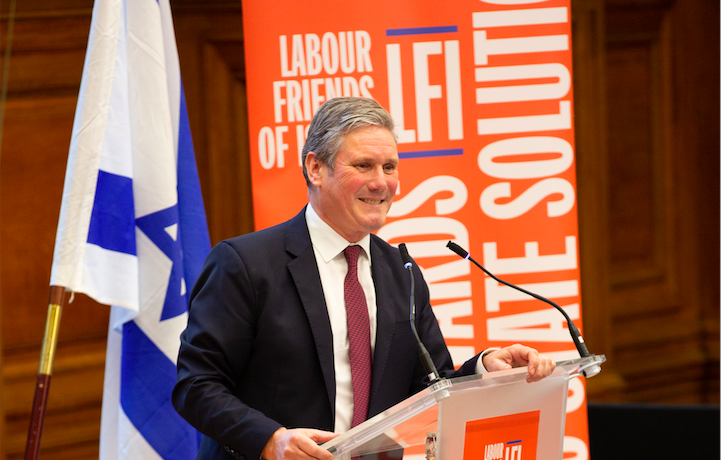
British Prime Minister Keir Starmer announced his resignation as leader of the Labour Party and stated that he would step down as prime minister once a successor is chosen. The announceme...
Explore event →
A flotilla of more than 50 civilian vessels organized by pro-Palestinian activists, including the Global Sumud Flotilla, attempted to reach the Gaza Strip in 2026 carrying humanitarian ai...
Explore event →
Actor Kevin Spacey has settled multiple sexual assault claims in the United Kingdom out of court, according to reports issued on March 19, 2026. The settlements involve civil actions that...
Explore event →
On March 3, 2026, reports circulated online claiming that authorities in the State of Qatar and the Kingdom of Saudi Arabia had detained individuals alleged to be operatives linked to Isr...
Explore event →
British Couple Beheaded After Hosting Refugee On February 23, 2026, authorities in the United Kingdom confirmed that a married British couple was found deceased in their home after alleg...
Explore event →
Peter Mandelson Arrested On February 23, 2026, British police arrested Peter Mandelson, a former United Kingdom ambassador to the United States and long‑time senior figure in the Labour ...
Explore event →
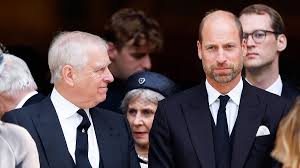
This Is The Arrest Of Former Prince Andrew And Trump’s Reaction On February 19, 2026, Andrew Mountbatten-Windsor, formerly known as Prince Andrew of the British royal family, was arreste...
Explore event →
On February 9, 2026, Prince William and Princess Catherine broke their prolonged silence over revelations emerging from the U.S. Justice Department’s release of the so‑called “Epstein fil...
Explore event →
United Kingdom Tightens Speech and Online Controls In recent years, the UK government has expanded laws regulating online speech and public statements. Authorities can investigate indi...
Explore event →
Great replacement debate in Europe and NGO involvement European countries have experienced sustained migration from Africa, the Middle East, and Asia since the early 2010s. Statistics ...
Explore event →
British Prime Minister apologizes to Epstein victims amid political fallout On February 5, 2026, United Kingdom Prime Minister Keir Starmer issued a public apology to victims o...
Explore event →
Global Oil Prices Rise After Saudi and Russia Production Cut Extension On February 4, 2026, global oil benchmark prices increased following announcements that Saudi Arabia and ...
Explore event →
Christian Communities in the Middle East: Villages and Towns Timeline 523–2026 body { font-family: Arial, sans-serif; background-color: #f4f4f9; margin: 0; padding: 0; } .ti...
Explore event →
Event Timeline body { font-family: Arial, sans-serif; background-color: #f4f4f9; margin: 0; padding: 0; } .timeline-container { max-width: 900px; margin: 50px auto; p...
Explore event →
Seizure of the Marinera Oil Tanker and Transfer of Its Captain from Scottish Waters On 7 January 2026, the United States Coast Guard and U.S. military special forces intercepte...
Explore event →
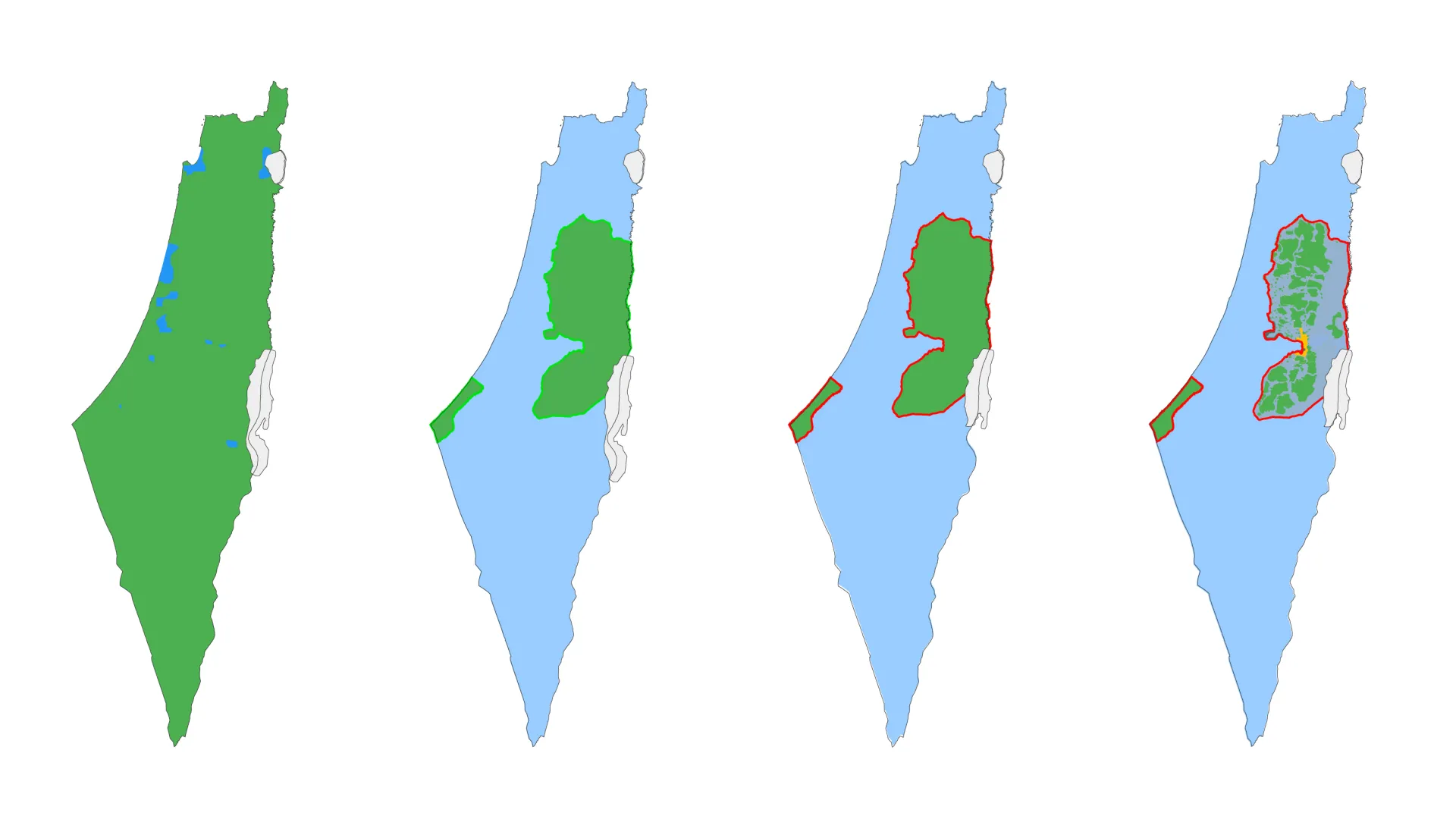
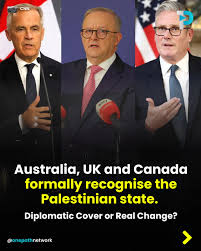
Recognition of Palestine as a Sovereign State The State of Palestine was proclaimed by the Palestine Liberation Organization on 15 November 1988. The State of Palestine is reco...
Explore event →
Lawrence Jones Jailed For Multiple Sex Offenses In United Kingdom On December 1, 2023, British tech entrepreneur **Lawrence Jones** was sentenced to **15 years in prison** by M...
Explore event →
Chaim Halpern is an Orthodox rabbi based in Golders Green, London, England, United Kingdom. He has led a synagogue and has been described in reporting as a prominent figure within segment...
Explore event →
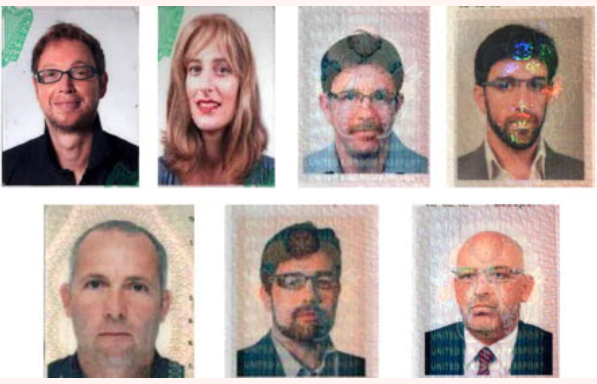
One of the clearest documented cases of Israeli intelligence activity that damaged relations with allies involves the use of forged or cloned passports belonging to citizens of friendly c...
Explore event →
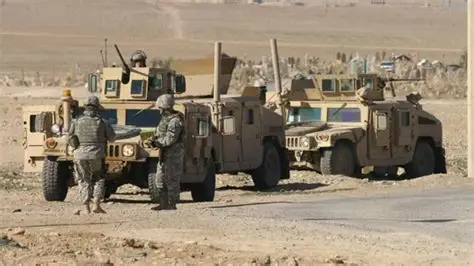
They hate white people “The goal of abolishing the White race is, on its face, so desirable that some may find it hard to believe th...
Explore event →
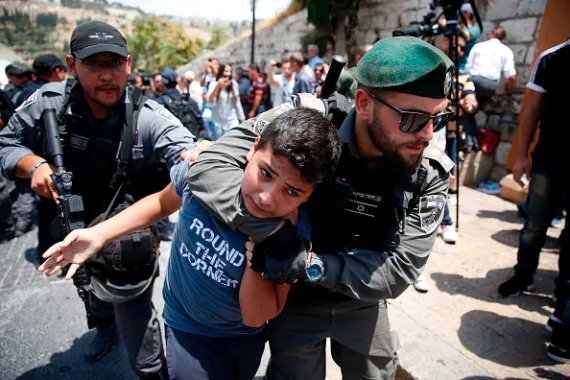
Background and Decision-Makers On March 20, 2003, the United States, the United Kingdom, and coalition allies launched a military invasion of Iraq. The primary justification presented...
Explore event →
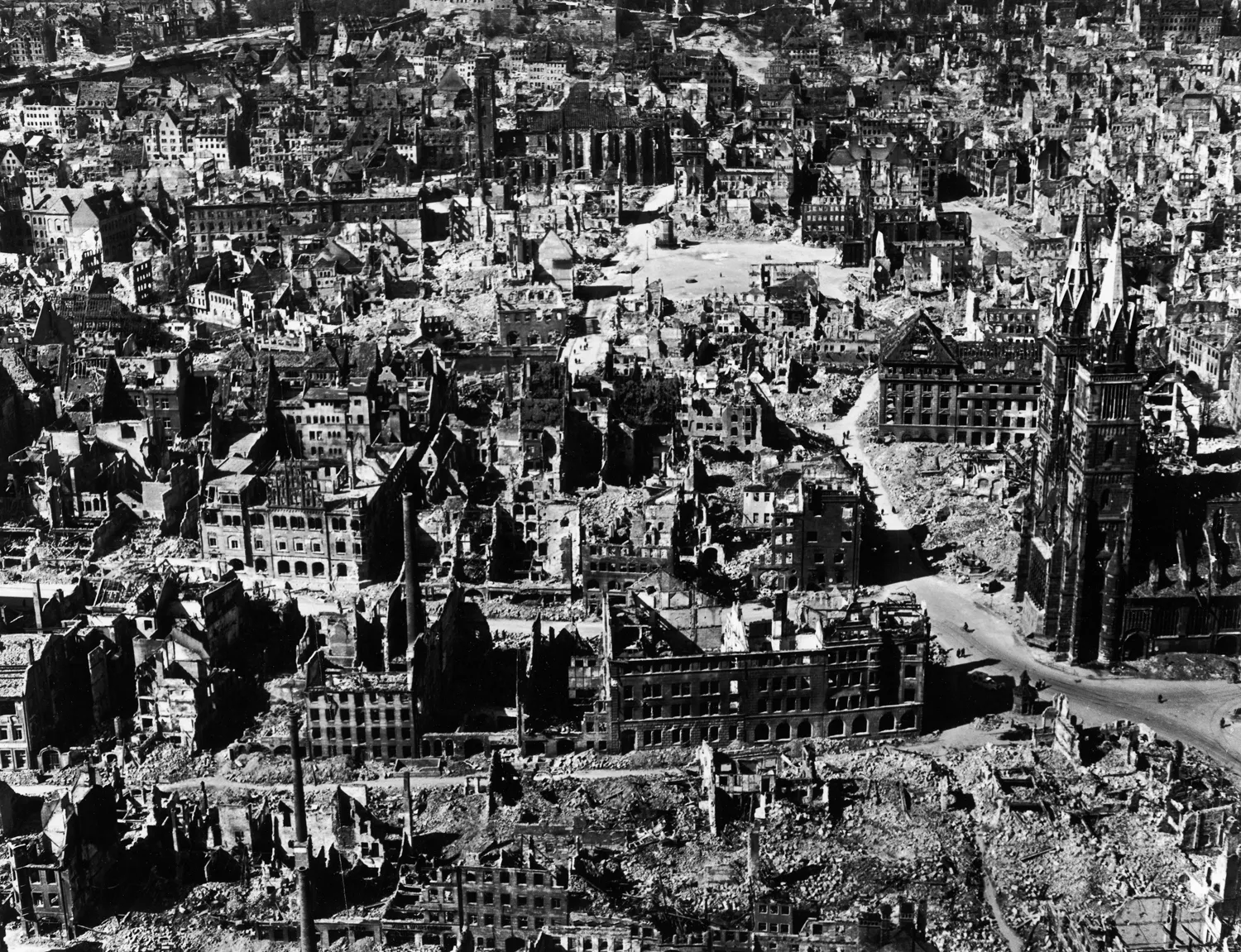
Palestinian children are regularly arrested and detained by Israeli authorities, primarily for security-related offenses, but there is no separate prison exclusively for them. They are he...
Explore event →
During World War II (1939–1945), the Allied forces of the United States and the United Kingdom carried out a widespread strategic bombing campaign against German cities. The campaign targ...
Explore event →
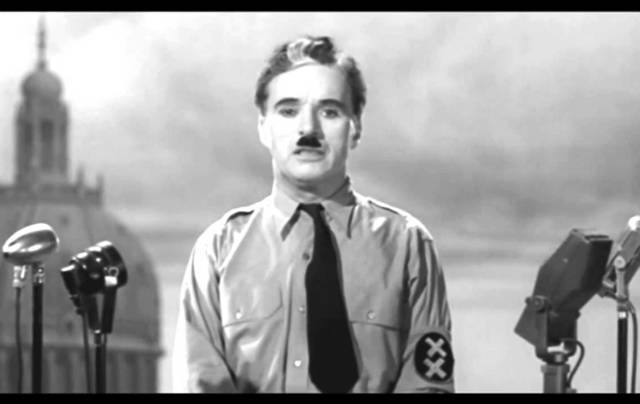
I’m sorry, but I don’t want to be an emperor. That’s not my business. I don’t want to rule or conquer anyone. I should like to help everyone - if possible - Jew, Gentile - black man - whi...
Explore event →
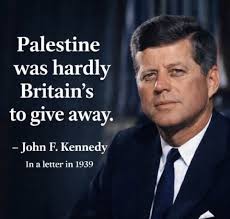
JFK Wrote in 1939 That Palestine Was Hardly Britain's to Give Away In July 1939, John F. Kennedy, then a 22-year-old Harvard student, visited Palestine during a trip arranged b...
Explore event →

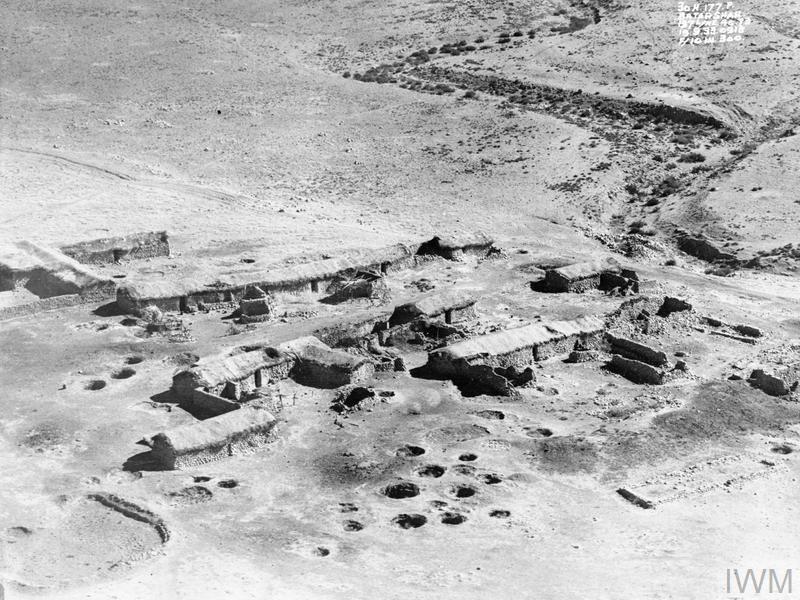
Simele Massacre On August 7, 1933, units of the Iraqi Army entered the town of Simele in northern Iraq during a military campaign targeting Assyrian communities. Tensions had escalated f...
Explore event →
1 September 1928 — Zogu transforms the republic into a monarchy and takes the title Zog I, King of the Albanians. The monarchy seeks modernization and stronger national institutions but b...
Explore published research →
1922–1953 — Egypt operates as a constitutional monarchy shaped by constant competition among the palace, the Wafd Party and British power. Parliamentary government exists but repeatedly s...
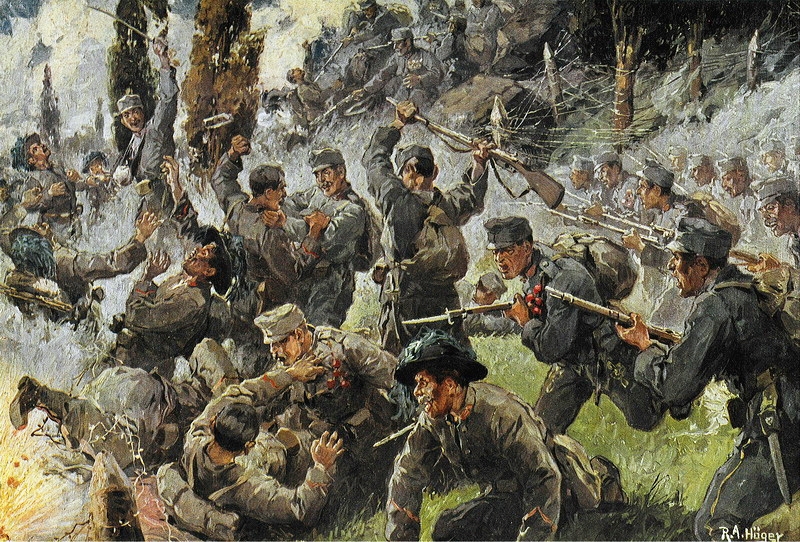
Explore published research →The Battles of the Isonzo were a series of twelve military engagements between the Kingdom of Italy and Austria-Hungary during World War I. They took place along the Isonzo River, on the ...
Explore event →
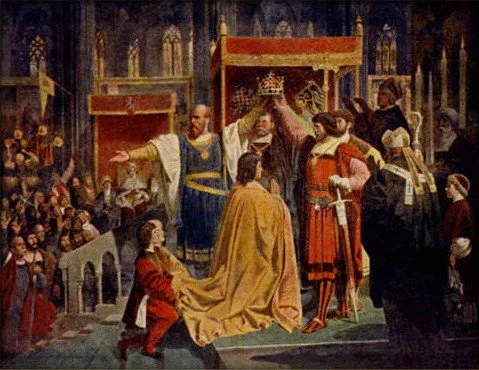
Expulsion of Jews from the Kingdom of Naples In 1540, Jewish communities in the Kingdom of Naples were expelled as the region came under the control of the Spanish crown and became subje...
Explore event →
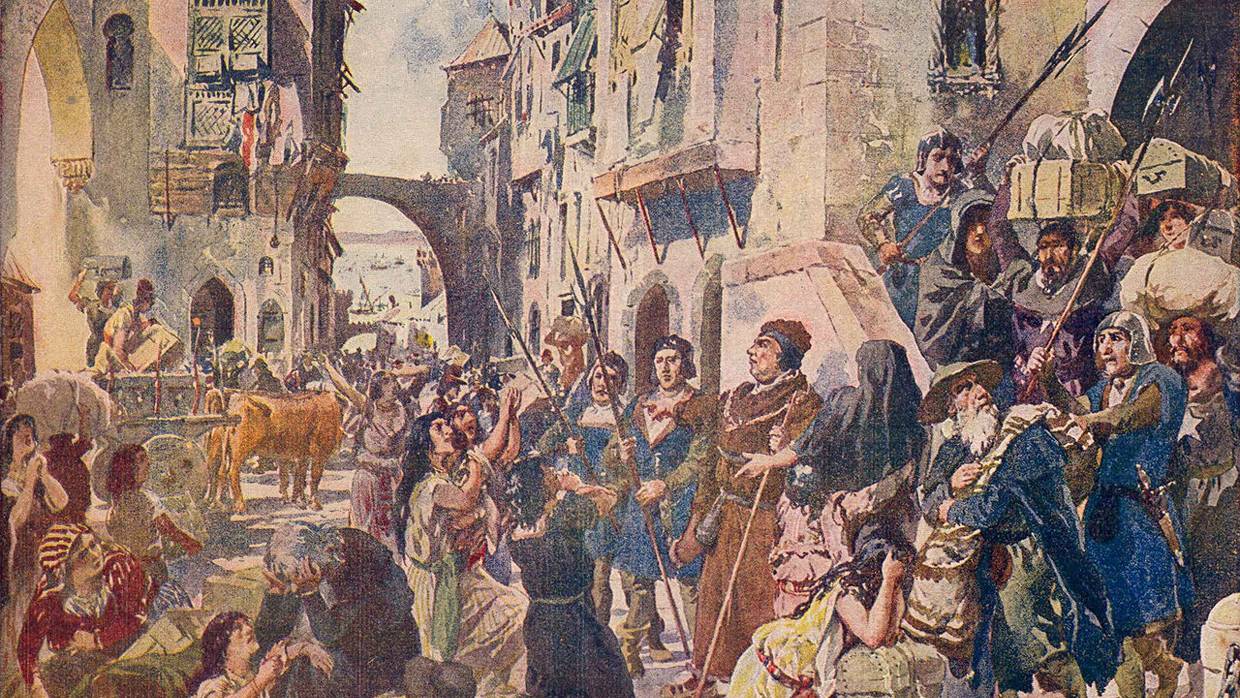
Expulsion of Jews from Portugal On December 5, 1497, King Manuel I of Portugal issued an edict requiring all Jews to either convert to Christianity or leave the kingdom. Unlike the Spani...
Explore event →
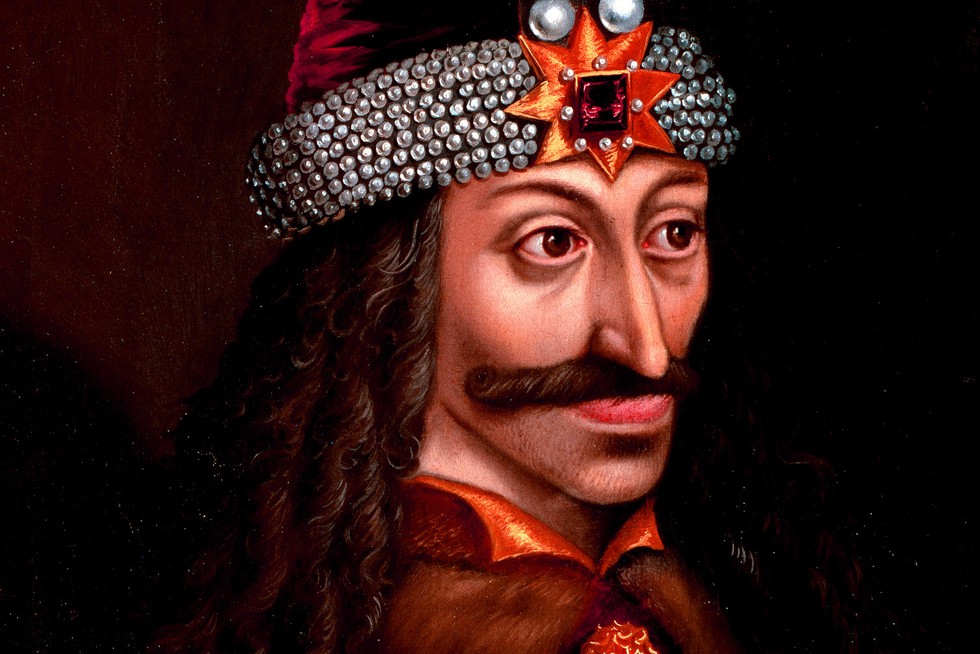
Vlad III Dracula, Prince of Wallachia Vlad III, also known as Vlad the Impaler or Dracula, was born in 1431 in Transylvania, part of the Kingdom of Hungary at the time. He beca...
Explore event →
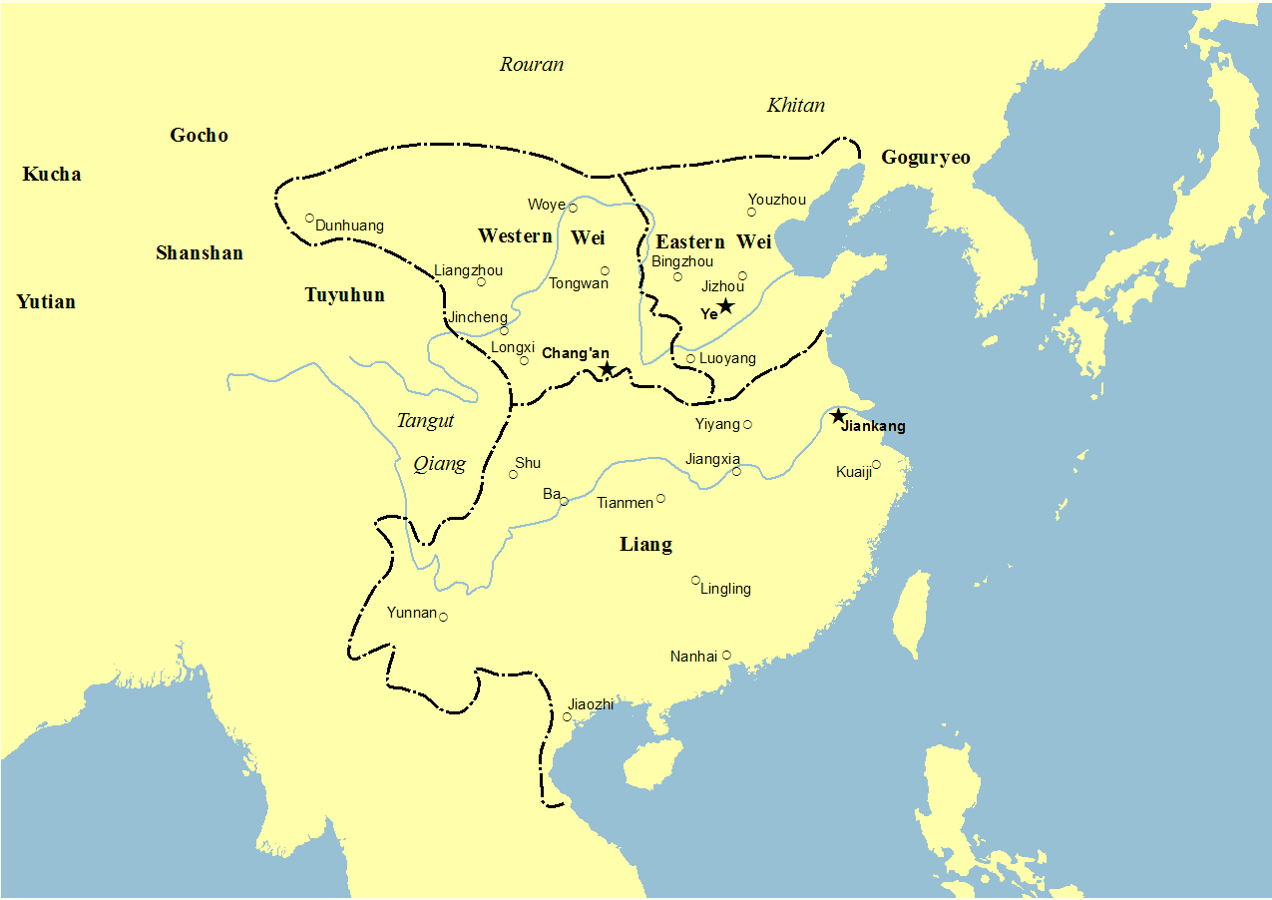
In early March 1371, Cham forces launched a significant raid on the Jiaozhi region of northern Vietnam. The attack targeted local settlements and disrupted the regional governance structu...
Explore event →
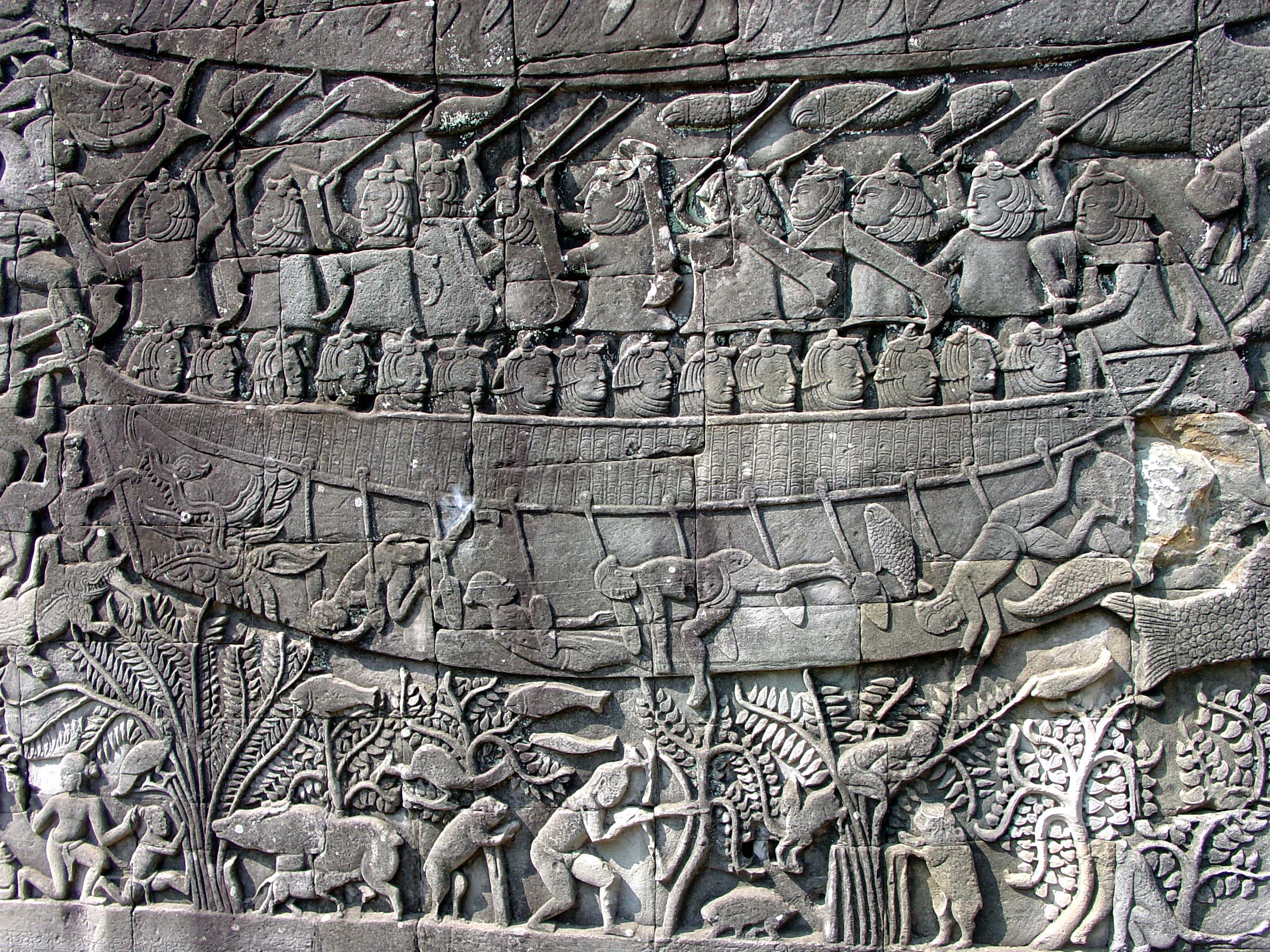
Cham forces launched a large-scale raid against the northern Vietnamese territory of Jiaozhi, resulting in the sacking of the city and widespread destruction. The attack was part of ongoi...
Explore event →
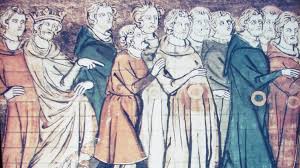
Expulsion of Jews from France On July 22, 1306, King Philip IV of France, also known as Philip the Fair, issued an edict expelling all Jews from the kingdom. The expulsion required Jewis...
Explore event →
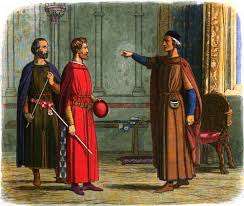
Expulsion of Jews from England On July 18, 1290, King Edward I issued the Edict of Expulsion, ordering all Jews to leave the Kingdom of England. The decree affected Jewish communities ac...
Explore event →
1272 CE — Charles of Anjou establishes the Regnum Albaniae after securing support among local nobles around Durrës. Angevin power proves uneven, but the kingdom demonstrates Albania's gro...
Explore published research →
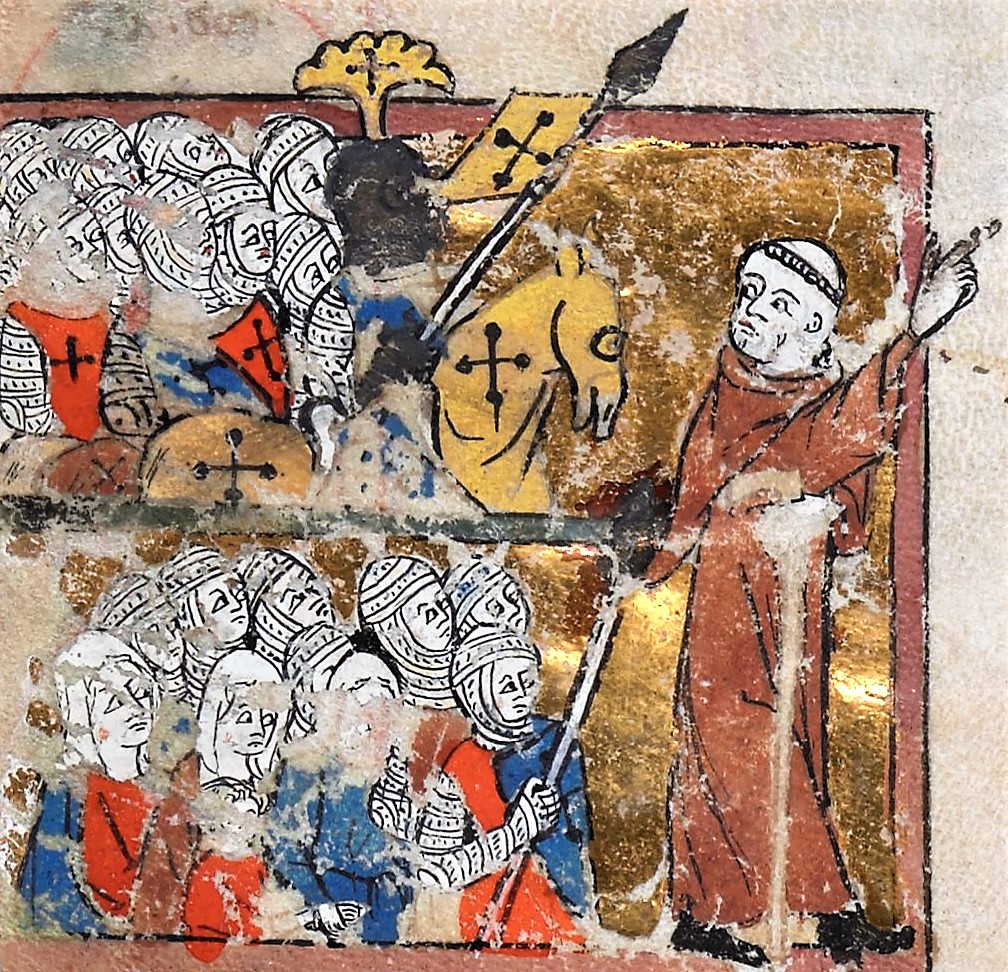
Origins And Objectives Of The Crusades The Crusades were a series of military campaigns initiated between 1095 and 1291, primarily aimed at capturing or defending territories i...
Explore event →
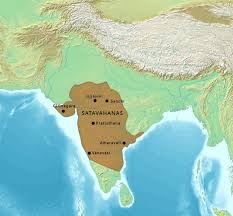
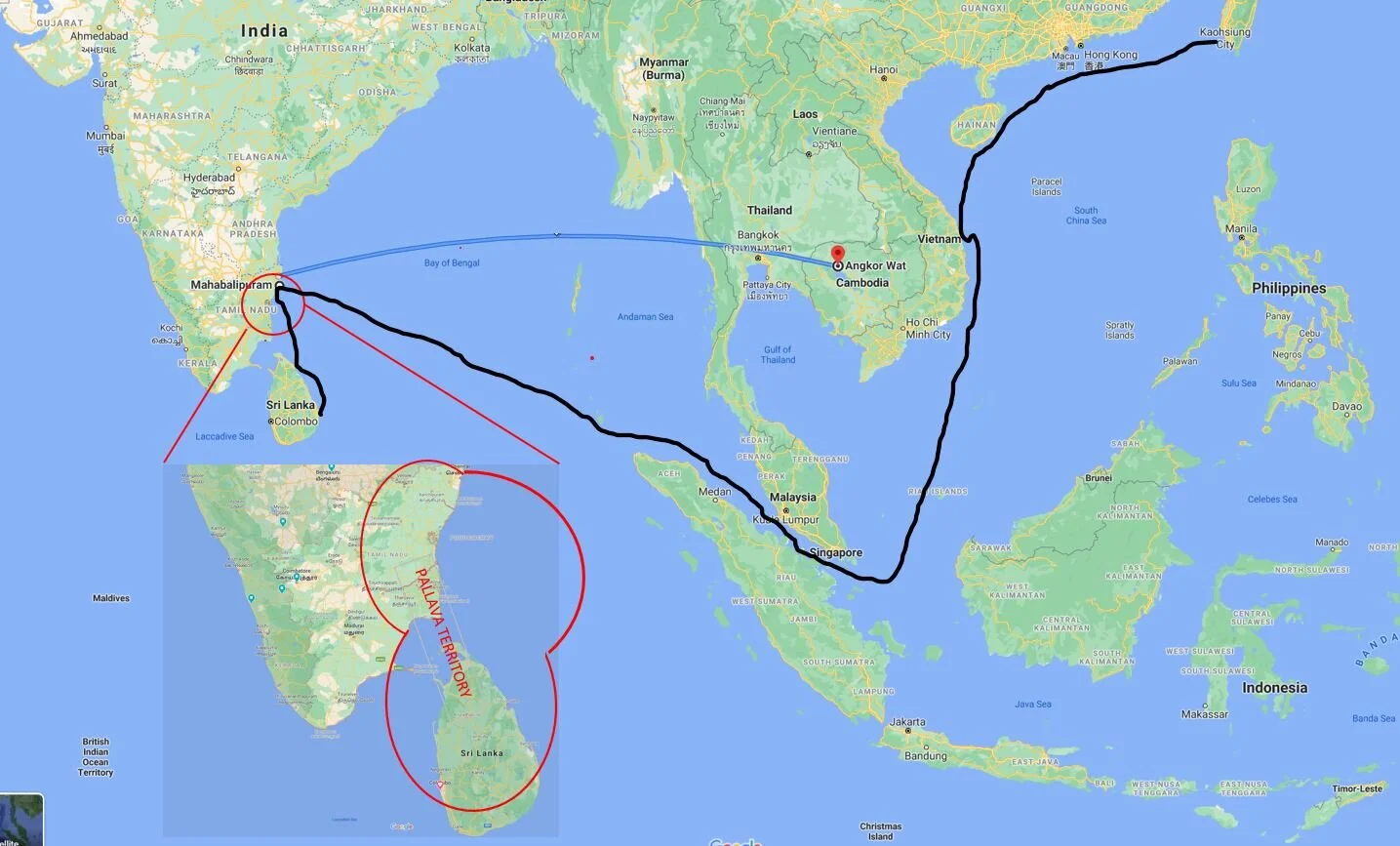
Indian cultural influence expanded significantly throughout Southeast Asia, notably through trade, religion, and political relations established by Indianized kingdoms.This influence is e...
Explore event →
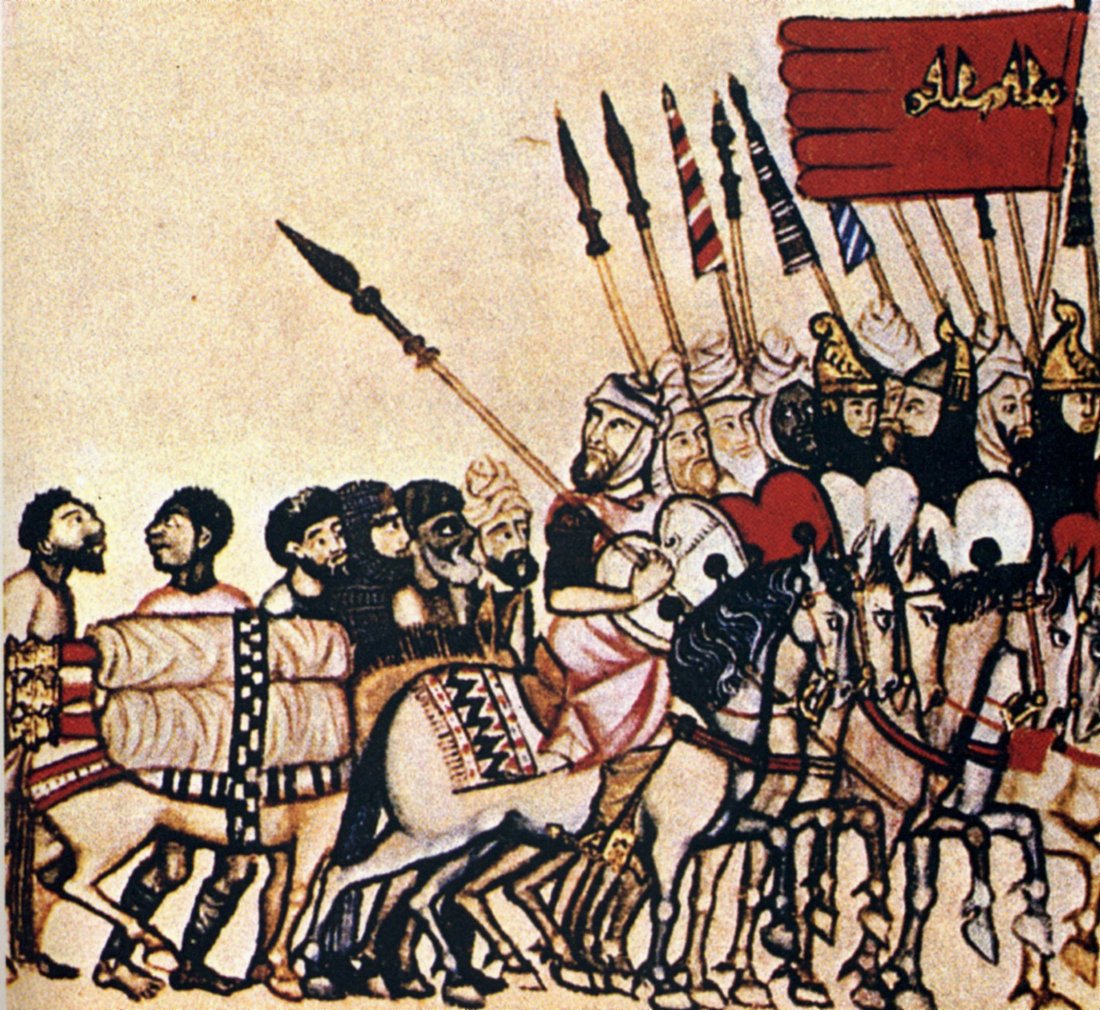
Moorish Invasion Of The Iberian Peninsula On April 30, 711, Umayyad forces led by the Berber commander Tariq ibn Ziyad crossed the Strait of Gibraltar from North Africa into th...
Explore event →
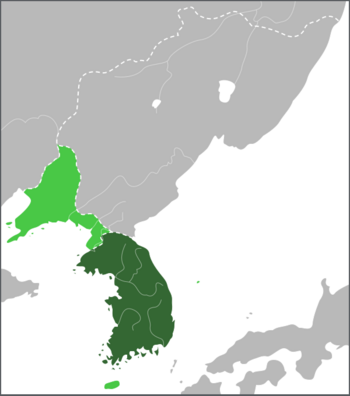
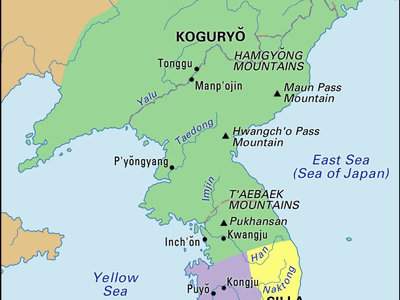
The Silla kingdom successfully unified the Korean Peninsula after defeating the Baekje and Goguryeo kingdoms. This consolidation marked the beginning of the Unified Silla period, which br...
Explore event →
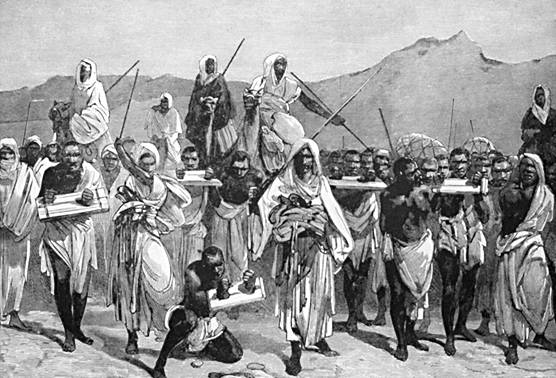
Trans‑Saharan Slave Trade The Trans‑Saharan slave trade began around the mid‑7th century following the Treaty of Baqt in 652 CE, which established formal relations between Arab r...
Explore event →
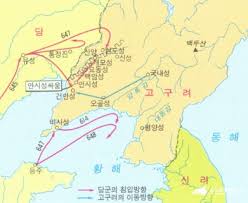
Goguryeo successfully repelled multiple invasions launched by the Tang dynasty of China during the 7th century. The capital fortress of Pyongyang became a critical defensive stronghold ag...
Explore event →
The Pallava dynasty emerged as a dominant power in South India during the early medieval period. Centered around the city of Kanchipuram, they established a strong political and military ...
Explore event →
The Kingdom of Baekje experienced significant cultural and political growth during the mid-6th century. Its leadership established strong diplomatic ties with neighboring states, promotin...
Explore event →
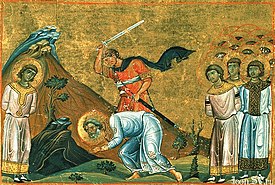
Najran Massacre 523 AD In 523 AD, the Himyarite king Yusuf Asar Dhu Nuwas, a Jewish ruler of the Himyarite Kingdom in present day Yemen, targeted the Christian population of Najr...
Explore event →
Clovis I, the first King of the Franks to unite all Frankish tribes under one ruler, died on November 27. His death marked a significant transition in early medieval European history.He w...
Explore event →
The Edomites, also known in later sources as Idumeans, were an ancient Semitic people who lived in the region south of Judea, historically associated with the descendants of Esau in bibli...
Explore event →
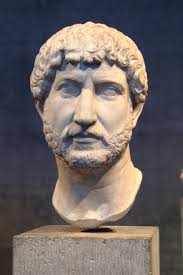
Following the death of Emperor Trajan, Hadrian chose to abandon the eastern conquests achieved during Trajan's campaigns. This strategic withdrawal aimed to consolidate the Roman Empire's...
Explore event →
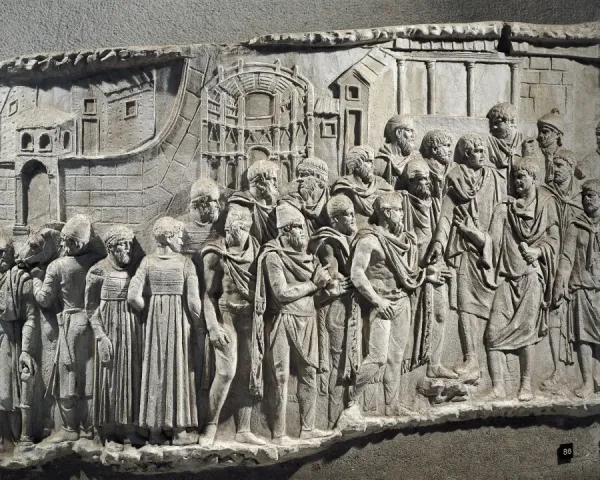
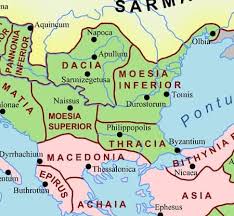
The Roman Empire completed the conquest and annexation of the kingdom of Dacia after a series of military campaigns led by Emperor Trajan. This marked the end of the Dacian Wars, culminat...
Explore event →
The Second Dacian War marks the renewed conflict between the Roman Empire and the Dacian Kingdom, led by King Decebalus. Roman Emperor Trajan launched a major military campaign aiming to ...
Explore event →
The Roman Emperor Trajan launched his first major military campaign against the Dacian Kingdom in early 101 CE. The war was initiated to subdue the powerful Dacian king Decebalus and to s...
Explore event →
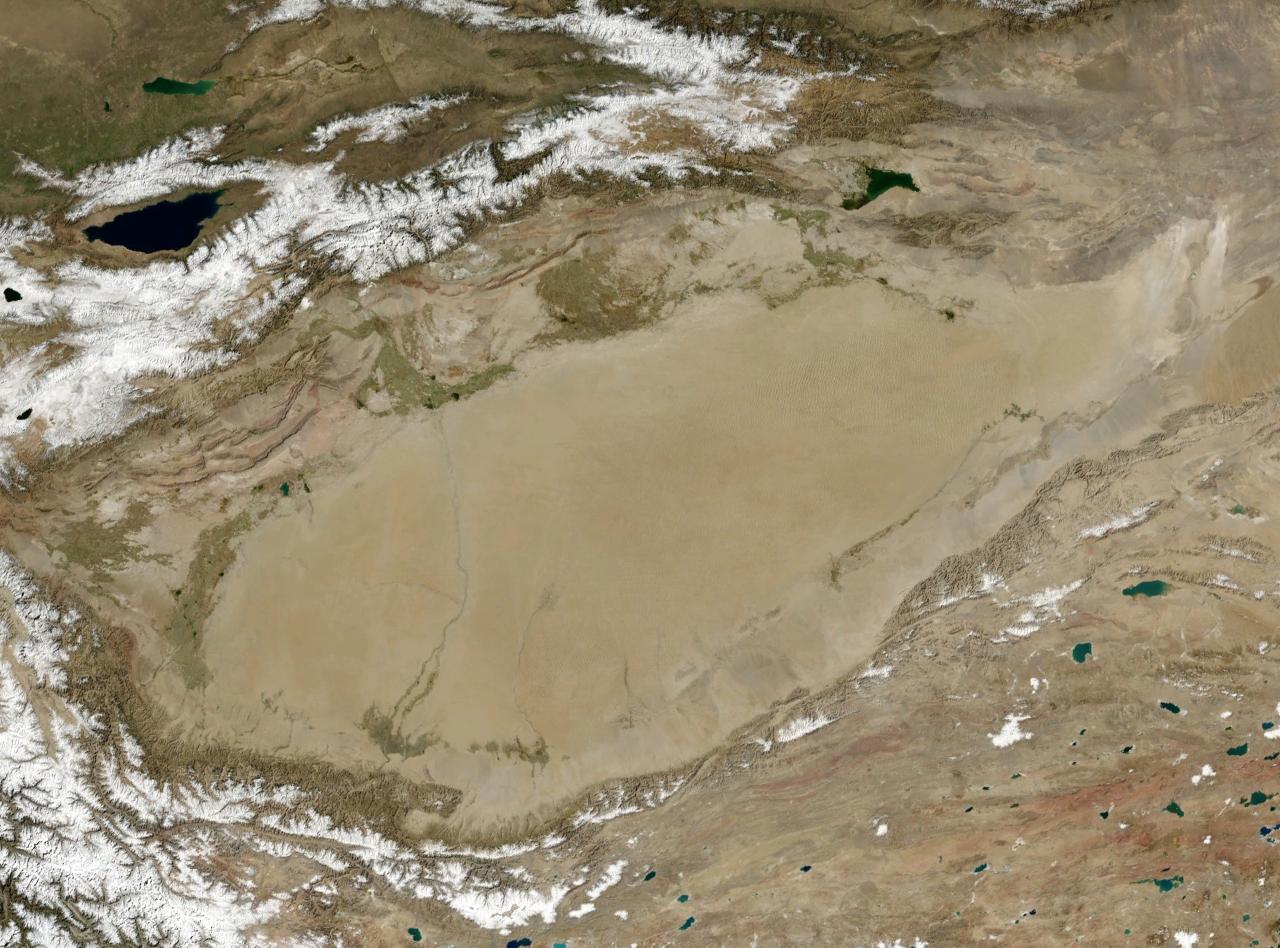
Ban Chao, a renowned Chinese general and explorer of the Eastern Han dynasty, led a significant military and diplomatic expedition to the Tarim Basin. His journey was instrumental in re-e...
Explore event →
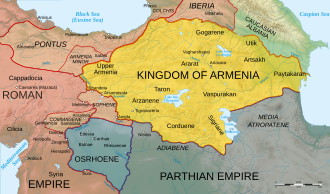
The Roman general Corbulo initiated a military campaign against the Armenian kingdom as part of Rome's efforts to expand influence in the East. This campaign marked the start of confronta...
Explore event →
Ma Yuan was a prominent Han dynasty general who led campaigns in the southern regions of China to consolidate Han authority over the Nanyue Kingdom. His military expeditions were aimed at...
Explore event →
229–228 BCE — Rome sends military forces across the Adriatic against Queen Teuta's kingdom. The war marks Rome's first major armed intervention on the eastern Adriatic coast and begins a ...
Explore published research →
Illyrian ruler whose kingdom came into direct conflict with the expanding Roman Republic.
Explore published research →
305–30 BCE — The Macedonian Ptolemaic dynasty rules Egypt after the fragmentation of Alexander's empire. Its kings present themselves simultaneously as Hellenistic monarchs and Egyptian p...
Explore published research →
Powerful Illyrian ruler of the 4th century BCE who built a kingdom capable of challenging Macedonia.
Explore published research →
4th–3rd centuries BCE — Several Illyrian dynasties consolidate larger kingdoms across the western Balkans. Their rulers compete with Macedonia, Epirus and Greek coastal cities while becom...
Explore published research →
Untitledc. 747–656 BCE — Kings from the Nubian kingdom of Kush expand north and eventually control Egypt as the Twenty-Fifth Dynasty. They deliberately present themselves as restorers of ...
Explore published research →
c. 1070 BCE — Central royal authority weakens while powerful priestly institutions and regional rulers gain influence. Egypt loses much of its empire in the Levant and increasingly fragme...
Explore published research →
c. 1457 BCE — Thutmose III defeats a coalition of Levantine rulers near Megiddo. Egyptian inscriptions provide one of history's earliest detailed military campaign narratives. Victory str...
Explore published research →
c. 1550–1525 BCE — Ahmose I completes the Theban war against the Hyksos and captures their capital at Avaris. His campaigns reunify Egypt and extend Egyptian power into Nubia and the sout...
Explore published research →
c. 1550–1070 BCE — Egypt becomes one of the great imperial powers of the Late Bronze Age. Pharaohs campaign into Nubia and the Levant while wealth flows into enormous temple complexes, ro...
Explore published research →
c. 2055–1650 BCE — Reunified Egypt experiences renewed royal authority, extensive building programs and military expansion into Nubia. Literature flourishes and Egyptian administration be...
Explore published research →
c. 2061–2010 BCE — Mentuhotep II rules from Thebes and defeats the northern rival kingdom. His victory reunifies most of Egypt and establishes the political foundation of the Middle Kingd...
Explore published research →
c. 2181–2055 BCE — Egypt is politically divided among competing centers, especially Herakleopolis in the north and Thebes in the south. Provincial rulers exercise greater independence tha...
Explore published research →
c. 2200–2181 BCE — Central royal authority weakens as powerful provincial elites gain greater independence. Low Nile floods and climatic instability may have intensified economic stress a...
Explore published research →
c. 2300–2055 BCE — Investigate weakening royal authority, powerful provincial elites, low Nile floods, climate stress and administrative fragmentation. None of these factors alone fully e...
Explore published research →
c. 2686–2181 BCE — The Old Kingdom becomes the classic age of pyramid construction and highly centralized kingship. The royal court controls extensive agricultural resources and commands ...
Explore published research →
c. 3100 BCE — Political consolidation produces a state extending across most of the Nile Valley and Delta. A royal court, taxation system, organized labor force and increasingly sophistic...
Explore published research →