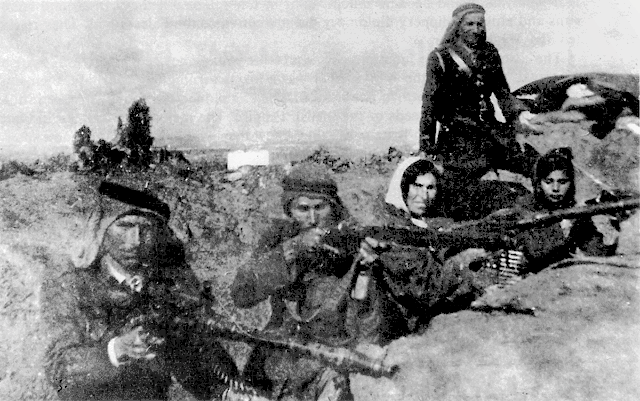
Arab Revolt in Palestine (1936–1939)
The Arab Revolt in Palestine was a nationalist uprising by Palestinian Arabs against British colonial rule and mass Jewish immigration under the British Mandate, which...
Explore event →History does not happen in isolation. Explore world events across time, follow the connections between them, and investigate the threads that reveal how one event can lead to another.
TheTimeMap currently follows events across 95 countries and 268 years of history — building a connected archive designed for people who want to look beyond the headline.
We oppose antisemitism, racism, and dehumanization — everywhere.
When people stop feeling, injustice becomes easy.
The Arab Revolt in Palestine was a nationalist uprising by Palestinian Arabs against British colonial rule and mass Jewish immigration under the British Mandate, which...
Explore event →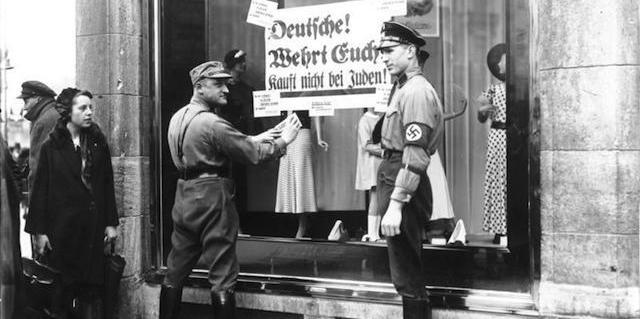
Financial backers of Hitler in 1933 In early 1933, Adolf Hitler received financial support from multiple sources as he rose to power in Germany. Major contributions c...
Explore event →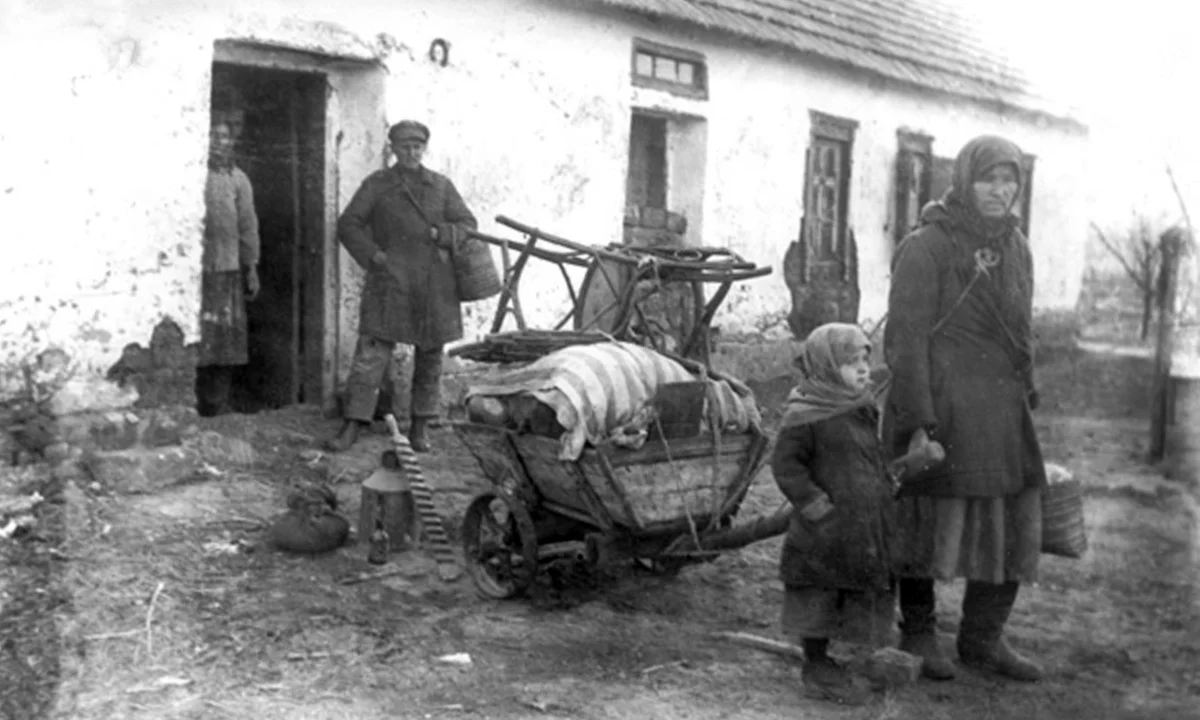
Soviet-Era Famines Under Bolshevik Rule Between 1930 and 1933, a series of mass famines occurred across the Soviet Union following Bolshevik policies of for...
Explore event →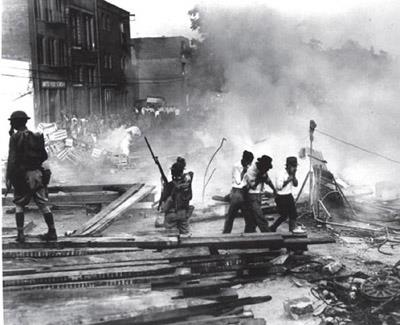
Bonus army removed from Washington In the spring and summer of 1932, approximately 17,000 to 25,000 World War I veterans, along with their families and supporters, as...
Explore event →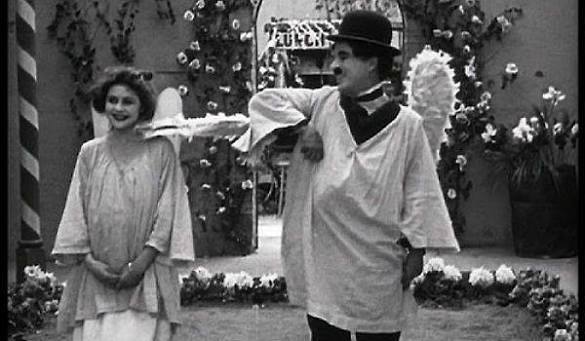
Charlie Chaplin married actress Lita Grey on November 25, 1924, in Empalme, Sonora, Mexico. Chaplin was 35 years old and Grey was 16. Their marriage followed a relatio...
Explore event →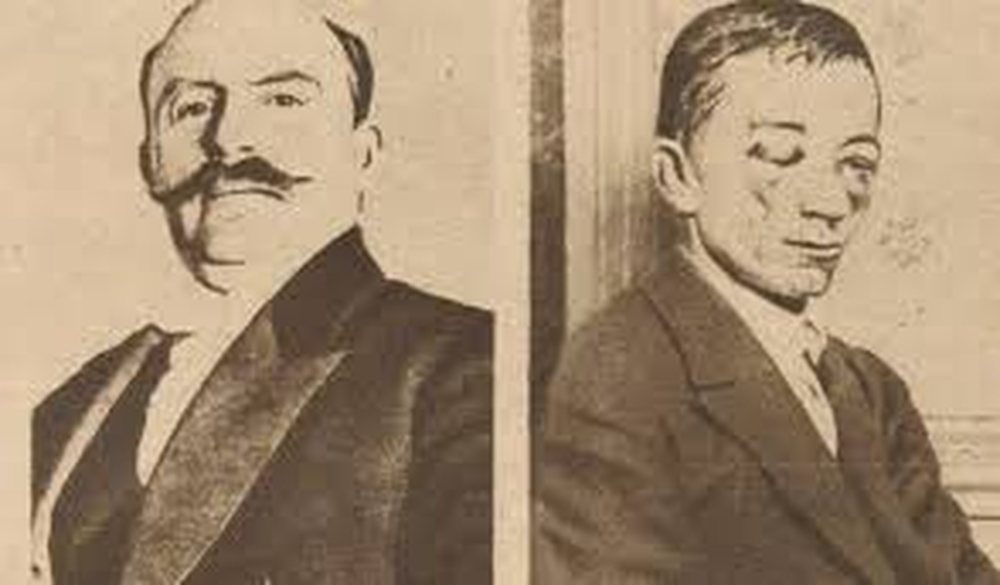
On June 13, 1920, Albanian political activist Avni Rustemi shot and killed Essad Pasha Toptani in Paris, France. Essad Pasha was an Albanian Ottoman-era political and ...
Explore event →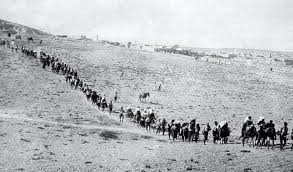
Pontic Greek Genocide On May 19, 1919, military operations intensified against Greek communities in the Pontus region along the Black Sea coast of the Ottoman Empire....
Explore event →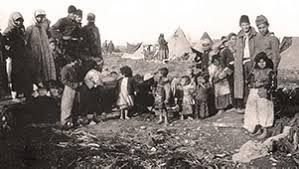
Greek Genocide On May 19, 1919, Greek communities in the Pontus region of the Ottoman Empire faced intensified military operations during the final phase of systemati...
Explore event →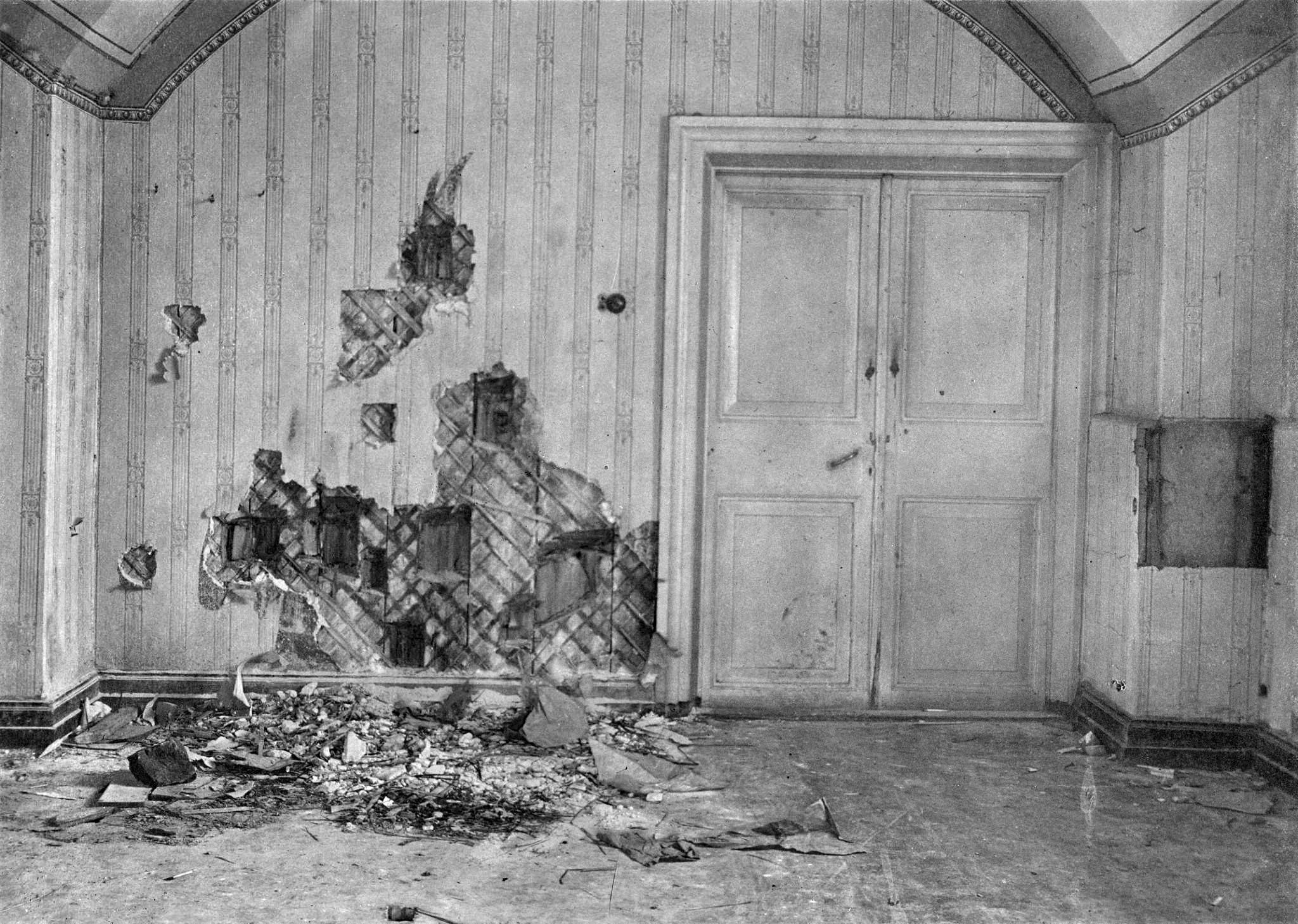
Murder of the Romanovs On July 17, 1918, the last Russian Emperor, Nicholas II, along with his wife Alexandra, their five children, and four loyal attendants, were ex...
Explore event →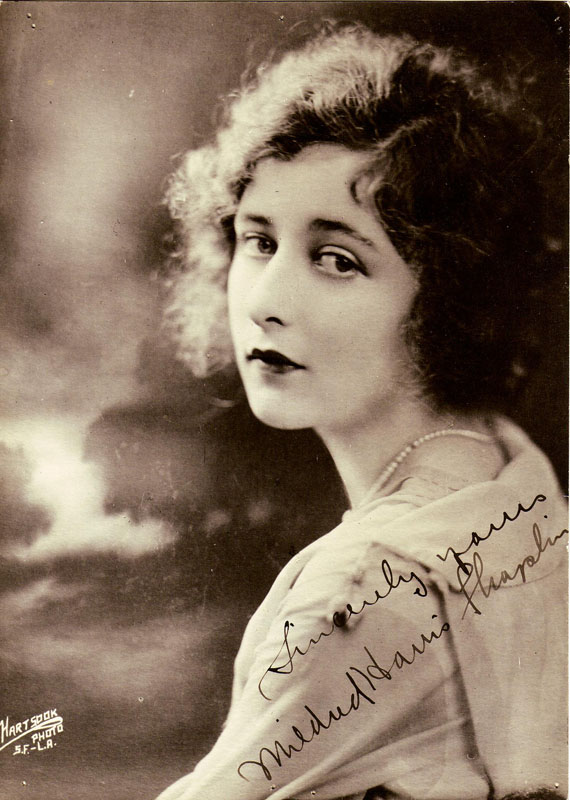
Charlie Chaplin married actress Mildred Harris on October 23, 1918, in Los Angeles. Chaplin was 29 years old and Harris was 16. Harris was already working as a film ac...
Explore event →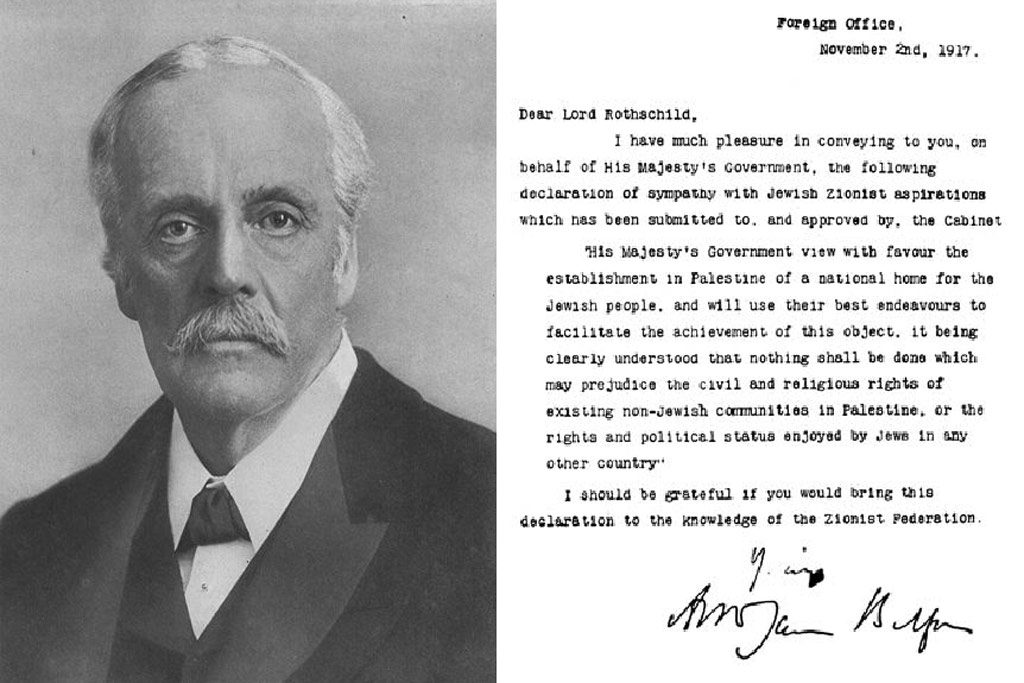
The Balfour Declaration was a public statement issued on November 2 1917 by the British government during World War I expressing support for the establishment of a nat...
Explore event →
1913 – Foundations of the Modern World body { font-family: Arial, sans-serif; background-color: #f4f4f9; margin: 0; padding: 0; } .timeline-container { ...
Explore event →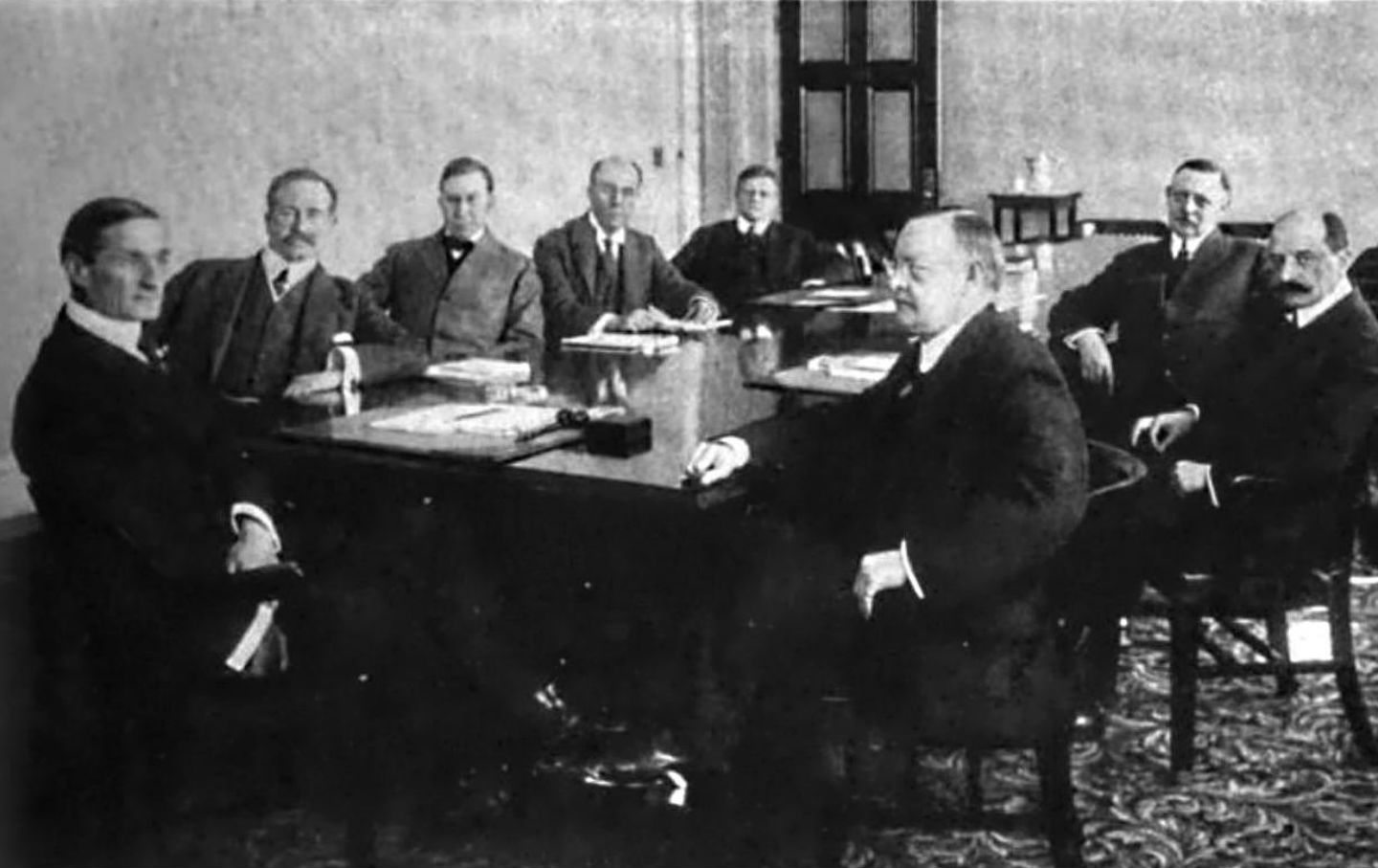
The creation of the Federal Reserve System on December 23, 1913, established the central banking authority of the United States. It was enacted through the Federal Res...
Explore event →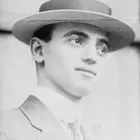
In August 1913, Leo Frank, a Jewish factory superintendent at the National Pencil Company in Atlanta, Georgia, was tried and convicted for the murder of 13-year-old Ma...
Explore event →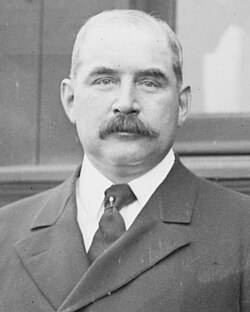
The Titanic sank on April 15, 1912, during its maiden voyage from Southampton to New York. Among the planned passengers was financier J.P. Morgan, head of the Internat...
Explore event →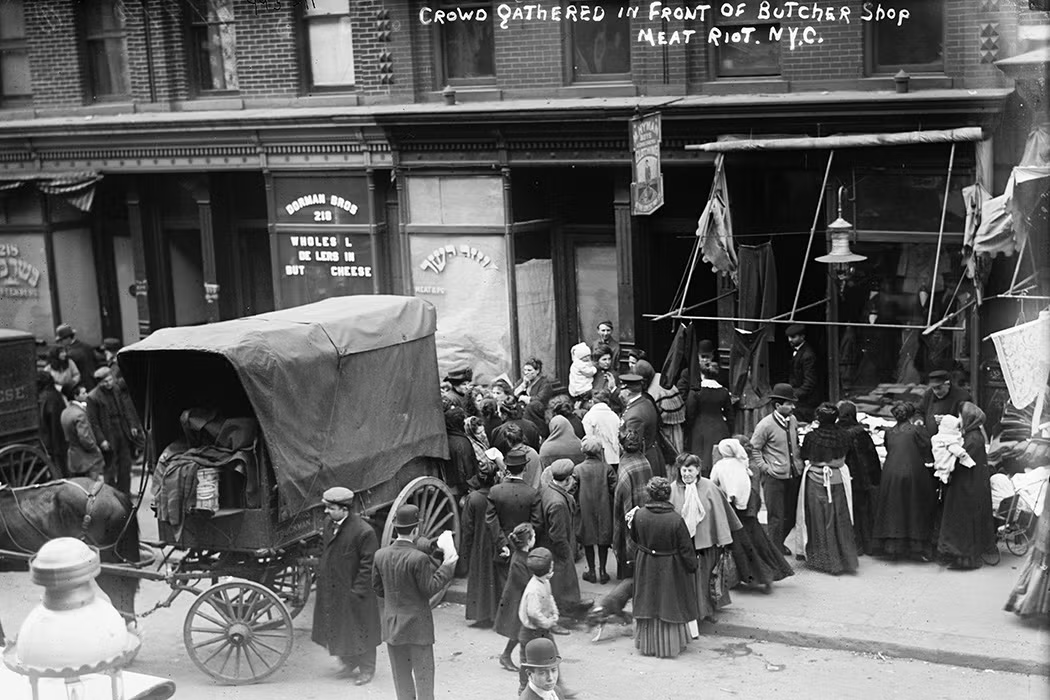
In early 1900s New York, rising kosher meat prices led Jewish immigrant women to organize a boycott, involving thousands of participants. This protest was a significan...
Explore event →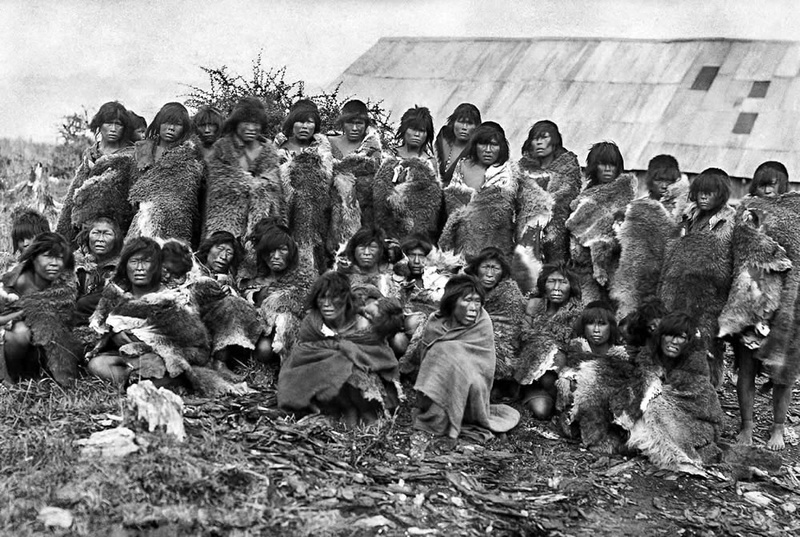
The Selk'nam genocide refers to the systematic extermination of the Selk'nam people, indigenous inhabitants of the Tierra del Fuego archipelago in Patagonia, during th...
Explore event →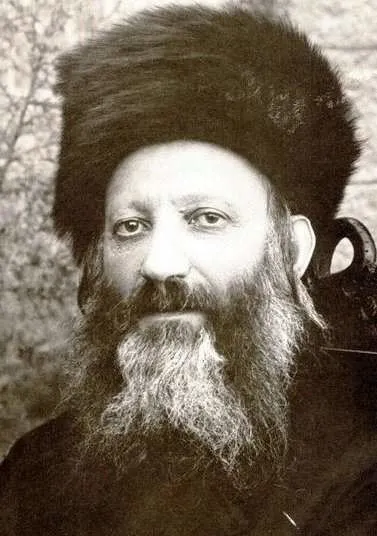
Abraham Isaac Kook (December 9, 1865 – September 1, 1935) was a Jewish religious thinker, rabbi, and the first Ashkenazi Chief Rabbi of British Mandate Palestine. He i...
Explore event →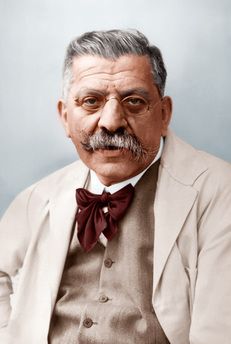
The Wissenschaftlich-humanitäres Komitee, widely recognized as the first organization advocating for the rights of homosexual individuals, was established in Berlin in...
Explore event →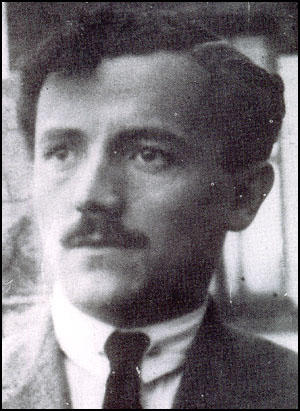
Alexander Orlov, born Lev Lazarevich Feldbin on 21 August 1895 in Bobruisk, was a Soviet NKVD officer from an Orthodox Jewish family. He later operated under several a...
Explore event →
Charlie Chaplin was an English actor, filmmaker, composer, and producer who became one of the most prominent figures of twentieth-century cinema. His career included s...
Explore event →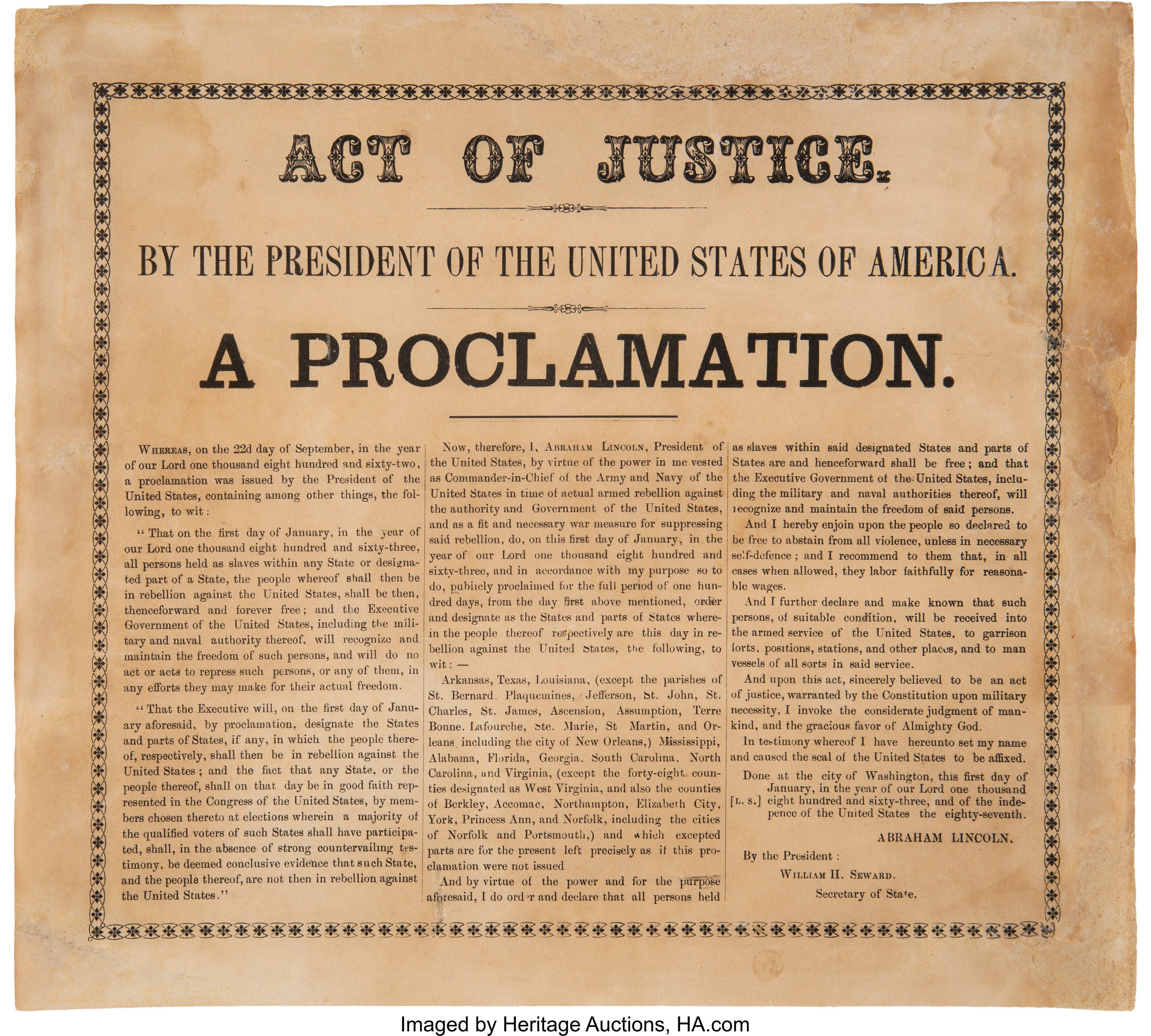
U.S. President Abraham Lincoln issued the Emancipation Proclamation, declaring freedom for enslaved people in Confederate states and redefining the Civil War as a stru...
Explore event →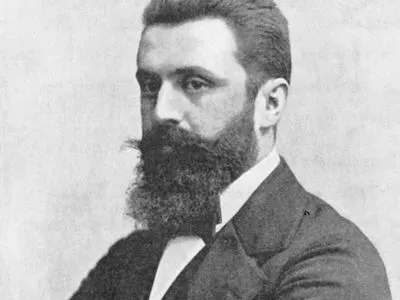
Theodor Herzl (May 2, 1860 – July 3, 1904) was an Austro‑Hungarian journalist, playwright, and writer who is considered a founder of modern political Zionism. Herzl pr...
Explore event →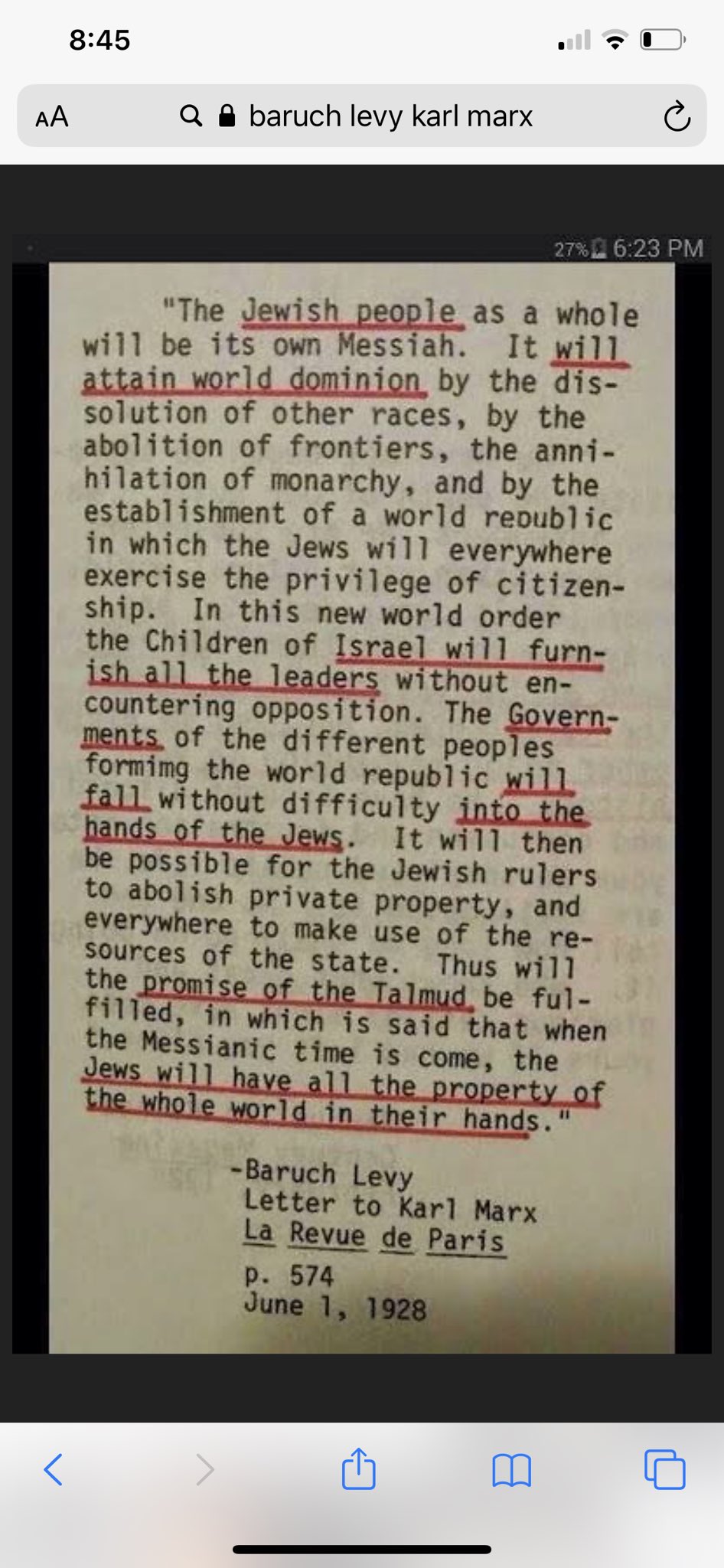
Baruch Levy letter to Karl Marx
Explore event →
6 August 2015 — Egypt inaugurates a major expansion of the Suez Canal involving a new parallel channel along part of the route and widening of existing sections. The g...
Explore research
27 June 2014 — Albania receives candidate status for membership in the European Union. Judicial reform, corruption, organized crime, public administration and rule of ...
Explore research
2014–2026 — Egypt remains the most populous country in the Arab world and one of the principal political centers of the eastern Mediterranean and Middle East. Cairo do...
Explore research
2011–2014 — Mubarak's fall opens competitive elections and unprecedented political participation, but the transition rapidly produces institutional conflict, polarizat...
Explore research
28 April 2009 — Albania formally submits its application for membership in the European Union, beginning a long process of institutional and legal reforms tied to acce...
Explore research
1 April 2009 — Albania becomes a full member of NATO. Membership marks a major milestone in the country's post-communist integration with Western political and securit...
Explore research
January–August 1997 — The collapse of enormous fraudulent investment schemes wipes out the savings of hundreds of thousands of Albanians. Armed rebellion spreads, mili...
Explore research
31 March 1991 — Albania holds its first competitive multiparty parliamentary elections since the communist takeover. The former communist Party of Labour wins, but the...
Explore research
1991–2026 — Albania develops as a parliamentary republic after the collapse of communist rule. It joins NATO, pursues European Union membership and undergoes rapid urb...
Explore research
11 December 1990 — Albania's communist leadership accepts the legalization of independent political parties. The decision effectively ends the political monopoly creat...
Explore research
26 March 1979 — Egypt and Israel sign a formal peace treaty in Washington. Israel agrees to withdraw from Sinai, which is gradually returned to Egyptian control. Egypt...
Explore research
6–25 October 1973 — Egyptian and Syrian forces launch a surprise attack against Israeli positions. Egyptian troops successfully cross the Suez Canal and penetrate the ...
Explore research
International membership organization founded in 1973 by David Rockefeller to bring together participants from North America, Europe, and Asia for discussion of intern...
Explore research
David Rockefeller founded the Trilateral Commission in 1973 as an organization bringing together participants from North America, Europe, and Asia.
Explore research
1970–1981 — Anwar Sadat succeeds Nasser and gradually redirects Egyptian foreign and economic policy. He reduces Soviet influence, encourages economic liberalization a...
Explore research
Henry Kissinger served as director of the Rockefeller Brothers Fund Special Studies Project during the late 1950s and early 1960s. The project examined major problems ...
Explore research
German-born economist and engineer who founded the European Management Symposium, later known as the World Economic Forum, and served as its principal leader.
Explore research
German-born American diplomat, political scientist, national security adviser, and secretary of state. He served as national security adviser beginning in 1969 and as ...
Explore research
March–April 1919 — Mass demonstrations, strikes and civil unrest erupt after British authorities exile nationalist leader Saad Zaghloul and other members of the Wafd m...
Explore research
August–November 1918 — Germany and its allies face military retreat, shortages, exhaustion and growing political instability. Bulgaria, the Ottoman Empire and Austria-...
Explore research
6 April 1917–11 November 1918 — The United States begins converting its enormous economy and population into military power. Millions of men enter the draft system whi...
Explore research
1 February 1917–11 November 1918 — German submarines attack merchant shipping in an attempt to reduce British imports below sustainable levels. Early shipping losses a...
Explore research
1917–1918 — Woodrow Wilson increasingly presents American participation as part of a larger project to restructure international relations. His Fourteen Points call fo...
Explore research
December 1916–January 1917 — German naval and military leaders conclude that unrestricted submarine warfare may force Britain out of the war. They understand that the ...
Explore research