Taiwan simulates Penghu invasion
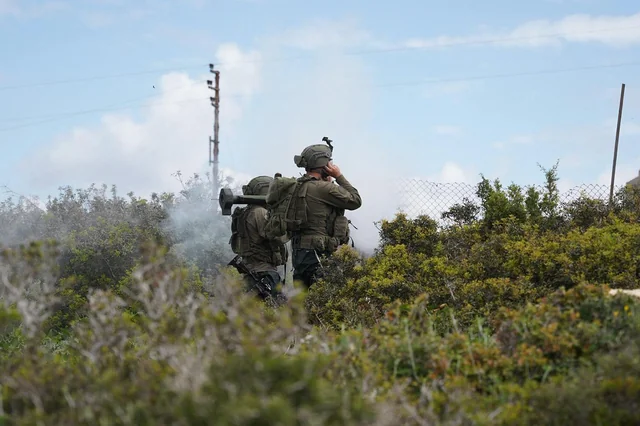
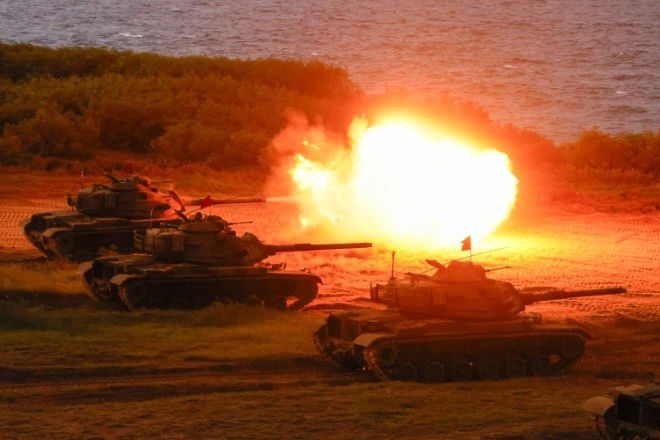
Taiwanese forces conducted a large-scale military exercise on the Penghu Islands on August 10, 2026, simulating the defense of the islands against an amphibious assault. The exercise i...
Explore event →History does not happen in isolation. Explore world events across time, follow the connections between them, and investigate the threads that reveal how one event can lead to another.
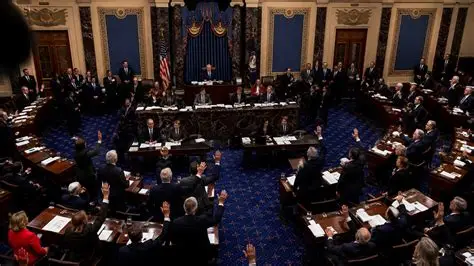
TheTimeMap currently follows events across 95 countries and 268 years of history — building a connected archive designed for people who want to look beyond the headline.
We oppose antisemitism, racism, and dehumanization — everywhere.
When people stop feeling, injustice becomes easy.
Taiwanese forces conducted a large-scale military exercise on the Penghu Islands on August 10, 2026, simulating the defense of the islands against an amphibious assault. The exercise i...
Explore event →
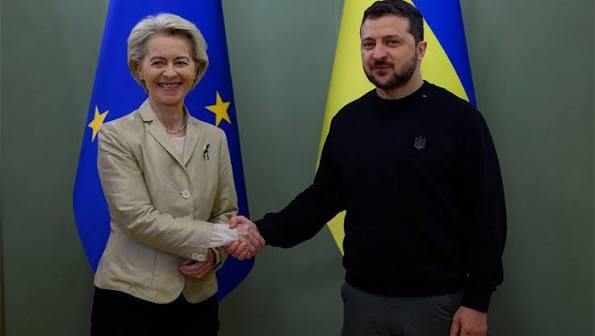
The United States Senate passed legislation on August 7, 2026, expanding economic sanctions against Russia and maintaining sanctions involving Iran. The measure passed by a vote of 86 to ...
Explore event →
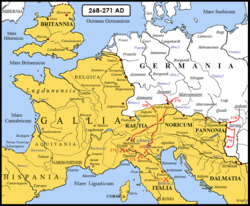
The European Commission proposed changes to the European Union's temporary protection scheme that would exclude Ukrainian men aged 23 to 60 who are not legally permitted to leave Ukraine ...
Explore event →
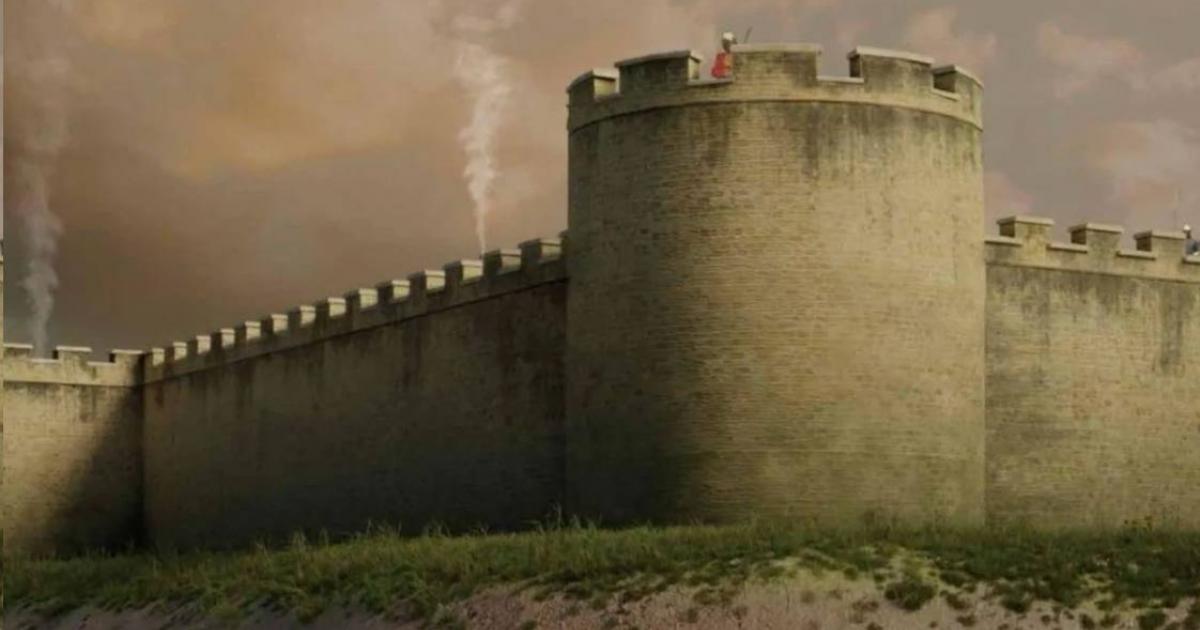
The Israel Defense Forces stated that fully disarming Hezbollah in Lebanon is not considered achievable under current military operations, according to reports published on April 3, 2026....
Explore event →
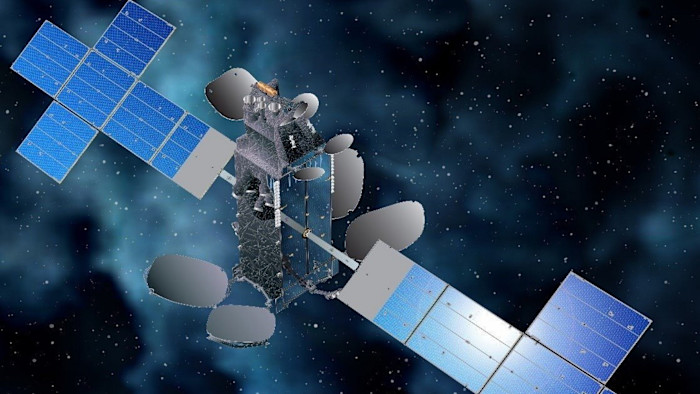
Interceptions of European Satellites by Russian Spacecraft On February 5, 2026, European security officials reported that at least a dozen key European satellites had been intercepted b...
Explore event →
Event Timeline body { font-family: Arial, sans-serif; background-color: #f4f4f9; margin: 0; padding: 0; } .timeline-container { max-width: 900px; margin: 50px auto; p...
Explore event →
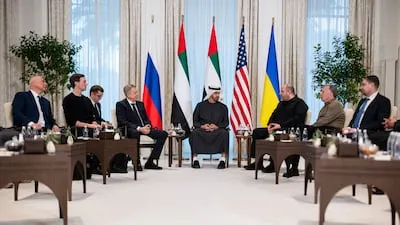
On January 25, 2026, Ukraine, Russia, and United States negotiators continued trilateral talks in Abu Dhabi aimed at negotiating terms to end the ongoing Russian invasion of Ukraine. Thou...
Explore event →
The Nord Stream pipelines are two major natural gas pipelines, Nord Stream 1 and Nord Stream 2, running under the Baltic Sea from Russia to Germany. The pipelines were designed to transpo...
Explore event →
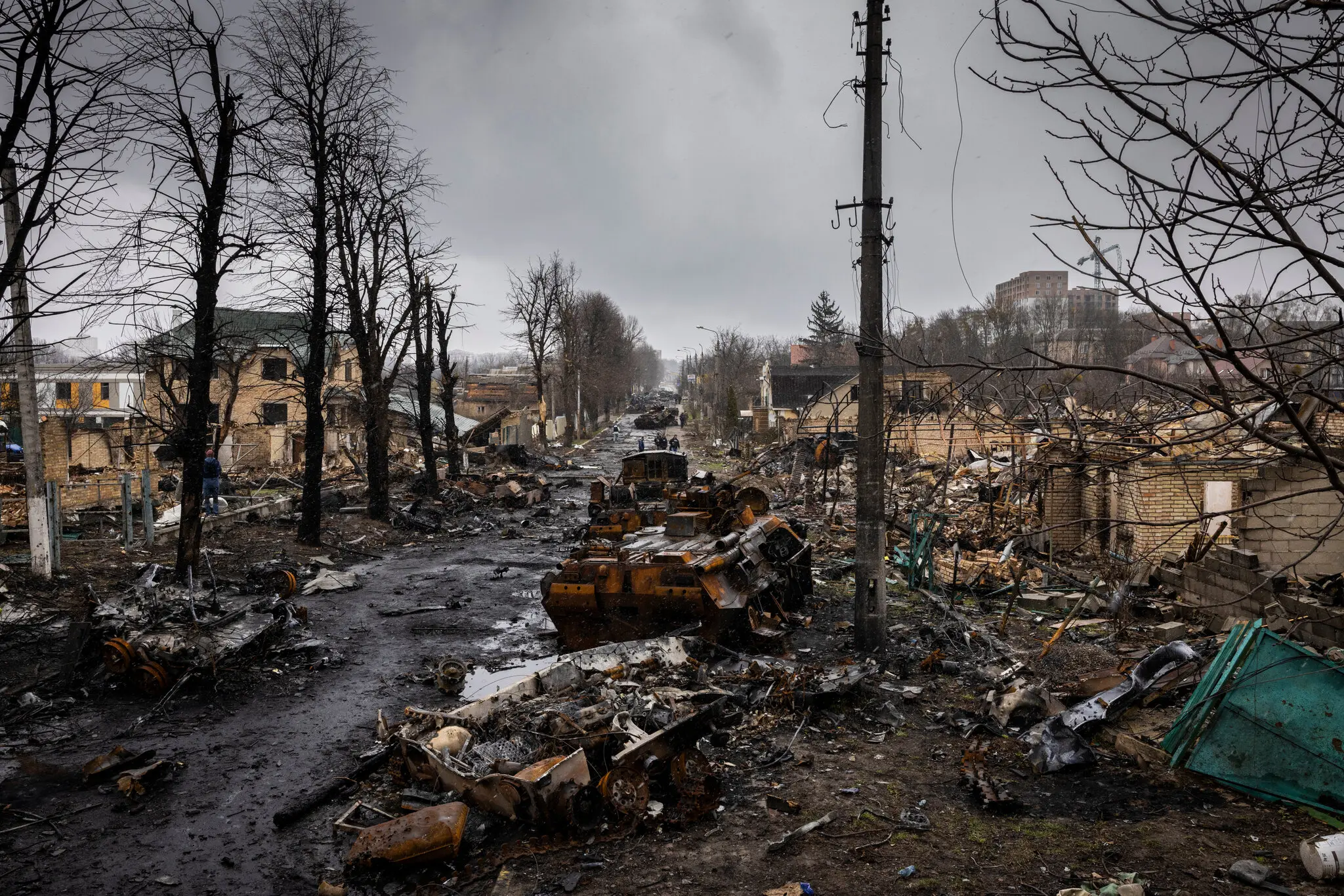
Russia launched a large-scale military invasion of Ukraine on February 24, 2022. Russian President Vladimir Putin announced what he called a special military operation shortly before Russ...
Explore event →
Iraqi journalist throws shoes at U.S. President George W. Bush during Baghdad visit On December 14, 2008, Iraqi journalist Muntadhar al-Zaidi threw two shoes at U.S. President ...
Explore event →
Gilgamesh narratives resurface amid 2003 Iraq war and Euphrates region focus In April 2003, during the early phase of the U.S.-led invasion of Iraq, international media reporte...
Explore event →
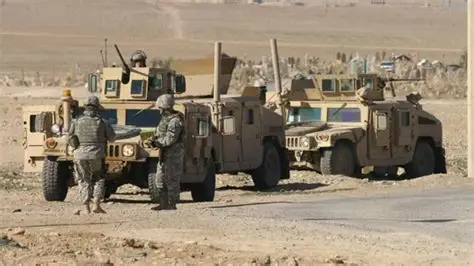
Background and Decision-Makers On March 20, 2003, the United States, the United Kingdom, and coalition allies launched a military invasion of Iraq. The primary justification presented...
Explore event →
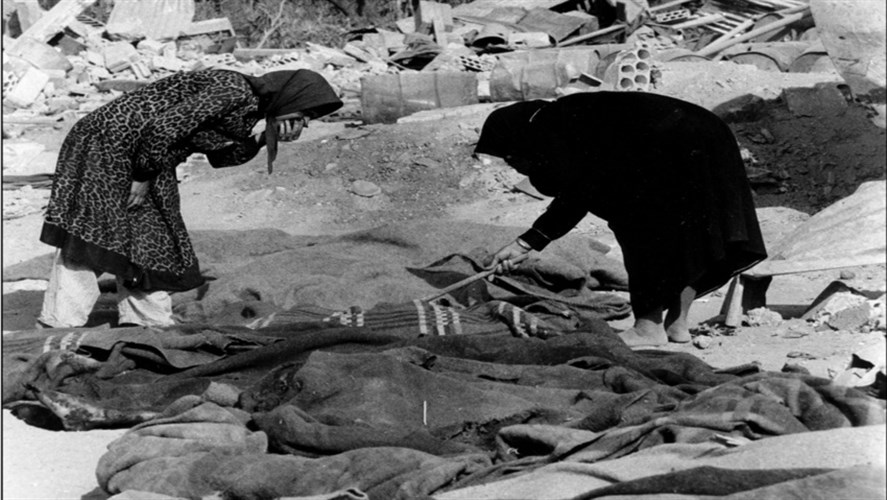
The Sabra and Shatila massacre took place between September 16 and 18, 1982, in the Sabra neighborhood and the adjacent Shatila refugee camp in Beirut, Lebanon. The massacre was carried o...
Explore event →
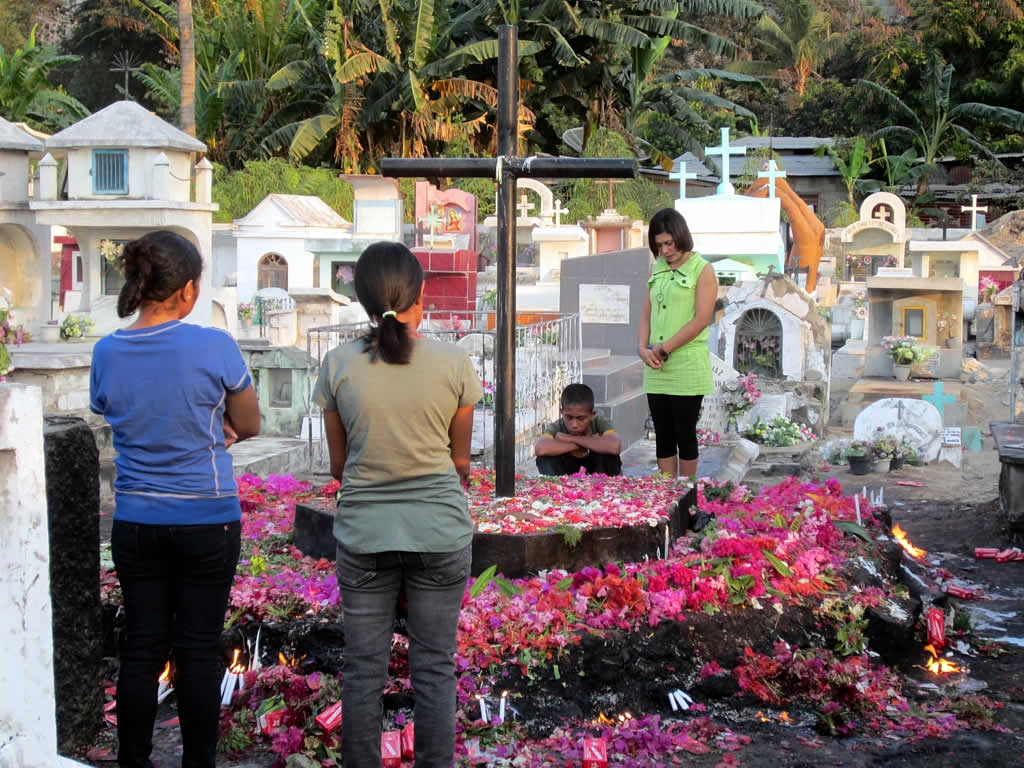
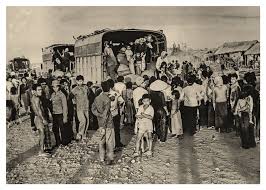
East Timor Genocide On December 7, 1975, Indonesia launched a military invasion of East Timor following its declaration of independence from Portugal. The Indonesian military conducted s...
Explore event →
Cambodian Genocide On April 17, 1975, the Khmer Rouge seized Phnom Penh and established control over Cambodia, initiating a regime of social and political transformation. The regime, led...
Explore event →
13 September 1968 — Albania formally withdraws from the Soviet-led Warsaw Pact following the invasion of Czechoslovakia. The withdrawal confirms Albania's political rupture with Moscow.
Explore published research →
c. 1967–1985 — Hoxha's government constructs vast numbers of concrete defensive bunkers across Albania. The program reflects the regime's fear of invasion from NATO, Yugoslavia, the Sovie...
Explore published research →
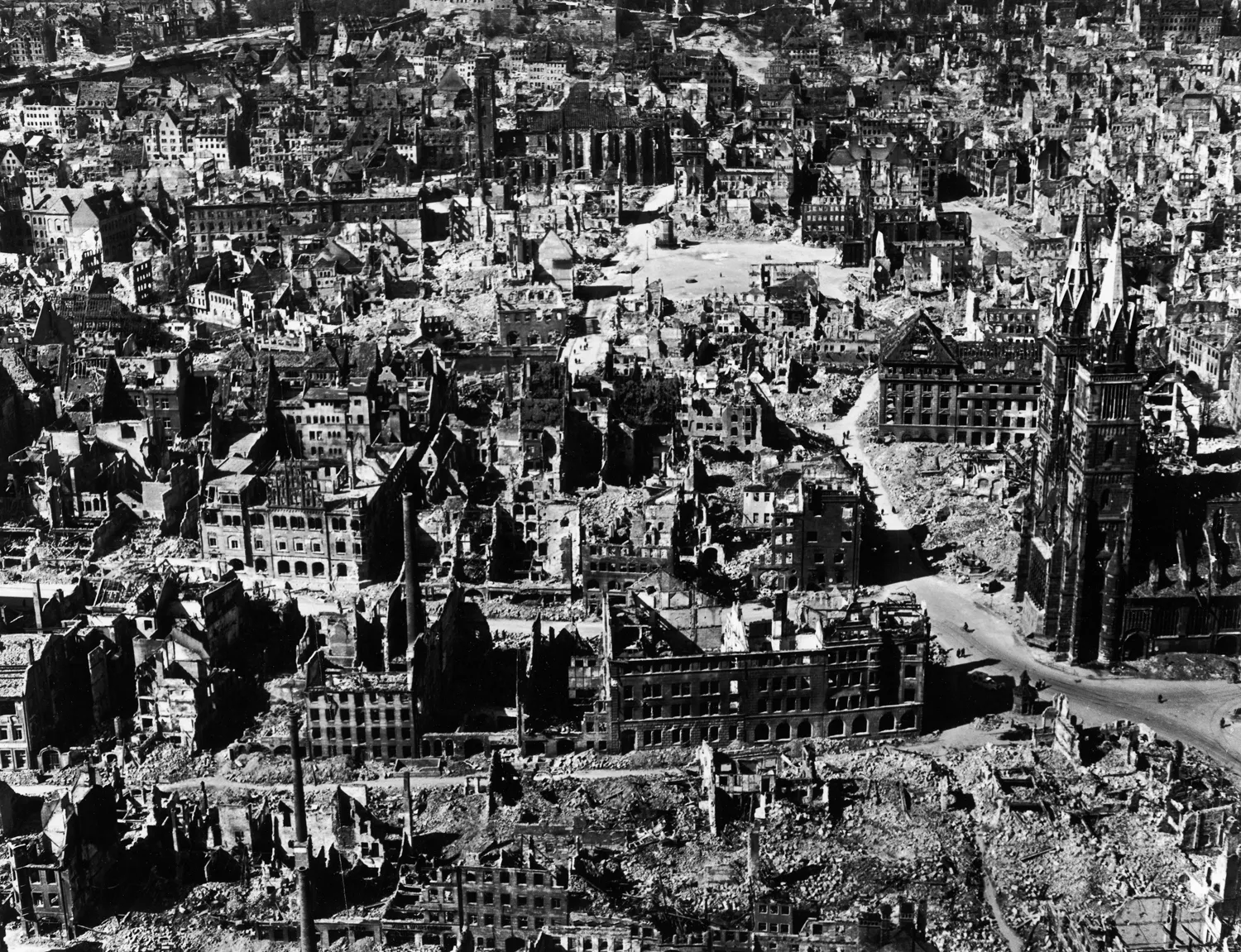
During World War II (1939–1945), the Allied forces of the United States and the United Kingdom carried out a widespread strategic bombing campaign against German cities. The campaign targ...
Explore event →
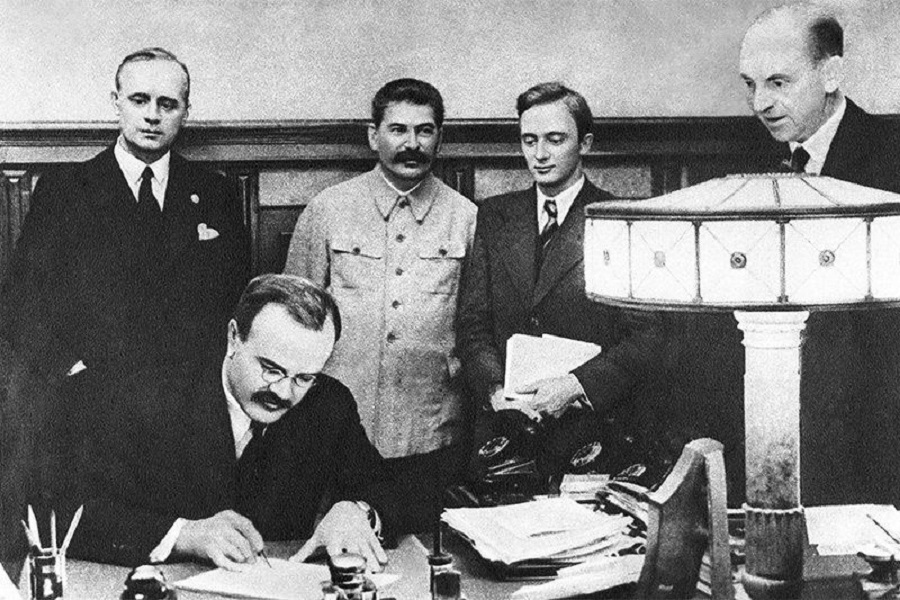
The German–Soviet Non-Aggression Pact And Its Secret Protocols On August 23, 1939, the governments of Germany and the Soviet Union signed a non-aggression treaty in Moscow. The...
Explore event →
1904–1914 — Britain has no automatic obligation to enter every Franco-German conflict, but strategic cooperation with France has grown while German naval expansion generates anxiety. A Ge...
Explore published research →
1 July 1798 — French forces under Napoleon Bonaparte land in Egypt. The invasion aims to weaken British access to India while expanding French influence in the eastern Mediterranean. Fren...
Explore published research →
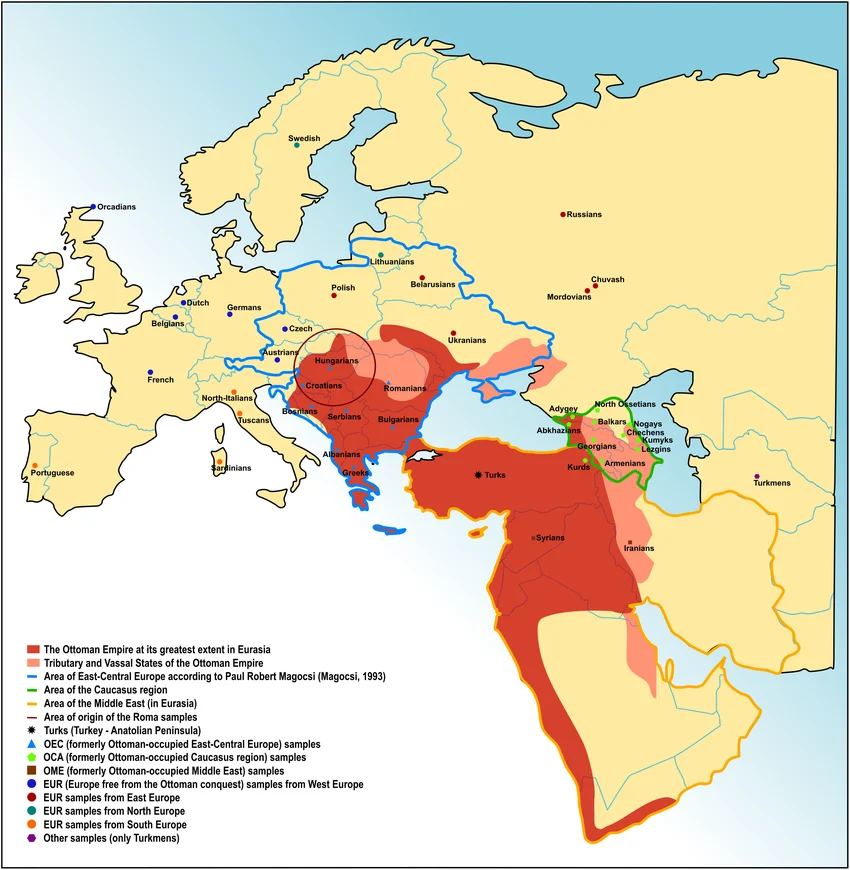
The Ottoman Empire expanded from a small Anatolian principality into one of the largest empires in history. Between the fourteenth and early twentieth centuries, Ottoman forces conquered ...
Explore event →
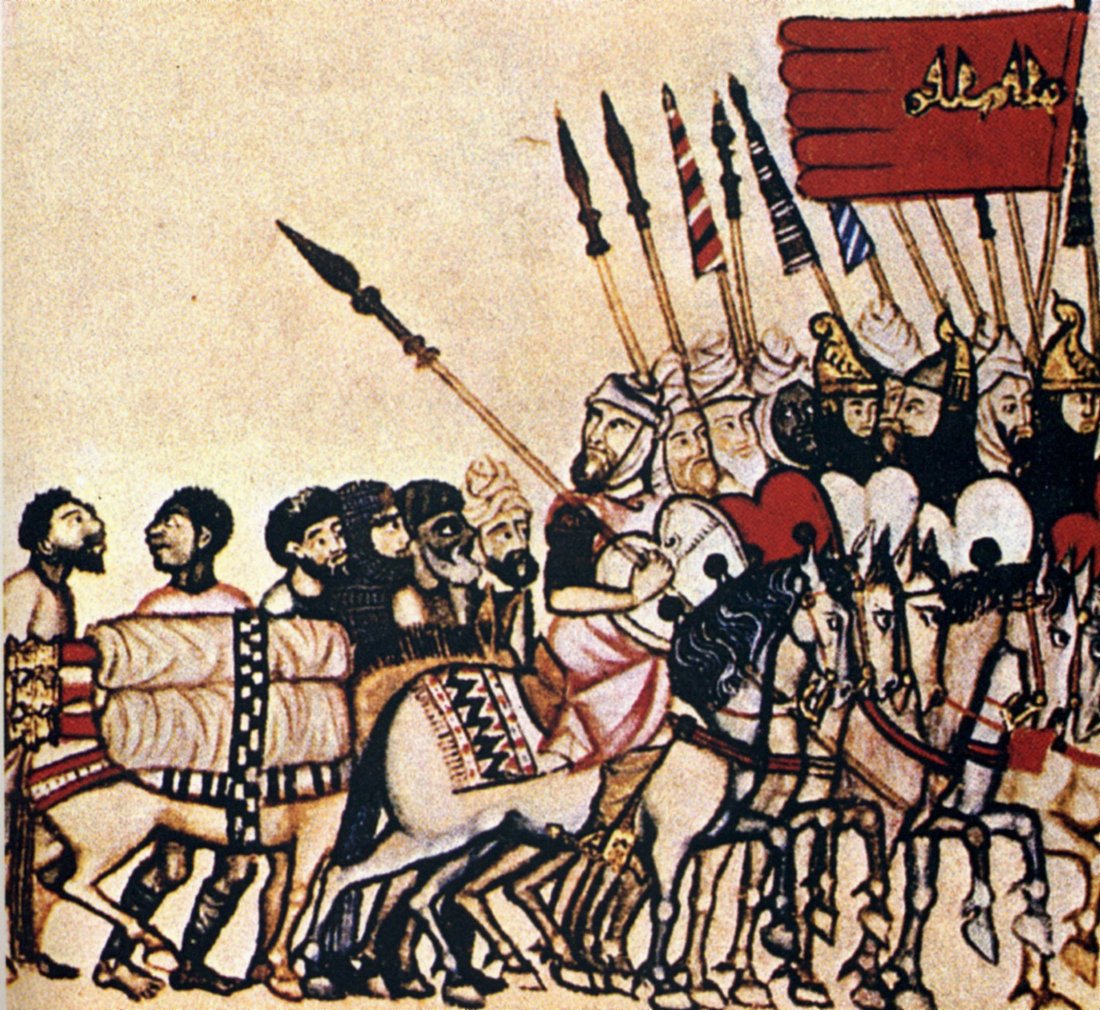
Moorish Invasion Of The Iberian Peninsula On April 30, 711, Umayyad forces led by the Berber commander Tariq ibn Ziyad crossed the Strait of Gibraltar from North Africa into th...
Explore event →
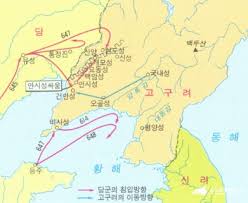
Goguryeo successfully repelled multiple invasions launched by the Tang dynasty of China during the 7th century. The capital fortress of Pyongyang became a critical defensive stronghold ag...
Explore event →
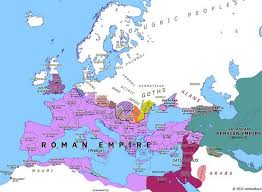
Emperor Probus led the Roman legions to repel multiple Germanic invasions along the Danube frontier. These incursions threatened the stability of the northern borders of the Roman Empire ...
Explore event →
Roman Emperor Aurelian defeated the invading Juthungi tribe near the city of Placentia in northern Italy. This battle was a decisive moment in securing the Roman Empire's northern borders...
Explore event →
The construction of the Aurelian Walls began in response to increasing external threats faced by Rome in the third century. These defensive walls were commissioned by Emperor Aurelian to ...
Explore event →
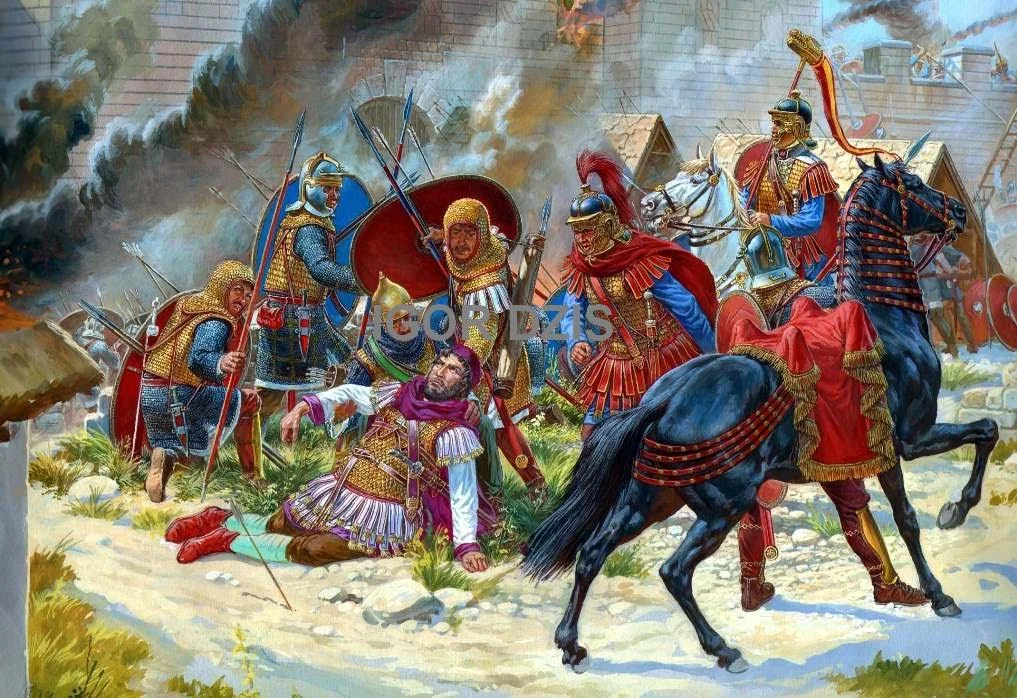
Emperor Gallienus, ruler of the Roman Empire during a time of internal strife and external invasions, was assassinated by his own military officers during a siege. His death marked a crit...
Explore event →
Claudius II Gothicus became Roman Emperor following the death of his predecessor. His accession marked a shift during a turbulent period of frequent leadership changes in the empire.Known...
Explore event →
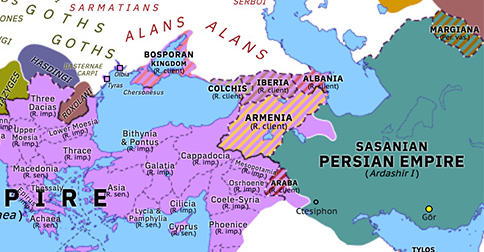
Roman Emperor Valerian launched a military campaign against the Sasanian Empire, aiming to assert Roman dominance over Persian territories. This campaign marks a significant conflict betw...
Explore event →
Emperor Gallienus initiated a series of military reforms to address ongoing threats to the Roman Empire. These reforms aimed to improve the mobility and responsiveness of the Roman legion...
Explore event →
Gallienus became Roman Emperor following the assassination of his father, Valerian. His accession marked the beginning of a co-rule, where he shared power with his father before Valerian ...
Explore event →
The Crisis of the Third Century marked a period of severe instability within the Roman Empire beginning in 235 AD. This era saw widespread political chaos, military defeats, and economic ...
Explore event →
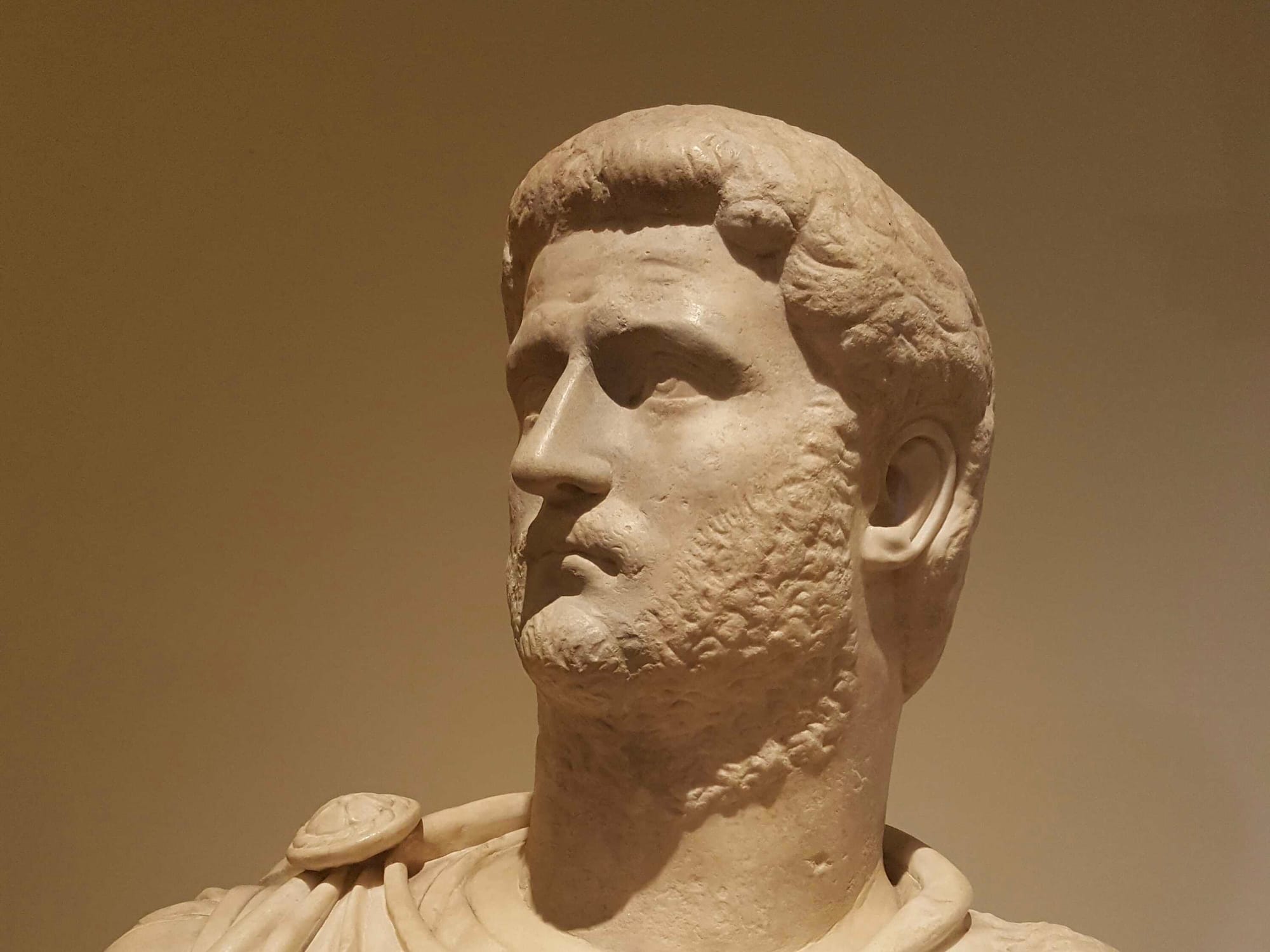
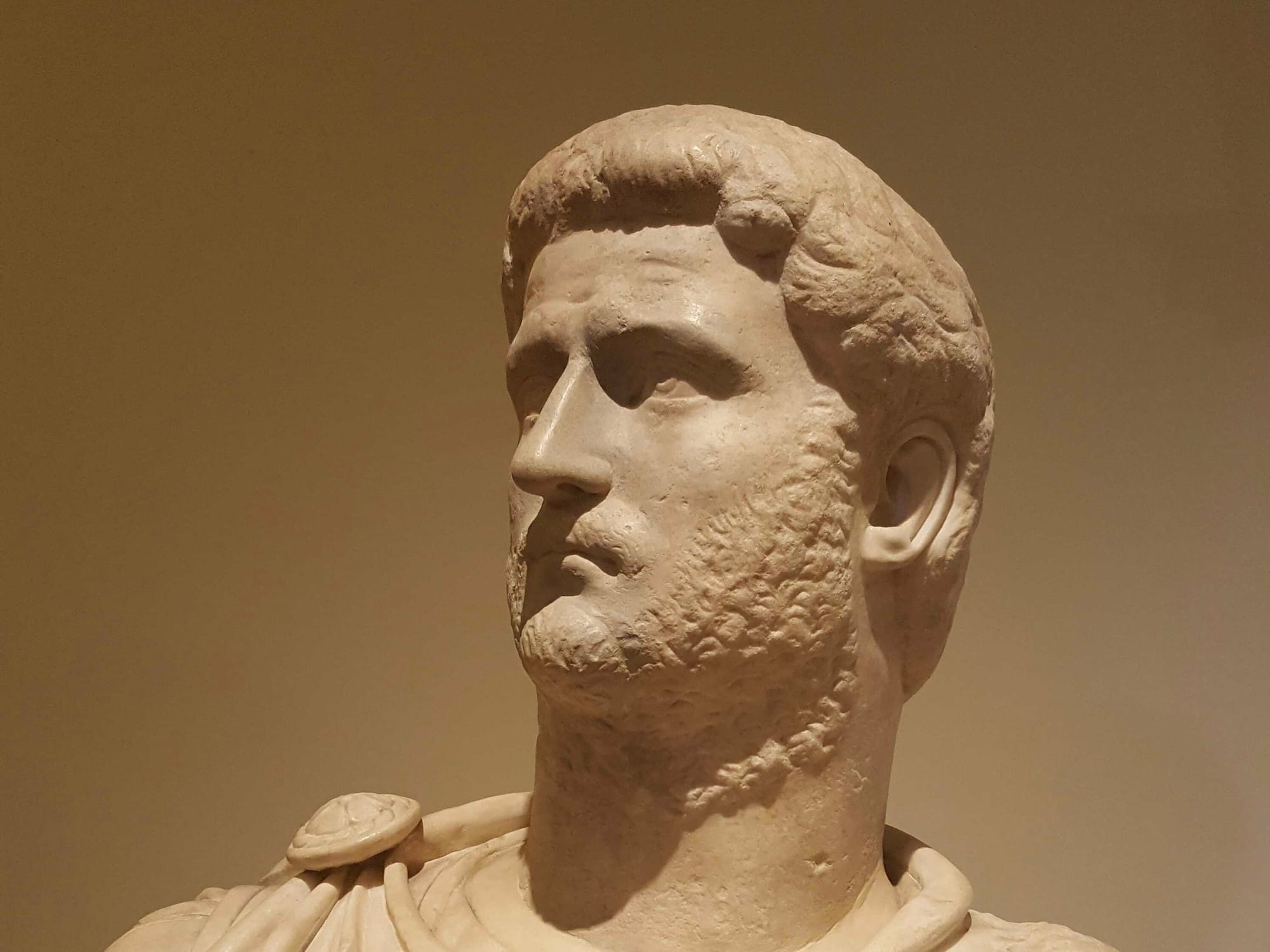
Roman Emperor Caracalla launched multiple military campaigns against the Alemanni tribes during his rule. These campaigns aimed to secure the empire’s northern frontiers amidst growing pr...
Explore event →
The Marcomannic Wars began as a series of conflicts between the Roman Empire and various Germanic tribes, including the Marcomanni, along the Danube frontier. The wars marked a significan...
Explore event →
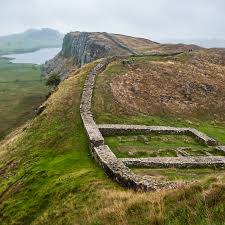
The Roman Empire initiated the construction of Hadrian's Wall to secure its northern boundary in Britannia. This extensive fortification marked the limit of Roman-controlled territory aga...
Explore event →
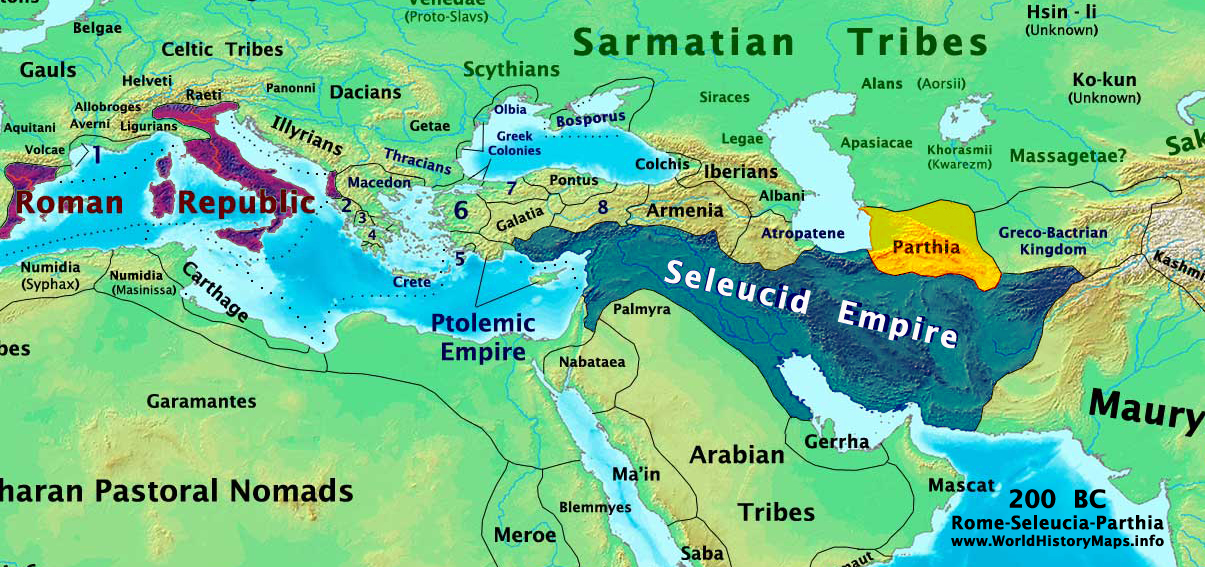
Roman Emperor Trajan launched a military campaign into the Parthian Empire, aiming to expand Roman territory eastward. The campaign marked a major escalation of conflict between Rome and ...
Explore event →
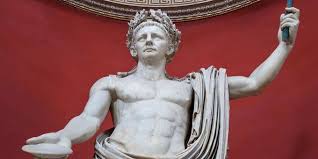
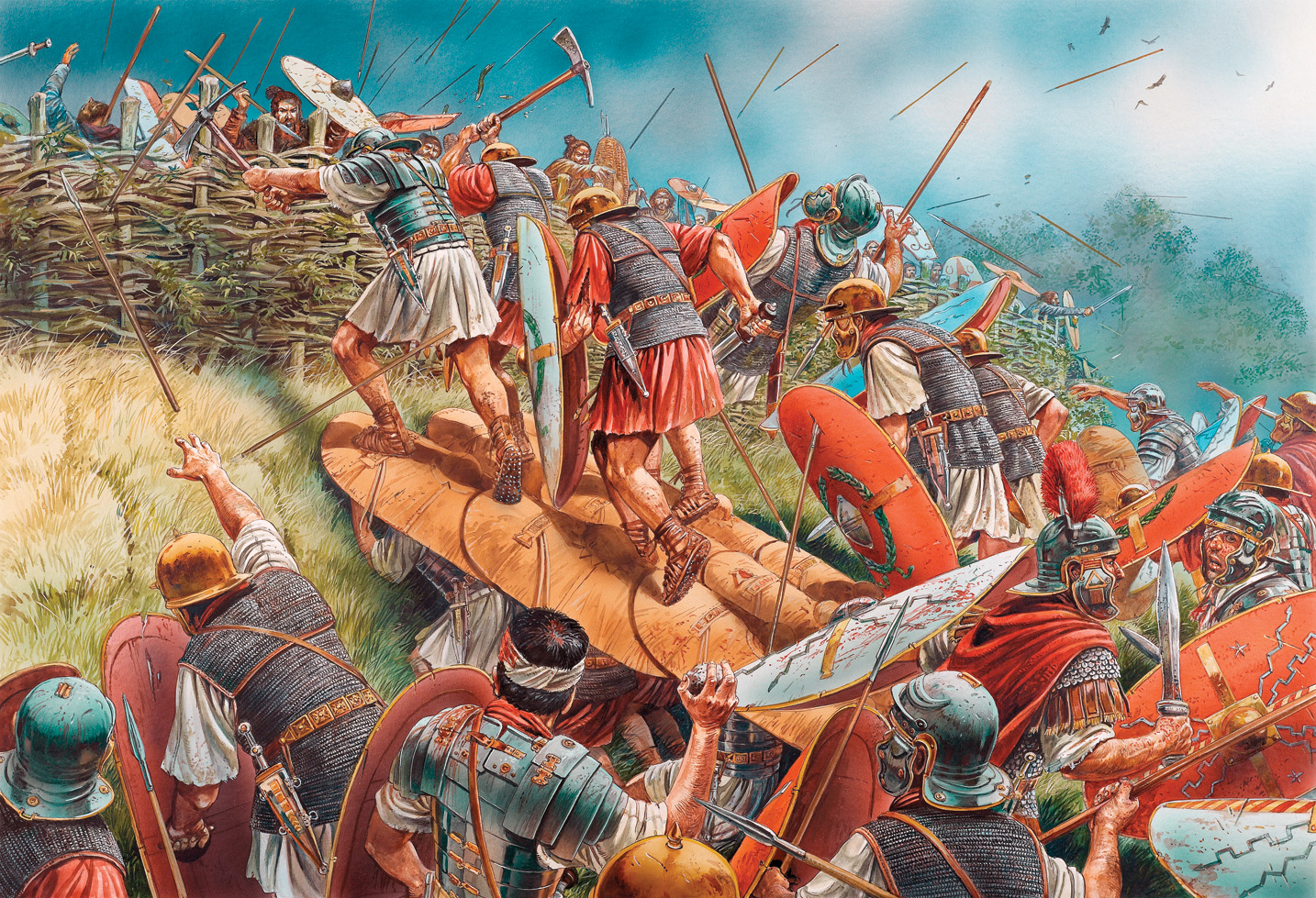
The Roman Emperor Claudius led the invasion of Britain, landing at the port near Richborough in southeastern England. This marked the beginning of the Roman conquest of the island, aiming...
Explore event →
The Roman conquest of Britain began under Emperor Claudius with the landing of Roman forces at Richborough in Kent. This marked the start of a prolonged campaign to bring the British Isle...
Explore event →
480 BCE — Leonidas and a Greek force resist Xerxes' invasion at the pass of Thermopylae.
Explore published research →
490 BCE — Athenian-led forces defeat a Persian invasion army at Marathon.
Explore published research →