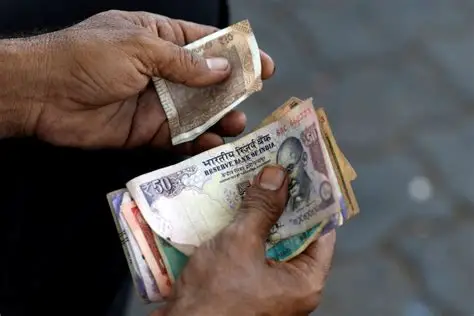
India supports rupee amid oil
The Reserve Bank of India was believed to have intervened in the foreign exchange market on August 7, 2026, as the Indian rupee faced renewed pressure from rising global oil prices. Curre...
Explore event →History does not happen in isolation. Explore world events across time, follow the connections between them, and investigate the threads that reveal how one event can lead to another.
TheTimeMap currently follows events across 95 countries and 268 years of history — building a connected archive designed for people who want to look beyond the headline.
We oppose antisemitism, racism, and dehumanization — everywhere.
When people stop feeling, injustice becomes easy.
The Reserve Bank of India was believed to have intervened in the foreign exchange market on August 7, 2026, as the Indian rupee faced renewed pressure from rising global oil prices. Curre...
Explore event →
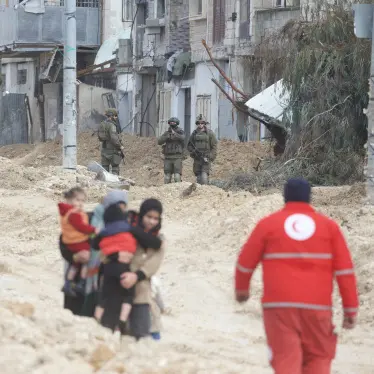
Major Canadian Political and Social Events Timeline body { font-family: Arial, sans-serif; background-color: #f4f4f9; margin: 0; padding: 0; } .timeline-container { m...
Explore event →
There is no real pause button for civilians in the West Bank and Gaza. The restrictions do not switch off at night. The fear does not fade with sunrise. Checkpoints, roadblocks, military ...
Explore event →
On February 11, 2026, the U.S. Department of Justice, under the Trump administration, abruptly fired Donald T. Kinsella as U.S. Attorney for the Northern District of New York just hours a...
Explore event →
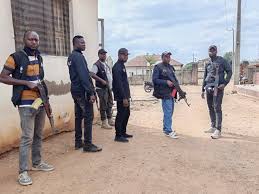
Massacre in Nigerian Kwara State After Militant Attack On February 5, 2026, Nigerian authorities and humanitarian organisations reported that at least 162 people were killed in...
Explore event →
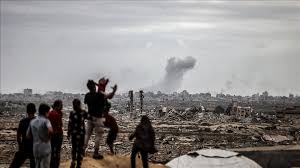
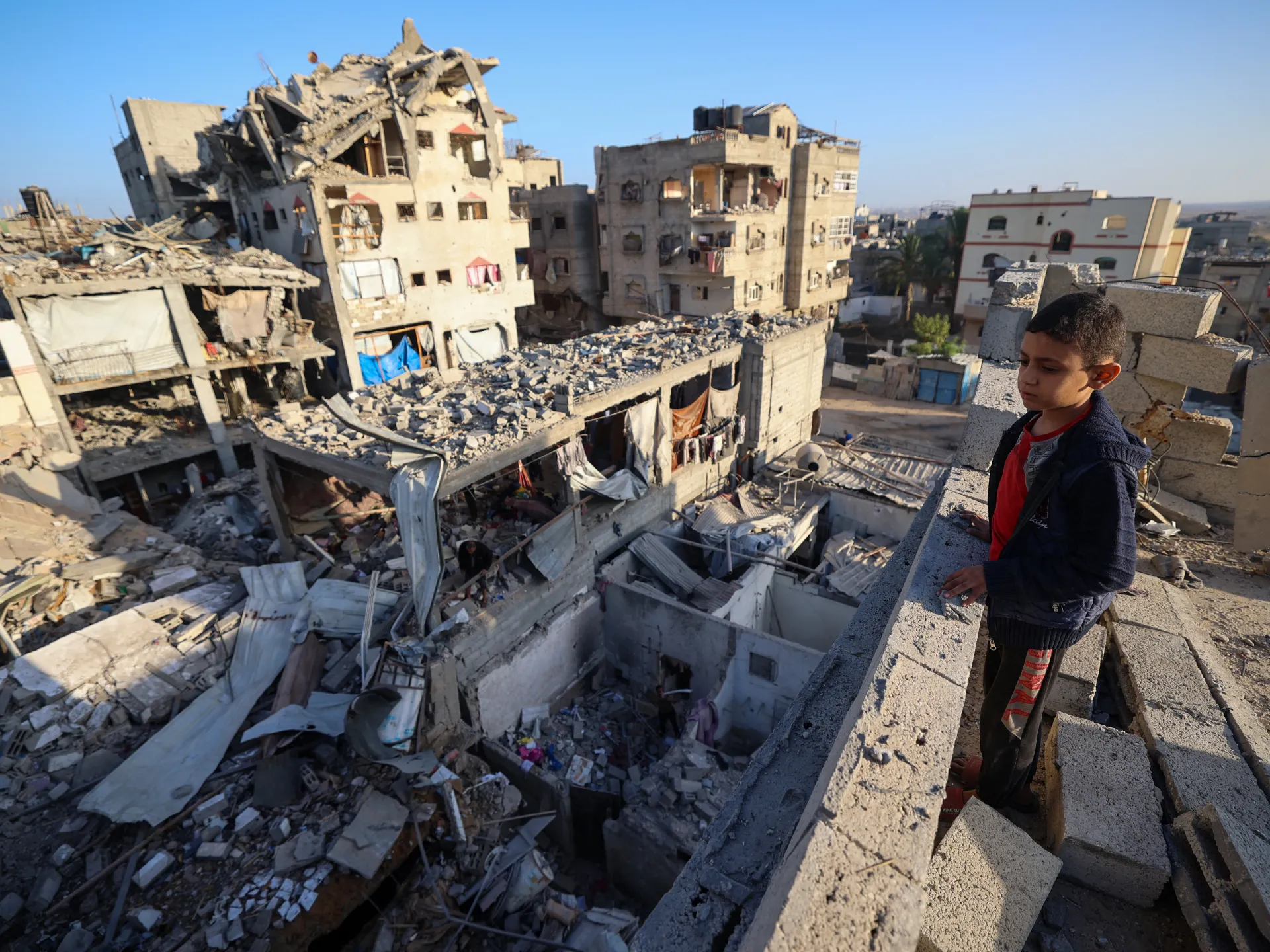
Israeli Military Strikes Continue in Gaza Despite Ceasefire Agreements Reports from Gaza’s health authorities indicate that Israeli air and military strikes have continued in m...
Explore event →
Israeli military operations in the Gaza Strip have continued despite a nominal ceasefire agreed in October 2025, with renewed airstrikes and clashes reported. Humanitarian sources indicat...
Explore event →
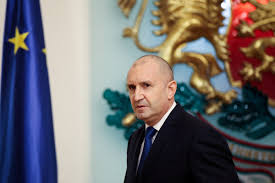
On January 23, 2026, Bulgaria’s Constitutional Court formally approved the resignation of President Rumen Radev, allowing him to step down before the end of his term, which was due to exp...
Explore event →
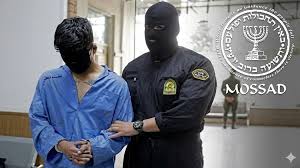
Iran Reports Arrests of Alleged Mossad Agents Linked to Protests Iranian authorities reported the arrest of an alleged affiliate of Israel’s Mossad intelligence service during ongoing pr...
Explore event →
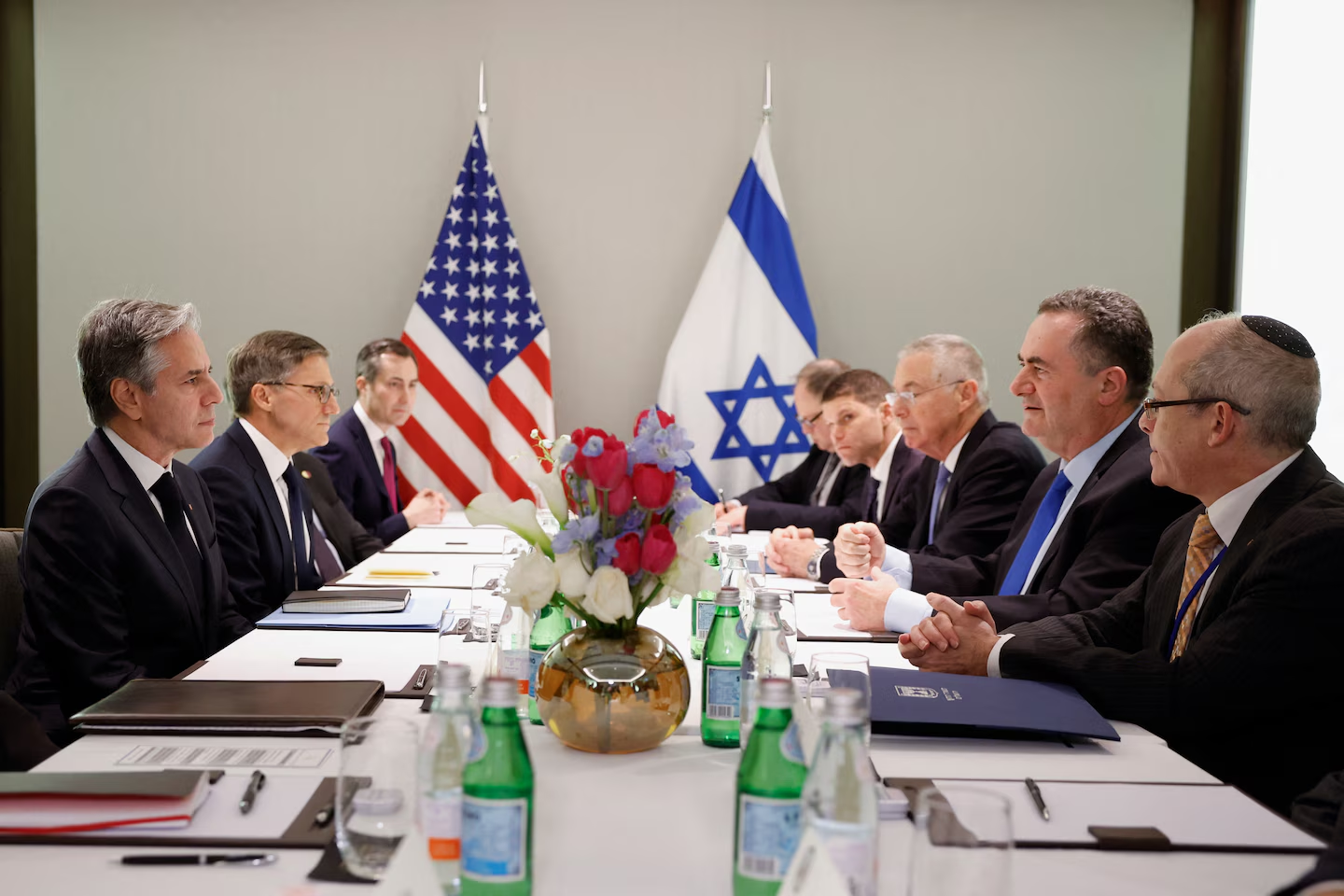
On January 18, 2026, members of the Israeli government’s far-right wing publicly rejected a United States-backed plan to establish a multi-national “Gaza executive board” intended to help...
Explore event →
Palestinian Holocaust The term “Palestinian Holocaust” has been used by activists and commentators to describe the cumulative impact of displacement, warfare, and territorial loss experi...
Explore event →
Henry Kissinger, former United States secretary of state and national security adviser, played a central role in shaping U.S. foreign policy during the Vietnam War and other Cold War conf...
Explore event →
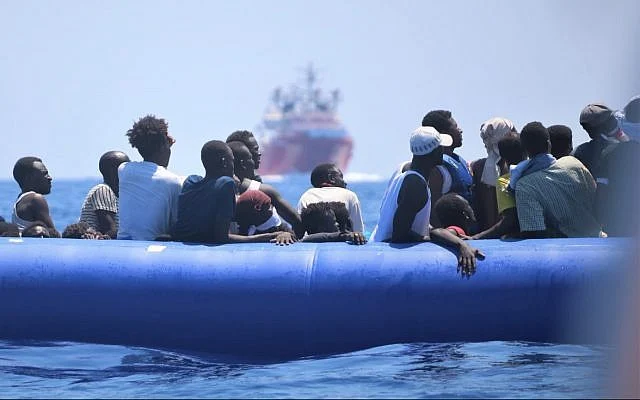
Israeli and Jewish aid groups support migrant and refugee assistance in Europe On September 5, 2015, IsraAID, an Israeli non-governmental organization founded in 2001 to provide disaster...
Explore event →
Iraqi journalist throws shoes at U.S. President George W. Bush during Baghdad visit On December 14, 2008, Iraqi journalist Muntadhar al-Zaidi threw two shoes at U.S. President ...
Explore event →
28 November 1998 — Albania adopts a new constitution after the instability of the early post-communist period. It establishes the fundamental institutional framework of the modern parliam...
Explore published research →
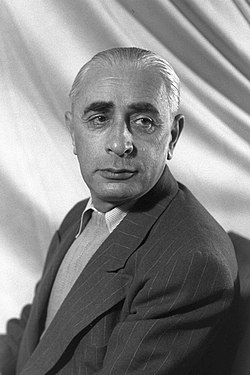
What it was The Lavon Affair, also known as Operation Susannah, was a failed Israeli covert operation in Egypt in 1954, carried out by Israeli military intelligence. ...
Explore event →
31 January 1925 — Albania formally becomes a republic with Ahmet Zogu as president. Zogu uses the presidency to consolidate central authority after years of political instability.
Explore published research →
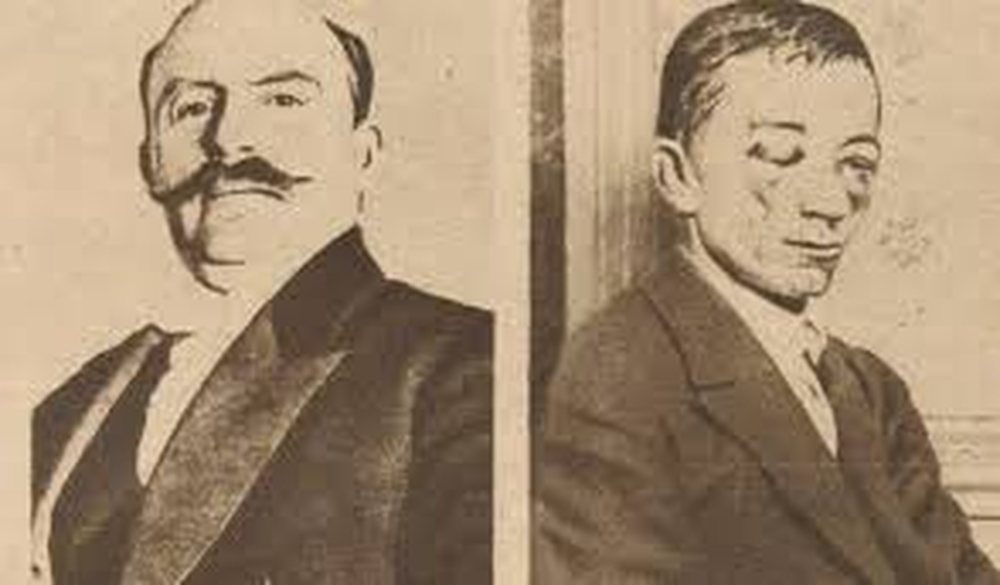
On June 13, 1920, Albanian political activist Avni Rustemi shot and killed Essad Pasha Toptani in Paris, France. Essad Pasha was an Albanian Ottoman-era political and military figure who ...
Explore event →
August–November 1918 — Germany and its allies face military retreat, shortages, exhaustion and growing political instability. Bulgaria, the Ottoman Empire and Austria-Hungary leave the wa...
Explore published research →
1913 – Foundations of the Modern World body { font-family: Arial, sans-serif; background-color: #f4f4f9; margin: 0; padding: 0; } .timeline-container { max-width: 900...
Explore event →
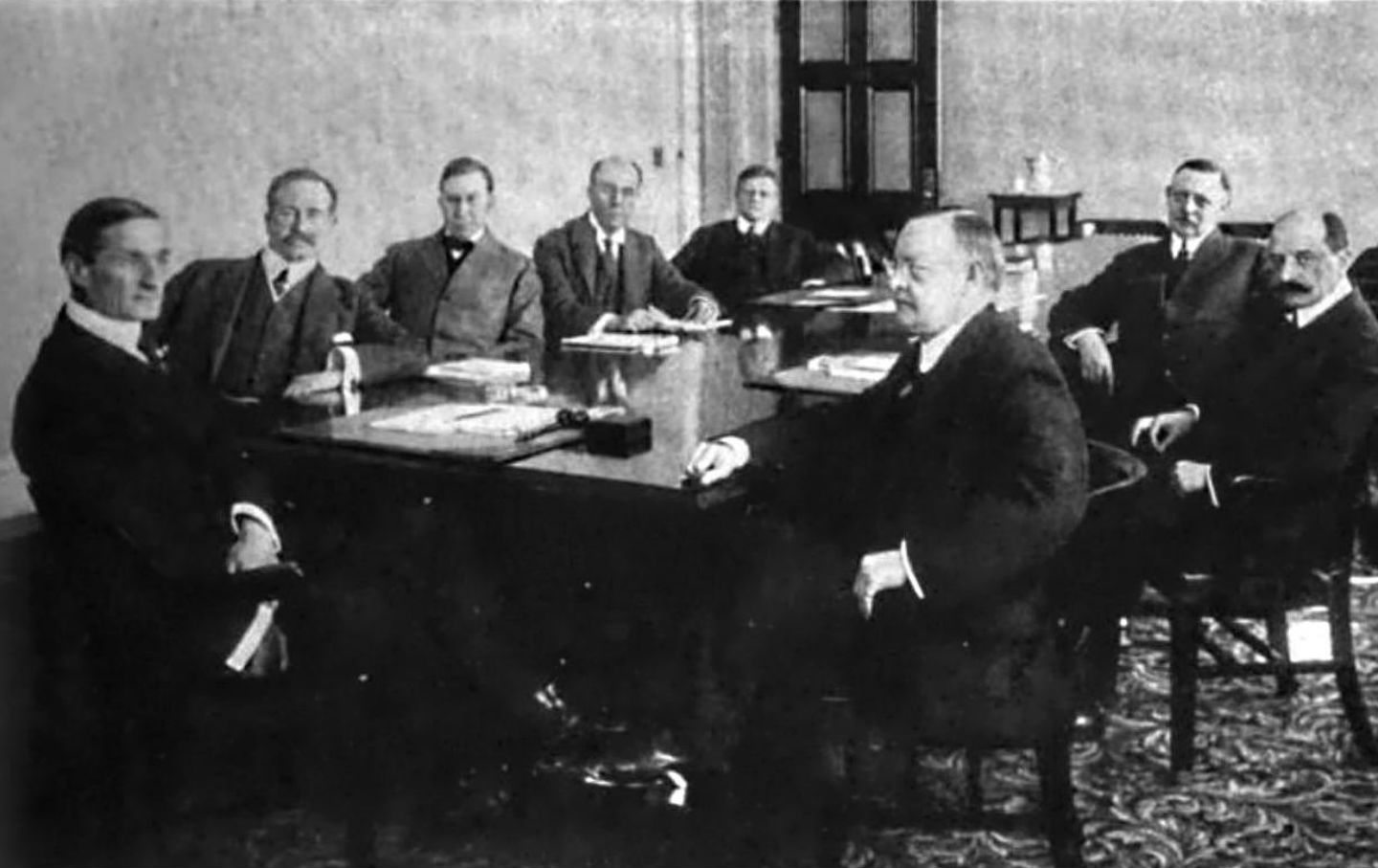
The creation of the Federal Reserve System on December 23, 1913, established the central banking authority of the United States. It was enacted through the Federal Reserve Act, signed int...
Explore event →
Jerome, a prominent Byzantine official during the Gothic War, was assassinated in the Imperial Palace at Ravenna. His death marked a significant turning point in the conflict between the ...
Explore event →
The Jin dynasty court experienced severe internal divisions fueled by rival factions vying for control after a series of military defeats. These conflicts weakened centralized rule and tr...
Explore event →
Carausius, a Roman naval commander, declared himself emperor in Britain and northern Gaul after seizing power around 286 CE. His revolt challenged the authority of the central Roman Empir...
Explore event →
Emperor Carinus was killed in battle against the forces loyal to his rival, Diocletian, near the Margus River. The conflict marked the end of Carinus's brief reign and a turning point in ...
Explore event →
Roman Emperor Numerian died under suspicious circumstances while returning from a campaign in the East. His death was discovered by his troops near the region of Corduene.After his death,...
Explore event →
Diocletian was proclaimed emperor by his troops in Nicomedia following the death of Emperor Carus. His rise marked the end of a period of civil wars and instability in the Roman Empire.Di...
Explore event →
Carinus became Roman Emperor following the death of his father, Emperor Carus, in late March. His accession marked a period of internal instability as the empire faced multiple external t...
Explore event →
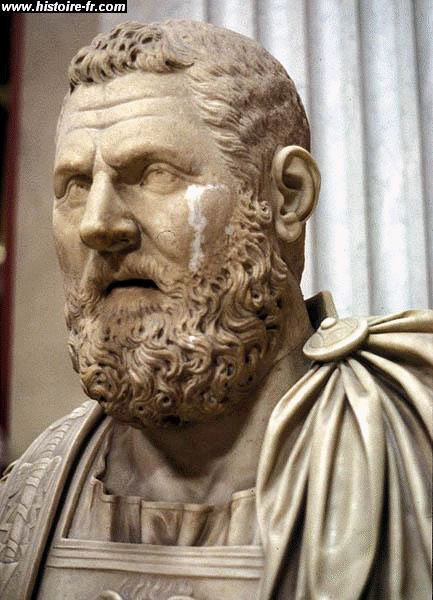
Emperor Probus was assassinated by his own soldiers after numerous military campaigns to secure the Roman Empire's borders. His leadership was challenged internally despite his successes ...
Explore event →
Carus was proclaimed emperor of the Roman Empire shortly after the death of Emperor Probus. His accession marked a shift in imperial policy as he sought to stabilize the empire's borders ...
Explore event →
The revolt led by Lucius Antonius Saturninus was an important military uprising against Emperor Probus within the Roman Empire. It began in Moesia Superior, where Saturninus was stationed...
Explore event →
Tacitus was proclaimed Roman Emperor following the death of Emperor Aurelian. His ascension marked a brief but significant moment in the Crisis of the Third Century, reflecting ongoing in...
Explore event →
Emperor Gallienus, ruler of the Roman Empire during a time of internal strife and external invasions, was assassinated by his own military officers during a siege. His death marked a crit...
Explore event →
Roman Emperor Valerian was captured by the Sasanian Persian ruler Shapur I during the Battle of Edessa, a significant conflict between the Roman and Sasanian empires. This event marked th...
Explore event →
Valerian was proclaimed Roman Emperor following the death of his predecessor Aemilianus. His accession marked a significant change in leadership during a period fraught with external thre...
Explore event →
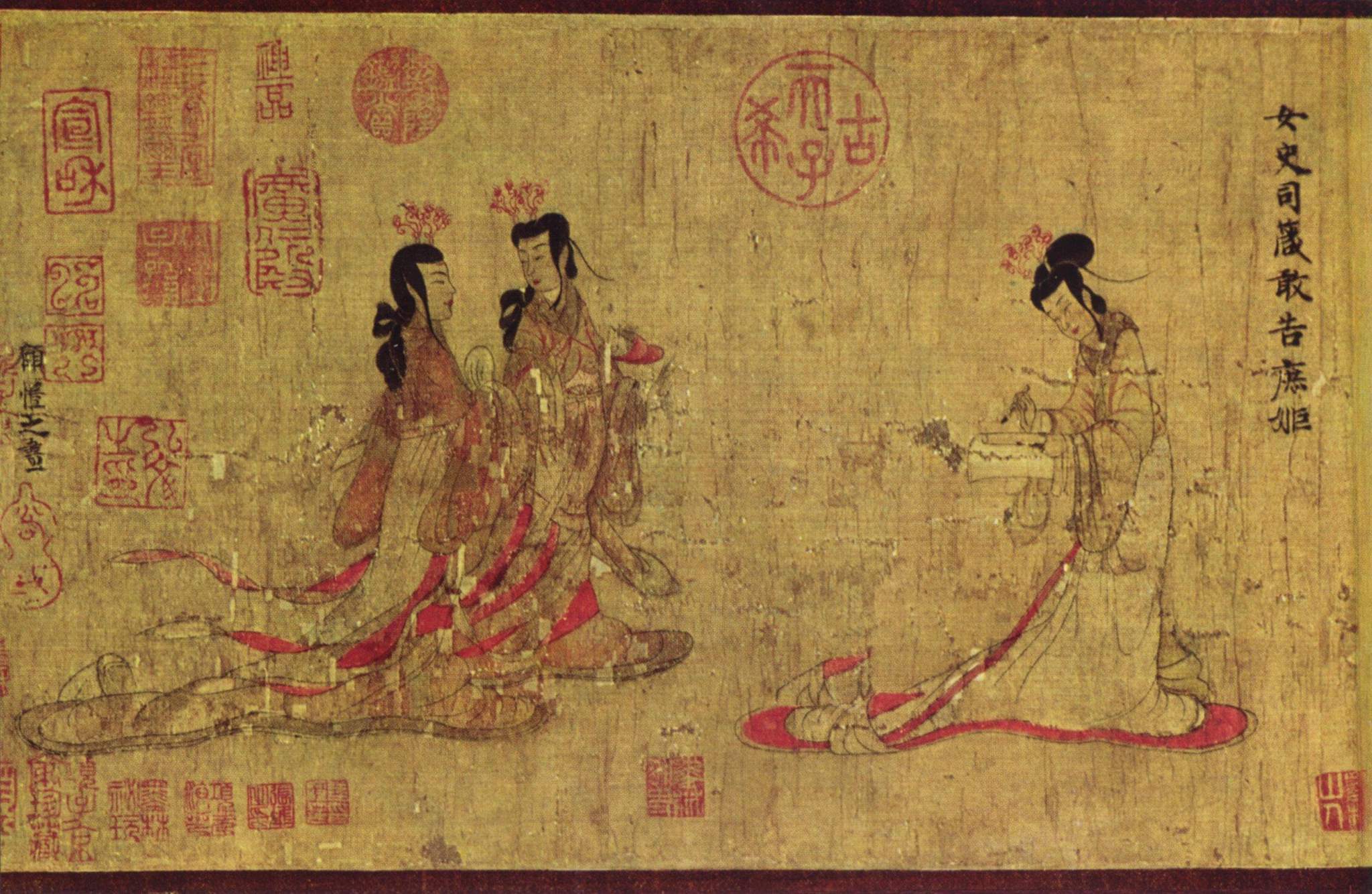
Aemilian, a Roman soldier and governor, seized power through a swift military revolt against Emperor Trebonianus Gallus. His accession marked a brief interruption in the Crisis of the Thi...
Explore event →
Gallienus became Roman Emperor following the assassination of his father, Valerian. His accession marked the beginning of a co-rule, where he shared power with his father before Valerian ...
Explore event →
Gordian III ascended to the Roman imperial throne following a period of political instability known as the Year of the Six Emperors. At the age of thirteen, he was declared emperor by the...
Explore event →
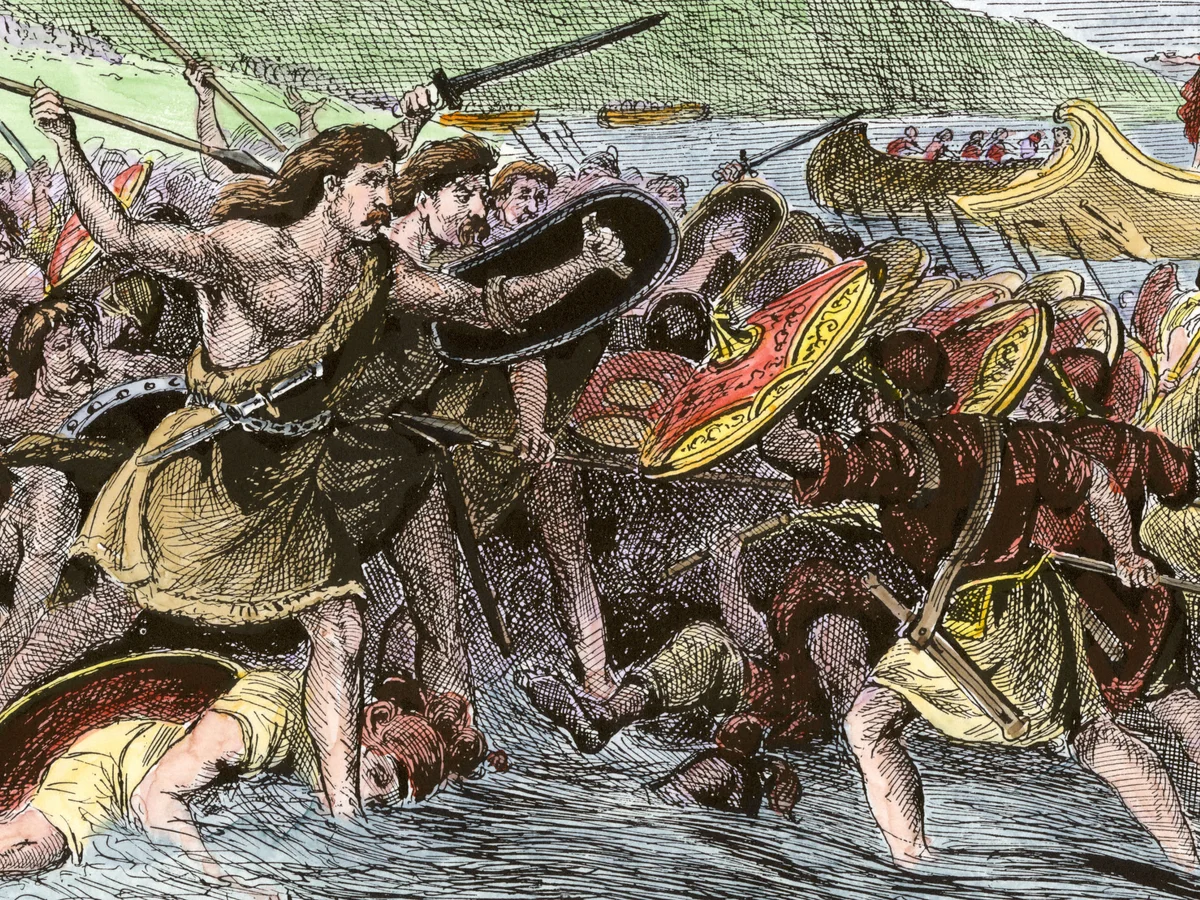
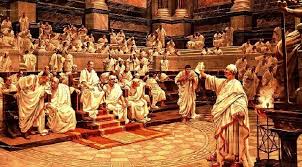
The Crisis of the Third Century marked a period of severe instability within the Roman Empire beginning in 235 AD. This era saw widespread political chaos, military defeats, and economic ...
Explore event →
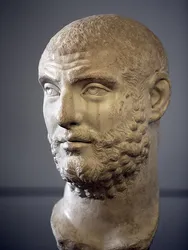
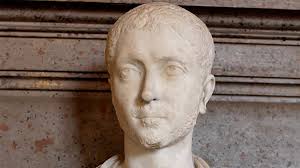
Severus Alexander was proclaimed Roman Emperor following the assassination of Elagabalus. The Roman Senate officially endorsed his accession, marking a return to more traditional imperial...
Explore event →
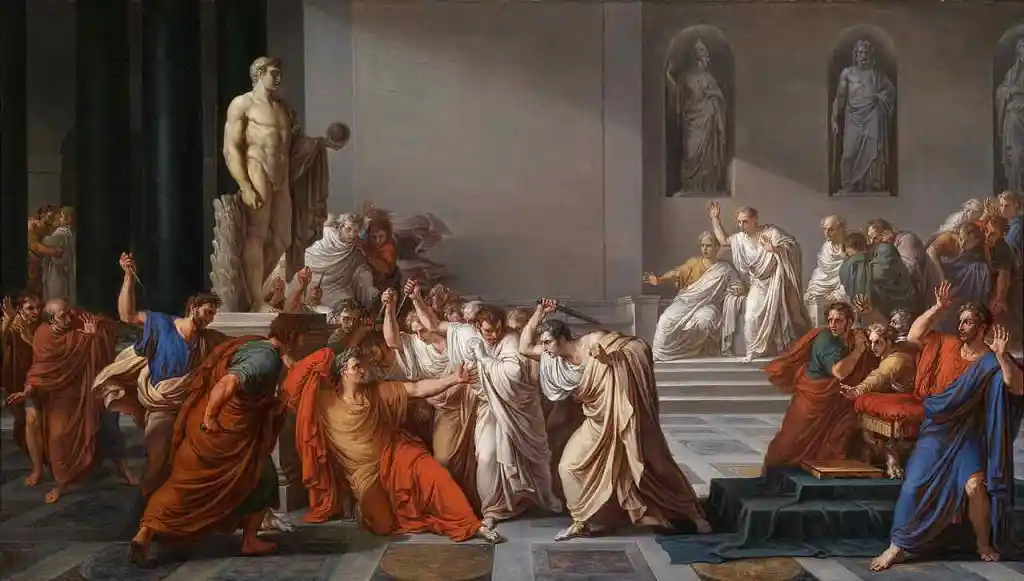
The Battle of Nisibis took place between the Roman forces led by Emperor Macrinus and the Parthian army. It was fought near the strategic city of Nisibis, a key stronghold controlling acc...
Explore event →
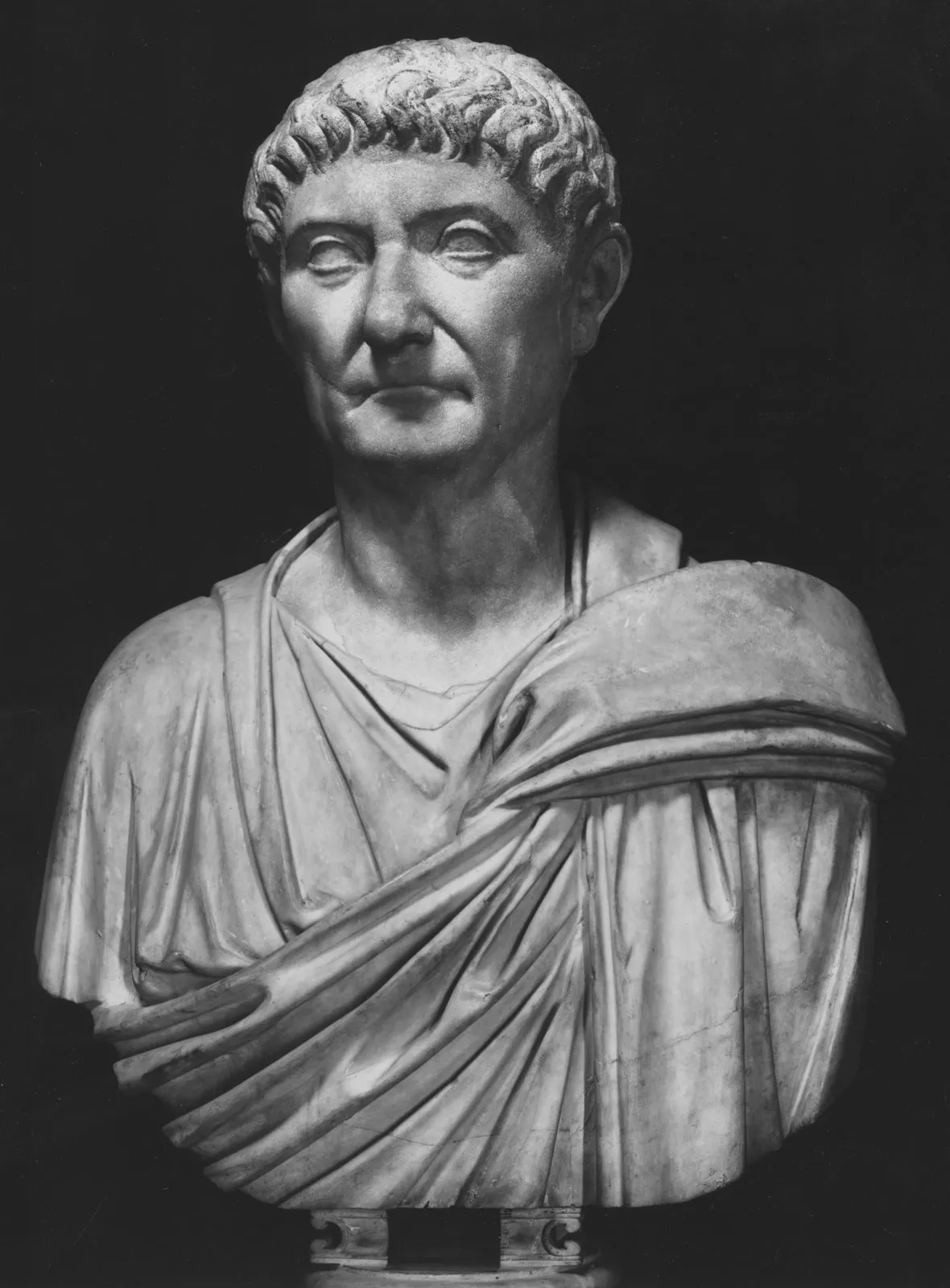
Pescennius Niger, governor of Syria, declared himself Roman emperor after the death of Emperor Pertinax. His claim to the throne sparked a civil war against Septimius Severus, who also cl...
Explore event →
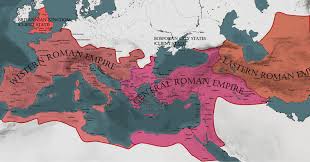
Following the assassination of Emperor Pertinax, the Roman imperial throne was sold to the highest bidder by the Senate. Didius Julianus secured the empire by offering the largest payment...
Explore event →
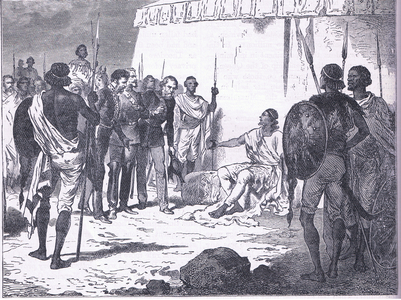
Pertinax, Roman Emperor for a brief reign, was assassinated by members of the Praetorian Guard. His attempts to reform the empire and enforce discipline antagonized the imperial guards an...
Explore event →
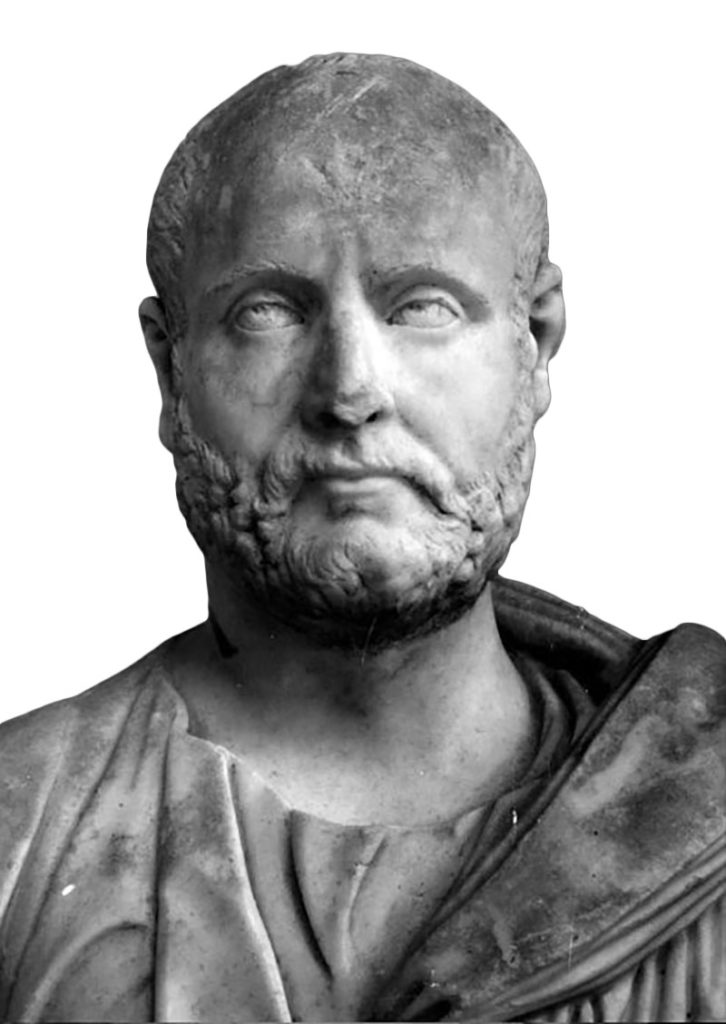
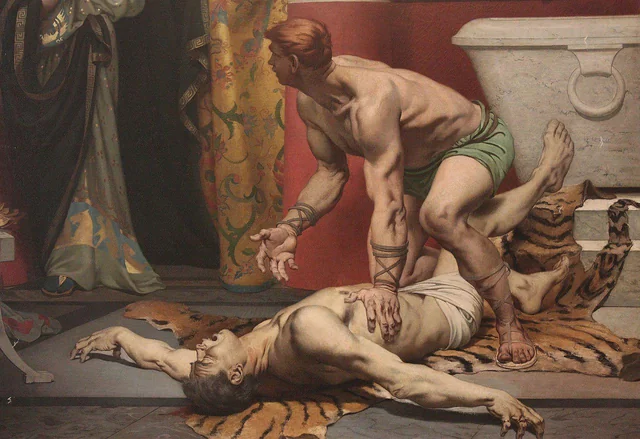
Commodus, Roman Emperor and son of Marcus Aurelius, was assassinated in his palace in Rome. His death ended the Nerva–Antonine dynasty.The emperor was strangled by his wrestling partner u...
Explore event →
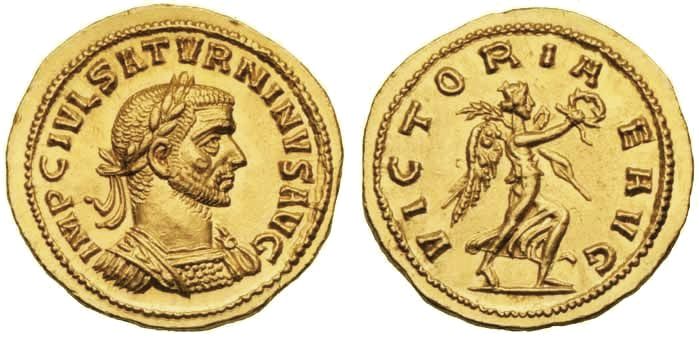
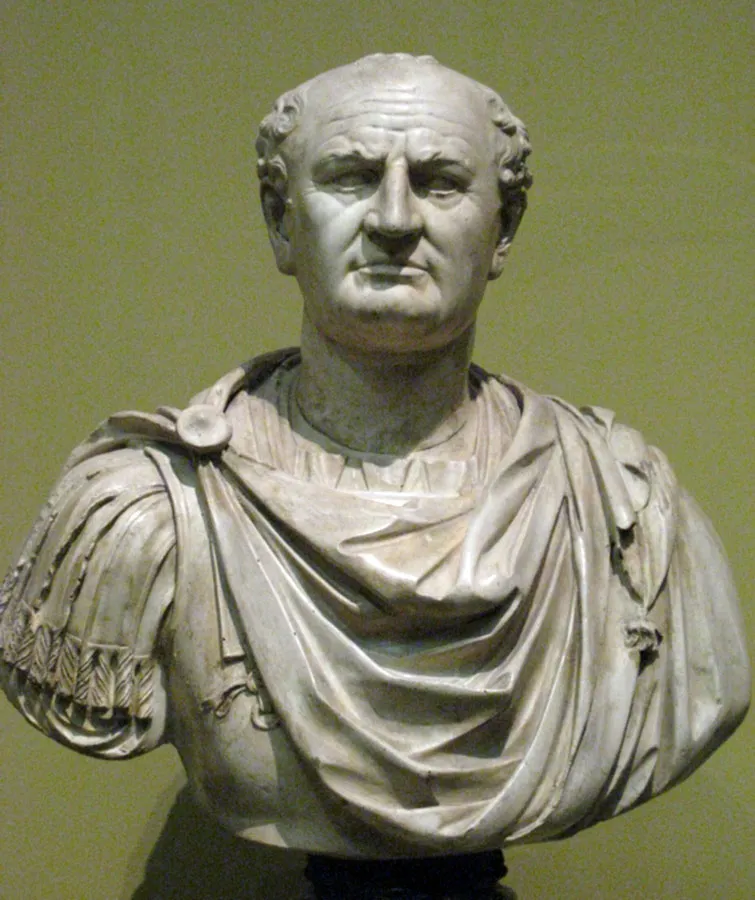
Following a year of civil war known as the Year of the Four Emperors, Vespasian emerged as the uncontested ruler of the Roman Empire. His rise marked the end of the Julio-Claudian dynasty...
Explore event →
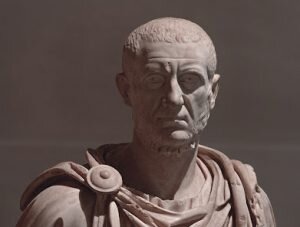
Vitellius was declared emperor by the legions of Germania during the chaotic Year of the Four Emperors. After the death of Emperor Otho, Vitellius marched to Rome where he was formally re...
Explore event →
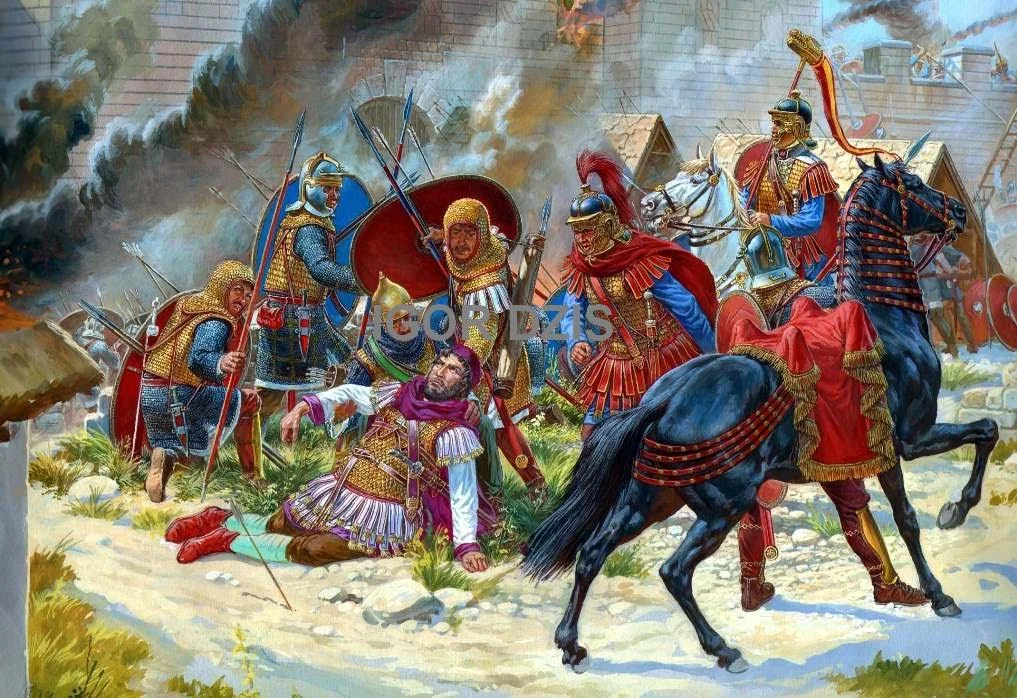
Galba was declared Roman Emperor following the assassination of Nero, marking the end of the Julio-Claudian dynasty. His accession was largely supported by the Senate and the Praetorian G...
Explore event →
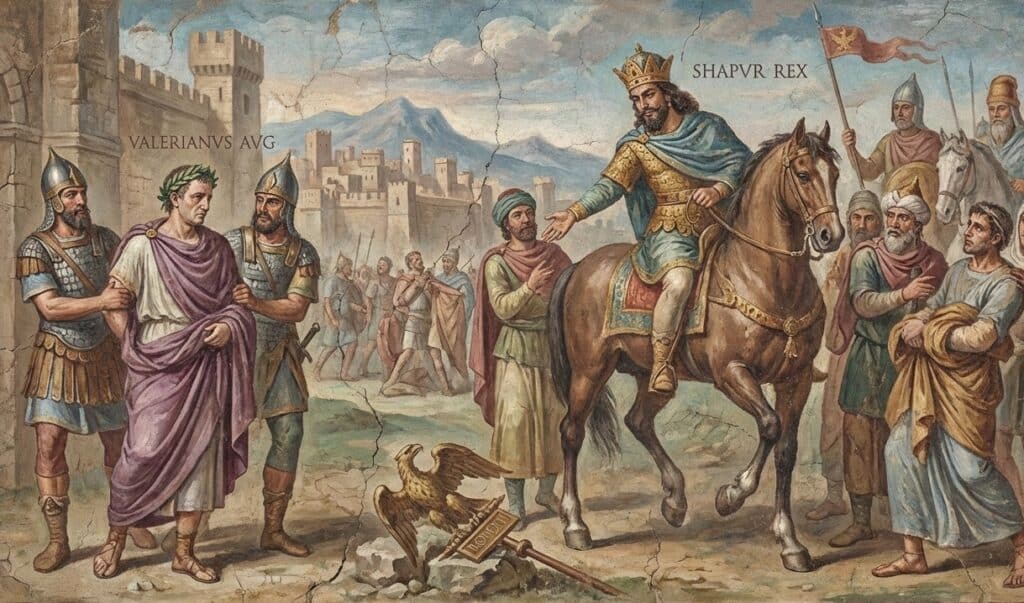
The Year of the Four Emperors was a tumultuous period marking rapid succession of Roman emperors after the fall of Nero. It involved the rise and fall of Galba, Otho, Vitellius, and Vespa...
Explore event →
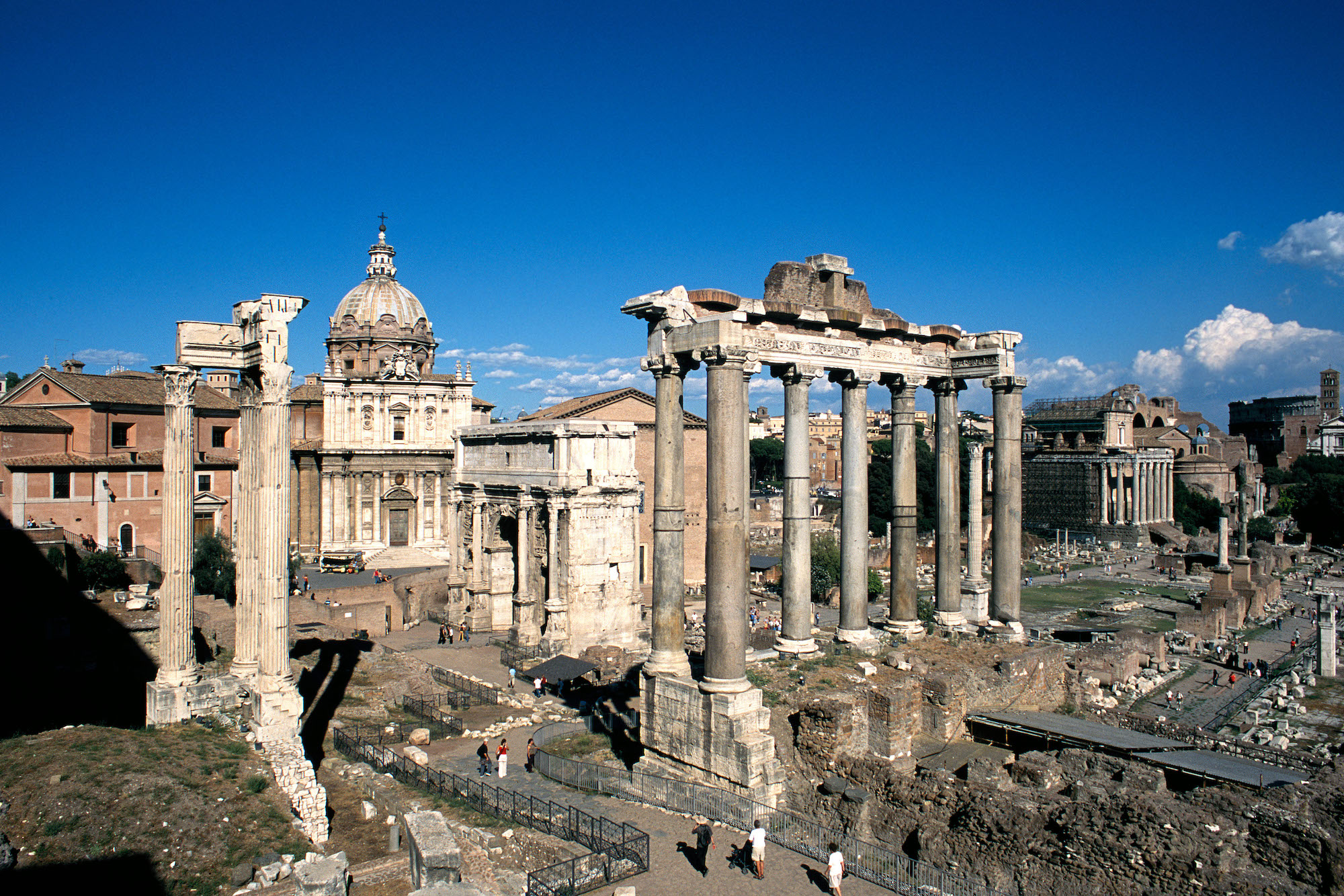
The Lulin rebellion was a peasant uprising that began during the late Xin dynasty in the region of Lulin. It was part of a series of revolts against oppressive rule and heavy taxation fac...
Explore event →
c. 2200–2181 BCE — Central royal authority weakens as powerful provincial elites gain greater independence. Low Nile floods and climatic instability may have intensified economic stress a...
Explore published research →