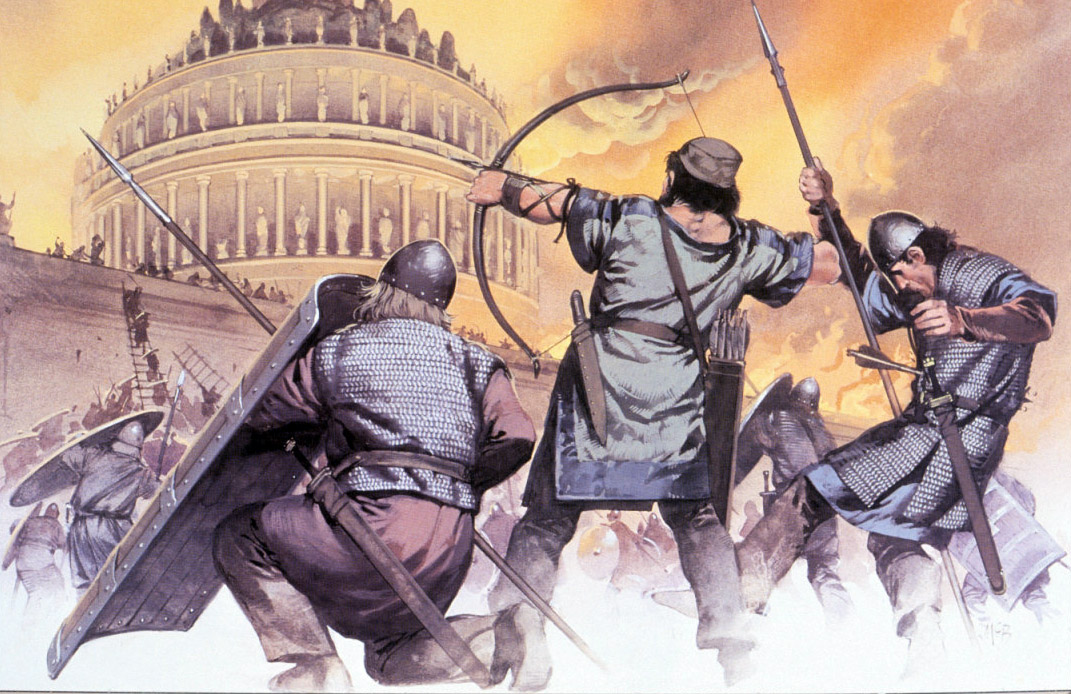
End of Roman Imperial Rule
Emperor Diocletian formally abdicated the throne, marking a rare voluntary withdrawal from power by a Roman emperor. This significant event occurred as part of the Tetrarchy system he had...
Explore event →History does not happen in isolation. Explore world events across time, follow the connections between them, and investigate the threads that reveal how one event can lead to another.
TheTimeMap currently follows events across 95 countries and 268 years of history — building a connected archive designed for people who want to look beyond the headline.
We oppose antisemitism, racism, and dehumanization — everywhere.
When people stop feeling, injustice becomes easy.
Emperor Diocletian formally abdicated the throne, marking a rare voluntary withdrawal from power by a Roman emperor. This significant event occurred as part of the Tetrarchy system he had...
Explore event →
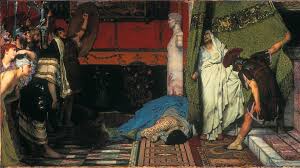
Macrinus, formerly a praetorian prefect, became Roman Emperor following the assassination of Caracalla. This marked a significant shift in imperial authority as Macrinus was the first emp...
Explore event →
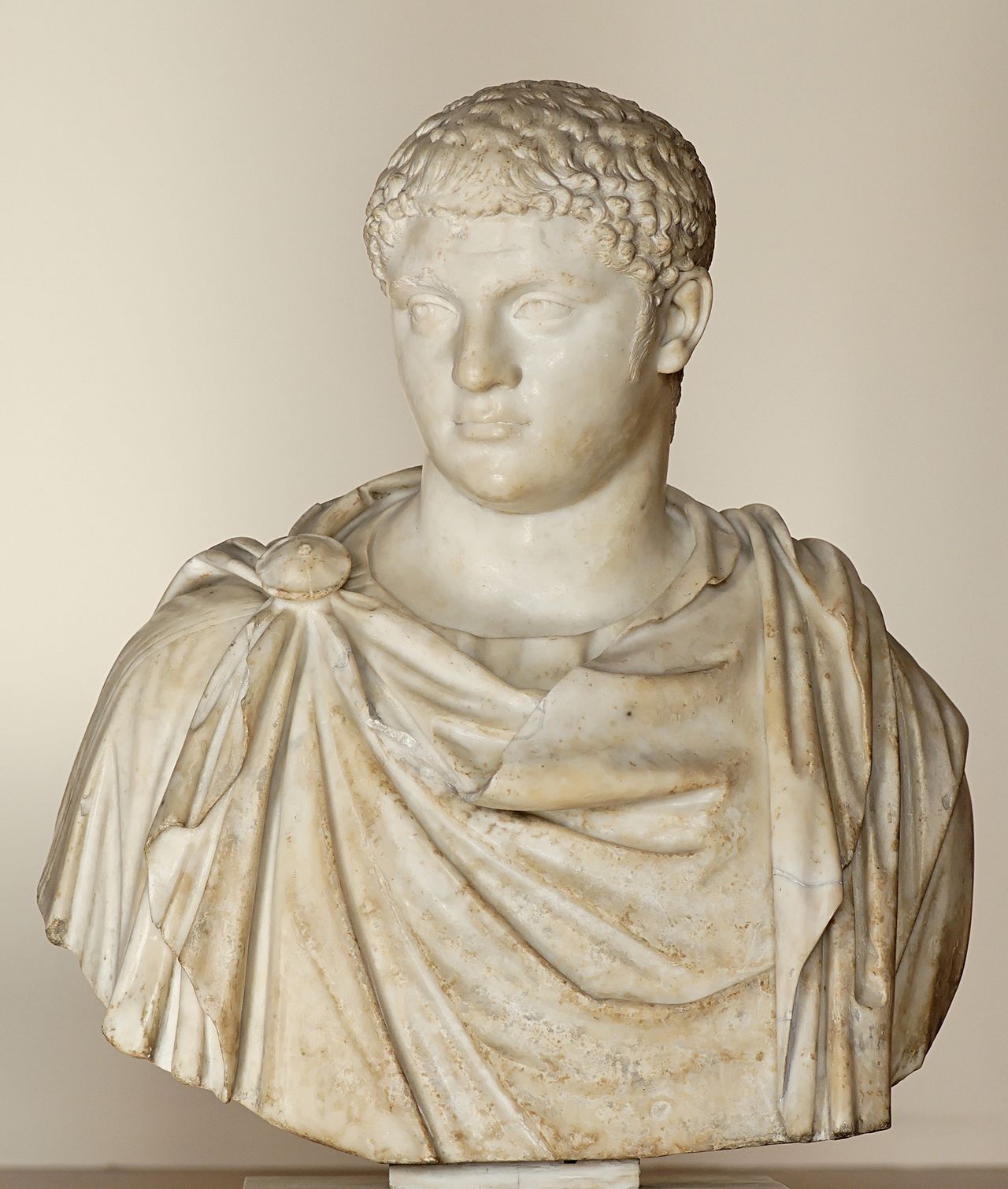
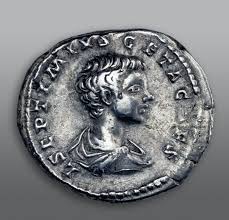
Publius Septimius Geta, son of Emperor Septimius Severus, was granted the title of Augustus, marking him as co-emperor alongside his father and brother Caracalla. This political move aime...
Explore event →
Publius Septimius Geta, son of Emperor Septimius Severus, was granted the title of Augustus by the Roman Senate. This elevated Geta to co-emperor status alongside his father and his broth...
Explore event →
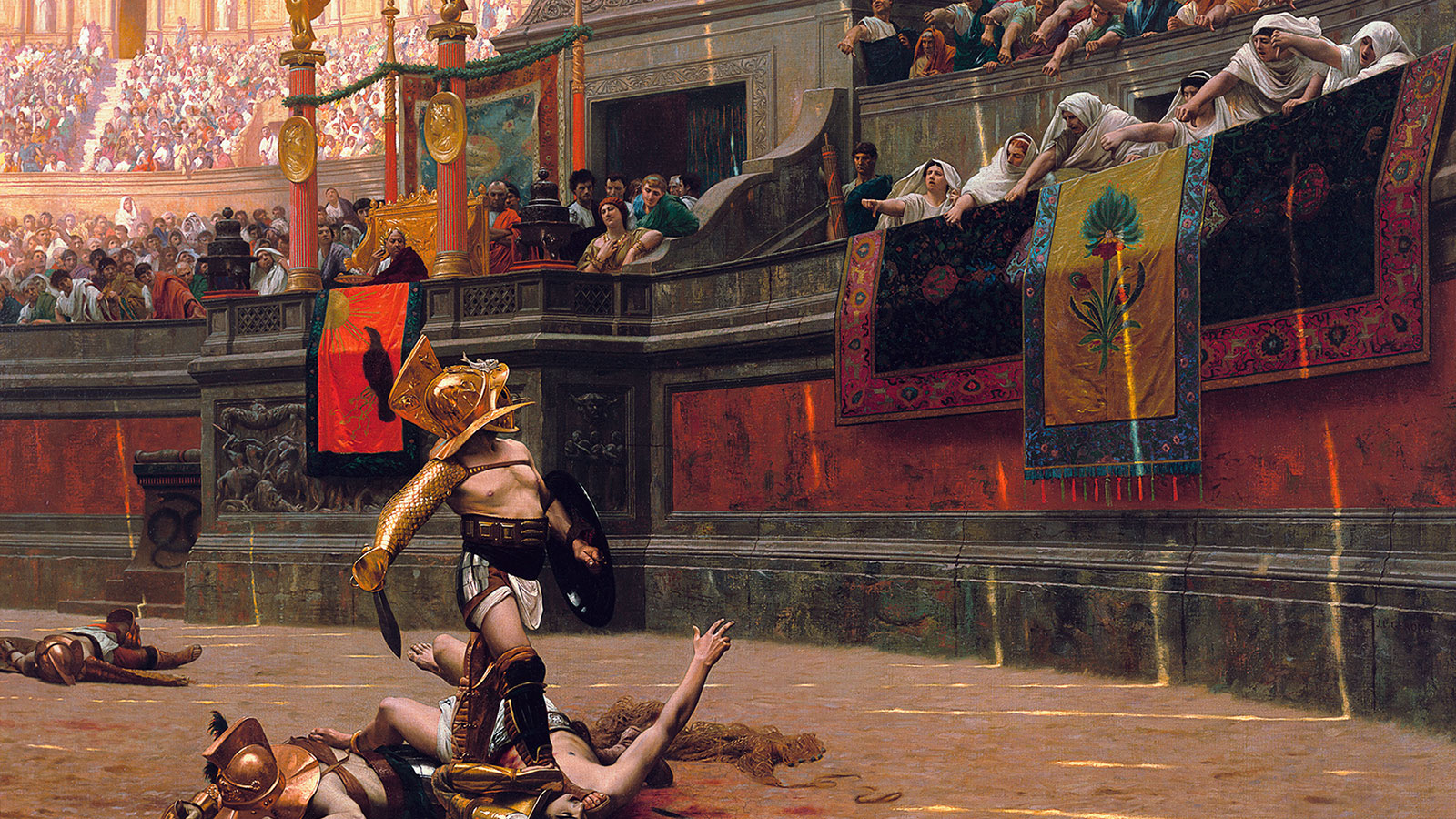
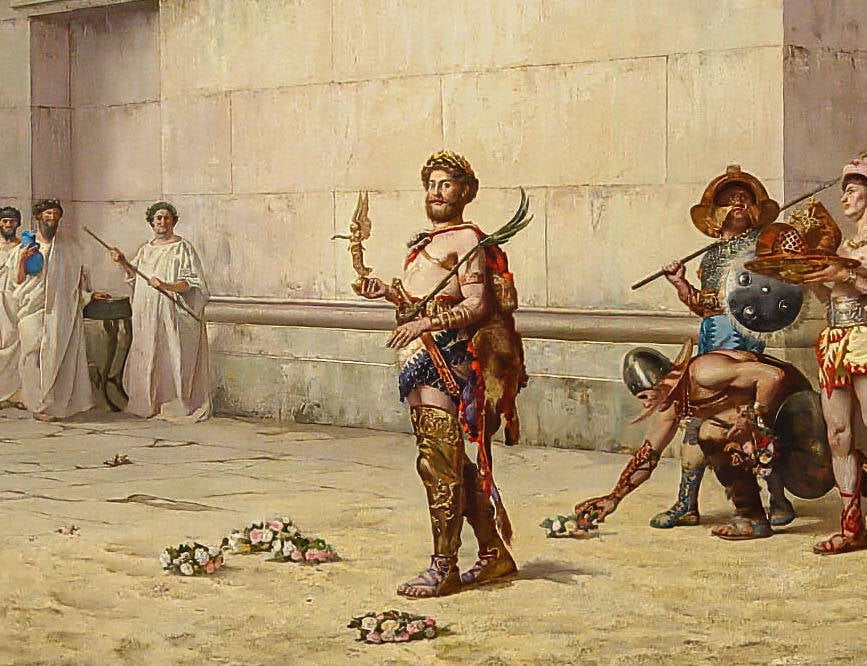
Emperor Commodus, known for his unconventional rule, famously participated in gladiatorial combats in Rome. Unlike previous emperors, he openly fought as a gladiator, staging public spect...
Explore event →
Roman Emperor Marcus Aurelius officially declared his son Commodus as co-emperor, sharing imperial authority.This political move marked the first time a biological son was directly elevat...
Explore event →
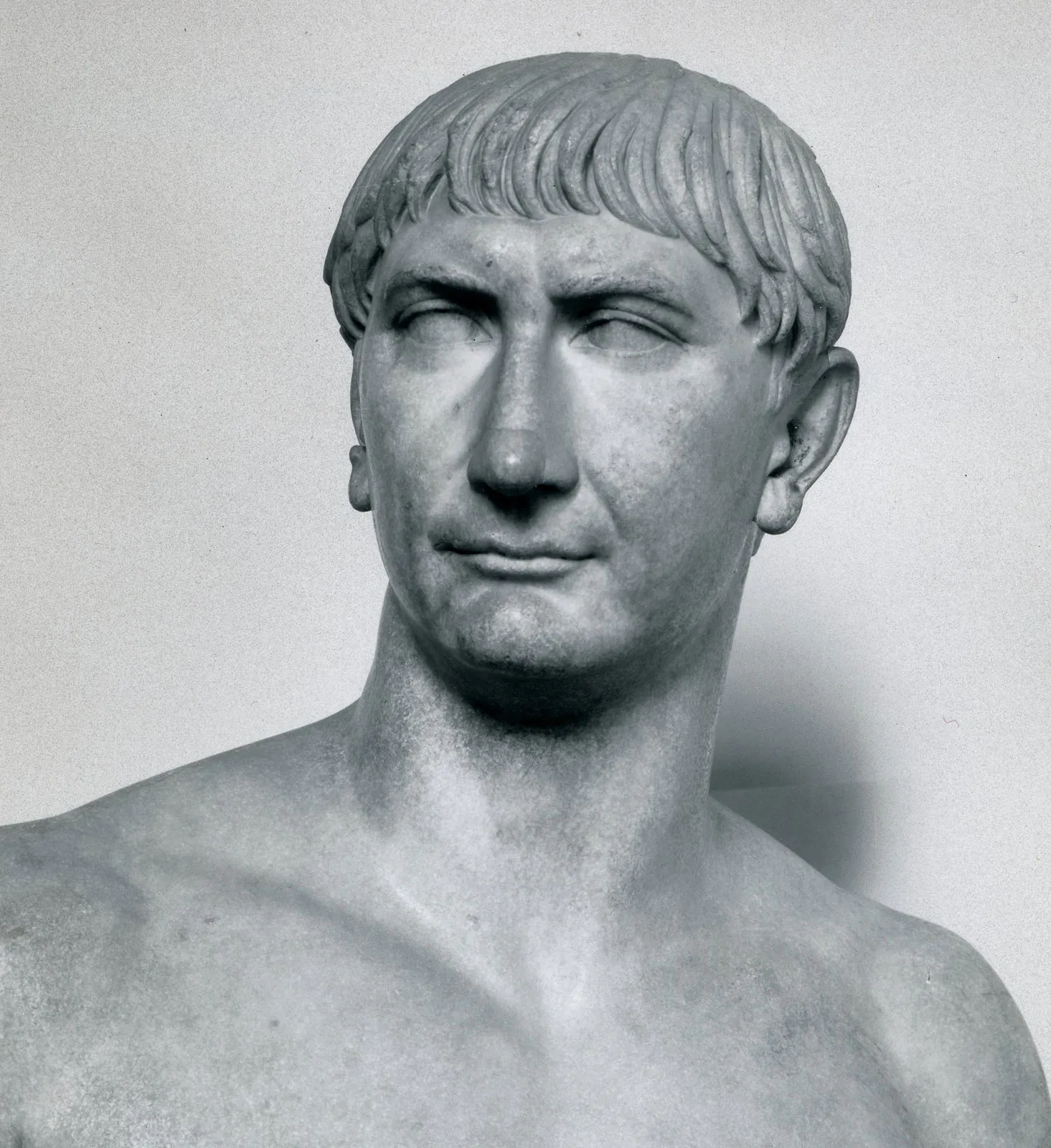
Emperor Nerva formally adopted Trajan as his heir in a move to secure the imperial succession and stabilize the Roman Empire. This adoption marked the beginning of the era of the "Five Go...
Explore event →
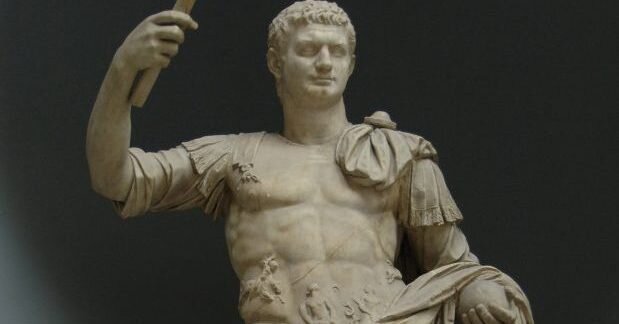
Following the death of Emperor Titus, Domitian, his younger brother, ascended to the throne of the Roman Empire. The accession occurred peacefully, marking the continuation of the Flavian...
Explore event →
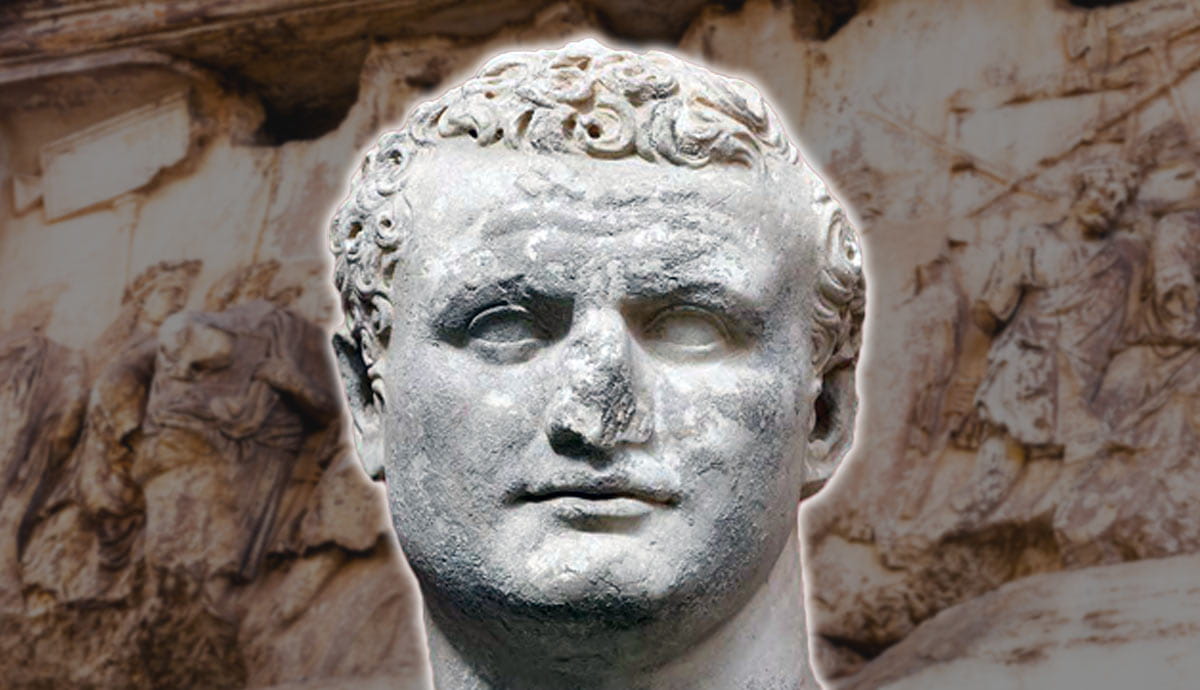
Titus succeeded his father Vespasian as Roman Emperor following Vespasian's death in Rome. His accession marked the continuation of the Flavian dynasty.Titus's rule initially consolidated...
Explore event →
Lucius Aelius Sejanus, the powerful prefect of the Praetorian Guard, was arrested and executed after losing favor with Emperor Tiberius. His fall marked a dramatic shift in Roman imperial...
Explore event →
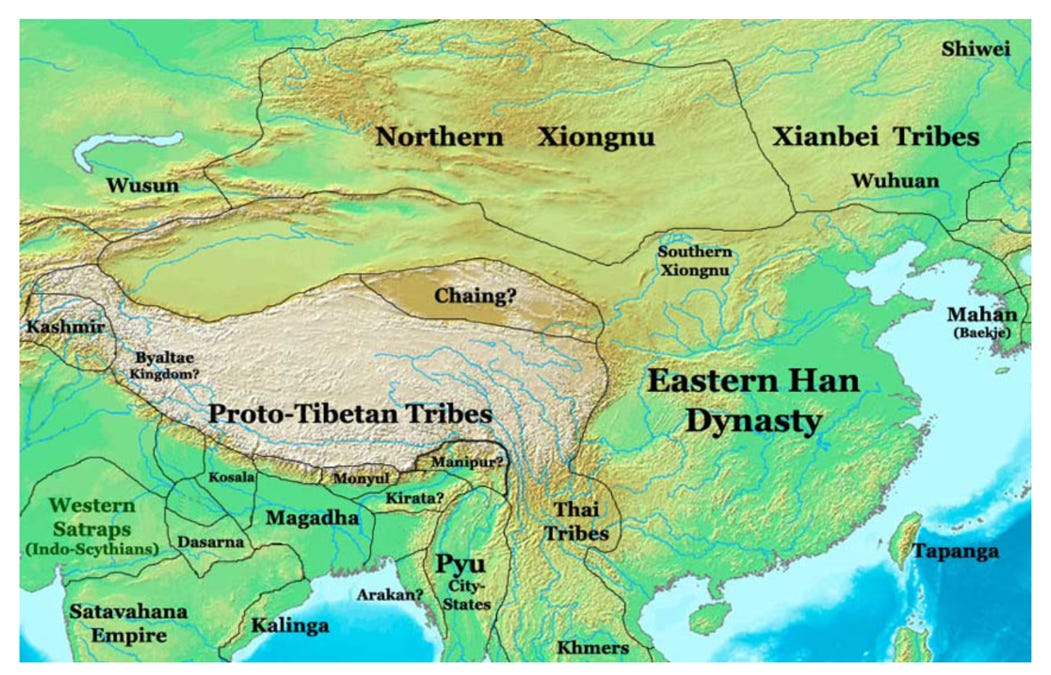
After a prolonged period of civil war and the collapse of the Western Han, Liu Xiu successfully reestablished imperial authority, marking the beginning of the Eastern Han dynasty.He conso...
Explore event →