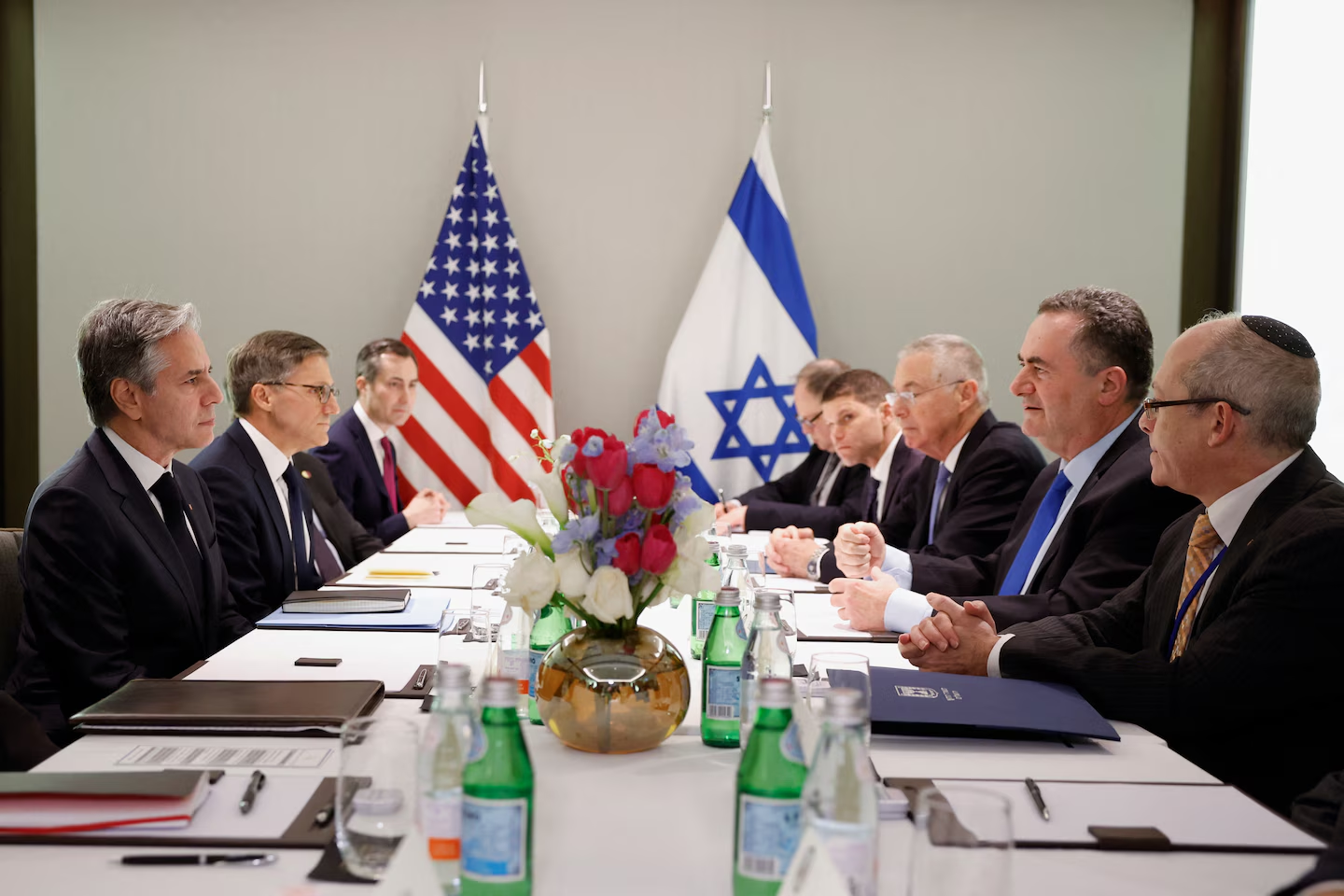
Israeli Government Objects to US-Backed Gaza Postwar Board
On January 18, 2026, members of the Israeli government’s far-right wing publicly rejected a United States-backed plan to establish a multi-national “Gaza executive boa...
Explore event →History does not happen in isolation. Explore world events across time, follow the connections between them, and investigate the threads that reveal how one event can lead to another.
TheTimeMap currently follows events across 95 countries and 268 years of history — building a connected archive designed for people who want to look beyond the headline.
We oppose antisemitism, racism, and dehumanization — everywhere.
When people stop feeling, injustice becomes easy.
On January 18, 2026, members of the Israeli government’s far-right wing publicly rejected a United States-backed plan to establish a multi-national “Gaza executive boa...
Explore event →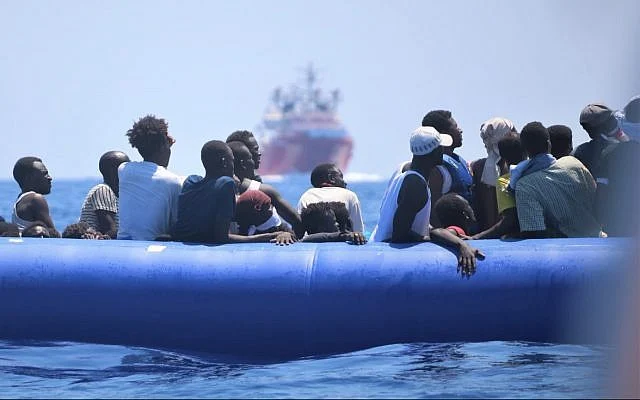
Israeli and Jewish aid groups support migrant and refugee assistance in Europe On September 5, 2015, IsraAID, an Israeli non-governmental organization founded in 2001...
Explore event →
Pontic Greek Genocide On May 19, 1919, military operations intensified against Greek communities in the Pontus region along the Black Sea coast of the Ottoman Empire....
Explore event →
Greek Genocide On May 19, 1919, Greek communities in the Pontus region of the Ottoman Empire faced intensified military operations during the final phase of systemati...
Explore event →
Untitled1990s–present — The collapse of communist controls produces large migration flows toward Italy, Greece, Germany, the United States and elsewhere. Emigration be...
Explore research
1881 — Most of Thessaly and part of Epirus are transferred from Ottoman rule to Greece.
Explore research
1204 — Constantinople is captured and Latin states are established across parts of Greece.
Explore research
2 September 31 BCE — The fleet of Octavian defeats the forces of Mark Antony and Cleopatra near Actium in western Greece. Antony and Cleopatra retreat to Egypt. Their ...
Explore research
146 BCE — Corinth is destroyed and Roman domination of Greece becomes decisive.
Explore research
1941–1944 — Germany, Italy and Bulgaria occupy Greece after the Axis invasion.
Explore research
1912–1913 — Greece expands dramatically, gaining Thessaloniki, much of Macedonia, Epirus and several Aegean islands.
Explore research
Farming villages existed in the Aegean world thousands of years before Greek-speaking states emerged.
Explore research
395 CE — Greece remains within the eastern Roman Empire, later called Byzantine.
Explore research
Crusader and Venetian powers control important Greek territories, islands and ports.
Explore research
1 January 1981 — Greece becomes a member of the European Communities, predecessor of today's EU.
Explore research
Greek cities become part of the Roman world while Greek culture deeply influences Roman education, philosophy and art.
Explore research
2009–2018 — Sovereign debt, recession, austerity and bailout programs produce one of modern Greece's deepest economic crises.
Explore research
3 February 1830 — The London Protocol recognizes Greece as an independent state.
Explore research
Trace independence, the Balkan Wars, World War I, the Asia Minor catastrophe and later territorial settlements.
Explore research
28 October 1940 — Greece rejects an Italian ultimatum, commemorated today as Ohi Day.
Explore research
Bavarian prince chosen by the Great Powers to become the first king of modern Greece.
Explore research
Today Greece is a parliamentary republic, EU and NATO member linking southeastern Europe with the eastern Mediterranean.
Explore research
By the 15th century, most of mainland Greece comes under Ottoman control, though some Venetian territories remain.
Explore research
Greek-speaking palace kingdoms rise on the mainland, centered on sites such as Mycenae, Pylos and Tiryns.
Explore research
Population, settlement and long-distance trade decline in many regions after the palace collapse.
Explore research