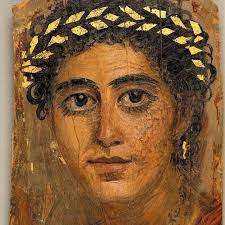
Fayum Portrait Artistic Tradition
The Fayum portrait tradition represents a unique blend of Egyptian and Greco-Roman artistic styles. These funerary portraits were painted on wooden panels and affixed to mummies, dating p...
Explore event →History does not happen in isolation. Explore world events across time, follow the connections between them, and investigate the threads that reveal how one event can lead to another.

TheTimeMap currently follows events across 95 countries and 268 years of history — building a connected archive designed for people who want to look beyond the headline.
We oppose antisemitism, racism, and dehumanization — everywhere.
When people stop feeling, injustice becomes easy.
The Fayum portrait tradition represents a unique blend of Egyptian and Greco-Roman artistic styles. These funerary portraits were painted on wooden panels and affixed to mummies, dating p...
Explore event →
c. 2650 BCE — Djoser's Step Pyramid complex represents a revolutionary leap in monumental stone architecture. Traditionally associated with the official Imhotep, the project begins as a m...
Explore published research →
c. 2667–2648 BCE — Djoser rules during Egypt's Third Dynasty and is associated with one of the greatest architectural transformations in ancient history. His funerary complex at Saqqara r...
Explore published research →