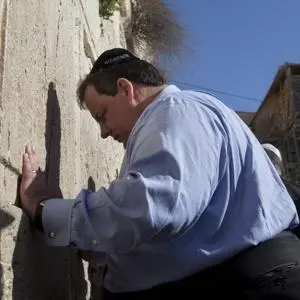
The Whale At The Wall
New Jersey Governor Chris Christie visited Israel’s Western Wall in February 2011 during his first official overseas trip as governor. He was given a personal tour of ...
Explore event →History does not happen in isolation. Explore world events across time, follow the connections between them, and investigate the threads that reveal how one event can lead to another.
TheTimeMap currently follows events across 95 countries and 268 years of history — building a connected archive designed for people who want to look beyond the headline.
We oppose antisemitism, racism, and dehumanization — everywhere.
When people stop feeling, injustice becomes easy.
New Jersey Governor Chris Christie visited Israel’s Western Wall in February 2011 during his first official overseas trip as governor. He was given a personal tour of ...
Explore event →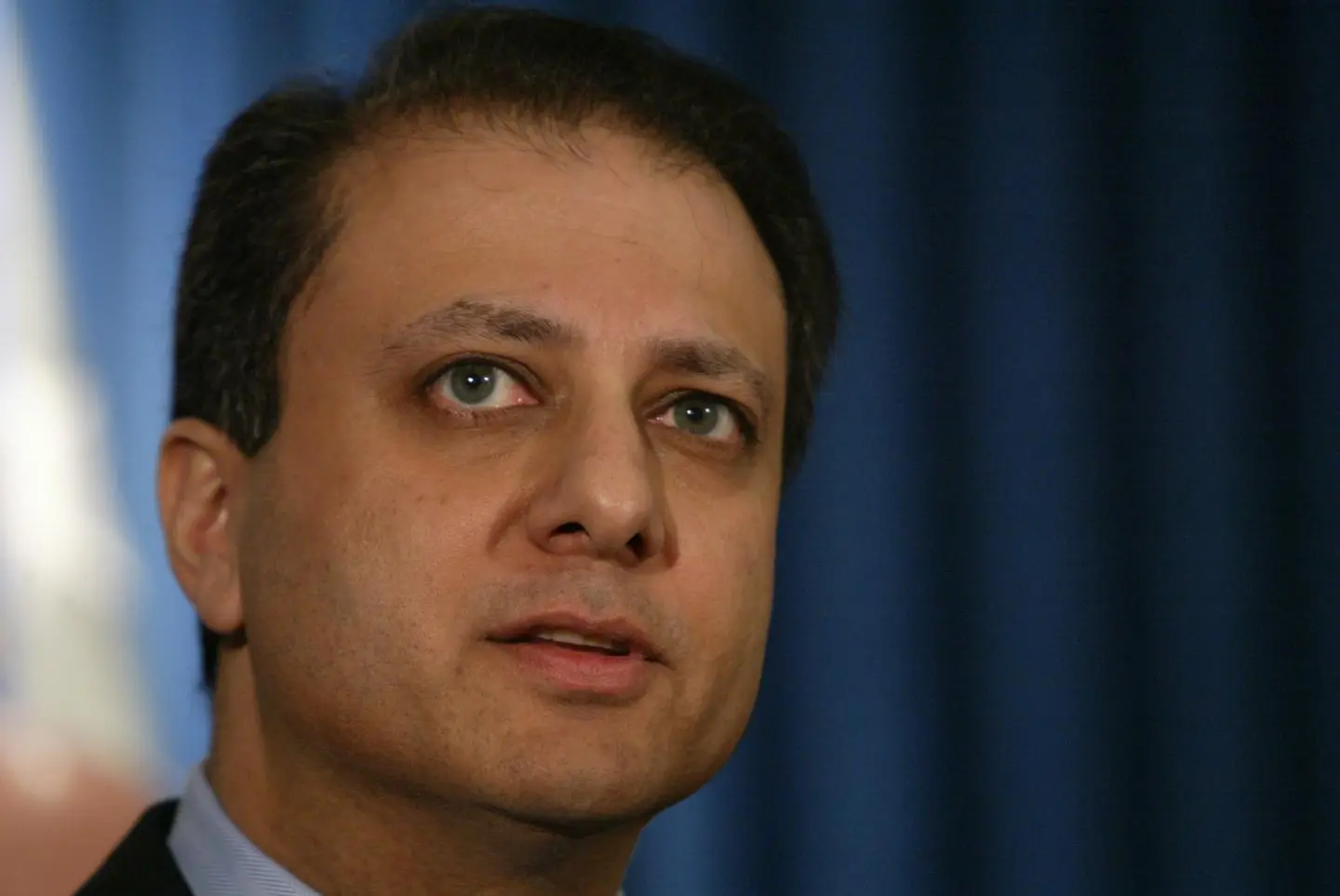
In October 2011, Earl Seth David, a Toronto-based individual who had also used the name Avraham David and presented himself as a rabbi, was arrested in Toronto in conn...
Explore event →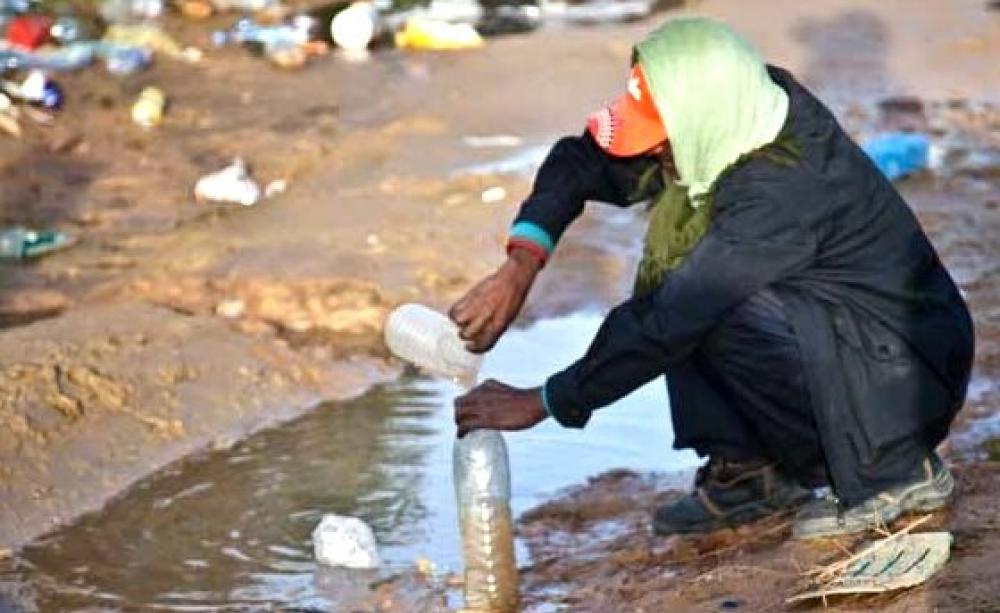
On 22 July 2011, during the Libyan Civil War, NATO aircraft struck a facility in Brega that manufactured large-diameter pipes used in Libya's Great Man-Made River wate...
Explore event →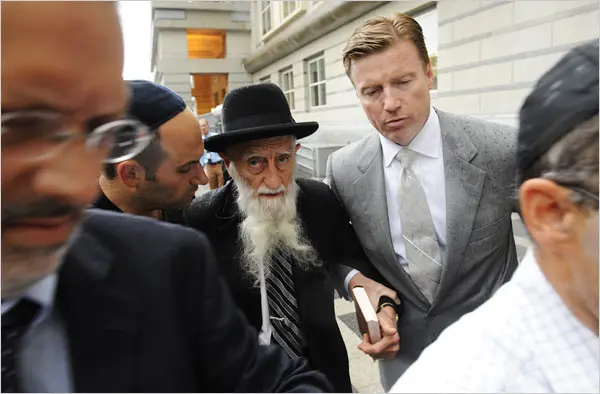
Rabbi Saul Kassin, a senior religious leader associated with the Syrian Jewish community in Brooklyn, New York, was sentenced in June 2011 to two years of unsupervised...
Explore event →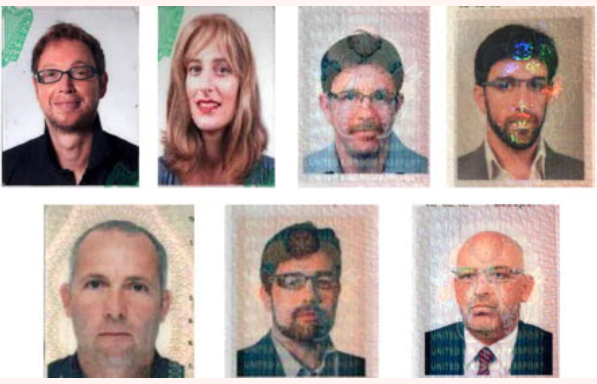
One of the clearest documented cases of Israeli intelligence activity that damaged relations with allies involves the use of forged or cloned passports belonging to ci...
Explore event →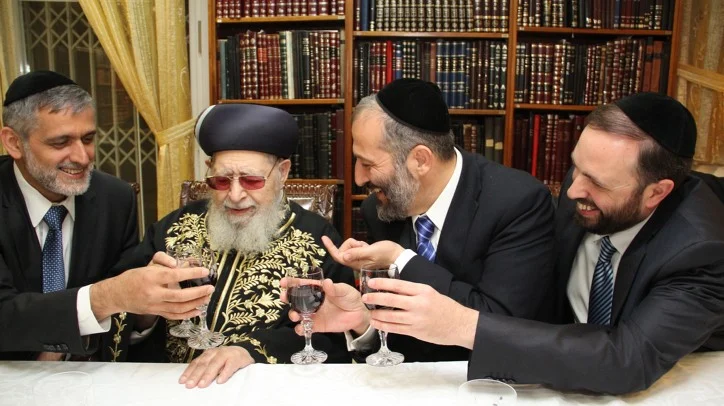
2010 sermon statements attributed to Rabbi Ovadia Yosef 2010 sermon statements attributed to Rabbi Ovadia Yosef on gentiles In 20...
Explore event →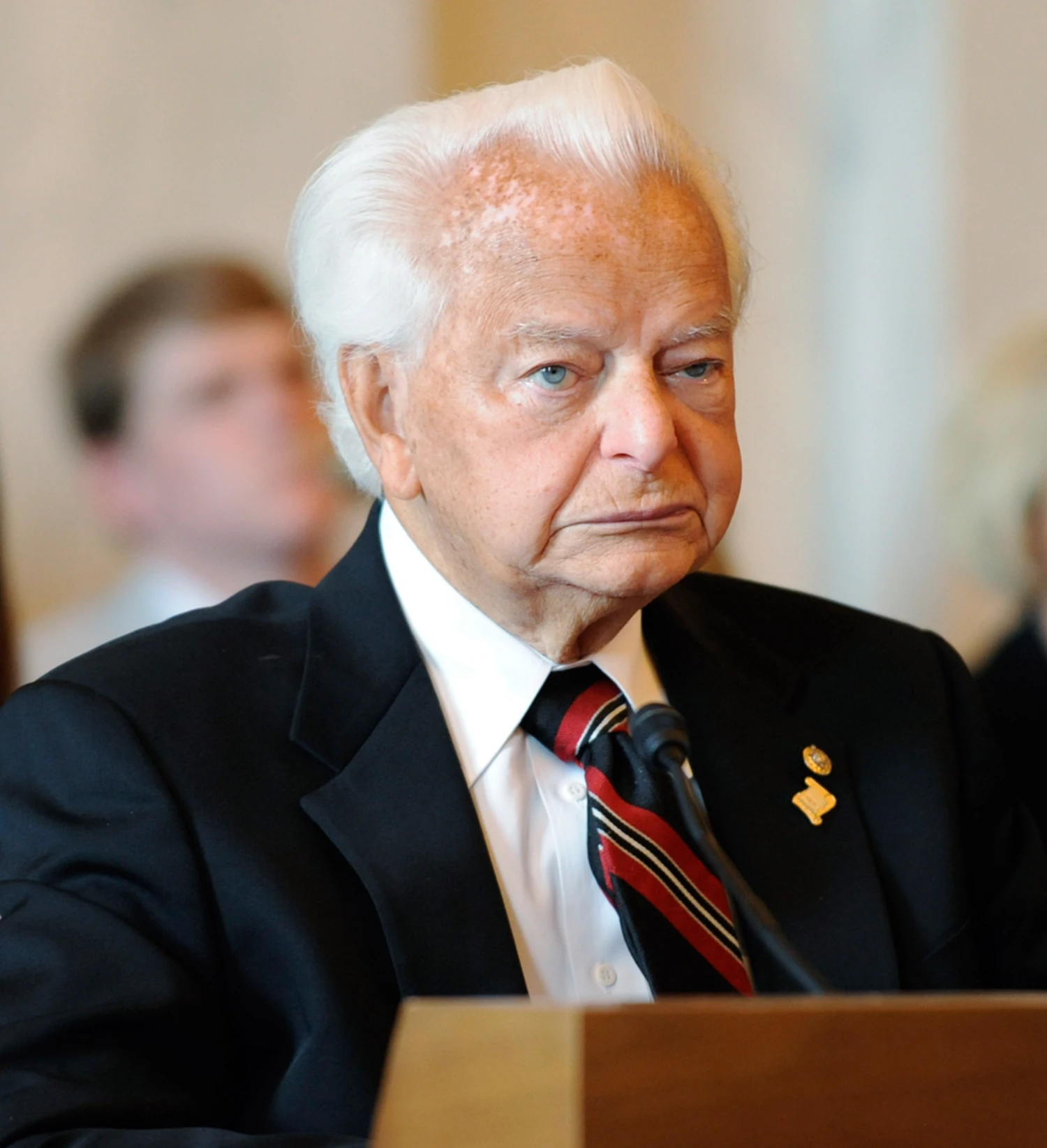
Senator Robert Byrd eulogy connections and affiliations Senator Robert Byrd, a longtime U.S. Senator from West Virginia, passed away on June 28, 2010. Byrd had a docu...
Explore event →
They hate white people “The goal of abolishing the White race is, on its face, so desirable that some may find i...
Explore event →
Gabriela Rico Jiménez’s Viral 2009 Incident and Disappearance On the evening of August 3, 2009, 21‑year‑old Gabriela Rico Jiménez was filmed in a distressed...
Explore event →
In July 2009, federal authorities in New Jersey arrested 44 individuals, including five rabbis, in a large-scale corruption and money laundering investigation conducte...
Explore event →
Michael Jackson, the “King of Pop,” died on June 25, 2009, at the age of 50 in Los Angeles, California, from acute propofol and benzodiazepine intoxication administere...
Explore event →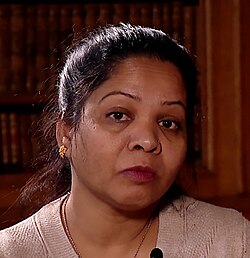
Asia Bibi, also known as Aasiya Noreen, is a Pakistani Christian woman whose prosecution under Pakistan's blasphemy laws became an internationally recognized legal and...
Explore event →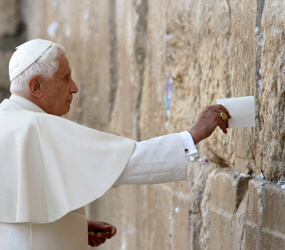
On May 11, 2009, Pope Benedict XVI visited the Western Wall in Jerusalem during a papal trip to the Holy Land. He touched the stones of the wall and offered prayers, f...
Explore event →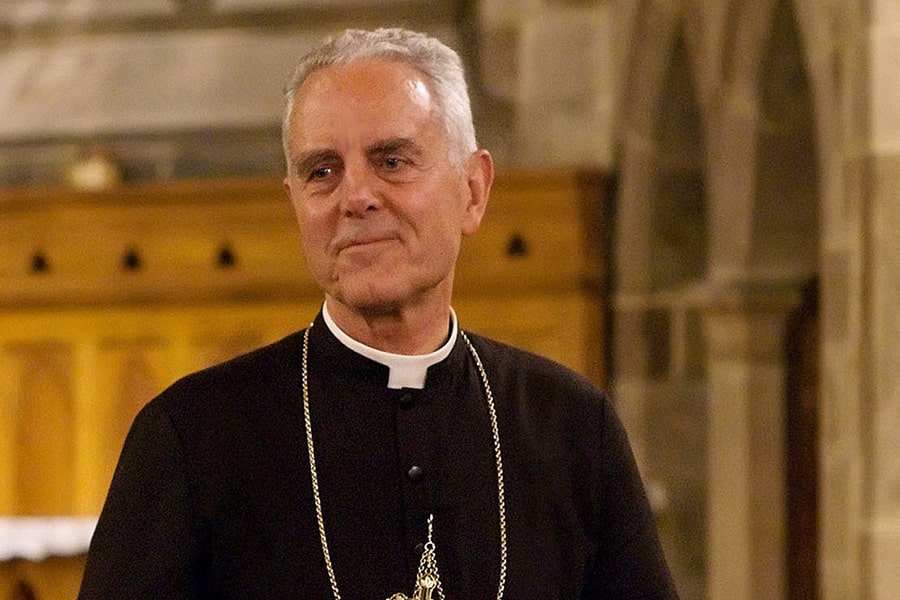
Richard Williamson was a British traditionalist Catholic bishop who became widely known for his involvement in controversies related to the Catholic Church and his pub...
Explore event →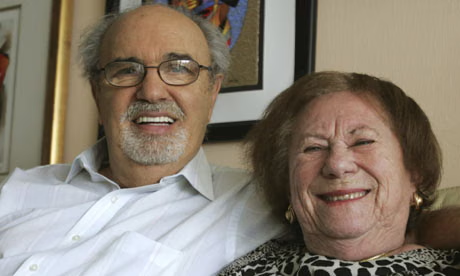
Herman Rosenblat publicly acknowledged in December 2008 that key elements of his Holocaust survival story were fabricated. Rosenblat had claimed that while imprisoned ...
Explore event →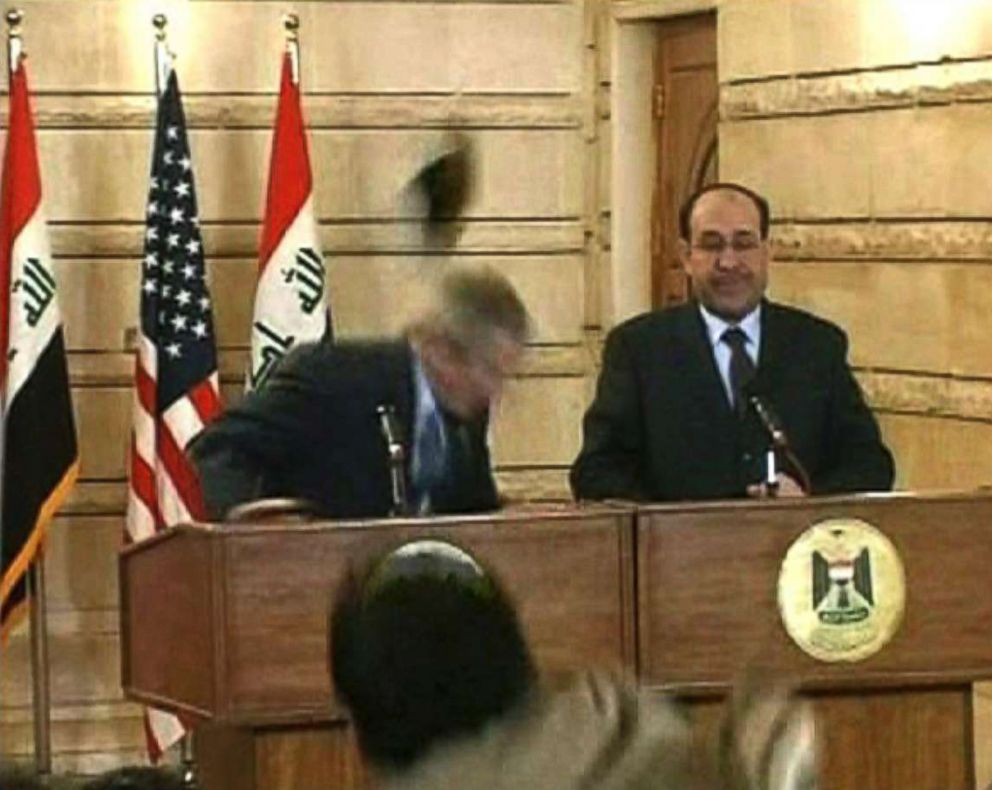
Iraqi journalist throws shoes at U.S. President George W. Bush during Baghdad visit On December 14, 2008, Iraqi journalist Muntadhar al-Zaidi threw two shoe...
Explore event →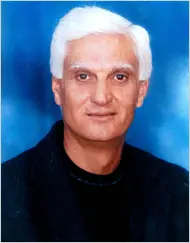
Lebanon Arrests Ali And Youssef Jarrah On Espionage Charges On October 25, 2008, Lebanese security forces arrested two Lebanese brothers, Ali Dib El‑Jarrah ...
Explore event →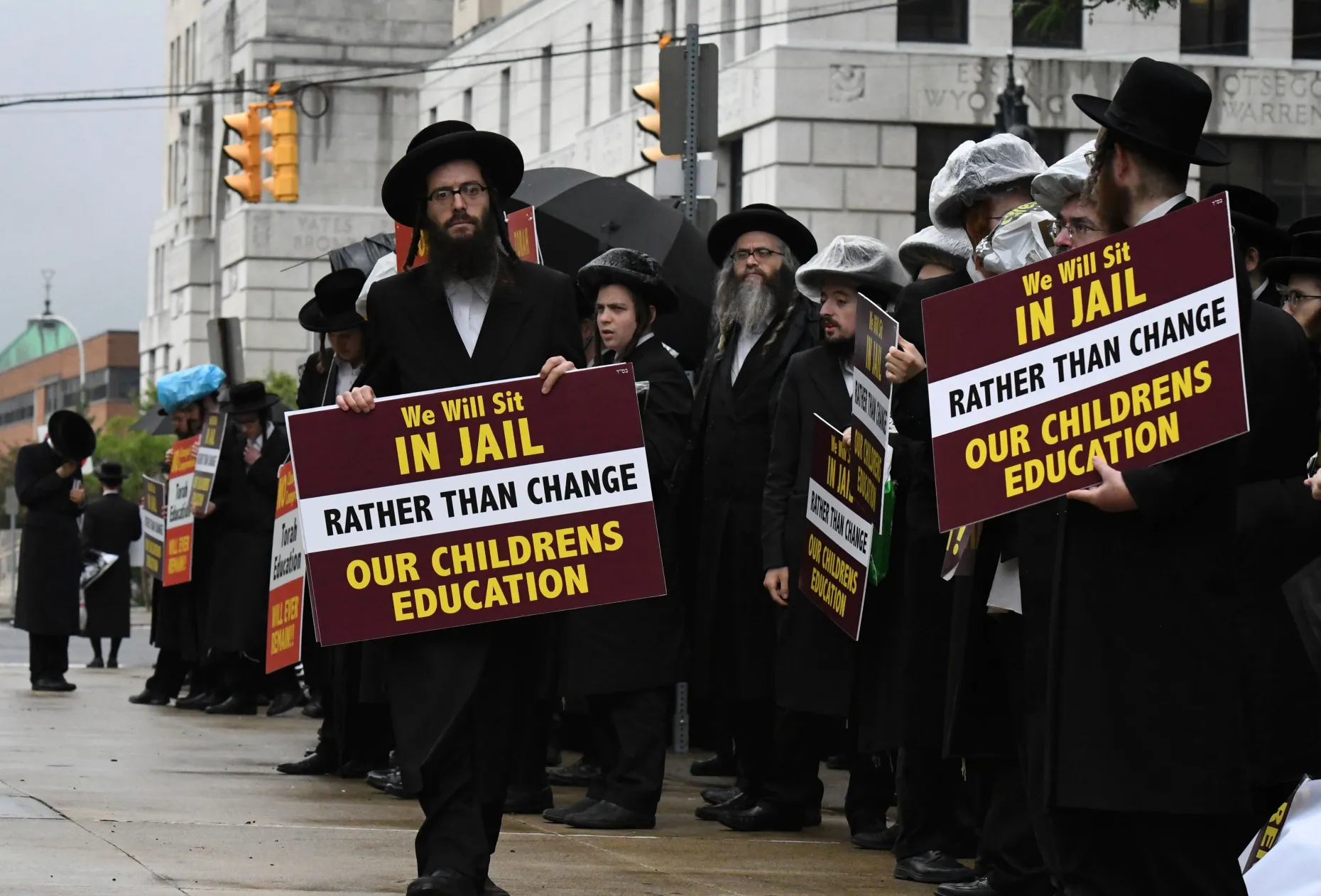
Former student brings case against Orthodox yeshiva in New York for historical misconduct On March 12, 2026, a former student of a Williamsburg, Brooklyn Orthodox yes...
Explore event →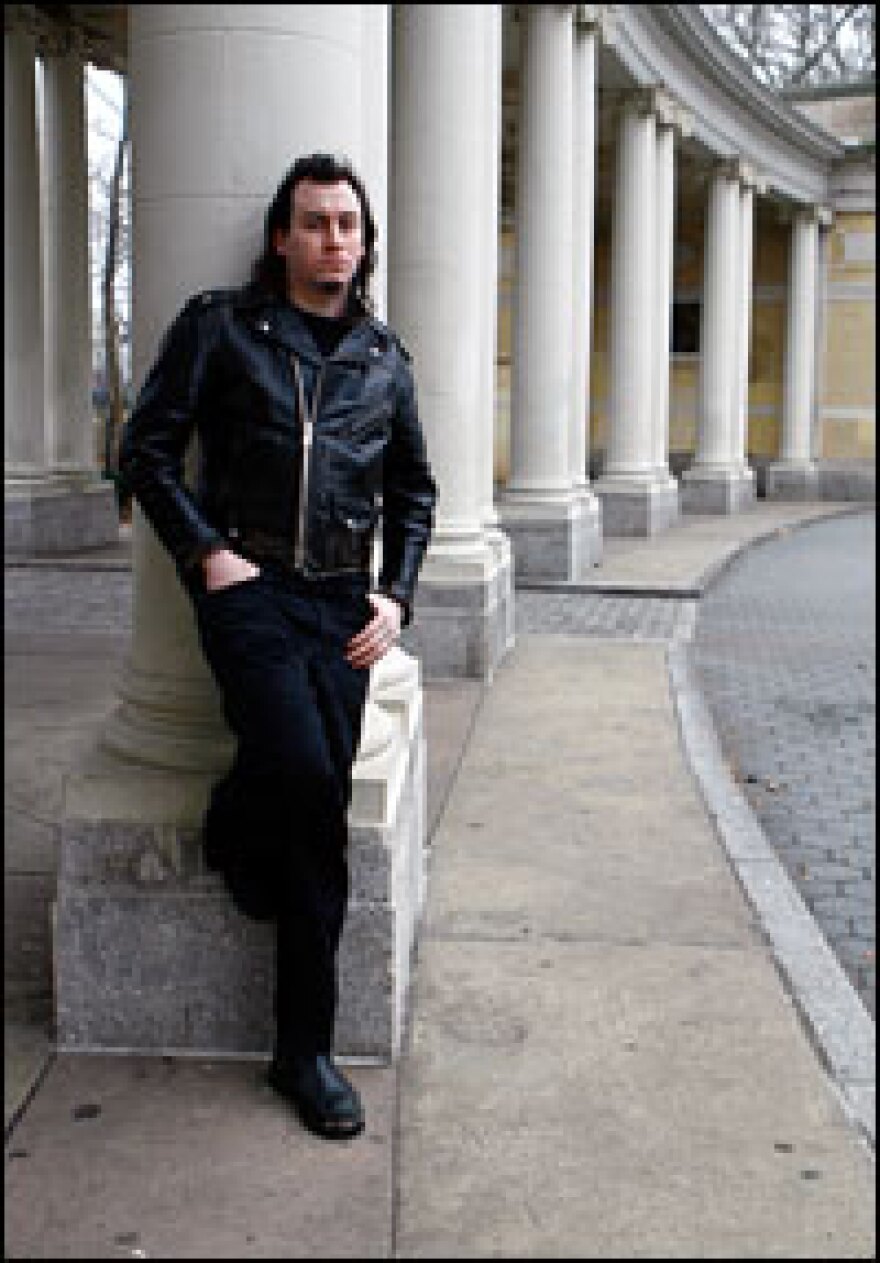
Joel Engelman files civil suit alleging historical abuse in Brooklyn On August 27, 2008, Joel Engelman, then 23 years old and residing in Greenpoint, Brookl...
Explore event →
The United States allows meat and milk from cloned animals to enter the food supply without special labeling requirements. The policy follows a decision by federal reg...
Explore event →
Donald Trump’s wedding included Jeffrey Epstein as a guest Reports indicate that Jeffrey Epstein, the late financier later convicted of sex offenses, attended the wed...
Explore event →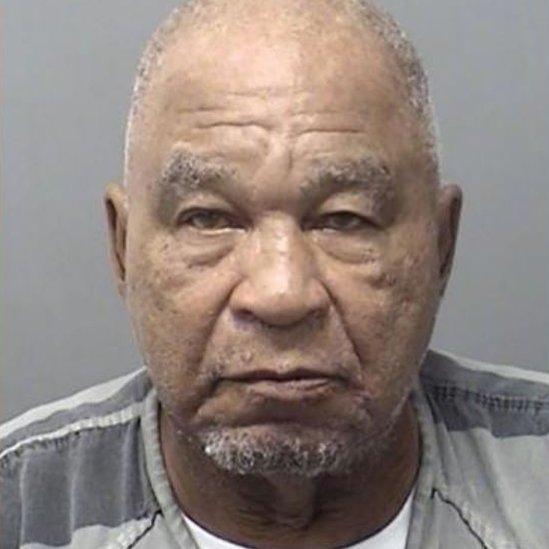
Media coverage and public recognition of serial homicide have been examined by criminologists and researchers studying race, victim demographics, offender characterist...
Explore event →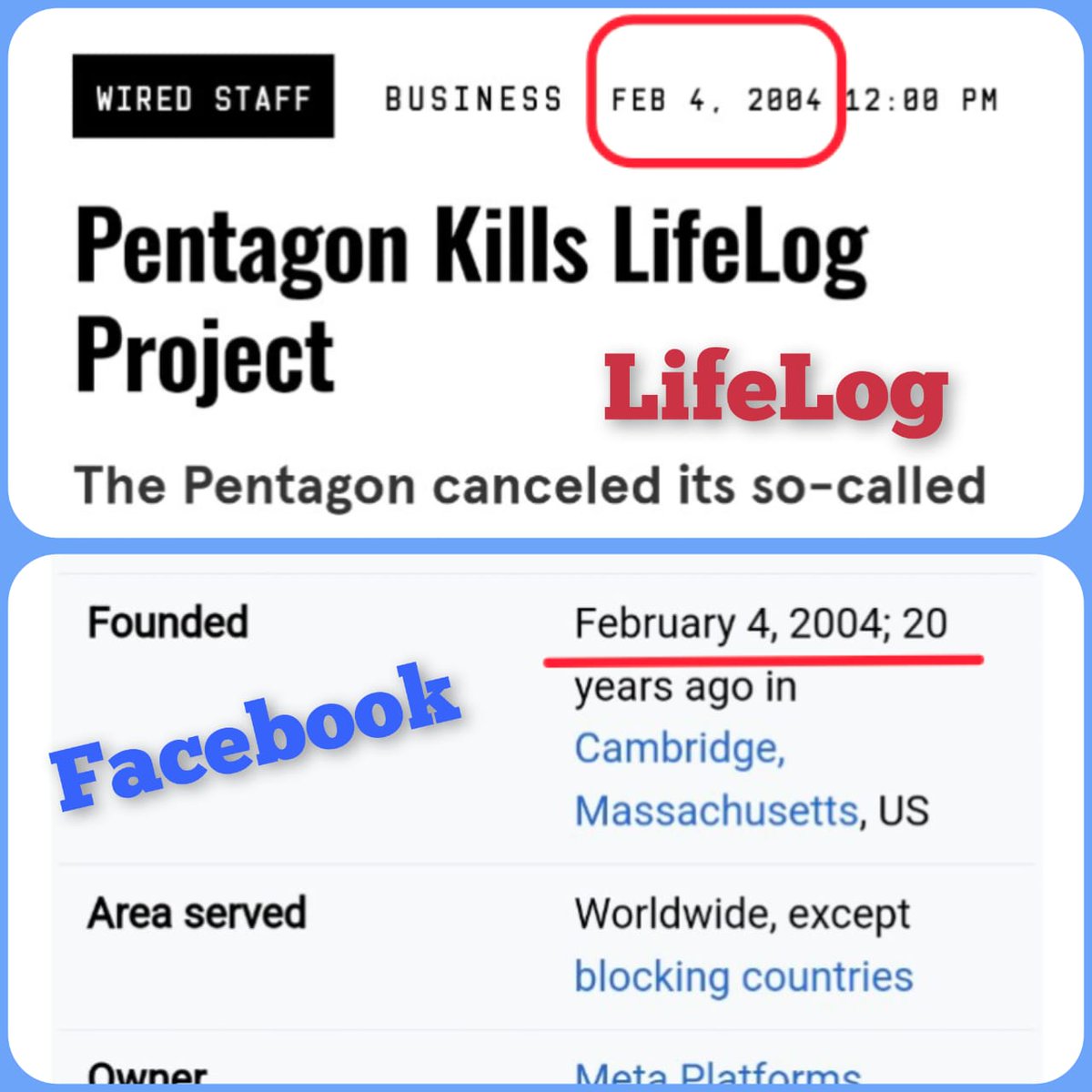
On February 4, 2004, the United States Defense Advanced Research Projects Agency (DARPA) canceled its LifeLog research program, which had been launched in 2003. The pr...
Explore event →
Gilgamesh narratives resurface amid 2003 Iraq war and Euphrates region focus In April 2003, during the early phase of the U.S.-led invasion of Iraq, interna...
Explore event →
2014–2026 — Egypt remains the most populous country in the Arab world and one of the principal political centers of the eastern Mediterranean and Middle East. Cairo do...
Explore research
1970–1981 — Anwar Sadat succeeds Nasser and gradually redirects Egyptian foreign and economic policy. He reduces Soviet influence, encourages economic liberalization a...
Explore research
23 July 1952 — Egyptian military officers overthrow King Farouk's government. The movement is driven by dissatisfaction with corruption, political inequality, British ...
Explore research
1952–1970 — The Free Officers end the monarchy, reduce British influence, redistribute land and create a powerful developmental state. At the same time, political part...
Explore research
6 April 1917–11 November 1918 — The United States begins converting its enormous economy and population into military power. Millions of men enter the draft system whi...
Explore research
July 1914 — Russian leaders view Serbia as both a political partner and a test of Russian great-power credibility in the Balkans. Previous retreats in regional crises ...
Explore research
1914–1917 Allied purchasing and finance role — J.P. Morgan & Co. becomes a major financial and purchasing intermediary for Britain and France in the United States duri...
Explore research
Untitled1914–1918 — Industrial warfare requires food, coal, metals, chemicals, credit and shipping on unprecedented scales. Britain attempts to deny overseas resources...
Explore research
28 November 1912 — Delegates meeting at Vlorë proclaim Albania independent from the Ottoman Empire during the First Balkan War. Ismail Qemali leads the provisional gov...
Explore research
17 November 1869 — The Suez Canal officially opens, connecting the Mediterranean and Red Seas without requiring ships to sail around Africa. The canal transforms globa...
Explore research
1805–1848 CE — Muhammad Ali becomes Ottoman governor of Egypt but builds a virtually hereditary state under his family's control. He creates a new army, expands state ...
Explore research
1 July 1798 — French forces under Napoleon Bonaparte land in Egypt. The invasion aims to weaken British access to India while expanding French influence in the eastern...
Explore research
1250–1517 CE — Military elites known as Mamluks seize political control and establish a powerful sultanate centered on Cairo. They defeat Mongol forces at Ain Jalut an...
Explore research
1079–1080 CE — Byzantine historian Michael Attaleiates uses terms generally interpreted as references to Albanians in the western Balkans. These medieval references ar...
Explore research
970–972 CE — The Fatimids establish the mosque and teaching institution that develops into al-Azhar. Over the centuries it becomes one of the most influential centers ...
Explore research
969 CE — The Isma'ili Shi'a Fatimid Caliphate conquers Egypt and establishes a new political center north of Fustat. Egypt becomes the heart of a powerful caliphate ex...
Explore research
641 CE — Muslim authorities establish Fustat near the old Roman fortress of Babylon on the Nile. The city becomes the administrative center of Islamic Egypt and develo...
Explore research
641–1000 CE — Arabic did not replace Coptic immediately after the conquest. Government, migration, urban life, taxation, religious conversion and social mobility gradu...
Explore research
7th–10th centuries — Arabic increasingly replaces Greek and Coptic in government and eventually becomes the dominant spoken language. Conversion to Islam occurs over g...
Explore research
639–642 CE — Forces commanded by Amr ibn al-As invade Byzantine Egypt during the early Islamic conquests. Byzantine resistance collapses gradually, and Alexandria even...
Explore research
c. 150 CE — The geographer Claudius Ptolemy records a people called Albanoi and a settlement named Albanopolis in the western Balkans. The similarity to later Albanian...
Explore research
1st–4th centuries CE — Christianity spreads through the Roman Balkans and eventually becomes institutionally established. Bishoprics emerge in important cities includi...
Explore research
30 BCE — Octavian captures Alexandria after the deaths of Antony and Cleopatra. Egypt becomes a Roman province under unusually close imperial supervision because of it...
Explore research
51–30 BCE — Cleopatra VII becomes the final active ruler of the Ptolemaic dynasty. She navigates the expanding power of Rome through alliances and relationships first ...
Explore research