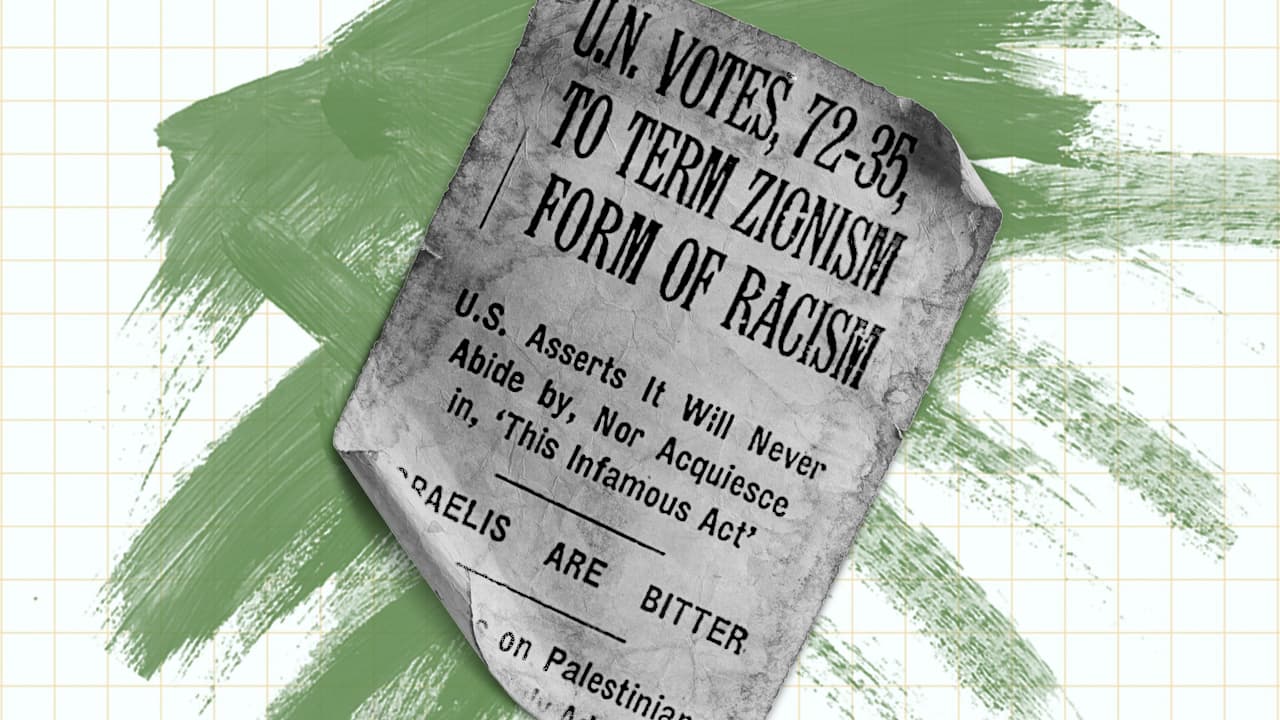
United Nations Passes Resolution 3379 Equating Zionism With Racism
UN Resolution 3379 On Zionism And Racism On November 10, 1975, the United Nations General Assembly adopted **Resolution 3379**, titled "Elimination of All F...
Explore event →History does not happen in isolation. Explore world events across time, follow the connections between them, and investigate the threads that reveal how one event can lead to another.
TheTimeMap currently follows events across 95 countries and 268 years of history — building a connected archive designed for people who want to look beyond the headline.
We oppose antisemitism, racism, and dehumanization — everywhere.
When people stop feeling, injustice becomes easy.
UN Resolution 3379 On Zionism And Racism On November 10, 1975, the United Nations General Assembly adopted **Resolution 3379**, titled "Elimination of All F...
Explore event →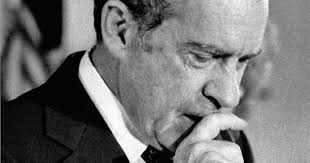
The Watergate Affair: Timeline, Operatives, And Unresolved Questions On June 17, 1972, five men were arrested inside the Democratic National Committee headquarters at...
Explore event →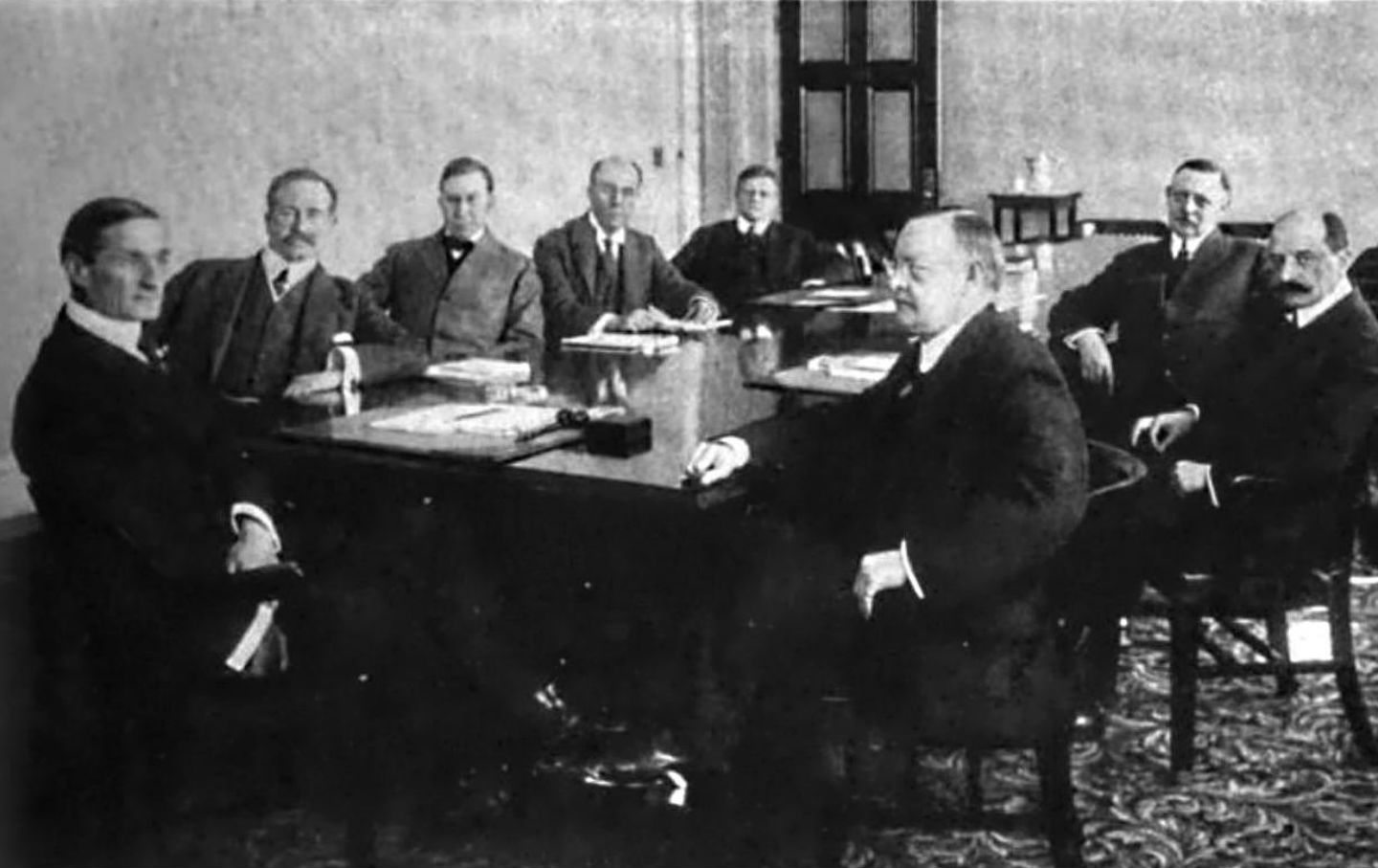
The creation of the Federal Reserve System on December 23, 1913, established the central banking authority of the United States. It was enacted through the Federal Res...
Explore event →
Charlie Chaplin was an English actor, filmmaker, composer, and producer who became one of the most prominent figures of twentieth-century cinema. His career included s...
Explore event →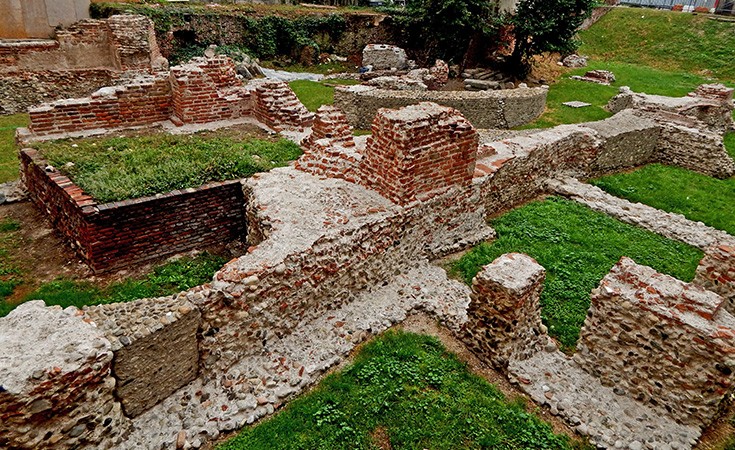
The imperial court transferred its seat to Milan, marking a significant shift in political power within the region. This relocation allowed closer control over norther...
Explore event →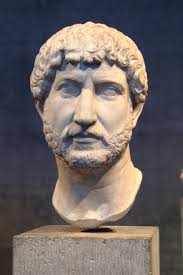
Following the death of Emperor Trajan, Hadrian chose to abandon the eastern conquests achieved during Trajan's campaigns. This strategic withdrawal aimed to consolidat...
Explore event →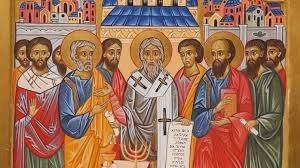
The Council of Jerusalem was a pivotal assembly of early Christian leaders who convened to discuss the integration of Gentile converts into the predominantly Jewish Ch...
Explore event →
11 December 1990 — Albania's communist leadership accepts the legalization of independent political parties. The decision effectively ends the political monopoly creat...
Explore research
National Security Decision Memorandum 314 concerned U.S. population policy following the NSSM 200 study. President Gerald Ford approved the associated policy decision ...
Explore research
38th president of the United States. Ford succeeded Nixon in 1974 and subsequently approved a National Security Decision Memorandum concerning population policy.
Explore research
1970–1981 — Anwar Sadat succeeds Nasser and gradually redirects Egyptian foreign and economic policy. He reduces Soviet influence, encourages economic liberalization a...
Explore research
August 1916–October 1918 — Paul von Hindenburg and Erich Ludendorff become the dominant figures in Germany's Supreme Army Command. Their influence extends far beyond b...
Explore research
28 June–4 August 1914 — Sarajevo creates the crisis, but successive decisions by Austria-Hungary, Germany, Russia, France and Britain determine how far it spreads. The...
Explore research
29 July 1913 — The Great Powers recognize an independent Albanian principality. The borders they establish leave substantial Albanian-speaking populations outside the ...
Explore research
30 January 1933–30 April 1945 — Hitler rules Germany as dictator and becomes the central political authority behind Nazi expansion, racial policy and the decision to l...
Explore research
30 January 1933–30 April 1945 — Hitler rules Germany as dictator and becomes the central political authority behind Nazi expansion, racial policy and the decision to l...
Explore research
30 January 1933–30 April 1945 — Hitler rules Germany as dictator and becomes the central political authority behind Nazi expansion, racial policy and the decision to l...
Explore research
30 September 1938 — Chamberlain and Daladier accept German acquisition of the Sudetenland in the hope of preserving peace. Their decisions reflect memories of World Wa...
Explore research
4 August 1914 — Britain declares war on Germany after German forces invade neutral Belgium and Berlin fails to meet the British demand for Belgian neutrality to be res...
Explore research
28 May 1940 — During the military crisis in France, Britain's War Cabinet continues debating whether Italian mediation might open negotiations with Germany. Winston Ch...
Explore research
28 June 1919 onward — The Treaty of Versailles becomes one of the most controversial diplomatic settlements in modern history. Reparations, territorial changes, milita...
Explore research
2 September 1945 — The defeat of Germany and Japan leaves the United States and Soviet Union as the dominant military powers. Soviet control across Eastern Europe, Ame...
Explore research
1926–1989 reign — Hirohito is emperor throughout Japan's expansion in China and the Pacific War. The exact nature of his political responsibility remains the subject o...
Explore research
23 July 1942 — Hitler issues Directive No. 45, dividing German strategic effort between Stalingrad and the Caucasus. Securing oil becomes a central objective because G...
Explore research
5 July 1914 — Austro-Hungarian envoy Alexander Hoyos receives powerful assurances in Berlin that Germany will support Vienna if it acts against Serbia, even if Russian...
Explore research
31 August 1939 — German operatives stage a false Polish attack on the radio station at Gleiwitz and related frontier incidents. The operation forms part of an attempt ...
Explore research
22 June 1941 — Guderian commands Panzer Group 2 during Operation Barbarossa. His armored forces achieve dramatic advances and participate in major encirclements. He la...
Explore research
Henry Kissinger served as national security adviser during the Nixon administration and remained central to White House foreign-policy and national-security decision-m...
Explore research
31 May 1945 — Secretary of War Henry Stimson chairs the first major meeting of the Interim Committee considering policy surrounding the atomic bomb. Stimson becomes on...
Explore research
1940–1944 senior Japanese leadership — General Hideki Tojo becomes Japanese prime minister in October 1941 as negotiations with the United States approach collapse. He...
Explore research
15 August 1945 — Emperor Hirohito's recorded voice is broadcast to the Japanese population announcing acceptance of Allied surrender terms. The decision follows intens...
Explore research