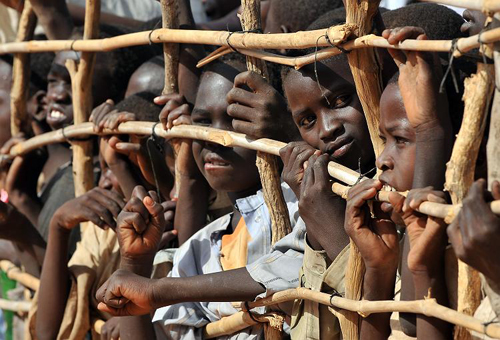
Darfur Genocide
Darfur Genocide On February 26, 2003, rebel groups in Darfur, Sudan, including the Sudan Liberation Army and Justice and Equality Movement, launched attacks against g...
Explore event →History does not happen in isolation. Explore world events across time, follow the connections between them, and investigate the threads that reveal how one event can lead to another.
TheTimeMap currently follows events across 95 countries and 268 years of history — building a connected archive designed for people who want to look beyond the headline.
We oppose antisemitism, racism, and dehumanization — everywhere.
When people stop feeling, injustice becomes easy.
Darfur Genocide On February 26, 2003, rebel groups in Darfur, Sudan, including the Sudan Liberation Army and Justice and Equality Movement, launched attacks against g...
Explore event →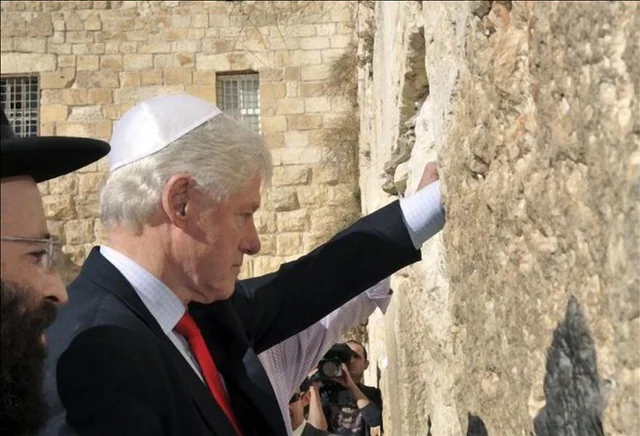
On July 23, 1994, President Bill Clinton visited Jerusalem, Israel, during an official presidential trip. As part of his visit, he went to the Western Wall, also known...
Explore event →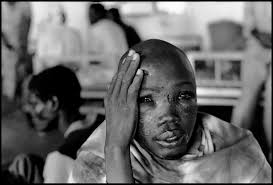
Rwandan Genocide On April 7, 1994, following the assassination of Rwandan President Juvénal Habyarimana, widespread violence erupted against the Tutsi population in R...
Explore event →
The Zebra murders were a series of killings and shootings committed in San Francisco between October 1973 and April 1974. The attacks resulted in 14 deaths and seven o...
Explore event →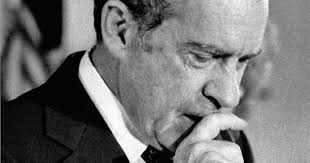
The Watergate Affair: Timeline, Operatives, And Unresolved Questions On June 17, 1972, five men were arrested inside the Democratic National Committee headquarters at...
Explore event →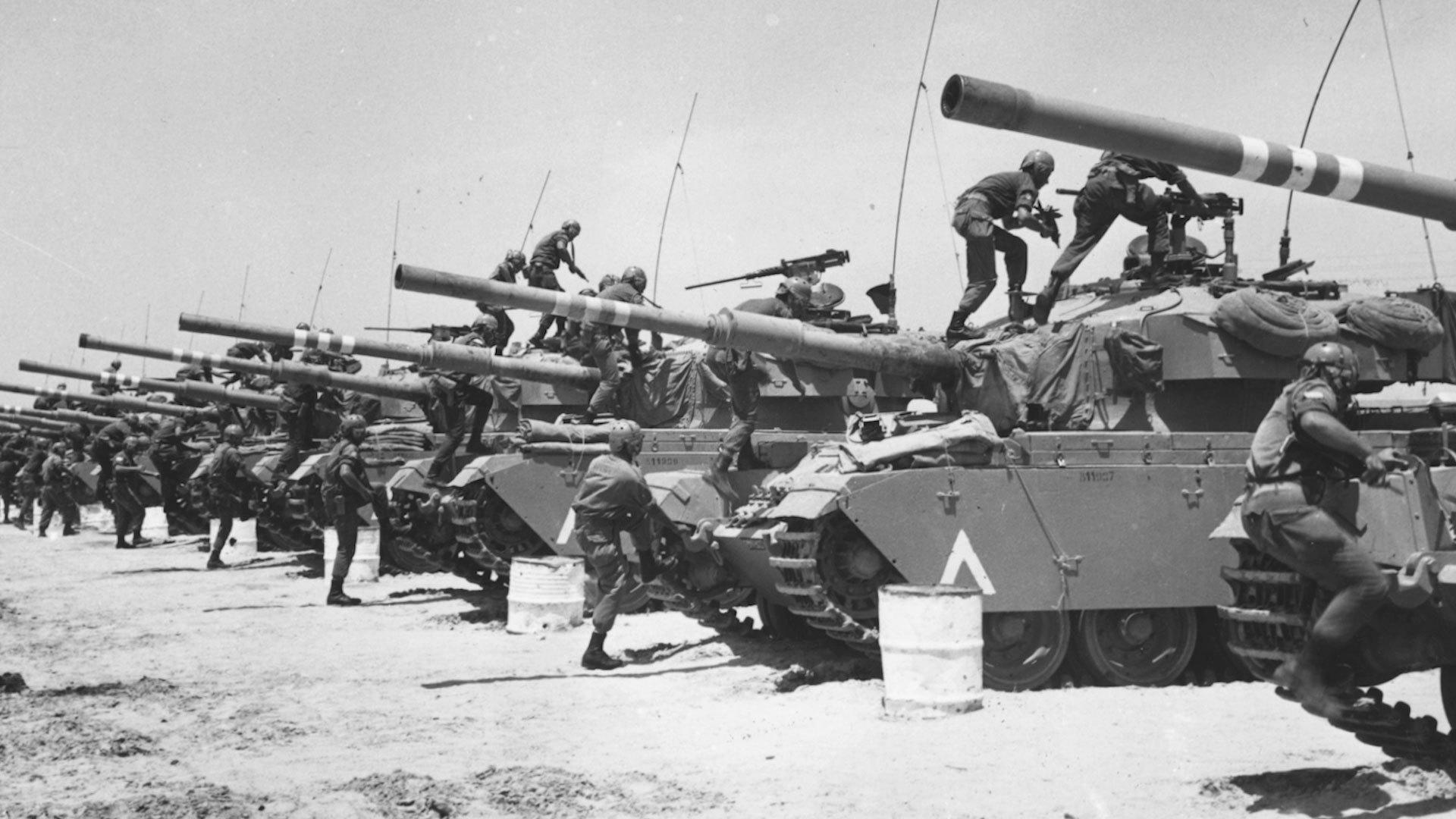
Event Overview On June 5, 1967, the Israel Defense Forces (IDF) launched coordinated air strikes against Egypt, Jordan, and Syria, marking the beginning of the Six-Da...
Explore event →.jpg)
The Nakba refers to the mass displacement and dispossession of Palestinians that occurred between 1947 and 1949 during the collapse of the British Mandate for Palestin...
Explore event →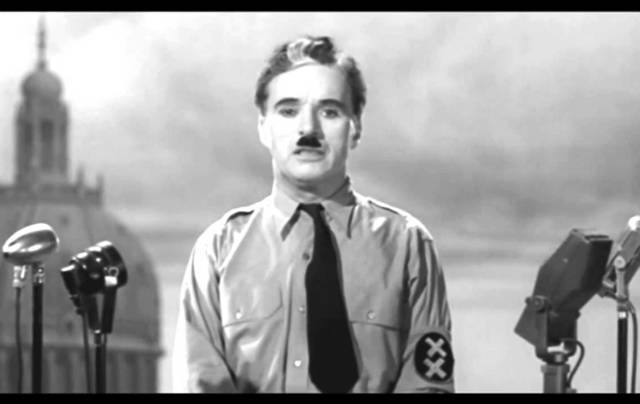
I’m sorry, but I don’t want to be an emperor. That’s not my business. I don’t want to rule or conquer anyone. I should like to help everyone - if possible - Jew, Genti...
Explore event →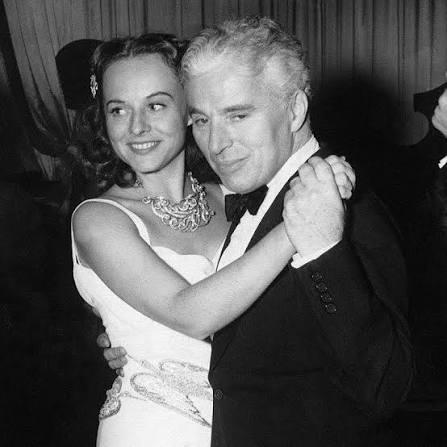
Charlie Chaplin and actress Paulette Goddard were associated romantically and professionally during the 1930s and early 1940s. Their relationship became particularly w...
Explore event →
On July 3, 1933, the Jewish pageant “The Romance of a People” was performed at Soldier Field in Chicago as part of the Century of Progress World’s Fair. The pageant in...
Explore event →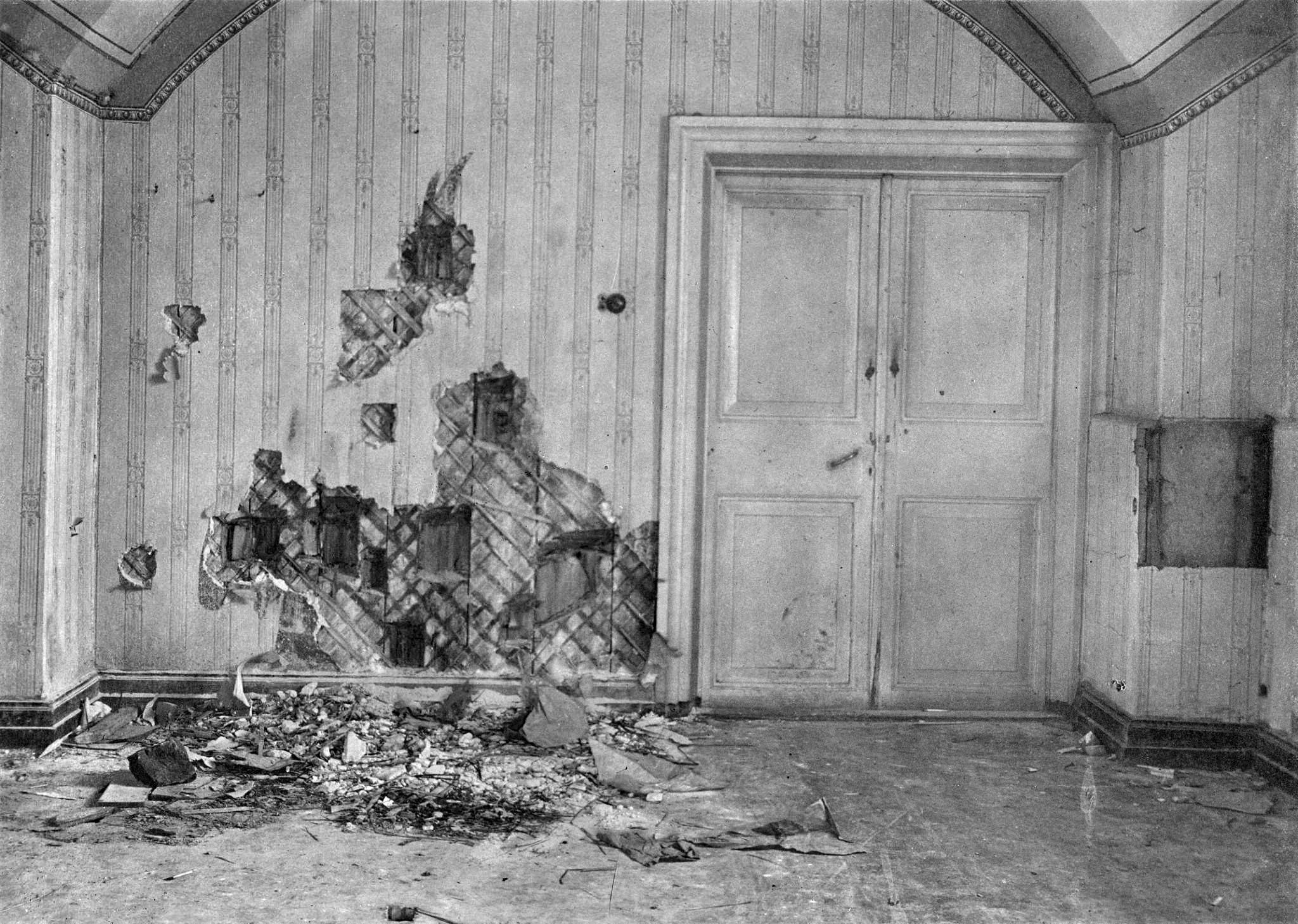
Murder of the Romanovs On July 17, 1918, the last Russian Emperor, Nicholas II, along with his wife Alexandra, their five children, and four loyal attendants, were ex...
Explore event →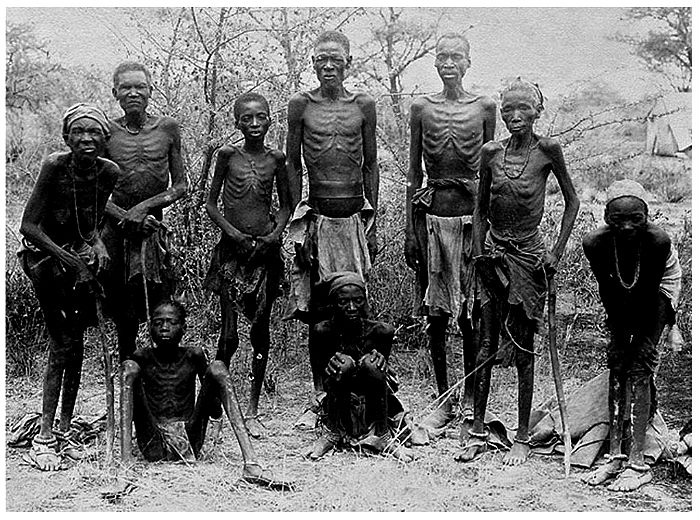
The Khoisan genocide refers to the systematic killings and displacement of the indigenous Khoisan peoples of Southern Africa during the 18th and 19th centuries. This g...
Explore event →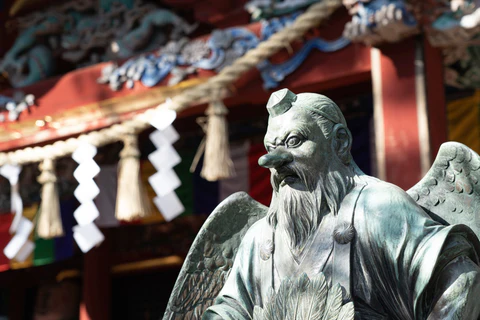
The Tengu are supernatural beings from Japanese mythology known for their association with mountains, forests, and spiritual power. They have been part of traditional ...
Explore event →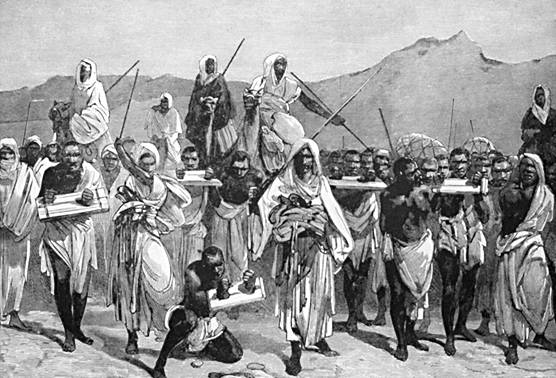
Trans‑Saharan Slave Trade The Trans‑Saharan slave trade began around the mid‑7th century following the Treaty of Baqt in 652 CE, which established formal rela...
Explore event →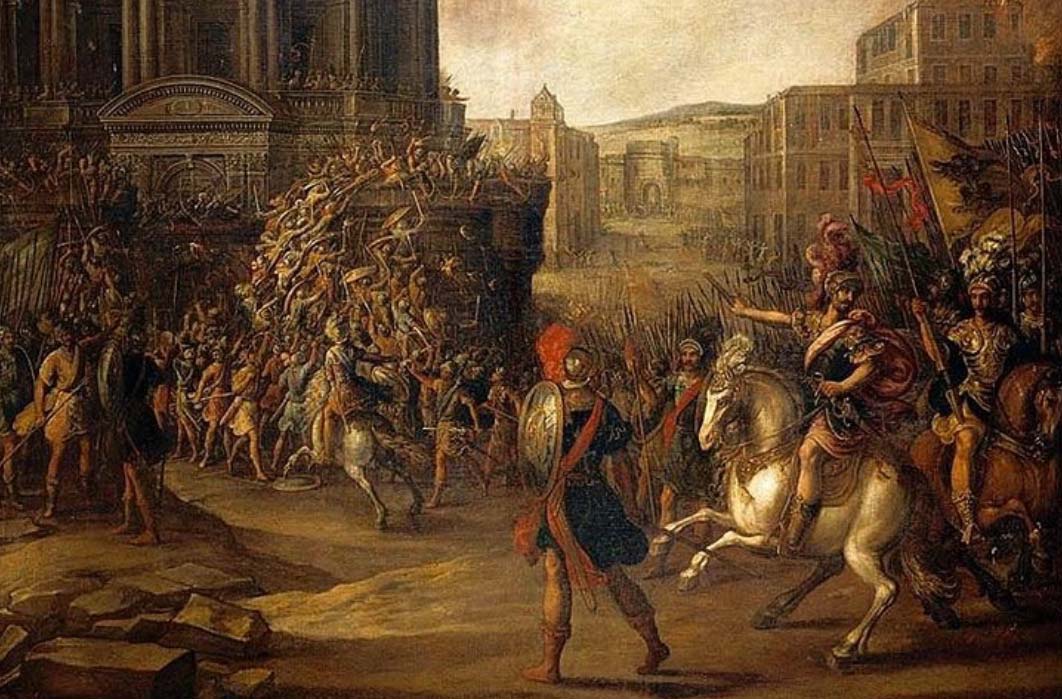
The Battle of the Margus was a significant confrontation between Emperor Carinus and his rival, Diocletian, near the Margus River in the Roman province of Moesia Super...
Explore event →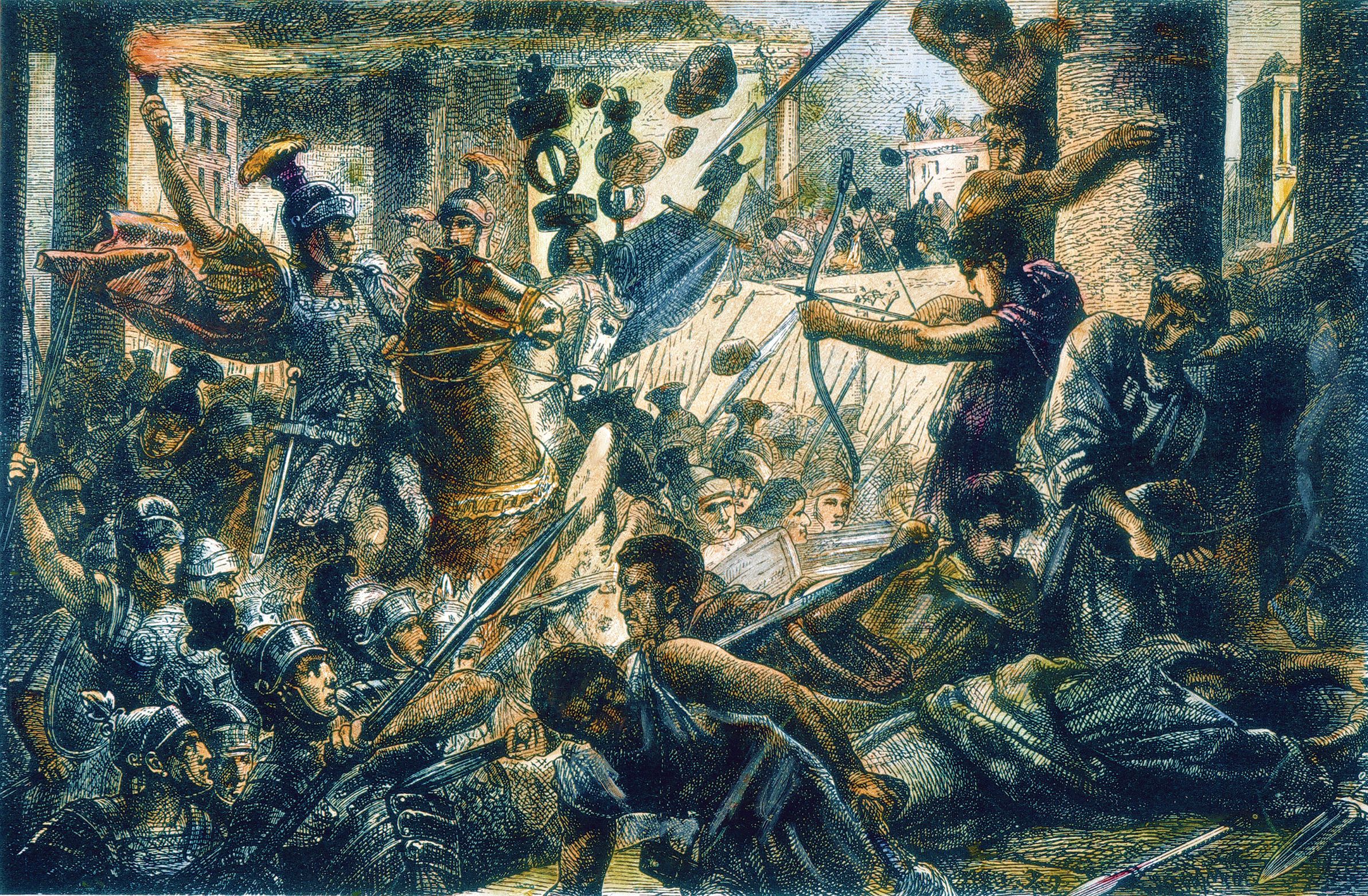
The Battle of the Margus was a significant confrontation during the Roman civil wars, taking place near the city of Margus in the Roman province of Moesia. The conflic...
Explore event →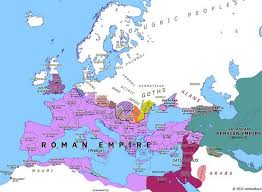
Emperor Probus led the Roman legions to repel multiple Germanic invasions along the Danube frontier. These incursions threatened the stability of the northern borders ...
Explore event →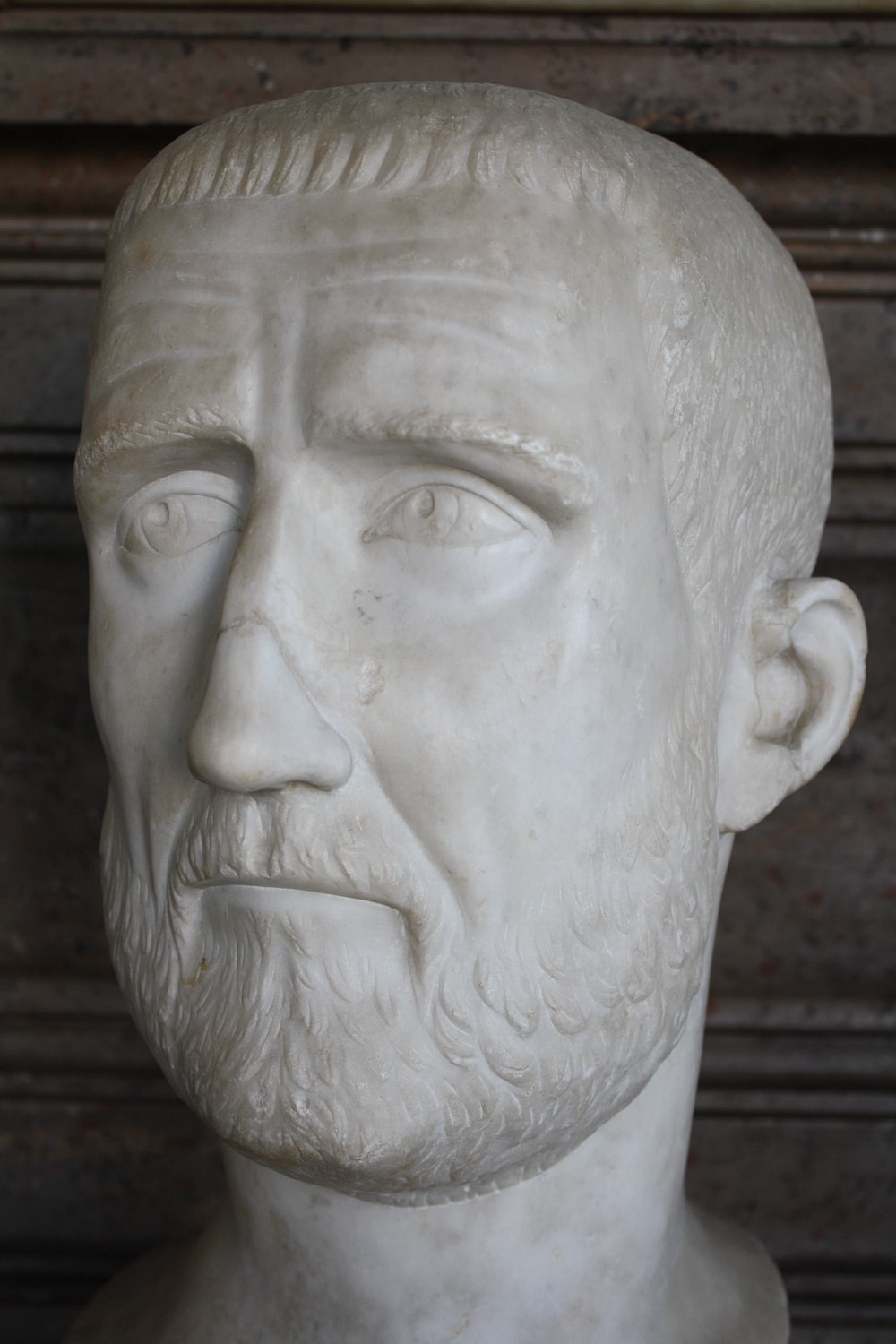
Marcus Aurelius Probus was proclaimed Roman Emperor by his troops in September 276 after the death of Emperor Florianus. His accession marked a period of efforts to re...
Explore event →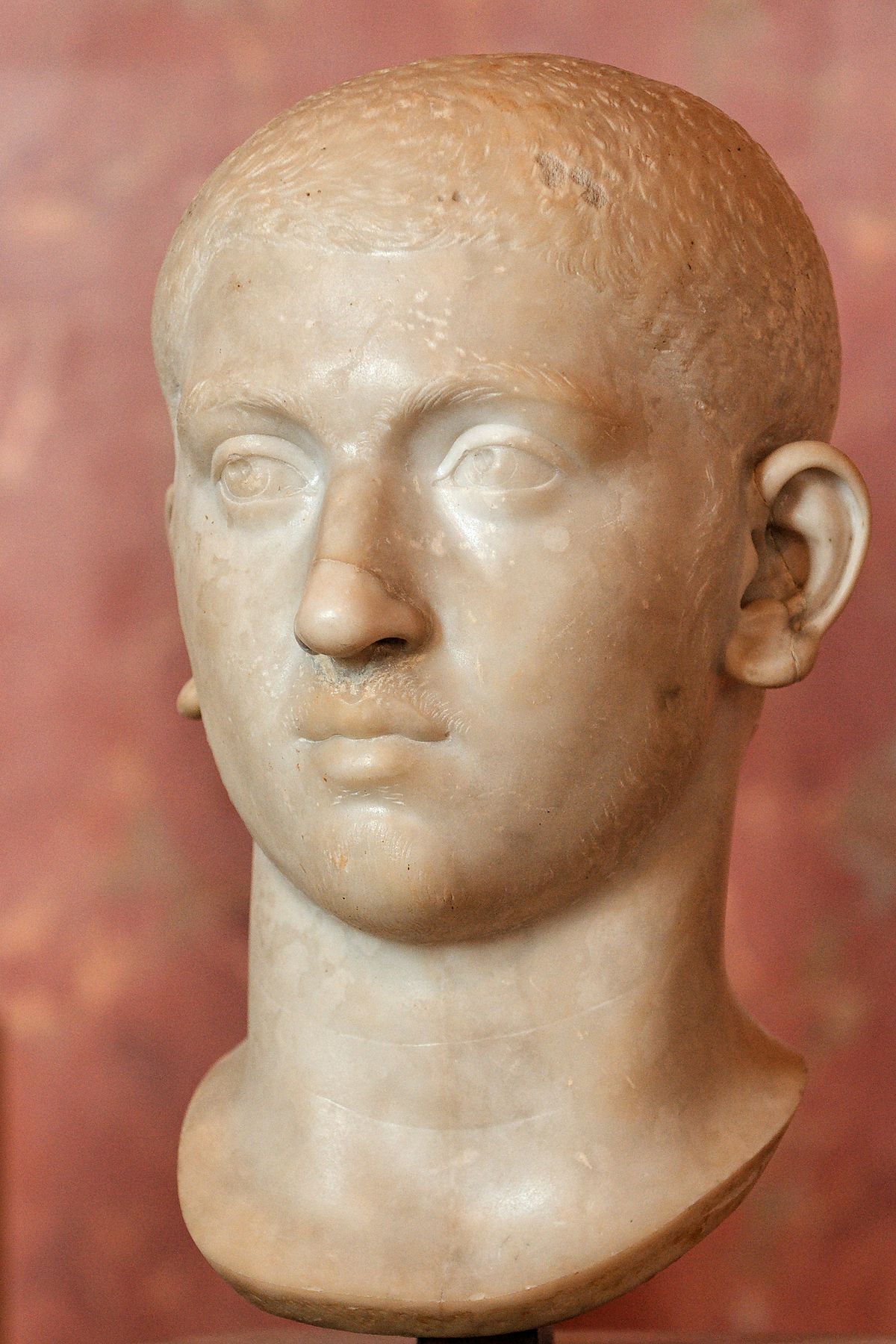
Severus Alexander, the last emperor of the Severan dynasty, was assassinated by his own soldiers in March of 235 CE near the city of Mutina along the Danube frontier. ...
Explore event →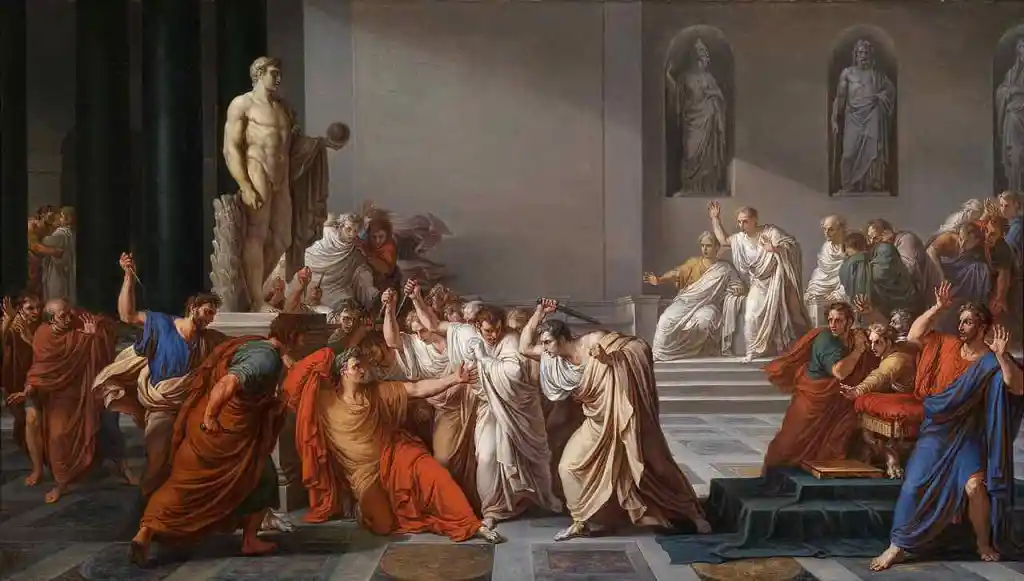
Caracalla, Roman Emperor and son of Septimius Severus, was assassinated amid a military campaign in Moesia. While traveling through the province, he was murdered by a ...
Explore event →
The Roman Empire conducted a series of military campaigns across the Danube River to expand territorial control into regions inhabited by Dacian and Germanic tribes. T...
Explore event →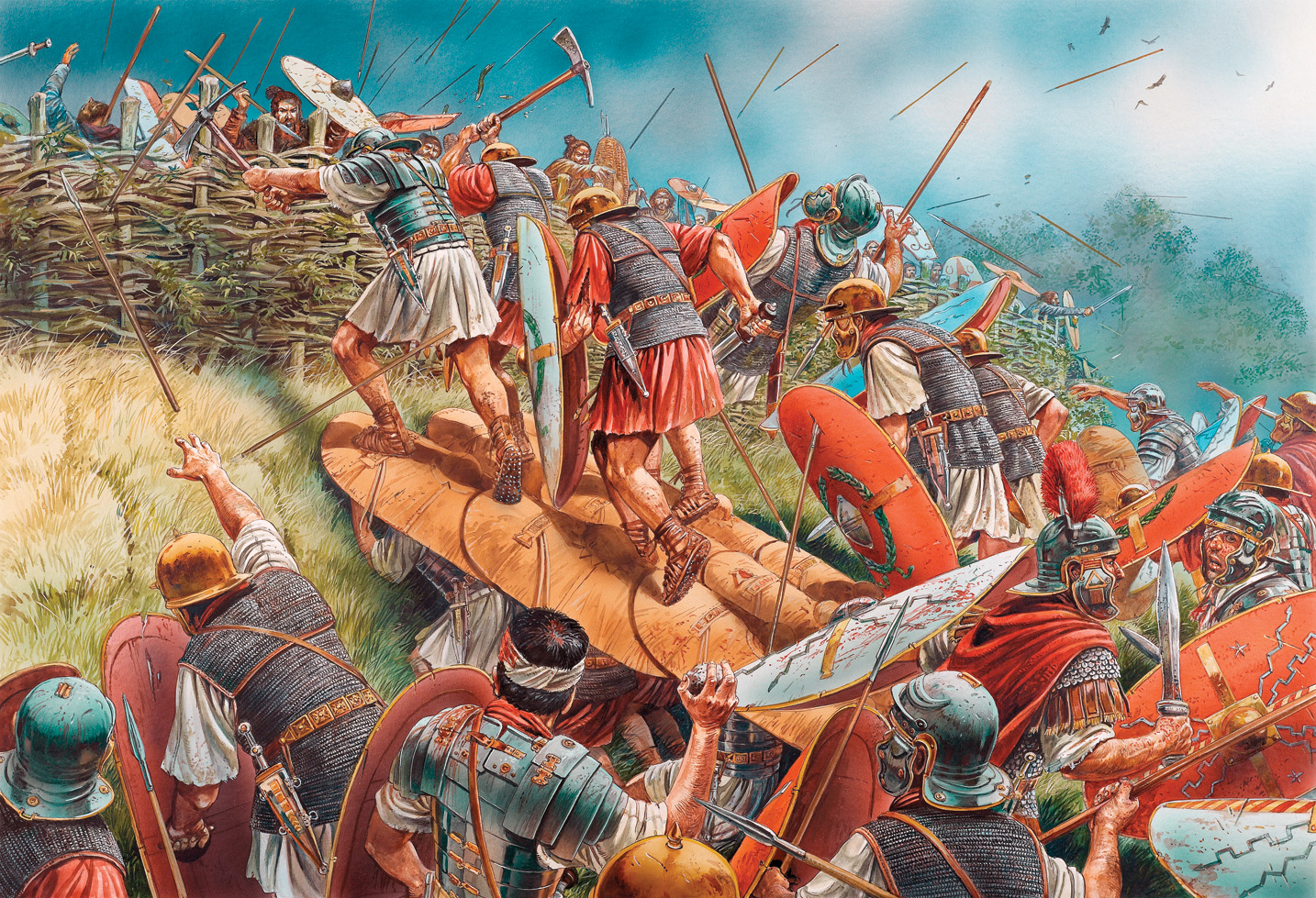
The Marcomannic Wars began as a series of conflicts between the Roman Empire and various Germanic tribes, including the Marcomanni, along the Danube frontier. The wars...
Explore event →
The Edomites, also known in later sources as Idumeans, were an ancient Semitic people who lived in the region south of Judea, historically associated with the descenda...
Explore event →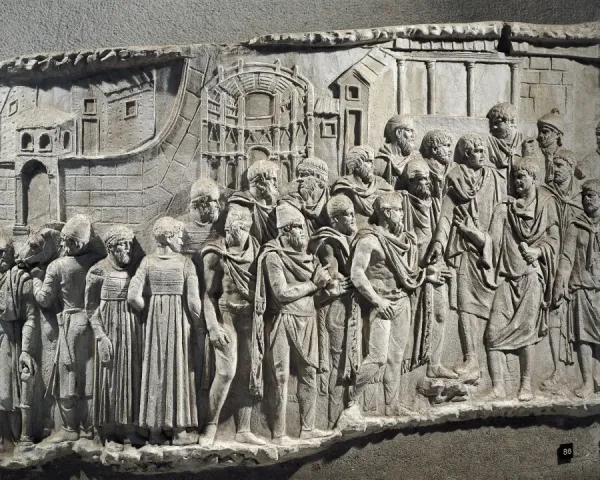
The Roman Empire completed the conquest and annexation of the kingdom of Dacia after a series of military campaigns led by Emperor Trajan. This marked the end of the D...
Explore event →
5–10 June 1967 — Israel defeats Egypt, Jordan and Syria in a brief but transformative war. Egyptian forces lose the Sinai Peninsula, and the scale of the defeat deeply...
Explore research
28 February 1922 — Britain formally ends its protectorate and recognizes Egypt as an independent sovereign state. Important issues remain under British control, includ...
Explore research
19 February 1915 — British and French naval forces begin major operations against the Ottoman defenses of the Dardanelles. The Allies hope to force the straits, threat...
Explore research
7–23 July 1914 — Austro-Hungarian leaders debate how to transform the Sarajevo assassination into a confrontation with Serbia. Officials increasingly favor demands sev...
Explore research
1912–1914 — Officials in Germany and Austria-Hungary increasingly fear that Russia and Serbia will become stronger with time. Railway construction, military reforms, p...
Explore research
1905–1914 — German military planning assumes that simultaneous war against France and Russia creates a dangerous strategic problem. Geography places Germany between bo...
Explore research
1805–1848 CE — Muhammad Ali becomes Ottoman governor of Egypt but builds a virtually hereditary state under his family's control. He creates a new army, expands state ...
Explore research
15th–16th centuries — Waves of Albanian-speaking migrants settle in southern Italy and Sicily during the expansion of Ottoman rule. Their descendants, known as the Arb...
Explore research
22 December 1941 — Roosevelt and Churchill begin the Arcadia Conference in Washington shortly after American entry into the war. Despite Pearl Harbor, the United State...
Explore research
Investigate documentary evidence for Henry Kissinger's attendance at Trilateral Commission meetings, membership, guest participation, speeches, working groups, corresp...
Explore research
13 May 1940 — German forces cross the Meuse near Sedan after concentrated air attacks and rapid engineering operations. Armored formations then move west toward the Ch...
Explore research
10 May 1940 — Germany invades the Netherlands, Belgium, Luxembourg and France. Allied armies move north into Belgium expecting the principal German attack there. Inste...
Explore research
1 September 1939 — German forces invade Poland from the west, north and south, beginning the European phase of the Second World War. The attack follows months of escal...
Explore research
1915–1918 naval leadership — Admiral Henning von Holtzendorff is a powerful advocate for unrestricted submarine warfare. In late 1916 he argues that U-boats can reduce...
Explore research
23 August 1939 — Nazi Germany and the Soviet Union sign a non-aggression pact. Secret protocols divide parts of Eastern Europe into German and Soviet spheres of influe...
Explore research
29 October 1914 — Ottoman naval forces attack Russian Black Sea ports, bringing the Ottoman Empire into the conflict alongside Germany and Austria-Hungary. Russia decl...
Explore research