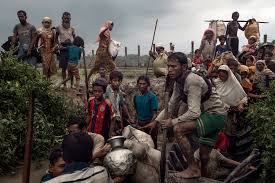
Rohingya Genocide
On August 25, 2017, the Arakan Rohingya Salvation Army (ARSA) attacked police posts in Rakhine State, Myanmar. The Myanmar military responded with coordinated operatio...
Explore event →History does not happen in isolation. Explore world events across time, follow the connections between them, and investigate the threads that reveal how one event can lead to another.
TheTimeMap currently follows events across 95 countries and 268 years of history — building a connected archive designed for people who want to look beyond the headline.
We oppose antisemitism, racism, and dehumanization — everywhere.
When people stop feeling, injustice becomes easy.
On August 25, 2017, the Arakan Rohingya Salvation Army (ARSA) attacked police posts in Rakhine State, Myanmar. The Myanmar military responded with coordinated operatio...
Explore event →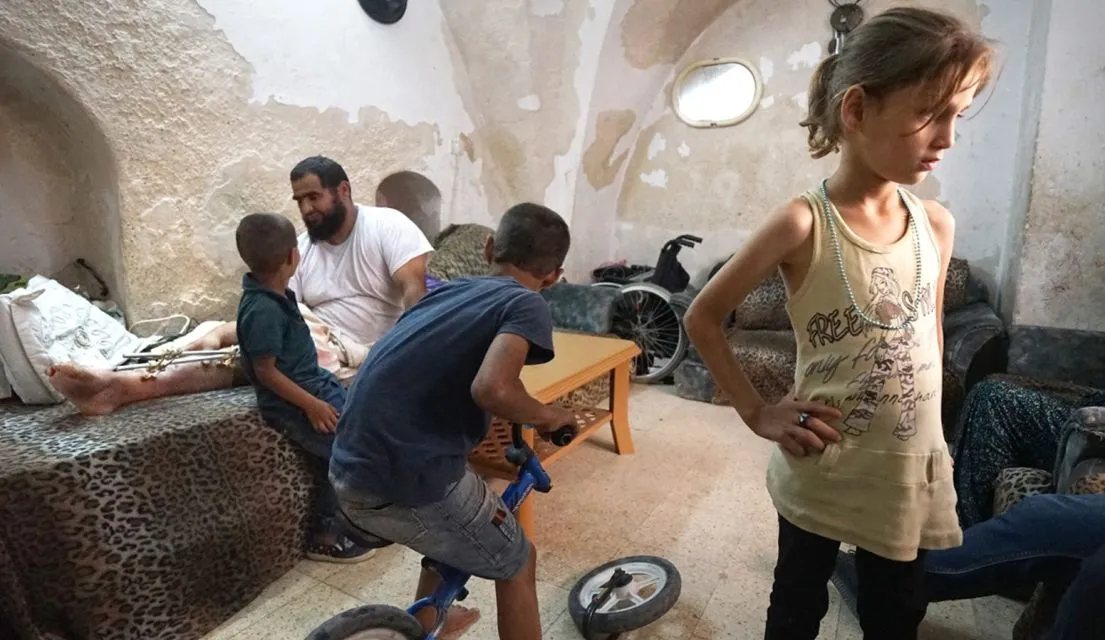
A video documented by the Israeli human rights organization B’Tselem shows an incident in which Israeli Border Police officers interact with a Palestinian child’s bicy...
Explore event →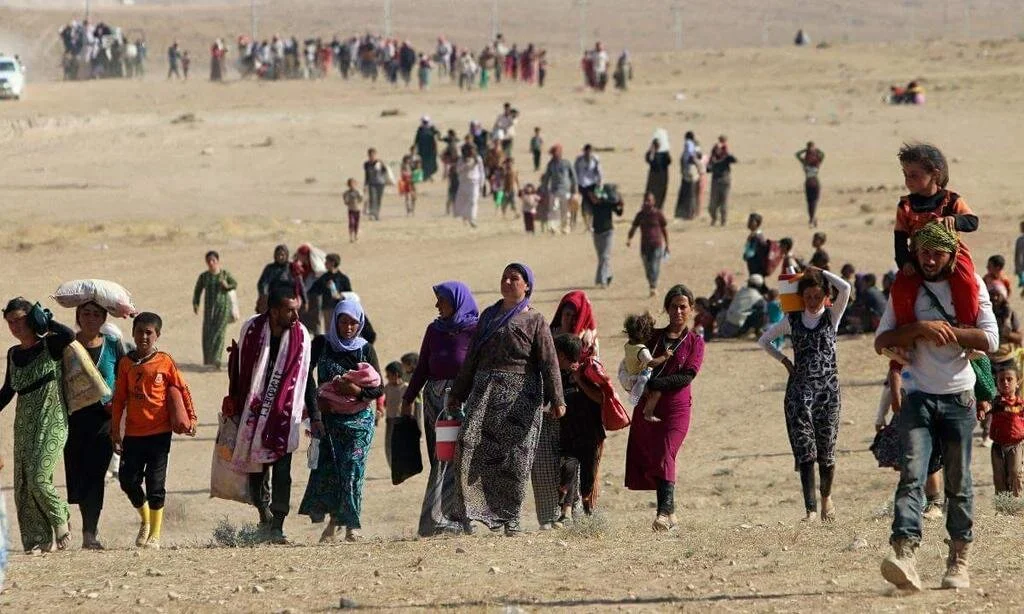
Yazidi Genocide On August 3, 2014, the Islamic State of Iraq and Syria (ISIS) launched an हमला on the Sinjar region of northern Iraq, targeting the Yazidi minority. I...
Explore event →
On July 16, 2014, during the Gaza conflict between Israel and Hamas, four Palestinian children from the Bakr family were killed in a strike near the fishing harbor of ...
Explore event →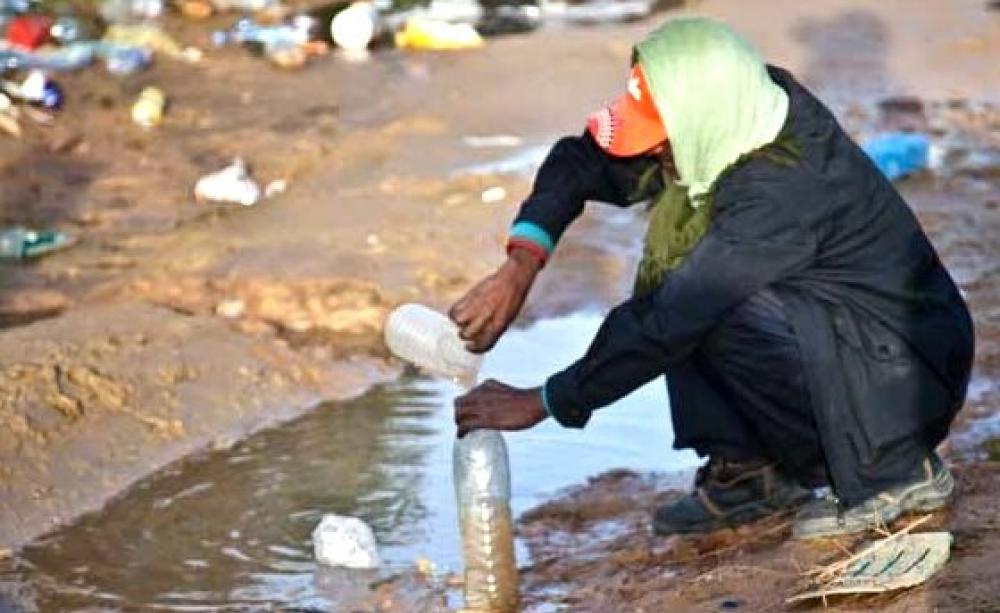
On 22 July 2011, during the Libyan Civil War, NATO aircraft struck a facility in Brega that manufactured large-diameter pipes used in Libya's Great Man-Made River wate...
Explore event →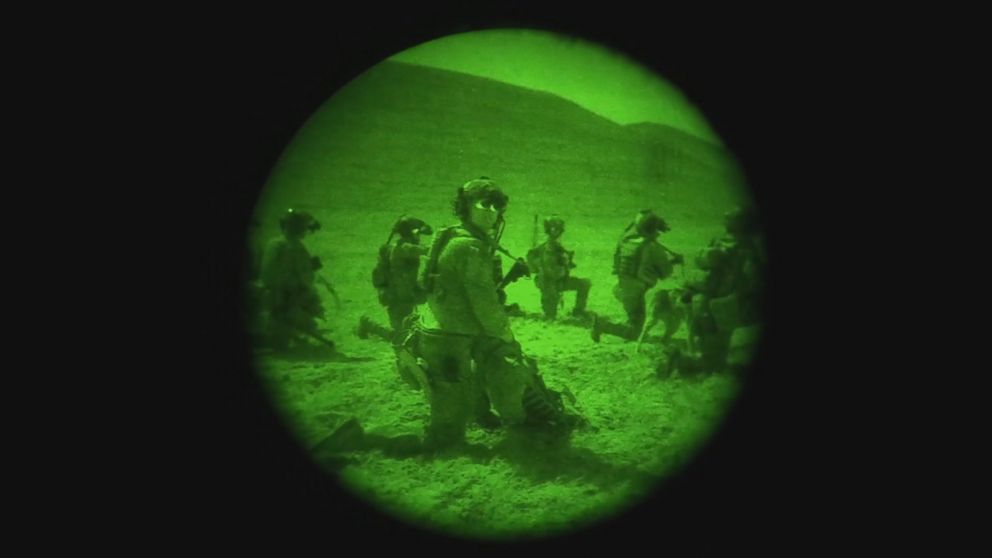
On February 12, 2010, U.S. Special Operations forces conducted a nighttime raid in Khataba village, in Paktia Province, Afghanistan. The operation targeted a compound ...
Explore event →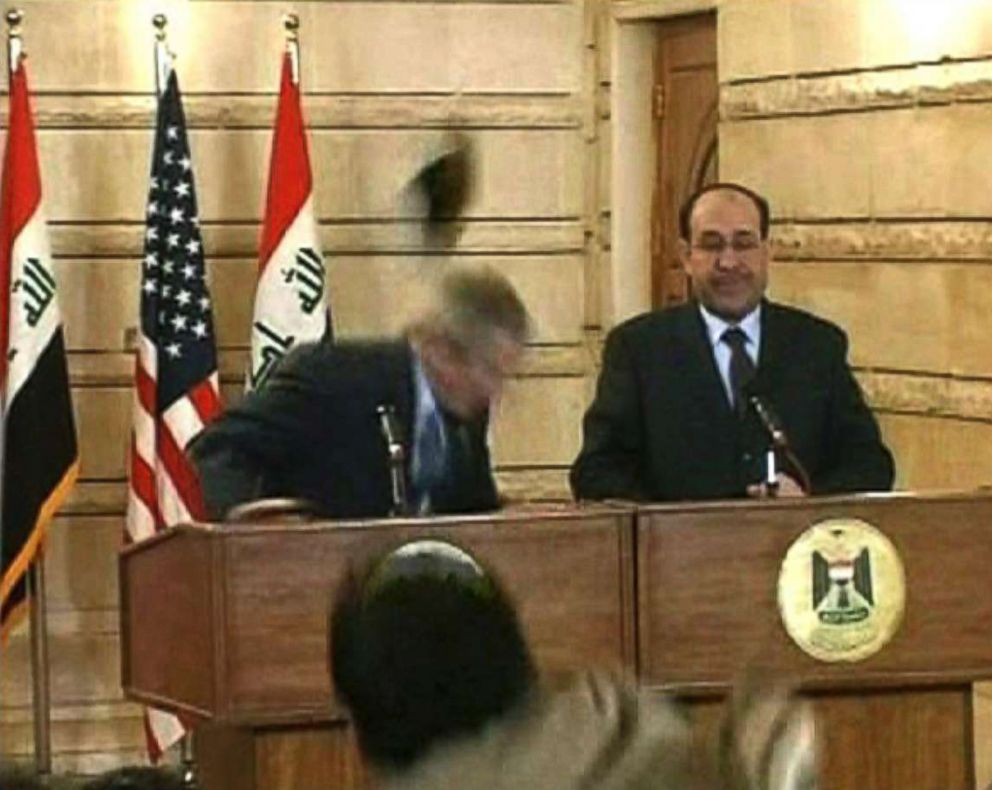
Iraqi journalist throws shoes at U.S. President George W. Bush during Baghdad visit On December 14, 2008, Iraqi journalist Muntadhar al-Zaidi threw two shoe...
Explore event →
An Israeli airstrike on July 30, 2006, struck a residential building in the village of Qana in southern Lebanon, resulting in the deaths of multiple civilians. The str...
Explore event →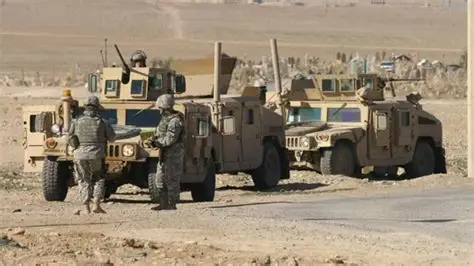
Background and Decision-Makers On March 20, 2003, the United States, the United Kingdom, and coalition allies launched a military invasion of Iraq. The primary jus...
Explore event →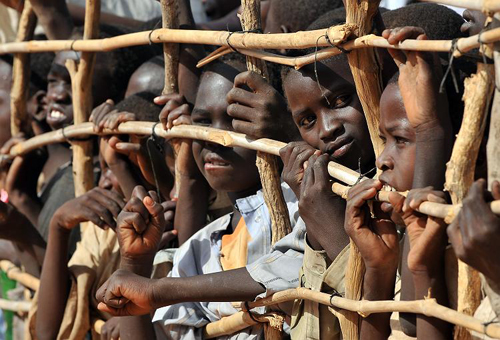
Darfur Genocide On February 26, 2003, rebel groups in Darfur, Sudan, including the Sudan Liberation Army and Justice and Equality Movement, launched attacks against g...
Explore event →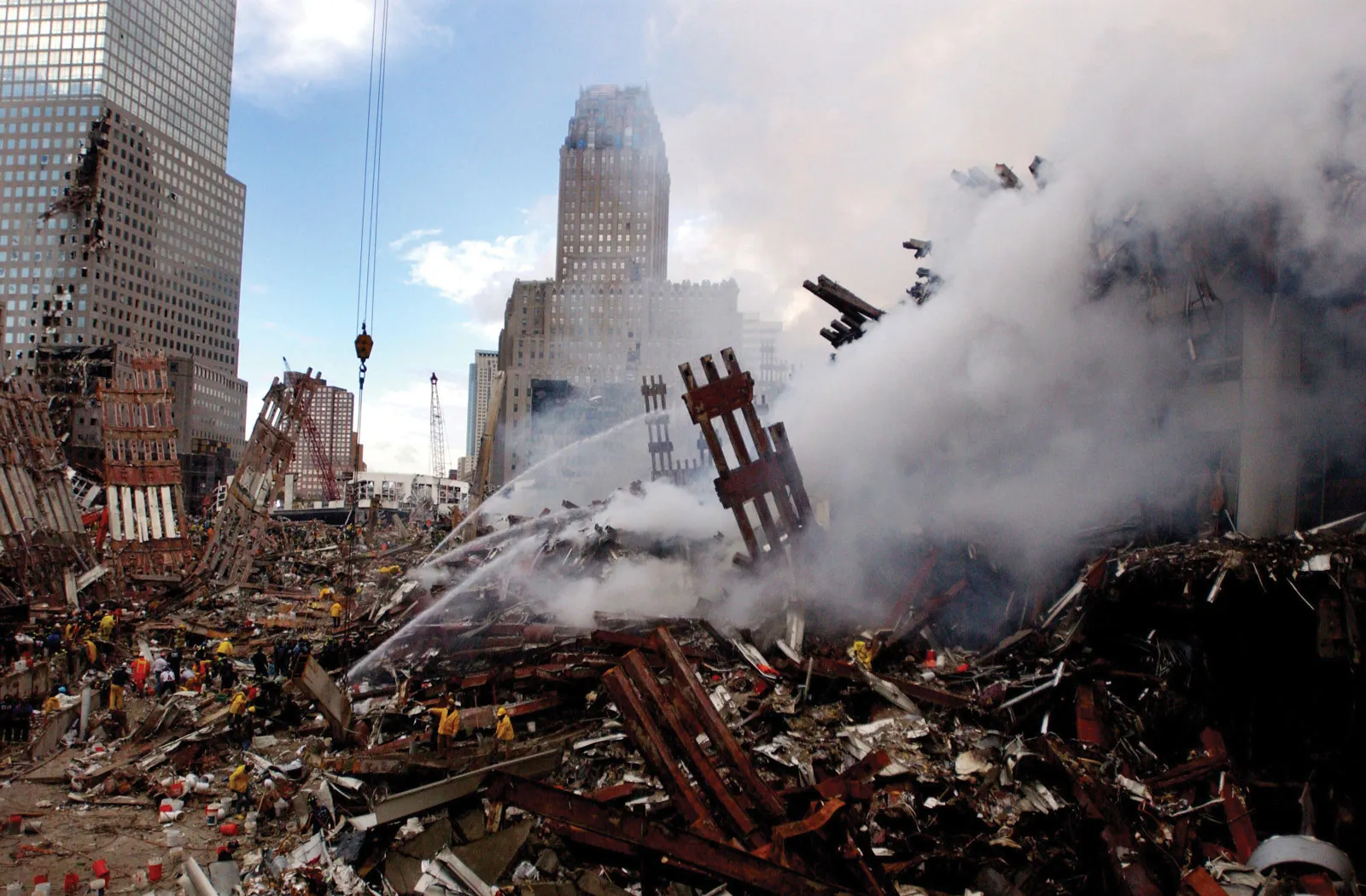
September 11 Attacks 2001 September 11 Attacks 2001 On September 11, 2001, nineteen militants associated with the Islamist extremist group al Qaeda hij...
Explore event →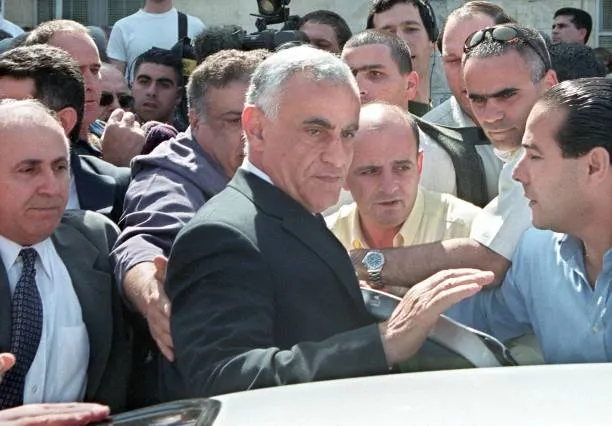
Yitzhak “Itzik” Mordechai was a senior Israeli military and political figure, serving as a Major General in the Israel Defense Forces and later as Minister of Defense,...
Explore event →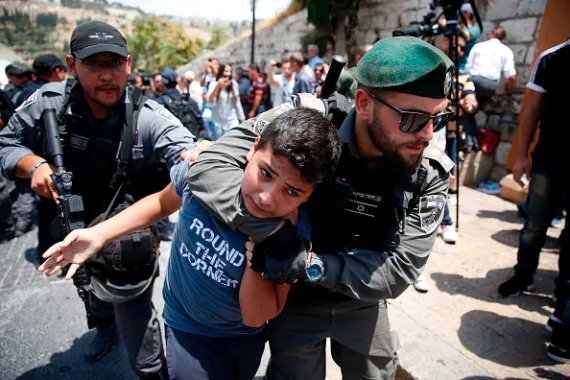
Palestinian children are regularly arrested and detained by Israeli authorities, primarily for security-related offenses, but there is no separate prison exclusively f...
Explore event →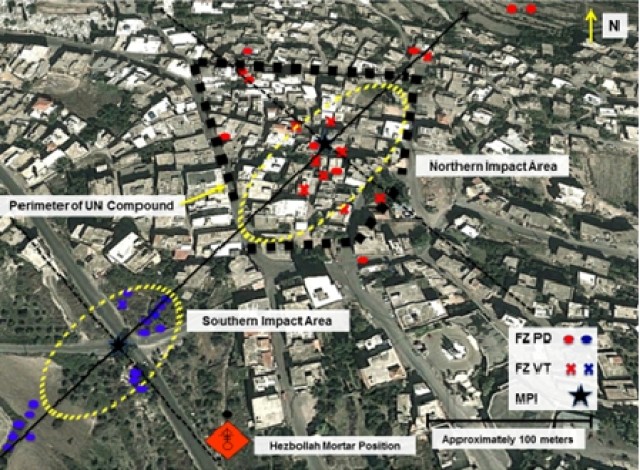
An Israeli artillery strike on a United Nations compound in the village of Qana in southern Lebanon on April 18, 1996, resulted in the deaths of more than 100 civilian...
Explore event →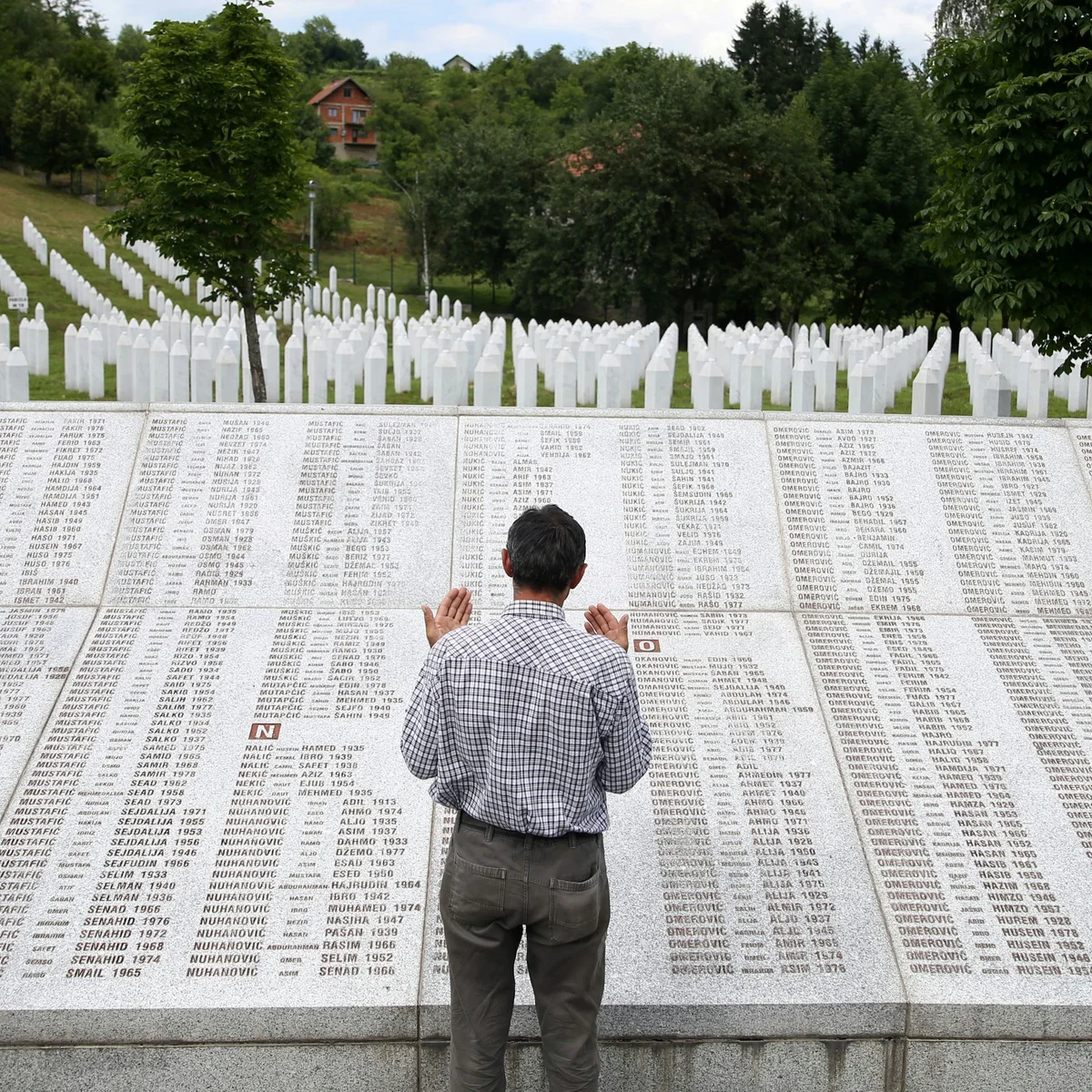
Srebrenica Genocide On July 11, 1995, Bosnian Serb forces captured the town of Srebrenica in eastern Bosnia, a United Nations-declared “safe area.” The town was predo...
Explore event →
Bosnian Genocide On July 11, 1995, Bosnian Serb forces captured the town of Srebrenica in eastern Bosnia during the Bosnian War. The town had been declared a United N...
Explore event →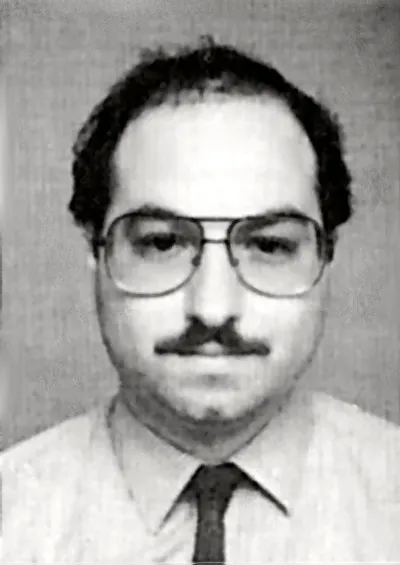
Jonathan Pollard, an American Jew and civilian intelligence analyst for the U.S. Navy, pleaded guilty to passing classified military and nuclear documents to Israel in...
Explore event →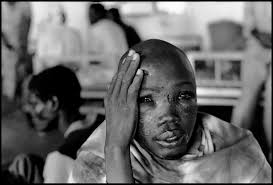
Rwandan Genocide On April 7, 1994, following the assassination of Rwandan President Juvénal Habyarimana, widespread violence erupted against the Tutsi population in R...
Explore event →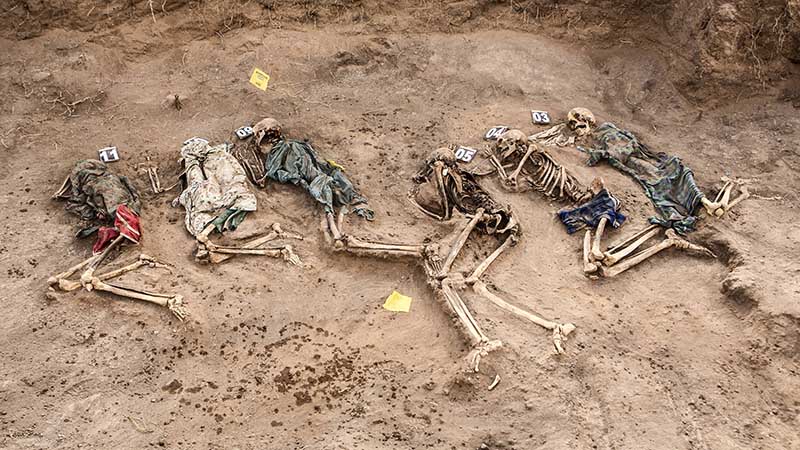
The Isaaq genocide refers to systematic killings and targeted repression of the Isaaq clan in northern Somalia during the late 1980s.This campaign was primarily conduc...
Explore event →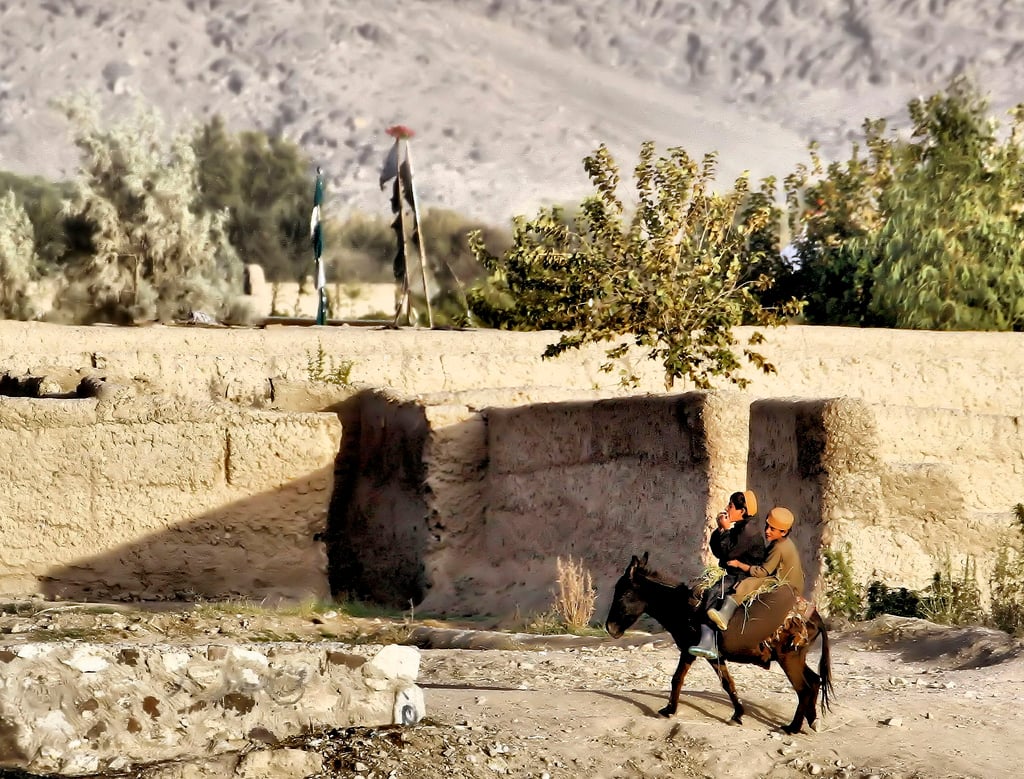
Anfal Genocide On February 23, 1988, the Iraqi government launched the Anfal campaign against Kurdish populations in northern Iraq during the final phase of the Iran–...
Explore event →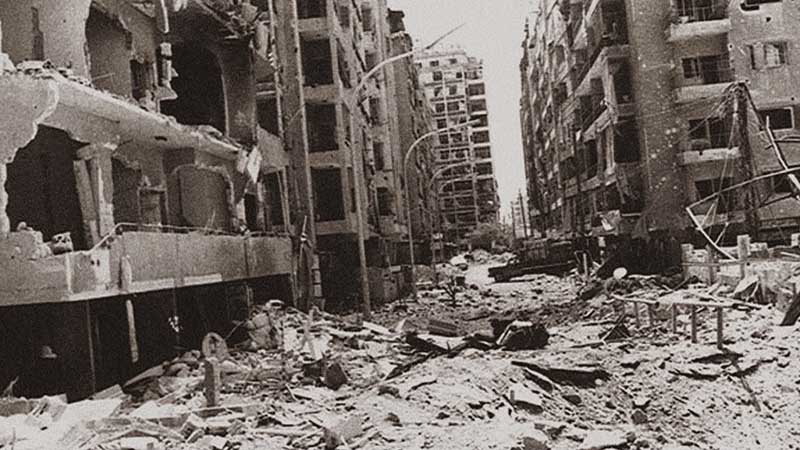
The Hama Massacre occurred in February 1982 when Syrian government forces launched a military assault on the city of Hama to suppress an uprising by the Muslim Brother...
Explore event →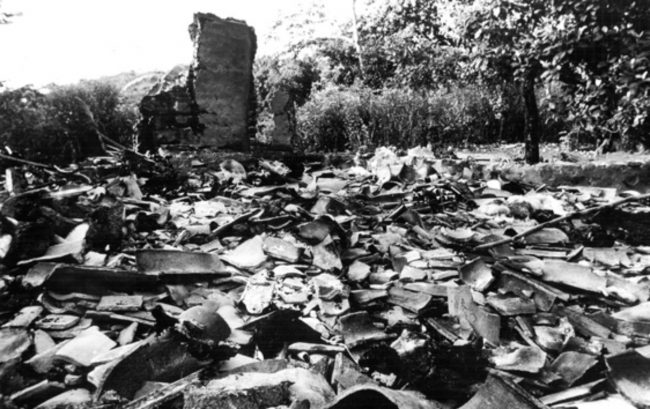
El Mozote massacre On December 11, 1981, Salvadoran Army units carried out a massacre in the village of El Mozote in Morazán Department, El Salvador. Soldiers of the ...
Explore event →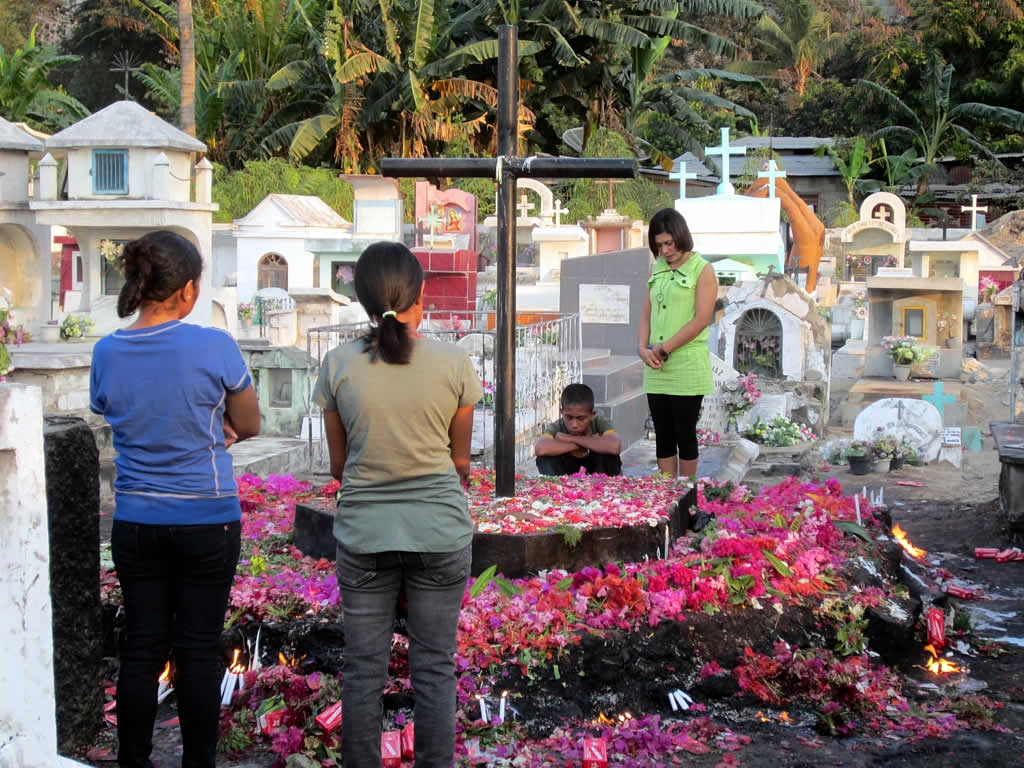
East Timor Genocide On December 7, 1975, Indonesia launched a military invasion of East Timor following its declaration of independence from Portugal. The Indonesian ...
Explore event →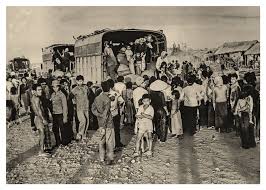
Cambodian Genocide On April 17, 1975, the Khmer Rouge seized Phnom Penh and established control over Cambodia, initiating a regime of social and political transformat...
Explore event →
August–November 1918 — Germany and its allies face military retreat, shortages, exhaustion and growing political instability. Bulgaria, the Ottoman Empire and Austria-...
Explore research
1916–1918 — Governments expand control over labor, food, transportation, prices and industrial production. Women enter many sectors previously dominated by men. Coloni...
Explore research
1915–1918 — Casualties, inflation and shortages turn civilian morale into a strategic issue. Governments expand propaganda, censorship, rationing and welfare programs ...
Explore research
May–June 1914 — Members of the assassination conspiracy obtain pistols, bombs and assistance through contacts associated with Serbian nationalist and military-intellig...
Explore research
28 June 1914 — Archduke Franz Ferdinand, heir to the Austro-Hungarian throne, and his wife Sophie are assassinated during an official visit to Sarajevo. Gavrilo Princi...
Explore research
26 April 1937 — German Condor Legion aircraft and Italian forces attack the Basque town of Guernica during the Spanish Civil War. The raid kills civilians and destroys...
Explore research
24 July 1974 — Konstantinos Karamanlis returns and civilian democratic government is restored.
Explore research
26 May 1940 — Britain begins Operation Dynamo to evacuate Allied troops trapped around Dunkirk. Naval vessels, merchant ships and hundreds of smaller civilian craft pa...
Explore research
13 January 1945 — Soviet armies launch major operations into East Prussia. German civilians flee westward amid combat, fear of Soviet forces and collapsing evacuation ...
Explore research
1926–1989 reign — Hirohito is emperor throughout Japan's expansion in China and the Pacific War. The exact nature of his political responsibility remains the subject o...
Explore research
2 February 1942 — Fritz Sauckel's later appointment as General Plenipotentiary for Labour Deployment in March formalizes a rapidly expanding coercive labor system, whi...
Explore research
23 May 1941 — German economic planners develop guidelines that assume food from occupied Soviet territories will be redirected toward Germany and the Wehrmacht. Offici...
Explore research
29 September 1918 — Germany's Supreme Army Command concludes that the military situation has become unsustainable and urges political leaders to seek an armistice. The...
Explore research
8 May 1945 — Germany's unconditional surrender ends the war in Europe. The Soviet Union has suffered enormous military and civilian losses but emerges as one of the wo...
Explore research
31 May 1945 — Secretary of War Henry Stimson chairs the first major meeting of the Interim Committee considering policy surrounding the atomic bomb. Stimson becomes on...
Explore research
18 September 1931 — Japanese officers use the Mukden Incident as a pretext for military expansion into Manchuria. Japanese forces rapidly occupy the region and later e...
Explore research
23 August 1942 — German aircraft conduct devastating attacks on Stalingrad as ground forces approach. Large areas are destroyed and many civilians are killed. The bomb...
Explore research
13 January 1945 — Soviet advances into East Prussia and Poland trigger enormous civilian flight. German authorities evacuate populations inconsistently and often too l...
Explore research
8 September 1941 — German and Finnish advances isolate Leningrad from most overland supply routes. Hitler chooses not to storm the city immediately and instead expects...
Explore research
27 January 1944 — Soviet offensives drive German forces far enough from Leningrad to end the siege. The city has endured nearly nine hundred days of blockade, bombardm...
Explore research
3 August 1943 — Large-scale partisan operations intensify against German railways, communications and occupation infrastructure. Partisan networks receive increasing s...
Explore research
3 July 1941 — Stalin publicly calls for denial of useful resources to the advancing enemy. Infrastructure, crops and industrial assets may be evacuated or destroyed wh...
Explore research