Syria restructures Russian bases
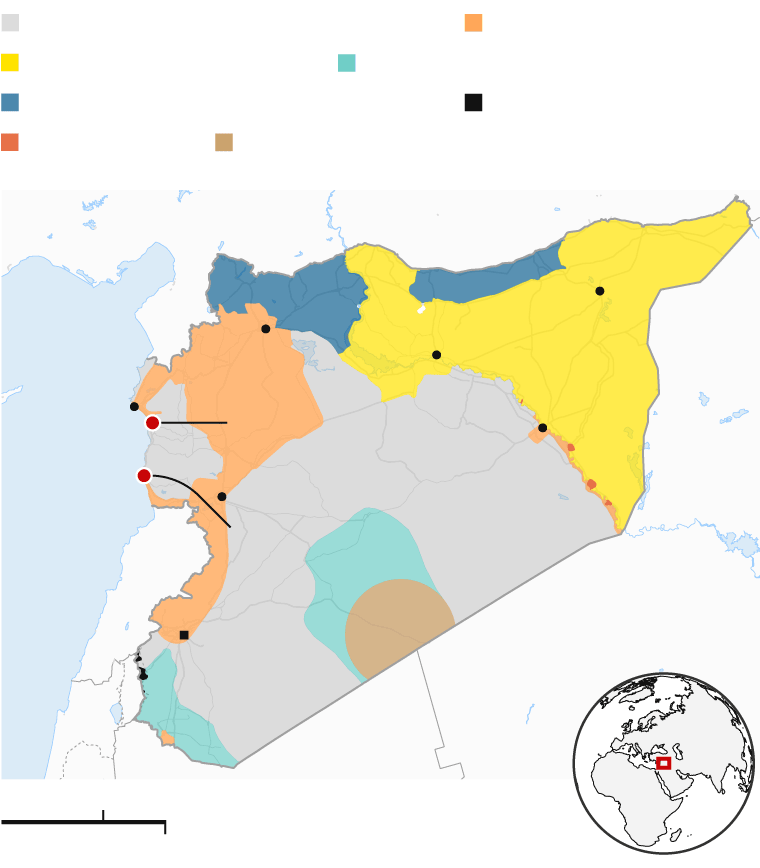
Syria and Russia reached an agreement on August 9, 2026, restructuring Russia's presence at the Hmeimim air base and Tartous naval facility. The memorandum followed approximately 18 month...
Explore event →History does not happen in isolation. Explore world events across time, follow the connections between them, and investigate the threads that reveal how one event can lead to another.
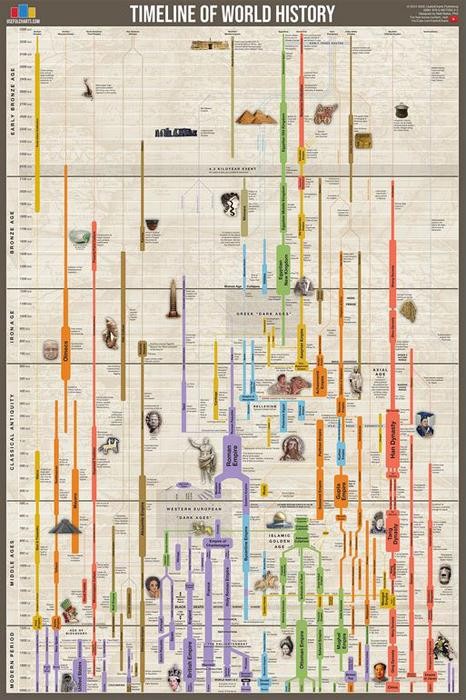
TheTimeMap currently follows events across 95 countries and 268 years of history — building a connected archive designed for people who want to look beyond the headline.
We oppose antisemitism, racism, and dehumanization — everywhere.
When people stop feeling, injustice becomes easy.
Syria and Russia reached an agreement on August 9, 2026, restructuring Russia's presence at the Hmeimim air base and Tartous naval facility. The memorandum followed approximately 18 month...
Explore event →
Event Timeline body { font-family: Arial, sans-serif; background-color: #f4f4f9; margin: 0; padding: 0; } .timeline-container { max-width: 900px; margin: 50px auto; p...
Explore event →
Augustus, the first Roman emperor, died in Nola after a reign that transformed the Roman Republic into the Roman Empire. His death marked the end of an era and initiated the succession of...
Explore event →
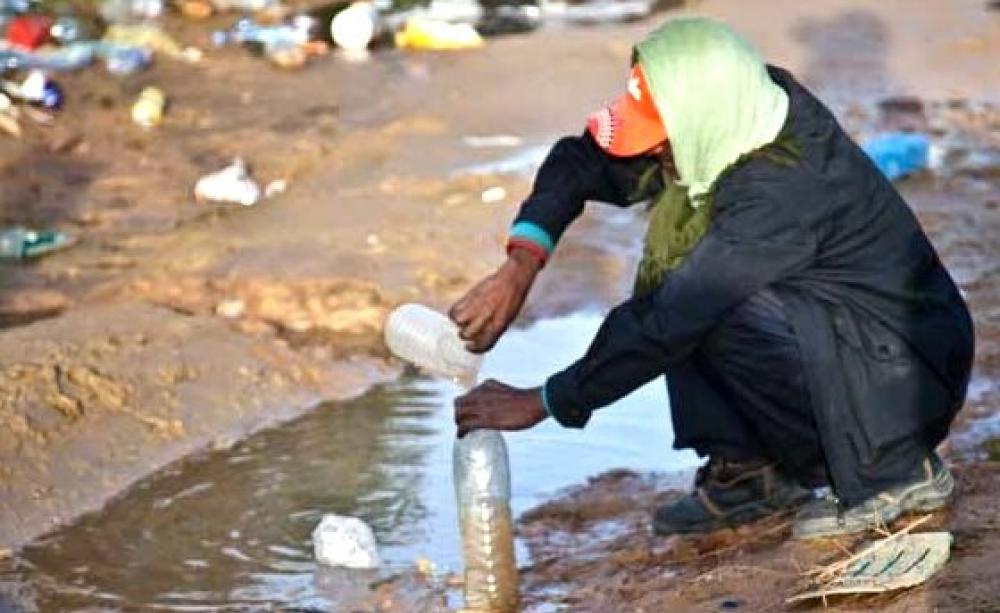
On 22 July 2011, during the Libyan Civil War, NATO aircraft struck a facility in Brega that manufactured large-diameter pipes used in Libya's Great Man-Made River water system. The facili...
Explore event →
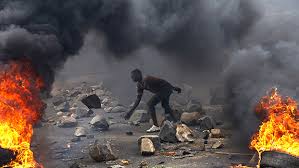
In 1993, Burundi experienced a brutal ethnic conflict that resulted in a genocide primarily targeting the Hutu population. The violence erupted after the assassination of the first democr...
Explore event →
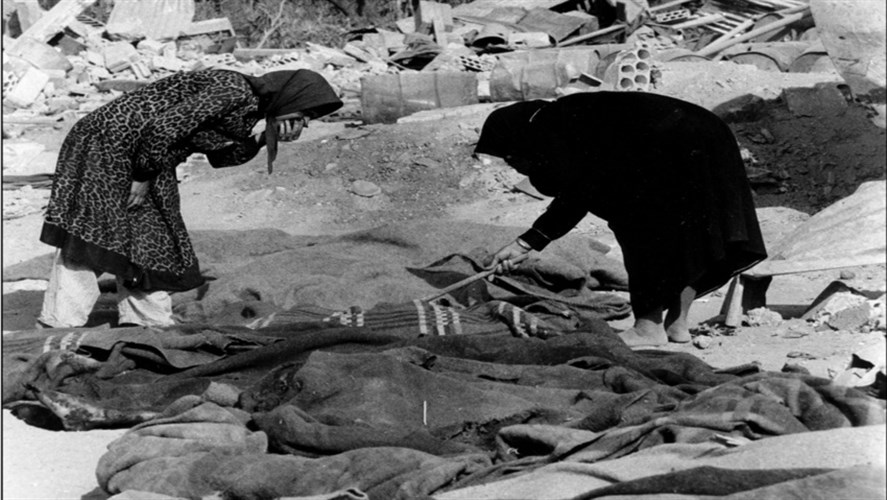
The Sabra and Shatila massacre took place between September 16 and 18, 1982, in the Sabra neighborhood and the adjacent Shatila refugee camp in Beirut, Lebanon. The massacre was carried o...
Explore event →
Guatemalan Maya Genocide On March 23, 1982, General Efraín Ríos Montt seized power in Guatemala through a military coup during the Guatemalan Civil War. His government intensified counte...
Explore event →
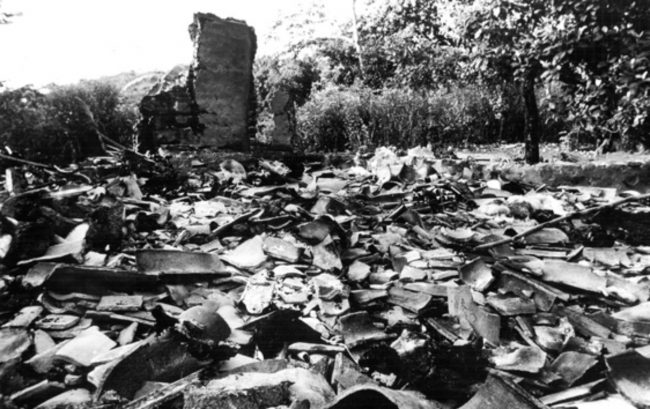
El Mozote massacre On December 11, 1981, Salvadoran Army units carried out a massacre in the village of El Mozote in Morazán Department, El Salvador. Soldiers of the Atlácatl Battalion, ...
Explore event →
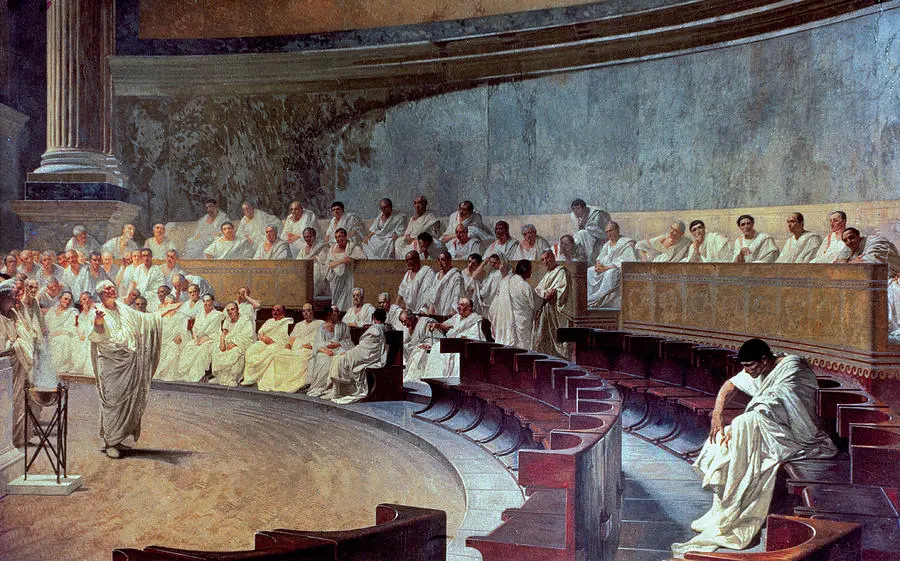
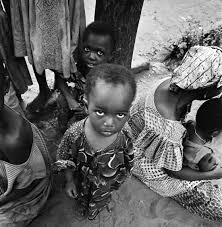
The Biafran mass killings occurred during the Nigerian Civil War, which lasted from 1967 to 1970. Following the secession of the southeastern provinces of Nigeria and the declaration of t...
Explore event →
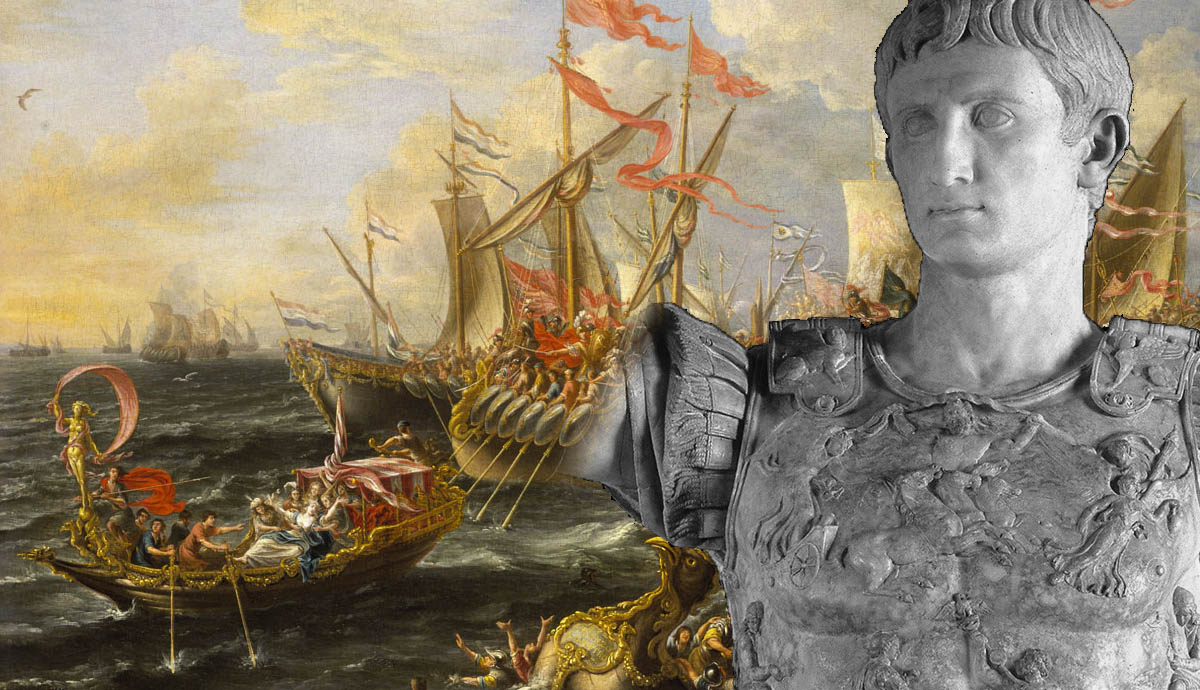
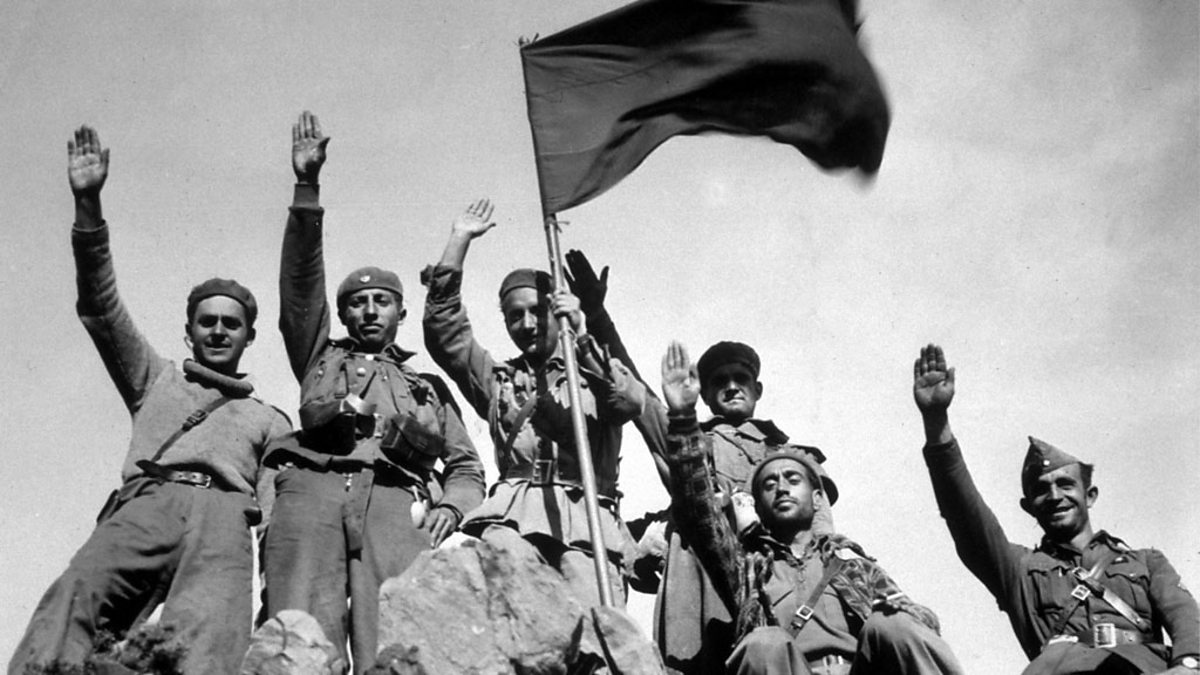
The Spanish Civil War began between Republicans and Nationalists, reflecting ideological battles over fascism, socialism, and democracy, with international implications.
Explore event →
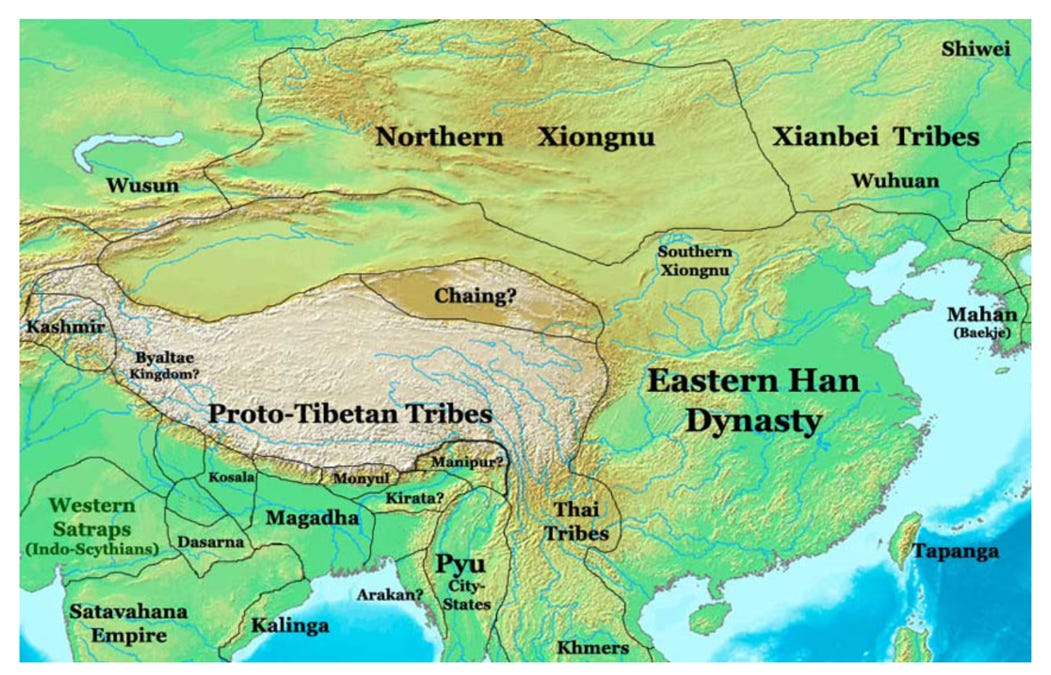
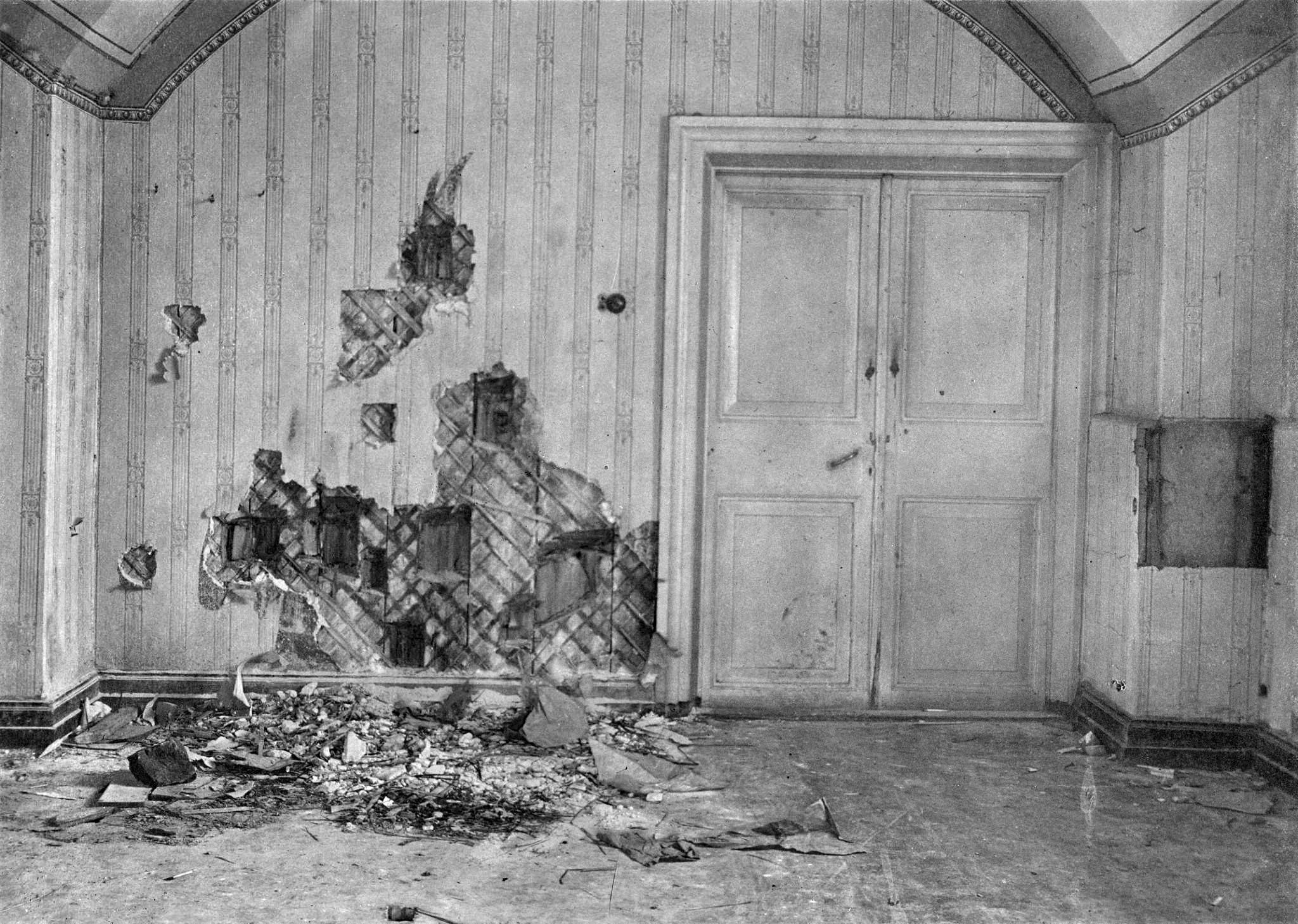
Murder of the Romanovs On July 17, 1918, the last Russian Emperor, Nicholas II, along with his wife Alexandra, their five children, and four loyal attendants, were executed by Bolshevik ...
Explore event →
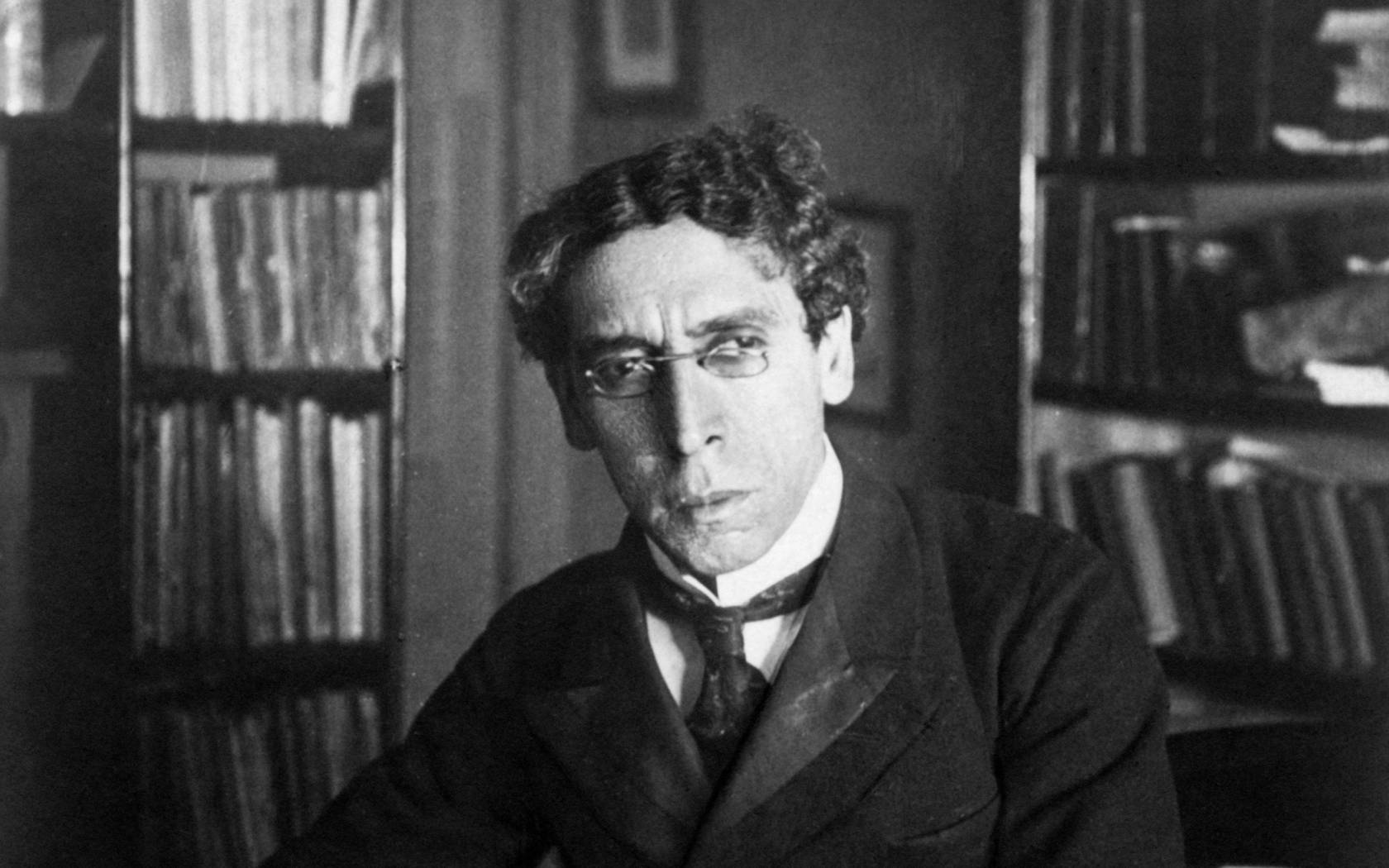
In 1908, British-born Jewish writer and playwright **Israel Zangwill** published his play **“The Melting Pot”**, which popularized the phrase as a metaphor for American society. The term ...
Explore event →
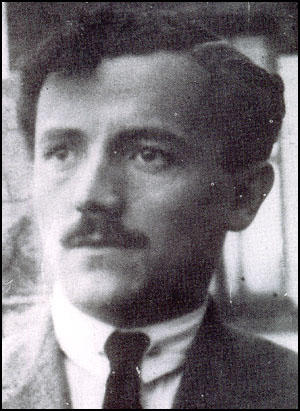
Alexander Orlov, born Lev Lazarevich Feldbin on 21 August 1895 in Bobruisk, was a Soviet NKVD officer from an Orthodox Jewish family. He later operated under several aliases, including Le...
Explore event →
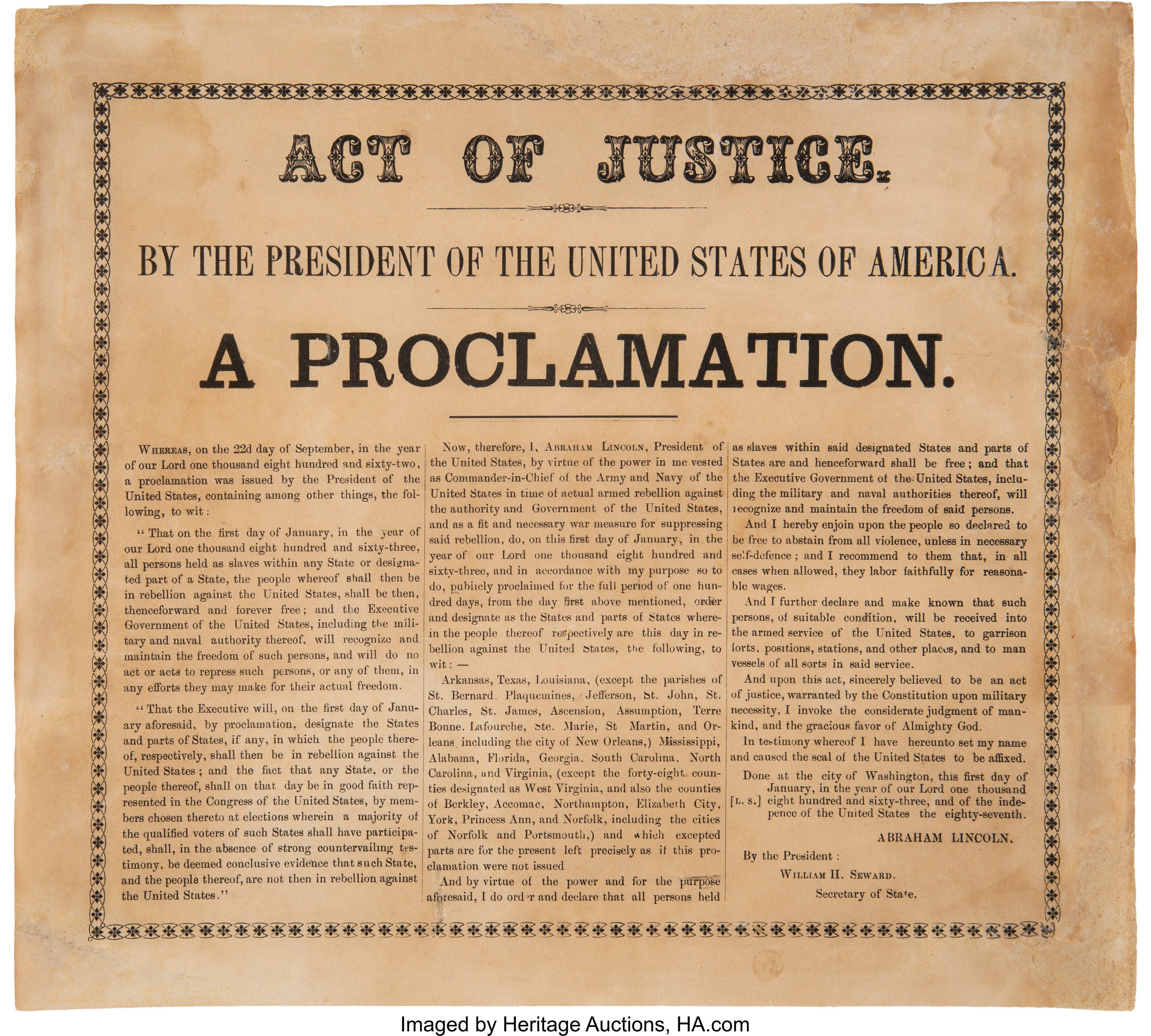
U.S. President Abraham Lincoln issued the Emancipation Proclamation, declaring freedom for enslaved people in Confederate states and redefining the Civil War as a struggle for human liberty.
Explore event →
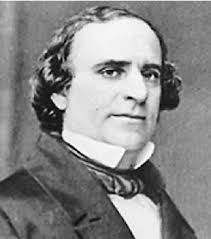
On December 1, 1845, David Levy Yulee was sworn in as one of the first two United States senators from the newly admitted State of Florida, marking a notable moment in U.S. political hist...
Explore event →
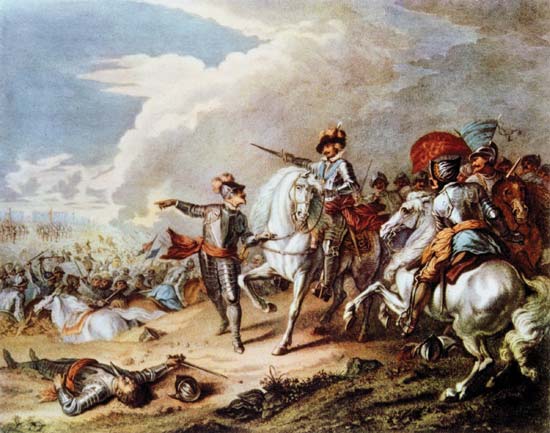
The English Civil War began between Royalists and Parliamentarians, reflecting conflicts over monarchy, parliamentary power, and religious freedom.
Explore event →
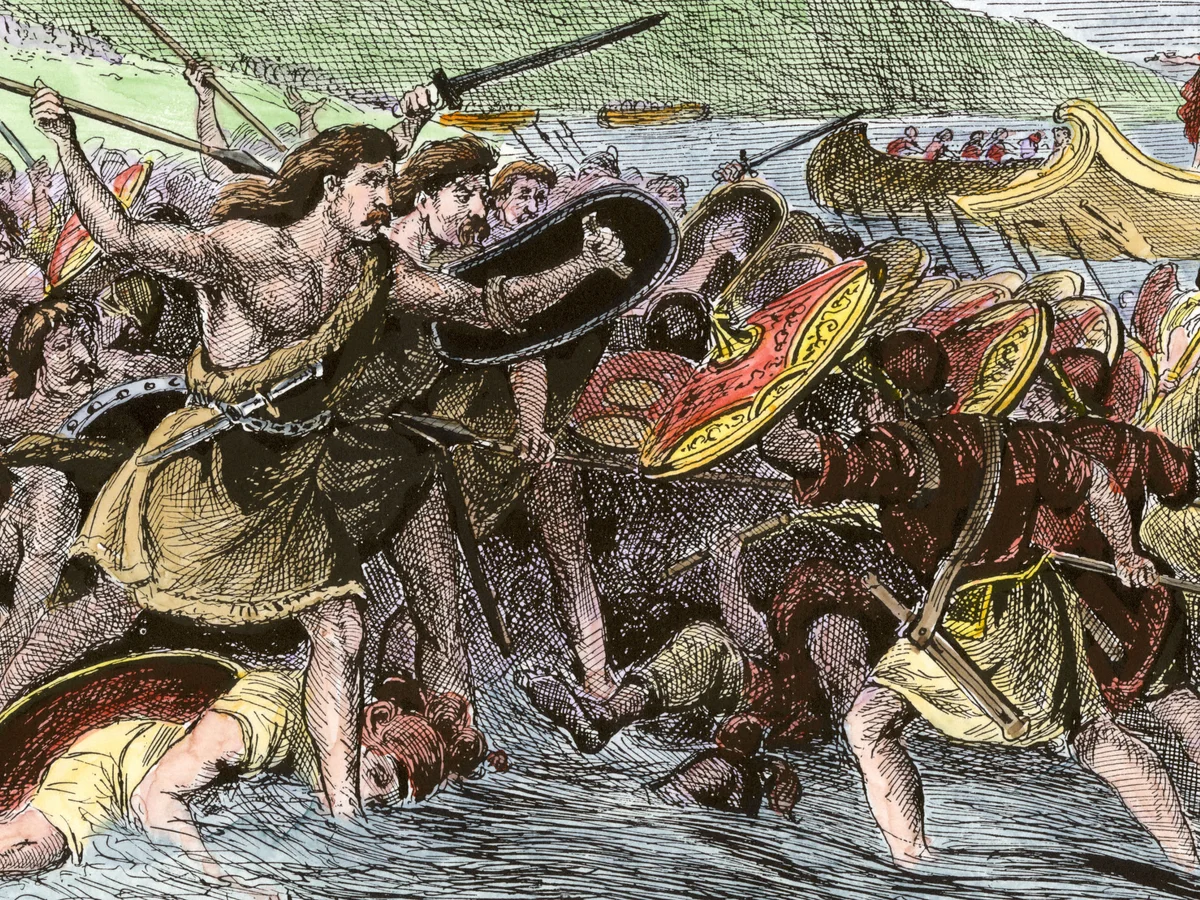
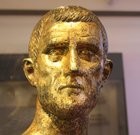
Carausius, a Roman naval commander, declared himself emperor in Britain and northern Gaul after seizing power around 286 CE. His revolt challenged the authority of the central Roman Empir...
Explore event →
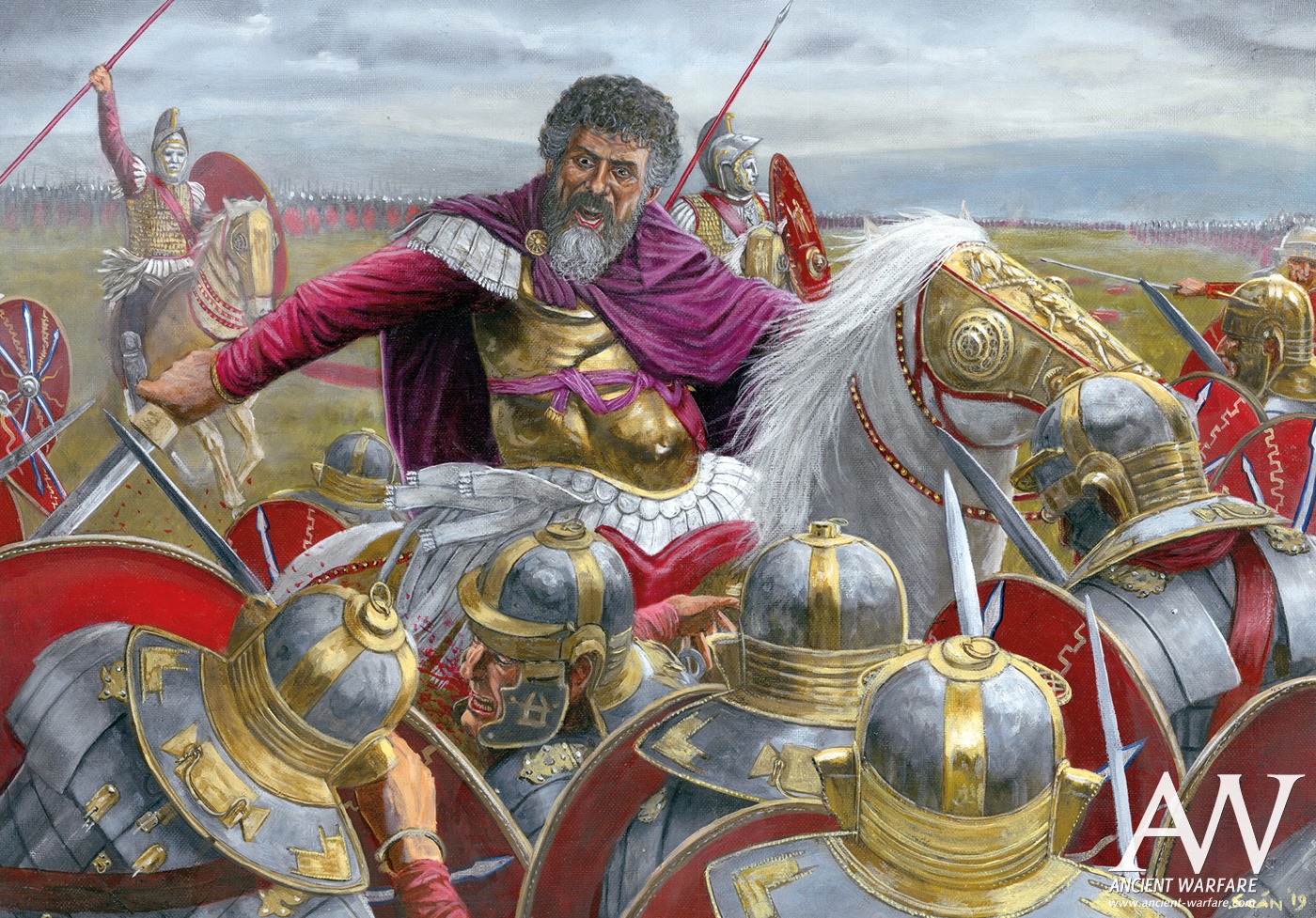
The Battle of the Margus was a significant confrontation during the Roman civil wars, taking place near the city of Margus in the Roman province of Moesia. The conflict was fought between...
Explore event →
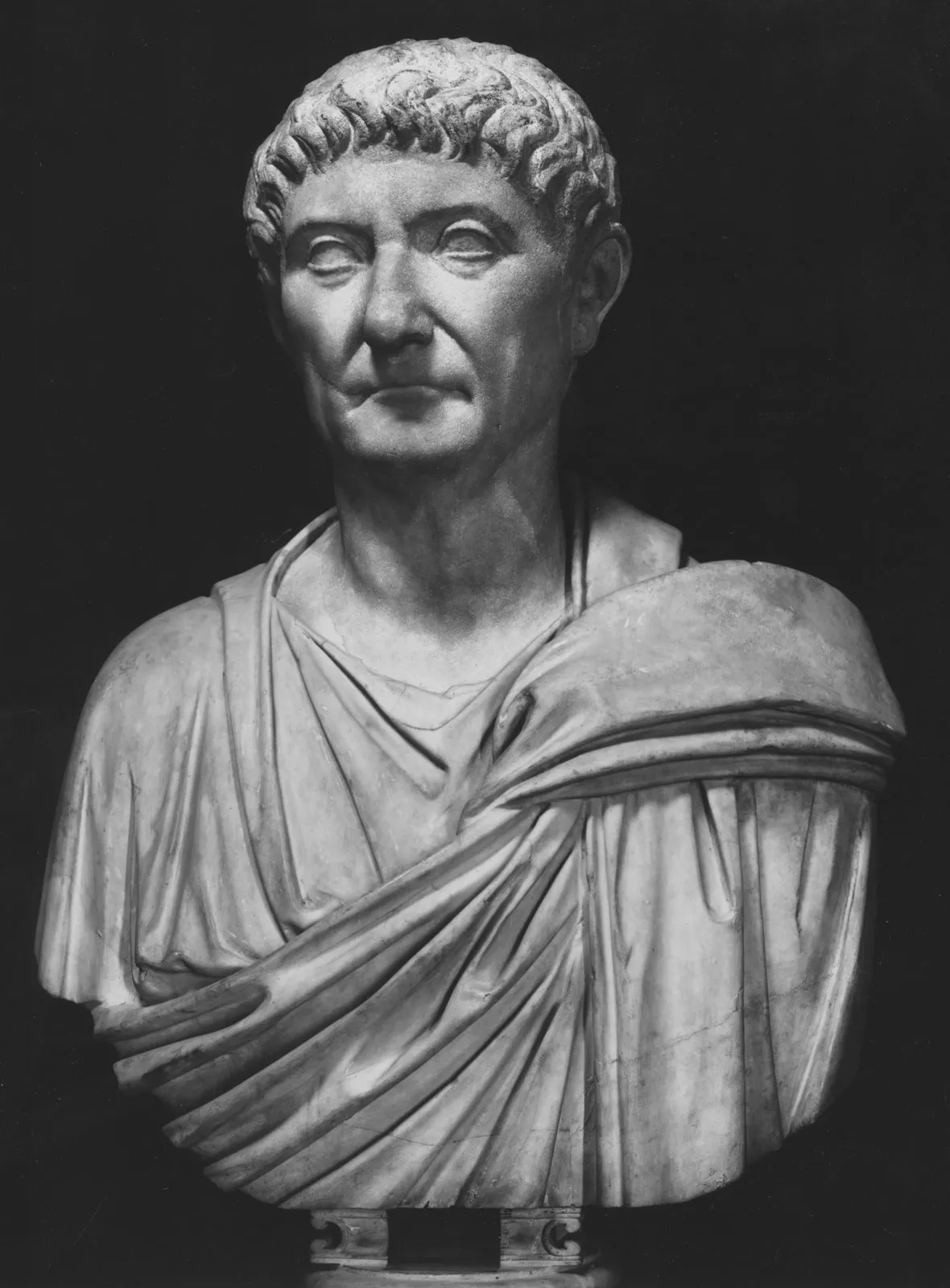
Diocletian was proclaimed emperor by his troops in Nicomedia following the death of Emperor Carus. His rise marked the end of a period of civil wars and instability in the Roman Empire.Di...
Explore event →
Emperor Aurelian successfully reunified the Roman Empire after a period of fragmentation and civil war. His military campaigns defeated breakaway states such as the Gallic Empire and the ...
Explore event →
The Crisis of the Third Century marked a period of severe instability within the Roman Empire beginning in 235 AD. This era saw widespread political chaos, military defeats, and economic ...
Explore event →
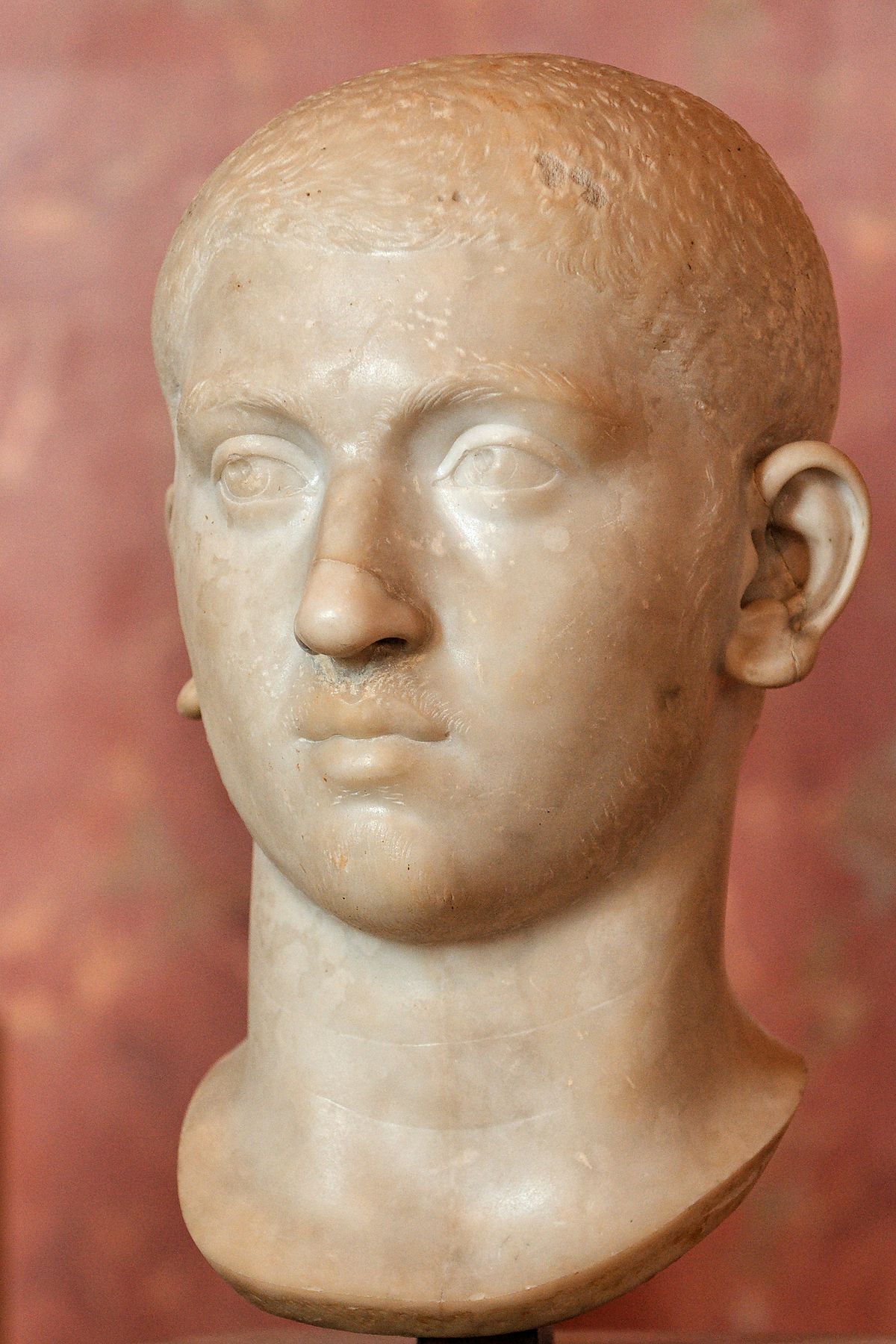
Severus Alexander, the last emperor of the Severan dynasty, was assassinated by his own soldiers in March of 235 CE near the city of Mutina along the Danube frontier. His death marked the...
Explore event →
Clodius Albinus, a Roman usurper and rival claimant to the imperial throne, was defeated at the Battle of Lugdunum. The conflict ended his rebellion during a time of civil war within the ...
Explore event →
The Battle of Lugdunum was a decisive confrontation between the forces of Septimius Severus and Clodius Albinus during the Roman civil war for control of the empire. The fighting took pla...
Explore event →
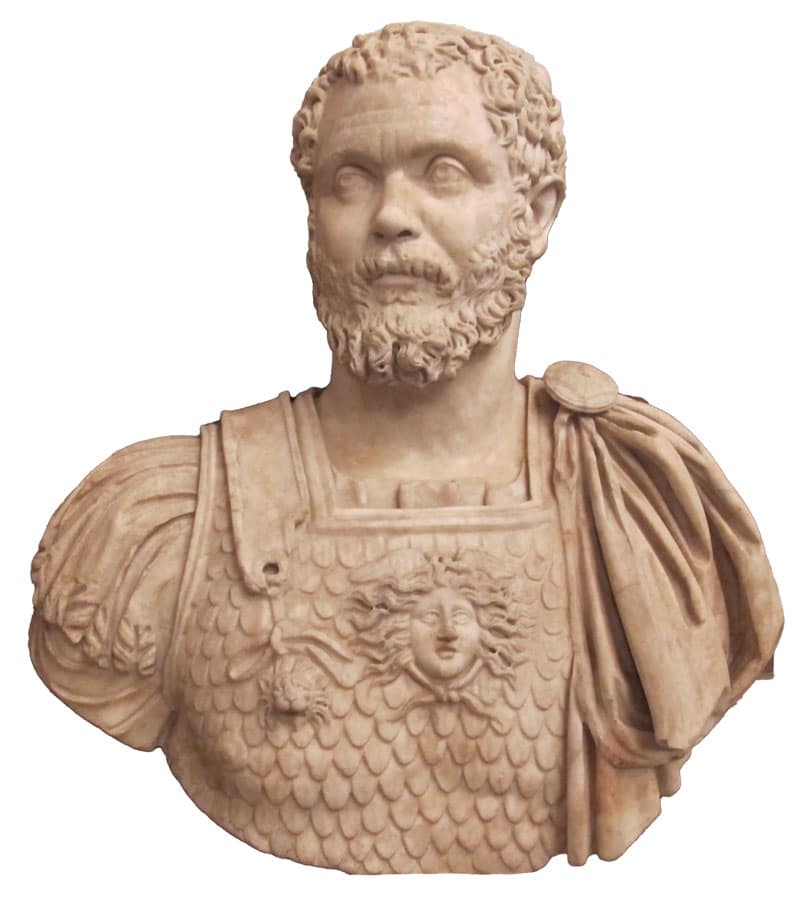
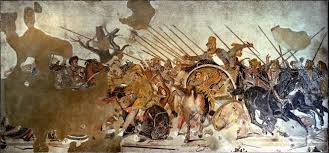
The Battle of Issus was fought between the forces of the Roman Emperor Septimius Severus and his rival Pescennius Niger. It marked a defining moment during the Year of the Five Emperors a...
Explore event →
Pescennius Niger, governor of Syria, declared himself Roman emperor after the death of Emperor Pertinax. His claim to the throne sparked a civil war against Septimius Severus, who also cl...
Explore event →
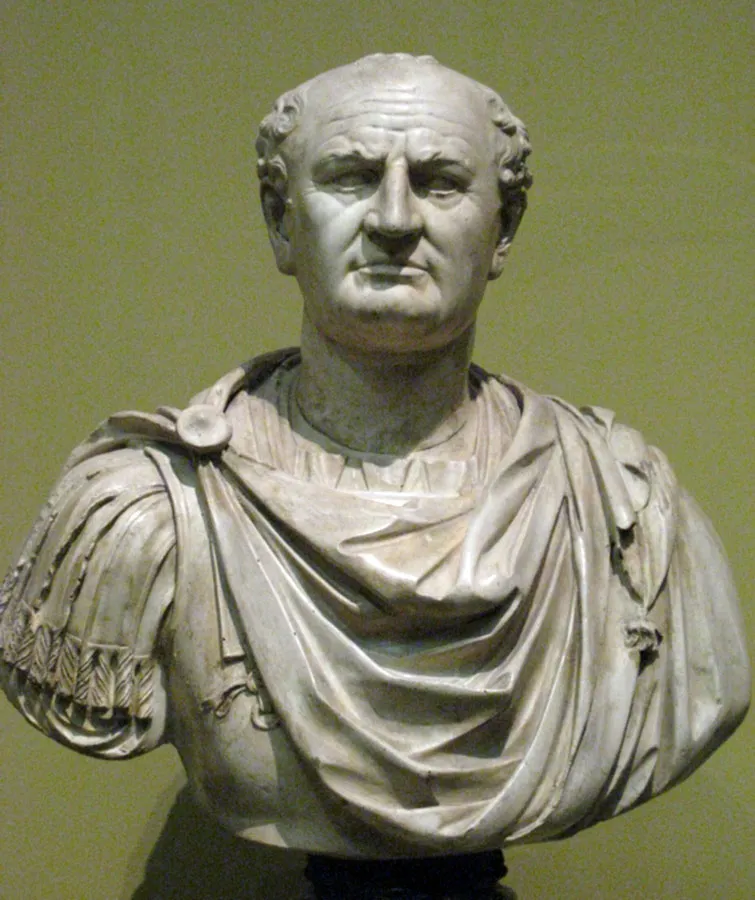
Following a year of civil war known as the Year of the Four Emperors, Vespasian emerged as the uncontested ruler of the Roman Empire. His rise marked the end of the Julio-Claudian dynasty...
Explore event →
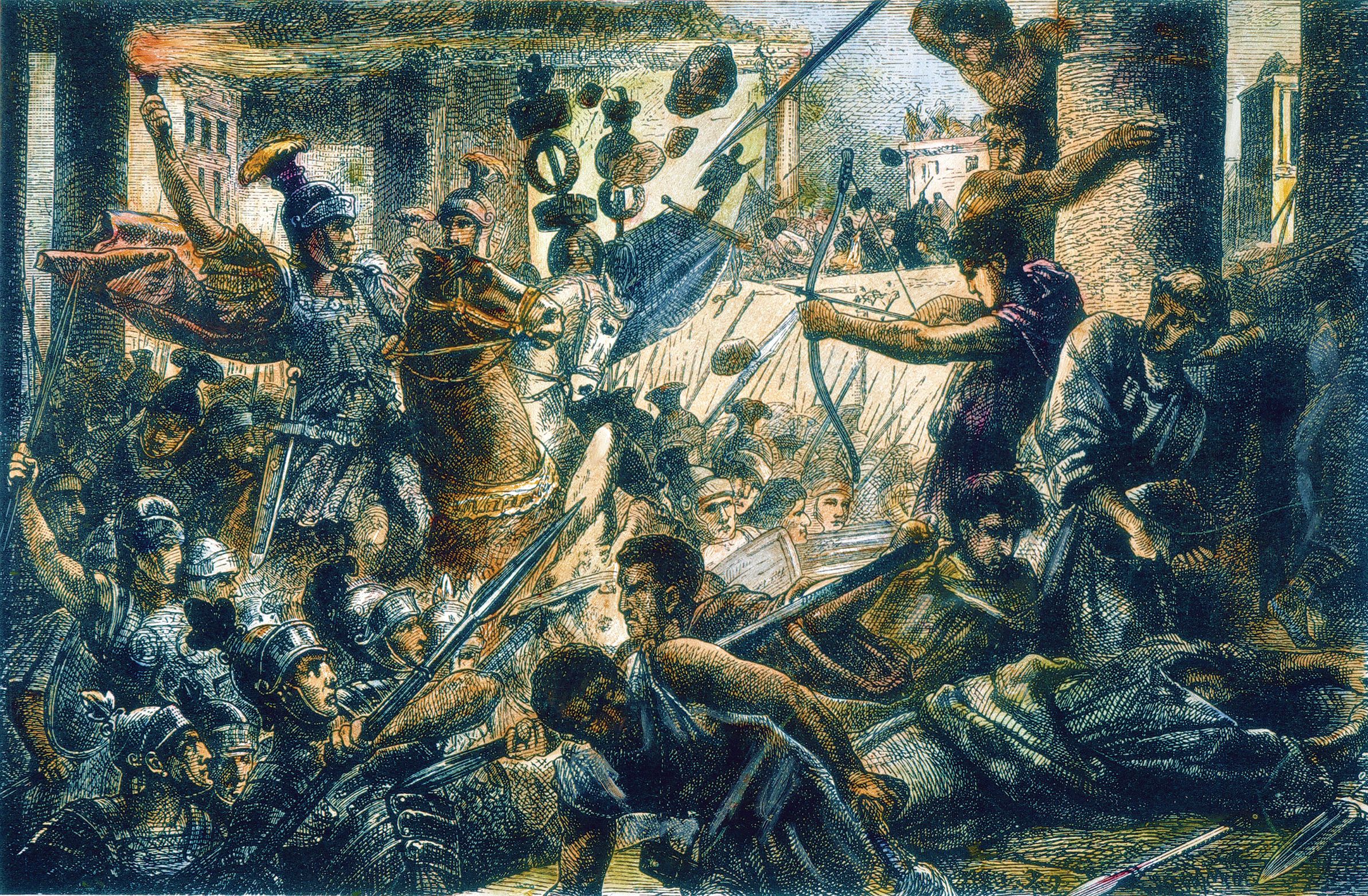
Vitellius was declared emperor by the legions of Germania during the chaotic Year of the Four Emperors. After the death of Emperor Otho, Vitellius marched to Rome where he was formally re...
Explore event →
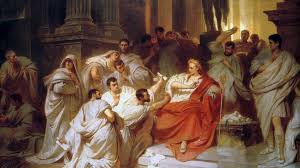
The Year of the Four Emperors was a tumultuous period marking rapid succession of Roman emperors after the fall of Nero. It involved the rise and fall of Galba, Otho, Vitellius, and Vespa...
Explore event →
On January 16, the Roman Senate granted Octavian the title Augustus, marking his official accession as the sole ruler of Rome. This event symbolized the transition from the Roman Republic...
Explore event →
After a prolonged period of civil war and the collapse of the Western Han, Liu Xiu successfully reestablished imperial authority, marking the beginning of the Eastern Han dynasty.He conso...
Explore event →