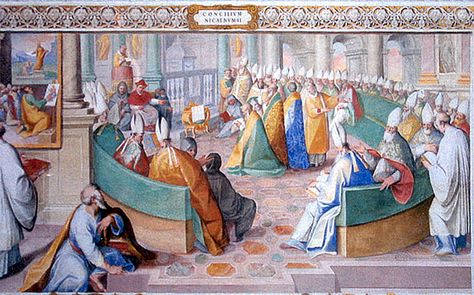
Council of Nicaea
The Council of Nicaea was the first ecumenical council of the Christian Church. It established foundational doctrines, including the Nicene Creed. The council helped...
Explore event →History does not happen in isolation. Explore world events across time, follow the connections between them, and investigate the threads that reveal how one event can lead to another.
TheTimeMap currently follows events across 95 countries and 268 years of history — building a connected archive designed for people who want to look beyond the headline.
We oppose antisemitism, racism, and dehumanization — everywhere.
When people stop feeling, injustice becomes easy.
The Council of Nicaea was the first ecumenical council of the Christian Church. It established foundational doctrines, including the Nicene Creed. The council helped...
Explore event →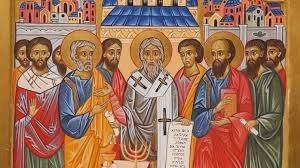
The Council of Jerusalem was a pivotal assembly of early Christian leaders who convened to discuss the integration of Gentile converts into the predominantly Jewish Ch...
Explore event →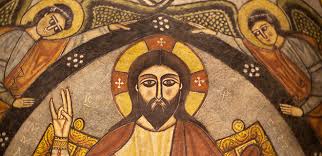
Coptic Christianity, one of the oldest Christian traditions, has seen notable growth within Egypt in recent years. Rooted deeply in Egyptian history, the Coptic commun...
Explore event →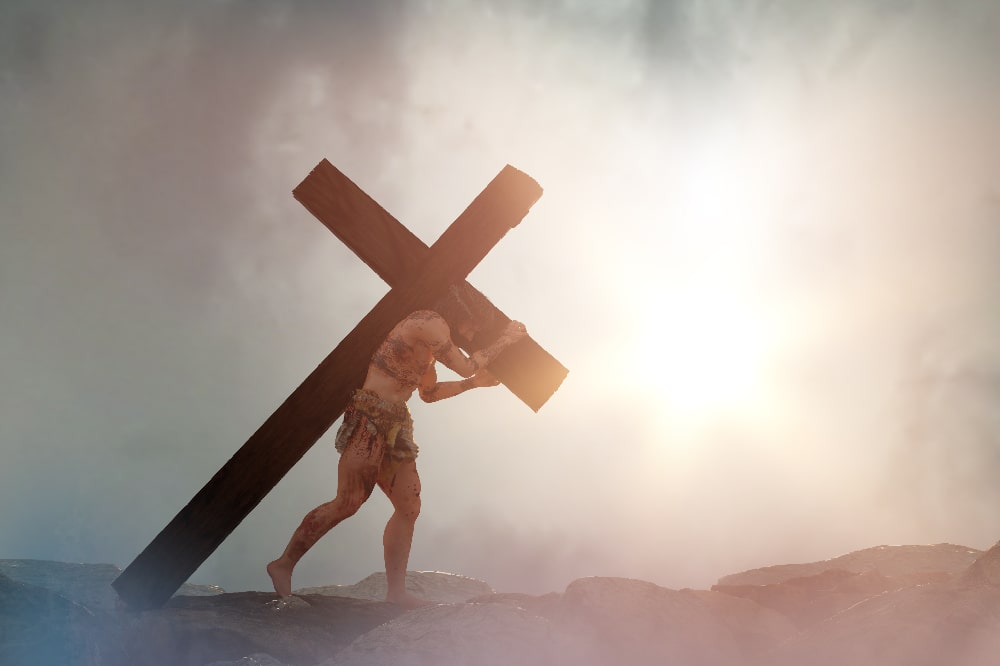
Jesus of Nazareth was executed by crucifixion under Roman governor Pontius Pilate in Jerusalem, during the period of Roman occupation of Judea. The event is documented...
Explore event →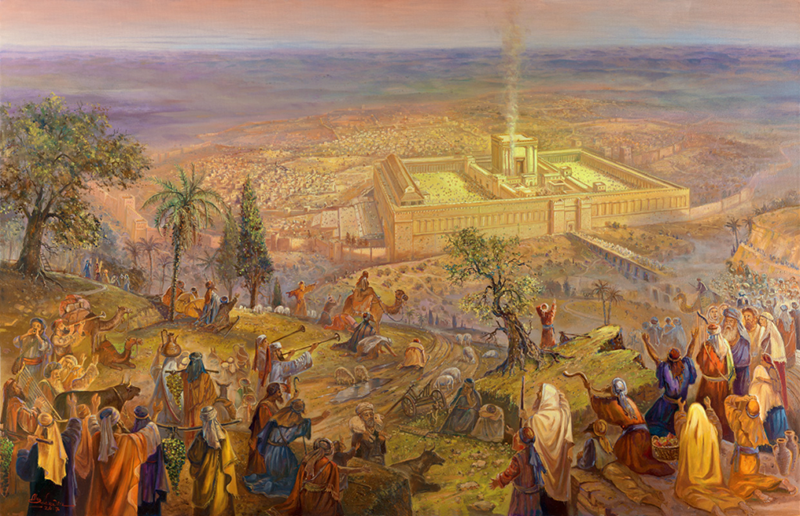
Pentecost in Jerusalem marks a significant event when the early followers of Jesus gathered to celebrate the Jewish festival of Shavuot, also known as Pentecost. This ...
Explore event →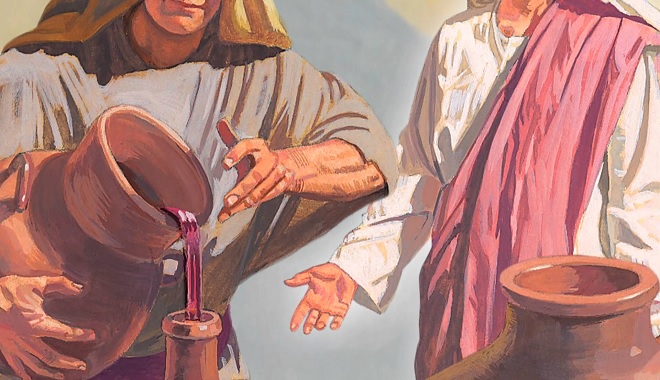
The town of Qana in southern Lebanon is traditionally identified by some Christian communities as the site of the biblical event where Jesus is said to have performed ...
Explore event →
1967 — The communist government launches an aggressive campaign against organized religion. Mosques, churches and monasteries are closed or converted to other uses, an...
Explore research
1st–4th centuries CE — Christianity spreads widely through Egypt and produces one of the ancient world's most important Christian traditions. Egyptian monasticism prof...
Explore research
22 December 1941 — Roosevelt and Churchill begin the Arcadia Conference in Washington shortly after American entry into the war. Despite Pearl Harbor, the United State...
Explore research
14 August 1941 — Roosevelt and Churchill issue a statement of broad principles for the postwar world, including territorial restraint, economic cooperation and forms o...
Explore research
28 May 1940 — During the military crisis in France, Britain's War Cabinet continues debating whether Italian mediation might open negotiations with Germany. Winston Ch...
Explore research
The Orthodox Church becomes a major religious and cultural institution under Ottoman rule.
Explore research
17 July 1945 — Truman, Stalin and initially Churchill meet near Berlin after Germany's defeat. They discuss occupation policy, borders, reparations and the war against...
Explore research
28 November 1943 — Roosevelt, Churchill and Stalin meet together for the first time. Stalin presses strongly for a second front in Western Europe, and the Western Alli...
Explore research
28 November 1943 — Stalin, Roosevelt and Churchill meet together for the first time. Stalin presses for a Western invasion of France while the Soviet Union continues c...
Explore research
10 May 1940–26 July 1945 — Churchill serves as British prime minister through nearly the entire European war. He strongly opposes negotiating a settlement with Hitler ...
Explore research
4 February 1945 — Franklin Roosevelt, Winston Churchill and Joseph Stalin meet in Crimea as Germany approaches defeat. They discuss occupation zones, Poland, postwar G...
Explore research
4 February 1945 — Roosevelt, Churchill and Stalin debate Poland's borders and government at Yalta. The Soviet Union already occupies most Polish territory, giving Stal...
Explore research