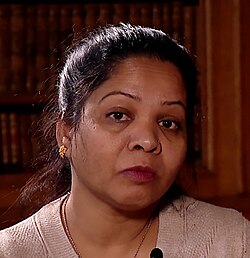
Asia Bibi blasphemy case
Asia Bibi, also known as Aasiya Noreen, is a Pakistani Christian woman whose prosecution under Pakistan's blasphemy laws became an internationally recognized legal and...
Explore event →History does not happen in isolation. Explore world events across time, follow the connections between them, and investigate the threads that reveal how one event can lead to another.
TheTimeMap currently follows events across 95 countries and 268 years of history — building a connected archive designed for people who want to look beyond the headline.
We oppose antisemitism, racism, and dehumanization — everywhere.
When people stop feeling, injustice becomes easy.
Asia Bibi, also known as Aasiya Noreen, is a Pakistani Christian woman whose prosecution under Pakistan's blasphemy laws became an internationally recognized legal and...
Explore event →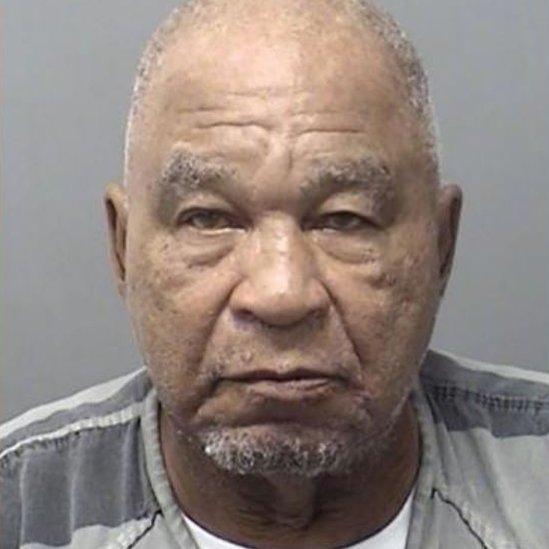
Media coverage and public recognition of serial homicide have been examined by criminologists and researchers studying race, victim demographics, offender characterist...
Explore event →
In January 1998, allegations of a sexual relationship between U.S. President Bill Clinton and White House intern Monica Lewinsky became public during an investigation ...
Explore event →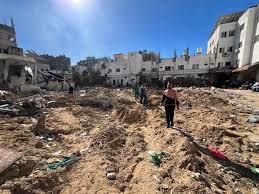
Two Israeli soldiers were arrested after allegedly ordering a bulldozer to bury four Palestinian youths in piles of dirt following a protest in the West Bank, accordin...
Explore event →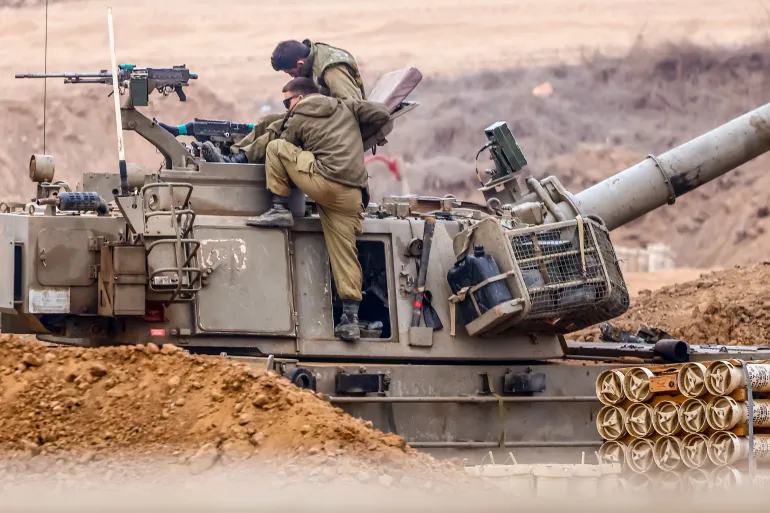
Hannibal Directive. Israeli military procedure and revocation The Hannibal Directive was a reported operational procedure of the Israel Defense Forces...
Explore event →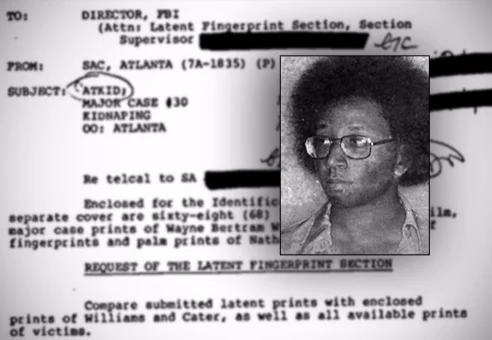
Wayne Bertram Williams is an American convicted murderer whose 1982 convictions became a central part of the investigation into a series of killings known as the Atlan...
Explore event →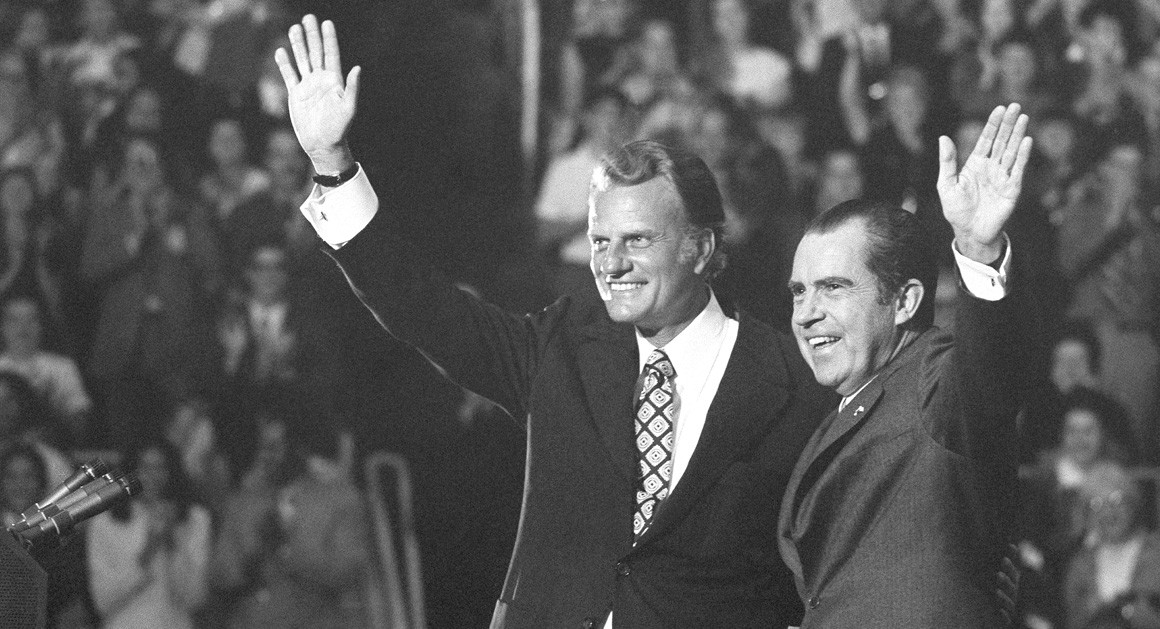
1972 Oval Office Conversation Between Richard Nixon And Billy Graham Contains Anti-Jewish Remarks On February 1, 1972, President Richard Nixon met with evangelist Bil...
Explore event →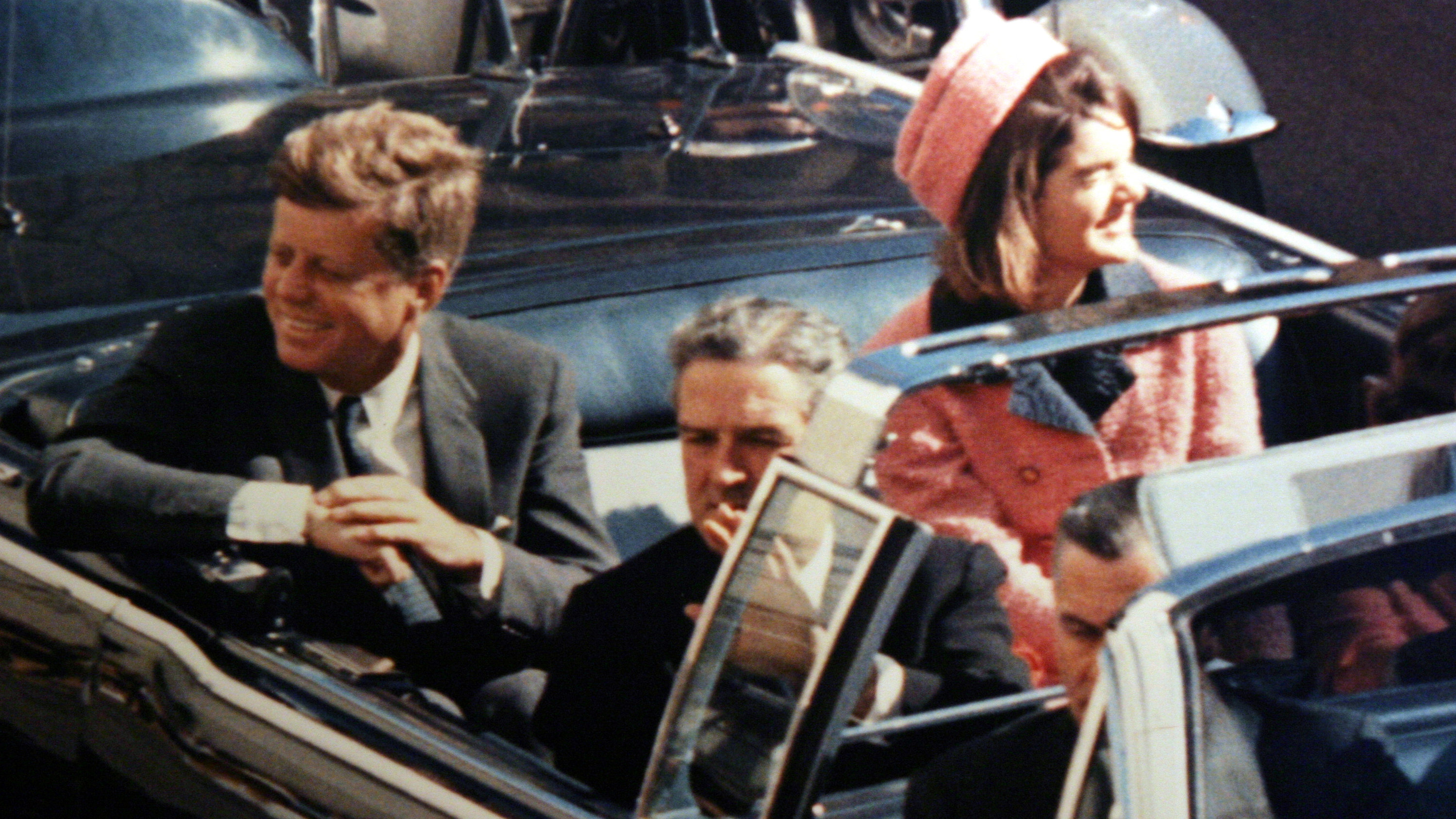
The assassination of John F. Kennedy, the 35th President of the United States, occurred on November 22, 1963, in Dallas, Texas. Kennedy was fatally shot while riding i...
Explore event →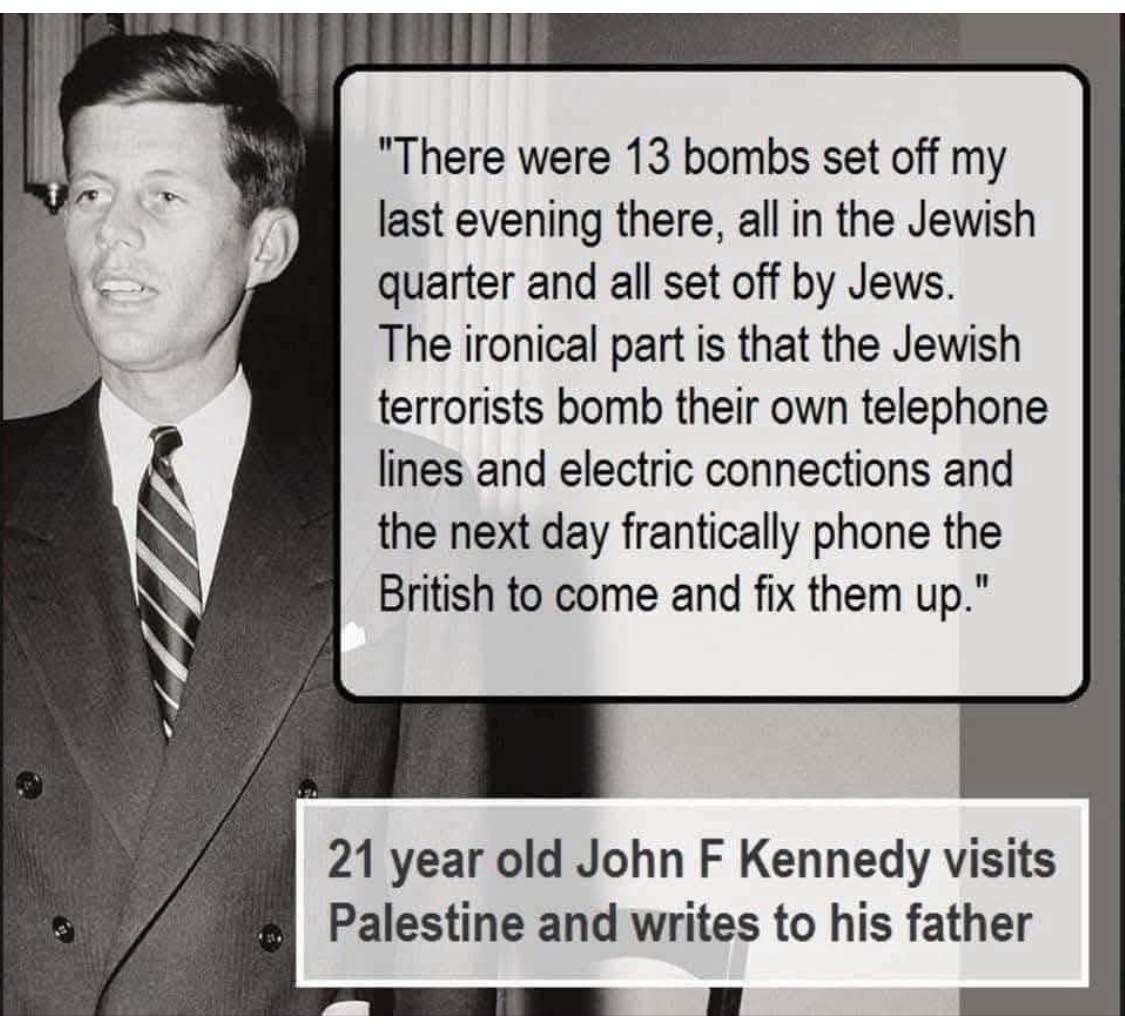
JFK: The Letter Mentions That 13 Bombs Went Off in Jerusalem on His Last Night There, Which He Attributed to Jewish Terrorists (Likely the Irgun Militia) Attempting to...
Explore event →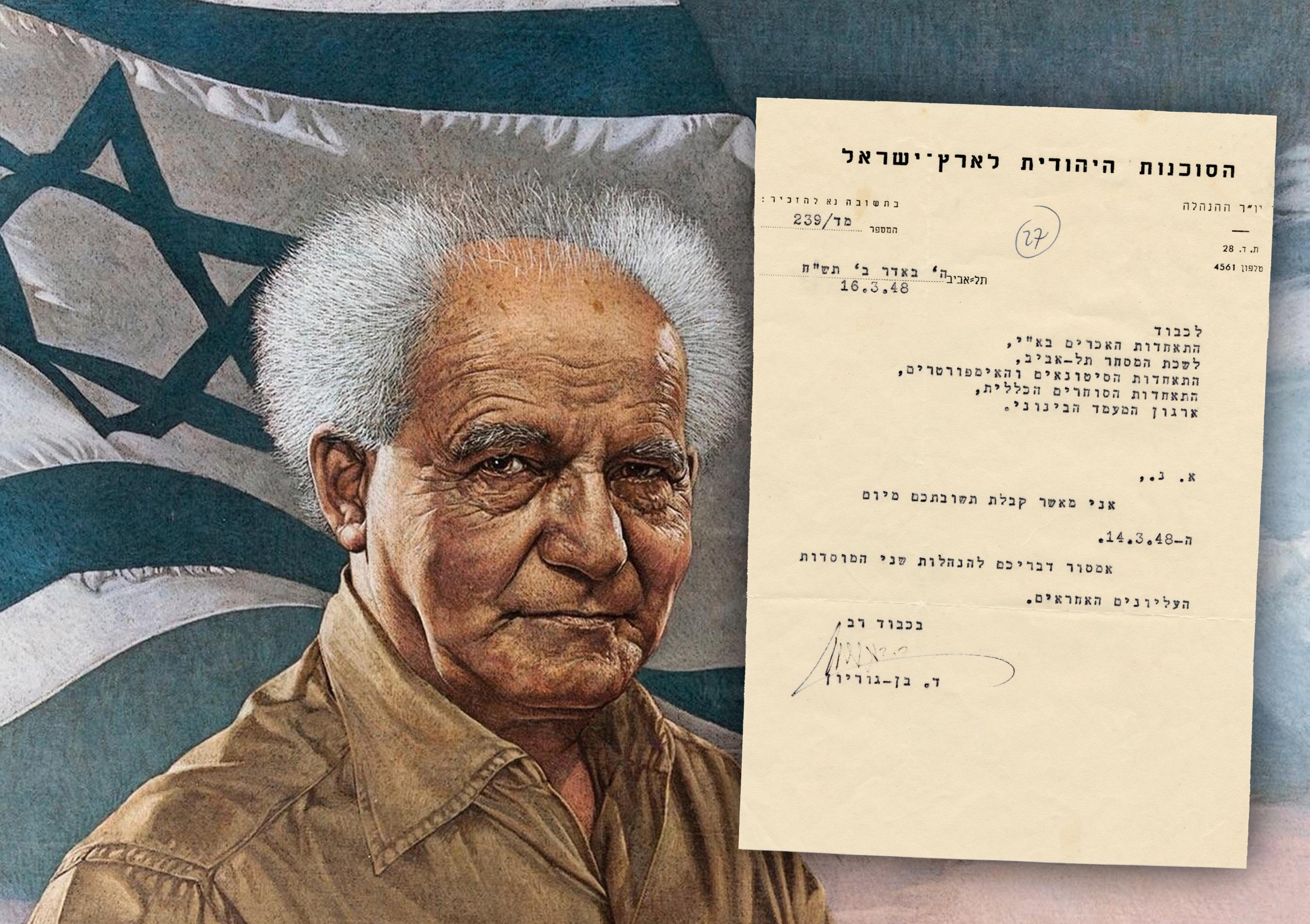
David Ben-Gurion Controversial Statements Record On October 5, 1937, David Ben-Gurion wrote a letter to his son Amos following the Peel Commission’s proposal to parti...
Explore event →
Pontic Greek Genocide On May 19, 1919, military operations intensified against Greek communities in the Pontus region along the Black Sea coast of the Ottoman Empire....
Explore event →
Greek Genocide On May 19, 1919, Greek communities in the Pontus region of the Ottoman Empire faced intensified military operations during the final phase of systemati...
Explore event →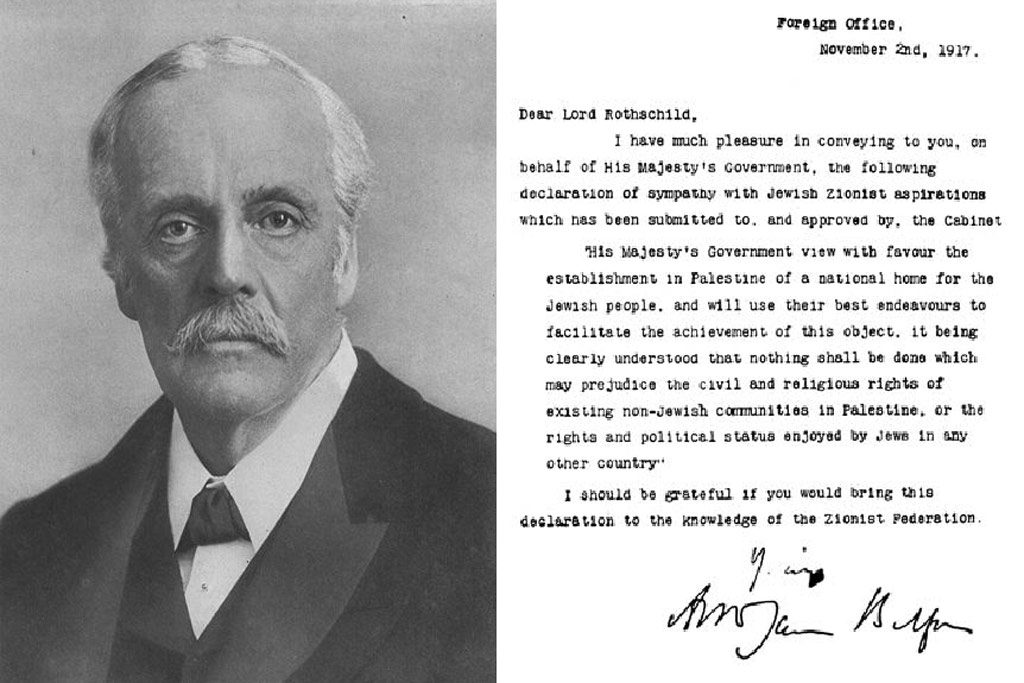
The Balfour Declaration was a public statement issued on November 2 1917 by the British government during World War I expressing support for the establishment of a nat...
Explore event →
In August 1913, Leo Frank, a Jewish factory superintendent at the National Pencil Company in Atlanta, Georgia, was tried and convicted for the murder of 13-year-old Ma...
Explore event →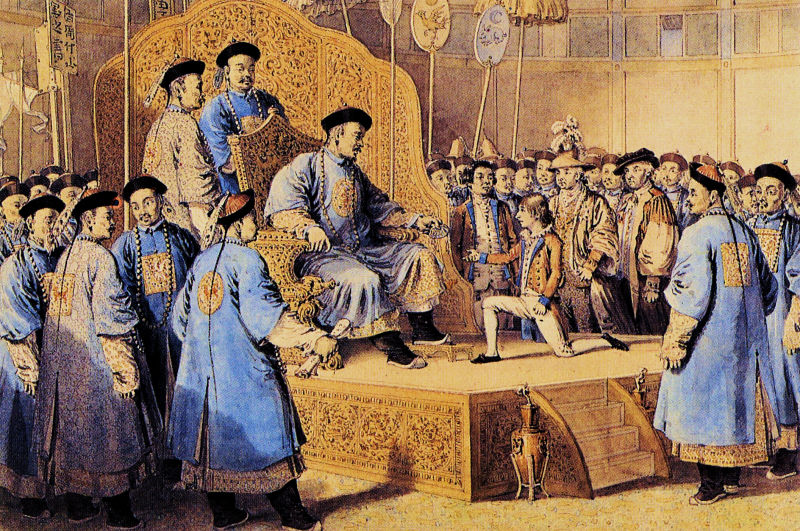
A diplomatic mission was sent from Washington to China to establish formal relations and discuss trade opportunities. The delegation aimed to enhance communication bet...
Explore event →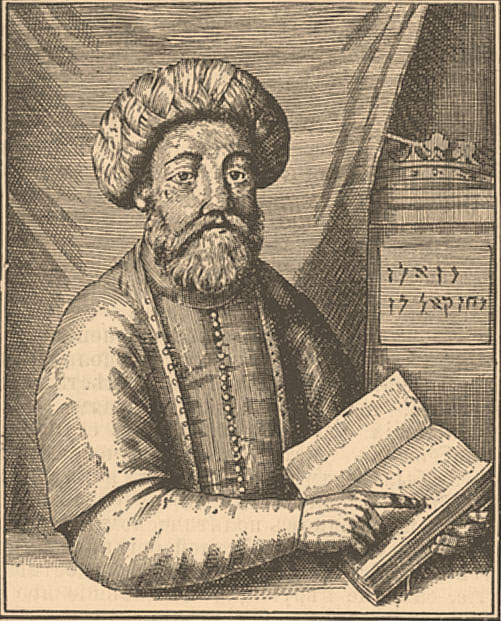
The Dönmeh were a religious community that emerged in the late 17th century within the Ottoman Empire, originating from followers of Sabbatai Zevi, a Jewish rabbi who ...
Explore event →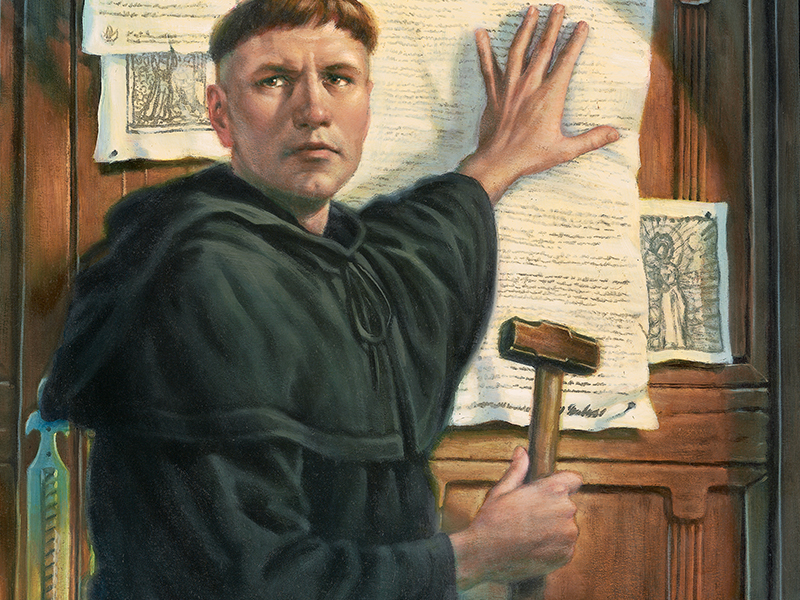
The Ninety-Five Theses body { font-family: Arial, Helvetica, sans-serif; line-height: 1.6; margin: 40px; ...
Explore event →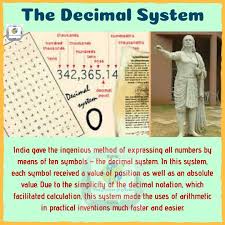
The decimal numeral system, characterized by the use of ten digits and a place-value notation, was advanced significantly in India. Indian mathematicians refined the c...
Explore event →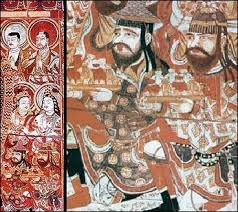
Sogdian merchants played a crucial role in expanding trade routes across Central Asia during the early medieval period. Centered in the city of Samarkand, they facilit...
Explore event →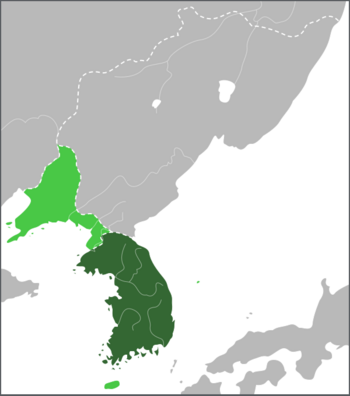
The Silla kingdom successfully unified the Korean Peninsula after defeating the Baekje and Goguryeo kingdoms. This consolidation marked the beginning of the Unified Si...
Explore event →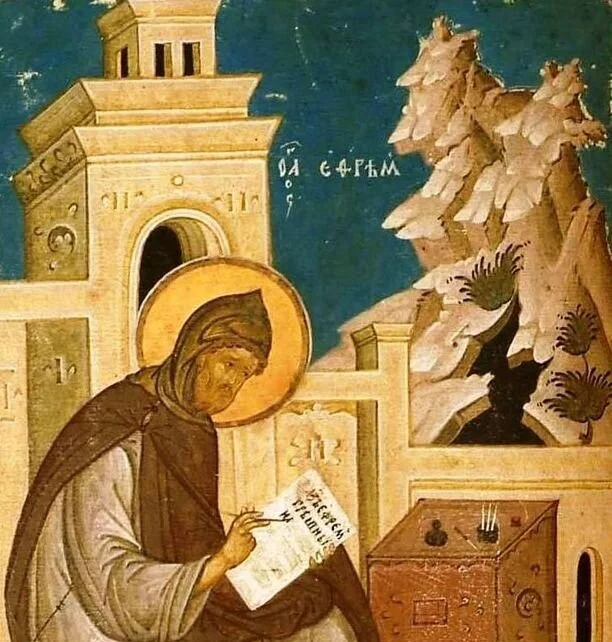
Syriac Christian literature experienced significant growth in Edessa, a key center of early Christian scholarship. The development of religious texts in the Syriac lan...
Explore event →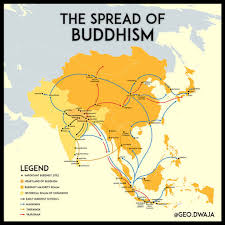
Buddhism spread into China primarily through cultural and trade exchanges along the Silk Road. Merchants, monks, and travelers introduced Buddhist teachings and texts ...
Explore event →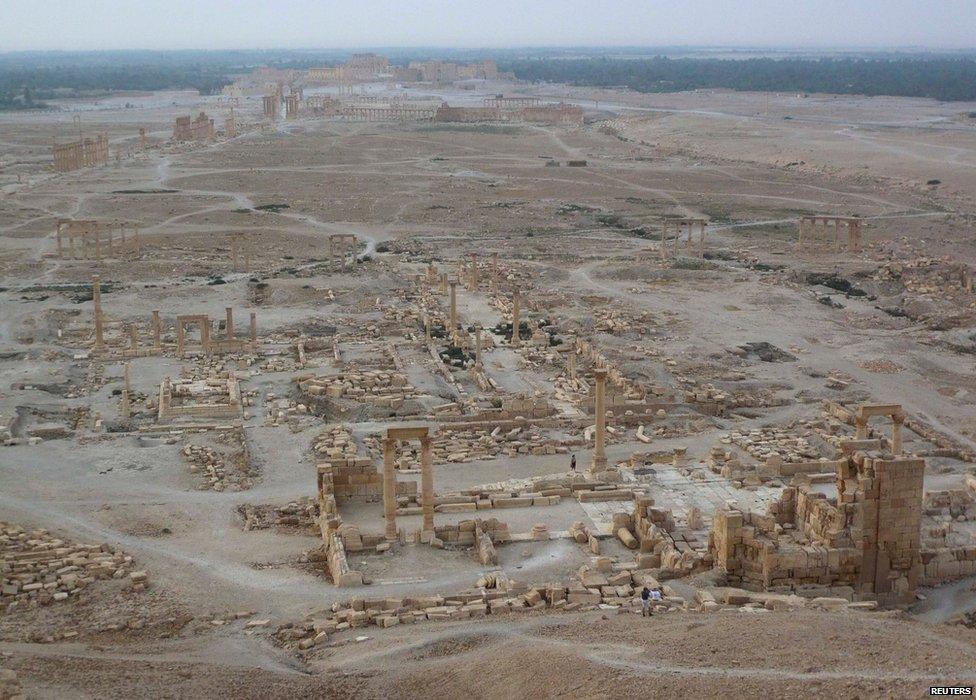
Palmyra, an ancient city in central Syria, was captured and severely damaged during military conflict. The site, known for its Greco-Roman architecture and cultural si...
Explore event →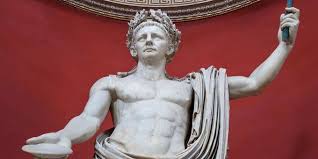
Claudius II Gothicus became Roman Emperor following the death of his predecessor. His accession marked a shift during a turbulent period of frequent leadership changes...
Explore event →
2011–2014 — Mubarak's fall opens competitive elections and unprecedented political participation, but the transition rapidly produces institutional conflict, polarizat...
Explore research
31 March 1991 — Albania holds its first competitive multiparty parliamentary elections since the communist takeover. The former communist Party of Labour wins, but the...
Explore research
8 December 1990 — Students in Tirana begin demonstrations demanding political and economic change. The protests rapidly become a national challenge to communist one-pa...
Explore research
1923 — The Treaty of Lausanne formalizes a compulsory population exchange largely based on religion.
Explore research
December 1916–January 1917 — German naval and military leaders conclude that unrestricted submarine warfare may force Britain out of the war. They understand that the ...
Explore research
21 February 1916 — Germany launches a major offensive against the fortified Verdun region. French forces commit enormous manpower and artillery to prevent the fortress...
Explore research
16th–18th centuries — Islam spreads substantially among Albanian populations under Ottoman rule. Conversion varies greatly by region and period. Catholic communities r...
Explore research
1443–1479 — Investigate Skanderbeg's military campaigns, the League of Lezhë, European diplomacy and how later generations transformed him into a national symbol.
Explore research
641–1000 CE — Arabic did not replace Coptic immediately after the conquest. Government, migration, urban life, taxation, religious conversion and social mobility gradu...
Explore research
c. 550–650 CE — Slavic-speaking groups settle widely across the Balkans during a period of weakened Byzantine frontier control. Settlement patterns, languages and poli...
Explore research
c. 1353–1336 BCE — Amenhotep IV changes his name to Akhenaten and promotes extraordinary devotion to the solar deity Aten. He establishes a new royal capital at Akheta...
Explore research
c. 3100 BCE–2026 CE — Egypt has been governed by native pharaohs, Nubian kings, Persians, Macedonians, Romans, Byzantines, Arab caliphates, Fatimids, Ayyubids, Mamluks...
Explore research
c. 3100 BCE–2026 CE — Modern Egyptians live in the same Nile landscape that supported pharaonic civilization, but language, religion, political institutions and popula...
Explore research
c. 6000–4400 BCE — Communities along the Nile increasingly depend on farming, fishing, animal husbandry and seasonal river resources. The Nile creates a narrow fertile...
Explore research
Human communities occupied the territory of modern Albania long before written history. Archaeology reveals Paleolithic activity followed by increasingly settled commu...
Explore research
27 May 1942 — American commanders possess increasingly strong intelligence that Japan intends to attack Midway. Cryptanalysts working against Japanese naval codes help...
Explore research
28 June 1919 onward — The Treaty of Versailles becomes one of the most controversial diplomatic settlements in modern history. Reparations, territorial changes, milita...
Explore research
24 October 1929 — The beginning of the Wall Street panic provides an anchor for the economic collapse that spreads across industrial economies. Unemployment rises dram...
Explore research
In 1987, the European Management Forum changed its name to the World Economic Forum as its activities and membership became increasingly international and its agenda e...
Explore research
15 November 1923 — Germany introduces the Rentenmark during the final phase of the hyperinflation crisis. Years of wartime debt, fiscal instability, reparations pressu...
Explore research
10 October 1938 — German occupation of the Sudetenland gives Berlin control of major Czech border fortifications and significant industrial territory. The Munich settl...
Explore research
The Population Council is a nonprofit research organization founded in 1952 by John D. Rockefeller 3rd. It conducted research and supported programs concerning populat...
Explore research
9 August 1945 — Soviet forces launch a massive offensive against the Japanese Kwantung Army in Manchuria. The attack follows Soviet commitments made to the Western All...
Explore research
6 April 1917 — The United States declares war on Germany. Unrestricted submarine warfare is the immediate strategic cause, while the Zimmermann Telegram further intens...
Explore research