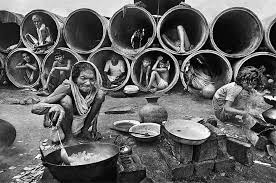
Bangladesh Genocide
Bangladesh Genocide On March 25, 1971, the Pakistan Army launched Operation Searchlight in Dhaka and other major cities of East Pakistan, targeting Bengali nationalis...
Explore event →History does not happen in isolation. Explore world events across time, follow the connections between them, and investigate the threads that reveal how one event can lead to another.
TheTimeMap currently follows events across 95 countries and 268 years of history — building a connected archive designed for people who want to look beyond the headline.
We oppose antisemitism, racism, and dehumanization — everywhere.
When people stop feeling, injustice becomes easy.
Bangladesh Genocide On March 25, 1971, the Pakistan Army launched Operation Searchlight in Dhaka and other major cities of East Pakistan, targeting Bengali nationalis...
Explore event →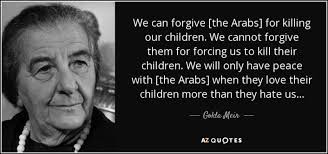
Attribution History of Golda Meir Quote on Children and Conflict Golda Meir served as Prime Minister of Israel from 1969 to 1974. A statement widely attribu...
Explore event →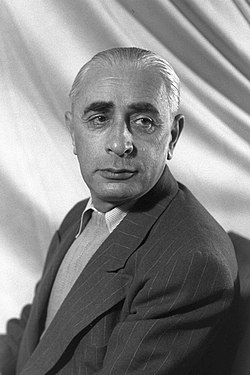
What it was The Lavon Affair, also known as Operation Susannah, was a failed Israeli covert operation in Egypt in 1954, carried out by Israeli military i...
Explore event →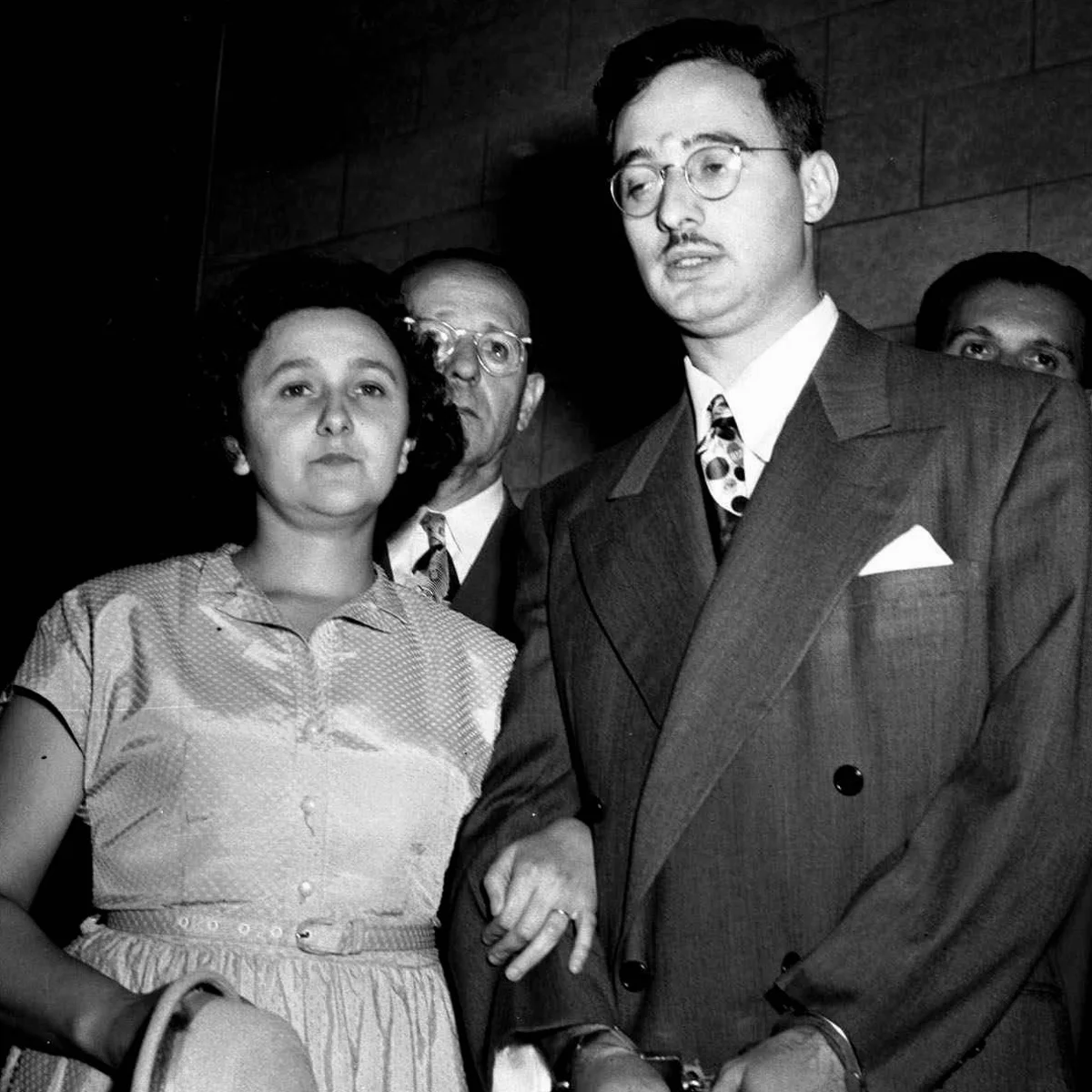
Julius and Ethel Rosenberg Executed for Espionage On June 19, 1953, Julius Rosenberg and Ethel Rosenberg were executed at Sing Sing Prison in Ossining, New York, afte...
Explore event →
Mexican actress Maria Félix said she ate human meat during a 1951 Morocco banquet During the filming of the movie *La Corona Negra* in Morocco in 1951, Mexican film a...
Explore event →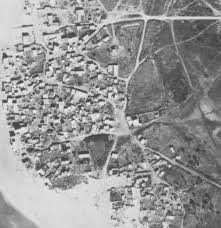
1948 Tantura Killings The events at the Palestinian village of Tantura occurred during the **1948 Palestine war**, when forces of the Haganah, specifically ...
Explore event →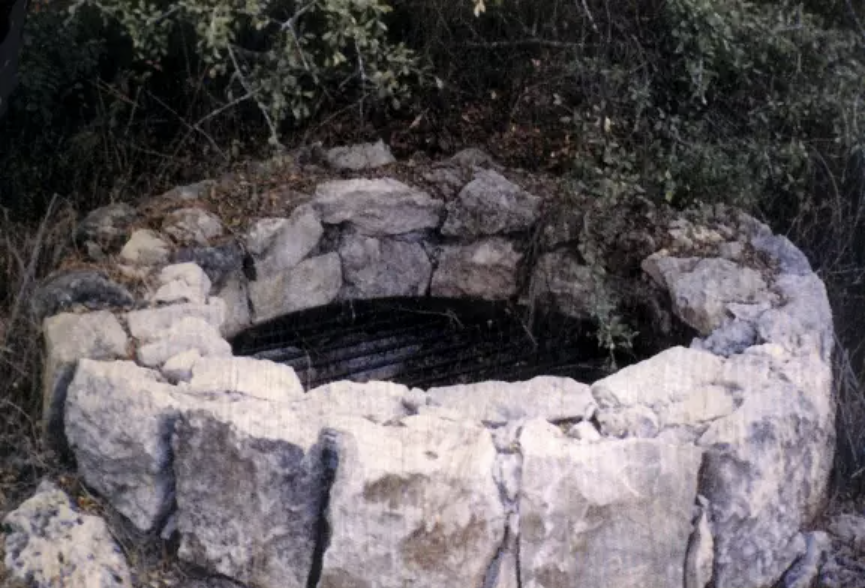
Operation Cast Thy Bread: Poisoning of Palestinian Wells In April 1948, during the Arab–Israeli War following the end of the British Mandate for Palestine, personnel ...
Explore event →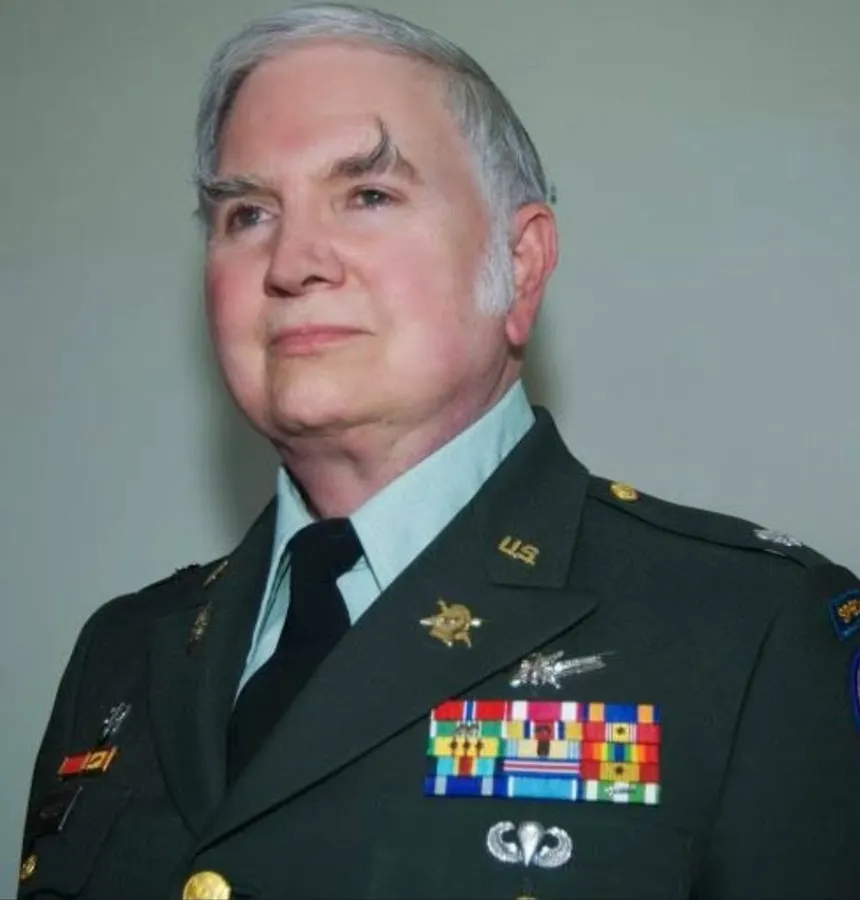
Michael A. Aquino Jr. (October 16, 1946 – September 1, 2019) was an American political scientist, military officer, and religious founder. He served as a specialist in...
Explore event →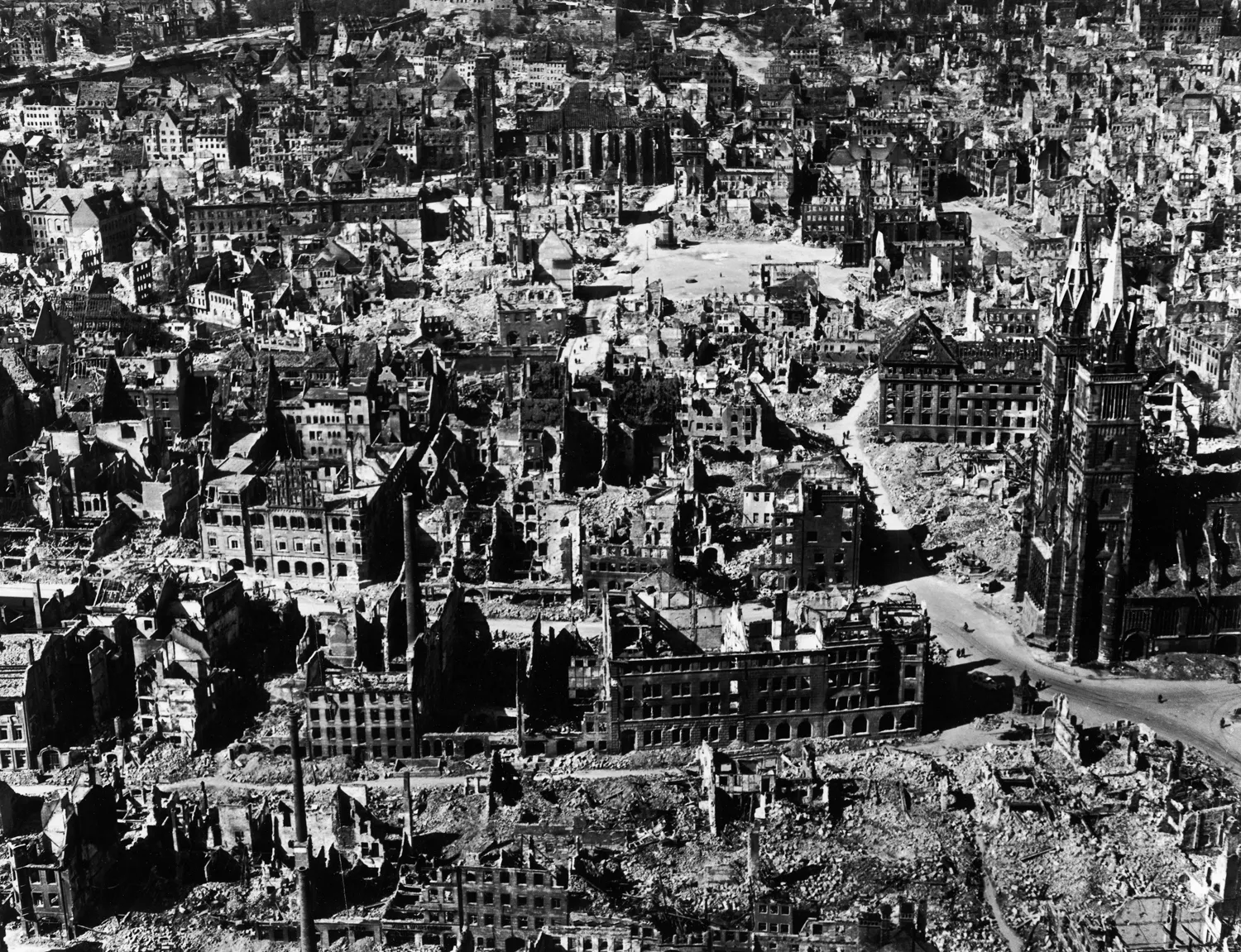
During World War II (1939–1945), the Allied forces of the United States and the United Kingdom carried out a widespread strategic bombing campaign against German citie...
Explore event →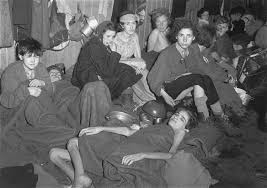
Typhus and Mortality in Nazi Concentration Camps Historical records from the International Committee of the Red Cross (ICRC), Nazi documentation, and post-w...
Explore event →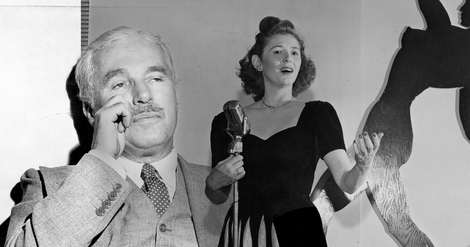
Joan Barry was an American actress who became involved with Charlie Chaplin during the early 1940s. Their relationship later resulted in a highly publicized paternity ...
Explore event →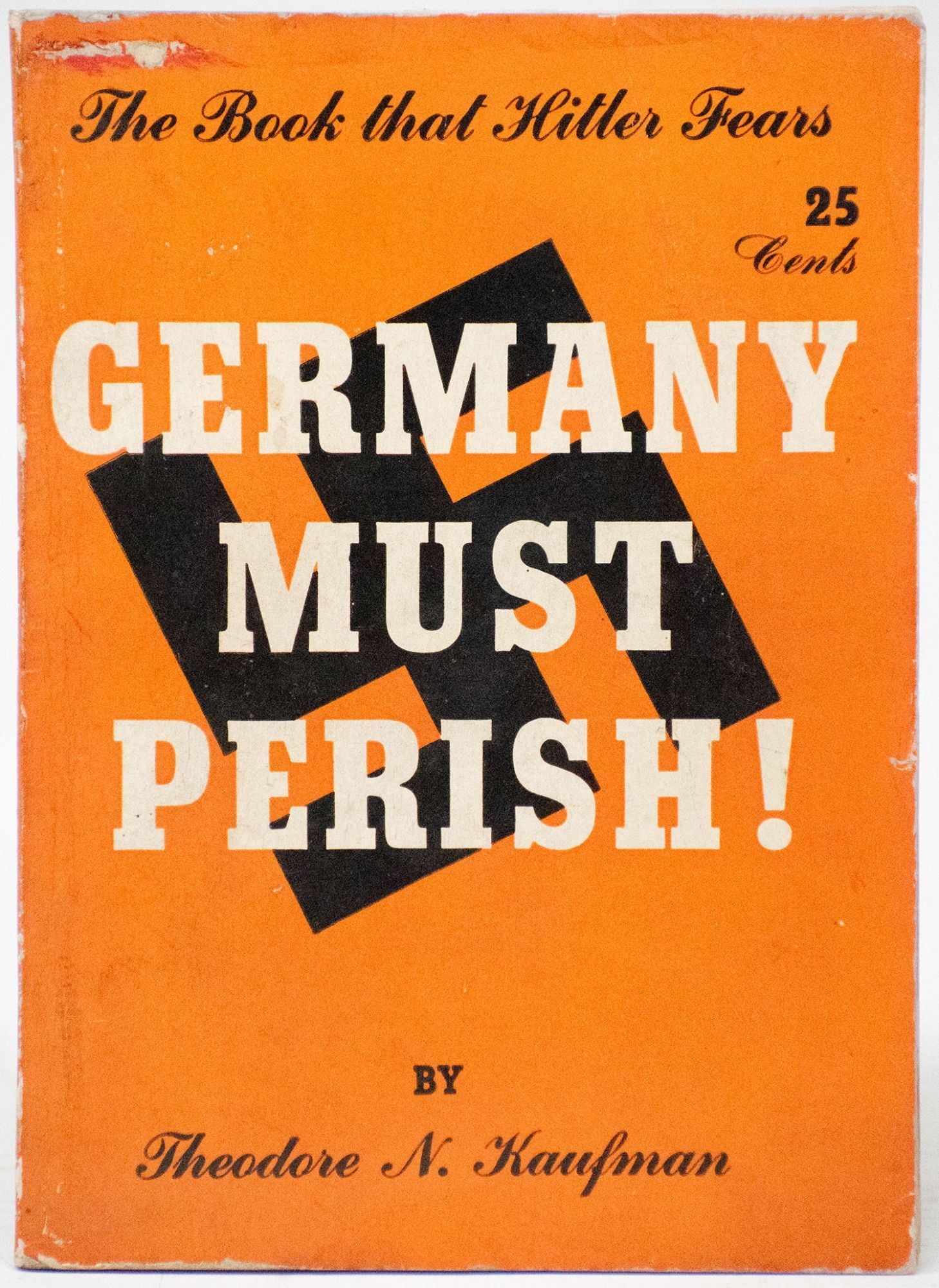
Publication of *Germany Must Perish!* by Theodore Kaufman On February 28, 1941, American author Theodore N. Kaufman self‑published a book titled *Germany Mu...
Explore event →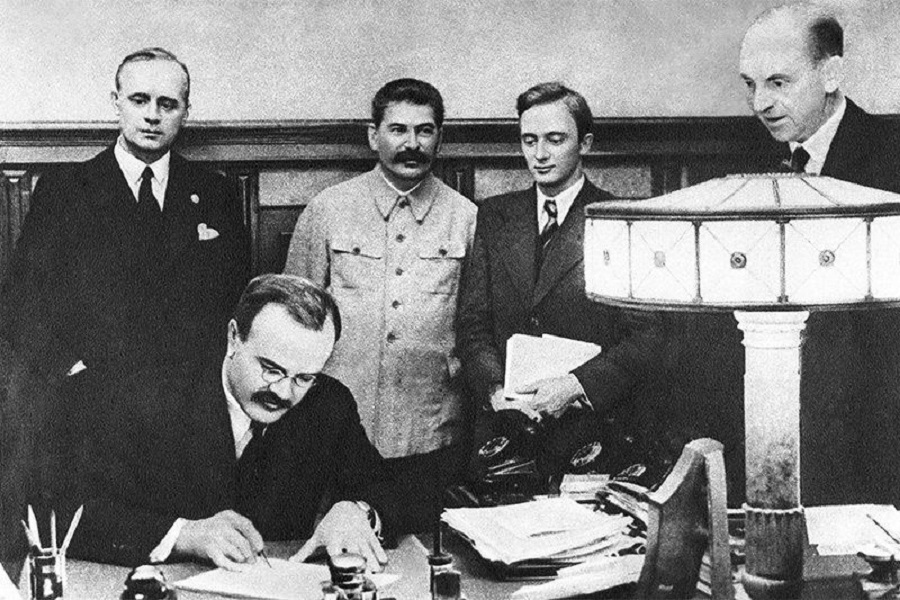
The German–Soviet Non-Aggression Pact And Its Secret Protocols On August 23, 1939, the governments of Germany and the Soviet Union signed a non-aggression t...
Explore event →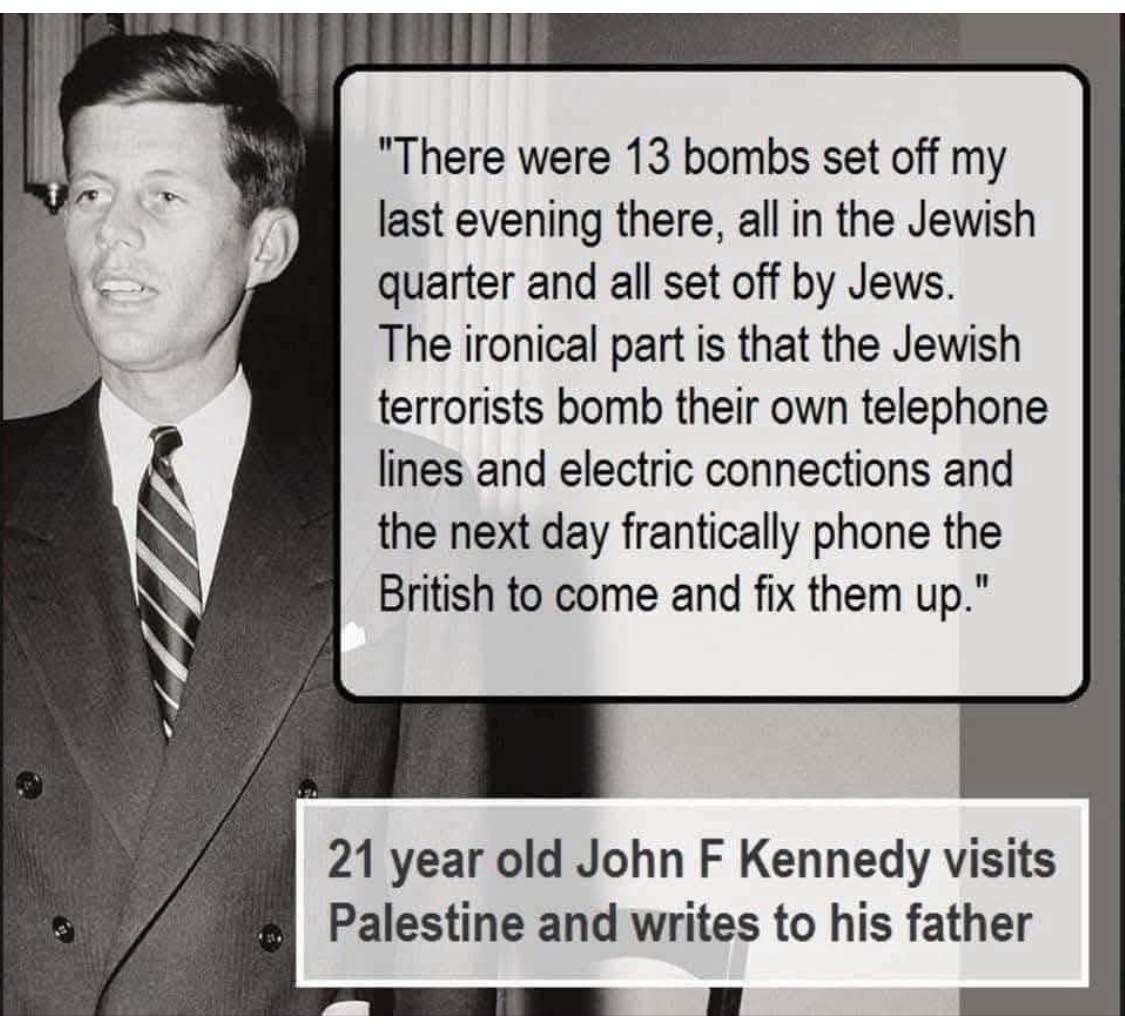
JFK: The Letter Mentions That 13 Bombs Went Off in Jerusalem on His Last Night There, Which He Attributed to Jewish Terrorists (Likely the Irgun Militia) Attempting to...
Explore event →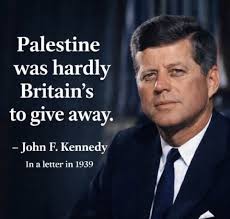
JFK Wrote in 1939 That Palestine Was Hardly Britain's to Give Away In July 1939, John F. Kennedy, then a 22-year-old Harvard student, visited Palestine duri...
Explore event →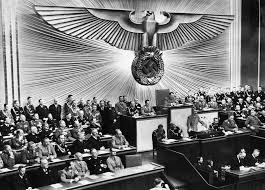
Adolf Hitler References British Rule in Palestine in Reichstag Address “It appears to have slipped Mr. Roosevelt’s mind that Palestine is not being occupied...
Explore event →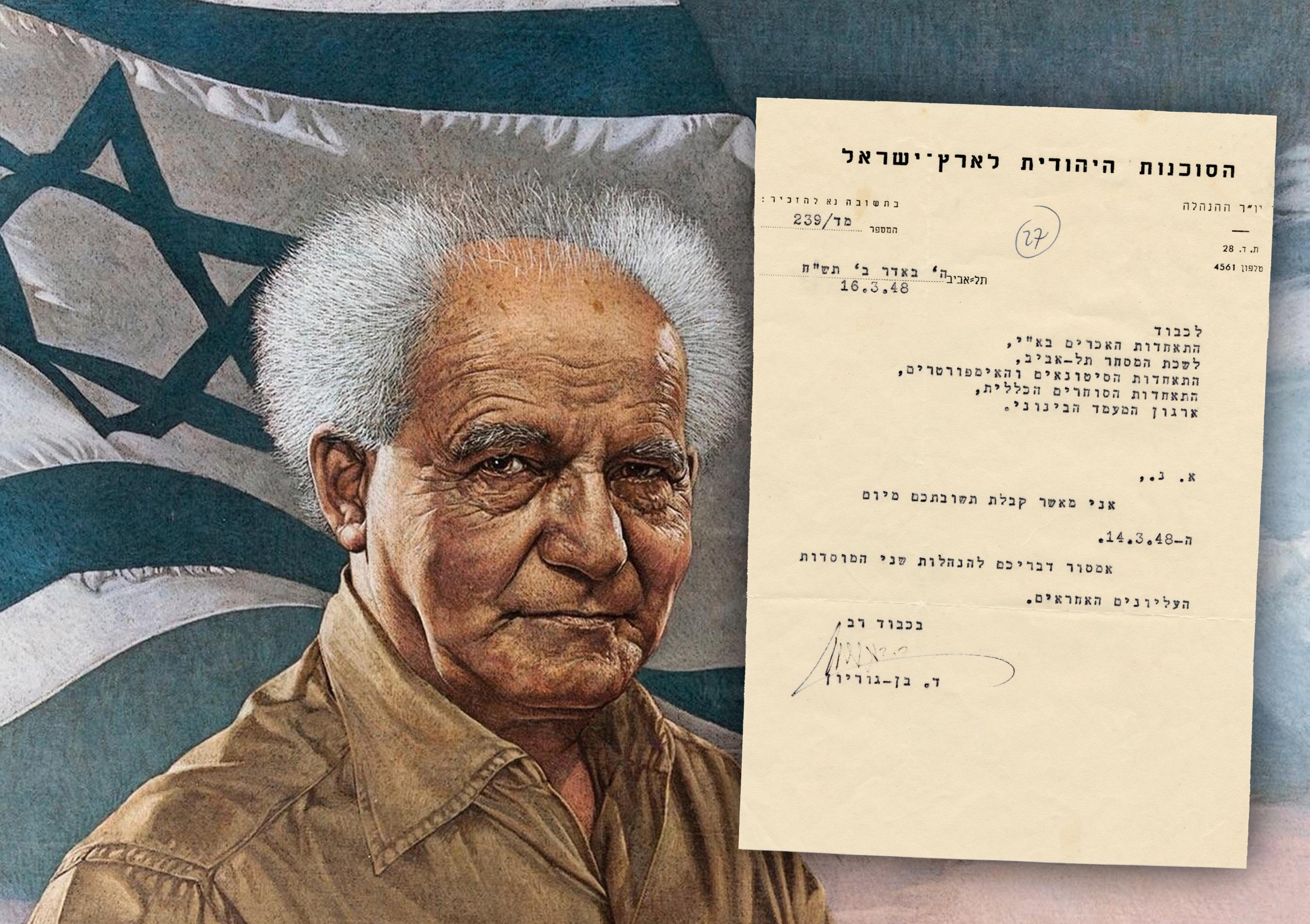
David Ben-Gurion Controversial Statements Record On October 5, 1937, David Ben-Gurion wrote a letter to his son Amos following the Peel Commission’s proposal to parti...
Explore event →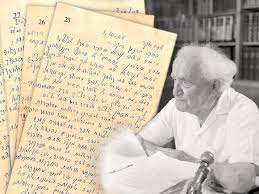
David Ben-Gurion 1937 Letter Controversy On October 5, 1937, David Ben-Gurion, then head of the Jewish Agency Executive, wrote a letter to his son Amos during the per...
Explore event →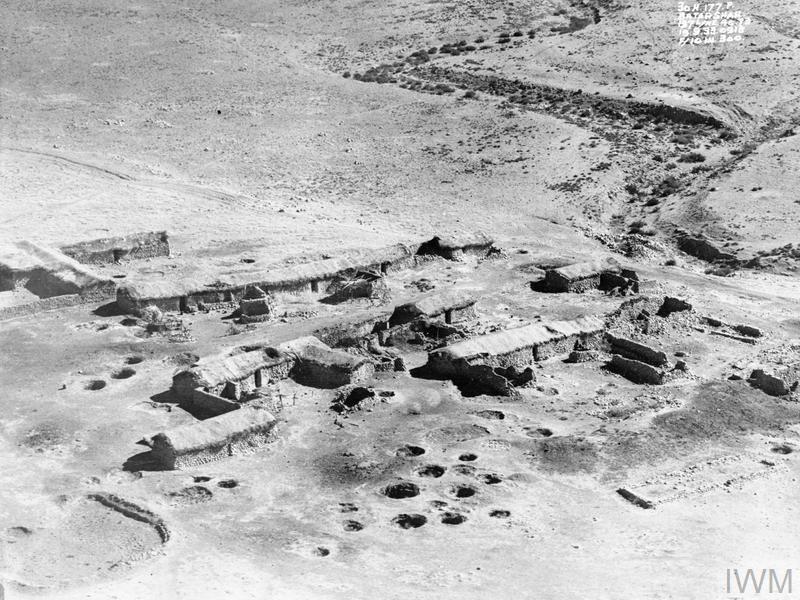
Simele Massacre On August 7, 1933, units of the Iraqi Army entered the town of Simele in northern Iraq during a military campaign targeting Assyrian communities. Tens...
Explore event →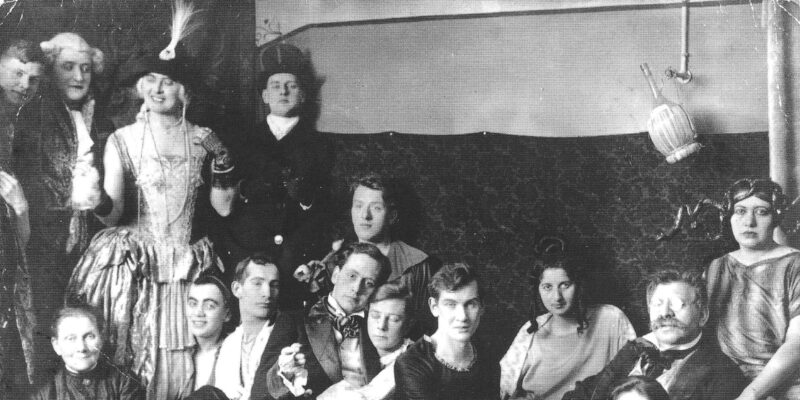
In early 20th century Germany, Berlin was a center for sexual reform and research. Dr. Magnus Hirschfeld (1868–1935), physician and sexologist, a German Jewish doctor,...
Explore event →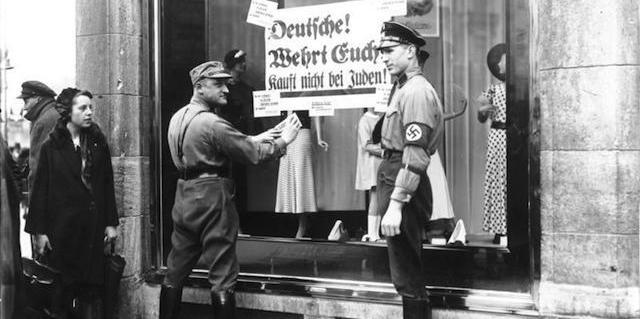
Financial backers of Hitler in 1933 In early 1933, Adolf Hitler received financial support from multiple sources as he rose to power in Germany. Major contributions c...
Explore event →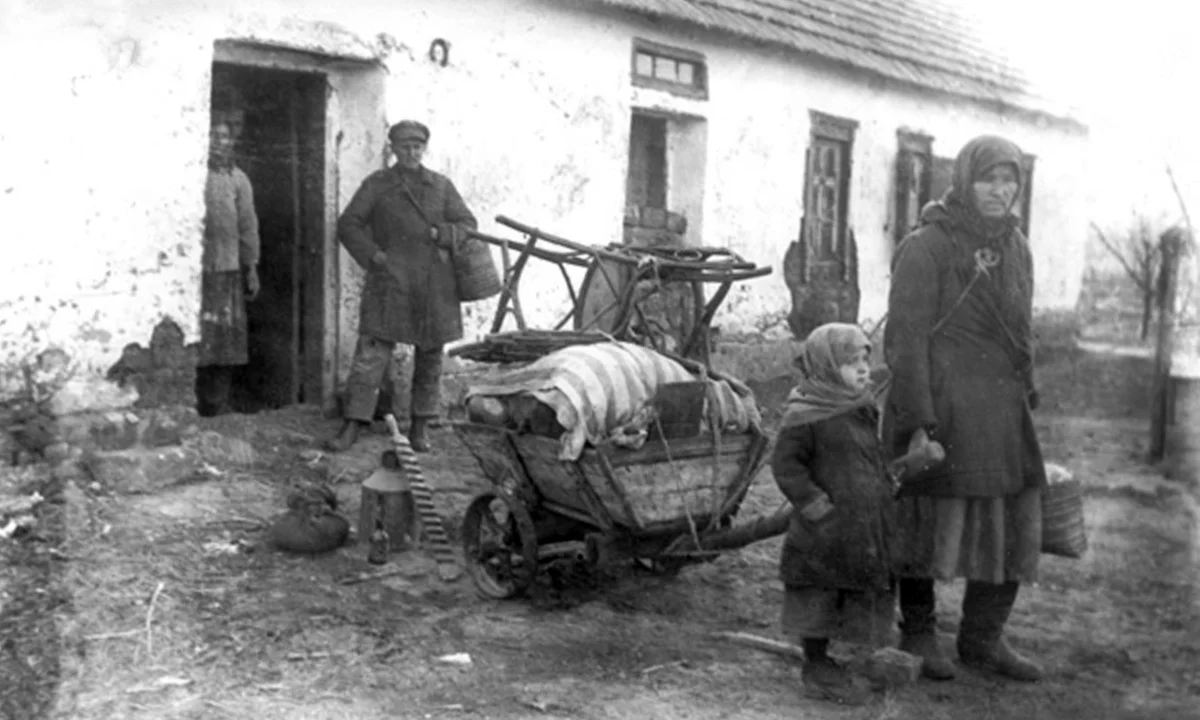
Soviet-Era Famines Under Bolshevik Rule Between 1930 and 1933, a series of mass famines occurred across the Soviet Union following Bolshevik policies of for...
Explore event →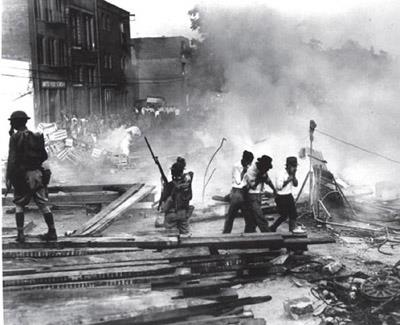
Bonus army removed from Washington In the spring and summer of 1932, approximately 17,000 to 25,000 World War I veterans, along with their families and supporters, as...
Explore event →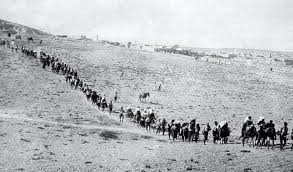
Pontic Greek Genocide On May 19, 1919, military operations intensified against Greek communities in the Pontus region along the Black Sea coast of the Ottoman Empire....
Explore event →
2014–2026 — Egypt remains the most populous country in the Arab world and one of the principal political centers of the eastern Mediterranean and Middle East. Cairo do...
Explore research
25 January–11 February 2011 — Mass demonstrations erupt against police brutality, corruption, economic frustration and authoritarian government. Cairo's Tahrir Square ...
Explore research
11 April 1985 — Hoxha dies after more than four decades at the center of Albanian communist power. Ramiz Alia succeeds him and gradually introduces limited reforms as ...
Explore research
21–31 January 1920 — Albanian political leaders meet at Lushnjë to reassert sovereignty and resist foreign plans that threatened partition. The congress creates new na...
Explore research
1920–present — Tirana is selected as the seat of government following the Congress of Lushnjë. Over the twentieth century it grows from a relatively small town into Al...
Explore research
8 March 1917 — Demonstrations, strikes and bread shortages in Petrograd begin the revolutionary crisis that destroys the imperial government. Soldiers increasingly ref...
Explore research
1788–1822 — Ali Pasha controls Ioannina and expands his authority across Epirus, southern Albania and surrounding regions. His court becomes a major political center w...
Explore research
1757–1831 — The Bushati family builds a powerful semi-autonomous political center around Shkodër while formally remaining within the Ottoman Empire. At its height, Bus...
Explore research
Powerful Ottoman-Albanian ruler who builds an effectively autonomous state centered on Ioannina.
Explore research
1250–1517 CE — Military elites known as Mamluks seize political control and establish a powerful sultanate centered on Cairo. They defeat Mongol forces at Ain Jalut an...
Explore research
c. 1190–1255 — Arbanon emerges as the earliest known autonomous Albanian principality. Centered in north-central Albania, it operates between Byzantine, Serbian, Venet...
Explore research
970–972 CE — The Fatimids establish the mosque and teaching institution that develops into al-Azhar. Over the centuries it becomes one of the most influential centers ...
Explore research
969 CE — Fatimid forces establish al-Qahira, Cairo, as a new royal and military city. The settlement grows beside older Fustat and eventually absorbs it into an enormo...
Explore research
969 CE — The Isma'ili Shi'a Fatimid Caliphate conquers Egypt and establishes a new political center north of Fustat. Egypt becomes the heart of a powerful caliphate ex...
Explore research
641 CE — Muslim authorities establish Fustat near the old Roman fortress of Babylon on the Nile. The city becomes the administrative center of Islamic Egypt and develo...
Explore research
395–641 CE — Egypt becomes part of the eastern Roman Empire centered on Constantinople, later called Byzantine. Alexandria remains one of Christianity's major intellec...
Explore research
30 BCE–395 CE — Egypt remains one of the Roman Empire's wealthiest provinces. Alexandria continues as a major commercial and intellectual center while traditional Egyp...
Explore research
305–30 BCE — The Macedonian Ptolemaic dynasty rules Egypt after the fragmentation of Alexander's empire. Its kings present themselves simultaneously as Hellenistic mon...
Explore research
331 BCE — Alexander establishes Alexandria on Egypt's Mediterranean coast. Under his successors, the city becomes one of the greatest centers of trade and scholarship ...
Explore research
c. 588 BCE — Greek settlers establish Apollonia near the lower Vjosa River. The city grows into an important commercial and intellectual center connecting the Adriatic...
Explore research
c. 1070 BCE — Central royal authority weakens while powerful priestly institutions and regional rulers gain influence. Egypt loses much of its empire in the Levant and...
Explore research
c. 1070–664 BCE — Political power is divided among several dynasties and regional centers. Libyan-descended ruling families establish dynasties in northern Egypt, whil...
Explore research
Around 1200 BCE — Major palace centers are destroyed or abandoned during the wider Bronze Age Collapse.
Explore research
c. 2181–2055 BCE — Egypt is politically divided among competing centers, especially Herakleopolis in the north and Thebes in the south. Provincial rulers exercise grea...
Explore research